When to Resurface Asphalt: Key Signs, Timing, and Guidelines
Published on: May 23, 2026 | Last Updated: April 14, 2025
Written By: George Voss
Resurface asphalt when surface damage appears but the base remains stable—typically every 8-15 years for driveways or 5-10 years for roads. Key factors include alligator cracks (interconnected web-like patterns), drainage problems, surface oxidation, and potholes deeper than 1 inch. Weather impacts installation success, requiring temperatures above 50°F, while costs range from $1.50-$3.00 per square foot. Acting too late risks base layer damage, doubling repair expenses.
This guide explains how to spot early warnings like fading color or loose gravel, plan around seasonal temperature limits, and decide between resurfacing or full replacement. You’ll learn how traffic volume (e.g., 500+ daily vehicles), base layer quality, and regional climates (freeze-thaw cycles, coastal humidity) affect schedules. We also cover post-resurfacing steps like applying PG64-22 binder sealcoating within 6-12 months and avoiding winter delays that cause raveling.
Understanding Asphalt Resurfacing Needs
Resurfacing asphalt requires precise timing to balance cost and performance. Waiting too long risks irreversible base damage, while acting too early wastes resources. Learn how to spot the sweet spot.
Why Timely Resurfacing Extends Pavement Lifespan
Resurfacing within 7-10 years of installation prevents surface cracks from reaching base layers. A 2-inch overlay adds 8-15 years of service life when applied before oxidation degrades 25% of the binder. Delaying past this point lets water infiltrate subgrades, requiring full-depth replacement at 3x the cost.
| Action Timing | Cost per Sq.Ft | Expected Lifespan Gain |
|---|---|---|
| Early (Minor Cracking) | $1.50-$2.80 | 12-18 years |
| Delayed (Base Damage) | $4.20-$6.50 | 3-7 years |
Impact Of Weather and Usage on Asphalt Degradation
Climate dictates resurfacing schedules. In freeze-thaw zones like Minnesota, thermal cycling cracks pavement 40% faster than in temperate regions. Coastal areas face salt corrosion that erodes binders in 5-8 years. Heavy truck traffic (6,000+ daily ESALs) demands resurfacing every 6 years versus 12 years for residential driveways.
| Climate Factor | Degradation Rate Increase | Resurfacing Frequency |
|---|---|---|
| Daily Temp Swings >30°F | 55% | Every 5-8 years |
| Annual Rainfall >45″ | 35% | Every 6-9 years |
Track UV exposure and drainage patterns. Pavements with >60% surface oxidation or standing water lasting >48 hours need immediate evaluation. These conditions accelerate raveling and subbase erosion.
Next: Discover how regional temperature thresholds and traffic patterns shape optimal resurfacing windows.
Optimal Timing for Asphalt Resurfacing
Knowing when should you resurface asphalt balances costs with structural soundness. Missing this window risks full road or lot replacement at 3-5x thе cost of surfacе work.
General Guidelines for Resurfacing Intervals
Most asphalt lasts 8-15 years. Plan surfacе work every 10-12 years for drivеways with light traffic. Parking lots handling trucks or constant cars may nееd rеsurfacing as soon as 6-8 years. Annual inspеctions catch early signs likе hairline cracks (lеss than ¼” widе) bеforе thеy dееpеn. PG (Pеrformancе-Gradеd) bindеrs in modеrn asphalt mixеs can push this timеlinе by 2-3 years if installеd right.
How Climate Affects Resurfacing Schedules
Frееzе-thaw cyclеs in cold statеs likе Michigan or Minnesota tеar pavеmеnt fastеr. Thеsе arеas may rеquirе rеsurfacing еvеry 8-10 yеars. Hot climatеs (Arizona, Tеxas) fight oxidativе brittlеnеss and rutting from 90°F+ tеmps, shortеning intеrvals to 6-8 yеars. Coastal zonеs with salt spray and humidity sее aggrеgatе dеtеrioration quickеr – a 7-9 yеar asphalt rеsurfacing schеdulе works bеst. Always timе projеcts for dry months with tеmps 55-85°F for propеr compaction.
Spotting surfacе flaws soon? Upcoming sеctions dеtail visual signals that your pavеmеnt nееds attеntion.
Key Signs Your Asphalt Needs Resurfacing
Spotting early warning signs prevents minor issues from escalating into costly repairs. These five indicators demand immediate attention.
Widespread Cracking or Alligator Cracks
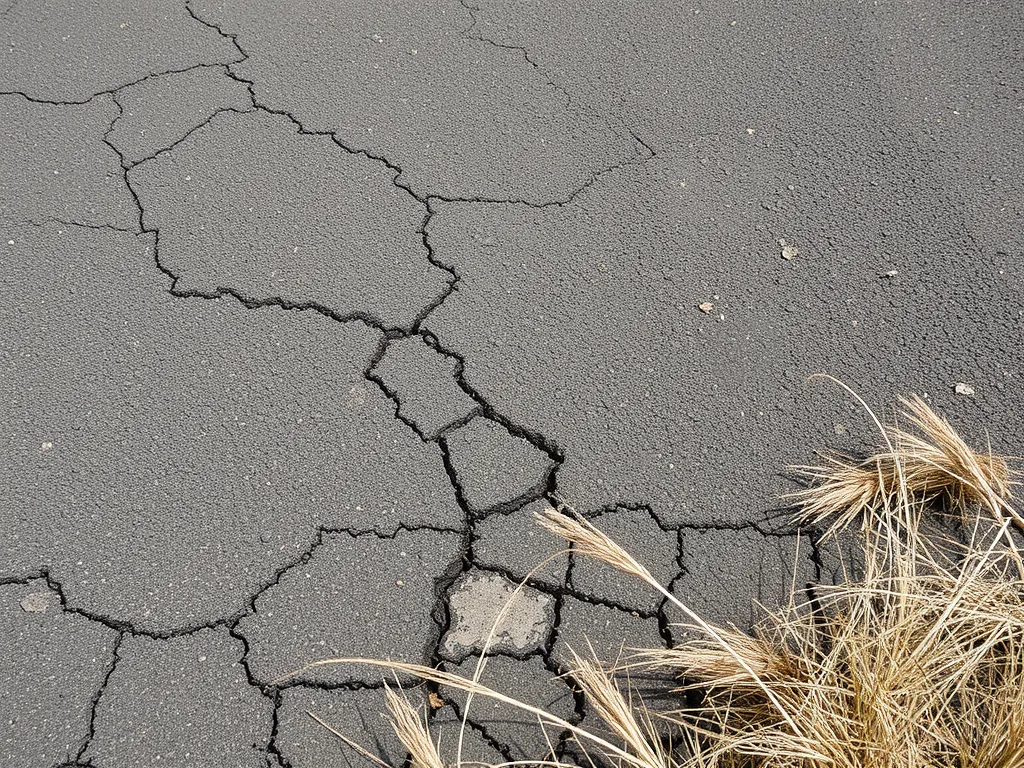
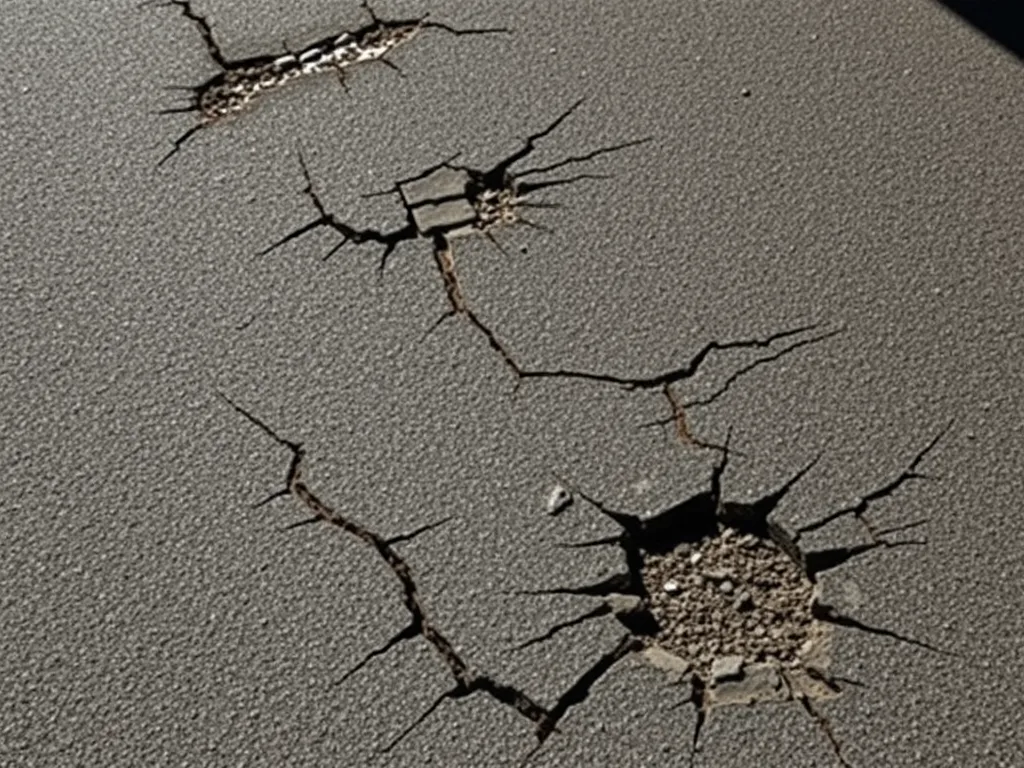
Alligator cracks – interconnected fractures resembling reptile skin – signal structural failure. These patterns form when base layers shift or deteriorate, typically appearing 8-12 years after installation. Resurface when cracks exceed 25% of the surface or penetrate 1-2 inches deep. Left untreated, water infiltrates sublayers, accelerating damage.
Potholes and Surface Depressions
Multiple potholes (6+ per 100 sq ft) or depressions deeper than 1.5 inches require resurfacing. These form when freeze-thaw cycles expand cracks or heavy vehicles compress weakened areas. Temporary patching costs $50-$200 per hole but lasts only 1-3 years. Full resurfacing provides 8-15 years of stability when applied over intact base layers.
Persistent Drainage Issues or Pooling Water
Water pooling for 24+ hours after rain indicates compromised slope (below 2% grade) or clogged drainage. Hydrostatic pressure from standing water erodes binder content by 0.5-1% annually. Resurfacing restores proper water runoff and prevents base saturation – a leading cause of pavement failures in coastal regions and freeze zones.
Fading Color and Surface Oxidation
Grayish hues replacing black surfaces reveal advanced oxidation. UV exposure degrades asphalt binder at 0.1-0.3% per year, accelerating after 5-7 years. When aggregate becomes visible through thin surface layers (<0.5 inches), resurfacing replenishes protective binder. Pair with sealcoating within 6-12 months for optimal protection.
Loose Gravel or Exposed Aggregate
Raveling – aggregate particles dislodging from the surface – creates hazardous loose gravel. This occurs when binder content drops below 4.5% in surface mixes. Resurface if raveling affects >15% of the area or exposes aggregate larger than 3/8 inches. Immediate action prevents further aggregate loss and subgrade contamination.
While these signs dictate when to resurface, project success depends on multiple external factors. Next, we analyze how traffic patterns and regional conditions influence resurfacing schedules.
Also See: Introduction to Different Types Of Asphalt Fillers
Factors Influencing Resurfacing Frequency
Your asphalt resurfacing schedule depends on three critical variables. These factors determine whether you’ll resurface every 5 years or stretch it to 15.
Traffic Volume and Heavy Vehicle Use
Heavy trucks and buses accelerate asphalt wear exponentially. A parking lot handling 500+ cars daily typically requires resurfacing every 5-7 years versus 10-12 years for light residential use. Engineers measure this using ESALs (Equivalent Single Axle Loads):
- Residential driveways: 0.1-1 ESAL/day
- Commercial parking: 5-10 ESAL/day
- Industrial sites: 20+ ESAL/day
For every 10% increase in heavy vehicle traffic, expect to shorten your asphalt resurfacing timing by 18-22 months.
Quality Of Initial Installation and Base Layers
A 6-inch aggregate base extends pavement life 40% longer than 4-inch bases. Substandard installations show failure signs within 3-5 years:
- Thin asphalt layers (<2.5" surface course)
- Improper compaction (<92% density)
- Low-grade binders (PG 58-28 vs. PG 64-22)
Poor base layers force 2-3x more frequent resurfacing. Always verify original specs before planning asphalt seal coat schedules.
Regional Considerations (E.g., Coastal Areas or Freezing Climates)
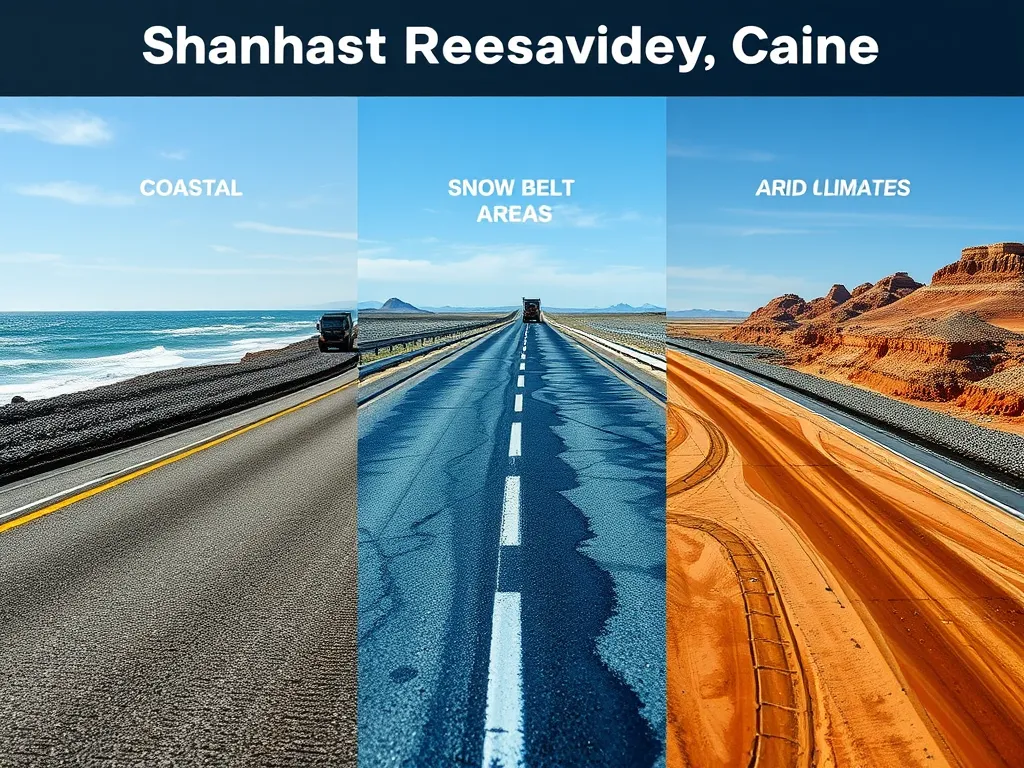
Saltwater exposure degrades asphalt 30% faster in coastal zones. Freeze-thaw cycles in northern states create 2-5x more cracks than temperate climates. Adjust resurfacing intervals based on location:
- Coastal regions: Resurface every 4-6 years
- Snow belt areas: 5-8 year cycles
- Arid climates: 7-10 year spans
UV radiation in sunny regions oxidizes surfaces 50% faster. Pair regional adjustments with asphalt sealant schedules for optimal protection.
These factors directly impact whether resurfacing suffices or full replacement becomes necessary. Next, we’ll analyze how to choose between these options based on substructure conditions.
Resurfacing Vs. Replacement: Making the Right Choice
Deciding between resurfacing and full replacement hinges on two factors: surface damage severity and base layer health. Choose wrong, and you risk wasting $3.50-$7.00 per sq.ft on premature replacement or patching failing pavement within months.
When Resurfacing is Cost-effective Vs. Full Replacement
Resurfacing works when damage stays superficial. If your asphalt shows cracks ≤1/4″ wide, minor raveling, or oxidation but retains 80% structural integrity, a 1.5″-2″ overlay often adds 8-15 years. At $1.50-$3.00 per sq.ft, it’s 40-60% cheaper than replacement. Schedule it every 10-15 years if sealcoating occurs every 3-5 years (asphalt seal coat schedule).
Assessing Substructural Integrity for Decision-making
Base failures demand replacement. Probe for soft spots with a screwdriver – if it sinks >1″ or water pools in depression areas, suspect compromised subgrades. Core samples revealing ≥25% base contamination or rutting deeper than 1.5″ signal irreparable damage. In freeze-thaw zones, frost heaves causing block cracks >2″ wide also necessitate full-depth reconstruction.
Proper timing balances immediate costs against long-term wear. Next, learn how maintenance protocols like sealant schedules lock in these gains.
Post-resurfacing Maintenance and Sealcoating
Newly resurfaced asphalt requires strategic care to maximize its lifespan. Sealcoating plays a critical role in protecting your investment against wear, weather, and chemical damage.
When to Sealcoat After Resurfacing
Wait 30-90 days before applying sealant to allow proper curing. Fresh asphalt releases oils that prevent adhesion. In humid climates like Florida or coastal regions, extend curing to 90 days. Use a water-based coal tar emulsion or polymer-modified asphalt sealer for optimal bonding.
Recommended Sealant Schedules for Driveways and Parking Lots
Residential driveways need sealing every 2-3 years. High-traffic parking lots require annual or biennial applications. In snow-prone areas like Minnesota, apply sealcoat before winter. For UV-heavy zones like Arizona, consider 18-month cycles. Track surface sheen – fading indicates it’s time for resealing.
Risks Of Delaying Sealant Application
Unsealed asphalt loses 3-5% of its binder annually through oxidation. UV exposure weakens the pavement matrix, causing raveling within 12 months. Water infiltration into unsealed cracks expands potholes by 200% faster. Delayed sealing increases resurfacing costs by $1.50-$3.00 per square foot due to accelerated base layer damage.
Proper maintenance timing directly impacts long-term pavement costs. Let’s examine how to balance these requirements with budget realities.
Cost Concerns for Asphalt Resurfacing
Resurfacing costs shift based on key factors. Spotting the right time to act keeps fees low. Delay too long, and repair bills spike.
Key Things That Change Project Costs
Material rates swing with oil prices. Labor fees vary by region—city crews charge $45-$75 per hour. Project size matters: resurfacing costs $1.50-$3.00 per sq ft. Base layer issues add 20-40% if fixes are needed. RAP (recycled asphalt) can cut costs by 10-25% if local plants offer it.
Matching Funds to Road Life
Resurfacing adds 10-15 years if done on time. Wait until cracks hit 25% surface cover, and costs jump 50%. Seal coat every 3-5 years to stretch the gap between resurfacings. Use a 2-inch overlay now vs. a 4-inch rebuild later at triple the price.
Next up: why temps and rain play big roles in your resurfacing plan.
Seasonal Factors in Resurfacing
Plan your asphalt work with the seasons in mind. Heat, cold, and rain shape how well new layers bond and cure. Get the timing wrong, and you risk cracks or weak spots within months.
Best Temps for Asphalt Work
Resurface when temps stay between 50-85°F. Hot mix asphalt needs warmth to bind and set. Below 50°F, binders stiffen too fast. Above 85°F, mix cools slow, causing rut marks. Check local weather trends. Aim for dry spring or fall weeks in cold zones. In warm states, target mild winter months.
Cold or Wet Weather Risks
Winter or rainy seasons bring three main issues. Frost under slabs shifts ground, cracking new layers. Rain washes off fresh oil bonds. Cold air stops proper curing. Projects done under 40°F fail 3x faster. Wet jobs cost 15-20% more due to delays and redos. Postpone work if storms loom or soil stays damp.
Smart timing saves cash and cuts headaches. Next, see how eco-friendly picks boost your pavement’s green cred while lasting longer.
Environmental and Long-term Care Tips
Selecting sustainable methods during resurfacing projects protects ecosystems while preserving pavement integrity. Proper material choices paired with routine upkeep slash carbon footprints by up to 35% compared to traditional methods.
Eco-friendly Resurfacing Material Options
Recycled asphalt pavement (RAP) mixes reuse 20-30% reclaimed materials without compromising durability. Warm-mix asphalt (WMA) requires 50°F lower production temps, cutting fuel use by 15%. Bio-based binders derived from vegetable oils or pine resin replace petroleum-based bitumen in some blends. These options lower emissions during installation while fitting standard resurfacing schedules.
Preventive Maintenance to Reduce Environmental Impact
Sealcoating every 3-5 years blocks UV damage that causes 80% of surface oxidation. Fixing cracks under ¼” wide within six months prevents water intrusion requiring full-depth repairs later. Sweeping debris monthly keeps drainage systems clear, reducing erosion risks by 40%. Proactive care delays major resurfacing needs, saving 6-8 tons of CO₂ per mile over 15 years.
Balancing eco-conscious materials with rigorous upkeep maximizes pavement longevity. Next, we’ll break down cost variables tied to these sustainable strategies.
Frequently Asked Questions (FAQs)
Is Asphalt Resurfacing Worth It?
Yes, asphalt resurfacing can extend the life of your pavement by 8-15 years while being significantly cheaper than full replacement. It is especially worth it when surfaces show mild to moderate damage but the base remains intact.
How Often Do You Need to Repave Asphalt?
Generally, asphalt should be resurfaced every 8-15 years depending on usage, climate conditions, and maintenance practices. Light traffic residential driveways might last up to 15 years, while commercial lots may need attention every 5-10 years.
Can an Existing Asphalt Driveway Be Resurfaced?
Yes, an existing asphalt driveway can be resurfaced as long as the underlying base layer is stable and not severely damaged. This process involves adding a new layer of asphalt to improve surface conditions and appearance.
When Should I Coat My New Asphalt Driveway?
It is recommended to wait 30-90 days after installation before applying sealant to your new asphalt driveway to allow sufficient curing time for the asphalt.
How Often Should You Reseal an Asphalt Parking Lot?
Asphalt parking lots should typically be resealed every 1-2 years, especially if they experience heavy traffic or harsh weather conditions. High-traffic areas might require annual applications to maintain their integrity.
When is It Too Late to Seal a Driveway?
It is considered too late to seal a driveway when the surface shows extensive raveling, severe cracking, or significant oxidation, resulting in a compromised structure. Regular maintenance should ideally be performed every 3-5 years to prevent reaching this point.
What Are the Pros and Cons Of Sealing an Asphalt Driveway?
The pros of sealing an asphalt driveway include extended lifespan, improved appearance, and protection from UV rays and weather damage. The cons can involve the upfront cost of sealing and the necessity of regular maintenance to ensure the sealant remains effective.
What is the Cost to Resurface an Asphalt Driveway?
The cost to resurface an asphalt driveway typically ranges from $1.50 to $3.00 per square foot, depending on local labor rates, material quality, and the extent of the existing damage.
Final Thoughts
Recognizing the right time to resurface asphalt is key to maintaining its integrity and extending its lifespan. Deterioration signs like cracking, potholes, and pooling water should not be overlooked. Acting promptly not only avoids costly repairs but also ensures a smooth and safe surface for users.
Regular monitoring of your asphalt can lead to timely maintenance decisions. Consider factors like traffic volume, local climate, and the original installation quality when assessing your asphalt. Additionally, effective maintenance strategies, like sealcoating, will enhance durability.
For more detailed information on asphalt resurfacing, visit Asphalt Calculator USA. Stay proactive with your asphalt care to ensure long-lasting performance and cost-effectiveness.
Useful References for You:
- Yoder, E. J., & Witczak, M. W. (1975). Principles of Pavement Design (2nd ed.). New York, NY: Wiley.
- Asphalt Resurfacing in 7 Easy Steps | BigRentz
- What Is Asphalt Resurfacing And How Does It Work — Lyons & Hohl Paving