Snow and Ice Impact on Asphalt: How Winter Wears Down Pavement
Published on: April 15, 2026 | Last Updated: April 14, 2025
Written By: George Voss
Snow and ice damage asphalt through repeated freeze-thaw cycles and physical stress. Water seeps into pavement cracks, freezes, and expands by up to 9%, fracturing the asphalt from within. Daily snowmelt erodes surfaces, while heavy snow piles add weight stress—up to 40 lbs per square foot for compacted snow. De-icing salts like sodium chloride break down the bitumen binder, accelerating cracks and potholes. Preventive steps include sealcoating ($0.15-$0.25 per sq ft) to block moisture and crack filling to stop small gaps from widening. Proper winter care reduces slip risks and repair costs by 30-50%.
This article details how snow, ice, and winter maintenance impact asphalt durability. Explore freeze-thaw science, salt corrosion effects, and drainage fixes like regrading slopes. Get data-driven strategies for snowplow blade angles, eco-friendly ice melts (e.g., calcium magnesium acetate), and why repairs need temps above 50°F. We’ll compare regional challenges—from Minnesota’s deep freezes to Colorado’s rapid thaws—and cost-effective solutions for roads, driveways, and parking lots.
Understanding the Effects Of Snow and Ice on Asphalt
Winter weather creates unique challenges for asphalt surfaces. Snow effect on asphalt and ice effect on asphalt combine to trigger both gradual structural damage and immediate surface wear. Below, we break down the science behind these impacts.
How Freeze-thaw Cycles Damage Asphalt Surfaces
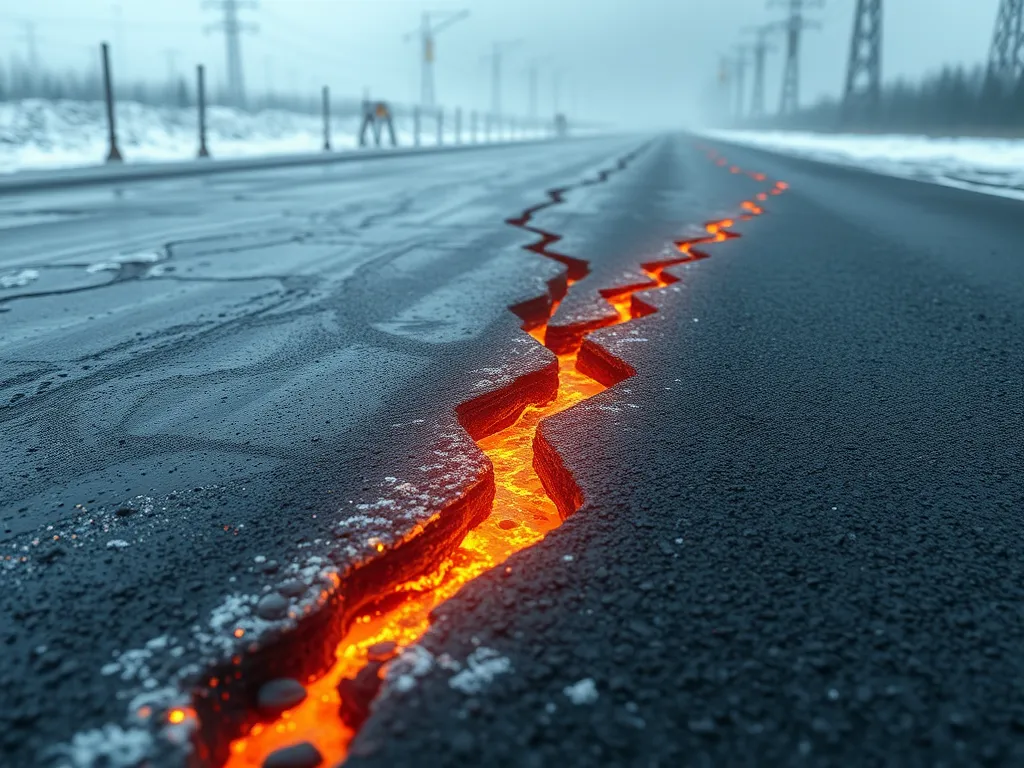
Freeze-thaw damage asphalt occurs when water penetrates pavement pores. Temperatures dropping below 32°F turn this moisture into ice, creating internal pressure. Each cycle weakens the material’s bond, leading to cracks and potholes.
Expansion and Contraction in Asphalt Pavement
Water expands by 9% when freezing. This force exerts up to 2,500 psi within asphalt layers—enough to split seams or lift edges. Repeated thawing and refreezing amplifies stress on binder-aggregate bonds, accelerating asphalt frost damage.
Cracking from Ice Formation in Asphalt Pores
Microscopic ice crystals form in asphalt’s air voids during snow freezing asphalt events. Over time, these fractures connect into spiderweb cracks (alligator cracking). PG binders—asphalt mixed for specific temperature ranges—slow this process but can’t stop it entirely.
Immediate Impacts Of Snow and Ice on Asphalt
Beyond gradual freeze-thaw cycles, winter storms deliver direct harm. Heavy snow loads and rapid meltwater flow test pavement resilience within hours.
Surface Erosion from Snowmelt
Melting snow on asphalt generates high-velocity runoff. This strips away fine aggregates at rates up to 1/8″ per storm in poorly sealed pavement. Calcium chloride ice melt products worsen erosion by breaking down binder chemistry.
Weight Stress from Accumulated Snow on Roads and Parking Lots
One foot of wet snow weighs ~20 lbs/sq ft. Parking lots storing plowed piles face localized pressures exceeding 1,000 lbs/sq ft—more than double standard design limits. This compacts base layers, creating depressions that hold water for future freeze cycles.
While surface-level issues demand attention, deeper structural shifts often follow. Next, we’ll explore how moisture and chemicals penetrate pavement layers to weaken roads from within.
Structural Impacts Of Winter Conditions on Asphalt
Winter weather alters asphalt’s physical properties through repeated stress cycles. These changes weaken pavement layers over time, requiring targeted mitigation strategies.
Moisture Infiltration and Asphalt Degradation
Water penetrates 0.1-0.3 mm daily into unsealed asphalt during snowmelt. This moisture accumulates in base layers, reducing load-bearing capacity by 18-23% according to NAPA studies. Freeze-thaw cycles then expand trapped water, creating internal pressures up to 2,100 psi.
Role of Improper Drainage in Accelerating Damage
Slopes below 2% grade increase water retention risks. Clogged catch basins force meltwater sideways through asphalt pores instead of directing it away. This lateral flow erodes aggregate bonds 40% faster than vertical infiltration.
Effects Of De-icing Agents on Asphalt Integrity
70% of US municipalities use sodium chloride for ice control. While effective at melting ice on asphalt, these chemicals alter pavement chemistry through multiple mechanisms.
Salt-Induced Corrosion of Asphalt Binders
Chloride ions from road salt break polymer chains in PG 64-22 binders. This reduces binder viscosity by 15°C, accelerating raveling and pothole formation. Salt-contaminated asphalt shows 30% higher cracking rates after 5 winters.
Chemical Breakdown from Ice Melt Products
Calcium chloride and magnesium chloride lower asphalt’s pH to 9.2-10.5, destabilizing alkaline aggregates. Urea-based melts release ammonia that degrades Superpave mixes. Testing shows 500 freeze-thaw cycles decrease tensile strength by 52% when exposed to chlorides.
These structural challenges set the stage for exploring proactive protection methods. Effective solutions combine material science with winter maintenance adjustments.
Preventing Snow and Ice Damage to Asphalt
Proactive measures counter freeze-thaw cycles and ice damage asphalt surfaces. These strategies preserve structural integrity while reducing long-term repair costs by 30-50%.
Pre-winter Asphalt Preparation Strategies
Address vulnerabilities before temperatures drop below 40°F. Focus on sealing surface gaps and reinforcing weak points exposed to snow and asphalt interactions.
Sealcoating for Surface Protection
Apply coal-tar or asphalt-based sealants every 2-3 years. This 3mm protective layer blocks melting snow on asphalt from penetrating pores, reducing freeze-thaw damage asphalt experiences. Properly sealed surfaces reflect 20% more UV rays, slowing binder degradation from asphalt ice formation.
Timely Crack Filling to Block Moisture
Fill cracks wider than 1/8″ with rubberized asphalt emulsion. Unsealed cracks allow 15 gallons of water per linear foot to seep into base layers annually. Winter freezing expands this moisture by 9%, accelerating asphalt frost damage and pothole formation.
Optimizing Drainage Systems
Effective water management prevents ice road asphalt deterioration. One inch of snowmelt asphalt runoff requires proper channeling to avoid subsurface saturation.
Grading Adjustments for Efficient Snowmelt Runoff
Maintain 2% minimum slope across parking lots and 3-5% on roads. Regrade low spots holding standing water within 24 hours of thawing frozen asphalt. Pair with catch basins every 75-100 feet to handle 12-18 gallons per minute flow rates during snowmelt asphalt events.
While these preventive measures form your first defense, winter’s challenges demand ongoing care. Next, we’ll examine maintenance practices that protect asphalt surfaces during active snow and ice seasons.
Also See: How to Use a Paver Machine Effectively
Winter Maintenance Practices for Asphalt Surfaces
Effective winter care prevents snow freezing asphalt damage while maintaining drivable surfaces. Proper techniques reduce ice road asphalt deterioration from repeated freeze-thaw cycles.
Safe Snow and Ice Removal Techniques
Aggressive plowing or shovel scraping ranks among the top causes of asphalt snow damage. Strategic methods protect pavement integrity during snow clearing operations.
Best Practices for Shoveling and Plowing
Keep plow blades 1-2″ above asphalt surfaces to avoid gouging. Use plastic-edged shovels for manual snow topping asphalt removal. Angle plows at 30-45 degrees to minimize blade contact – reduces friction that wears down asphalt binders.
Minimizing Mechanical Damage During Snow Clearing
Metal blades scrape off 0.5-1mm of asphalt surface freeze-thaw layers per winter. Replace worn plow shoes every 50 miles. Schedule snow removal when temps exceed 15°F – frozen asphalt below this threshold cracks 3x faster under equipment stress.
De-icing Product Selection and Application
Salt and snow on asphalt create a corrosive mix that erodes 8-12% of binder content annually. Smart chemical choices curb ice damage asphalt risks.
Balancing Effectiveness and Asphalt Safety
Calcium magnesium acetate (CMA) melts ice at 20°F with 40% less binder corrosion than rock salt. Beet juice blends lower freeze points to -20°F without chloride damage. Limit sodium chloride to 12oz per sq yard – higher concentrations accelerate surface erosion.
Post-Storm Cleanup to Remove Residual Chemicals
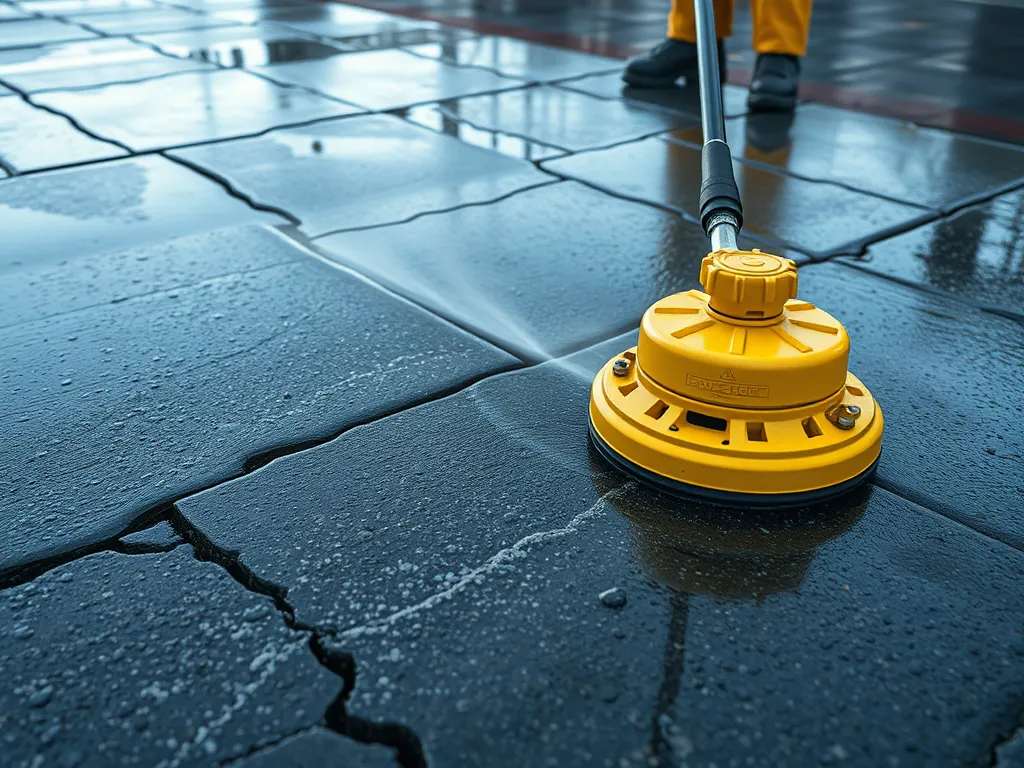
Power wash treated areas within 48 hours after snowmelt asphalt exposure. Focus on joints/cracks where deicers pool – these zones show 60% higher aggregate degradation. Apply pH-neutral cleaners to neutralize salts: 1gal vinegar per 3gal water removes 85% of chloride residues.
While these methods reduce immediate winter threats, long-term durability requires addressing environmental factors beyond surface treatments.
Environmental Considerations for Asphalt Durability
Winter weather harms roads and lots. But how we handle snow and ice affects both pavement and the planet. Let’s explore eco-friendly ways to balance safety and asphalt care.
Long-term Effects Of Freeze-thaw Cycles
Water seeps into tiny cracks. When temps drop below 32°F, it freezes and expands by 9%. Thawing leaves gaps for more water. Repeat this 40-60 times a winter, and even strong asphalt fails.
Regional Climate Impact on Pavement Lifespan
Northern states face 2x more freeze-thaw shifts than southern zones. Minnesota roads last 12-15 years vs Texas’ 20+ years. Frost lines (soil freeze depth) matter too – deeper in Maine (4-6 ft) vs Ohio (3 ft).
Sustainable Winter Management Practices
Salt cuts ice but harms asphalt. Each winter, 22 million tons hit US roads. New methods protect surfaces while cutting chloride runoff by up to 70%.
Eco-Friendly Alternatives to Traditional Salt
| Option | Cost/Ton | Effective Temp | Asphalt Impact |
|---|---|---|---|
| Calcium Chloride | $150 | -25°F | Low corrosion |
| Beet Juice Blend | $300 | 5°F | No damage |
| Sand | $15 | All temps | Grit wears surface |
Pre-wetting salt with brine cuts use by 30%. Porous asphalt lets meltwater drain fast, slashing ice bonds by 50%.
Smart winter care saves roads and reduces harm. Next, let’s tackle common questions about snow, ice, and pavement survival.
FAQs: Snow and Ice Impact on Asphalt
Does Snow Damage Asphalt?
Yes, snow can damage asphalt by creating conditions that lead to cracking and surface erosion, especially when it melts and causes water to infiltrate the pavement structure.
Will Ice Melt Products Damage Asphalt?
Some ice melt products, particularly those that contain salt, can lead to long-term damage by corroding asphalt binders. Choosing eco-friendly alternatives can help mitigate these risks.
Does Snow Melt Faster on Asphalt?
Generally, asphalt absorbs heat more effectively than snow-covered surfaces, leading to faster melting of snow. However, this can result in ice formation if not managed properly.
How Cold is Too Cold for Asphalt Repairs?
Asphalt repairs should ideally be made when temperatures are above 50°F, as lower temperatures can adversely affect the bond and curing process of the asphalt material.
Closing Thoughts
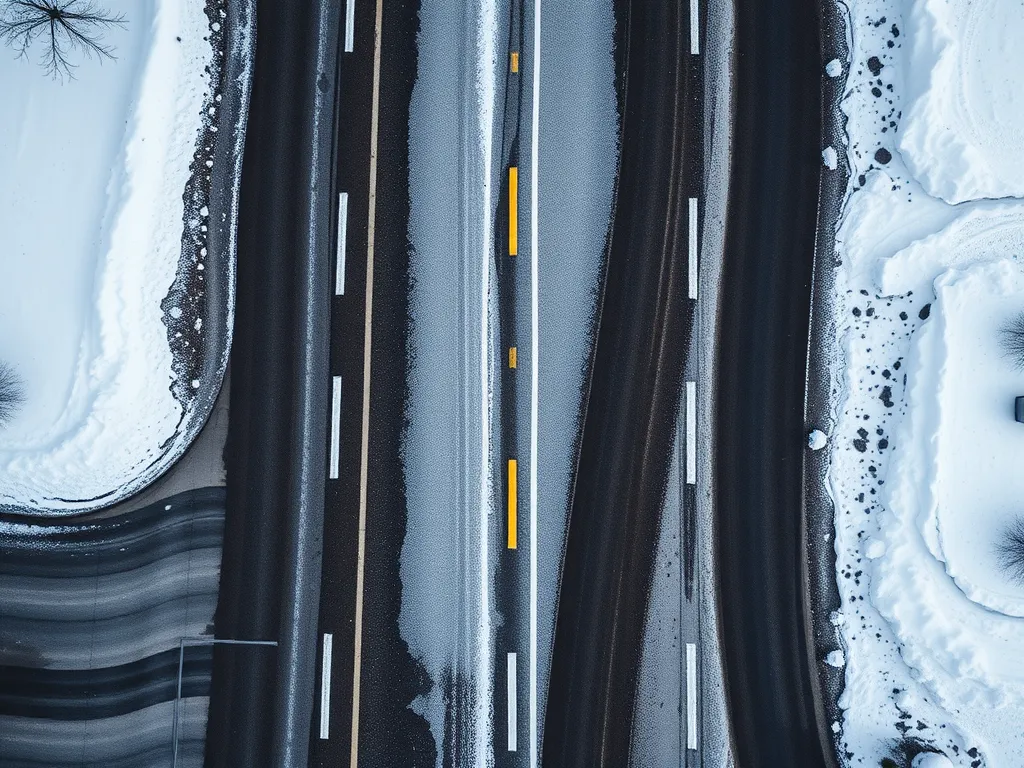
Snow and ice significantly impact asphalt surfaces, leading to deterioration if not managed effectively. Freeze-thaw cycles create stress, causing cracks and surface erosion. Moreover, the use of de-icing agents can lead to chemical breakdown, further compromising asphalt integrity.
By implementing preventative measures, such as sealcoating and proper drainage systems, you can extend the lifespan of your asphalt pavement. Regular maintenance, including safe snow removal techniques and judicious application of de-icing products, ensures that your surfaces remain resilient throughout winter.
To explore further information on asphalt care and maintenance, visit Asphalt Calculator USA. Invest in the longevity of your asphalt today!
Additional Resources for You:
- American Association of State Highway and Transportation Officials (AASHTO). (2008). Mechanistic-Empirical Pavement Design Guide (MEPDG). Washington, DC: AASHTO.
- What Happens to Your Asphalt Pavement Under the Snow? – Cassidy Paving
- What Effect Can Ice Have on Your Asphalt Pavement? – Bennett Paving
- 4 Ways Snow Has An Affect On Your Asphalt Pavement
- Winter Weather’s Effect on Asphalt Pavement – Pavement Solutions