Sustainability in Aggregate Mining for Asphalt Production
Published on: April 19, 2026 | Last Updated: April 14, 2025
Written By: George Voss
Sustainability in aggregate mining for asphalt production means extracting sand, gravel, and crushed stone while minimizing environmental harm. Unlike traditional methods, eco-friendly practices use recycled materials, energy-efficient processing, and land rehabilitation. Aggregates make up 95% of asphalt mixes, so sustainable mining directly impacts road durability and ecosystem balance.
This article explores how modern quarries reduce water use by up to 20% and repurpose 100% of mined sites. We break down three core principles: environmental protection, cost-effective operations, and community partnerships. Learn about advanced crushing technology, UNEP compliance standards, and strategies to prevent habitat loss. Discover how area strip mining preserves river ecosystems while meeting asphalt’s demand for 2.5 billion tons of aggregates annually.
Understanding Sustainable Aggregate Extraction for Asphalt
Aggregate mining forms the base of asphalt roads. To keep roads strong, we must dig up stone, sand, and gravel in ways that protect the earth. This balance defines modern eco-friendly mining.
Defining Eco-friendly Aggregate Mining Practices
Eco-friendly aggregate mining cuts harm to air, water, and soil. It uses drills with dust traps, electric gear, and clean fuels. Mines recycle 90% of water used to wash rocks. They restore land post-mining by planting native grass or building wetlands. These steps meet strict rules like UNEP sand mining guides and local laws for asphalt-grade rock.
Role Of Aggregates in Asphalt Performance and Longevity
Good aggregates make asphalt last 15-20 years. Sharp, rough stones bind tight with bitumen (asphalt glue). This stops cracks and ruts. Mines pick hard rock like granite or limestone for high-traffic roads. Using local rock cuts haul miles by 40%, lowering fuel use. Strong asphalt needs less repair, so less new mining over time.
Up next: How three core goals—earth care, money flow, and people needs—shape mining plans for asphalt rock.
The Three Pillars Of Sustainable Aggregate Mining
Modern quarry operations balance ecological protection, economic stability, and community needs. These three principles form the backbone of responsible resource extraction for asphalt materials.
Environmental Stewardship in Quarry Operations for Asphalt Materials
Quarries supplying aggregates for asphalt now deploy water recycling systems cutting freshwater use by 40-60%. Fugitive dust – airborne particles from blasting – gets controlled through misting systems meeting EPA PM2.5 standards. Progressive sites use 3D geologic modeling to minimize overburden removal, preserving 15-20% more topsoil. Post-extraction land rehabilitation includes native plant reseeding, creating wildlife corridors linking fragmented habitats.
Economic Viability Of Sustainable Aggregate Extraction
Life-cycle cost analysis shows sustainable methods reduce long-term expenses. Recycled concrete aggregates in asphalt mixes lower material costs by $3-5 per ton while diverting 30 million tons yearly from landfills. Energy-efficient electric crushers cut diesel consumption by 50%, saving $180,000 annually in mid-sized quarries. Tax incentives for emission control equipment yield 15-22% ROI through federal green mining programs.
Social Responsibility in Community-centric Mining
Leading operators implement Community Benefits Agreements ensuring 60% local hiring quotas and $2-5/ton community development fees. Real-time noise monitoring keeps blast levels below 65 dB near residential zones. Health impact studies guide buffer zones between extraction sites and schools, while recycled quarry water supplies irrigation for nearby farms during droughts.
These foundational practices set the stage for next-level innovations in energy optimization and closed-loop systems. Upgraded processing methods now push the boundaries of what’s possible in resource efficiency…

Advances in technology and planning are reshaping how aggregates get mined for asphalt mixes. From energy-smart equipment to land restoration protocols, new methods balance production needs with planetary care.
Energy-efficient Extraction and Processing Techniques
Mining operations now deploy electric-powered drills and hybrid loaders, cutting fuel use by 30-40% compared to diesel models. Automated sorting systems paired with high-efficiency crushers reduce processing waste by up to 15%. Conveyor belts replace dump trucks for material transport at some quarries, slashing CO₂ emissions by 22 pounds per ton moved. Solar-powered screening plants and PG binder-compatible aggregates processed at lower temperatures (250-275°F vs. traditional 300°F) further shrink carbon footprints.
Water Management in Aggregate Mining for Asphalt Quality
Closed-loop systems recycle 90% of water used in washing gravel, while sedimentation ponds remove 98% of suspended solids before discharge. Advanced filtration maintains pH levels between 6.5-8.0, critical for preventing binder degradation in asphalt mixes. Smart sensors track real-time water usage, enabling quarries to cut consumption by 1.2 million gallons annually per site. Dry processing methods for certain aggregates eliminate water use entirely without compromising angularity or gradation specs.
Rehabilitation Strategies for Post-mining Land Use
Progressive restoration begins during active mining, with 25% of depleted zones replanted yearly using native grasses and deep-rooted shrubs. Slope regrading to 3:1 ratios stabilizes terrain, while mycorrhizal fungi injections boost soil regeneration rates by 70%. Former limestone quarries in Texas now host solar farms generating 80 MW, while reclaimed gravel pits in Michigan serve as stormwater reservoirs holding 50 million gallons. Partnerships with local agencies convert restored lands into hiking trails, wetlands, or aggregate-recycled concrete parks.
These innovations set the stage for examining how processed aggregates get transformed into durable, eco-conscious asphalt mixes.
Also See: Sealcoating Frequency Recommendations: How Often?
Sustainable Processing Of Aggregates for Asphalt Mixes
Processing aggregates sustainably ensures asphalt mixes meet performance standards while minimizing ecological harm. Advanced techniques now balance material quality with reduced resource use across production stages.
Preparation Of Coarse Aggregates for Optimal Asphalt Binding
Coarse aggregates (particles larger than 4.75mm) require precise preparation to enhance asphalt adhesion. Mechanical screening separates materials by size, while washing removes clay or silt that weakens pavement. Modern plants use recycled water systems for washing, cutting freshwater demand by 40-60% compared to traditional methods. Angular particle shaping through vertical shaft impact crushers improves load-bearing capacity, extending road lifespans by 30-50%. These sustainable quarrying practices reduce material waste while maintaining gradation specs for Superpave mixes.
Dust Control and Emission Reduction During Crushing
Crushing generates PM2.5 and PM10 dust particles, contributing to air pollution if unmanaged. Eco-friendly aggregate mining employs three-tier containment systems:
| Method | Mechanism | Sustainability Benefit |
|---|---|---|
| Wet suppression | Water sprays at transfer points | Reduces airborne dust by 70% |
| Enclosed crushers | Sealed chambers with negative air pressure | Cuts fugitive emissions by 90% |
| Baghouse filters | Fabric filtration capturing fine particulates | Removes 99% of PM2.5 |
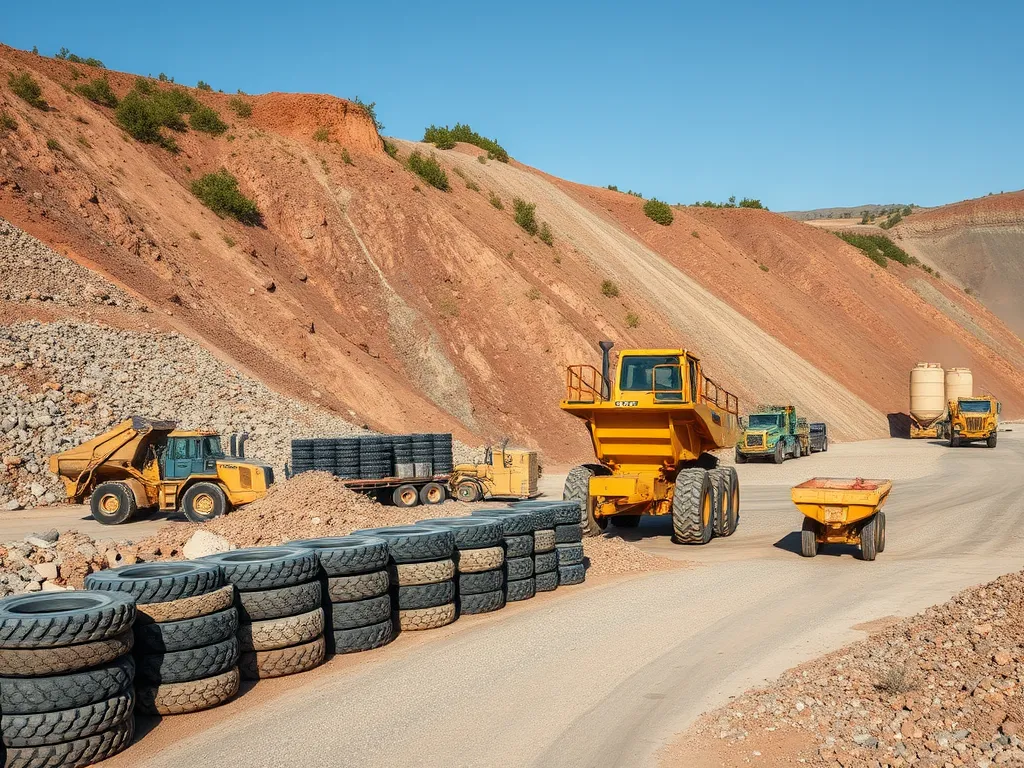
Electric-powered crushers paired with renewable energy sources further lower carbon footprints. A 500-ton/hour plant adopting these aggregate mining conservation practices can avoid 12,000 lbs of CO2 emissions daily. Noise barriers made from recycled tires decrease sound pollution by 15 decibels, supporting wildlife management in aggregate mining zones.
These processing innovations align with growing regulatory demands for responsible aggregate mining. Up next: policies shaping greener material sourcing for asphalt production.
Regulatory Frameworks for Responsible Aggregate Mining
Effective regulations bridge eco-friendly aggregate mining goals with real-world operations. Global and local standards ensure asphalt-grade materials meet environmental benchmarks while maintaining structural integrity.
UNEP Guidelines on Sustainable Sand Mining for Construction Materials
The United Nations Environment Programme (UNEP) sets science-based limits for sand and gravel extraction to protect river systems. Key protocols include:
- Annual extraction caps at 20% of total sediment replenishment rates
- Mandatory 50-meter buffer zones around active waterways
- Real-time turbidity monitoring during wet mining operations
These rules prevent channel erosion while ensuring consistent asphalt mix quality. PG 64-22 binder performance improves when aggregates meet UNEP’s ≤0.5% clay content standard.
Local Compliance Standards for Asphalt-grade Aggregate Production
State agencies enforce site-specific rules for sustainable quarrying practices. Texas Commission on Environmental Quality mandates:
- Stormwater basins capturing 90% of silt loads
- Dust suppression systems maintaining PM10 below 150 µg/m³
- MSHA-approved reclamation bonds averaging $15,000 per acre
Aggregate producers use these standards to optimize crushing circuits. Screened materials achieve Superpave specs like 95% fractured faces while cutting water use by 30% versus unregulated sites.
Up next: How modern operations balance sand demands with ecosystem protection through advanced extraction models.
Sustainable Sand and Gravel Extraction for Asphalt Applications
Aggregates form 90-95% of asphalt mixes by weight. Sourcing these materials sustainably ensures durable roads while protecting natural systems. Modern methods focus on minimizing ecological disruption during extraction.
Balancing Production Needs With River Ecosystem Preservation
Rivers provide 30% of global sand and gravel for construction. Wet mining techniques use suction dredges with silt curtains to reduce sediment plumes. Dry mining operations install 100-meter buffer zones to protect riverbanks. Seasonal restrictions prevent spawning disruptions for fish like salmon.
Advanced screening separates contaminants before transport. Turbidity monitors track water clarity in real time, triggering shutdowns if levels exceed 50 NTU. These measures cut habitat damage by 40% compared to traditional methods.
Area Strip Mining: Techniques and Environmental Safeguards
Strip mining extracts near-surface aggregates across large areas. Sustainable operations use phased extraction with concurrent reclamation:
| Practice | Conventional | Sustainable |
|---|---|---|
| Land Disturbance | 200+ acres | 50-acre segments |
| Water Use | 8M gallons/day | Closed-loop systems (1.2M gallons) |
| Reclamation Start | Post-mining | Within 6 months |
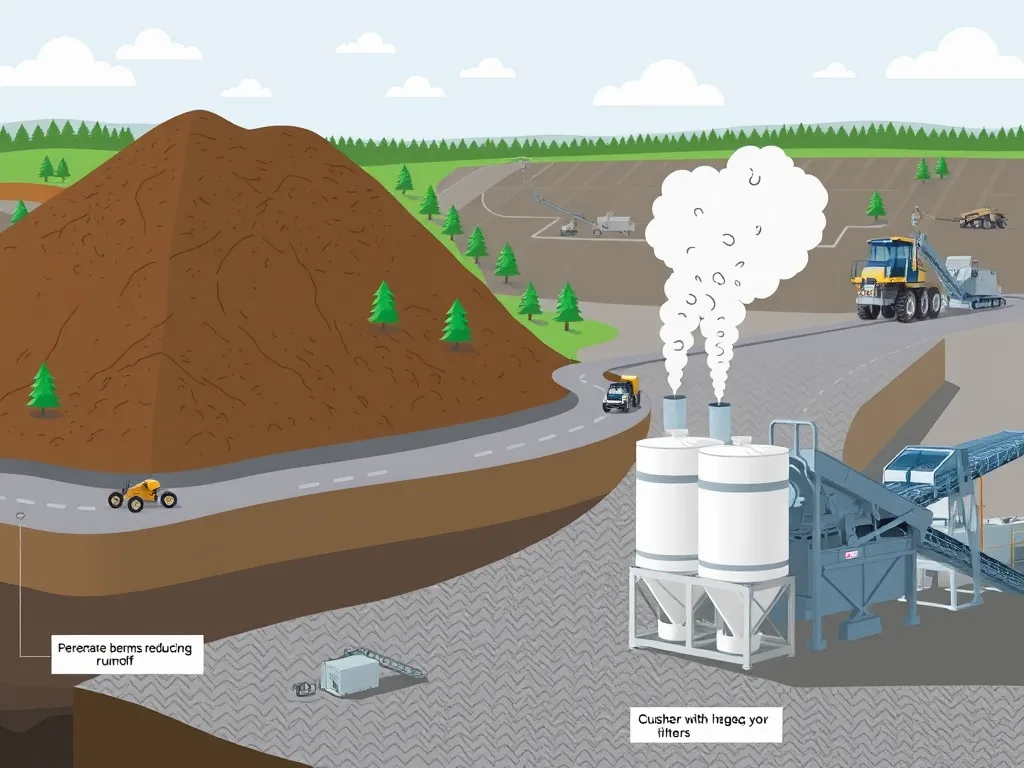
Overburden soil gets stockpiled for habitat restoration. Permeable berms reduce runoff by 65%. Crushers with baghouse filters capture 98% of particulate emissions.
Next, we examine how these extraction methods influence broader environmental systems. The following section details impacts on water tables and strategies for managing sedimentation.
Environmental Impacts Of Aggregate Mining on Asphalt Resources
Balancing resource extraction with ecological preservation remains a core challenge for asphalt-grade aggregate production. Mining operations directly influence local ecosystems, water systems, and material quality – demanding targeted mitigation strategies.
Effects on Water Tables and Runoff Patterns
Dewatering pits during sand or gravel extraction can lower local water tables by 15-30 feet, impacting nearby wells and wetlands. Modified runoff patterns increase erosion rates by 40% in adjacent areas. Advanced water management in aggregate mining uses real-time monitoring systems and permeable reactive barriers to maintain hydrological balance. Recycled process water now accounts for 65% of total usage in leading quarries.
Habitat Fragmentation and Wildlife Management Strategies
Linear mining operations disrupt wildlife corridors, reducing biodiversity in 78% of surveyed sites. Progressive firms implement 300-foot buffer zones around critical habitats and install amphibian tunnels under access roads. Bat-friendly lighting in limestone quarries and timed blasting during non-nesting seasons showcase adaptive wildlife management in aggregate mining. Partnerships with conservation groups help restore 90+ acres annually per site.
Controlling Sedimentation in Asphalt Material Sources
Excess sediment from mining operations degrades asphalt binder adhesion by 12-18%. Settling ponds with geotextile filters capture 95% of particles larger than 0.075mm – meeting ASTM C33 specs for concrete aggregates. In-stream gravel mines now deploy silt curtains and hydrodynamic separators, cutting sediment loads in discharge water by 60-80% since 2015.
These targeted interventions demonstrate how sustainable quarrying practices directly enhance asphalt performance while protecting ecosystems. Next, we examine the policies shaping these operational standards…
Frequently Asked Questions
How Does Sustainable Mining Reduce Asphalt Production Costs?
Sustainable mining methods often involve the use of recycled materials and energy-efficient technologies, which can significantly lower the costs associated with asphalt production. By reducing waste, utilizing renewable resources, and employing efficient processes, companies can minimize expenditures in the long run. Additionally, the fiscal benefits of compliance with regulatory frameworks can provide cost savings through grants and tax incentives.
What Are the Key Differences Between Conventional and Eco-friendly Quarrying?
Conventional quarrying typically focuses on maximizing resource extraction without much regard for environmental impacts. It often involves heavy machinery, high water usage, and significant habitat disruption. In contrast, eco-friendly quarrying emphasizes minimizing environmental degradation through practices such as water recycling, habitat restoration, minimal land disturbance, and employing cleaner energy sources. These methods not only promote sustainability but can also enhance the long-term viability of mining operations.
What Are the Community Benefits Of Sustainable Aggregate Mining?
Community benefits of sustainable aggregate mining include job creation, local hiring initiatives, and investment in community infrastructure. By adhering to community-centric mining practices, companies can enhance their relationships with local stakeholders. This often leads to improved community engagement, funding for local projects, and commitments to environmental stewardship, which can foster public support and reduce opposition to mining activities.
How Are Water Resources Managed During Aggregate Mining?
Water management during aggregate mining involves the use of closed-loop systems and sedimentation ponds to recycle and manage water effectively. Advanced filtration techniques maintain water quality, and real-time monitoring ensures that water usage is optimized, minimizing the impact on local water tables and ecosystems. Such practices help mitigate the risk of contamination and ensure the sustainability of the local water supply.
What Role Do Regulatory Frameworks Play in Sustainable Aggregate Mining?
Regulatory frameworks are essential for guiding sustainable aggregate mining practices by establishing standards for environmental protection and resource management. These regulations often include guidelines for water usage, habitat preservation, and emission controls. Compliance with these frameworks not only helps ensure responsible mining practices but also supports companies in obtaining permits and maintaining their operations in a socially and environmentally responsible manner.
How Does Aggregate Mining Impact Local Wildlife?
Aggregate mining can significantly impact local wildlife through habitat loss, fragmentation, and disturbances caused by noise and pollution. Sustainable mining operations implement strategies to mitigate these impacts, such as creating buffer zones, restoring habitats post-extraction, and adopting wildlife-friendly practices like bat-friendly lighting and amphibian tunnels. These efforts aim to preserve biodiversity and maintain the ecological balance in mining areas.
Final Words
Sustainability in aggregate mining is pivotal for creating responsible asphalt production practices. By embracing eco-friendly mining methods, we enhance both the efficiency and longevity of asphalt materials while minimizing environmental impacts. This approach safeguards natural resources, supports local economies, and addresses community needs effectively.
As we move forward, implementing energy-efficient extraction techniques, managing water resources wisely, and rehabilitating mined lands will be vital. Regulatory frameworks and initiatives from global organizations help ensure that these practices are maintained and improved upon.
For more detailed information on sustainability in aggregate mining and its role in asphalt production, visit Asphalt Calculator USA.
Additional Resources for You:
- The Asphalt Institute. (2007). MS-4: The Asphalt Handbook. Lexington, KY: Asphalt Institute.
- The Importance of Using Sustainable Aggregates | 2016-07-06 | ENR | Engineering News-Record
- Sustainability of aggregates in construction – ScienceDirect
- Environmental Impacts Of Mining Natural Aggregate
- Impact of Crushed Natural Aggregate on Environmental Footprint of the Construction Industry: Enhancing Sustainability in Aggregate Production