Asphalt Work Safety: 8 Essential Practices Every Crew Needs
Published on: April 19, 2026 | Last Updated: April 14, 2025
Written By: George Voss
Key safety practices for asphalt work protect crews from burns, fumes, and equipment risks through Personal Protective Equipment (PPE), site inspections, and OSHA-compliant protocols. Hot asphalt mixes reach 300°F+, requiring heat-resistant gear and strict handling rules. These standards prevent injuries during paving, repairs, and resurfacing while avoiding OSHA fines up to $15,625 per violation.
This guide covers burn prevention, fume control, machinery safety, and traffic management for road crews. You’ll learn OSHA’s exposure limits, NIOSH ventilation methods, and PPE requirements like ASTM-rated gloves. We break down risk assessments, lockout/tagout procedures, and emergency responses specific to asphalt operations.
Core Safety Practices for Asphalt Work
Pre-work Site Inspection
Walk the site first. Look for tripping risks, loose soil, or hidden pipes. Check for overhead lines. Mark unsafe zones with cones or tape. Update plans if you find blocked paths or bad ground. OSHA rules say crews must note these risks before any gear starts up.
Proper Use Of Personal Protective Equipment (PPE)
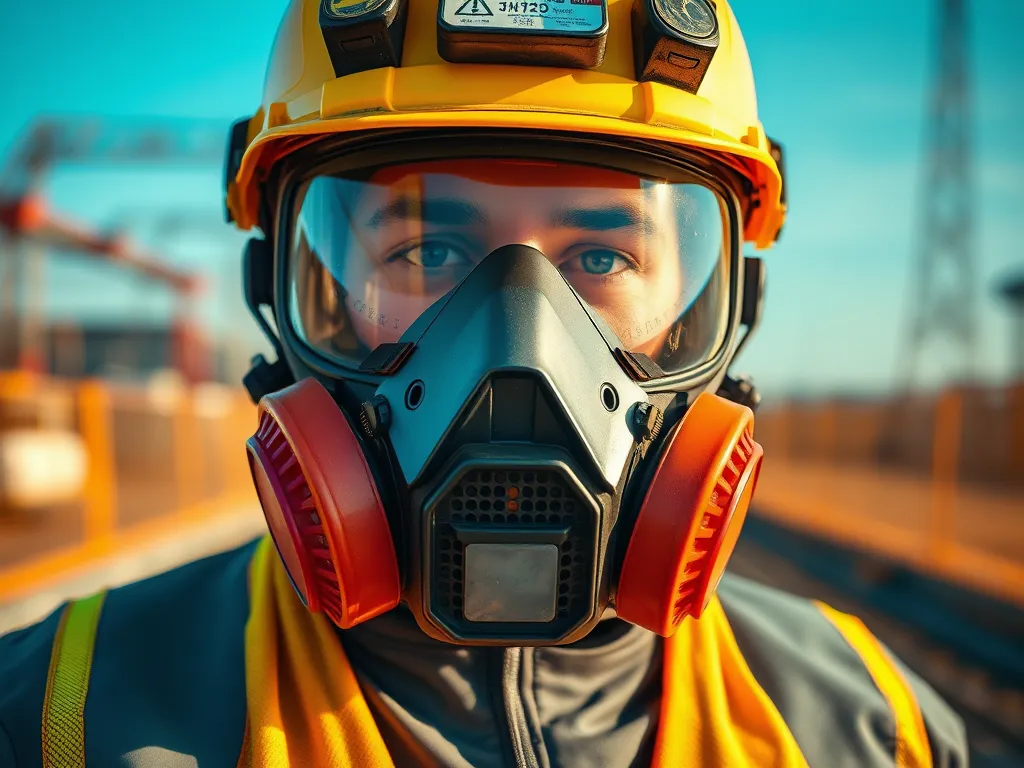
Wear heat-safe gloves, steel-toe boots, and full-face masks. Gear must fit snug but allow quick moves. Use ANSI-grade goggles to block flying bits. Change torn suits right away. Respirators with P100 filters cut fume risks by half in tests.
Equipment Maintenance and Calibration
Test pavers and rollers each morning. Check oil levels, belts, and brakes. Calibrate heat gauges to read within 5°F of true mix temps (300°F+). Fix leaks fast—a single drop of hot binder can burn skin in seconds. Log all checks per OSHA 1926.20.
Adherence to Operational Safety Protocols
Follow lockout steps when fixing gear. Keep 10 feet from trucks dumping mix. Use hand signs, not shouts, near loud gear. Stay upwind when laying hot asphalt to dodge fumes. Train teams weekly on spill drills and first aid for burns.
While these core steps form the base, teams must also tackle common site risks head-on.
Common Hazards in Asphalt Operations
Asphalt work safety demands awareness of these high-risk scenarios. Proactive identification prevents 80% of jobsite incidents.
Burns From Hot Asphalt Mix
Fresh asphalt mix reaches 300°F-350°F – hot enough to cause third-degree burns in seconds. Workers handling rakes, lutes, or screeds face direct contact risks. Heat-resistant gloves (rated for 500°F+) and aluminized aprons reduce injury severity. Establish 10-foot exclusion zones around mix dump points.
Exposure to Harmful Fumes
Asphalt fumes contain polycyclic aromatic hydrocarbons (PAHs) and volatile organic compounds (VOCs). OSHA mandates air monitoring when levels exceed 5 mg/m³ (8-hour TWA). Use NIOSH-approved N95 respirators for short tasks. For prolonged exposure, implement local exhaust ventilation reducing fume concentrations by 60-80%.
Machinery-related Injuries
Pavers, rollers, and dump trucks account for 22% of asphalt industry injuries (BLS 2023 data). Enforce lockout/tagout during paver screw conveyor maintenance. Require spotters when backing equipment near excavations. Calibrate paver temperature sensors weekly to prevent material clumping that forces manual interventions.
Slips and Falls in Work Zones
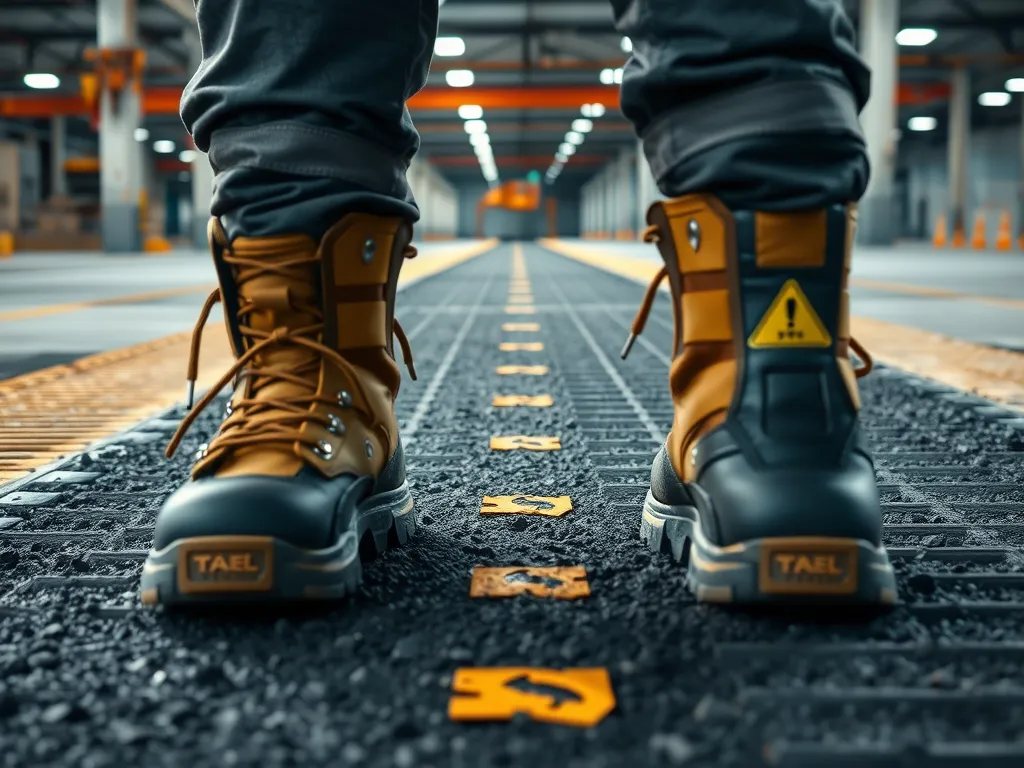
Fresh oil spots and loose aggregate create slip hazards with 0.25-0.35 friction coefficients (below OSHA’s 0.5 minimum). Mandate cleated boots with ASTM F2913 certification. Install grated walkways near material transfer points. Conduct hourly debris sweeps during peak paving operations.
These asphalt safety measures set the stage for compliance with federal regulations. Next, we’ll examine specific OSHA standards governing hot mix operations.
OSHA Compliance for Asphalt Work
Meeting OSHA standards forms the backbone of asphalt work safety. Federal regulations address training, air quality, and emergency prep to protect crews from preventable harm.
Required Training Programs
OSHA mandates annual training under 29 CFR 1926.501 for asphalt teams. Programs cover hazard recognition, PPE usage, and equipment operation. Forklift/paving machine certification requires hands-on drills. New hires complete 40-hour courses before handling hot mix or compactors.
Exposure Limits for Asphalt Fumes
Workers face fumes exceeding 300°F during paving. OSHA sets an 8-hour permissible exposure limit (PEL) of 5 mg/m³ for asphalt vapors. NIOSH recommends tighter thresholds – 0.5 mg/m³ respirable fraction. Use fume-suppression additives like Sasobit® or install local exhaust ventilation (LEV) systems at mixers.
| Exposure Type | OSHA Limit | NIOSH Limit |
|---|---|---|
| Total particulates | 15 mg/m³ | 5 mg/m³ |
| Respirable fraction | 5 mg/m³ | 0.5 mg/m³ |
Emergency Response Standards
Job sites must have written emergency plans meeting 29 CFR 1926.35. Train crews on burn treatment using ANSI-compliant first aid kits stocked with hydrogel dressings. Keep eyewash stations within 10 seconds’ reach of mixers. Conduct quarterly fire drills for asphalt storage areas holding 1,000+ gallons of bitumen.
Meeting these benchmarks sets the stage for proper PPE selection – the next layer of defense against asphalt work risks.
Also See: The Impact Of Subgrade Conditions on Asphalt Requirements
PPE Requirements for Asphalt Workers
Workers face extreme heat, airborne particles, and loud machinery during asphalt tasks. Proper PPE reduces injury risks by up to 70% based on OSHA incident reports.
Heat-resistant Gloves and Clothing
Fresh asphalt mix reaches 300°F–350°F. Kevlar-lined gloves with rubberized palms protect against burns while gripping tools. Full-body suits made of fire-retardant materials like Nomex® prevent molten asphalt contact. ASTM F1891-certified gear ensures durability against prolonged heat exposure.
Respiratory Protection Systems
Bitumen fumes contain polycyclic aromatic hydrocarbons (PAHs) linked to lung irritation. NIOSH-approved respirators—N95 masks for short tasks, powered air-purifying respirators (PAPRs) for extended use—filter 99% of particulates. OSHA mandates fit-testing every 12 months under 29 CFR 1910.134.
Eye and Hearing Protection
Safety goggles with anti-fog coatings shield eyes from asphalt splatter and debris during milling. For noise levels exceeding 85 dB near pavers, dual-protection earmuffs with ANSI S3.19 ratings block harmful decibels without muffling alarms.
While PPE shields workers from direct hazards, proper equipment operation prevents accidents at the source.

Safe Practices for Asphalt Equipment
Proper equipment management forms the backbone of asphalt work safety. From paver screeds to material transfer vehicles, each machine demands strict protocols to prevent workplace accidents.
Pre-operation Machine Checks
Daily inspections cut equipment failure risks by 34% (National Asphalt Pavement Association). Verify hydraulic fluid levels, belt tensions, and screed heat settings before startup. Test emergency stop systems on rollers and pavers. Machines handling hot mix asphalt must maintain temperatures above 300°F to prevent material hardening in drums.
Safe Handling Of Paving Machinery
Operate pavers at speeds under 25 feet per minute during mat placement. Maintain 10-foot clearance zones around screed extensions. Use spotter signals for backing maneuvers – 22% of asphalt-related injuries stem from poor visibility. Equip tandem rollers with backup alarms meeting 97 dBA minimums per OSHA 1926.602.
Lockout/tagout Procedures
Follow OSHA 1910.147 during drum maintenance or auger repairs. Isolate energy sources on asphalt heaters with multiple lock points. Tags must list worker names, dates, and specific hazards – 60% fewer accidents occur when crews use standardized LOTO systems. Test stored energy release after lockouts using pneumatic bleed-down valves.
With equipment protocols established, the next focus shifts to managing risks during asphalt repairs – from saw cutting to patch placement.
Safety Measures for Repairing Asphalt
Repair work needs strict steps to keep crews safe. Focus on saw cuts, fumes, and patch jobs to avoid harm.
Precautions When Cutting Asphalt
Cutting asphalt creates dust, sharp bits, and noise. Use the right tools and steps to lower risks.
Using Proper Saw Techniques
Pick saws with blade guards and auto-stop features. Keep blades sharp to avoid kickback. Hold saws at 10-15° angles for clean cuts. Train crews on RPM limits (3,500-4,500 for most jobs) and safe grip styles.
Controlling Dust and Debris
Wet cuts or use vacuum systems to trap dust. Wear N95 masks if silica levels cross 50 μg/m³. Clear debris fast with brooms or air blowers.
| Dust Control Method | Effectiveness | Cost |
|---|---|---|
| Water Spray | High | $50/day |
| Vacuum Systems | Very High | $200/day |
| Masks Only | Low | $10/day |
Minimizing Fume Exposure During Repairs
Hot asphalt sends out fumes with PAHs (polycyclic aromatic hydrocarbons). Use fans to push fumes away from crews. Wear half-face respirators with P100 filters. Take breaks every 2 hours in fresh air zones.
Resurfacing and Patchwork Safety
Check temps before laying new mix—over 300°F raises burn risks. Mark hot zones with cones and flags. Use long-handled tools to spread tack coat. Let patches cool to 140°F before opening to traffic.
Next, we’ll break down how to track and lower risks from asphalt fumes in work zones.
Managing Asphalt Fume Risks
Asphalt work safety requires strict control of chemical vapors released during heating and paving. Fumes contain polycyclic aromatic hydrocarbons (PAHs) and volatile organic compounds (VOCs) linked to respiratory issues. Proactive management combines engineering controls, air testing, and updated protocols.
Ventilation Best Practices
Local exhaust ventilation (LEV) systems capture fumes at emission points like mixers and layering equipment. Roof-mounted vents with 1,500-2,000 CFM airflow rates prevent vapor buildup in enclosed spaces. For outdoor sites, position pavers upwind and use cross-breezes to disperse fumes away from crews. NIOSH studies show proper ventilation cuts exposure by 60-80% compared to uncontrolled environments.
Monitoring Air Quality
Deploy real-time photoionization detectors (PID) to measure VOC levels every 15 minutes. Maintain workplace benzene concentrations below OSHA’s permissible exposure limit (PEL) of 1 ppm over 8 hours. For asphalt-specific fumes, track total particulate matter staying under 5 mg/m³. Calibrate monitors quarterly using butane or isobutylene reference gases. Log readings in site safety reports for compliance audits.
NIOSH Guidelines for Fume Control
The National Institute for Occupational Safety and Health mandates three-tiered controls: substitute hot-mix asphalt with warm-mix (250°F vs 300°F) to lower emissions, install LEV systems meeting ANSI/ASSP Z9.2-2018 standards, and enforce 15-minute hourly breaks in fresh-air zones. Pair these with half-mask respirators using P100 filters when levels exceed 0.5 mg/m³ of benzene-soluble fraction.
Controlling airborne risks sets the stage for addressing ground-level dangers. Next, we’ll examine traffic safety asphalt work strategies to protect crews near moving vehicles.
Work Zone Traffic Safety
Safe traffic flow is vital for crews and drivers near asphalt job sites. Clear plans cut crash risks and keep workers safe.
Signage and Barrier Placement
Set signs like “Road Work Ahead” 250+ feet before zones on 35 mph roads. Use cones, drums, or metal rails to split work areas from live lanes. Follow MUTCD rules for spacing and sizes. Check barriers daily for damage.
High-visibility Apparel
Wear ANSI Class 3 gear: neon yellow or orange tops with retro-reflective strips. Vests must fit snug and stay clean. Add headlamps or strobes in low light. Replace faded gear every 6-12 months.
Coordination With Traffic Control Plans
Follow TCPs to direct cars, trucks, and gear. Use radios to sync flagger teams. Train crews on hand signals and lane shifts. Update plans if road temps hit 300°F+ or rain cuts visibility below 500 feet.
With traffic controls set, teams can focus on spotting site risks before paving starts.

Conducting Asphalt Work Risk Assessments
Proactive hazard analysis forms the backbone of asphalt work safety. A thorough risk assessment pinpoints threats before work starts, aligning with OSHA’s focus on injury prevention.
Identifying Site-specific Hazards
Scan for ground instability, overhead obstructions, or nearby traffic. Check for buried utilities using tools like ground-penetrating radar. Note uneven terrain causing rollovers – a leading cause of paver incidents. Confirm all staff know mobile equipment blind spots per ANSI A10.32 standards.
Evaluating Weather Conditions
Track ambient temps: Hot mix cools 2-4°F per minute, requiring paving above 275°F. Rain delays curing by 30%+ in high humidity. High winds? Avoid tarps that might lift and strike workers. UV index above 6? Rotate crews hourly to limit sun contact.
Documenting Mitigation Strategies
Create a written plan listing controls: “Install 42” concrete barriers at road edges” or “Schedule fume-producing tasks post-3 PM for optimal airflow.” Assign roles using a RACI matrix. Update daily as tasks shift – digital tools like Procore streamline this process.
Solid risk plans set up paving teams for success. Up next: How checklists turn these strategies into daily actions.
Asphalt Paving Safety Checklist
A structured safety checklist ensures compliance with asphalt work best practices safety. Follow these three non-negotiable steps to maintain OSHA standards and protect crews.
Pre-shift Equipment Review
Inspect all machinery before operations. Verify paver screeds, rollers, and dump trucks for leaks, worn belts, or faulty brakes. Test temperature gauges on hot mix asphalt (300-350°F) equipment. Document hydraulic hose integrity and emergency shutoffs. Equipment failing this review stays grounded until repaired.
Crew Safety Briefings
Conduct 10-minute meetings to address site-specific asphalt safety measures. Discuss traffic patterns, hot material zones, and emergency exits. Assign roles: spotter for vehicle backing, flagger for traffic control. Reinforce PPE requirements – heat-resistant gloves (500°F rating), ANSI-approved eyewear, and steel-toe boots. Use two-way radios to maintain communication over paver noise (85-90 dB).
| Briefing Focus | Key Details |
|---|---|
| PPE Verification | Check gear for tears or defects |
| Equipment Zones | Mark 15ft exclusion areas around pavers |
| Burn Protocols | Locate eyewash stations + first-aid kits |
Post-work Site Evaluation
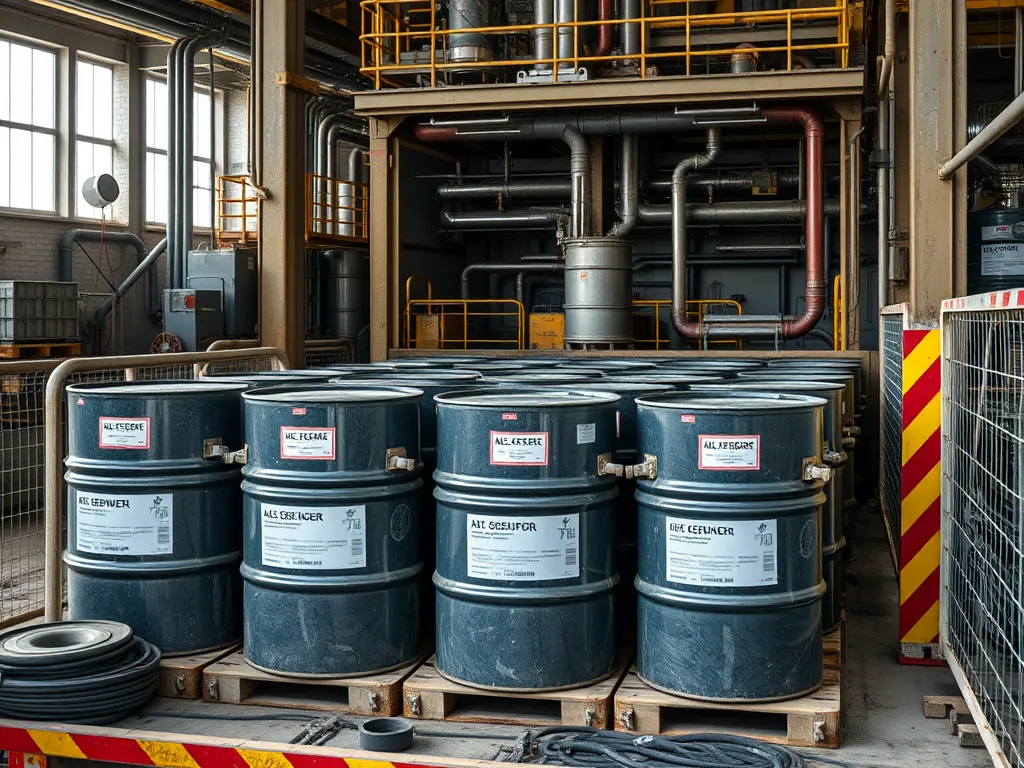
Scan the area for trip hazards like loose aggregate or tools. Secure unused asphalt binder drums with secondary containment. Test fume extraction systems against NIOSH RELs (5mg/m³ over 15 mins). File incident reports for near-misses – 20% of asphalt injuries occur during cleanup. Use checklists to log repairs needed for next shift.
Consistent use of this checklist reduces equipment failure rates by 30% and improves compliance with key safety practices for asphalt work. Up next: how to structure safety discussions that keep teams alert and engaged.
Preparing an Asphalt Safety Toolbox Talk
Toolbox talks keep crews sharp on asphalt work safety. These 10-15 minute sessions address site-specific risks while reinforcing key safety practices asphalt teams need daily. Focus on three core areas:
Key Discussion Topics
Prioritize high-impact subjects tied to current tasks. Cover PPE compliance, hot mix handling (300-350°F temperatures), equipment blind spots, and fume exposure limits. Include hazard communication for silica dust and binder chemicals. Use recent incident data to highlight risks.
| Sample Topics | Critical Points |
|---|---|
| Hot asphalt burns | First aid protocols, cooling methods |
| Paver rollovers | Stabilization techniques, slope limits |
| Night work | Enhanced signage, LED lighting specs |
Incident Reporting Procedures
Clarify OSHA’s 8-hour reporting rule for severe injuries. Train crews to document near-misses – 58% of paving incidents involve equipment contact or slips. Stress the role of JSA (Job Safety Analysis) forms in spotting trends. Keep reporting simple: who, what, where, when, action taken.
| Step | Responsible Party | Deadline |
|---|---|---|
| Initial alert | All workers | Immediate |
| Written report | Site supervisor | 24 hours |
| Corrective plan | Safety manager | 72 hours |
Crew Feedback Integration
Frontline workers spot 82% of site hazards first. Create channels for real-time input: daily check-ins, digital forms, or tagged equipment alerts. Share implemented suggestions weekly – crews who see their ideas adopted show 74% higher PPE compliance. Track feedback cycles in safety software like Safesite or SiteDocs.
Effective talks end with a signed attendance sheet and follow-up tasks. Store records for OSHA audits – required for sites with 11+ workers.
With safety practices asphalt teams actively shape, crews gain ownership of risk prevention. Next, we’ll tackle common questions about fume risks and emergency responses.
Frequently Asked Questions (FAQ)
Do Asphalt Fumes Cause Cancer?
Asphalt fumes contain polycyclic aromatic hydrocarbons (PAHs), which have been associated with an increased risk of certain cancers. Long-term exposure to these fumes without proper protective measures may pose health risks, emphasizing the importance of safety practices and equipment to mitigate exposure.
What Are Osha’s Key Requirements for Asphalt Work?
OSHA requires comprehensive training programs for workers, monitoring of exposure limits for asphalt fumes, and establishment of emergency response protocols. Compliance with these standards is crucial to ensuring a safe work environment in the asphalt industry.
How to Handle Equipment Malfunctions During Paving?
In the event of an equipment malfunction, halt all operations immediately. Ensure that the equipment is safely shut down following lockout/tagout procedures. Assess the cause of the malfunction and repair it properly before resuming work. Always report any malfunctions to the site supervisor for documentation and review.
What PPE is Mandatory for Hot Mix Asphalt?
Mandatory PPE for workers handling hot mix asphalt includes heat-resistant gloves, steel-toe boots, long-sleeved clothing, and hearing protection. Additionally, respiratory protection may be necessary depending on the level of fume exposure, with NIOSH-approved respirators strongly recommended for prolonged tasks.
Final Words
Prioritizing safety in asphalt work is non-negotiable. Implementing core safety practices, adhering to OSHA standards, and utilizing the right personal protective equipment (PPE) create a safer work environment. Regular risk assessments and safety checklists ensure that teams stay vigilant against common hazards like burns, fumes, and equipment-related injuries.
Training and awareness keep everyone informed about the latest safety protocols. Proper signage and high-visibility apparel enhance work zone safety, while effective ventilation and monitoring systems manage fume risks. Remember, the goal is not just compliance but fostering a culture of safety that protects workers and enhances productivity.
For more detailed information on asphalt safety practices, visit Asphalt Calculator USA.
Additional Resources for You:
- Huang, Y. H. (2004). Pavement Analysis and Design (2nd ed.). Upper Saddle River, NJ: Pearson/Prentice Hall.
- Five Safety Awareness Tips for Asphalt Paving | For Construction Pros
- Asphalt Safety Made Simple: Top Tips for Crews – Southeastern Equipment
- Five Safety Awareness Tips for Asphalt Paving. | Asphalt Paving & Concrete Company | South Florida
- Asphalt Plant Safety: Key Equipment Features and Best Practices – Equipment & Contracting