Stone Matrix Asphalt Design Features: What Makes It Last Longer?
Published on: April 16, 2026 | Last Updated: April 14, 2025
Written By: George Voss
Stone Matrix Asphalt (SMA) is a high-performance pavement mix designed for heavy traffic and extreme weather. Unlike traditional dense-graded asphalt (DGA), SMA uses a stone-on-stone skeleton structure with 70-80% coarse aggregate, bound by polymer-modified asphalt and stabilized with fibers or additives like cellulose. This design creates durable roads that resist rutting, cracking, and wear while handling up to 20% more traffic loads than DGA. Key features include strict aggregate gradation, high binder content (6-7%), and 2-4% air voids for long-term stability.
This article breaks down how SMA works. You’ll learn about its unique composition—including PG 76-22 binders and granite aggregates—and how design choices like 12-15% VMA (Voids in Mineral Aggregate) prevent drainage. We’ll cover testing methods like the draindown test, cost ranges ($90-$130 per ton installed), and why SMA lasts 30-50% longer than standard asphalt in highways, airports, and urban zones. Get ready to explore mix formulas, real-world applications, and why engineers pick SMA for roads that need to survive 20+ years of trucks and storms.
What is Stone Matrix Asphalt (SMA)?
Stone matrix asphalt (SMA) is a gap-graded mix with high stone content (70-80%) locked in place by a thick binder layer. Made for roads facing heavy loads or harsh weather, it uses fibers or polymers to stop binder drain-off. The goal: create tough surfaces that last 20-30 years with less rutting or cracks.
Definition and Primary Purpose
SMA mixes coarse stones (like 12.5mm or 19mm size) with 6-7% binder (PG 64-22 or PG 76-28). Fibers (cellulose or mineral) or polymer gels hold the binder in place. This design stops rutting under truck tires and blocks water damage. It’s built for roads with 10,000+ cars per day or airports with heavy planes.
Stone Matrix Asphalt Vs. Dense Graded Asphalt (DGA)
DGA uses finer stones packed tight, while SMA leaves gaps between large stones filled with binder. Think DGA as a puzzle with all pieces touching, SMA as big rocks glued together. SMA lasts 40% longer in high-stress zones but costs 20-30% more upfront.
Key Differences in Design and Performance
| Factor | SMA | DGA |
|---|---|---|
| Stone Size | 12.5-19mm | 9.5-12.5mm |
| Binder % | 6-7% | 4-5% |
| Air Voids | 3-4% | 4-7% |
| Additives | Fibers, polymers | None |
| Rut Depth (After 5y) | <3mm | 5-8mm |
SMA’s stone skeleton handles 18,000+ truck loads yearly. DGA starts to rut at 8,000-10,000. But DGA works better for low-speed streets needing smooth finishes.
Next, we’ll break down how SMA’s design traits boost strength and cut repair costs.
Key Design Characteristics Of Stone Matrix Asphalt
Stone matrix asphalt design features set it apart from traditional pavements. These elements work together to handle heavy loads, resist wear, and extend pavement life under extreme conditions.
Structural Integrity and Durability
SMA design characteristics prioritize long-lasting performance. The mix maintains strength even under 20,000+ daily vehicle passes. Its dense structure minimizes surface cracks caused by temperature swings or aging binders.
Rutting and Fatigue Resistance
Stone matrix asphalt properties reduce rutting to less than 3mm in standard wheel-tracking tests. The interlocked stone skeleton redistributes tire pressure across the pavement, preventing permanent deformation. PG 76-22 binders boost fatigue resistance, allowing SMA to withstand 40% more load cycles than dense-graded asphalt.
Stone-on-stone Skeleton Framework
Gap-graded aggregates form SMA’s backbone. Coarse stones (70-80% of total weight) lock into a load-bearing matrix with 3-4mm gaps between particles. This framework achieves 17-19% VMA (voids in mineral aggregate), ensuring space for durable binder films. The design prevents particle movement under shear stress, critical for airport runways handling 500,000-pound aircraft.
Role Of Binder and Stabilizing Additives
High-viscosity polymer-modified bitumen (5.8-7.0% by weight) coats aggregate surfaces. Cellulose fibers (0.3-0.5%) or synthetic stabilizers trap binder, preventing drain-down during transport. This combo increases film thickness to 10-14 microns – triple standard asphalt layers – while maintaining 2-4% air voids for thermal expansion.
With these stone mastic asphalt characteristics established, let’s examine how material selection shapes SMA’s performance.
Stone Matrix Asphalt Composition
Stone matrix asphalt mixes rely on exact ratios of rock, binder, and fillers. These parts work as one to form a strong, long-lasting top layer. Each part plays a key role in how SMA handles heavy loads and harsh weather.
Aggregate Gradation Requirements
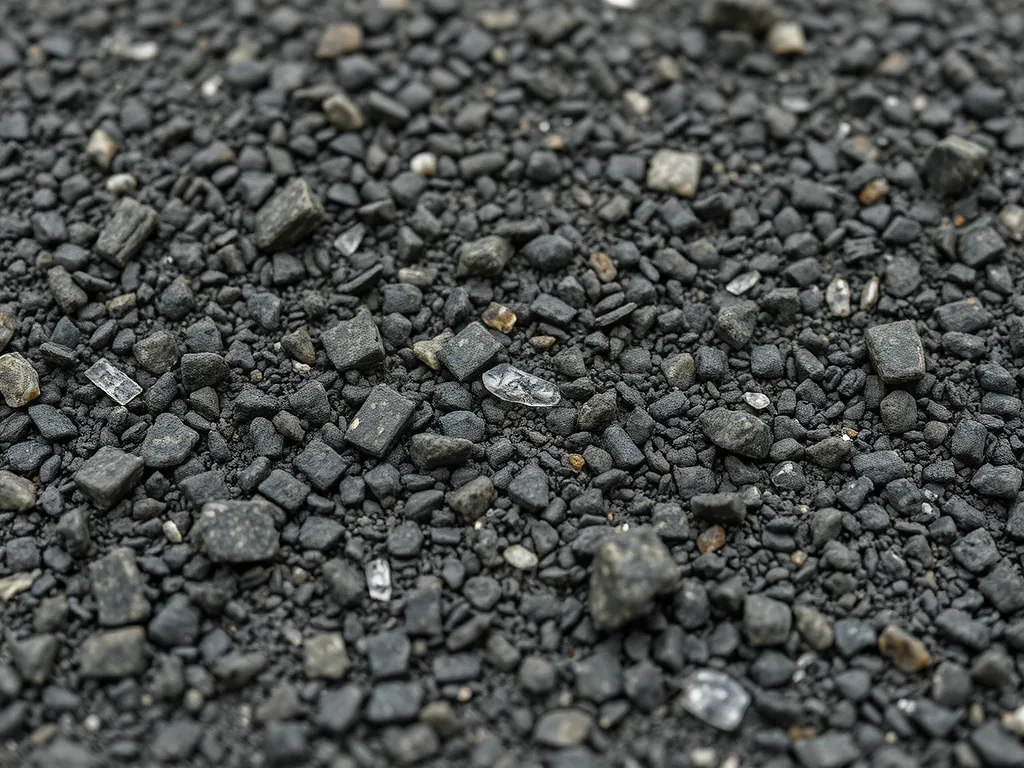
SMA uses a gap-graded mix with 70-80% coarse rock (like 12.5mm or 19mm size). This creates a stone-on-stone frame that locks in place. Fine rock makes up just 8-12%, leaving room for binder. All rock must meet strict specs for shape (crushed), strength (LA abrasion under 30%), and grip (PSV over 45).
Binder Types and Specifications
High-grade PG binders (like PG 76-22) coat the rock frame. These binders hold up in heat up to 76°C and cold down to -22°C. SMA mixes use 6-7% binder – more than dense mixes. Polymers or rubber may boost strength. Binder must pass tests for thickness (viscosity) and stretch (ductility).
Filler Materials and Fiber Reinforcement
Stone dust (8-12%) fills gaps between rocks. Fibers (0.3-0.5% cellulose or mineral wool) stop binder from dripping during laydown. This duo keeps the mix stable at high temps. Fibers add tensile strength – up to 1.5x more than plain mixes. Fillers also help bond rock to binder.
These design choices form the base for SMA’s tough build. Next, we’ll break down how pros test and tweak these parts during the mix design phase.
Also See: Community Responses to Asphalt Noise Initiatives
Stone Matrix Asphalt Mix Design Process
Stone matrix asphalt design features rely on precise engineering to balance strength, durability, and functionality. The mix design process follows strict guidelines to meet SMA physical properties required for heavy-duty applications.
Volumetric Design Principles
Volumetric analysis ensures the stone mastic asphalt mixture design features meet density and void targets. Engineers calculate ratios of aggregates, binder, and filler to create interlocking stone frameworks. This method accounts for material-specific gravity, bulk density, and compacted layer thickness.
Optimal Air Voids and VMA Targets
Stone matrix asphalt mixture design targets 3-4% air voids for weather resistance while maintaining 17% minimum voids in mineral aggregate (VMA). These metrics prevent rutting by allowing slight binder expansion during temperature swings. SMA mixtures use gap-graded aggregates with 70-80% coarse particles for stone-on-stone contact.
Quality Control During Production
Plants monitor SMA design characteristics using infrared thermography and real-time aggregate gradation sensors. Binder temperatures stay between 300-325°F to maintain viscosity. Cellulose or mineral fibers (0.3-0.5% by weight) get added to stabilize the mix. PG 76-22 polymer-modified asphalt remains standard for high-traffic SMA applications.
Testing Procedures for SMA Performance
Labs verify stone mastic asphalt physical properties through three key tests:
- Gyratory Compaction: Applies 600 kPa pressure to replicate field density (96-98% target)
- Draindown Test: Measures binder separation at 325°F, requiring ≤0.3% loss with fibers
- Cantabro Abrasion: Ensures ≤20% mass loss after 300 rotations to validate durability
These protocols ensure SMA features like 10,000+ ESAL (Equivalent Single Axle Load) ratings for highways. Field cores must achieve 93% density within 72 hours of placement.
Meeting these stone matrix asphalt design standards creates pavements that handle 40-ton truck traffic with minimal deformation. Up next: how these engineering choices translate into real-world performance benefits.
Advantages Of Stone Matrix Asphalt
Stone matrix asphalt (SMA) stands out for its mix of strength, shape control, and long life. These gains stem from its unique stone matrix asphalt design features. Let’s break down how SMA beats standard pavements.
Enhanced Load-bearing Capacity
SMA’s stone-on-stone frame holds heavy loads. The mix uses 70-80% coarse rock chunks locked tight like puzzle pieces. This creates a firm base that spreads weight across roads. Polymer glue (PG 76-22 binders) and fibers keep gaps filled, letting SMA bear truck weights up to 20 tons per axle. Roads built with SMA need fewer fixes, cutting costs by 30% over 10 years.
Superior Resistance to Deformation
SMA stays flat under stress. The rock skeleton stops rutting—those grooves made by tires over time. Tests show SMA rut depths under 0.1 inches after 100,000 car passes, while dense asphalt hits 0.3 inches. High heat (up to 150°F) won’t soften SMA’s shape. Fibers soak up extra binder, keeping the mix stiff yet bendy.
Long-term Pavement Longevity
SMA roads last 18-25 years—5+ years longer than dense asphalt. The tight rock grid slows cracks, while modified binders fight aging from sun and rain. Less upkeep means lower costs: $1.50 per sq.ft. over 20 years vs $2.20 for standard pave. Airports using SMA report 40% fewer surface fixes in decade one.
These gains make SMA a top pick for roads that face tough daily beats. Next, we’ll see how SMA’s stone mastic asphalt features tackle noise, rain, and wild weather swings.
Performance Features Of Stone Mastic Asphalt
Stone mastic asphalt features set it apart from conventional mixes. Its design prioritizes both structural performance and user-centric benefits. Let’s break down three critical traits.
Sound Absorption Capabilities
The stone-on-stone skeleton in SMA design characteristics creates voids filled with binder and cellulose fibers. This structure traps sound waves, cutting traffic noise by 3-5 decibels versus dense-graded mixes. For highways near residential zones, this reduces noise pollution without costly sound barriers.
Permeability Characteristics
SMA design features prioritize impermeability. With 6-7% binder content and tightly packed aggregates, water infiltration drops below 100 ml/minute. This prevents moisture damage and frost heave in colder regions. Unlike porous asphalt, SMA’s closed surface shields sublayers from wear caused by heavy trucks.
Weather and Temperature Resilience
Polymer-modified binders (like PG 76-22) in stone matrix asphalt properties resist rutting at 140°F and cracking below -22°F. Stabilizing additives—such as lignin fibers—lock the binder in place during mix transport. Tests show SMA lasts 30% longer than DGA in areas with extreme seasonal shifts.
With these performance traits, stone mastic asphalt proves versatile for multiple environments. Next, let’s explore where its design shines brightest.
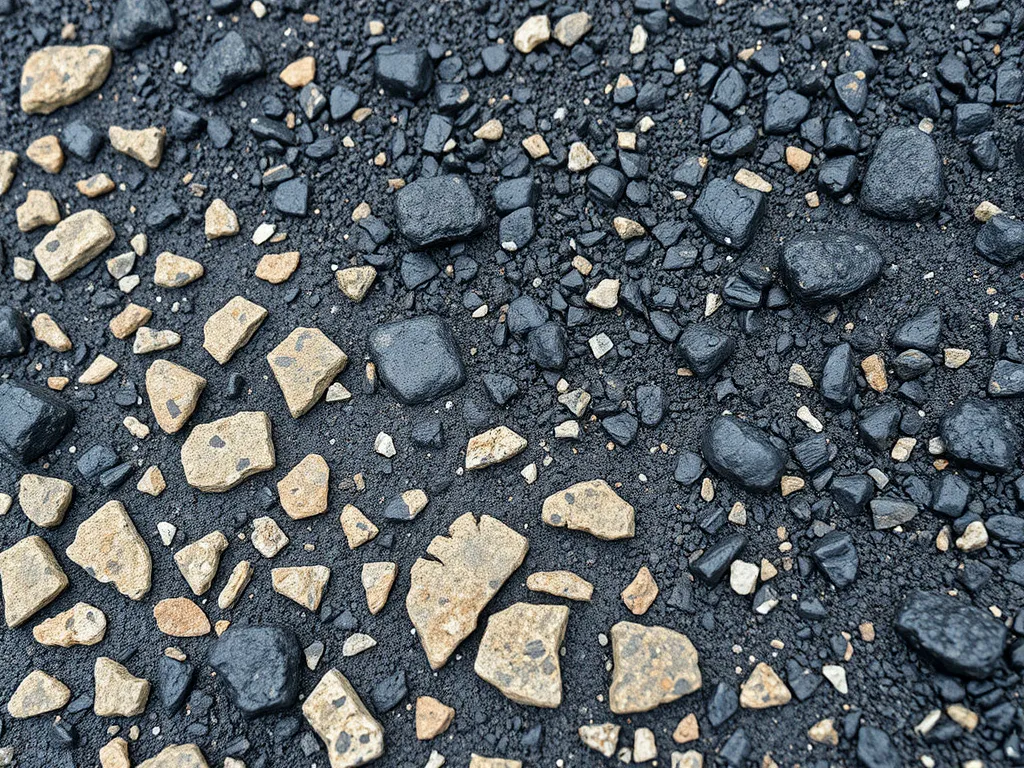
Applications Of Stone Matrix Asphalt
Stone matrix asphalt design features make it ideal for projects requiring extreme durability and specialized performance. Its stone-on-stone skeleton, high binder content, and fiber additives enable tailored solutions across infrastructure types.
High-traffic Roadways and Highways
SMA design characteristics excel under heavy axle loads. The interlocking coarse aggregate structure (70-80% stone content) resists rutting caused by trucks and buses. PG 76-22 polymer-modified binders enhance flexibility in temperature swings from -22°F to 170°F. On I-95 in Florida, SMA pavements lasted 12+ years without major deformation.
Airport Runways and Industrial Zones
Airport runways demand surfaces that withstand jet blast (up to 1,000°F) and 800,000-pound aircraft loads. SMA’s stone matrix asphalt mixture design features include cellulose fibers to prevent binder drainage at high temps. Industrial yards benefit from SMA’s 4,000+ psi compressive strength, handling forklifts and container stacks without surface degradation.
Urban Roads With Noise Reduction Needs
Open-graded SMA surfaces reduce tire-pavement noise by 3-5 dB compared to dense-graded asphalt. The 20-30% air void system absorbs sound waves, while lignin fibers stabilize the mix. Cities like Phoenix use SMA on arterial roads, cutting ambient noise by 15% in residential zones.
These applications highlight how stone matrix asphalt properties solve engineering challenges. Next, we examine how SMA balances performance with eco-friendly practices.
Environmental Considerations for SMA
Stone matrix asphalt design features extend beyond durability to address modern environmental challenges. The mix’s composition and production methods align with eco-friendly goals, making SMA a sustainable choice for forward-thinking projects.
Recycled Material Integration
SMA mixes incorporate up to 30% reclaimed asphalt pavement (RAP) without compromising structural integrity. High stone-on-stone contact allows recycled aggregates to blend seamlessly, while binder rejuvenators restore aged asphalt cement. This cuts material costs by 15-20% and diverts 2.5 tons of waste per lane mile from landfills. Some mixes even use recycled asphalt shingles (RAS), further boosting sustainability.
Energy Efficiency in Production
Warm-mix asphalt (WMA) technologies lower SMA production temperatures to 250-275°F, down from 300-325°F for traditional hot mixes. Reduced heat cuts fuel consumption by 20-35%, slashing CO₂ emissions by 1.2 tons per day for a typical plant. Additives like Sasobit® or Evotherm® enable workability at lower temps, ensuring proper coating of aggregates while saving energy.
Noise Pollution Mitigation
The stone skeleton in SMA creates a tighter surface texture, reducing tire-pavement noise by 3-5 decibels compared to dense-graded asphalt. This meets FHWA noise reduction targets for urban corridors, often eliminating the need for sound walls. Open-graded SMA variants can cut noise by up to 7 dB, making them ideal for residential zones or hospital vicinities.
Balancing eco-efficiency with performance, SMA’s design characteristics support greener infrastructure. Next, explore how these features translate into real-world applications across highways, airports, and cities.
Frequently Asked Questions (FAQs)
How Does SMA Improve Road Durability Compared to DGA?
Stone Matrix Asphalt (SMA) improves road durability through its unique stone-on-stone skeleton and higher binder content, which prevent rutting and cracking under heavy loads, unlike Dense Graded Asphalt (DGA). SMA can also withstand a more significant number of load cycles, enhancing the lifespan of the pavement significantly.
Is Stone Matrix Asphalt Suitable for Wet Climates?
Yes, Stone Matrix Asphalt is suitable for wet climates due to its impermeability characteristics. Its design minimizes water infiltration, which helps prevent moisture damage and frost heave, making it an effective choice for areas with high rainfall or snowfall.
What Makes SMA Ideal for Heavy Vehicle Traffic?
SMA’s design features, including a higher percentage of coarse aggregates (70-80%), interlocking stone frameworks, and polymer-modified binders, contribute to its ability to handle heavy vehicle traffic. This combination provides enhanced load-bearing capacity and resistance to deformation, making it the preferred option for highways and airport runways.
How Does SMA Contribute to Environmental Sustainability?
SMA contributes to environmental sustainability by incorporating recycled materials, such as reclaimed asphalt pavement (RAP) and sometimes recycled asphalt shingles (RAS). Additionally, it can be produced using warm-mix asphalt technologies that lower production temperatures, thereby reducing energy consumption and CO₂ emissions during manufacturing.
What Are the Noise Reduction Benefits Of Stone Matrix Asphalt?
Stone Matrix Asphalt features enhanced sound absorption capabilities due to its unique structure, which includes void spaces and fibrous materials. This design significantly reduces tire-pavement noise, making SMA ideal for urban environments close to residential zones, where noise pollution is a concern.
How Does SMA Perform in Extreme Temperature Conditions?
SMA is designed to perform in extreme temperature conditions with its polymer-modified binders that resist softening in high heat and cracking in cold weather. This resilience ensures that SMA maintains its structural integrity across a broad range of temperatures, enhancing its suitability for varying climatic conditions.
Closing Thoughts
Stone Matrix Asphalt (SMA) stands out with its unique design features that enhance pavement performance. Its robust structural integrity, combined with superior resistance to deformation, makes SMA an excellent choice for high-traffic areas. From urban roads needing sound absorption to airport runways enduring heavy loads, SMA’s versatility shines.
The careful mix design, featuring a stone-on-stone skeleton and optimal binder integration, ensures not only durability but also longevity. Incorporating recycled materials adds an eco-friendly aspect, making SMA a smart choice for sustainable construction.
For more detailed insights on asphalt types and mix designs, visit Asphalt Calculator USA. Stay informed, and make smart choices in your paving projects!
Additional Resources for You:
- Huang, Y. H. (2004). Pavement Analysis and Design (2nd ed.). Upper Saddle River, NJ: Pearson/Prentice Hall.
- Stone mastic asphalt – Wikipedia
- IAPA :: Stone Matrix Asphalt