Step-by-step Guide to Filling Potholes in Asphalt
Published on: April 16, 2026 | Last Updated: April 14, 2025
Written By: George Voss
Filling potholes in asphalt stops pavement damage and extends surface life when done right. You need cold mix asphalt (no heating required) or hot mix (heated to 300°F), basic tools like a tamper and shovel, plus safety gear. Follow six key steps: clean the hole, shape edges, add material, compact layers, seal seams, and finish the surface. Immediate action prevents water seepage and costly base repairs.
This guide covers material selection (cold mix for temps below 60°F vs. hot mix for permanent fixes), tool lists under $200, and OSHA-approved safety protocols. Learn how infrared asphalt heaters bond patches seamlessly and why 2-4 inch layers compact best. We detail recycled asphalt options saving 30% on costs, plus legal rules for public road repairs. Master techniques professionals use for repairs lasting 3-8 years.
Introduction to Asphalt Pothole Repair
Potholes in blacktop form when water seeps into cracks, freezes, then thaws—weakening the surface until chunks break under vehicle weight. Repairing these voids quickly prevents costly structural damage. This guide focuses on proven methods for restoring integrity to damaged surfaces, whether fixing small residential driveways or large commercial lots.
Why Timely Pothole Repair Matters for Blacktop Surfaces
Unfilled voids let water penetrate deeper layers, eroding the base beneath. One study found untreated potholes grow 300% faster during freeze-thaw cycles. Left unrepaired, they compromise entire pavement sections—tripling restoration costs. Immediate fixes also reduce liability risks: the U.S. DOT reports 15% of vehicle damage claims stem from pothole impacts.
Properly executed repairs using blacktop-specific materials restore load-bearing capacity. For instance, compacted cold mix withstands up to 3,000 PSI—enough for most passenger vehicles. Tack coats boost bond strength by 40% compared to bare repairs, extending patch life beyond five years.
Ready to work safely? Let’s review protective measures before grabbing tools.
Safety Precautions for Asphalt Pothole Filling
Working with hot or cold mix materials requires strict safety protocols. Ignoring these rules risks burns, respiratory issues, or long-term health problems. Follow these guidelines before starting your pothole filling project.
Essential Protective Gear for Asphalt Repairs
Proper equipment shields you from common hazards during pothole filling. Never skip these items:
| Gear Item | Purpose |
|---|---|
| Nitrile gloves | Blocks chemicals in binders from skin contact |
| ANSI Z87.1 goggles | Prevents debris entry during cutting/compaction |
| N95 respirator | Filters fumes from hot mix (350°F+) or dust |
| Steel-toe boots | Protects feet from heavy tools weighing 15+ lbs |
| Hi-vis vest | Makes workers visible in traffic zones per OSHA |
Heat-resistant gloves handle hot mix temperatures reaching 300°F. For cold mix repairs below 40°F, thermal gloves prevent frostbite during prolonged work. Always verify gear meets ASTM F2413 standards for footwear.
Next, let’s examine the specialized tools needed for lasting pothole fixes.

Tools &Amp; Materials for Asphalt Pothole Repair
Quality repairs start with the right gear. Selecting asphalt-specific tools ensures lasting results for driveways, roads, and parking lots. Let’s break down what you’ll need.
Must-have Tools for Professional-grade Results
Skip makeshift solutions. These tools create durable patches that withstand traffic and weather:
Tampers, Asphalt Rakes, and Specialty Equipment
A steel tamper (manual or mechanical) achieves 92-96% density in patches. Asphalt rakes spread material evenly without tearing aggregate. For large jobs, consider a vibratory plate compactor – it applies 3,500-5,000 lbs of force for industrial-grade compaction.
Asphalt-specific Repair Materials
Not all mixes work for pothole filling. Use materials designed for asphalt repairs:
Cold Mix Asphalt vs. Hot Mix Asphalt
| Type | Temp Range | Best For | Cost/Ton |
|---|---|---|---|
| Cold Mix | 40-70°F | Small repairs, temporary fixes | $45-$65 |
| Hot Mix | 275-300°F | Large potholes, permanent repairs | $80-$120 |
Hot mix bonds better but requires heating equipment. Cold mix stays workable at lower temps – ideal for DIY pothole filling.
Using an Asphalt Calculator for Material Estimation
Measure pothole length x width x depth in feet. Multiply by 145 lbs/ft³ (asphalt density). A 2’x1.5’x3” hole needs (2×1.5×0.25)x145 = 109 lbs – about 2 bags of cold mix. Always add 10% extra for compaction loss.
With tools ready, focus shifts to preparing the site for lasting repairs. Proper surface treatment makes the difference between a patch that lasts weeks versus years.
Also See: Comparison Of Asphalt Types for Industrial Applications
Preparation Steps for Durable Repairs
Solid groundwork forms 80% of lasting asphalt fixes. Skipping critical planning phases can cut patch lifespan by half.
Assessing Pothole Size and Depth in Asphalt
Grab a straight tool – a ruler or yardstick works – to confirm cavity dimensions. For cavities spanning 6+ inches, think about adding a sub-base layer. Big voids (12+ inches deep) might call for a motorized tamper. Always input your findings into an asphalt calculator to avoid buying surplus materials.
Cleaning and Edging Techniques
Dirt or moisture trapped in voids stops bonding. Follow municipal rules for disposing of asphalt chunks – many districts ban mixing blacktop with standard trash.
Proper Debris Removal Methods
Blast out loose rocks using a stiff broom or air nozzle. For sticky tar spots, apply a citrus-based asphalt cleaner. Let surfaces dry fully – damp patches fail 3x faster according to DOT studies.
Creating Stable Repair Boundaries
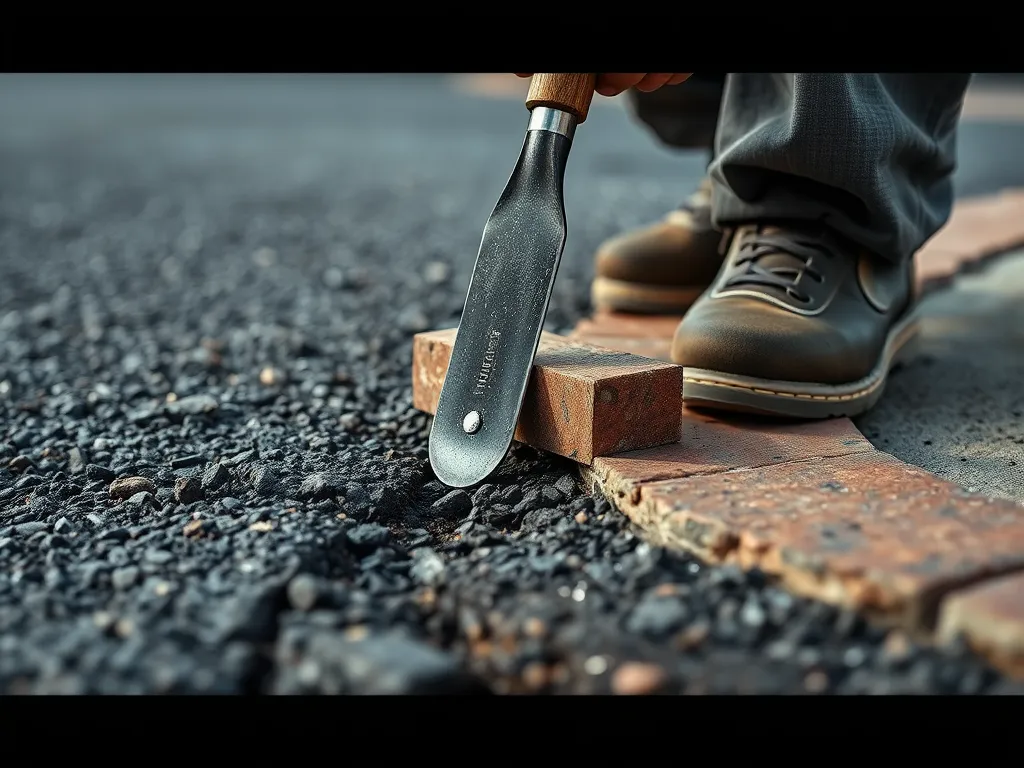
Square off crumbling margins with a masonry chisel. Angling tool blades at 45° stops future cracks from spreading. For blacktop lots, mark crisp lines using spray chalk – this guides fill placement and boosts visual blending.
Sharp tools and dry voids form a foundation for what follows: mixing hot/cold asphalt compounds with bonding agents. Up next: applying materials with pro-level compaction tactics.
Step-by-step Asphalt Pothole Repair Process
Mastering pothole filling requires precise execution. Follow these professional techniques for repairs lasting 3-5 years in moderate climates.
Step 1: Surface Preparation
Square off damaged areas using a chisel or asphalt saw. Remove all loose material until reaching stable base layers. For potholes deeper than 3 inches, stabilize the subbase with crushed stone.
Cutting Clean Edges in Damaged Asphalt
Vertical cuts prevent future edge raveling. Use a diamond blade saw set to 1.5x pavement thickness. Angle cuts at 90 degrees for proper material interlock.
Step 2: Applying Tack Coat (Optional)
Spray PG 64-22 binder at 0.05 gallons per square yard on repair surfaces. This promotes adhesion between old and new asphalt layers.
When to Use Bonding Agents
Mandatory for repairs exceeding 6-inch depths or high-traffic areas. Skip for temporary cold mix fixes in residential driveways.
Step 3: Filling With Asphalt Material
Place hot mix asphalt (300°F) in 2-inch lifts for permanent repairs. Cold mix requires 25% extra material due to lower density.
Layering Techniques for Large Potholes
Compact each 2-inch layer to 92% density before adding next. For holes deeper than 4 inches, install geotextile fabric between base and asphalt layers.
Step 4: Compaction Methods
Use hand tampers for patches under 2 sq ft. Plate compactors (5,000-8,000 lbs) achieve 95% density in commercial repairs.
Achieving Proper Density in Asphalt Patches
Compact material until no visible roller marks remain. Properly compressed patches show less than 1/8-inch depression when tested with straightedge.
Step 5: Final Sealing & Finishing
Feather edges with lute rakes to match surrounding pavement. Apply rubberized crack sealant within 1/2-inch of repair perimeter.
Blending Repairs with Existing Asphalt
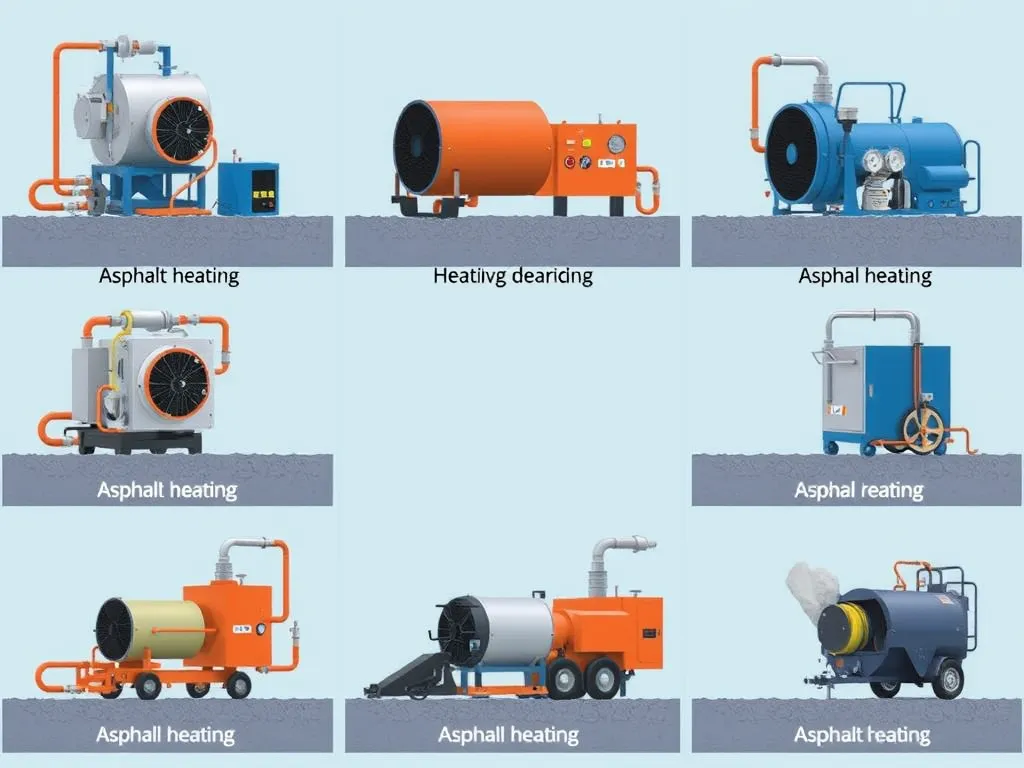
Use infrared heaters to soften adjacent pavement edges. This creates seamless thermal bonds, reducing water infiltration risks by 60%.
Proper execution sets the stage for lasting repairs – but even skilled work can fail without avoiding critical errors. Next, we’ll examine frequent missteps in pothole patching.
Common Asphalt Pothole Repair Mistakes
Even with a solid step-by-step pothole repair plan, errors can cut patch life by 50% or more. Let’s break down two major slip-ups to watch for.
Improper Compaction and Its Consequences
Rushed tamping leaves air gaps under patches. These voids let water seep in and freeze-thaw cycles break bonds. Use a 95-lb plate compactor or hand tamper to hit 95% density – the gold standard for lasting fills. Skip this step, and cracks often form in 3-6 months.
For big road holes, layer cold mix in 2″ lifts. Compact each layer before adding more. This stops sinking and keeps cars from tearing out fresh fills.
Using Non-asphalt Materials in Blacktop Repairs
Concrete, gravel, or sand might plug holes short-term. But they lack bitumen’s sticky grip. These “fixes” wash out fast – 73% fail within 90 days per DOT data. Always use ASTM D6622-approved cold mix or hot asphalt for blacktop jobs.
Some try saving cash with cheap sealants over wrong fills. This traps moisture, speeding asphalt decay. For home drives, buy bagged cold patch with polymer glue. Road crews should heat tack coat edges for iron-clad bonds.
Smart fills start with right stuff. Next, let’s explore earth-friendly ways to boost patch power while cutting waste.
Eco-friendly Asphalt Repair Practices
Green methods cut waste and boost road life. Let’s break down two key steps for earth-friendly pothole fixes.
Recycled Asphalt Material Options
Reclaimed asphalt pavement (RAP) mixes old road bits with new binder. This hot/cold patch blend slashes costs by 30-50% vs virgin mix. Key RAP perks:
- 95% recycled content in some cold mixes
- Same load strength as new asphalt when compacted right
- No need for fresh rock or sand
For big road holes, use 100% RAP with tack coat. Home jobs? Bagged recycled cold patch works for driveways.
Proper Disposal Of Repair Byproducts
Leftover asphalt chunks and millings can’t go in home trash. Follow local rules:
- Drop off at asphalt plants (most take clean scrap free)
- Reuse millings for base layers or drive paths
- Never dump near streams or storm drains
Note: 40 states ban asphalt from landfills. Check EPA codes before hauling debris.
Got questions about the best methods for long-term fixes? We’ll tackle common mix issues next.
FAQs: Asphalt Pothole Repair Solutions
What’s the Best Asphalt Material for Permanent Pothole Fixes?
The best material for permanent pothole repairs is hot mix asphalt due to its superior durability and bonding capabilities. Hot mix is heated to about 300°F, which allows it to better adhere to existing asphalt, resulting in a longer-lasting repair. However, for colder weather conditions or smaller repairs, cold mix asphalt can also be effective as a temporary solution.
Can Cold Mix Asphalt Provide Long-lasting Repairs?
Cold mix asphalt can offer long-lasting repairs, particularly for smaller patches or in cooler temperatures. While it may not adhere as strongly as hot mix asphalt, it remains workable at lower temperatures, making it a viable option for DIY repairs. However, it is advisable to monitor cold mix patches closely, especially in areas with heavy traffic or severe weather conditions.
How to Calculate Asphalt Needs for Large Potholes?
To calculate the amount of asphalt needed for a large pothole, you should measure the length, width, and depth of the hole in feet. Then use the formula: Length x Width x Depth x Density of Asphalt (typically around 145 lbs/ft³). For example, a pothole measuring 2 feet long, 1.5 feet wide, and 3 inches deep would require approximately 109 lbs of hot or cold mix asphalt. Always add an additional 10% to your calculation to account for compaction loss.
Is DIY Asphalt Pothole Repair Legal on Public Roads?
Regulations regarding DIY asphalt pothole repairs on public roads vary by locality. Generally, it is best to consult your local municipality or Department of Transportation for specific guidelines and permissions. Some areas may allow homeowners to repair small potholes, while others may require repairs to be conducted by licensed professionals to ensure safety and compliance with local standards.
Why Do Asphalt Patches Fail Prematurely?
Asphalt patches can fail prematurely due to improper surface preparation, inadequate compaction, using the wrong type of material, or failing to account for weather conditions during the repair process. Issues such as moisture in the pothole prior to filling, air pockets due to insufficient compaction, and the use of non-asphalt materials can all contribute to rapid deterioration of the repair. Following proper procedures outlined in this guide is essential for achieving durable results.
Closing Thoughts
Pothole repair can significantly enhance the lifespan and integrity of asphalt surfaces. Following the outlined steps—preparing properly, using high-quality materials, and avoiding common mistakes—ensures successful repairs. Each step plays a pivotal role in achieving durable and lasting results.
For those looking to tackle pothole repairs on their own, commitment to quality and careful execution are paramount. Prioritize safety, and equip yourself with the right tools and materials for the best outcomes.
For more information on asphalt calculations and repair techniques, check out Asphalt Calculator USA. Your go-to resource for all things asphalt!