How to Get Asphalt Off Shoes: Safe & Effective Removal Methods
Published on: January 31, 2026 | Last Updated: April 14, 2025
Written By: George Voss
Got asphalt on your shoes? Remove fresh or dried tar using household items like ice, oil, or dish soap. This common problem occurs when walking on hot pavement or construction sites—the sticky bitumen binder in asphalt bonds strongly to shoe surfaces. Effective removal requires matching the method to the stain’s state: freeze hardened chunks, dissolve fresh tar with solvents, or lift residues with oils. Always consider your shoe material before applying cleaners.
This guide covers six proven techniques to clean asphalt from sneakers, boots, and leather footwear. You’ll learn preparation steps, solvent-based solutions, DIY methods using kitchen staples, and prevention strategies. We’ll also address eco-friendly practices and answer common questions about tar removal from fabrics and specialty materials.
Essential Preparation Before Cleaning
Proper prep work ensures efficient removal while protecting shoe materials. Skipping these steps risks spreading stains or damaging fabrics.
Allow Asphalt to Dry Fully
Fresh asphalt sticks like glue due to its liquid bitumen content. Letting it cure for 1-2 hours hardens the polymer chains, making removal easier. Never wipe wet tar—it pushes the sticky mess deeper into shoe fibers.
Gently Scrape Excess Material
Use plastic scrapers, old credit cards, or blunt butter knives to lift hardened chunks. Apply light pressure to avoid scuffs on leather, mesh, or synthetic uppers. Work from edges toward the center to prevent tearing delicate materials.
Test Cleaners on Hidden Areas
Solvents like WD-40, rubbing alcohol, or citrus degreasers might discolor certain dyes. Dab a dime-sized amount on the tongue’s interior or heel lining. Wait 5 minutes. Check for fading or texture changes before treating visible areas.
Once prepped, shift focus to targeted removal methods. The right technique depends on shoe type, stain severity, and available supplies.
Step-by-step Asphalt Removal Techniques
Pick a method matching asphalt consistency and your shoe material. Work in a ventilated spot with gloves to guard hands.
Using Solvents for Stubborn Tar
Commercial products cut through thick, sticky deposits. Opt for citrus-based removers or light lubricants like WD-40 to avoid harming most fabrics.
Apply Adhesive Remover or Lubricant Spray
Spray Goo Gone, mineral spirits, or cooking oil onto stains. Wait 5-8 minutes to break bonds. For suede or leather, dab with cotton swabs to limit saturation.
Scrub with a Soft-Bristled Brush
Use circular motions with a toothbrush or nylon brush. Lift tar without fraying fibers. Repeat until grip on shoes loosens.
Rinse Thoroughly and Reapply if Needed
Wash with cool water and mild soap. Blot with microfiber cloths. For lingering marks, do a second round with solvent.
Freezing Method for Hardened Asphalt
Solidified blobs respond to cold treatment. Ideal for rubber soles or thick work boots.
Use Ice Packs to Solidify Tar
Press frozen gel packs onto spots for 15-20 minutes. This makes tar brittle for manual removal.
Chip Away with a Plastic Tool
Gently pry chunks using a credit card, silicone spatula, or plastic putty knife. Avoid knives or metal scrapers that scratch surfaces.
Hot Water and Soap Soak
Works for fresh asphalt on canvas or synthetic shoes. Water temps should stay below 140°F to stop glue reactivation.
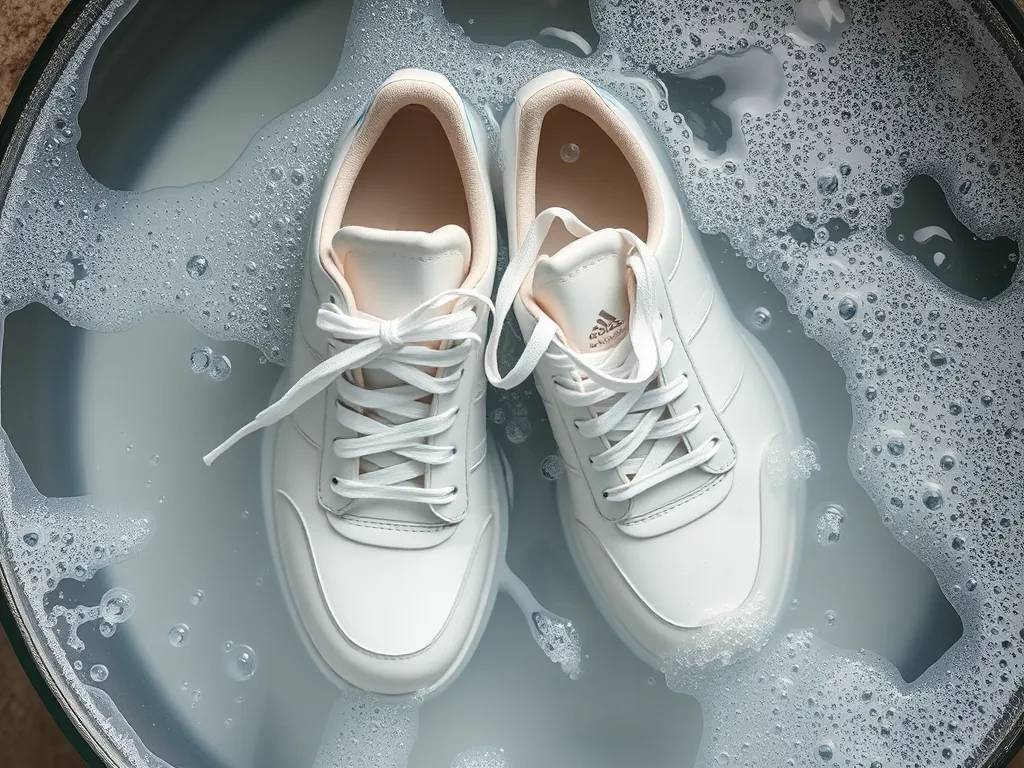
Soak Shoes in Warm, Soapy Water
Mix 2 tbsp dish soap per gallon. Submerge shoes 30 minutes. Dawn Ultra cuts oil bonds without harsh chemicals.
Agitate Stains with a Cloth
Rub affected spots with a washcloth using firm, back-and-forth motions. Rinse with cold water to flush debris.
For those avoiding store-bought products, household items can tackle tough stains.
Homemade Solutions for Tar Removal
For asphalt stains that resist basic scrubbing, common household items can lift bitumen without harsh chemicals. Try these cost-saving options first.
Vegetable or Baby Oil Application
Natural oils break down tar bonds. Saturate a cotton ball with canola, olive, or mineral oil. Press against asphalt spots for 5-10 minutes. Gently rub with an old toothbrush. Wash with warm water and laundry soap. This works for most fabrics and synthetic shoe materials.
Baking Soda and Dish Soap Paste
Mix 3 parts baking soda with 1 part blue Dawn dish soap to form a thick scrub. Spread on tar marks using circular motions. Let sit 15 minutes before rinsing. This combo lifts stains from rubber soles or canvas without fading colors. Ideal for textured shoe surfaces.
Rubbing Alcohol for Residual Stains
Isopropyl alcohol (70%+) tackles leftover asphalt traces. Dab on stains with a white cloth—avoid colored fabrics that might bleed. Blot, don’t rub, to lift tar. Rinse quickly to stop material drying. Safe for most athletic shoes but check labels first.
For tough cases mixing fresh and old tar, upcoming tactics focus on stopping buildup before it starts.
Also See: 5 Tips for Durable Car Park Deck Asphalt
Preventing Asphalt Buildup on Shoes
Stopping tar from sticking beats scrubbing it later. These strategies keep shoes clean during roadwork or summer paving projects.
Wear Disposable Shoe Covers Near Fresh Asphalt
Polypropylene or latex shoe covers ($5-$15 per 100-pack) create a physical barrier between shoes and sticky pavement. Choose slip-resistant styles when working near hot mix asphalt (HMA), which stays pliable above 140°F. Tuck pants into covers to prevent tar transfer to clothing.
Avoid High-temperature Pavement Surfaces
Asphalt becomes tacky when pavement temperatures exceed 85°F. Plan routes to bypass fresh paving zones during midday heat. Check surface temps using infrared thermometers – blacktop can reach 160°F in direct sun. Walk on grass edges or gravel when possible.
Use Protective Shoe Sprays
Silicone-based sprays like Scotchgard or fluoropolymer treatments repel bitumen binders in asphalt. Apply two coats to clean, dry shoes, focusing on seams and treads. Reapply every 30 wears or after heavy rain. For work boots, try industrial-grade sprays with PTFE (Teflon) for 8-hour protection.
While these methods reduce tar accumulation, even careful walkers might need removal tactics. Next, explore eco-friendly ways to tackle stubborn stains without harming your kicks.
Eco-friendly Removal Considerations
Choosing sustainable methods to clean asphalt off shoes reduces environmental impact while protecting shoe materials. These approaches balance effectiveness with ecological responsibility.
Natural Degreasers Like Citrus Solvents
Citrus-based cleaners like Citra-Solv or Goo Gone Natural use d-limonene, a plant-derived solvent, to break down asphalt binders. Apply 1-2 teaspoons directly to stains, wait 5 minutes, then scrub with an old toothbrush. Unlike petroleum-based products, these biodegradable options minimize skin irritation and air pollution. Tests show citrus solvents remove 85-90% of fresh asphalt residue without damaging canvas or synthetic fabrics.
Proper Disposal Of Chemical Waste
Never pour asphalt-laden solvents down drains – bitumen residues harm aquatic ecosystems. Collect used citrus cleaners or mineral spirits in sealed containers labeled “hazardous waste.” Many municipalities offer free drop-offs at facilities like AutoZone or Home Depot through the EPA’s Safer Choice program. For DIY pastes (baking soda, oil), scrape solids into trash before rinsing shoes.
Up next: Proactive strategies to avoid asphalt sticking to footwear in the first place.
Frequently Asked Questions
How Do You Remove Asphalt From Shoes?
To effectively remove asphalt, start by letting it dry, then gently scrape excess material. Use appropriate cleaning techniques, such as solvents or homemade solutions, based on the asphalt’s state and your shoe material.
How Do You Keep Asphalt From Sticking to Shoes?
Prevent asphalt from sticking by wearing disposable shoe covers near fresh asphalt, avoiding high-temperature pavement surfaces, and using protective shoe sprays that repel bitumen.
What Dissolves Asphalt Tar?
Citrus-based solvents, mineral spirits, and commercial adhesive removers can effectively dissolve asphalt tar, making it easier to remove from shoes.
Does WD-40 Remove Asphalt?
Yes, WD-40 can help remove asphalt from shoes. Its lubricating properties make it effective for breaking down the stickiness of tar and asphalt deposits.
How Do You Remove Tar From Leather Shoes?
For leather shoes, use a gentle adhesive remover or homemade oil solution followed by a soft brush. Always test on a small hidden area first to prevent damage.
How Do You Get Tar Off Crocs?
To clean Crocs, apply a mild dish soap solution or oil directly to the tar, let it sit for a few minutes, then scrub gently with a soft brush or cloth. Rinse thoroughly afterward.
How Do You Remove Tar From Suede Shoes?
To remove tar from suede shoes, act quickly using a rubber eraser or a specialized suede cleaner. Avoid using water as it can damage the material. Gently rub the stained area with the eraser until the tar lifts off.
How Do You Get Tar Off Clothes?
For clothing, apply rubbing alcohol or an oil-based cleaner to the tar, let it sit for a bit, then blot with a cloth. Wash the garment afterward based on its care instructions.
Final Thoughts
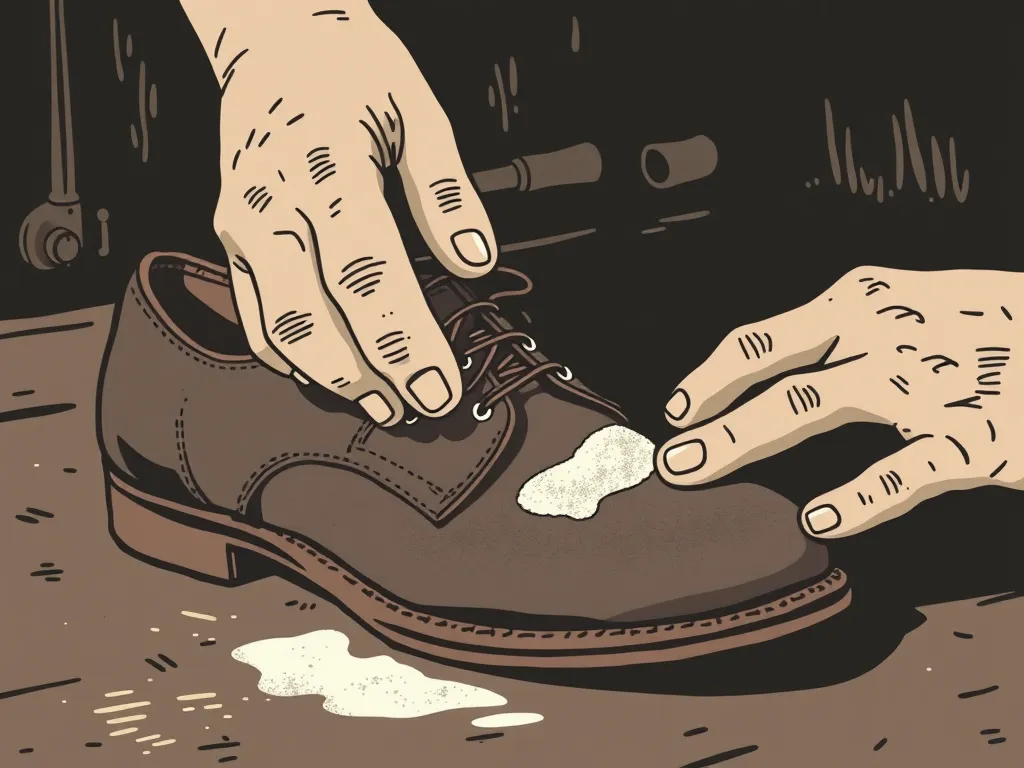
Removing asphalt from shoes doesn’t have to be a daunting task. By following the methods outlined, you can effectively restore your footwear to its original state. Always start by allowing the asphalt to dry, then gently scrape off excess material. Utilize solvents or homemade cleaners for stubborn stains, and don’t forget to rinse thoroughly.
Prevent future asphalt buildup with shoe covers and protective sprays. Stay informed on eco-friendly solutions and dispose of chemical waste properly. For more information and tips on asphalt-related topics, check out Asphalt Calculator USA.
Additional Resources for You:
- The Asphalt Institute. (2007). MS-4: The Asphalt Handbook. Lexington, KY: Asphalt Institute.
- Easy Steps to Remove Tar from Your Shoes – Top-rated Home Cleaning Services in Bahrain
- How do I remove tar from shoes? – DoItYourself.com Community Forums
- How to get tar off shoes? | Hometalk
- How to clean tar and asphalt off your work boots – bootrating – Quora