Volatile Organic Compounds in Asphalt: Composition, Risks, and Mitigation
Published on: July 30, 2026 | Last Updated: April 14, 2025
Written By: George Voss
Volatile organic compounds (VOCs) in asphalt are carbon-based chemicals that evaporate during production and paving, releasing potentially harmful emissions. These compounds—including benzene, toluene, ethylbenzene, and xylene (BTEX)—pose health risks like respiratory irritation and long-term occupational hazards while contributing to air pollution. Agencies like the EPA regulate asphalt VOC emissions through air quality standards, and OSHA sets workplace exposure limits to protect construction workers.
This article examines asphalt VOCs in detail. We’ll break down their chemical makeup, analyze health impacts from short-term exposure to chronic risks, and explain current regulations. Practical solutions like temperature control during production, emission capture systems, and low-VOC asphalt mixes will be explored. You’ll also find data on environmental impacts and answers to common safety questions about asphalt-related chemicals.
Introduction to Vocs in Asphalt
Volatile organic compounds (VOCs) in asphalt are carbon-based chemicals that vaporize at standard paving temperatures. These emissions occur during asphalt production, storage, and road placement. Over 150 organic compounds asphalt mixtures release have been identified, with concentrations peaking between 300°F and 350°F.
Defining Volatile Organic Compounds (Vocs) in Asphalt Applications
In asphalt operations, VOCs originate primarily from the petroleum-based binder. Common sources include:
- Evaporation of light hydrocarbons during hot-mix production
- Oxidation reactions in asphalt storage tanks
- Fumes from freshly laid pavement
Key asphalt volatile organic compounds include alkanes, aromatics, and sulfur-containing organics. Emission rates vary by mix design – polymer-modified binders release 15-20% fewer VOCs than conventional PG 64-22 asphalt. Temperature remains the critical factor: every 18°F reduction lowers VOC emissions by approximately 35%.
New warm-mix asphalt technologies now enable paving at 50-100°F lower temperatures, directly cutting voc asphalt releases. These methods reduce worker exposure while maintaining pavement density specs (92-96% compaction).
Understanding these emission patterns sets the stage for examining specific chemicals in asphalt VOC composition.
Common Vocs and Chemical Composition in Asphalt
Volatile organic compounds in asphalt form complex mixtures released during production, paving, or cooling. These emissions vary based on crude oil sources, production temperatures, and mix designs.
Primary Organic Compounds in Asphalt
Over 150 chemicals contribute to asphalt’s volatile profile. Four groups dominate emissions, with toxicity levels ranging from mild irritants to confirmed carcinogens.
Benzene, toluene, ethylbenzene, and xylene (BTEX)
BTEX compounds account for 15-25% of total vocs in asphalt. Benzene, classified by the EPA as Group 1 carcinogen, maintains workplace limits below 0.5 ppm. Toluene dominates fresh mixes, releasing up to 3.2 μg/g at 140°C. Xylene persists longest in cured pavement, detectable for 72+ hours post-installation.
Hexane, methyl ethyl ketone, and dichlorobenzene
Hexane emissions spike during tanker loading, reaching 8.9 mg/m³ in confined spaces. Methyl ethyl ketone forms when oxidizing bitumen above 160°C. Dichlorobenzene appears in modified mixes, with concentrations hitting 0.7% in polymer-enhanced binders.
Ethanol and 2,2,4-trimethylpentane
Ethanol emerges in warm-mix asphalt containing biosolvents, contributing 12% of total voc asphalt emissions. 2,2,4-trimethylpentane – branched-chain isomer of octane – volatilizes rapidly, constituting 9% of paving crew exposures during summer months.
Tracking these asphalt organic compounds informs both regulatory compliance and worker safety protocols. Next, we examine how these chemical profiles translate to health outcomes for exposed populations.

Health Risks Of Asphalt VOC Exposure
Breathing in or touching asphalt VOCs harms health in quick and slow ways. Workers and nearby groups face risks based on contact time and compound mix.
Short-term Effects Of Asphalt Vocs
Brief contact with hot asphalt fumes or wet mix causes fast health hits. Risks spike during paving or roof work where heat releases more VOCs.
Respiratory irritation and allergic reactions
BTEX gases like benzene trigger coughs, wheezes, and chest tightness. Asthma attacks may flare within minutes of inhaling vapors. Some develop hives or throat swell from VOC sensitivity.
Eye and skin inflammation
Fume contact reddens eyes, causing burns or blurry sight. Splashes of liquid asphalt lead to rashes, blisters, and peeling skin. Workers report these issues 3x more often in summer heat.
Long-term Occupational Hazards
Road crews and plant staff face chronic risks from daily VOC doses. Studies link 10+ years of asphalt fume exposure to lung cell damage and higher cancer odds.
Benzene in asphalt ranks as a top concern—OSHA caps workplace air at 1 ppm over 8 hours. Roofers show 40% more lung cancer cases than non-asphalt roles. Nerve harm from hexane and toluene builds over time, affecting balance and hand strength.
These health risks push for tighter controls on how sites handle asphalt VOCs. Up next: rules that govern asphalt fumes and worker safety.
Also See: Maintenance Tips for Asphalt Paths
Regulatory Framework for Asphalt VOC Release Limits
Government bodies set strict rules to manage organic compounds asphalt operations release. Two key groups shape asphalt VOC policies: the Environmental Protection Agency (EPA) for outdoor air quality and the Occupational Safety and Health Administration (OSHA) for worker safety.
EPA Standards for Asphalt-related Air Quality
The EPA’s Clean Air Act regulates asphalt VOC composition through two primary rules:
- NSPS Subpart UU: Limits VOC discharge from hot mix asphalt plants to 0.04 lbs/ton of product
- NESHAP 40 CFR Part 63: Mandates capture systems for 95% of asphalt and vocs during paving and roofing
Paving contractors must install vapor recovery units in high-population zones. Plants using recycled asphalt (RAP) gain flexibility if VOC organic compounds stay below 50 ppm during mixing.
OSHA Workplace Contact Limits
OSHA sets maximum asphalt VOCs allowed in worker air space during 8-hour shifts:
- Benzene: 1 ppm (5 ppm 15-minute short-term limit)
- Toluene: 200 ppm
- Hexane: 50 ppm
Workers applying asphalt asphaltic materials must wear NIOSH-approved respirators when air tests show VOC asphalt levels above 10% of limits. Facilities must conduct quarterly air sampling at mixing zones and paver hoppers.
While rules form a vital foundation, practical solutions for managing asphalt VOCs require…

Mitigation Strategies for Asphalt VOC Emissions
Reducing volatile organic compounds in asphalt requires targeted engineering solutions. Three primary approaches dominate modern practices: temperature management, emission capture systems, and material science innovations.
Temperature Control During Asphalt Production
Heat directly impacts asphalt VOC release. Production temperatures exceeding 320°F (160°C) increase emissions of benzene, toluene, and xylene by 40-60% compared to lower-temperature mixes.
Optimized heating techniques
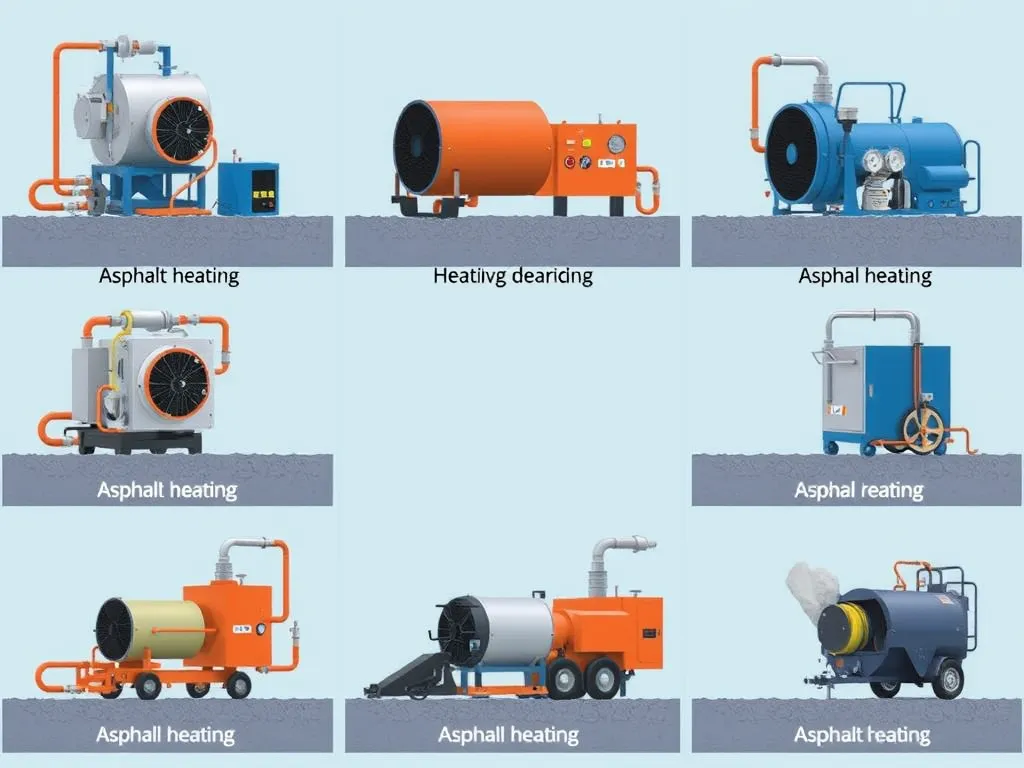
Warm-mix asphalt (WMA) technologies cut production temperatures to 230-280°F (110-138°C). Foaming processes inject water or organic additives, enabling workability at reduced heat. Sasobit® wax-modified asphalt demonstrates 35% lower VOC emissions at 250°F versus traditional hot-mix.
Emission Capture Technologies
Industrial systems now intercept asphalt VOCs before atmospheric release. Capture rates exceed 90% for facilities using combined filtration and combustion methods.
Carbon adsorption systems
Activated carbon beds trap 85-92% of asphalt organic compounds. Mobile units process 1,500-2,000 CFM of exhaust air, with spent carbon regenerated through steam distillation. This method reduces benzene concentrations below OSHA’s 0.5 ppm permissible exposure limit (PEL).
Thermal oxidizers
Regenerative thermal oxidizers (RTOs) destroy 99% of VOCs in asphalt fumes at 1,500°F (816°C). While energy-intensive, modern RTOs recover 95% of process heat, cutting fuel costs by 60% compared to conventional afterburners.
Low-voc Asphalt Formulations
Material modifications target asphalt’s VOC composition. Bio-flux additives from vegetable oils reduce petroleum-based volatiles by 30-50%. Polymer-modified binders (PMBs) like SBS elastomers lower required application temperatures while maintaining pavement performance grades (PG).
New plant-based sealants show promise in California trials, cutting hexane emissions by 78% compared to conventional asphalt emulsions. These formulations meet both ASTM D6372 specifications and LEED v4.1 criteria for low-emitting materials.
As the industry adopts these methods, their cumulative effect on air quality becomes measurable. Tracking emission reductions requires understanding broader environmental impacts…
Environmental Impact Of Asphalt Vocs
Hot asphalt mix application sends volatile organic compounds into surrounding air. This affects both local air quality and broader atmospheric conditions. Controlling such impacts remains critical for sustainable construction practices.
Air Quality Concerns During Paving Operations
Primary culprits include BTEX and hexane, which vaporize rapidly at high temps. During road laying, VOC concentrations can spike to 50-200 µg/m³ within 15 feet of paving machinery. Ground-level ozone forms when sunlight reacts with VOCs and nitrogen oxides. A 2023 NAPA study found warm mix asphalt (250°F) cuts VOC output by 40-70% compared to traditional 300°F hot mix. Workers without respirators risk inhaling 2-3 times OSHA’s permissible limits during peak paving hours.
Emission Factors in Asphalt Production
Mix temps above 300°F boost asphalt VOC formation by 15% per 10°F increase. Plants making asphalt contribute 3-8% of total VOC output from industrial sources. Key factors:
- Aggregate moisture content (above 0.5% raises VOC release)
- Bitumen grade (PG 64-22 emits 12% less VOCs than PG 58-28)
- Mix duration (90-second cycles vs. 120-second reduce output by 18%)
Using 15% recycled asphalt pavement (RAP) lowers VOC production by 22%. New plants following EPA AP-42 guidelines show 45% fewer VOC releases than facilities built prior to 2010.
These findings raise frequent questions about health impacts and material selection.
FAQs About Asphalt Volatile Organic Compounds
What Are the Most Dangerous Vocs in Asphalt?
The most dangerous VOCs in asphalt include benzene, toluene, ethylbenzene, and xylene (collectively known as BTEX). Benzene is particularly concerning due to its classification as a Group 1 carcinogen by the EPA, while toluene can cause neurological effects. These compounds pose significant health risks when exposed to workers and surrounding communities.
How Do Asphalt Composition and VOC Levels Correlate?
Asphalt composition directly influences VOC levels; different types of asphalt mixes can release varying amounts of VOCs depending on their chemical makeup and the production process. For example, polymer-modified asphalts typically release fewer VOCs than conventional ones due to differences in binder components and the presence of additives designed to minimize emissions.
Which Chemicals Drive Asphalt’s Toxicity Profile?
The toxicity profile of asphalt is primarily driven by compounds such as benzene, toluene, hexane, and polycyclic aromatic hydrocarbons (PAHs). These chemicals can contribute to serious health effects, including respiratory problems and cancer, depending on their concentration and the duration of exposure.
Closing Thoughts
Volatile organic compounds (VOCs) play a significant role in asphalt applications, impacting both health and the environment. From the primary compounds like BTEX to the long-term risks of exposure, understanding these elements is essential for safe practices.
Regulatory measures are crucial in managing asphalt VOC emissions. The EPA and OSHA set important standards that govern air quality and workplace safety. Effective mitigation strategies, including optimized heating techniques and emission capture technologies, can significantly reduce VOC levels in asphalt production.
As industry stakeholders, it’s vital to prioritize compliant practices and high-quality materials. By embracing low-VOC asphalt formulations and continuous monitoring, you can enhance safety and lessen environmental impacts.
For more in-depth information and tools related to asphalt calculations, feel free to check out Asphalt Calculator USA.