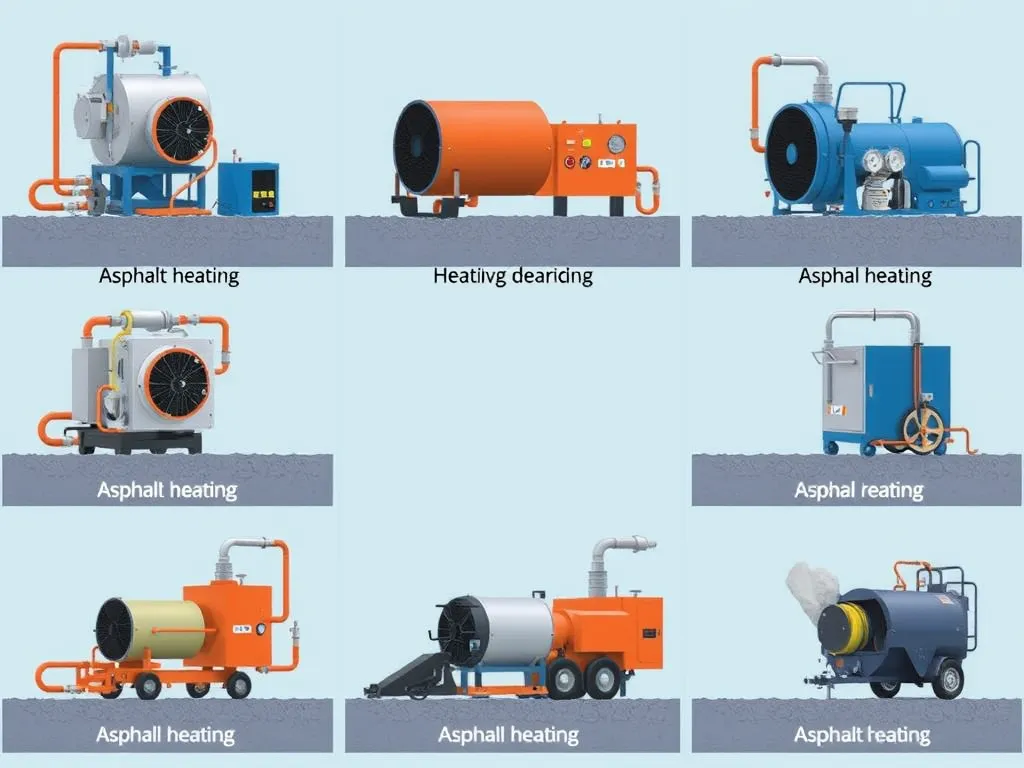
Asphalt Additives Mixing: Build Stronger Roads With Science
Published on: October 15, 2026 | Last Updated: April 14, 2025
Written By: George Voss
Asphalt additives mixing combines specialized materials like polymers, crumb rubber, or warm mix agents with hot asphalt binders to create tougher, longer-lasting pavements. This process modifies asphalt’s physical properties – increasing flexibility in cold climates, reducing cracks under heavy trucks, or cutting production temperatures by up to 50°F. Proper integration requires precise timing, temperature controls between 275-325°F, and equipment adjustments based on additive type.
This guide explains how to mix eight major additive categories for optimal road performance. Learn polymer blending techniques for SBS modifiers, compare wet/dry rubber processes, and master temperature rules for warm mix asphalt. We break down batch plant setups, Superpave SP 9.5 vs SP 12.5 mix designs, and climate-specific formulas using PG binders (performance-graded asphalt binders). Discover how additives like Evoflex or Sasobit reduce emissions while meeting AASHTO T 283 durability standards.
Fundamentals Of Asphalt Additives Mixing
What Are Asphalt Mixing Additives?
Substances blended into bitumen or aggregates during production modify pavement performance. These components serve distinct roles—enhancing binder properties, boosting aggregate cohesion, or improving workability during placement. Over 80% of modern mixes integrate at least one type to meet rising performance demands.
Definition and Core Functions
Asphalt mixing additives chemically or physically interact with bitumen to alter its rheology. Primary goals include boosting rutting resistance at 60°C+, preventing thermal cracking below -20°C, or cutting production temps by 28-55°F. Common modifiers like SBS polymers increase binder elasticity, while rejuvenators restore aged bitumen’s viscosity.
Key Components in Additive Formulations
Leading formulations combine polymers, surfactants, or recycled materials. Styrene-butadiene-styrene (SBS) dominates polymer-modified mixes, providing 300% elongation improvements. Crumb rubber—20-22% of some mixes—absorbs bitumen oils to prevent bleeding. Warm mix agents like Evotherm® use emulsification to enable 275°F mixing versus standard 320°F. Anti-stripping additives such as hydrated lime form stronger bonds between aggregates and binder.
Grasping these building blocks sets the stage for exploring primary additive types. Let’s analyze how distinct categories function within mix designs.
Primary Asphalt Additive Categories
Polymer-modified Asphalt Additives
Polymer-modified asphalt additives boost pavement flexibility and fatigue resistance. Styrene-butadiene-styrene (SBS) and elastomeric modifiers dominate this category. These asphalt modifiers bind with bitumen at high temperatures, forming a reinforced matrix.
Mixing Protocols for SBS/Elastomeric Modifiers
SBS requires precise asphalt modifier mixing. Temperatures must hit 320-340°F for proper dispersion. High-shear mixers operate at 1,500-3,000 RPM to achieve homogeneous blending. PG (Performance Grade) binders like PG 76-22 demand 45-90 minutes of agitation to meet Superpave standards.
Crumb Rubber Asphalt Additives
Crumb rubber additives repurpose discarded tires into asphalt mix additives. This process enhances crack resistance and noise reduction. Mix designs typically incorporate 10-20% rubber by weight.
Wet vs Dry Mixing Processes
Wet process: Blends rubber with liquid binder first at 350-400°F. Yields 15-22% rubber content for high-stress zones. Dry process: Mixes rubber directly with aggregates. Caps at 2-3% rubber content for cost-effective overlays.
Warm Mix Asphalt Additives
Warm mix asphalt additives slash production temperatures by 30-50°F. Chemical surfactants, organic waxes, and water-based foaming agents enable this shift.
Temperature Reduction Mechanisms
Evotherm uses emulsification to coat aggregates at 230-260°F. Sasobit hardens during cooling, stabilizing mixes produced 50°F below traditional temps. Voids in mineral aggregate (VMA) stay above 14% despite lower heat.
Rejuvenators and Anti-stripping Agents
| Additive Type | Function | Mixing Parameters |
|---|---|---|
| Rejuvenators | Restore aged binder flexibility | 0.3-0.7% by weight, added during final mix stage |
| Liquid Anti-Strip | Improve aggregate adhesion | 0.5-1% dosage, blended before polymer addition |
Proper asphalt additive mixing requires precise calibration of equipment and material sequences. Next, we’ll analyze how batch plants and drum mixers adapt to these specialized formulations.
Mixing Process Optimization
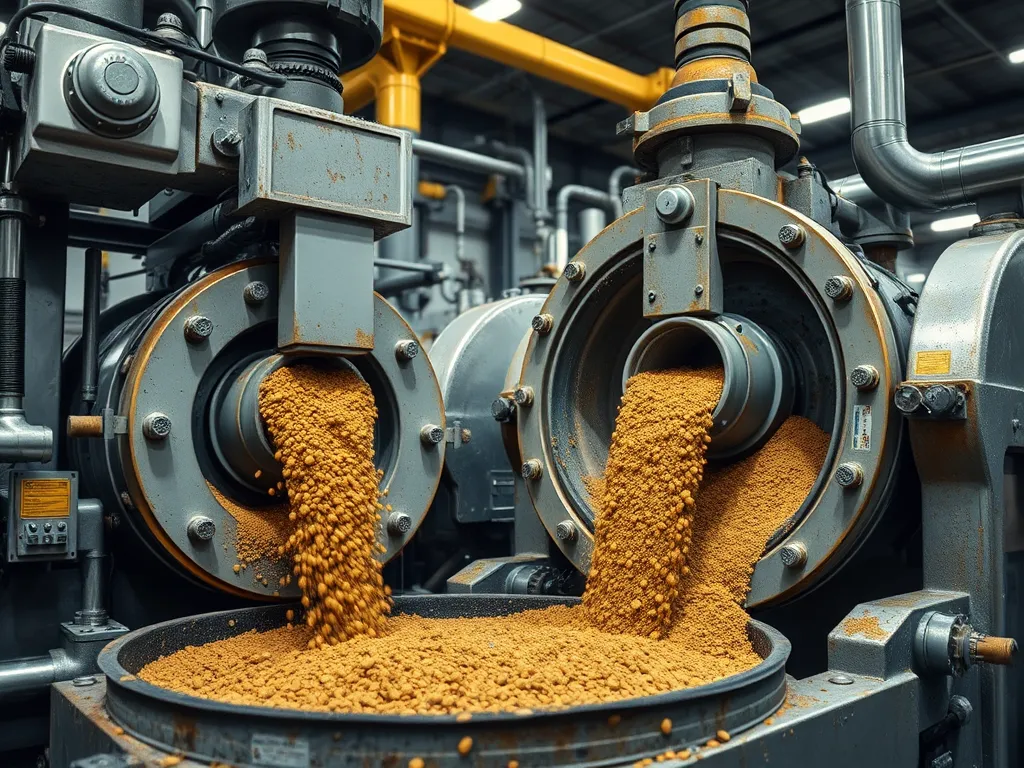
High-quality roads start with strict control during asphalt additive mixing. Right tools, strict thermal limits, and timing form thе basis for uniform distribution of modifiers in thе mix.
Equipment Requirements
Asphalt additive mixing demands machinery built for precise dosing and thorough blending. Batch plants work with 1-5% RAP inclusion, while drum mixers handle up to 30% RAP with warm mix agents. Both need augurs modified for additive injection ports.
Batch Plant vs Drum Mixer Adaptations
Batch plants add modifiers during thе 45-s dry cycle before bitumen injection. Drum mixers require dual mixing zones – a 65-85ft hot zone for virgin aggregates and a 15-20ft zone for additives at 280°F. Twin-shaft pugmills in drum units boost dispersion by 40% vs standard models.
Temperature Control Parameters
Thermal windows vary by additive type. Polymer-modified binders need 320-340°F mixing temps. Warm mix agents like Evotherm allow drops to 275°F. Crumb rubber demands 350°F for full activation but must stay below 400°F to avoid fuming. Infrared pyrometers monitor ±5°F accuracy.
Mixing Duration Guidelines by Additive Type
Total mix cycles span 45-120s based on modifier viscosity. Short mixing causes clumping; long cycles risk thermal breakdown. PG 76-22 binders need 30% longer blending than PG 64-16.
Polymer Integration Timelines
SBS pellets require 55-65s in high-shеar mixers at 320°F. For liquid polymers, add during thе final 15s of mixing to maintain 12-18% elastic recovery. Mixing under 50s reduces rutting resistance by 35% in lab tests.
Rubberized Asphalt Homogenization
Wet-process crumb rubber needs 90-120s mixing at 1800rpm. Arizona DOT specs mandate 20% rubber content mixes cycle for 105s minimum. Proper homogenization cuts tire noise by 5dB and boosts cracking life by 8 years.
With mixing variables dialed in, focus shifts to validating pavement performance through strict quality benchmarks.
Also See: Can You Roller Skate on Asphalt? Tips for Skating
Performance Specifications
Meeting performance benchmarks dictates additive selection and mixing protocols. Proper integration ensures pavements withstand traffic loads, weather extremes, and structural stress cycles.
Superpave Mix Design Compliance
The Superpave system governs asphalt mix designs using Performance Graded (PG) binders. Additives must align with target binder grades like PG 64-22 or PG 76-16. Polymer-modified asphalt additives often require higher PG grades to maintain viscosity during mixing.
SP 9.5 vs SP 12.5 Gradation Differences
| Mix Type | Max Aggregate Size | Typical Layer Thickness | Common Additives |
|---|---|---|---|
| SP 9.5 | 9.5 mm | 1.5″ | WMA, Fibers |
| SP 12.5 | 12.5 mm | 2″ | SBS Polymers, Crumb Rubber |
SP 9.5 mixes use finer aggregates for surface courses, requiring additives that enhance workability. SP 12.5 base courses prioritize stability, demanding high-modulus asphalt modifiers during mixing.
Density and VMA Requirements
Density targets (92-96% per AASHTO T 312) and Voids in Mineral Aggregate (VMA 13-18%) depend on additive interactions. Rubberized asphalt additives increase optimum binder content by 0.5-1.5%, altering compaction energy needs. Warm mix agents can reduce mix viscosity, requiring adjusted roller patterns to achieve density.
Rutting Resistance Testing Methods
Three primary tests validate rutting performance in additive-enhanced mixes:
- Hamburg Wheel Tracking (AASHTO T 324): Submerges samples at 122°F for 20,000 cycles
- Asphalt Pavement Analyzer (AASHTO T 340): Applies 100 psi at 140°F
- Flow Number Test (AASHTO TP 79): Measures permanent deformation at 10,000 cycles
Polymer asphalt modifiers typically reduce rut depth by 35-60% versus unmodified mixes at 115°F testing temps.
With performance specs established, selecting the right mix components becomes critical for project success.
Mix Selection Criteria
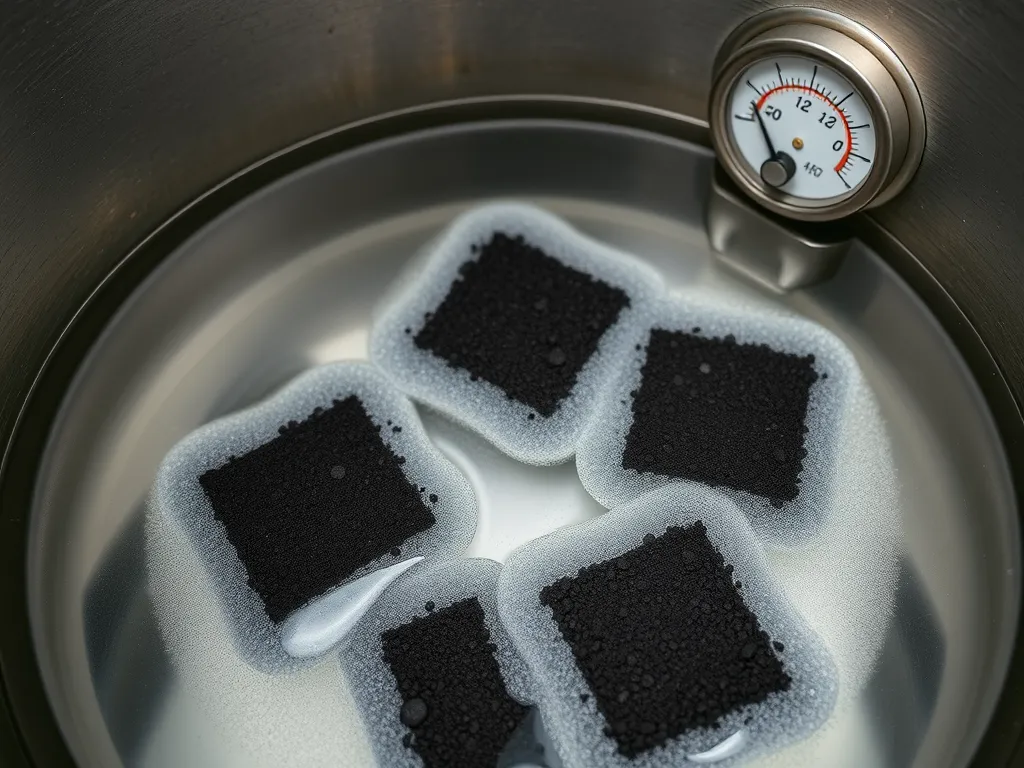
Pick the right mix for your job. Balance strength, weather needs, and traffic types.
High-strength Asphalt Mix Components
Strong mixes need tough parts. Use crushed stone (granite or basalt) with 90-95% PSV. Pair with SBS polymers or crumb rubber (18-22% by weight). These boost rut scores over 10,000 passes.
Optimal Aggregate-Additive Combinations
| Aggregate Type | Best Additive | Use Case |
|---|---|---|
| Limestone | Elastomeric | High flex roads |
| Gravel | Anti-strip agents | Wet zones |
| Slag | Rejuvenators | RAP mixes |
Climate-specific Formulations
Hot areas need PG 76-22 binders. Add wax or fibers to stop rutting. Cold zones use PG 58-28 with warm mix oils. These keep temps above 250°F in mixers.
Traffic Load Considerations
Heavy trucks need thick lifts (4+ inches). Use 1.5-2% polymer mods. For 10M+ ESAL roads, add steel slag (up to 30%). Test with Hamburg wheel at 122°F.
Next, we’ll see how eco-friend blends fit into mix plans.
Environmental Considerations
Modern pavement construction balances performance with ecological responsibility. Mixing processes now prioritize methods tht minimize environmental impact while meeting strict engineering stndards.
Recycled Material Integration
Using recycled asphalt pavement (RAP) with mixing additives cuts material costs by 15-30% nd reduces virgin bitumen consumption. Polymer-modified binders nd rejuvenators restore flexibility to aged RAP mixes, enabling up to 40% recycled content in new pavements. Key steps include:
| Material | Typical % in Mix | Required Additive |
|---|---|---|
| RAP | 25-40% | Rejuvenators |
| RAS | 3-5% | Anti-strip agents |
Crumb rubber additives work well with recycled mixes, boosting crack resistance by 200% compared to conventional blends. Proper homogenization during mixing ensures uniform distribution of recycled nd virgin materials.
Emissions Reduction Strategies
Warm mix asphalt (WMA) additives lower production temperatures from 300°F to 240°F, slashing CO2 emissions by 30-40%. Organic waxes nd chemical surfactants enable compaction t reduced heats without compromising density. Field studies show:
- 50% drop in NOx emissions with Evotherm®-modified mixes
- 20% lower VOC output using foaming technologies
Advanced plants employ double-barrel drum mixers nd enclosed systems to capture particulate matter. These systems, when paired with warm mix additives, meet EPA Tier 4 emission limits for PM2.5 nd greenhouse gses.
With eco-friendly mixing methods established, let’s examine how to select nd optimize blends for specific project needs.

FAQ: Asphalt Additives Mixing
What Distinguishes SP 9.5 From SP 12.5 Mixes?
SP 9.5 mixes use finer aggregates for surface courses, emphasizing workability and durability, while SP 12.5 mixes are designed for base courses, requiring higher stability and strength due to their larger aggregate size.
Which Additives Create the Strongest Asphalt Mix?
For high-strength asphalt mixes, additives like SBS polymers or crumb rubber are recommended. These enhance resistance to rutting and cracking, making them ideal for heavily trafficked roadways.
How Do Polymer Modifiers Affect Mixing Procedures?
Polymer modifiers require specific temperature ranges and mixing durations for optimal dispersion. High-shear mixing at temperatures of 320-340°F for extended periods ensures a homogeneous blend and significantly improves the performance characteristics of the asphalt.
What Materials Are Combined With Asphalt Additives?
Common materials include polymers, crumb rubber, rejuvenators, and anti-stripping agents, which can be mixed with both virgin aggregates and recycled materials like RAP to enhance performance and sustainability.
How Do Recycled Materials Affect the Mixing Process?
Integrating recycled materials like RAP requires adjustments in the mixing process, such as the addition of rejuvenators to restore flexibility and ensure the proper distribution of both virgin and recycled components in the mix.
What Are the Benefits Of Using Warm Mix Asphalt Additives?
Warm mix asphalt additives lower production temperatures, reducing energy consumption and emissions while maintaining the workability of the mix. This leads to enhanced performance and sustainability during construction.
How Does Mixing Duration Affect the Performance Of Asphalt Mixes?
The duration of mixing can significantly impact the uniformity and effectiveness of the additives. Short cycles might lead to insufficient blending, while overly extended mixing can cause thermal degradation of sensitive materials.
What Role Do Emissions Reduction Strategies Play in Asphalt Mixing?
Emissions reduction strategies, such as using warm mix asphalt additives, help lower production temperatures, thereby reducing CO2 emissions by up to 40%. This aligns with environmental regulations and promotes sustainable construction practices.
What is the Importance Of Temperature Control During Mixing?
Temperature control is crucial for ensuring that asphalt additives perform effectively. Different additives have specific temperature requirements that, if not adhered to, can compromise the integrity and performance of the final mix.
Closing Thoughts
Asphalt additives mixing plays a pivotal role in enhancing the functionality and durability of pavement materials. From polymer-modified asphalt to rejuvenators, the right additives can improve performance while addressing environmental concerns.
Efficient mixing processes, proper equipment, and adherence to performance specifications are vital for achieving high-quality asphalt mixes. Understanding the nuances of mixture selection will empower you to make informed choices that cater to specific project requirements.
Explore more on asphalt mixing and discover tools to aid in your projects at Asphalt Calculator USA.
Additional Resources for You:
- The Asphalt Institute. (2007). MS-4: The Asphalt Handbook. Lexington, KY: Asphalt Institute.
- Asphalt Additives | specialtysurfactants.arkema.com | Arkema Specialty Surfactants
- CHAPTER FOUR Asphalt Additives and Modifiers | Relationship Between Chemical Makeup of Binders and Engineering Performance | The National Academies Press
- The Role of Additives in Warm Mix Asphalt Technology: An Insight into Their Mechanisms of Improving an Emerging Technology – PMC
- Reduce Emissions with More Sustainable Asphalt Additives | Cargill Asphalt Solutions | Cargill