Site Evaluation Factors for Driveway Preparation: Building a Strong Asphalt Foundation
Published on: April 13, 2026 | Last Updated: April 14, 2025
Written By: George Voss
Site evaluation factors for driveway preparation involve analyzing slope, drainage, soil quality, and material needs before installing asphalt. This process determines how well your driveway handles weight, weather, and daily use. Unlike concrete or gravel surfaces, asphalt requires specific base preparation and compaction standards to prevent cracks and potholes. Proper evaluation addresses water flow patterns, land angles up to 12% slope, soil bearing capacity above 3,000 PSF, and material costs ranging from $3-$7 per square foot.
This article breaks down eight key areas for asphalt driveway success. Learn slope limits for drainage, soil testing methods like ASTM D1883, and base layer requirements with 6-8 inches of crushed stone. Compare DIY vs professional assessments, review permit rules, and explore cost-saving recycled asphalt options. We’ll detail how to avoid common mistakes like poor subgrade prep or inadequate drainage that lead to early repairs.
Key Factors in Driveway Site Assessment for Asphalt
Proper analysis of physical conditions impacts asphalt longevity. Three primary factors dictate success: slope, drainage, and soil traits.
Slope and Gradient Analysis
Ground slant affects water runoff and vehicle access. A 2-5% pitch works best for asphalt surfaces.
Ideal Slope Range for Asphalt Driveways
Driveways with 2-5% slope (1/4″ to 5/8″ drop per foot) allow water to drain without causing rapid wear. Lasers or string lines verify grades during layout.
Managing Steep Terrain in Driveway Preparation
Slopes exceeding 15% need modifications:
- Retaining walls ($15-$30 per sq ft) hold back soil
- Switchback designs add turning areas
- Terracing splits inclines into flat sections
Drainage Requirements for Asphalt Surfaces
Water causes 80% of asphalt issues. Plan for both surface flow and subsoil moisture.
Preventing Water Pooling on Asphalt Driveways
A 1-2% cross slope (crown) directs water sideways. Avoid flat spots near garage doors – add 6″ of fall within first 10 feet.
Installing Effective Drainage Systems
Common solutions for soggy sites:
- French drains ($8-$12 per linear foot)
- Catch basins with PVC piping
- Permeable asphalt edges
Soil Composition and Stability Assessment
Asphalt’s 300-500 PSI strength needs solid ground support. Test before laying base materials.
Testing Soil Bearing Capacity for Asphalt
California Bearing Ratio (CBR) tests measure load resistance. Aim for CBR ≥5. Sandy soils (CBR 10-20) outperform clay (CBR 1-5).
Addressing Expansive or Unstable Soils
Fix problem soils with:
- Lime stabilization (4-6% lime mix)
- 6″ gravel subbase layers
- Full soil replacement ($50-$100 per cubic yard)
With site factors confirmed, focus shifts to material choices that impact longevity.
Evaluating Asphalt Driveway Material Specifications
Material selection directly impacts driveway performance and longevity. Proper specs account for traffic loads, climate conditions, and site-specific challenges identified during evaluation.
Optimal Asphalt Thickness for Residential Driveways
Residential driveways require 2-3 inches of hot mix asphalt (HMA) over a 4-6 inch aggregate base. For heavy vehicles like RVs, increase thickness to 3.5 inches with PG 64-22 binder. Thinner layers crack under freeze-thaw cycles; thicker ones waste budget without added benefit.
Base Material Preparation Techniques
The base layer transfers weight from asphalt to subgrade. Poor compaction or wrong materials cause 80% of driveway failures within five years.
Crushed Aggregate Selection and Compaction
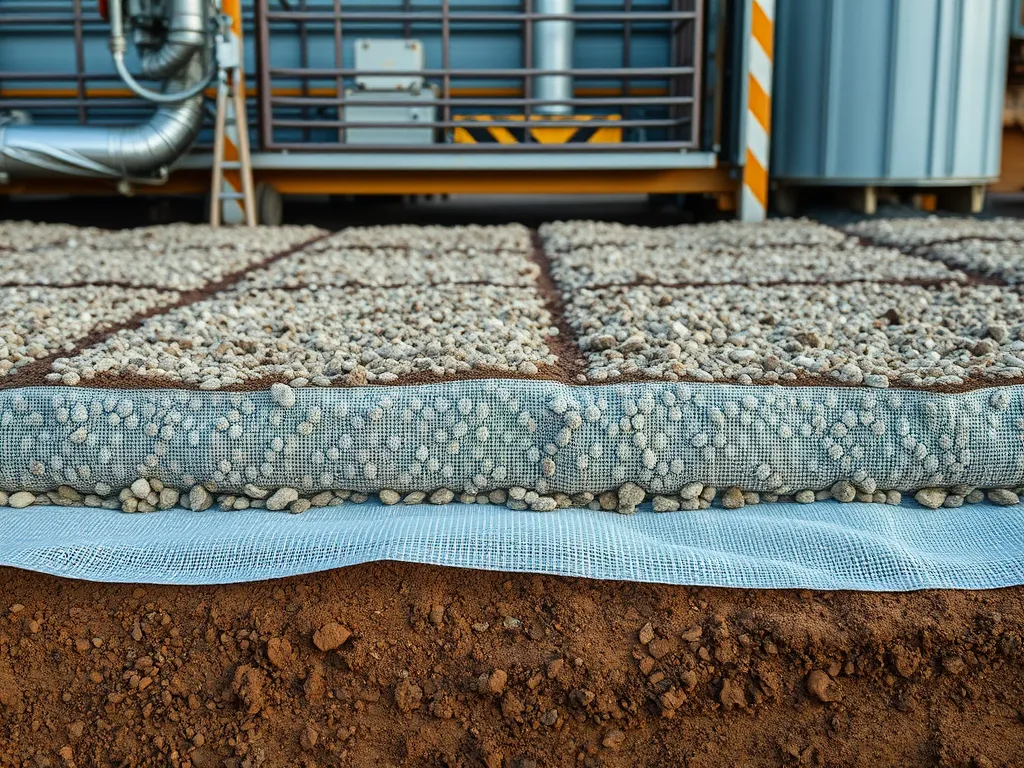
Use angular #57 stone (1-1.5 inch size) for optimal interlock. Compact in 2-inch lifts with vibratory plate compactors achieving 95% Proctor density. Geotextile fabric under aggregate prevents mixing with clay soils.
Subgrade Preparation Standards
Remove topsoil and organic matter. Stabilize soft spots with 6-8 inches of ABC stone. Grade subgrade to 1-2% slope using laser levels – crucial for preventing water infiltration under pavement layers.
Material specifications set during site evaluation determine project success. Next, let’s examine how these choices translate into installation costs and budget planning.
Cost Estimation for Asphalt Driveway Installation
Accurate cost projections require aligning material needs with site conditions. Driveway preparation factors directly impact budget planning from grading needs to asphalt thickness requirements.
Key Cost Factors in Asphalt Driveway Projects
Five elements shape asphalt driveway costs during site evaluation:
- Land slope: Grades above 12% often require retaining walls ($45-$65 per sq ft) or terracing
- Drainage systems: Catch basins ($300-$500 each) or French drains ($10-$16 per linear foot)
- Soil stability: Unstable clay soils need 6-8″ gravel base vs standard 4″ base
- Asphalt thickness: 3″ residential standard vs 4″ for heavy vehicles ($0.75-$1.25 extra per sq ft)
- Access challenges: Limited equipment access adds 15-20% labor costs
Asphalt Cost Analysis Per Square Foot
Current asphalt pricing ranges from $3-$7 per sq ft installed. Site evaluation driveway factors alter costs through:
- Base materials: $1.25-$2.50 per sq ft for crushed limestone or recycled aggregate
- Compaction: Laser-guided grading adds $0.30-$0.50 per sq ft
- Drainage: Culvert installation at $100-$200 per linear foot
Problematic soils can add $1,200-$3,500 for stabilization treatments like lime injections (8-12% soil mass).
Example Cost Calculations
Use these models to budget based on driveway preparation site evaluation results.
20×20 Asphalt Driveway Cost Breakdown
- Area: 400 sq ft
- Base cost: 400 x $2.10 = $840
- Asphalt: 400 x $4.75 = $1,900
- Slope correction (5% grade): $650
- Total: $3,390-$3,800
300-Foot Driveway Paving Estimates
- Area: 300′ x 10′ = 3,000 sq ft
- Geotextile fabric: $0.40/sq ft x 3,000 = $1,200
- 6″ gravel base: $2.75/sq ft x 3,000 = $8,250
- Asphalt (4″): $5.25/sq ft x 3,000 = $15,750
- Total: $25,200-$28,100
With costs mapped to site conditions, the next step involves navigating local permit requirements for driveway projects.
Also See: Impact Of Climate Change on Asphalt Performance
Permitting and Regulatory Considerations
Local regulations shape driveway construction from start to finish. Proper site evaluation accounts for legal needs as much as physical terrain.
Common Permit Requirements for Driveway Installation
Most areas require driveway approach permits to connect to public roads. Right-of-way permits may apply when work extends beyond property lines. Environmental permits often mandate erosion control plans, especially near waterways. Expect to submit site plans showing dimensions, drainage systems, and material specs. Fees typically range from $50 to $500, with processing taking 2-6 weeks.
Zoning Compliance for Asphalt Driveways
Zoning rules dictate driveway placement and size. Setback requirements keep driveways 5-15 feet from property lines. Maximum surface coverage rules often limit paved areas to 30% of lot space. Some zones ban certain materials, though asphalt usually meets standards. Always verify HOA restrictions – 63% of planned communities add extra design rules. When existing rules block plans, variance applications cost $200-$1,000 and take 4-8 weeks for approval.
With legal boxes checked, attention turns to ground stability – the key phase in driveway prep.
Soil Stabilization Methods for Asphalt Driveways
Proper soil stabilization ranks among the most critical factors for driveway preparation. Unstable soils cause premature cracking, rutting, and structural failure in asphalt surfaces. Over 70% of driveway failures stem from inadequate subgrade preparation. Evaluate soil type, moisture content, and load-bearing capacity during site evaluation for driveway installation.
Mechanical Stabilization Techniques
Mechanical methods physically alter soil structure to boost stability. These techniques form the first line of defense in driveway site prep:
- Compaction: Increases soil density by 15-25% using vibratory rollers (8-10 passes at 95% Proctor density)
- Geogrids: Polymer grids add tensile strength, reducing lateral movement in sandy soils
- Aggregate replacement: Swap 12-18″ of weak soil with crushed limestone (3/4″ minus)
Mechanical stabilization costs $1.50-$3.50 per square foot, depending on equipment needs. Always verify results with nuclear density tests during driveway installation preparation.
Chemical Stabilization Options
Chemical treatments modify soil properties at the molecular level. These solutions prove vital when preparing site for driveway projects with clay-rich or expansive soils:
- Lime stabilization: Adds 3-7% calcium oxide to reduce plasticity index by 30-50%
- Cement treatment: 5-10% Portland cement creates cementitious bonds in granular soils
- Fly ash: Coal byproduct increases CBR values 4x in silty soils
Chemical stabilization runs $4-$8 per square foot, including material and application. Allow 7-10 days curing before asphalt placement during driveway preparation site work.
Choosing between mechanical and chemical methods depends on soil test data from your site evaluation for driveway installation. Next, we’ll examine when to handle stabilization yourself versus hiring professionals.
Professional Vs DIY Site Evaluation Comparison
Choosing between professional assessment and self-evaluation impacts project success. Each method affects cost, timeline, and long-term performance of asphalt driveways.
When to Hire Asphalt Installation Experts
Bring in pros for complex grading needs or problematic soil conditions. Experts use laser levels to measure slope accuracy within 0.5% tolerance. They conduct ASTM D698 soil tests to verify bearing capacities above 1,500 PSI for stable bases. Licensed teams spot hidden issues like underground springs or clay content exceeding 30% – common causes of asphalt cracks.
Professionals handle permit paperwork for slopes over 10% or drainage systems moving 5+ gallons per minute. Their geotechnical reports meet municipal codes, avoiding $500+ fines for non-compliance. For driveways longer than 50 feet or sites with elevation changes exceeding 3 feet, engineered solutions prevent costly repairs later.
DIY Assessment Limitations and Risks
Homeowner evaluations often miss critical factors. Visual slope checks typically have 3-5% margin of error – enough to cause drainage failures. Without pro-grade tools, compacted base density might fall below 95% standard, leading to premature rutting.
Common DIY oversights include:
- Miscalculating crown height needed for water runoff (minimum 0.25″ per foot)
- Overlooking soil plasticity index thresholds (ideal range: 4-15)
- Underestimating frost line depths (36″+ in northern zones)
Self-assessments risk voiding material warranties from asphalt suppliers requiring certified installation. Errors in drainage planning account for 40% of callbacks on DIY projects, often needing $1,500+ in corrective work.
Proper site evaluation sets the stage for addressing environmental impacts. Next, we examine how terrain analysis informs sustainable material choices and erosion controls.
Environmental Considerations in Asphalt Driveway Planning
Construction decisions impact local habitats and long-term viability. Balancing function with sustainability starts during site analysis.
Sustainable Asphalt Material Options
Modern mixes minimize harm without sacrificing quality. Recycled Asphalt Pavement (RAP) contains 20-30% reclaimed material, cutting landfill contributions. Porous asphalt allows 3-5 gallons of water per minute to infiltrate soil, reducing runoff. Warm Mix Asphalt (WMA) mixes at 50-100°F lower than traditional hot mix, slashing fuel use by 20%.
- RAP compatibility: Confirm local availability and structural requirements
- Porous designs: Verify soil infiltration rates exceed 0.5 inches/hour
- WMA specs: Check regional climate suitability
Erosion Control During Installation
Unchecked runoff carries 5-10 tons of sediment per acre from construction zones. Stabilize slopes over 15% with:
- Silt fencing along perimeter (6-inch trench depth)
- Erosion control blankets on exposed soil
- Sediment basins for sites larger than 1 acre
Time installations to avoid rainy periods. Compact subgrades to 95% Proctor density to limit shifting. Pair with French drains or swales where slopes exceed 2% grade.
Handling these factors shapes compliance with local codes. Up next: navigating permit processes and zoning rules.
Frequently Asked Questions (FAQ)
How to Prepare Site for Asphalt Driveway Installation?
Preparing the site for asphalt driveway installation involves several steps. Start by clearing the area of any vegetation, debris, and topsoil. Next, assess the slope and drainage conditions to ensure proper water runoff. Compact the subgrade to achieve optimal density, and install a suitable base layer of crushed stone to support the asphalt. Finally, check for soil stability and make necessary adjustments before laying the asphalt.
What Factors Affect Asphalt Driveway Cost Estimates?
The cost estimates for an asphalt driveway can be influenced by a variety of factors, including the land slope, the necessary drainage systems, soil conditions, the thickness of the asphalt layer, and accessibility for construction equipment. Additionally, any unique site challenges, such as the need for grading work or soil stabilization, can further affect overall costs.
What Are Common Permit Requirements for Driveway Installation?
Common permit requirements for driveway installation typically include driveway approach permits needed to connect to public roads, and possibly right-of-way permits if work extends beyond property lines. Environmental permits may also be necessary, especially near waterways, to ensure that erosion control plans are in place. Don’t forget to check local regulations that may dictate the specific permits required for your project.
How Can I Know if My Soil is Suitable for an Asphalt Driveway?
To determine if your soil is suitable for an asphalt driveway, conduct soil tests to evaluate its bearing capacity and stability. Soil types should be assessed for their load-bearing capabilities; a California Bearing Ratio (CBR) test can provide insight into how well your soil will support the asphalt. If the soil is expansive or unstable, you may need to implement stabilization methods before proceeding with installation.
What Are Sustainable Asphalt Material Options?
Sustainable asphalt material options include using Recycled Asphalt Pavement (RAP), which reduces waste by incorporating reclaimed materials, and porous asphalt designed to allow water infiltration, reducing runoff. Additionally, Warm Mix Asphalt (WMA) is produced at lower temperatures, conserving energy and minimizing emissions. Always confirm local availability and specifications when considering sustainable materials.
When Should I Hire a Professional for Site Evaluation?
Hiring a professional for site evaluation is advisable when the project involves complex grading, steep slopes, or problematic soils. Experts can accurately assess site conditions using specialized equipment and ensure compliance with local regulations. If the driveway site is substantial or has unique features, a professional can help avoid costly mistakes and ensure a long-lasting installation.
What Are the Risks Of DIY Site Evaluation?
DIY site evaluations can lead to several risks, including inaccurate slope analysis, poor drainage design, and inadequate soil testing. Without professional tools and expertise, homeowners might overlook critical factors that can affect the driveway’s long-term performance, leading to costly repairs. Additionally, improperly prepared sites can void warranties from asphalt suppliers.
Closing Thoughts
Thorough site evaluation is crucial for successful asphalt driveway preparation. Factors like slope, drainage, soil composition, and proper material specifications play significant roles in ensuring a durable and functional surface. Pay close attention to each element during the assessment to avoid costly repairs down the road.
Whether opting for professional services or a DIY approach, understanding these site evaluation factors can make all the difference. Knowledge of local permitting and zoning regulations, along with potential environmental impacts, is also vital for compliance and sustainability.
For in-depth resources and tools to assist with your driveway project, visit Asphalt Calculator USA. You’ll find valuable information and calculators that can guide you in making informed decisions from start to finish.
Additional Resources for You:
- Huang, Y. H. (2004). Pavement Analysis and Design (2nd ed.). Upper Saddle River, NJ: Pearson/Prentice Hall.
- Chapter 4 – Driveway Location and Spacing | Guide for the Geometric Design of Driveways | The National Academies Press
- What is the Maximum Driveway Slope (or Grade)? | Angi
- Essential Qualities of a Durable Concrete Driveway Design
- 8 Essentials for a Problem-Free Concrete Driveway – Concrete Network