Signs Your Asphalt Driveway Needs Repair
Published on: April 13, 2026 | Last Updated: April 14, 2025
Written By: George Voss
Your asphalt driveway needs repair when cracks wider than ¼ inch, potholes, or pooled water appear. These problems stem from UV exposure, freeze-thaw cycles, or heavy loads. Fixing damage early prevents 50-75% costlier replacements, keeps property values steady, and reduces slip hazards. Annual inspections catch issues like raveling (loose gravel) or edge cracks before they spread. Sealcoating every 2-4 years blocks water penetration and oxidation.
This article details seven key damage signs – from alligator cracking to faded surfaces – and repair methods like infrared patching ($100-$400 per hole) or overlay installations ($3-$5 per sq ft). Discover cost comparisons, eco-friendly recycling options (saving $8-$15 per ton), and maintenance strategies to double your driveway’s 15-20 year lifespan.
Key Signs Of Asphalt Driveway Damage
Spotting issues early keeps small fixes from turning into big headaches. Look for these clear markers that your drive needs work.
Cracks in the Asphalt Surface
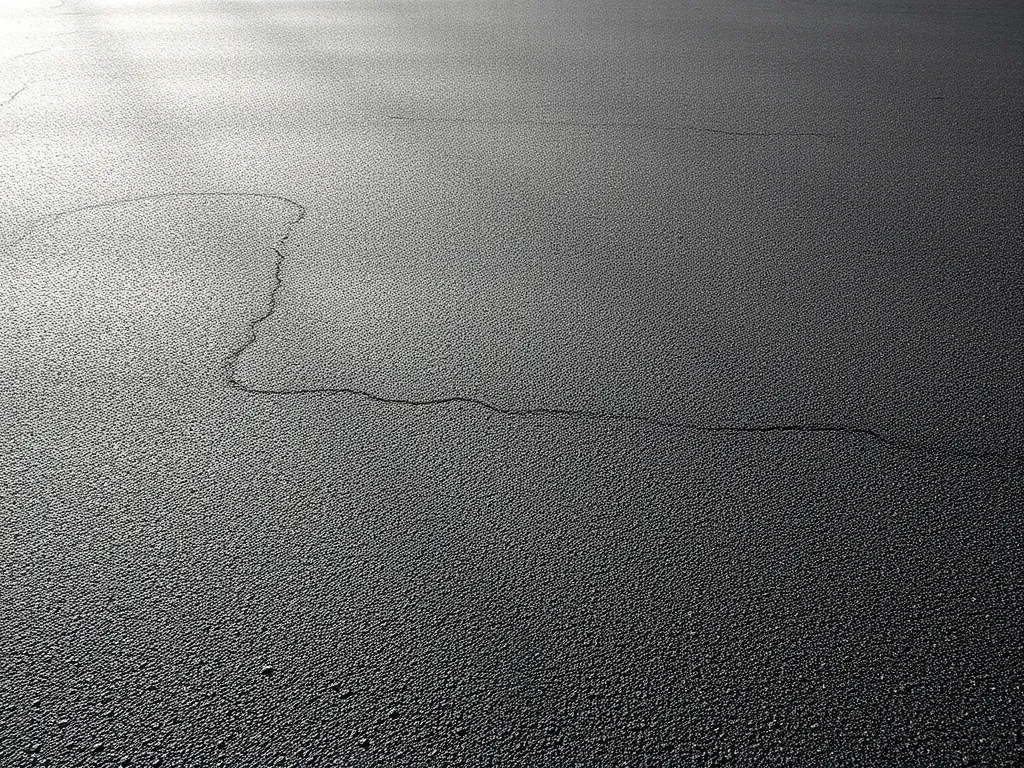
Thin lines (hairline cracks) or web-like splits (alligator cracks) let water seep in. Left alone, they widen and weaken the base. Fix cracks under ¼ inch fast with rubber filler to block moisture.
Potholes and Sinkholes
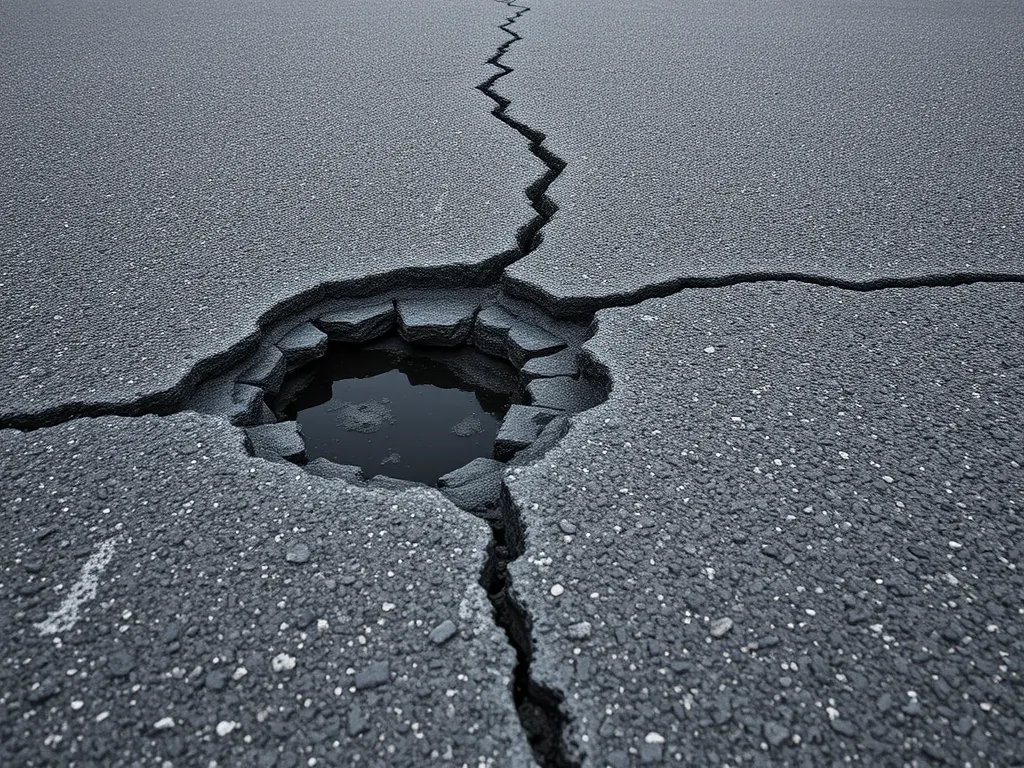
Potholes form when water freezes in cracks, pushing pavement up. Sinkholes signal base washouts. Both trip risks can dent cars. Fill holes over 2 inches deep with cold mix asphalt to prevent spread.
Crumbling Edges or Fissures
Edges that flake or split point to erosion from rain, snow, or heavy tires. Crumbles left untended eat into the drive’s core. Pack loose bits with fresh asphalt to restore shape.
Water Pooling or Drainage Issues
Puddles lasting hours after rain mean poor slope or clogged drains. Water softens the base, causing dips or cracks. Check gutters and grade to keep runoff flowing off the slab.
Uneven Surfaces and Rutting
Dips under car tires (rutting) or wavy spots come from heavy loads or thin layers. Level ruts with hot asphalt patching. Severe waves may need full grinding.
Faded Color or Loss Of Sealcoating
Gray, rough surfaces lose UV protection. Fresh sealcoating every 2-3 years blocks oxidation. Skip sealing, and tiny cracks turn into costly gaps.
Bumps and Surface Undulations
Rising slabs from frost heaves or root growth create trip zones. Grind high spots or cut out shifted sections. Bumps over 1 inch tall risk axles and ankles.
Noticing these asphalt driveway repair signs early saves cash and keeps your drive smooth. Next, learn why acting fast matters for safety and your wallet.
Why Timely Asphalt Driveway Repairs Matter
Ignoring asphalt driveway damage signs can turn minor flaws into major structural failures. Acting quickly on visible issues stops small cracks from morphing into costly hazards.
Safety Hazards From Tripping or Vehicle Damage
Cracks wider than 1/4 inch or potholes with crumbling edges create tripping risks. Rutting or alligator cracking may harm car suspensions, costing $200-$500 per axle. Fixing asphalt driveway repair problems early stops liability risks from slips or auto harm.
Preventing Costly Full Replacements
Filling hairline cracks with sealant costs $0.50 per square foot. Waiting until cracks hit 1 inch wide jumps repair bills to $3-$7 per square foot for patching. Full driveway replacements hit $8-$15 per square foot. Fixing asphalt driveway repair needs at first sight cuts long-term costs by 60-80%.
Maintaining Property Value and Curb Appeal
A driveway with fading, pooling water, or bumpy surfaces can slash home value by up to 7% (National Association of Realtors). Fresh sealcoating ($0.25-$0.50 per sq ft) brings back a dark, smooth finish. Tackling asphalt driveway repair signals fast avoids “fixer-upper” stigma during sales.
Spotting signs of asphalt driveway issues allows for picking optimal repair tactics. Up next: common ways to fix cracks, potholes, and surface flaws.
Common Asphalt Driveway Repair Methods
Once warning signs like cracks, potholes, or faded sealcoating appear, choosing the right fix prevents minor issues from escalating. Let’s break down standard repair strategies for damaged asphalt driveways.
Patching Cracks and Potholes
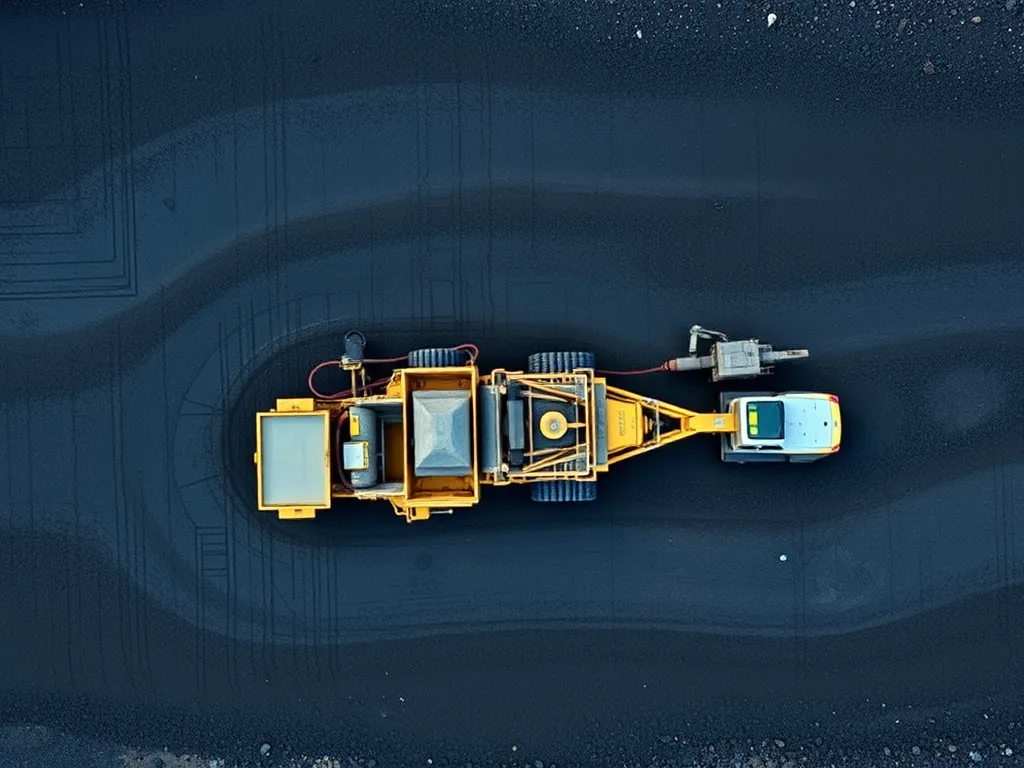
Hairline cracks under ¼ inch wide need crack sealant ($1-$3 per linear foot) to block water intrusion. For gaps exceeding ½ inch or potholes, use cold patch asphalt ($2-$5 per sq ft) or infrared asphalt repair ($100-$300 per hole). These methods stabilize surfaces but work best when damage covers less than 25% of the driveway.
Sealcoating for Surface Protection
Applying fresh sealcoat every 2-4 years ($0.15-$0.25 per sq ft) restores faded driveways and fills micro-cracks. Coal-tar or asphalt-based sealers shield against UV rays, oil spills, and freeze-thaw cycles. Properly sealed surfaces last 8-12 years versus 5-8 years for unsealed asphalt.
Resurfacing Vs. Full Replacement
Driveways with widespread alligator cracking or base failures require resurfacing ($3-$7 per sq ft) – laying 1.5-2 inches of new asphalt over the existing base. Full replacement ($8-$15 per sq ft) becomes necessary when sinkholes, deep ruts, or subgrade erosion compromise structural integrity.
Repair costs climb by 300% if ignored cracks evolve into base failures. Let’s examine what drives these price tags next.
Also See: Impact Of Driveway Materials on Property Value
Cost Factors for Asphalt Driveway Repairs
Repair expenses vary based on multiple elements. Catching asphalt driveway repair signs early can prevent budget spikes. Let’s break down key cost drivers.
Size and Severity Of Damage
Small cracks under ¼ inch wide cost $0.50-$2 per linear foot to seal. Potholes spanning 2+ square feet jump to $50-$200 each. Full-depth sinkholes needing subbase repairs hit $1,000+ due to excavation. The asphalt driveway damage sign scale directly impacts material needs: surface patching uses 30% less asphalt than full-depth replacement.
| Damage Type | Average Repair Cost |
|---|---|
| Hairline Cracks | $0.50-$2 per LF |
| Alligator Cracking | $3-$8 per SF |
| Potholes | $50-$200 each |
Labor Vs. DIY Material Costs
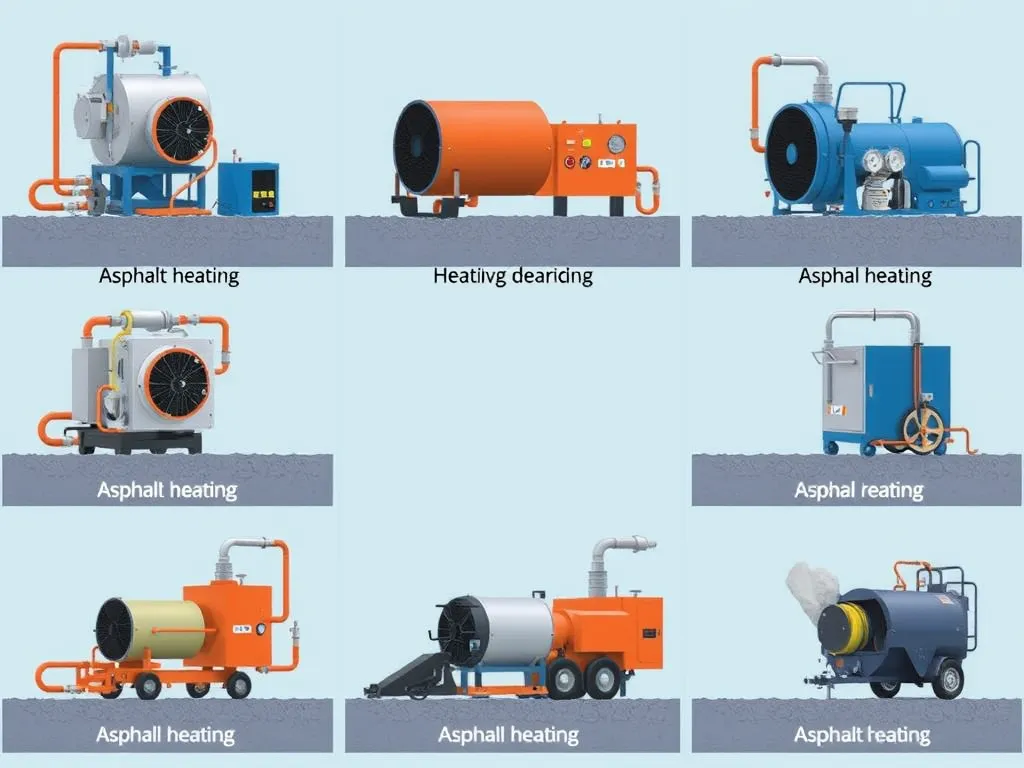
Professional crews charge $45-$75 per hour for labor. Tackling asphalt drive repairs signs yourself? A 50-pound bag of cold patch asphalt costs $15 but requires tools like tampers ($40-$90) and crack fillers ($25/gallon). DIY saves 60% on minor fixes but risks improper compaction. Structural issues demand pros with infrared heaters ($2,500/day) for seamless repairs.
Long-term Savings From Early Repairs
Fixing a 10-foot crack within 6 months costs $20. Left untreated, water intrusion widens it to a 4-foot pothole requiring $300+ to fix. Annual sealcoating ($0.14-$0.25 per SF) extends pavement life 10-15 years versus $3-$5 per SF for full replacements. Addressing signs needing asphalt driveway repair quickly reduces lifetime costs by 70%.
Up next: Learn when to grab your tools versus call a pro for those asphalt driveway repair problems.
DIY Asphalt Repairs Vs. Professional Services
Deciding between fixing driveway issues yourself or hiring experts depends on the type of damage. Minor flaws might let you roll up your sleeves, while structural problems demand specialized tools.
When to Tackle Small Cracks Yourself
Hairline cracks under ¼ inch wide or isolated alligator cracks (interconnected web-like patterns) suit DIY fixes. Use rubberized crack filler for gaps up to ½ inch. Address these promptly to stop water from eroding the base layer. If cracks span over 1 inch wide or show deep base failure, skip the DIY route.
Tools and Materials for DIY Asphalt Patching
Gather these items for minor repairs:
| Item | Purpose | Cost Range |
|---|---|---|
| Cold-patch asphalt | Fills potholes up to 2 inches deep | $5-$10 per bag |
| Crack sealant | Seals surface cracks | $15-$30 per gallon |
| Trowel | Smooths filler material | $8-$15 |
| Stiff-bristle broom | Cleans debris from cracks | $10-$25 |
Wear gloves and eye protection. Work during dry weather above 50°F for proper bonding.
Scenarios Requiring Professional Expertise
Call licensed contractors if you spot sinking sections, potholes deeper than 3 inches, or widespread alligator cracking (over 50 sq. ft.). Base failures need infrared thermal patching or full-depth excavation—tasks requiring heavy machinery like vibratory rollers. Professionals also handle drainage redesigns if water pooling persists after surface repairs. Resurfacing costs $3-$7 per sq. ft., while full replacements run $8-$15 per sq. ft.
Proactive care keeps minor flaws from becoming costly disasters. Up next: strategies to extend your driveway’s lifespan through routine maintenance.
Maintaining Your Asphalt Driveway
Proactive care limits asphalt driveway damage signs. Ignoring minor flaws can turn into costly asphalt driveway repair problems. Follow these tactics to stop cracks from growing into major issues.
Regular Cleaning and Debris Removal
Leaves, dirt, and gravel trap moisture against your asphalt. This softens binders, causing fissures. Blow off debris weekly. Pressure wash twice a year at 1,500-3,000 PSI to stop oil stains from sinking into voids. Clogged drains? Fix fast—standing water breaks down asphalt layers in days.
Sealcoating Frequency and Best Practices
Apply a fresh sealcoat every 24-36 months. Use coal tar or asphalt-based products with 60-65% solids for optimal shielding. Skip DIY kits—pros spray at 0.25 gallons per square yard for uniform coverage. Thin layers crack; thick ones peel. Watch for fading—loss of dark color signals it’s time to act.
| Driveway Age | Sealcoating Interval |
|---|---|
| 0-3 years | Not required |
| 4-10 years | 2-3 years |
| 10+ years | 1-2 years |
Avoiding Heavy Loads and Chemical Spills
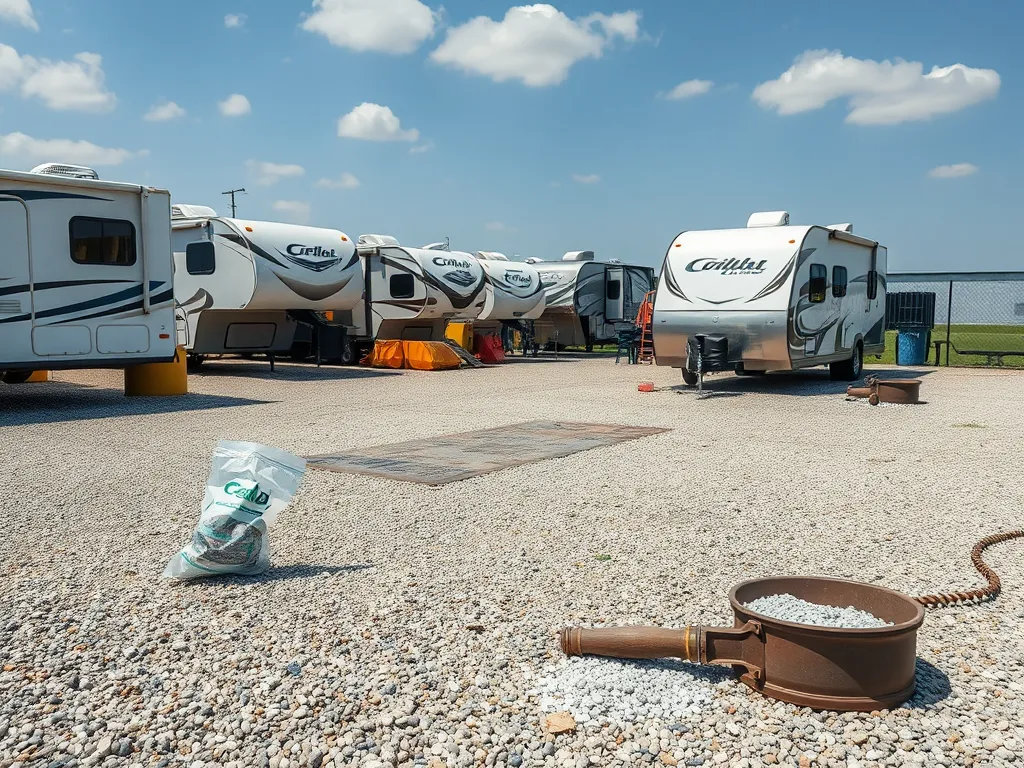
RVs or dump trucks? Park on pavers or gravel pads. Asphalt bends under loads above 5,000 lbs—think dumpsters or construction gear. Gas, oil, or antifreeze spills? Absorb with kitty litter within 30 minutes. Harsh fluids dissolve bitumen, creating soft spots that sink.
Spotting pooling water or crumbling corners? Upcoming parts outline how to fix flaws before full replacements drain your wallet.
Environmental Considerations
Spotting asphalt driveway damage signs opens doors to fixing issues with minimal planetary impact. Choosing sustainable methods during repairs cuts waste and supports long-lasting results.
Recycling Old Asphalt Materials
Cracked or crumbling asphalt isn’t trash—it’s a resource. Over 95% of old asphalt gets reused through milling and crushing into RAP (Recycled Asphalt Pavement). This material forms 10-30% of fresh mixes, trimming costs by $15-$50 per ton. Contractors often apply RAP for pothole fills or base layers, maintaining structural stability without mining virgin aggregates.
| Benefit | Impact |
|---|---|
| Cost Savings | Reduces material costs by up to 40% |
| Landfill Diversion | 1 ton of RAP saves 7 cubic feet of space |
| Carbon Footprint | Cuts CO₂ output by 20% vs. virgin asphalt |
Eco-friendly Sealcoating Options
Traditional coal-tar sealants contain PAHs (polycyclic aromatic hydrocarbons), which harm aquatic life. Switching to bio-based or water-based formulas with low-VOC (volatile organic compound) ratings minimizes toxicity. Brands like GreenPatch or Asphalt Kingdom’s EcoSeal offer 5-7 year protection, covering 250-300 sq ft per gallon. Applying these during maintenance cycles slows oxidation, delaying costly replacements triggered by fading or surface splits.
Opting for planetary-conscious fixes not only tackles asphalt driveway repair problems but also aligns with rising demand for lasting solutions. Up next: common inquiries about spotting and solving asphalt flaws.
FAQ: Asphalt Driveway Repair Questions
How Can You Tell if Asphalt is Bad?
You can tell if asphalt is in poor condition by observing for signs such as extensive cracking, potholes, crumbling edges, or a faded surface. Additionally, water pooling or drainage issues could indicate that the asphalt’s integrity is compromised. If these issues are widespread, your asphalt may require significant repairs or replacement.
When Should an Asphalt Driveway Be Replaced?
An asphalt driveway should be considered for replacement when the damage is extensive, such as pervasive alligator cracking, deep potholes, or structural issues like sinkholes. If repairs would cover more than 30% of the driveway or if the base is compromised, replacement may be the more cost-effective solution.
How Do You Know if a Driveway Needs Replacement?
You may know a driveway needs replacement if it exhibits significant settlement, large areas of cracking, severe sunken spots, or if it has exceeded its lifespan of around 15-20 years. Additionally, if frequent and costly repairs are required, it might be more economical to invest in a new driveway.
Closing Thoughts
Monitoring your asphalt driveway for damage is vital. Early intervention can prevent small issues from escalating into expensive repairs. Look for signs like cracks, potholes, or pooling water. Addressing these problems promotes safety and enhances your property’s value.
Regular maintenance, such as cleaning and sealcoating, can extend your driveway’s life. Remember, maintaining your asphalt is a worthwhile investment. For more insights and resources on asphalt repairs, check out Asphalt Calculator USA.
Additional Resources for You:
- Federal Highway Administration (FHWA) – Asphalt Pavement Technologies
- Asphalt Damage & Driveway Restoration Methods
- Know The Signs That Your Driveway Needs Resurfacing — Lyons & Hohl Paving
- How to Tell a Bad Asphalt Driveway Job from a Good One (Signs of a Bad Asphalt Driveway Job)
- 9 Signs You Need Asphalt Repairs – Paving Professionals