Signs Of Wear and Tear in Asphalt Driveways
Published on: April 13, 2026 | Last Updated: April 14, 2025
Written By: George Voss
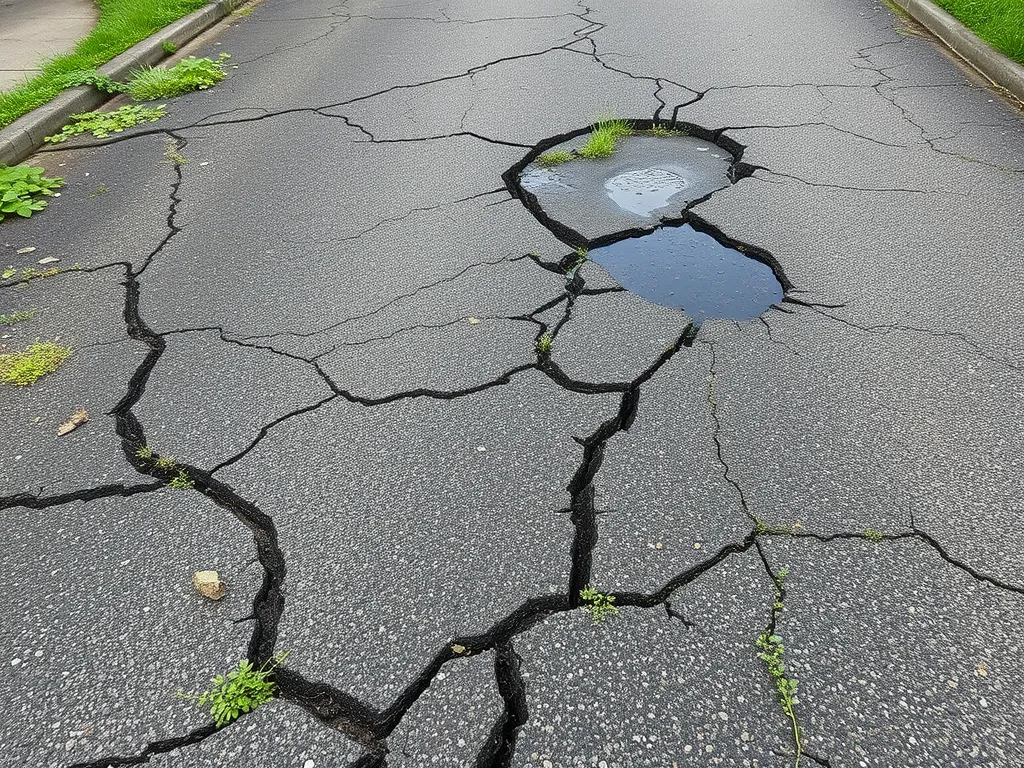
Signs of wear and tear in asphalt driveways appear as cracks, potholes, and surface erosion. These issues develop from weather exposure, heavy loads, and aging materials. Homeowners notice fading colors, loose stones, or standing water – all indicators that maintenance may be needed. Early detection prevents minor damage from becoming major repairs.
This article explains how to spot failing asphalt surfaces. Learn to recognize surface cracks versus structural problems. Explore why drainage issues accelerate deterioration. Find out when repairs become urgent based on damage severity. We’ll cover maintenance practices that extend driveway life up to 20 years.
Common Signs Of Asphalt Driveway Deterioration
Asphalt driveways show clear distress signals long before major failures occur. Recognizing these asphalt driveway wear signs early prevents costly repairs and extends pavement life.
Surface-level Damage Indicators
Superficial flaws often hint at deeper issues. Track these four asphalt driveway deterioration signs to catch problems at their onset.
Raveling and Loose Aggregate
Raveling appears as scattered stones or gritty patches where the asphalt binder degrades. Loose aggregate accelerates wear by exposing layers to water and traffic. Left untreated, this asphalt driveway wear can spread 6-12 inches annually.
Cracking (Alligator, Edge, and Linear)
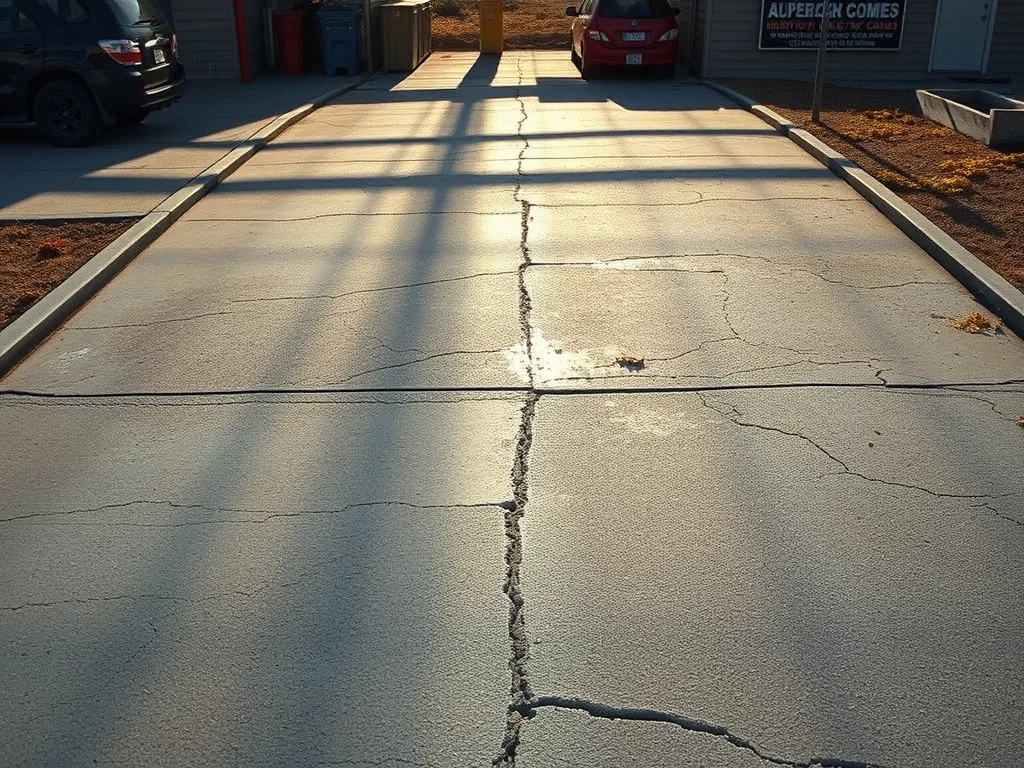
Alligator cracks (interconnected web patterns) signal base failures. Edge cracks form within 2 feet of driveway borders due to poor support. Linear cracks follow pavement seams or traffic paths. Cracks wider than 0.5 inches require immediate filling to prevent water intrusion.
Potholes and Depressions
Potholes deeper than 3 inches compromise vehicle safety and trap water. Depressions indicate subsurface erosion or compaction issues. Repair costs jump 300% when depressions exceed 1-inch depth, according to National Asphalt Pavement Association data.
Crumbling or Flaking Edges
Edge deterioration often starts within 18 months without proper sealing. Flaking asphalt exposes aggregate, creating entry points for moisture. Annual edge inspections prevent 80% of boundary failures in moderate climates.
Structural Integrity Issues
These deeper asphalt driveway damage signs demand professional assessment. Ignoring them risks complete pavement failure.
Crowning or Swelling Surfaces
Crowned driveways slope incorrectly toward the center, causing water runoff issues. Swelling indicates frost heave or tree root intrusion. A 2% slope deviation requires corrective milling to restore proper drainage.
Drainage Problems and Pooling Water
Water pooling for 24+ hours after rain signals grading issues. Poor drainage softens base layers, reducing pavement strength by 40-60% according to ASTM D6433 standards. Check for clogged drains or settled areas near downspouts.
Uneven Surface Contours
Waves, dips, or ripples suggest unstable subgrades. A 3/8-inch height difference across 10 feet often precedes cracking. Use a 4-foot level to check for deviations exceeding 1/4 inch per foot.
Spotting these asphalt driveway wear and tear symptoms early is half the battle. The next step? Learning how to accurately diagnose their severity before they escalate.
How to Identify Failing Asphalt Driveways
Spotting early asphalt driveway wear and tear prevents costly repairs. Look for these visual and physical indicators to gauge your pavement’s health.
Visual Clues Of Asphalt Decay
Surface changes reveal hidden structural issues. Regular inspections catch problems before they escalate.
Faded Color and Oxidation
Grayish tones replace asphalt’s deep black hue as UV rays break down bitumen binders. Oxidation weakens pavement flexibility, increasing crack risks by 40% over 5 years.
Exposed Aggregate Patterns
Visible stone clusters signal raveling – when asphalt loses its fine surface layer. This asphalt driveway deterioration sign exposes 3/8″ aggregates, creating rough patches that trap debris.
Oil Stains and Chemical Damage
Dark splotches from vehicle fluids dissolve asphalt binders. Gasoline or de-icing salts create pitted areas up to 1/2″ deep within weeks, accelerating wear on asphalt driveway surfaces.
Physical Symptoms Of Wear
Surface changes often accompany tangible changes in pavement behavior. These asphalt driveway wear signs demand immediate attention.
Loose Stones Underfoot
Gravel-like debris accumulating near edges indicates binder failure. Over 15% stone loss requires patching to prevent water infiltration into base layers.
Spongy or Shifting Surface
Springy areas suggest compromised subgrades or trapped moisture. A 1/4″ vertical movement typically precedes pothole formation within 90 days.
Vegetation Growth in Cracks
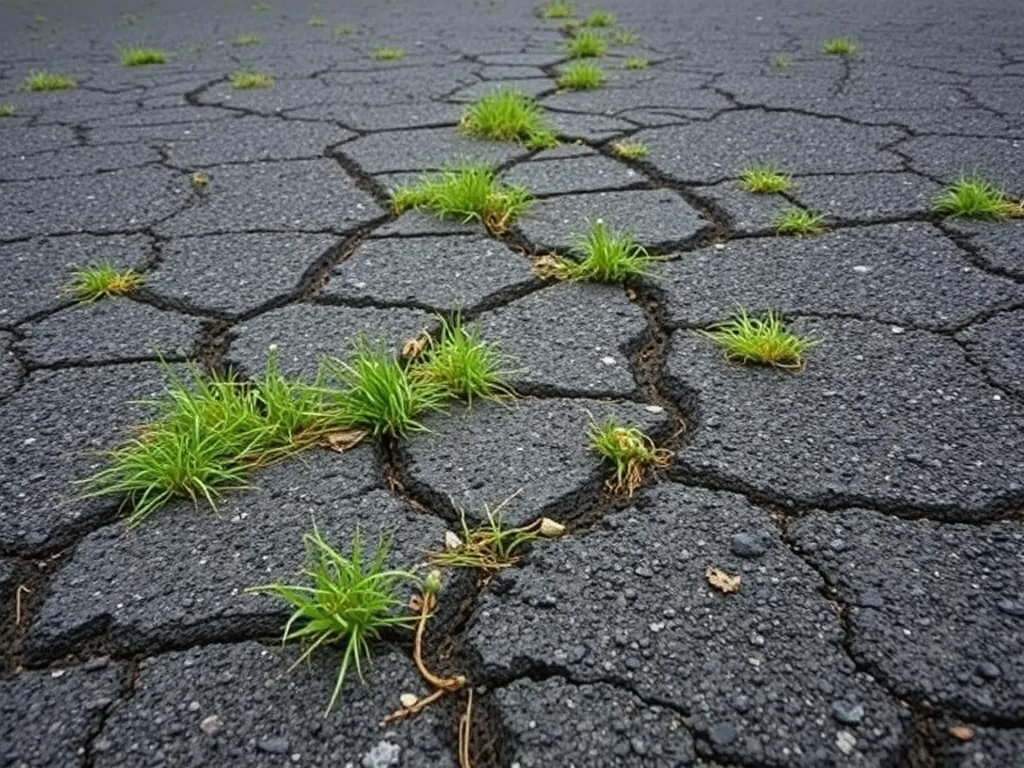
Weeds in 1/4″+ cracks demonstrate active soil intrusion. Root systems expand fissures 300% faster during growing seasons, worsening asphalt driveway deterioration signs.
Recognizing these asphalt driveway wear signs early helps prioritize repairs. Next, learn when surface damage crosses into critical failure territory.
When Asphalt Driveway Repair Becomes Critical
Ignoring early signs of asphalt driveway wear and tear risks costly structural failures. These three red flags demand swift intervention to prevent total pavement collapse.
Thresholds for Immediate Action
Professional repairs become urgent when specific damage thresholds appear. Track these metrics to gauge your driveway’s repair timeline.
Depth and Spread of Cracking
Cracks wider than 1/4 inch or spanning over 30% of the surface signal trouble. Alligator cracks (interconnected web patterns) indicate subbase failures. Linear cracks exceeding 10 feet accelerate water infiltration – the #1 cause of asphalt driveway deterioration. Left untreated, these fractures can double in size within 12 months.
Frequency of Pothole Formation
More than 3 potholes per 100 square feet warrants emergency repairs. Frequent potholes suggest compromised base layers – typically caused by freeze-thaw cycles or poor compaction during installation. Each pothole can spread 6-8 inches monthly under regular vehicle traffic.
Accelerated Surface Erosion
Losing 1/2 inch of surface material annually requires attention. Look for exposed aggregate covering 40%+ of the driveway or sand-like debris after rain. This erosion exposes the binder layer (PG 64-22 asphalt cement), making the pavement vulnerable to oil penetration and thermal cracking.
Tracking these asphalt driveway wear signs helps prioritize repairs before replacement costs soar. Next, we’ll examine how climate and maintenance impact pavement lifespan.
Also See: Impact Of Climate Change on Asphalt Performance: Challenges
Lifecycle Of Asphalt Driveways
Asphalt driveways age through set stages. Spotting early wear signs helps plan fixes before small flaws turn into big issues.
Typical Lifespan Expectations
A well-built asphalt drive lasts 15-25 years. Quality mix design, base prep, and thickness matter. Thin layers (1.5-2 inches) fail faster than 3-inch pours with 6-8 inches of crushed stone base.
Impact of Climate and Usage
Heat, cold, and traffic cut lifespan. Areas with freeze-thaw cycles see cracks form 2-3 times faster. UV rays dry out binders, causing fading and brittleness. Homes with RVs or trucks may need repairs 5-7 years sooner.
| Climate Factor | Effect on Asphalt |
|---|---|
| Daily temp swings | Expansion cracks |
| Heavy rain | Washout under layers |
| Salt use | Edge breakdown |
Maintenance-Dependent Longevity
Sealcoat every 3-5 years blocks water and sun harm. Fixing cracks under 1/4 inch wide stops 80% of base damage. Driveways with yearly care last 10+ years longer than neglected ones. Poor drainage can slash lifespan by half.
Watch for fading color, grit loss, or new dips – these signal needed upkeep. A drive losing >2% surface stones per year likely needs fresh sealant.
While upkeep plays a key role, weather patterns also shape how wear shows up. Next, we’ll break down how sun, ice, and rain speed decay.
Environmental Factors in Asphalt Deterioration
Your asphalt driveway battles daily with natural forces. Sun, rain, and frost work constantly to break down its structural bonds. Spotting damage from climatic impacts aids in timely action against costly fixes.
Weather-related Wear Patterns
Local climate dictates how fast your asphalt shows aging. From frost heaves to sun-baked brittleness, distinct patterns form based on regional conditions. Track these to predict repair needs.
Freeze-Thaw Cycle Damage
In zones with sub-32°F winters, water invades tiny voids in asphalt. As it turns to ice, expansion splits pavement from within. This creates alligator cracking (interlinked cracks resembling reptile skin) and spalling (surface flaking). A single winter can add 50% more cracks in unprotected driveways.
UV Radiation and Oxidation
Daily sun contact strips asphalt of oils in its bitumen binder. This causes ragging (rough, dry texture) and microcracking. Driveways in southern states may show fading within 3 years without sealcoating. Oxidized asphalt loses 40-60% flexibility, making it prone to sudden fractures during heavy loads.
Spotting grayish tones or sand-like grit on your driveway? That’s UV damage in action. Annual inspections catch early signs before small flaws grow into sinkholes. Up next: How to spot hidden risks lurking beneath your pavement’s surface.
FAQs: Asphalt Driveway Wear Indicators
What Does a Bad Asphalt Driveway Look Like?
A bad asphalt driveway typically shows several signs of deterioration, including deep cracks, potholes, loose aggregate, and fading color. The surface may also be uneven or exhibit raveling. If you see extensive damage, it’s essential to have it inspected by a professional.
When Should an Asphalt Driveway Be Replaced?
An asphalt driveway should be considered for replacement when the damage is extensive, such as widespread cracking, more than three potholes within 100 square feet, or if the surface has eroded significantly. Other indicators include drainage issues and a compromised subbase that’s beyond repair.
How Can You Tell if Asphalt is Bad?
You can tell if asphalt is bad by looking for signs such as significant cracking, potholes, loose stones, and discoloration. Other physical indicators include uneven surfaces and vegetation growth in cracks, which suggest ongoing deterioration.
What is the Life Expectancy Of an Asphalt Driveway?
The life expectancy of a properly installed and maintained asphalt driveway is typically between 15 to 25 years. Factors that influence this lifespan include the quality of installation, environmental conditions, and regular maintenance performed.
Closing Thoughts
Monitoring your asphalt driveway is vital for extending its lifespan and maintaining its appearance. Be alert for key signs of wear and tear, such as cracks, raveling, and uneven surfaces. Prompt attention to these issues can prevent minor damage from escalating into costly repairs.
Regular maintenance, including sealcoating and addressing drainage problems, plays a crucial role in preserving your driveway’s integrity. Proactive care keeps your asphalt resilient against environmental factors like UV rays and freezing temperatures.
For more information on maintaining and evaluating your asphalt surfaces, visit Asphalt Calculator USA.
Additional Resources for You:
- National Asphalt Pavement Association (NAPA, Industry Reports & Best Practices)
- Common Issues with Asphalt Driveways
- What Is Your Pavement Telling You? Signs of Asphalt Distress
- 8 Asphalt Pavement Issues – And How To Fix Them – Murphree Paving
- Typical Problems and Issues of a Badly Paved Driveway – TrustedPros