Signs Of Asphalt Failure and Repair Options
Published on: April 13, 2026 | Last Updated: April 14, 2025
Written By: George Voss
Asphalt failure shows up as cracks, potholes, or surface breakdown needing targeted fixes. Three main categories define the damage: cracking (alligator, edge, surface), degradation (raveling, pitting), and structural issues (potholes, ruts). Each type demands specific repairs – surface treatments won’t fix base layer failures. Ignoring early signs can double repair costs within 2-3 years.
This guide walks through identifying 8+ common asphalt problems and their solutions. You’ll learn to distinguish temporary fixes like cold patch ($15-$30 per bag) from permanent repairs like hot mix overlays ($1.50-$3.00 per square foot). We’ll cover how to spot drainage red flags, when to call professionals, and budget planning for driveways vs. commercial pavements.
Common Signs Of Asphalt Pavement Failure
Asphalt surfaces show clear distress signals before complete breakdown. Spotting these early prevents costly fixes later.
Cracking Patterns
Cracks form first. Their shapes reveal underlying issues. Three types demand attention.
Alligator Cracking
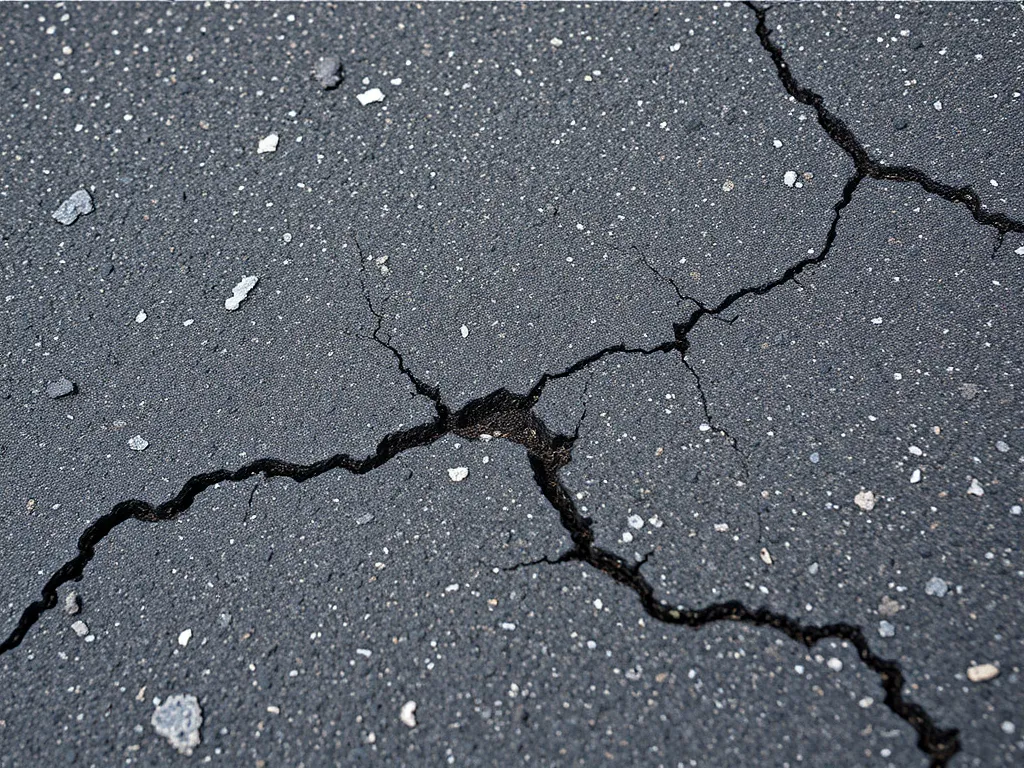
Interconnected cracks resembling reptile skin signal structural fatigue. Caused by heavy traffic on weak base layers, these web-like fractures (3-12 inches wide) indicate failing foundation support. Left unchecked, they evolve into potholes.
Surface Cracking
Straight-line fissures (1/4-1/2 inch wide) running parallel appear from UV exposure or binder aging. These shallow cracks let water seep into lower layers, accelerating pavement decay.
Edge Cracking
Longitudinal splits within 2 feet of pavement edges stem from poor drainage or inadequate lateral support. Common in driveways without curbs, they widen rapidly under vehicle weight.
Surface Degradation
Top-layer wear impacts both function and safety. Two key issues dominate.
Raveling (Loose Aggregate)
Gravelly texture with exposed stones signals binder failure. Caused by improper compaction or low-quality asphalt mixes, raveling reduces skid resistance and increases water infiltration rates by 40%.
Pitting and Depressions
Small bowl-shaped dips (1-3 inches deep) trap water and debris. These form from localized weak spots during installation or repeated freeze-thaw cycles in northern climates.
Structural Damage
Advanced failures require immediate action. Watch for these critical issues.
Potholes
Crater-like voids (4+ inches deep) result from unaddressed cracking. Water penetration weakens subgrades, while traffic tears loose chunks of pavement. Potholes grow 200% faster in wet conditions.
Deep Ruts or Deformations
Grooves deeper than 1 inch along wheel paths indicate subbase compression. Common in parking stalls or high-traffic areas, these ruts redirect water flow and compromise vehicle stability.
Identifying these failure signs early determines suitable fixes. Next, we break down repair strategies matched to each damage type.
Types Of Asphalt Damage and Repair Solutions
Asphalt pavement problems escalate when left unaddressed. Matching repair methods to damage severity preserves structural integrity while controlling costs. Let’s examine solutions for three damage levels.
Minor Asphalt Problems
Early-stage asphalt failure signs like hairline cracks or surface oxidation demand prompt action. Proactive treatments here prevent water infiltration and extend pavement life by 5-8 years.
Crack Sealing with Asphalt Emulsion
Use asphalt emulsion (a blend of bitumen, water, and polymers) for cracks under ½” wide. Applied at 50-70°F, this flexible filler bonds to existing pavement. Expect to spend $0.50-$1.50 per linear foot. Properly sealed cracks block 90% of moisture penetration.
Sealcoating for Surface Protection
Coal-tar or asphalt-based sealants restore faded surfaces and protect against UV rays. Applied every 2-3 years, sealcoating costs $0.14-$0.25 per sq.ft. and adds 2-3 years to pavement life. Requires 24-hour curing time before traffic resumes.
Moderate Asphalt Damage
Potholes under 6” deep or localized ruts signal compromised base layers. These asphalt repairs need materials that withstand freeze-thaw cycles and heavy loads.
Cold Mix Asphalt Pothole Repairs
Bagged cold mix (aggregate coated with emulsified asphalt) works for temporary fixes. Compacted at ambient temperatures, it costs $25-$40 per ton. Best for emergency repairs but may last only 6-12 months without proper edge sealing.
Hot Mix Asphalt Patching
Hot mix (HMA) at 300°F bonds permanently with existing pavement. Lasts 3-5 years when compacted with a vibratory roller. Costs $100-$150 per ton installed. Requires saw-cut edges around damaged areas for proper adhesion.
Severe Asphalt Failure
Alligator cracking covering over 25% of the surface or ruts deeper than 2” indicate total base failure. These scenarios need structural solutions.
Full-Depth Asphalt Replacement
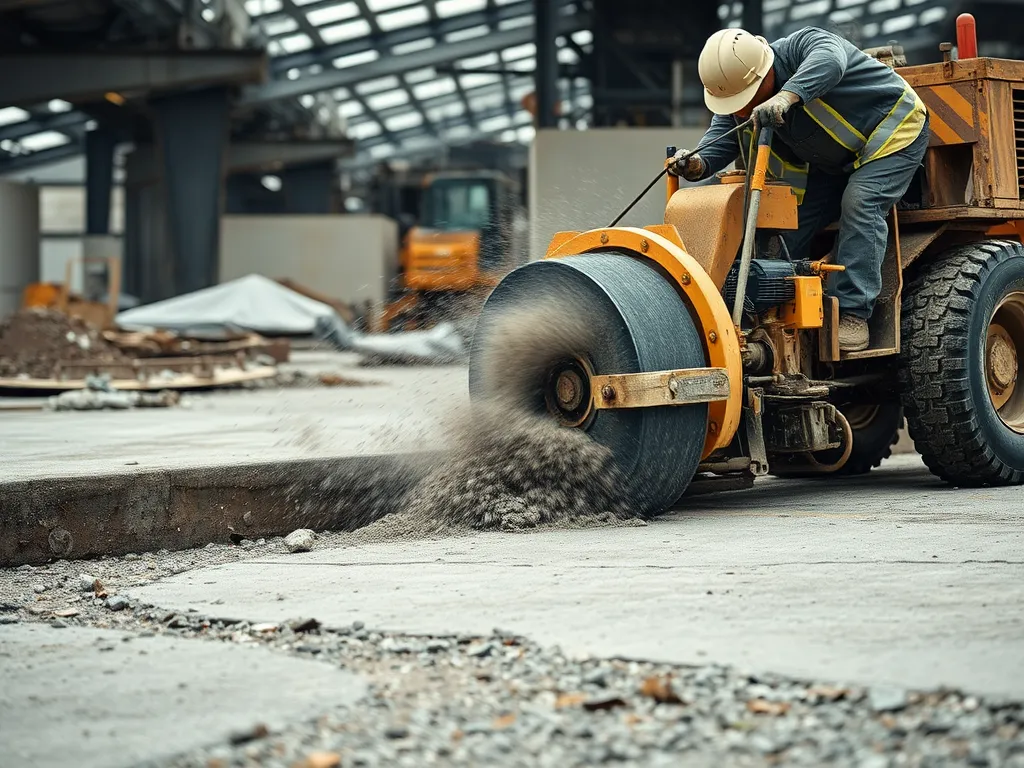
Remove 6-8” of damaged asphalt and base materials. Replace with new aggregate base and 3” HMA layer. Costs $3-$5 per sq.ft. Uses milling machines to pulverize old pavement, with 30% recycled asphalt pavement (RAP) in new mix.
Asphalt Overlay Installation
Add 1.5-2” HMA layer over sound existing pavement after leveling. Requires addressing underlying drainage issues first. Priced at $2-$4 per sq.ft. Extends surface life 8-12 years when combined with crack sealing.
Recognizing damage levels guides repair choices, but evaluating pavement condition requires deeper analysis. Let’s explore assessment techniques next.
How to Assess Asphalt Pavement Condition
Spotting asphalt failure signs early stops minor issues from turning into costly structural damage. A mix of visual checks and physical inspections helps pinpoint problems before they spread.
Visual Indicators Of Deterioration
Surface changes often show up first. Look for shifts in color, texture, or water behavior to catch asphalt pavement problems at their start.
Fading Color and Surface Texture Changes
Fresh asphalt starts jet-black but turns gray as sunlight breaks down its binder. Check for rough patches (raveling) or slick spots (oxidized areas). A faded surface with 20-30% color loss needs sealcoating within 6 months to avoid cracks. Rough textures signal aggregate loss – a key sign of asphalt deterioration requiring patching.
Water Pooling and Drainage Issues
Puddles lasting over 24 hours point to slope or base flaws. Standing water softens pavement layers, causing ruts or alligator cracking. Fix drainage fast: add trench drains ($15-$25 per linear foot) or adjust grading to divert runoff. Ignoring pooling can triple repair costs in two years.
Functional Warning Signs
Physical changes underfoot or along pavement margins often indicate hidden asphalt damage. These red flags demand immediate action.
Loose Stones Along Edges
Gravel buildup at pavement margins (up to 2″ deep) shows edge failure. Causes include poor compaction or traffic overload. Rake debris, then apply cold mix asphalt ($40-$60 per ton) to rebuild support. Left unfixed, 75% of edge failures spread inward within 18 months.
Uneven Surfaces and Trip Hazards
Slopes dipping more than 1/4″ per foot create fall risks. Use a 4-foot level to check flatness. Small bumps get ground down ($1.50-$3 per sq ft), while large dips may need infrared patching ($100-$300 per repair). Areas with 1″+ elevation shifts often require full-depth repairs.
Spotting these asphalt failure signs early allows simpler, cheaper fixes. Up next: detailed breakdowns of crack treatments and surface restoration methods to tackle what inspections find.
Also See: Importance Of Sealcoating for Commercial Asphalt
Asphalt Repair Methods Explained
Choosing right fix actions for asphalt pavement problems stops small issues from growing. Two main paths work for common asphalt failure signs: handling cracks and fixing worn surfaces.
Crack Treatment Options
Left untackled, asphalt pavement cracking can allow water in and harm layers below. Fix methods vary by crack width and depth.
Liquid Asphalt Crack Fillers
Hot-pour rubberized asphalt (PG 64-22 binder common) fills cracks under 1/2 inch. Applied at 325°F-375°F, this sticky material bonds to walls. Costs run $0.15-$0.30 per linear foot. Works best on surface cracks from oxidation or thermal shifts.
Routing and Sealing Techniques
For cracks wider than 1/2 inch, crews cut 1” wide channels using crack routers. Filling this space with backer rod plus sealant creates a 2:1 width-to-depth ratio. This stops water infiltration in alligator-crack zones or joint areas.
Surface Restoration Techniques
When asphalt shows raveling or minor ruts (under 1/4”), thin surface coats add protection. These options boost skid resistance and block UV harm.
Slurry Seal Applications
A mix of asphalt emulsion, aggregate, and filler forms a 1/4” thick slurry. Applied at 55-70°F, it costs $0.25-$0.50 per sq.ft. Ideal for parking lots with fading color or minor pitting. Cures in 4-6 hours.
Microsurfacing for Minor Damage
Polymer-modified cold mix (with #8 aggregate) fills ruts up to 1.5” deep. Laid at 125-150 lbs/sq.yard, this method fixes shallow deformations without compaction. Lasts 5-7 years on roads with light traffic.
Spotting asphalt failure signs early allows cost-saving fixes. But what stops harm before it starts? Upcoming tactics focus on blocking pavement problems at their roots.
Preventive Care for Asphalt Surfaces
Stop small flaws from growing. Plan care steps to save time and cash. Act before cracks spread or potholes form.
Daily Upkeep Steps
Simple habits keep asphalt strong. Fix issues early to avoid big repairs.
Clear Dirt and Leaves
Leaves trap wetness. Dirt blocks drains. Sweep lots each month. Use a blower or hose for stuck grit. Wash oil stains fast with soap and scrub brush. Wet spots rot asphalt fast if left.
Stop Cracks Early
Check for thin lines every spring. Fill cracks under 1/4 inch with rubber seal. Pack sand in wide gaps before sealing. Fix edge splits with hot pour filler. Wait 24 hours before driving. Costs $0.50-$2 per foot for DIY kits.
Shield Layers
Add coats to block sun, rain, and salts. Keep the base dry and firm.
Sealcoat Timing
Spread coal tar or asphalt mix every 2-3 years. Best in warm dry months. Cures in 24-48 hours. Use spray or squeegee. One gallon covers 80 sq ft. Delays raveling and fading.
| Traffic Level | Seal Again |
|---|---|
| Home drive | 3-4 years |
| Store lot | 2 years |
| Roads | 1-2 years |
Keep Water Flowing
Check drains each fall. Clear pipes with snakes. Fix tilted slopes with fresh gravel. Grade soil 2% away from edges. Add French drains near soft spots. Costs $500-$5,000 based on site size.
Smart care cuts repair bills. Next: see how costs stack up for fixes big and small.
Cost Considerations for Asphalt Repairs
Addressing signs of asphalt failure early impacts repair costs significantly. Minor fixes cost pennies per square foot compared to full replacements. Let’s break down the math for common solutions.
DIY Asphalt Repair Options
Homeowners can tackle small-scale issues if cracks measure under ¼ inch or potholes are shallower than 2 inches. Safety gear like gloves and eye protection are non-negotiable.
Crack Filling Kits
Rubberized asphalt emulsion kits cost $0.10–$0.50 per linear foot. Clean cracks with wire brushes first—debris reduces adhesion. Pour filler slowly to prevent air gaps. Works best on surface cracks under ½ inch wide.
Small Pothole Patching
Cold mix asphalt bags run $5–$15 per 50 lbs. Compact the base with a hand tamper before filling. Temporary fixes last 6–12 months. Not ideal for high-traffic areas or freeze-thaw zones.
Professional Asphalt Services
Contractors handle complex jobs requiring heavy machinery or specialized materials. Get multiple bids—labor rates vary by region from $45–$75 per hour.
Resurfacing Cost Factors
Overlaying fresh asphalt costs $1.50–$3.00 per sq.ft. Includes milling 1–2 inches of existing pavement. Thicker layers (3+ inches) or polymer-modified mixes add 20–30% to the total.
Complete Replacement Estimates
Full-depth removal runs $3–$7 per sq.ft. Excavating 6–8 inches of base adds $1.50–$2.50 per sq.ft. Geotextile fabrics for soil stabilization tack on $0.30–$0.60 per sq.ft.
Choosing repair methods depends on visible signs of asphalt deterioration and long-term performance needs. Next, let’s examine how these fixes impact local ecosystems and resource use.
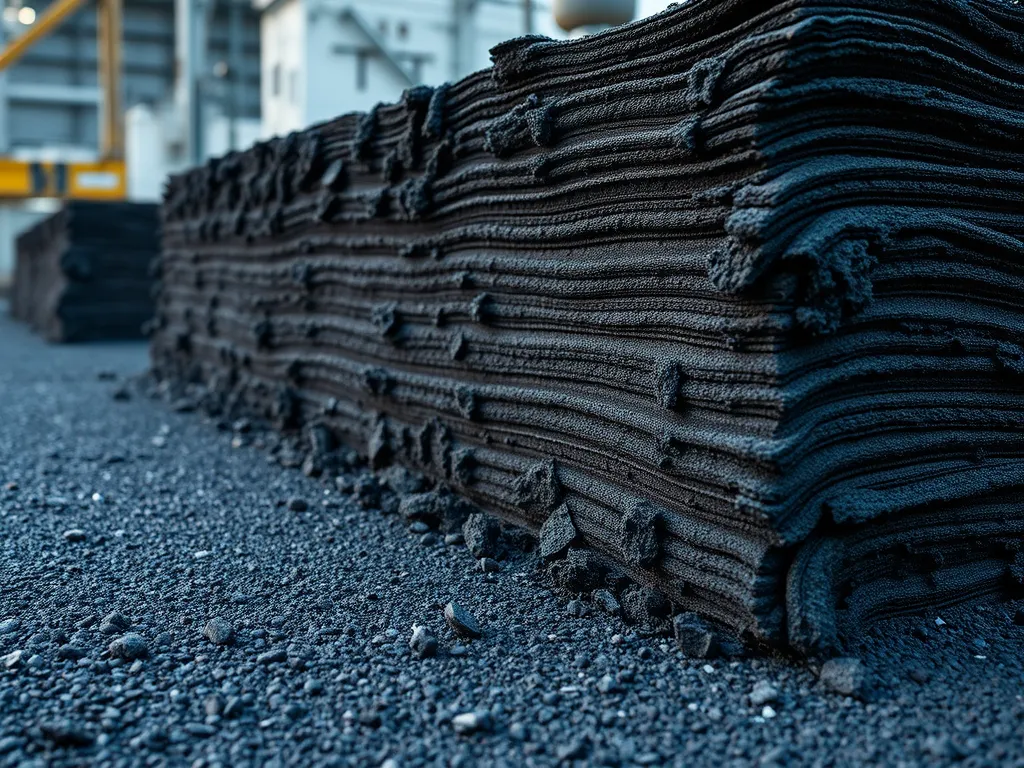
Environmental Impact Of Asphalt Maintenance
Addressing asphalt failure signs while minimizing ecological harm requires balancing durability with sustainability. Modern techniques now merge pavement preservation with environmental responsibility.
Recycled Asphalt Materials
Reclaimed Asphalt Pavement (RAP) forms 94% of recycled asphalt in U.S. road projects. This material reuses existing aggregates and bitumen from deteriorated surfaces showing asphalt pavement cracking or structural damage. RAP mixes contain 20-40% recycled content, reducing virgin material needs by 1.2 tons per cubic yard.
| Specification | New Asphalt | Recycled Asphalt | Environmental Benefit |
|---|---|---|---|
| CO2 Emissions | 300 kg/ton | 190 kg/ton | 37% reduction |
| Energy Use | 280 kWh/ton | 160 kWh/ton | 43% savings |
| Cost per Sq Ft | $3.50 | $2.10 | 40% savings |
RAP performs comparably to virgin mixes when processed at 300°F–50°F lower than traditional hot mixes. This makes it ideal for repairing signs of pavement failure like edge cracking or potholes without compromising quality.
Eco-friendly Repair Practices
Infrared asphalt repair targets localized asphalt problems like alligator cracking or depressions. This method reheats existing pavement to 350°F, blending old and new materials with zero waste. It uses 60% less energy than full-depth replacement.
Cold-in-place recycling (CIR) treats widespread asphalt pavement problems like raveling or surface degradation. CIR mills 3-5 inches of damaged asphalt, mixes it with bio-based rejuvenators on-site, and relays it in one pass. This process cuts truck trips by 85% compared to removal methods.
Spotting early signs of asphalt deterioration allows for greener fixes. Sealcoating with low-VOC formulas prevents 80% of surface cracks when applied every 2-3 years. Permeable asphalt patches combat water pooling issues while filtering 95% of stormwater pollutants.
Recognizing how to tell if asphalt is failing leads to smarter repair choices. Next, we’ll answer common questions about identifying and addressing pavement issues before they escalate.
Frequently Asked Questions (FAQ)
How Can You Tell if Asphalt is Deteriorating?
Asphalt deterioration can often be identified by observing various signs such as cracking, raveling, and surface degradation. Look for changes in color, texture, and the presence of water pooling, which can all indicate underlying problems with the pavement.
What Does a Failing Asphalt Driveway Look Like?
A failing asphalt driveway may display extensive cracking patterns, such as alligator or edge cracking. You might also notice significant surface raveling, patches of pitting, or even potholes developing, which signal that repair work is urgently needed.
How Do You Repair Damaged Asphalt Pavement?
Repairing damaged asphalt involves different techniques depending on the severity of the damage. Minor cracks can be sealed with asphalt emulsion or sealcoating, while moderate damage may require cold mix or hot mix patching. Severe deterioration might necessitate complete replacement or asphalt overlay installation to restore functionality.
What Are Signs Of Poor Asphalt Installation?
Signs of poor asphalt installation can include uneven surfaces, premature cracking, poor drainage causing water to pool, and the presence of loose stones. These issues often arise from inadequate preparation, improper mixing, or insufficient compaction during the installation process.
Closing Thoughts
Recognizing the signs of asphalt failure is vital for maintaining smooth, safe surfaces. From cracking to potholes, early detection prevents minor issues from escalating into costly repairs. Understanding repair options, such as crack sealing and asphalt overlays, allows you to choose the best solution for your specific needs.
Regular maintenance and timely repairs not only extend the lifespan of your asphalt but also enhance safety and aesthetics. Stay alert to visual and functional indicators, and act promptly to avert further degradation.
For more information on asphalt maintenance, calculations, and resources, visit Asphalt Calculator USA.