Seasonal Effects on Asphalt Performance
Published on: April 12, 2026 | Last Updated: April 14, 2025
Written By: George Voss
Seasonal effects on asphalt performance describe how temperature shifts, moisture changes, and weather patterns impact pavement durability and function. Summer heat softens asphalt, increasing rutting risks, while winter cold makes it brittle and prone to cracks. Spring rains erode base layers, and fall freeze-thaw cycles widen existing fissures. These forces alter surface friction, drainage efficiency, and structural integrity – with severity depending on local climate and asphalt mix design.
This article breaks down how seasonal changes impact pavements. You’ll learn why 90°F summer days cause thermal deformation and how -20°F winters trigger contraction cracks. We’ll explore moisture’s role in base erosion, ice lens formation, and frost heaves. Practical solutions include temperature-specific binder grades (PG grading system), crack sealing timelines, and eco-friendly de-icers. Regional adaptations for coastal humidity or mountain snowfall zones are also covered. Discover how asphalt calculators adjust for seasonal compaction rates to improve project accuracy.
Introduction to Seasonal Asphalt Performance
Asphalt faces unique tests each season. Summer heat softens roads. Winter cold makes them brittle. Spring rains seep into cracks. These shifts shape how well pavements hold up over time. Year-round performance ties directly to how asphalt handles weather swings.
Defining Asphalt Performance in Variable Weather Conditions
Asphalt performance measures how roads cope with traffic, climate, and time. Key factors include load strength, surface smoothness, and crack resistance. Weather shifts alter these traits fast. A 20°F drop can triple stress on pavement joints. High heat weakens binder-aggregate bonds by up to 40%.
Key Properties Affected by Seasonal Changes
Four core traits shift with the seasons:
- Stiffness: Cold weather raises hardness, leading to crack risks
- Bend strength: Heat softens asphalt, causing rut depths over 1 inch
- Bond grip: Freeze-thaw cycles break binder-stone links
- Drain speed: Frozen ground blocks water exit, boosting erosion
Winter cold shrinks asphalt up to 0.3 inches per 100 feet. Summer heat expands it, creating bulges at joints. These moves strain the pavement’s core layers.
These core traits shape how asphalt handles intense heat waves or deep freezes. Next, we break down the role of specific temperature thresholds.
Temperature-driven Effects on Asphalt
Heat and cold shape how asphalt behaves. These shifts affect strength, texture, and lifespan. Let’s break down the science behind asphalt temperature effects.
How Asphalt Responds to Temperature Extremes
Asphalt softens in heat and hardens in cold. This change impacts load-bearing power. Summer sun can push surface temps 30°F above air temps. Winter cold makes pavements brittle.
Thermal Expansion and Contraction Mechanisms
Heat makes asphalt expand. Cold forces it to shrink. This push-pull cycle creates stress. Over time, cracks form. PG binders (asphalt graded for specific temps) help slow this damage. For example, PG 64-22 handles temps from -22°F to 122°F.
Optimal Temperature Ranges for Asphalt Stability
Asphalt works best between 50°F and 80°F. Key factors include:
- Mix design (stone size, binder type)
- Binder grade (like PG 58-28 for cold zones)
- Local climate (yearly high/low temps)
Hot-mix asphalt lays best above 290°F. Cold patches set in temps over 40°F.
While heat and cold test asphalt limits, seasonal shifts bring more threats. Next, we’ll explore how winter freezes and summer heat waves attack pavements.
Effects Of Seasonal Temperature Extremes
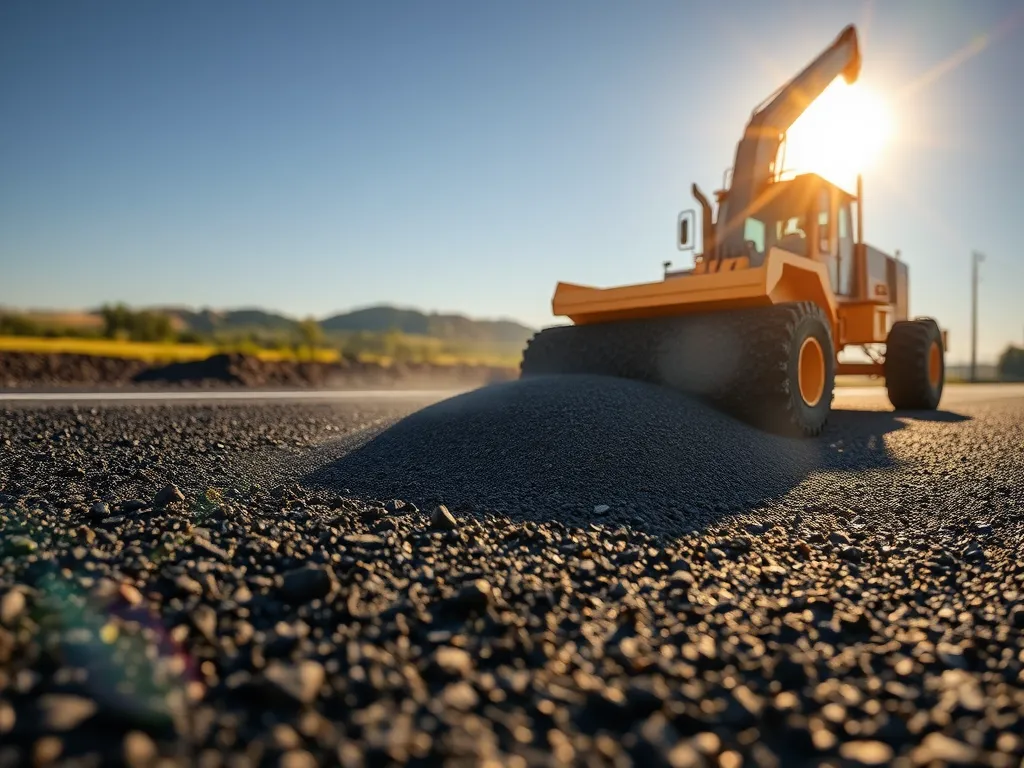
Asphalt pavements face distinct challenges as mercury levels swing between summer highs and winter lows. Thermal stress accumulates through repeated exposure to temperature extremes, triggering structural changes that impact longevity.
Winter Challenges for Asphalt Pavements
Subzero temperatures transform asphalt into a brittle material vulnerable to multiple failure modes. Contracting pavements develop stress cracks that let water penetrate below the surface.
Freeze-Thaw Cycle Damage Mechanisms
Water seeping into cracks expands by 9% when frozen, generating pressures exceeding 2,500 psi. This process widens existing fissures and creates new ones – one harsh winter can reduce pavement life by 30%. Repeated cycles cause aggregate stripping as ice wedges break binder-aggregate bonds.
Impact of Snow Melt and Ice Formation
De-icing salts lower water’s freezing point, creating multiple daily freeze-thaw events. Magnesium chloride treatments accelerate asphalt aging, increasing raveling rates by 15-20%. Ice lenses forming beneath the surface lift pavement layers, causing frost heaves that distort road profiles.
Summer Stress Factors for Asphalt
Pavement temperatures often exceed ambient air readings by 30-40°F, reaching 160°F in southern states. These conditions activate different failure mechanisms tied to material softening.
Thermal Rutting and Deformation Risks
At temperatures above 140°F, asphalt binder viscosity drops significantly. Heavy traffic loads push softened surface materials sideways, creating permanent ruts. PG 64-22 binders rut 40% faster than PG 76-16 grades at 158°F pavement temps.
UV Oxidation and Surface Degradation
Solar radiation breaks down binder hydrocarbons, increasing asphalt stiffness by 300-500% over 7-10 years. This creates a brittle surface layer prone to cracking. Annual UV exposure can erode 1/16″ of pavement thickness through raveling and weathering.
While temperature extremes test asphalt’s limits, water infiltration often accelerates these damage processes. The next section examines how precipitation patterns interact with seasonal thermal stresses.
Also See: What is Distilled Bitumen? Key Uses and Benefits
Moisture and Precipitation Impacts
Beyond temperature shifts, water intrusion drives seasonal shifts in pavement behavior. From summer storms to winter snowmelt, moisture penetration undermines structural integrity through distinct mechanisms.
Seasonal Rainfall Effects on Pavement Integrity
Heavy downpours during spring or summer test drainage systems. Just 1 inch of rain can push 7,000 gallons of water per hour across a 30-foot roadway. Surfaces with cracks below 0.1 inches wide still permit 30% of runoff to seep beneath the pavement.
Water Infiltration and Base Erosion Risks
Once water breaches the surface, hydrostatic pressure displaces unbound base materials. This process strips 2-5% of granular layers yearly in regions with 40+ inches of annual rainfall. Polymer-modified binders in PG 64-28 mixes reduce permeability by up to 60% compared to conventional blends.
Winter Moisture Challenges
Frozen precipitation poses dual threats: expansion during phase changes + prolonged base saturation. Studies show pavements endure 70+ freeze-thaw cycles per winter in zones like the Upper Midwest, with each cycle lifting surfaces up to 0.3 inches.
Subsurface Ice Lens Formation
When temperatures fluctuate near freezing, moisture migrates upward through capillary action. Ice lenses up to 2 inches thick develop beneath pavements, generating 30,000 psi of upward pressure – enough to fracture 6-inch thick slabs. Proper drainage systems cut lens formation risks by 80%.
With moisture threats addressed, the focus shifts to countermeasures. Next, we explore proactive steps to combat seasonal stresses through targeted upkeep methods.

Seasonal Maintenance Strategies
Effective maintenance adapts to asphalt seasonal changes, balancing cold-weather protection with summer heat defense. Proactive care prevents 80% of weather-related pavement failures.
Cold Weather Preservation Techniques
Winter demands targeted strategies to combat asphalt performance in winter. Sub-40°F temperatures amplify cracking risks and chemical damage.
Crack Sealing Before Winter Onset
Seal cracks wider than 1/8″ before temperatures drop below 50°F. Use rubberized asphalt emulsions or polymer-modified fillers. Unsealed cracks allow 300-500 gallons of water per linear foot to penetrate annually, accelerating freeze-thaw damage.
De-Icing Chemical Management
Limit sodium chloride use to under 20 lbs per 1,000 sq ft. Opt for calcium magnesium acetate ($150/ton) or agro-based solutions in sensitive areas. Chloride-based de-icers increase corrosion rates by 400% in pavement joints.
Summer Maintenance Priorities
Summer heat triggers thermal rutting at 140°F+ pavement temperatures. Surface treatments boost asphalt performance in summer by reflecting UV rays and sealing micro-cracks.
Surface Sealing for Thermal Protection
Apply coal-tar or acrylic-based sealcoats when temperatures stay above 55°F for 24 hours. Proper sealing reduces surface temperatures by 15-20°F and blocks 95% of UV radiation. Reapply every 36 months in high-sun regions.
These strategies set the stage for addressing regional climate factors in pavement management.
Climate Zone Considerations
Asphalt roads face distinct challenges based on location. Local climate dictates which asphalt mix designs work and what risks roads might face during shifting conditions. Roads built without zoning in mind crack too soon or rut in high heat.
Regional Adaptation Requirements
Construction teams modify asphalt formulas and installation tactics to match local weather patterns. A road in Florida’s swampy coast needs different specs than a highway in Montana’s frost-prone plains. Let’s look at two critical zones.
Humidity Management in Coastal Areas
Salt spray, constant dampness, and tropical storms assault asphalt in coastal zones. High humidity slows curing during installation – paving crews might add warm-mix additives to boost workability. Polymer-modified PG 76-22 binders combat salt corrosion on bridges.
Drainage is vital. Sloping surfaces at 2-3% grade stops ponding. Open-graded friction courses (OGFC) with 15-20% air voids let rain pass through, cutting hydroplaning risks. Annual fog seals using CSS-1H emulsions block moisture intrusion in porous mixes.
Thermal Cycling in Continental Climates
Places with sharp annual swings (-30°F to 100°F) push asphalt to its limits. Daily shifts cause thermal fatigue – binders stiffen in cold, soften in heat. PG 64-28 binders handle this swing.
Transverse joints need 15-25 ft spacing to allow movement without blowups. Stone-matrix asphalt (SMA) mixes with 6-7% binder content resist low-temp cracking. Adding 1% crumb rubber to hot-mix boosts flexibility, surviving 50+ freeze-thaw cycles.
Construction plans must account for local norms – what works in Phoenix won’t last in Fargo. Up next: how binder grading systems align with this zoning logic.

Material Selection and Seasonal Performance
Selecting the right asphalt materials determines how well pavements withstand seasonal shifts. Aggregates, binder types, and mix designs must align with local weather patterns to prevent premature cracking, rutting, or moisture damage. The Performance Grade (PG) system serves as the backbone for temperature-specific asphalt engineering.
PG Grading System for Temperature Adaptation
Developed under the Strategic Highway Research Program’s Superpave specifications, PG binders are engineered for precise temperature ranges. A PG 76-16 binder, for example, survives pavement temperatures up to 76°C (169°F) without rutting and resists cracking at -16°C (3°F). These grades account for both summer heat stress and winter cold brittleness.
Choosing Appropriate Binder Grades
Selecting PG grades requires analyzing a region’s 7-day maximum pavement temperature and 1-day minimum temperature over 20-50 years. Northern states like Minnesota commonly use PG 58-28 binders to handle -28°C (-18°F) winter lows. Southern regions like Arizona opt for PG 76-16 to combat 76°C surface heat. Mismatched grades risk thermal fatigue: soft binders rut in summer, stiff ones crack in winter.
| PG Binder | Max Temp (°C) | Min Temp (°C) | Typical Use Regions |
|---|---|---|---|
| PG 64-22 | 64 | -22 | Midwest, Moderate climates |
| PG 70-16 | 70 | -16 | Southwest, High solar radiation areas |
| PG 58-28 | 58 | -28 | Northern states, Extreme winters |
Beyond binder selection, aggregate angularity and polymer-modified binders enhance resistance to seasonal moisture and thermal cycling. The right material blend reduces weather impact on asphalt by 40-60% compared to generic mixes.
Proper material choices set the stage for addressing environmental impacts. Next, we explore how sustainability shapes winter maintenance without compromising pavement durability.
Environmental Considerations
Weather effects on asphalt extend beyond physical wear. Winter maintenance choices directly influence pavement longevity and ecosystem health. Balancing surface safety with environmental protection requires strategic approaches to de-icing and material selection.
Sustainable Winter Maintenance Practices
Traditional snow removal methods can harm asphalt seasonal performance and nearby ecosystems. Salt-based de-icers accelerate pavement corrosion while increasing soil salinity. Modern methods prioritize surface preservation and reduced ecological disruption.
Eco-Friendly De-Icing Alternatives
New solutions tackle ice without damaging asphalt seasonal properties or waterways:
| De-Icer Type | Effective Temp Range | Cost/Ton | Chloride Content |
|---|---|---|---|
| Beet juice brine | -20°F to 32°F | $80-$120 | <1% |
| Calcium magnesium acetate | 5°F to 32°F | $300-$400 | 0% |
| Cheese brine | -10°F to 32°F | $20-$40 | 5%-7% |
Agro-based additives like beet juice lower freeze points while adhering to pavement surfaces, reducing application frequency by 30% compared to rock salt. Pre-wetting agents boost effectiveness at 200-300 gallons per lane mile, cutting overall chemical use. Best practice: Apply alternatives at 40°F pavement temperature for optimal bonding.
Proper storage matters. Cover stockpiles to prevent groundwater contamination. Use calibrated spreaders to apply 150-300 lbs per lane mile, minimizing excess runoff. These steps maintain seasonal road asphalt performance while protecting nearby vegetation and aquatic systems.
Up next: See how seasonal variables affect material calculations during asphalt projects.
Seasonal Asphalt Calculator Applications
Seasonal temperature shifts demand precise planning for asphalt projects. Specialized calculators factor in weather impact on asphalt to optimize material use and project timelines. These tools help contractors adapt to asphalt seasonal variability from mix design to installation.
Adjusting Quantity Estimates for Temperature Conditions
Asphalt temperature effects alter binder viscosity and aggregate ratios. Hot summer mixes (140-160°F) require 3-5% less material due to thermal expansion, while cold-weather placements (below 50°F) need 8-10% overages for rapid cooling. Modern calculators integrate PG grading data – a system rating binder performance across temperature ranges – to adjust quantities. For example, PG 64-22 binders common in seasonal road asphalt performance work best between 46°F and 118°F.
Accounting for Seasonal Compaction Factors
Compaction density drops 2-3% per 15°F below optimal 275°F mix temperatures. Winter projects might need double roller passes or vibratory plates to hit 95% density targets. Summer’s asphalt performance in heat risks under-compaction if crews miss the 10-minute cooling window before rolling. Seasonal asphalt calculators adjust for these variables, recommending 12-18 ton rollers for cold placements versus 8-10 ton models in summer.
Proper planning for seasonal pavement performance factors ensures durable results across weather cycles. Next, we’ll explore how material choices reinforce these seasonal strategies.
Frequently Asked Questions
How Does Weather Affect Asphalt Performance?
The performance of asphalt is significantly influenced by various weather conditions, including temperature extremes and moisture levels. Factors such as thermal expansion in heat and hardening in cold weather can lead to structural changes in the pavement, affecting its durability and integrity.
What Happens to Asphalt in Winter?
During winter, asphalt becomes brittle due to low temperatures, making it more prone to cracking. Additionally, the freeze-thaw cycles can exacerbate any existing fissures, allowing water to penetrate deeper layers, which can lead to severe damage over time.
Is Asphalt Work Seasonal?
Yes, asphalt work is often seasonal due to the impact of temperature and moisture on installation and curing processes. Optimal asphalt laying conditions typically occur in spring and fall, while extreme summer heat or winter cold can hinder effective paving.
What is the Effect Of Temperature on Asphalt?
Temperature has a profound effect on asphalt behavior. High temperatures can lead to softening, resulting in rutting and deformation, while low temperatures can cause hardening and cracking. Proper selection of asphalt grades based on temperature ranges is essential to mitigate these effects.
Closing Thoughts
Seasonal effects play a significant role in asphalt performance, influencing durability and maintenance requirements. Temperature extremes, moisture levels, and regional climates create unique challenges for asphalt pavements. Understanding these seasonal impacts helps in selecting appropriate materials, implementing effective maintenance strategies, and ensuring long-lasting results.
During winter, freeze-thaw cycles and moisture can lead to cracking and erosion, while summer heat can cause deformation and degradation. Implementing strategies like crack sealing in colder months and surface sealing in hotter periods can enhance pavement longevity. Additionally, choosing the right asphalt binder using the PG grading system ensures better adaptation to seasonal temperature variations.
For more information on managing seasonal asphalt performance and calculating the materials needed for your projects, check out Asphalt Calculator USA.
Additional Resources for You:
- Transportation Research Board (TRB, Peer-Reviewed Research & Circulars)
- The Effects of Sun and Heat on Asphalt – Richfield Blacktop
- 22 Seasonal effects on pavement deflection (after The …
- How Does The Seasonal Changes Affect Asphalt | Dykes Paving
- 3 Ways That Seasonal Changes Affect Asphalt – TopWestAsphalt