Polymer Modified Asphalt (PMA): The Complete Guide to Stronger, Longer-lasting Pavements
Published on: October 4, 2026 | Last Updated: April 14, 2025
Written By: George Voss
Polymer modified asphalt (PMA) is standard asphalt blended with plastic or rubber polymers to create stronger, more flexible pavement. Unlike traditional asphalt, PMA mixes polymers like styrene-butadiene-styrene (SBS) or ethylene vinyl acetate (EVA) into the bitumen binder. This upgrade boosts resistance to rutting, cracking, and temperature swings. PMA lasts 30-50% longer than regular asphalt, making it ideal for highways, airport runways, and bridge decks. Common types include SBS-modified, SBR-modified, and thermoplastic blends.
This guide breaks down PMA’s key ingredients, from bitumen-polymer blends to specific additives like SBS and EVA. Learn how different formulas tackle heavy traffic, extreme weather, and infrastructure demands. We’ll compare PMA to conventional asphalt, explore installation methods like hot-mix and terminal blending, and review real-world projects proving its value. Whether planning a highway overhaul or a commercial lot, see why PMA is reshaping modern paving.
What is Polymer Modified Asphalt?
Polymer Modified Asphalt (PMA) represents a major leap forward in paving technology. By blending standard asphalt cement with synthetic polymers, engineers create materials capable of withstanding extreme stresses that degrade traditional pavements.
Definition Of Polymer Modified Asphalt (PMA)
Polymer Modified Asphalt (PMA) combines asphalt cement—a petroleum-based binder—with polymer additives. These additives, typically making up 3-7% of the total mix, transform the base material’s properties. The result? A polymer asphalt blend offering enhanced performance across multiple metrics.
Purpose Of Polymer Asphalt Modification
Traditional asphalt struggles under heavy traffic and temperature swings. Polymer asphalt modification tackles these limitations head-on. Adding polymers boosts flexibility at low temperatures while preventing rutting during heat waves. Pavements last longer, require less maintenance, and perform reliably under diverse conditions.
Enhancing Performance of Asphalt Binders
At the heart of PMA’s success lies its ability to upgrade asphalt binders. Polymers create a three-dimensional network within the bitumen polymer matrix. This network:
- Boosts elastic recovery by 200-400% compared to unmodified binders
- Raises the high-temperature PG grade by 6-12°C
- Lowers the critical cracking temperature by 3-5°C
Such enhancements allow pavements to bend without breaking under load and rebound after deformation. The Superpave (Superior Performing Asphalt Pavements) performance grading system now routinely specifies polymer modified asphalt binder for projects needing PG 76-XX or higher grades.
The secret behind these advancements? Specific polymer types and blending methods—factors we’ll unpack next.
Key Components Of Polymer Modified Asphalt
Polymer modified bitumen relies on two primary elements: traditional paving binder plus specialized synthetic additives. These components work synergistically to create surfaces built for heavy loads, extreme weather, and extended service life.
Base Materials: Asphalt Cement and Polymers
Standard paving binder forms the foundation, composed of bitumen refined from crude oil. Polymers—typically 3-7% by weight—get blended into the mix under high heat. This fusion alters the binder’s molecular structure, boosting flexibility, cohesion, and thermal stability.
Role of Bitumen Polymer Blends
Bitumen’s natural viscosity works against cracking but limits elasticity. Polymer additives form networked chains within the binder, enabling it to stretch under stress without tearing. Modified blends achieve higher PG grades, like PG 76-22, which withstand temperatures from -22°F to 76°F.
Common Polymers Used in PMA
Three synthetic materials dominate polymer asphalt modification due to cost-effectiveness, compatibility, and performance outcomes. Selection depends on project needs: heavy traffic, freeze-thaw cycles, or UV exposure.
Styrene-Butadiene-Styrene (SBS)
SBS, a thermoplastic elastomer, creates flexible bridges between bitumen molecules. Roads with SBS-modified blends show 40% less rutting versus conventional mixes. Its reversible cross-linking structure allows repeated stretching during temperature swings.
Styrene Butadiene Rubber (SBR)
SBR, derived from recycled tires, enhances crack resistance in cold climates. It bonds tightly to aggregate, reducing moisture damage. Ideal for bridge decks, SBR-based polymer modified asphalt rubber extends service life by 8-12 years in freeze-prone regions.
Ethylene Vinyl Acetate (EVA)
EVA increases stiffness for high-traffic zones like ports or truck lanes. Unlike elastomeric polymers, EVA forms crystalline structures within bitumen, improving load distribution. Blends with 5% EVA withstand 15% heavier axle loads without deformation.
With core materials established, the next question emerges: how do these polymer blends translate into real-world benefits for paved surfaces?
Benefits Of Polymer Modified Asphalt
Polymer modified asphalt outperforms traditional mixes by integrating synthetic polymers into bitumen. This upgrades key properties while meeting modern infrastructure demands.
Enhanced Durability and Longevity
PMA extends pavement service life by 40-60% compared to standard asphalt. Polymer asphalt modification strengthens bonds between aggregates, resisting wear from traffic loads exceeding 30 million ESALs (Equivalent Single Axle Loads). Projects using polymer modified asphaltic paving report 15-20 years of use before major repairs—twice the lifespan of conventional mixes.
Superior Resistance to Rutting and Cracking
Elastic polymers like styrene-butadiene-styrene (SBS) reduce rut depths by up to 80% under heavy truck traffic. Polymer modified asphalt binder maintains structural integrity under pressures exceeding 100 psi, preventing fatigue cracking. Tested under AASHTO T324 standards, PMA mixes show less than 0.2 inches of rutting after 10,000 load cycles.
Improved Performance Across Temperature Extremes
Bitumen polymer blends remain stable from -40°F to 300°F. This eliminates seasonal failures caused by thermal stress.
High-Temperature PG Grading
Polymer modified asphalt cement achieves Performance Grade (PG) ratings like PG 76-22 or PG 82-22. These binders withstand temperatures up to 158°F without softening—critical for highways in southern states. PG-graded pmc asphalt reduces bleeding risks by 70% during peak summer heat.
Low-Temperature Flexibility
Styrene butadiene rubber asphalt stays pliable below freezing, resisting thermal cracks down to -22°F. PMA’s bending beam rheometer tests show creep stiffness below 300 MPa, meeting ASTM D6648 requirements for cold climates.
| PG Grade | High Temp (°F) | Low Temp (°F) |
|---|---|---|
| PG 64-22 | 118 | -22 |
| PG 76-22 | 158 | -22 |
| PG 82-22 | 176 | -22 |
These performance gains position PMA as the go-to material for extreme conditions. Next, we’ll break down the types of polymer modified asphalt used to achieve these results.
Also See: Ageing Of Asphalt in Different Weather Conditions
Types Of Polymer Modified Asphalt
Polymer modified products vary based on mixing methods, polymer types, and end uses. Four primary forms dominate paving projects globally.
Polymer Modified Asphalt Binder
Polymer modified binders blend bitumen with synthetic polymers like SBS or EVA. These binders boost high-temperature stability up to PG 82-22 grades while maintaining flexibility below -34°C. Used in heavy-traffic zones, they resist rutting under loads exceeding 10,000 ESALs daily. Common in structural layers, these binders require mixing temperatures between 150-177°C for optimal workability.
Polymer Modified Asphalt Emulsion
Emulsions combine polymer asphalt cement with water, creating cold-applied solutions. Ideal for surface treatments, they cure rapidly without high heat. SBR-modified emulsions bond tightly to existing pavements, reducing raveling by 30-50% compared to standard emulsions. Storage stability remains critical—emulsions must stay below 60°C to prevent separation during transport.
Styrene Butadiene Rubber Asphalt (SBR)
SBR-modified mixes integrate recycled tire rubber into bitumen, boosting elasticity by 200-300%. This polymer asphalt blend performs well in freeze-thaw cycles, with elongation rates exceeding 800% before failure. SBR-modified pavements on bridge decks show 40% fewer reflective cracks over 10 years versus conventional mixes.
Thermoplastic Polyolefin (TPO) Blends
TPO blends fuse polyolefin resins with polymer modified bitumen for UV-resistant surfaces. These blends withstand solar radiation without brittleness, making them suitable for roofing membranes or reflective pavements. TPO-modified layers exhibit tensile strengths over 500 psi, outperforming standard mixes by 25% in accelerated weathering tests.
Selecting the right polymer asphalt modification depends on traffic needs, climate, and structural demands. Next, let’s examine how these materials perform in real-world settings.
Applications Of Polymer Modified Asphalt
Polymer modified asphalt (PMA) reshapes modern paving with specialized uses across critical infrastructure. Its advanced properties meet demanding performance needs in environments where standard asphalt fails.
High-traffic Roadways and Highways
PMA dominates interstate highways and urban arteries handling 20,000+ vehicles daily. SBS-modified binders resist rutting under heavy truck loads, maintaining surface integrity for 12-15 years—twice the lifespan of conventional mixes. PG 76-22 graded polymer asphalt cement withstands summer temperatures exceeding 140°F without softening. Agencies like Caltrans report 40% fewer repairs on PMA-treated routes over a decade.
Bridge Deck Surfaces and Infrastructure
Bridge decks demand waterproofing and flexibility to handle thermal shifts. Polymer modified asphalt binder creates impermeable layers that block chloride intrusion from de-icing salts. Modified mixes achieve bond strengths exceeding 250 psi with concrete substrates, per AASHTO T-342 testing. The Golden Gate Bridge’s 2019 resurfacing used PMA to combat fog-induced moisture and seismic movement.
Airport Runways and Taxiways
Boeing 747-8 jets exert 220 psi tire pressures on runways. PMA meets FAA P-401 specs with polymer asphalt blends that resist jet fuel spills and extreme compression. Terminal-blended polymer modified asphalt emulsion allows rapid curing—critical for overnight runway repairs at hubs like Atlanta Hartsfield. Modified mixes maintain skid resistance above 65 BPN even after 50,000 takeoffs.
Commercial Paving and Recreational Surfaces
From Walmart parking lots to tennis courts, PMA delivers crack-resistant surfaces that tolerate temperature swings. SBR-modified asphalt polymers allow 3-5% stretch before tearing, preventing cracks from freeze-thaw cycles. Nike’s Portland HQ used 30% recycled polymer modified patching material in its track surfaces, achieving LEED Gold certification while cutting costs by $18/sq yd.
These diverse uses highlight PMA’s adaptability. Next, we’ll compare how these polymer-enhanced systems outperform traditional asphalt in key metrics.
Polymer Modified Asphalt Vs. Traditional Asphalt
Polymer modified asphalt outperforms traditional mixes in demanding conditions. The addition of polymers transforms standard asphalt cement into a high-performance material. Let’s break down how PMA stacks up against conventional options.
Performance Comparison
PMA’s molecular structure delivers measurable advantages in real-world scenarios. Performance Grade (PG) binders in PMA meet stricter specifications, with high-temperature ratings reaching PG 76-28 versus PG 64-22 for traditional asphalt.
Elasticity vs. Brittleness
Styrene-butadiene-styrene (SBS) polymers give PMA 300-400% greater elasticity. This flexibility prevents crack propagation under 15,000+ daily truck loads. Traditional asphalt becomes brittle below 40°F, while PMA remains pliable at -22°F.
Cost-Effectiveness Over Lifespan
Though PMA costs $3-$7 more per ton initially, its 20-year lifecycle slashes long-term expenses. Agencies report 35% savings over two decades compared to conventional pavements requiring resurfacing every 8-12 years.
Key Differences in Installation and Maintenance
Installing polymer modified asphalt binder requires precise temperature control. Mixing occurs at 300-325°F – 25°F hotter than traditional hot-mix asphalt. Contractors must complete compaction within 90 minutes due to rapid viscosity changes.
Maintenance cycles stretch 50% longer with PMA. Crack sealing intervals jump from 3 years to 5+ years. Rut repairs drop by 80% on highways carrying over 30,000 vehicles daily.
These installation nuances set the stage for exploring PMA application techniques. Next, we’ll examine specific methods contractors use to maximize polymer asphalt performance.
Proper installation methods make or break PMA’s advantages. Let’s analyze the three primary techniques for working with polymer modified asphalt.
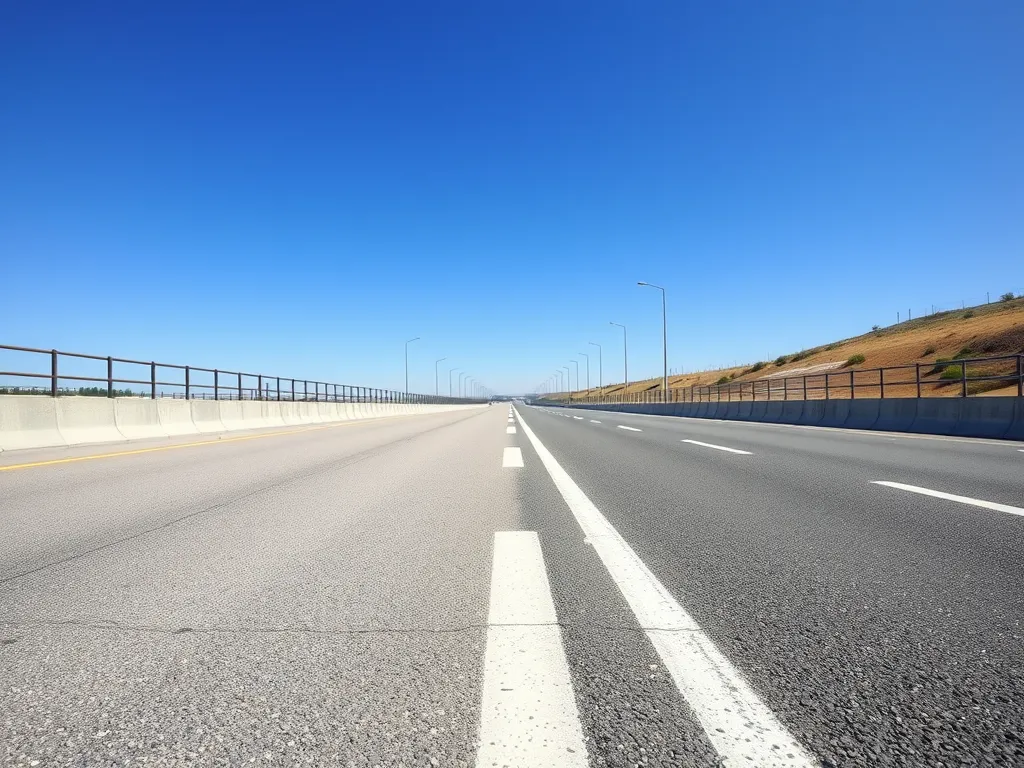
Installation Methods for Polymer Modified Asphalt
Proper installation ensures polymer modified asphalt performs to its full potential. Three primary techniques dominate the industry, each suited for specific project needs.
Hot-mix Polymer Modified Asphalt
Hot-mix PMA combines heated aggregates (300-350°F) with polymer asphalt binder. This method works best for high-stress surfaces like interstate highways or busy intersections. The elevated temps activate SBS or SBR polymers, creating tight bonds between materials. Mixes typically contain 4-7% polymer modified bitumen by weight, yielding rut-resistant pavements lasting 15+ years.
Wet Process PMA Applications
Wet process blending integrates polymers directly into liquid asphalt cement before mixing with aggregates. Used for chip seals, slurry seals, or microsurfacing, this technique employs polymer modified asphalt emulsions. SBR-modified mixes excel in cold climates due to improved flexibility below freezing. Projects see 30-50% faster curing times versus traditional emulsions.
Terminal-blended Polymer Asphalt Techniques
Terminal blending binds polymers with bitumen at storage terminals, ensuring uniform dispersion. Pre-mixed polymer asphalt cement ships ready for job sites, cutting field processing by 2-3 hours daily. Ideal for large-scale road projects, terminal blends reduce thermal cracking risks by 40% compared to conventional mixes. PG 76-22 graded binders dominate this category.
| Method | Mixing Temp (°F) | Common Uses | Polymer Types |
|---|---|---|---|
| Hot-Mix PMA | 300-350 | Highways, intersections | SBS, TPO |
| Wet Process | 200-250 | Chip seals, microsurfacing | SBR, EVA |
| Terminal-Blended | 280-320 | Large road projects | PG 76-22, SBS |
These methods showcase how polymer asphalt modification adapts to diverse paving challenges. Up next: real-world projects proving PMA’s value in extreme conditions.
Case Studies: Polymer Modified Asphalt in Practice
Polymer Modified Asphalt (PMA) solves real-world paving issues. Let’s see how it works on roads and bridges.
Highway Pavement Rehabilitation Projects
A major Midwest highway rehab used PMA with SBS polymer. The road faced heavy truck loads and temps from -20°F to 110°F. Crews laid a 3-inch polymer asphalt blend over the old base. After 8 years, rut depth stayed under 0.15 inches versus 0.5+ inches in standard lanes.
- Cut crack repairs by 60% vs traditional hot mix
- Extended service life to 15+ years (vs 8-10)
- Saved $28 per ton in long-term upkeep costs
PG 76-22 PMA binder met Superpave specs for high-traffic zones. The mix handled 12,000+ vehicles daily with no raveling.
Durable Solutions for Bridge Surfaces
Bridge decks need tough, flexible layers. A New England toll bridge got a PMA overlay with EVA polymer. The polymer modified asphalt binder stopped water seepage and resisted salt damage. Key results:
- 0.2% surface voids vs 4-6% in standard bridge mixes
- No potholes after 5 freeze-thaw cycles
- Joint cracks reduced by 75% in 3 years
The PMA layer bonded to concrete with 450 psi shear strength. Crews used warm-mix tech to pave at 275°F, cutting fuel use by 30%.
These cases show PMA’s role in tough paving jobs. Next, we’ll break down how PMA stacks up against eco goals.
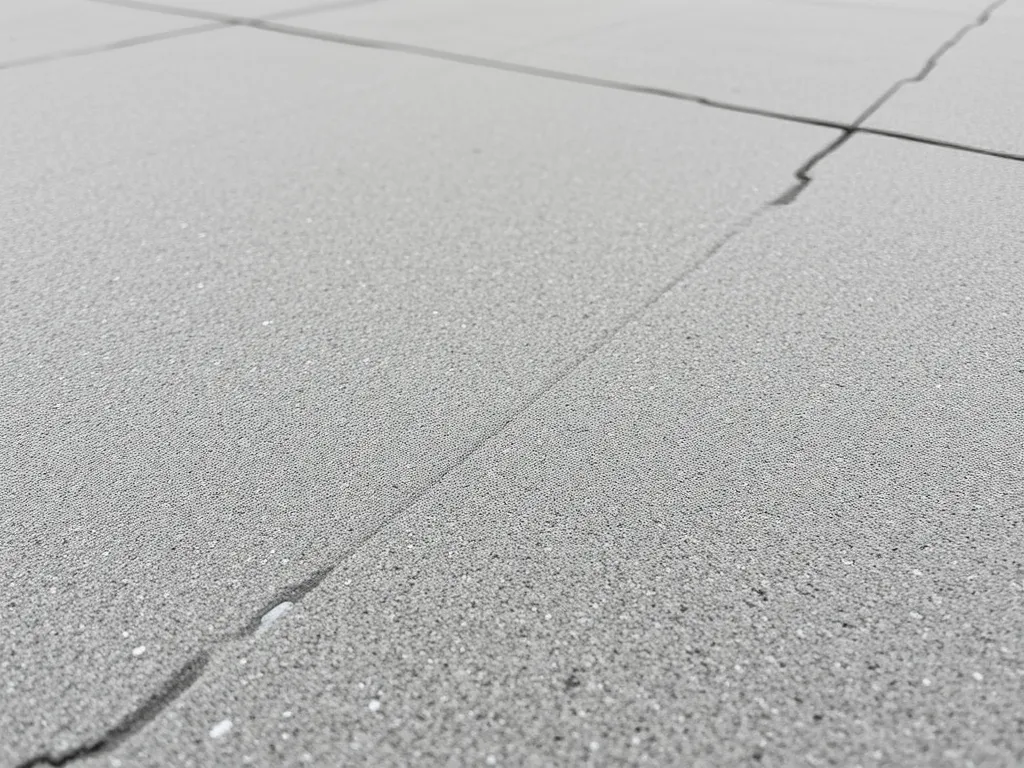
Environmental Considerations
Polymer modified asphalt delivers eco-friendly advantages beyond standard paving materials. Its extended lifespan, recyclability, and energy-efficient production make it a strategic choice for sustainable infrastructure.
Sustainability Of Polymer Asphalt Blends
PMA cuts environmental strain through two key mechanisms: reduced raw material use and lower energy demands. Polymer asphalt blends integrate recycled content like reclaimed asphalt pavement (RAP) at rates up to 30%, diverting waste from landfills. Modified asphalt cement also requires 15% less heat during mixing compared to traditional hot-mix asphalt – temperatures drop from 320°F to 280°F, slashing CO2 emissions by 1.2 tons per lane mile.
- 95% recyclability rate for polymer modified asphalt binder
- 20% energy savings during production vs conventional asphalt
- 30% longer service life reduces replacement frequency
New PMA formulas now incorporate post-consumer plastics and rubber from scrap tires. A 2023 study showed adding 8% recycled tire rubber to polymer modified asphalt rubber mixes improves crack resistance while reusing 2.4 million tires annually in U.S. road projects.
Reduced Maintenance and Long-term Impact
PMA’s durability translates to fewer repairs – a critical factor in lowering lifetime environmental costs. Roads with polymer modified asphaltic paving require 55% fewer patching cycles over 20 years compared to unmodified surfaces. This cuts equipment fuel use by 3,800 gallons per mile and material waste by 42% across the pavement lifecycle.
Key maintenance reductions include:
- 60% less rutting repairs in high-traffic zones
- 40% slower oxidation rate preserves surface integrity
- $18.50 per square yard savings in long-term upkeep costs
A 2022 case study on Virginia’s I-95 found PMA sections needed just 1.2 maintenance events per decade versus 2.7 for standard asphalt – reducing carbon footprint by 3.1 metric tons annually per mile.
These environmental benefits pair with proven performance in extreme conditions – a balance we’ll examine next through real-world PMA applications.
Frequently Asked Questions (FAQ)
What is Polymer-modified Asphalt Used for?
Polymer-modified asphalt is utilized in various applications, including highway construction, airport runways, bridge decks, and recreational surfaces. Its enhancements make it highly suitable for high-traffic areas and environments subject to extreme weather conditions.
What Are the Disadvantages Of Polymer Modified Bitumen?
While polymer modified bitumen offers many benefits, its disadvantages may include a higher initial cost compared to traditional asphalt, the need for specialized installation procedures, and potential challenges in sourcing certain polymers. Additionally, the mixing process requires precise temperature control to maintain desired properties.
Which Polymers Are Commonly Used in Asphalt?
Commonly used polymers in polymer modified asphalt include Styrene-Butadiene-Styrene (SBS), Styrene Butadiene Rubber (SBR), and Ethylene Vinyl Acetate (EVA). These polymers enhance the performance of asphalt by improving elasticity, strength, and resistance to environmental stresses.
Closing Thoughts
Polymer Modified Asphalt (PMA) stands out in modern construction for its adaptability and enhanced performance. By integrating various polymers, PMA improves durability, flexibility, and resilience under challenging conditions. Whether for high-traffic roadways or airport runways, the versatility of PMA addresses the demands of infrastructure today.
Understanding the differences between PMA and traditional asphalt is vital for selecting the right material for your project. As the construction field evolves, leveraging advanced materials like PMA can lead to more efficient, longer-lasting solutions. This choice not only saves costs over time but also supports sustainability efforts by reducing maintenance requirements.
For further insights and resources on asphalt and its applications, check out Asphalt Calculator USA.
Additional Resources for You:
- National Asphalt Pavement Association (NAPA, Industry Reports & Best Practices)
- – POLYMER-MODIFIED HOT MIX ASPHALT –
- Polymer modified asphalt – Gunvor Group
- A review of the fundamentals of polymer-modified asphalts: Asphalt/polymer interactions and principles of compatibility – ScienceDirect
- polymer modified bitumen | modified bitumen | modified asphalt