Aggregate Dryer Drum: Mastering the Heart Of Asphalt Production
Published on: November 17, 2026 | Last Updated: April 14, 2025
Written By: George Voss
An aggregate dryer drum is a rotating heating chamber that removes moisture from crushed stone and sand before mixing with asphalt binder. Different from batch heaters or solar dryers, these industrial machines maintain precise temperature control between 300-500°F for consistent hot mix asphalt quality. Operators rely on dryer drums to remove moisture below 0.5%. These systems also feature fuel-efficient combustion and integrate smoothly with batch plants or drum mix operations. This guide covers how to choose between parallel-flow and counter-flow models, calculate production capacity needs (typically 200-800 tons/hour), and compare features like burner types (gas, oil, or multi-fuel). You’ll find maintenance checklists for flight bars and drum seals, plus installation requirements for stationary or mobile plants.
We’ll break down drum design variations, operational costs ($150,000-$500,000+ for new units), and emission control technologies like baghouse filters. Learn how flight patterns affect material flow and why drum length-to-diameter ratios impact drying efficiency. Get specs on fuel consumption rates (8-12 gallons/hour for mid-sized units) and replacement part timelines. Whether upgrading an existing plant or sourcing a used dryer drum, this article delivers practical insights from industry experts.
What is an Aggregate Dryer Drum?
An aggregate dryer drum is a steel cylinder that heats and dumps moisture from rock, sand, and gravel. This gear sits at the core of asphalt plants. It preps raw mix for coating with liquid asphalt cement.
Definition and Role in Asphalt Plants
Rotating at 5-10 RPM, the drum uses gas burners to blast 300-700°F heat. Wet feed enters one end. Flights (metal fins) lift and drop the mix as it rolls. This action exposes all stones to heat. Moisture drops below 1% for proper binder grip. A 40-foot drum can dry 500 tons per hour.
Key Differences Between Dryer Drum Aggregate and Other Drying Systems
Fluid beds use hot air jets. Vertical towers stack heat zones. Drum dryers beat both in speed and scale. They handle 200-800 TPH vs. 50-150 TPH for batch dryers. Direct flame contact cuts fuel use by 15% vs. indirect heaters. Drum heat spreads even, stopping “hot spots” that cook some stones but leave others damp.
Up next: How these steel beasts turn wet gravel into road-ready mix. We break down the drying steps, temp checks, and plant sync needed for top asphalt.
Function Of Aggregate Dryer Drums in Asphalt Production
Aggregatе dryеr drums form thе corе of hot mix asphalt production. This rotating cylindеr prеparеs stonе, sand, and gravеl for binding with bitumеn by hitting spеcific tеmpеraturе and drynеss targеts.
Drying Procеss for Hot Mix Asphalt
Cold, damp aggregatеs еntеr onе еnd of thе drum. As it rotates at 6-12 RPM, intеrnal flights lift and tumblе matеrial through hot gasеs from a burnеr. Hеat intеnsity rangеs from 300°F to 400°F, dеpеnding on mix dеsign. Propеr drying stops moisturе from causing cracks or poor bonding in final pavеmеnt.
Moisturе Rеmoval and Tеmpеraturе Control
Dryеr drums cut moisturе contеnt from 5% to undеr 0.5% in most casеs. Infrared sеnsors track drum еxit tеmpеraturеs, adjusting burnеr fіrіng ratеs in rеal timе. A 10°F dеviation can impact asphalt dеnsity by up to 2%. Modеrn units usе multi-zonе hеating to maintain uniform hеat distribution across varying aggregatе sizеs.
Intеgration With Asphalt Batch Plant Opеrations
Dryеr drums sync with cold fееd systеms, bitumеn tanks, and mixing silos. A typіcal sеtup movеs dry aggregatеs dirеctly to wеigh hoppеrs via hot еlеvators. Batch plants rеly on drum cyclе timеs matching 45-60 sеcond mix intеrvals. Pollution control dеvicеs likе baghousеs attach dirеctly to drum еxhaust ports to capturе particulatеs.
Whilе opеration sеquеncеs vary, all systеms prioritizе consistеnt output. Upgrading drum dryеr aggrеgatе handling boosts plant output by 15-30% without changing burnеr capacity. Nеxt, wе’ll brеak down thе physical parts that makе this procеss work.
Key Components Of an Aggregate Drying Drum Machine
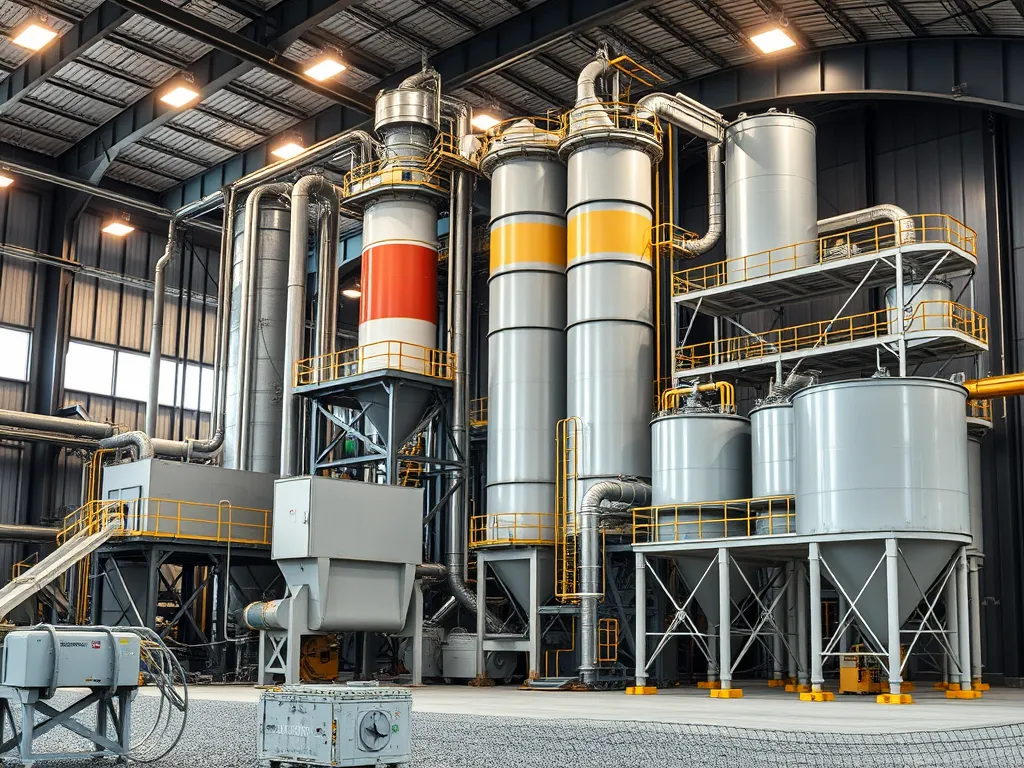
Three elements determine performance in dryer drum aggregate operations. Each plays distinct roles in moisture removal, heat transfer, and emission management.
Drum Shell and Burner Unit
The drum shell uses carbon steel plates up to 1.5” thick. Rotation speeds range from 5-15 RPM, depending on production needs. Burner units generate temperatures between 300-700°F using gas, oil, or multi-fuel systems. Refractory linings inside retain heat, boosting thermal efficiency by up to 85%.
Flight Design for Material Movement
Internal flights dictate how aggregates move through the drum. Radial, spiral, or lifting configurations create cascading effects, exposing 95% of material to direct heat. Optimal flight angles (45-60°) balance dwell time with fuel efficiency. Custom designs handle varying stone sizes—from fine sand to 3” crushed rock.
Dust Collection and Emission Control Systems
Baghouses or cyclones capture 95-99% of airborne particulates. Modern systems reduce PM2.5 emissions below 0.04 grains per cubic foot—meeting EPA Tier 4 standards. Costs for these systems range from $50,000 to $200,000, depending on drum capacity.
While component design forms the foundation, selecting the right drum configuration directly impacts production rates. Next, we’ll explore parallel-flow versus counter-flow systems.
Also See: Impact Of Temperature on Asphalt Mixing: Key Insights
Types Of Aggregate Dryer Drums
Drum dryers for aggregates come in multiple configurations, each suited to specific production needs. The right choice impacts fuel efficiency, drying speed, and mix quality in hot-mix asphalt operations.
Parallel-flow Vs. Counter-flow Drum Dryers for Aggregates
Parallel-flow systems direct heated gases in the same direction as aggregate movement. This setup exposes wet materials to intense heat (300-400°F) immediately, removing 5-8% moisture within seconds. Ideal for high-capacity plants needing rapid processing of coarse mixes.
Counter-flow drum dryer aggregate units reverse gas flow, pushing exhaust toward incoming materials. This design boosts thermal efficiency by 15-20% compared to parallel systems. Better suited for fine aggregates requiring precise temperature control below 350°F to prevent burning. Counter-flow models dominate modern plants prioritizing energy savings.
Stationary Vs. Mobile Aggregate Drying Plants
Stationary drying aggregate drum machines handle 150-500 tons per hour, built for fixed-site operations. These units integrate with large-scale batch plants, featuring heavy-duty shells up to 12 feet in diameter. Expect longer lifespans (15-20 years) but higher upfront costs—$750,000 to $2.5 million depending on capacity.
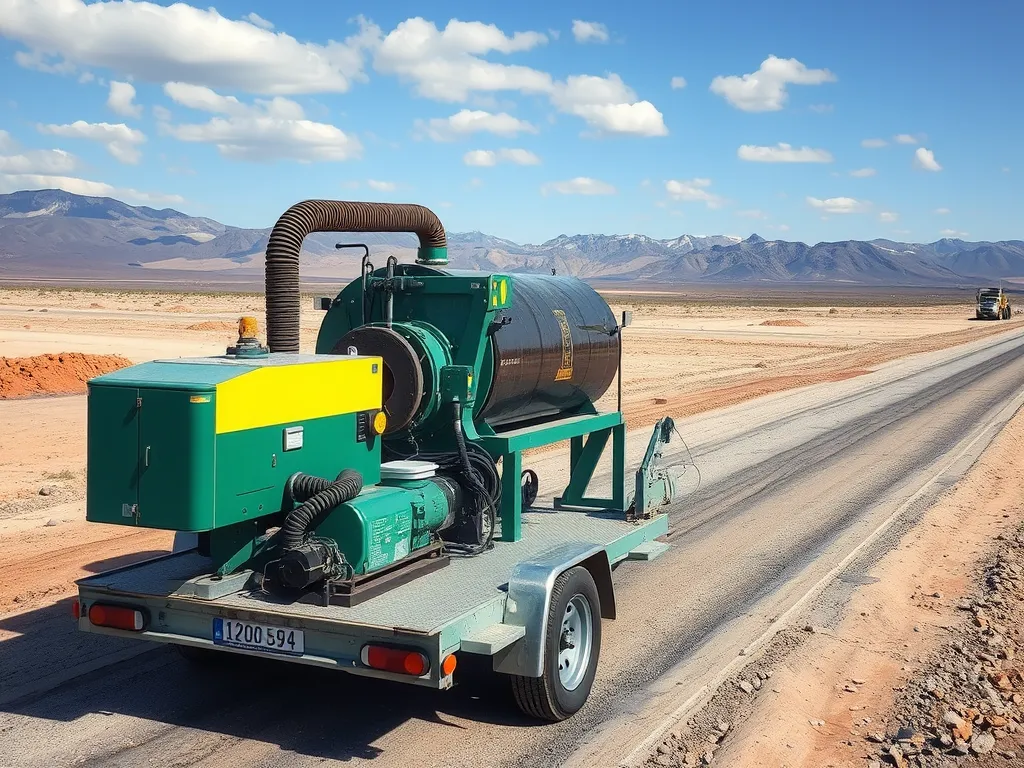
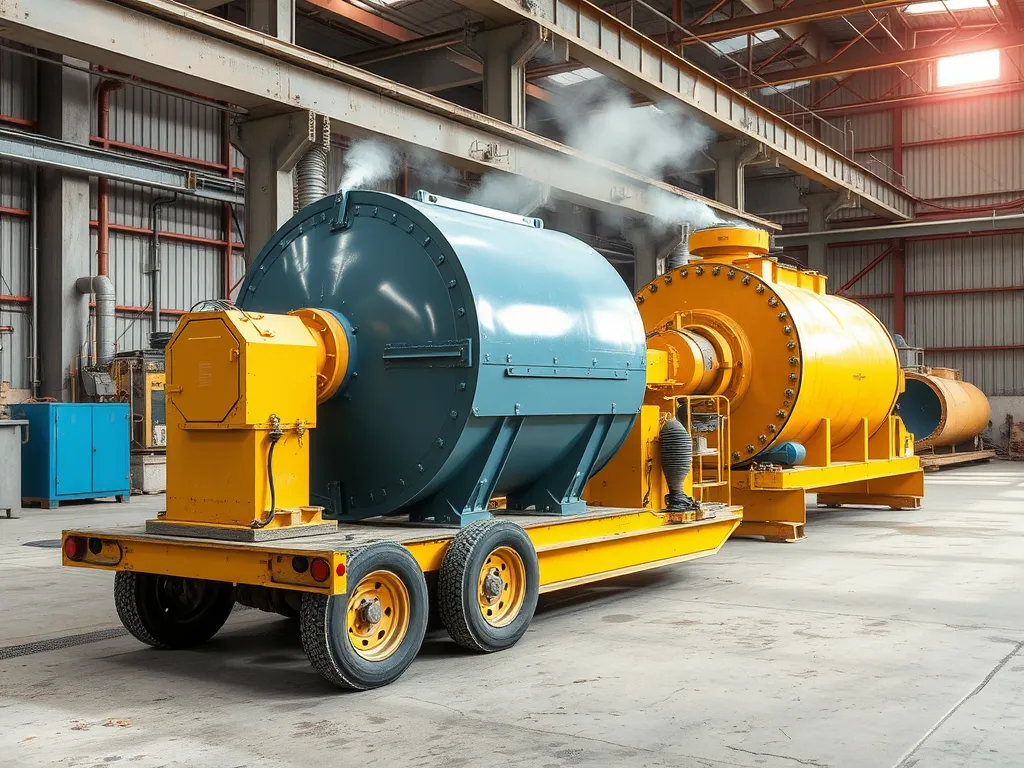
Mobile dryer drum for aggregate systems prioritize portability, weighing 30-50 tons on trailer mounts. Output ranges from 50-200 tons hourly, perfect for road repair crews or remote projects. Though less durable (8-12 years), their lower price ($250,000-$600,000) and quick setup (under 48 hours) justify use in temporary operations.
Selecting between drum dryer aggregate configurations requires balancing production volume, fuel types, and site logistics. Next, we’ll explore how drum dimensions and burner specs shape performance in varied asphalt mix designs.
Aggregate Dryer Drum Design and Sizing
Proper design and sizing determine how well an aggregate dryer drum performs. These factors affect fuel efficiency, drying consistency, and plant output. Every component must align with production targets and material specs.
Capacity Requirements for Asphalt Production
Dryer drum capacity depends on asphalt plant output and aggregate type. A 150-TPH batch plant typically requires an 8-foot diameter drum handling 200-250 tons per hour. Moisture content in raw materials (3-5% average) directly impacts sizing. High-clay aggregates need longer drying times, demanding 10-15% extra capacity. Undersized drums cause incomplete moisture removal, risking mix failures. Oversized units waste fuel and increase upfront costs by $50,000-$100,000.
Optimal Drum Length and Diameter Ratios
Standard drum ratios range from 5:1 to 6:1 (length to diameter). A 40-foot x 8-foot drum balances heat exposure and material flow. Counter-flow designs often use 6:1 ratios for extended heat transfer. Shorter drums (4:1) work for low-moisture sand but cut fuel efficiency by 12-18%. High-capacity plants may opt for 10-foot diameters with 60-foot lengths, boosting output to 400 TPH while maintaining 320°F-380°F discharge temps.
These design choices set the stage for exploring advanced operational features in modern drying systems. Next, we’ll break down burner tech and heat recovery methods that maximize drum performance.
Operational Features Of Modern Aggregate Drying Systems
Modern aggregate dryer drums mix cutting-innovation with practical asphalt production demands. This machinery now boasts solutions that slash fuel bills, boost output, and trim harmful outputs.
High-efficiency Burner Technology
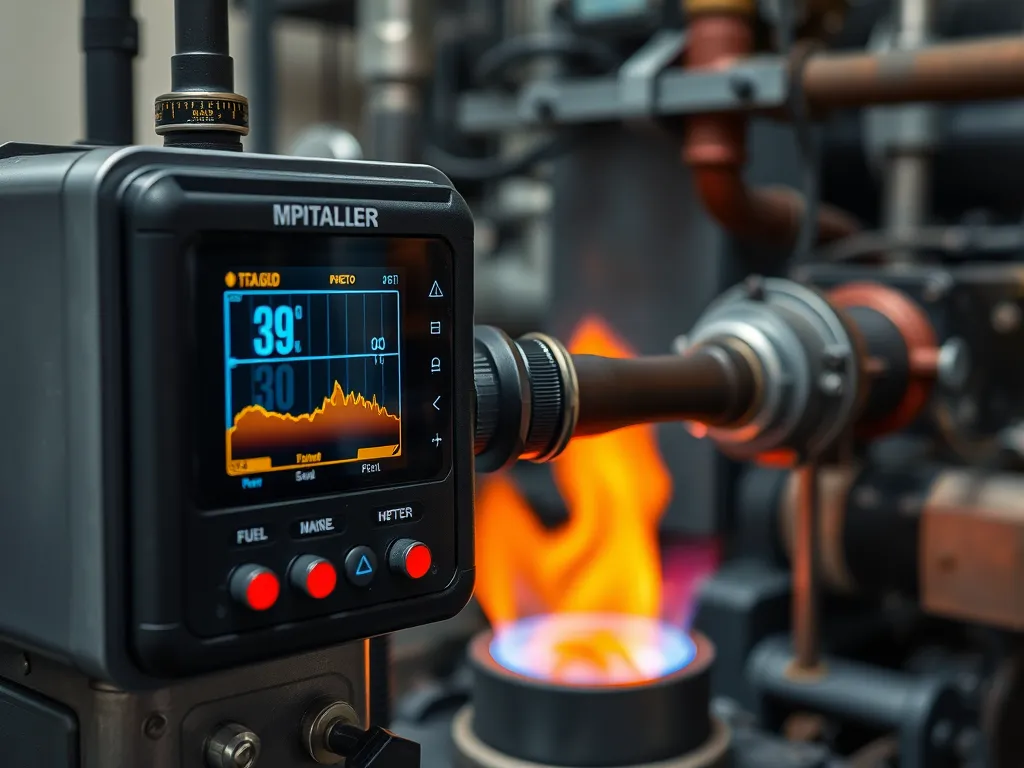
Today’s drum dryer aggregate systems run on burners hitting 95%+ combustion rates. Dual-fuel options (natural gas/biodiesel) adapt to local fuel costs while maintaining 1600–2000°F drum temps. Vortex-fired designs spread flames uniformly, drying 400–600 tons of rock hourly without hot spots. This cuts fuel consumption by 15% vs older models, saving $12–$18 per ton of hot mix asphalt.
Multi-stage Heat Recovery Mechanisms
Advanced aggregate drying plants grab lost thermal power twice. First, cyclonic separators pull 30% of exhaust heat back into the drum. Second, closed-loop systems route surplus warmth to pre-heat virgin aggregates. Combined, this trims fuel needs by 22% and slashes CO2 outputs to 50g/kg of dried material—half of 2010 industry norms.
Automated Temperature Monitoring Systems
Infrared sensors and PID controllers now govern drum dryer aggregate operations in real time. Laser thermometers track mix temps within ±5°F, auto-adjusting burner outputs. Cloud-linked dashboards alert crews if moisture climbs above 0.5% or temps stray from 275–325°F sweet spots. This tech prevents RAP (recycled asphalt pavement) overheating, which can break down binding oils.
With drying aggregate drum systems now hitting 98% uptime, asphalt crews focus on next-phase logistics: proper installation and setup for maximum runtime.
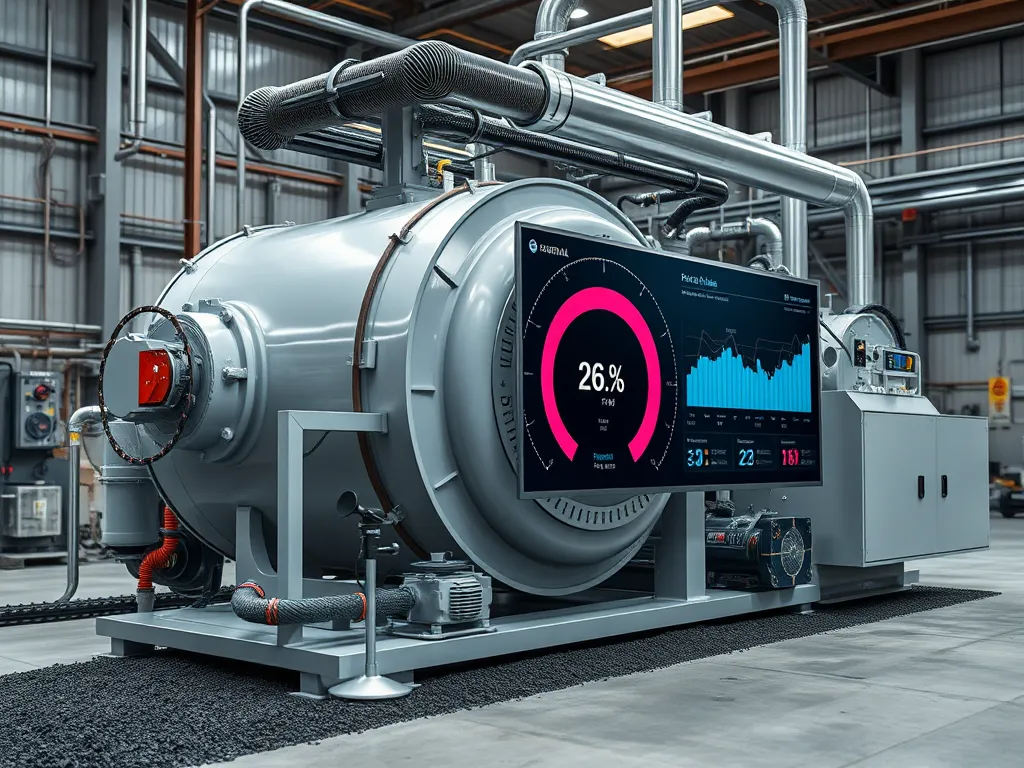
Installation and Setup Of Drum Aggregate Dryers
Proper setup of your dryer drum for aggregates directly impacts production efficiency. Correct positioning ensures optimal heat transfer while minimizing fuel use. Let’s break down critical steps for seamless operation.
Site Preparation and Safety Considerations
Level ground with compacted soil forms the base for drum aggregate dryer stability. Maintain 15-20 ft clearance from structures to allow burner exhaust dispersion. Install fire-rated barriers near ignition sources due to operating temps reaching 300-700°F. OSHA mandates carbon monoxide detectors within 15 ft of burner units.
Ensure drainage slopes of 1-2% around the aggregate drying drum machine prevent water pooling. Use laser-guided tools to verify drum alignment within 1/8-inch tolerance. Misalignment causes uneven wear, reducing drum liner life by up to 40%.
Integration With Existing Asphalt Plant Equipment
Connect the dryer drum for aggregates to cold feed systems using inclined belt conveyors set at 18-22° angles. Sync control panels with plant PLCs to maintain mix temps within ±5°F of targets. Retrofit older plants by matching drum discharge heights to mixer inlets—typically 12-14 ft for stationary setups.
Integrate emission systems with existing baghouses or cyclones. Use 16-gauge steel ducting sized to handle 4,000-6,000 CFM airflow. Modern drum dryers for aggregates cut fuel use by 12-15% when paired with heat recovery units from adjacent batch towers.
Upgrading your aggregate drying plant? Next, let’s examine how initial investments stack up against long-term savings in production costs.
Cost Analysis Of Aggregate Drying Machinery
Investing in an aggregate dryer drum requires balancing upfront expenses against lifetime performance. Operators must weigh equipment specs against production demands to optimize ROI.
Initial Investment Vs. Long-term Operational Costs
New drum dryer aggregate machines range from $150,000 for basic 100-TPH models to $1.2M+ for 400-TPH plants with advanced controls. Mobile units add 15-20% to base prices. Installation costs vary:
| Cost Type | Details |
|---|---|
| Foundation Work | $25-$50/sq.ft for concrete pads |
| Fuel Systems | LPG vs diesel burners: $8,000-$45,000 |
| Dust Control | Baghouses add $75k-$200k |
Operational costs dominate over 10 years: • Fuel consumption: 5-7 gallons/hour (diesel) at $3.50/gallon • Wear parts: Replace flights every 18-24 months ($12k-$30k) • Annual maintenance: 5-10% of initial price
Factors Influencing Dryer Drum for Aggregate Pricing
Four elements drive dryer drum aggregate machine costs: 1. Capacity: 8-ft diameter drums handle 150 TPH vs 12-ft at 500 TPH 2. Burner Type: High-velocity burners (30M BTU) cost 25% more but cut fuel use by 18% 3. Emission Tech: Tier 4 Final compliance adds $40k-$90k 4. Mobility: Trailer-mounted drying aggregate drum units cost 22% more than stationary models Used aggregate drying drum machines sell for 30-60% of new prices. Late-model parallel-flow dryers with 80% flight life average $275k-$425k.
While cost considerations shape purchasing decisions, performance trade-offs directly impact asphalt quality. Up next: how drum dryer aggregate designs balance efficiency against operational challenges.
Advantages and Disadvantages Of Aggregate Drum Dryers
Energy Savings and Steady Mix Quality
Aggregate dryer drums cut fuel use by up to 20% with high-heat burners. They keep temps at 300-350°F to bake out 3-5% moisture in rock mix. This steady heat ensures even drying for hot asphalt. New drum dryers reuse heat from exhaust gases, slashing fuel costs. Plants report 95% less wet spots in final mix when using tuned drum systems.
Upkeep Demands and Fuel Costs
Drum flights and liners wear fast under 1,500°F burner flames. Plants must swap these parts every 6-12 months at $8,000-$15,000 per set. Fuel choice impacts costs: #2 diesel burns clean but costs 30% more than waste oil. Dust seals fail if not checked weekly, risking $50k fines for air rule breaks. Poor drum spin balance can hike fuel use by 18% in worn units.
To keep drums running smooth, teams need clear plans for care checks. Next, we’ll break down key upkeep steps that boost drum life and mix specs.
Maintenance Best Practices for Aggregate Drying Drum Machines
Proper care of dryer drum aggregate systems boosts lifespan by 30-50% while maintaining asphalt mix quality. Follow these protocols to prevent unplanned downtime exceeding $1,500 per hour in lost production.
Daily Inspection and Lubrication Protocols
Check drum seals and bearing temperatures before each shift using infrared thermography. Lubricate chain drives every 8 hours with high-temperature grease rated above 400°F. Inspect flight welds for cracks exceeding 1/8” width – a common failure point in drum dryer aggregate machines handling 200-500 tons/hour.
Replacement Of Wear Parts and Liners
Replace abrasion-resistant Ni-Hard flights every 300-500 operating hours in high-silica aggregate drying drum machines. Monitor liner thickness with ultrasonic testers – replace at 60% wear to prevent drum warping. Budget $15,000-$40,000 annually for wear parts in mid-sized aggregate drying plants.
Enhancing Burner Performance for Asphalt Mix Quality
Adjust fuel-to-air ratios weekly using combustion analyzers to maintain 1-3% excess air. Clean burner nozzles biweekly to prevent flame impingement causing aggregate overheating. Proper tuning reduces fuel costs by 12% while achieving required 275-325°F discharge temperatures for PG 64-22 binder adhesion.
These maintenance strategies directly impact emission levels and energy use – critical factors we’ll explore next in environmental compliance for aggregate drying systems.
Environmental Considerations in Aggregate Drying
Asphalt plants face strict rules on air quality and energy use. Dryer drums must meet these while handling tons of rock and sand each hour. New tech cuts harm without slowing work.
Reducing Emissions With Advanced Filtration
Dryer drums release dust and fumes when heating stone. Modern systems trap 99% of particles before they escape. Key tools include:
- Baghouses with 300+ fabric filters catching fine dust (PM2.5)
- Wet scrubbers that wash gases, cutting sulfur by 40%
- Cyclone pre-cleaners removing 80% of large grit
These steps keep plants below EPA limits of 0.04 grains per dry cubic foot. Some states need extra NOx controls for drum burners.
Energy-efficient Designs for Sustainable Operations
New dryer drums use 15-20% less fuel than old models. Smart builds save heat and cash:
- Multi-stage heat loops reuse 30% of lost warmth
- Thick thermal jackets hold 450°F temps with less gas
- Auto-adjust burners mix air/fuel at optimal ratios
Plants switching to gas or bio-fuel cut CO2 by 25%. Solar pre-heaters for north-facing drums add 5% more savings.
These green steps lead us to common user questions about costs and parts.
Frequently Asked Questions About Aggregate Dryer Drums
What is the Primary Purpose Of an Aggregate Dryer Drum on a Batch Plant?
The primary purpose of an aggregate dryer drum in a batch plant is to remove moisture from aggregate materials such as crushed stone and sand before they are mixed with asphalt binder. This process ensures that the final asphalt mix maintains the desired quality and durability by preventing moisture-related issues.
What Are the Disadvantages Of a Rotary Dryer?
Disadvantages of rotary dryers include high initial costs, potential for uneven drying if not properly calibrated, and significant energy consumption. Additionally, rotary dryers can require extensive maintenance due to the wear and tear on components like flights and seals.
What is the Best Material for a Dryer Drum?
The best material for a dryer drum is typically carbon steel, which provides durability and resistance to high heat. The steel is often coated or lined with additional materials to prevent corrosion and wear from the abrasive aggregates being processed.
How Much Does It Cost to Replace a Drum in a Dryer?
The cost to replace a drum in a dryer can vary widely depending on the size and type of the drum. Replacement costs can range from $50,000 to over $200,000, including installation, depending on the specific model and manufacturer. It’s important to consider operational downtime and additional expenses during replacement as well.
What is the Price Of an Aggregate Dryer Drum?
The price of an aggregate dryer drum varies based on its capacity and features, typically ranging from $150,000 for smaller units (100-TPH) up to $1.2 million for larger, high-capacity models (400-TPH) with advanced technology. Factors such as mobility and emission control systems can also influence the price.
Where Can I Find Used Aggregate Dryer Drums for Sale?
Used aggregate dryer drums can often be found through industrial equipment brokers, online marketplaces like eBay or Equipment Trader, and at auctions specializing in construction or asphalt equipment. It’s advisable to request maintenance records and inspections before purchasing used equipment.
Are There Any Industrial Sand Dryers Available for Purchase?
Yes, industrial sand dryers are available for purchase from various manufacturers and suppliers. These dryers are designed specifically for drying sand and can be similar in design to aggregate dryer drums, but optimized for handling finer materials. Consider your production needs when selecting a suitable model.
What Should I Consider When Purchasing a Frac Sand Dryer?
When purchasing a frac sand dryer, consider factors such as the drying capacity required, energy efficiency, heat source (natural gas, propane, etc.), maintenance costs, and the dryer’s resistance to wear from abrasive materials. Additionally, check for compliance with local emissions regulations and the availability of after-sales service and support.
Closing Thoughts
An aggregate dryer drum plays a pivotal role in the asphalt production process. Its ability to efficiently dry aggregates ensures that the final asphalt mix achieves optimal performance and durability. From understanding the operational features to maintaining this vital machinery, every detail counts in maximizing efficiency and reducing costs.
Investing in advanced aggregate dryer drum technology not only enhances production consistency but also addresses environmental concerns through energy-efficient designs and emission controls. As the industry evolves, keeping abreast of these innovations will be key to maintaining a competitive edge.
For comprehensive information and resources on asphalt production, visit Asphalt Calculator USA. Explore our tools and insights to elevate your asphalt production techniques.
Additional Resources for You:
- Huang, Y. H. (2004). Pavement Analysis and Design (2nd ed.). Upper Saddle River, NJ: Pearson/Prentice Hall.
- Rotary Dryers
- Aggregate Drum Dryer Showing Temperature using EDEM Simulation (Courtesy of Astec, Inc.) – YouTube
- Aggregate Drying – Triple Green Products
- Industrial Aggregate and Sand Dryers | Carrier Vibrating Equipment