Asphalt Mixing Drum: Comprehensive Guide to Types, Operation, and Costs
Published on: November 14, 2026 | Last Updated: April 14, 2025
Written By: George Voss
An asphalt mixing drum is a cylindrical machine that blends heated aggregates and liquid asphalt binder (bitumen) to create hot mix asphalt (HMA). It serves as the core component of drum mix plants, producing 100-400 tons of asphalt per hour through continuous mixing. Unlike batch plants that make asphalt in fixed quantities, drum mixers operate nonstop, cutting production costs by 15-20%. Key benefits include portability for on-site projects, fuel efficiency up to 20% with recycled materials, and lower upfront costs. Brands like Astec, Lintec, and Benninghoven offer models ranging from compact portable units to high-output stationary systems.
This guide explains asphalt mixing drum types, components, and cost factors. We break down price ranges from $150,000 for small units to over $2 million for high-capacity systems. You’ll learn how drum size (8-12 feet diameter), burner efficiency, and add-ons like baghouses affect performance. We cover mobile vs. stationary designs, maintenance best practices, and emission reduction techniques using PG-graded binders. Whether you’re paving highways or patching driveways, find the right drum mixer for your budget and project scale.
Overview Of Asphalt Mixing Drums
Asphalt mixing drums form the core of continuous asphalt production systems. These cylindrical units blend aggregates, bitumen, and additives at high temperatures to create pavement-grade mixes.
What is an Asphalt Mixing Drum?
An asphalt mixing drum is a rotating steel cylinder that heats and mixes raw materials into hot-mix asphalt (HMA). Standard drums measure 6-12 feet in diameter and 25-50 feet long. Temperatures reach 300-350°F during operation. Components include flight bars for material lifting, burners for heating, and discharge gates for mix release.
How Does an Asphalt Drum Mix Plant Operate?
Drum mix plants follow a continuous process:
- Aggregates enter the drum’s cold feed bins
- Drying occurs as materials move through the drum’s first zone
- Bitumen injection happens in the mixing zone
- Finished asphalt exits at 275-325°F
Modern systems produce 200-400 tons per hour. Some units integrate recycled asphalt pavement (RAP) at up to 30% of total mix.
Drum Mix Plant Vs. Batch Asphalt Plant: Key Differences
Drum mixers work non-stop, while batch plants make asphalt in fixed quantities. Drum systems lack separate drying/mixing chambers, cutting energy use by 15-20%. Batch plants allow precise recipe changes per load but cost 25-40% more to run.
Advantages Of Using an Asphalt Mixing Drum
- Lower operating costs: $3-$6 per ton vs. $8-$12 for batch plants
- Faster production for large projects
- Compact designs fit in spaces 30% smaller
- Mobile units deploy in 48 hours
Disadvantages Of Asphalt Drum Mixers
- Limited mix customization during runs
- Higher emission risks without baghouse filters
- RAP percentages capped at 30% in standard models
While drum mixers excel in high-volume projects, their design trade-offs impact flexibility. Next, we’ll break down the equipment variations that address these limits.
Types and Components Of Asphalt Drum Mixers
Asphalt mixing drums come in multiple configurations, each designed for specific project scales and mobility needs. Knowing the equipment types and core parts ensures optimal selection for road construction or repair jobs.
Types Of Asphalt Mixing Drum Equipment
Two primary categories dominate the market: stationary and mobile units. Portable models offer further flexibility for temporary sites.
Stationary vs. Mobile Asphalt Mixing Drums
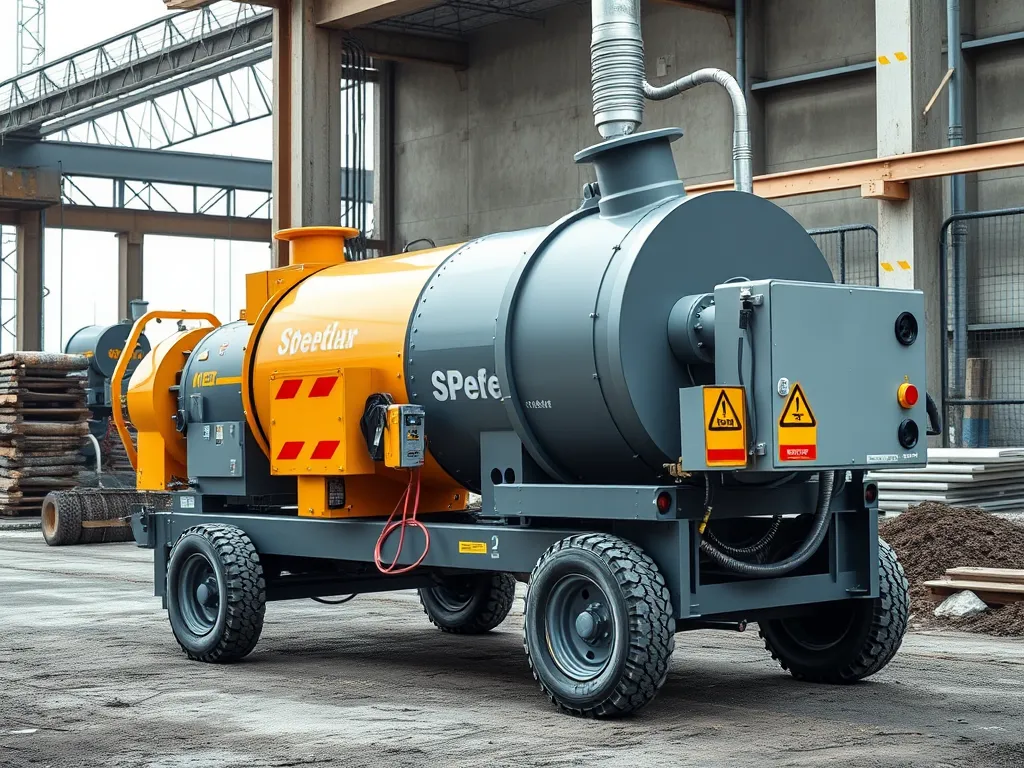
Stationary drums handle high-volume production, typically 200-400 tons per hour (TPH), ideal for permanent plants near aggregate sources. Mobile drums, weighing 25-40 tons, operate at 100-250 TPH and relocate between job sites on trailers. The latter reduces material transport costs by 15-20% for remote projects.
| Feature | Stationary | Mobile |
|---|---|---|
| Production | 200-400 TPH | 100-250 TPH |
| Mobility | Fixed installation | Trailer-mounted |
| Fuel Efficiency | 3-5 gallons/ton | 4-6 gallons/ton |
Portable Asphalt Drum Mixer Variations
Portable asphalt drum mixer models prioritize rapid setup, often requiring less than 48 hours. These compact units produce 50-150 TPH, suited for rural roads or parking lots. Features like foldable conveyors and modular designs allow transport on standard flatbeds, cutting deployment costs by 30% compared to stationary plants.
Key Components Of a Drum Mix Asphalt Plant
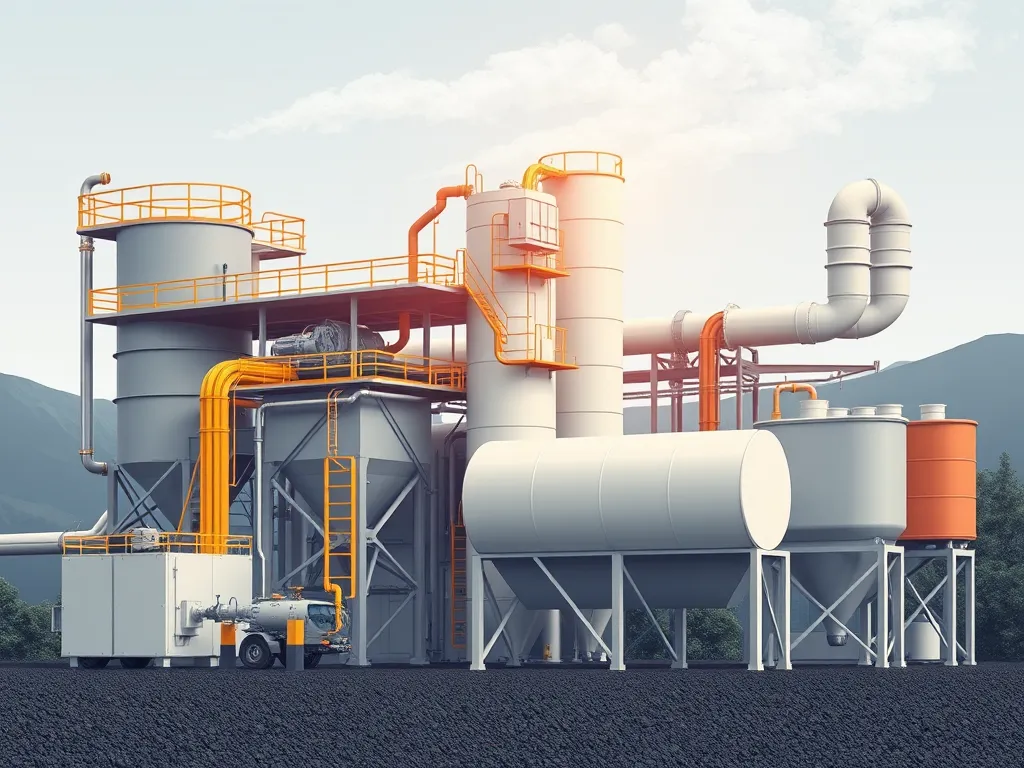
Every drum mix asphalt plant relies on six core elements to heat, dry, and blend materials into hot-mix asphalt (HMA):
- Cold Feed System: Delivers aggregates (stone, sand, RAP) into the drum via calibrated bins.
- Drying Drum: Rotating steel cylinder applying 300-400°F temperatures to remove moisture.
- Mixing Zone: Section where liquid asphalt binder (PG 64-22 or PG 76-28) coats heated aggregates.
- Burner: Propane or diesel-powered, generating up to 50 million BTU/hour for drying.
- Exhaust System: Captures particulate matter via baghouses, maintaining EPA opacity below 20%.
Advanced plants integrate recycled asphalt pavement (RAP) gates, adding up to 30% reclaimed material without compromising mix integrity.
Grasping these elements sets the stage for evaluating performance factors like temperature control and output consistency. Next, let’s examine operational adjustments that maximize drum mixer efficiency.
Operational Factors and Adjustments
Optimizing asphalt drum mixer performance requires balancing multiple variables. Even minor tweaks can boost output by 15% or extend component lifespan by 2-3 years.
Factors Affecting Asphalt Drum Mixer Performance
Five elements dictate drum mixer efficiency:
| Factor | Impact Range |
|---|---|
| Aggregate moisture content | Exceeding 3% increases fuel consumption by 15-20% |
| Burner flame pattern | Poor alignment drops mix temps by 10-15°F |
| Drum rotation speed | 35-45 RPM optimal for most drum mix asphalt plants |
| Flight design/wear | Worn flights reduce material turnover by 30% |
| Binder temperature | 280-325°F needed for PG 64-22 asphalt |
How to Adjust an Asphalt Drum Mixing Machine
Follow these steps to fine-tune drum mixer operations:
| Adjustment | Method |
|---|---|
| Temperature control | Calibrate sensors monthly; +/-5°F tolerance |
| Material flow | Adjust drum angle 1-3° to boost output 10% |
| Mix consistency | Modify flight patterns every 500 operating hours |
| Emissions | Maintain 8-12% oxygen in exhaust stack |
Portable asphalt drum mixers need more frequent checks – monitor gearbox oil temps hourly during peak loads.
Beyond operational tweaks, cost considerations play a major role in drum mixer selection. Let’s break down pricing variables for different asphalt drum equipment configurations.
Also See: What is Asphalt Made Of? Key Components Explained
Cost Analysis for Asphalt Drum Equipment
Budgeting for an asphalt mixing drum requires a clear grasp of upfront expenses and long-term value. Let’s break down the numbers and variables shaping your investment.
Price Range Of Asphalt Mixing Drums
Asphalt drum mixer equipment ranges from $150,000 to $2.5 million. Smaller portable asphalt drum mixers start around $150k–$500k, while high-capacity drum mix asphalt plants hit $1M–$2.5M. Mobile asphalt mixing drums typically cost 15–30% more than stationary units due to added mobility features like trailers or compact designs.
Factors Influencing Drum Mix Asphalt Plant Costs
Four key elements drive price variations: production capacity, component quality, fuel type, and customization needs.
Size and Production Capacity
Output directly affects cost. A 100-TPH (tons per hour) asphalt drum mixing machine averages $300k–$700k. Jumping to 400 TPH pushes prices to $1.2M–$2M. Larger drums require thicker steel, heavy-duty burners, and advanced temperature controls, adding 20–40% to base costs.
Components and Custom Features
Standard drum mixer for asphalt setups use basic components like aggregate feeders and bitumen tanks. Upgrading to pollution-control systems, automated RAP (recycled asphalt pavement) feeders, or dual-fuel burners adds $50k–$200k. For example, a baghouse filter system alone costs $80k–$150k but cuts emissions by 95%.
Where to Source a Drum for Asphalt Mixing Machines
Major asphalt drum manufacturers like Astec, Terex, and MARINI dominate the U.S. market. Regional suppliers like D&H Equipment or KM Equipment offer refurbished units at 30–50% below new models. Auctions and dealer networks like Ritchie Bros. provide access to used asphalt plant drum mixers starting at $75k for older 150-TPH models.
When evaluating suppliers, verify warranties (minimum 1 year on drums), burner efficiency ratings (85–95% thermal efficiency), and compatibility with RAP systems. Some states mandate drum asphalt mixing plants meet specific emission standards—confirm local regulations before purchasing.
Smart budgeting now impacts your project’s bottom line for years. Up next: keeping your equipment running smoothly with proven maintenance strategies.
Maintenance and Troubleshooting
Keep your asphalt drum mixer running smooth with smart care plans. Fix small issues fast to avoid costly downtime.
Tips for Maintaining an Asphalt Drum Mixer
Check drum liners daily for wear. Clean flight tips weekly to stop aggregate buildup. Lubricate bearings every 200 hours—use high-temp grease for hot zones. Inspect drive belts monthly; replace if cracks show. Scrub burner nozzles to keep flame even. Swap worn drum flights every 2-3 years ($1,500-$3,000 per set). Track motor temps—over 160°F signals trouble. Test oil samples every 500 hours to spot early gear wear.
Common Problems in Asphalt Drum Mixing Machines
Uneven mix? Check blade angles and feed rates. Cold spots in the drum? Clean heat exchangers or adjust burner fuel mix. Drum wobble points to bent rollers or loose mounts. Motor stalls? Inspect gearbox oil levels and belt tension. Leaky seals ($200-$800 repair) let mix contaminate bearings. Clogged vents spike emissions—clean filters weekly. For sticky RAP (recycled asphalt), pre-dry to 1% moisture. Sudden plant shutdowns often trace to failed sensors ($75-$300 each).
Solid upkeep cuts repair costs by up to 40% and extends drum life past 15 years. Now let’s see how drum mix plants tackle green rules while pushing output.
Environmental Impact Of Asphalt Drum Mixers
Asphalt drum mix plants play a key role in road building but face strict rules on emissions. Modern drum mixer for asphalt units use tech to cut harm while keeping output high.
Emissions Control and Mitigation Strategies
Hot mix processes in drum asphalt mixing machines release fumes, dust, and gases like CO2. New systems tackle this with three main steps:
Baghouses: These dust traps in drum mix asphalt plants grab 95-99% of particles. Filters catch fine bits before air leaves the stack.
Burner upgrades: Low-NOx burners mix fuel better, slashing nitrogen oxides by 20-40%. Some plants add gas scrubbers to clean fumes further.
RAP blends: Using recycled asphalt pavement (RAP) cuts virgin binder needs. This lowers temps by 50°F, reducing CO2 by 15% per ton.
Portable asphalt drum mixer models now pack moisture sensors. These tools adjust heat levels on-site, trimming fuel use by 8-12%. Mobile asphalt mixing drums with sealed drums leak 30% less VOCs than old batch plants.
Looking ahead, upkeep of these systems ties directly to their green gains. Next, we’ll break down care steps that keep drum mixers running clean.
FAQs on Asphalt Mixing Drums
What is the Use Of an Asphalt Drum Mix Plant?
An asphalt drum mix plant is designed for continuous production of hot mix asphalt (HMA). It mixes heated aggregates and asphalt binder in a single drum to supply asphalt for road construction and maintenance projects efficiently. This type of plant is ideal for large-scale operations where high volume and consistent quality are essential.
How Do Mobile Asphalt Drums Compare to Stationary Units?
Mobile asphalt drums offer portability, allowing them to be easily transported between job sites, which is particularly beneficial for temporary projects or rural installations. In contrast, stationary units are typically larger and capable of higher production rates but are fixed in one location, making them more suitable for long-term operations.
What Determines the Lifespan Of an Asphalt Mixing Drum?
The lifespan of an asphalt mixing drum depends on several factors, including the quality of materials used in construction, frequency of use, maintenance practices, and operational conditions like temperature and load. Regular maintenance and timely repairs can significantly extend the life of the drum, often exceeding 15 years with proper care.
Final Summary: Choosing the Right Asphalt Mixing Drum
Asphalt mixing drums play a vital role in the production of durable asphalt mixtures. Whether you opt for a stationary or mobile unit, the choice depends on your project’s specific needs. Each type of drum offers unique benefits, making it crucial to consider factors such as production capacity, cost, and location.
Understanding the operational factors and maintenance requirements will help maximize performance and longevity. With proper care and timely adjustments, asphalt mixing drums can ensure efficient operation while meeting project deadlines.
Don’t forget to account for environmental considerations, such as emissions control, when evaluating your options. Balancing productivity with eco-friendly practices is essential in today’s construction landscape.
For deeper insights, resources, and tools to aid your decision-making, check out Asphalt Calculator USA.