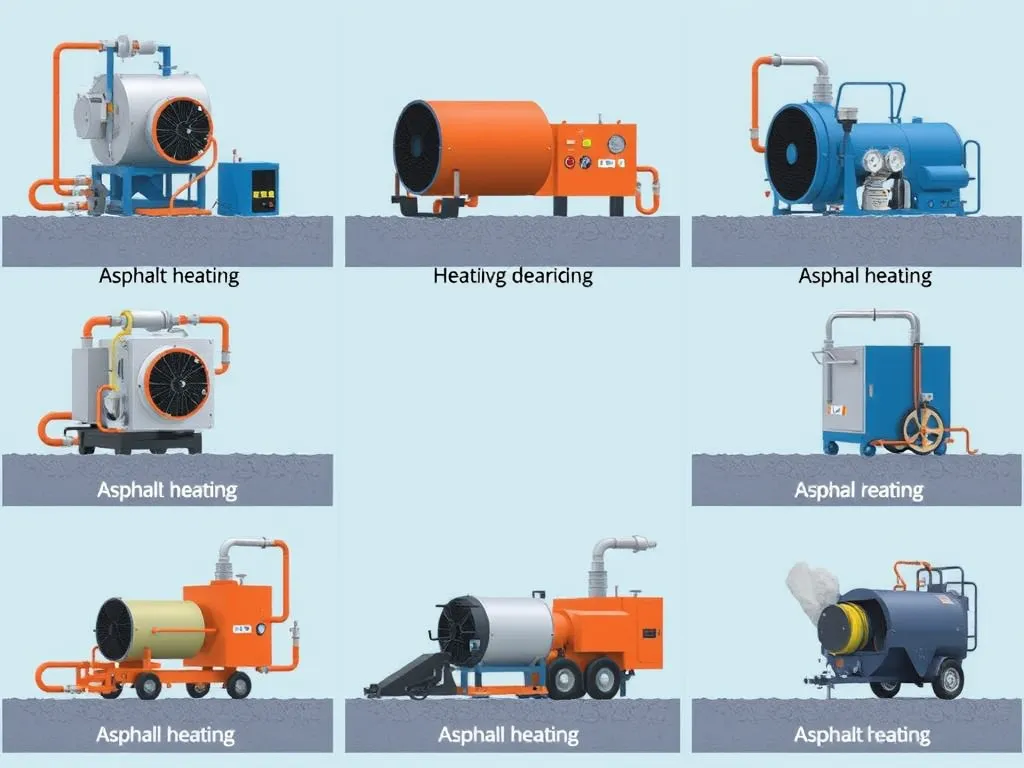
Asphalt Plant Emissions Control: Mitigation Strategies and Health Considerations
Published on: November 19, 2026 | Last Updated: April 14, 2025
Written By: George Voss
Asphalt plant emissions control involves technologies and practices that reduce harmful pollutants released during hot mix asphalt production. These emissions include volatile organic compounds (VOCs – reactive gases linked to smog), nitrogen oxides (NOx), sulfur oxides (SOx), and particulate matter (PM) regulated by EPA standards under the Clean Air Act. Modern plants use baghouse filters (capturing 99% of particulates), wet scrubbers, and thermal oxidizers to meet emission limits while addressing respiratory risks and environmental impacts near communities.
This article examines key aspects of asphalt plant emissions management. Learn about emission sources like drying drums and storage silos, compliance with New Source Performance Standards (NSPS), and advanced control systems such as biofilters for odor reduction. The guide also covers health effects from short-term exposure to PM and long-term risks from polycyclic aromatic hydrocarbons (PAHs), plus buffer zone recommendations based on plant capacity and wind patterns.
Understanding Asphalt Plant Emissions
Asphalt plants release distinct pollution types during production. Each affects air quality differently, requiring specific asphalt plant emissions management tactics. Pinpointing what’s released—and where—forms the foundation for control strategies.
Types Of Emissions From Asphalt Plants
Three main pollution groups dominate asphalt air emissions. All demand monitoring to limit health and environmental impacts.
Volatile Organic Compounds (VOCs)
VOCs vaporize from bitumen when heated above 300°F. These carbon-based gases react with sunlight, forming ground-level ozone. High VOC levels near plants may trigger asthma attacks or eye irritation.
Nitrogen Oxides (NOx) and Sulfur Oxides (SOx)
Burners firing at 350-400°F in drying drums create NOx and SOx. Diesel or low-grade fuels boost SOx output. Both gases mix with moisture, contributing to acid rain and smog formation.
Particulate Matter (PM) and Combustion Byproducts
PM includes dust from aggregates (often PM10 or PM2.5) and soot from fuel burning. Unchecked, these particles reduce visibility and lodge deep in lungs. Some carry polycyclic aromatic hydrocarbons (PAHs), linked to long-term health risks.
Primary Emission Sources in Asphalt Production
Targeting key release points allows focused asphalt plant emission control. Modern facilities prioritize upgrades at these hotspots.
Drying Drum Exhaust
Rotating drums removing moisture from aggregates account for 60-70% of total PM. High-velocity airflow carries fine particles into stacks. Baghouses here can capture 99% of PM above 10 microns.
Storage Silo Venting
Hot mix asphalt (HMA) stored at 280-320°F off-gases VOCs through silo vents. Enclosed systems with vapor recovery cut these releases by up to 85%, improving local air quality.
Mixer and Loading Operations
Transferring mix to trucks stirs up residual dust. Loading zones without hoods or misting systems emit 15-20% of a plant’s fugitive PM. Sealed chutes and automated systems minimize human exposure.
With clear insight into pollution sources, focus shifts to legal limits shaping asphalt plant operations.
Regulatory Framework for Emissions Control
The asphalt industry operates under strict air quality regulations designed to protect public health. Federal and state rules govern permissible emission levels at asphalt plants, mandating specific control measures.
EPA Standards for Asphalt Plant Air Quality
The Environmental Protection Agency (EPA) enforces National Ambient Air Quality Standards (NAAQS) under the Clean Air Act. Asphalt plants must limit particulate matter (PM2.5/PM10) to 12-35 µg/m³ and sulfur dioxide (SO2) to 75 ppb. Plants exceeding 250 tons/year of aggregate production fall under 40 CFR Part 60 Subpart F regulations, requiring emission control systems like baghouses with 99% efficiency.
New Source Performance Standards (NSPS)
NSPS regulations (40 CFR Part 60) mandate stricter limits for plants built after 1974. Modern facilities must install fabric filters achieving ≤0.04 grains/dscf particulate emissions. These standards apply to drying drums, mixers, and storage silos. Existing plants undergo RICE standards for combustion units over 500 HP, requiring catalytic reduction systems to cut NOx by 30-60%.
Permitting Requirements and Compliance Monitoring
All asphalt plants need Title V operating permits under the Clean Air Act. States require annual stack testing using EPA Method 9 for opacity and Method 5 for particulates. Facilities within 1,000 feet of schools or hospitals face enhanced monitoring – some states mandate continuous emission monitoring systems (CEMS) tracking PM/VOCs in real time. Non-compliance penalties reach $10,000/day for major violations.
Effective emissions control systems form the backbone of meeting these regulatory demands. Next, we examine the technologies enabling plants to achieve compliance while maintaining production efficiency.
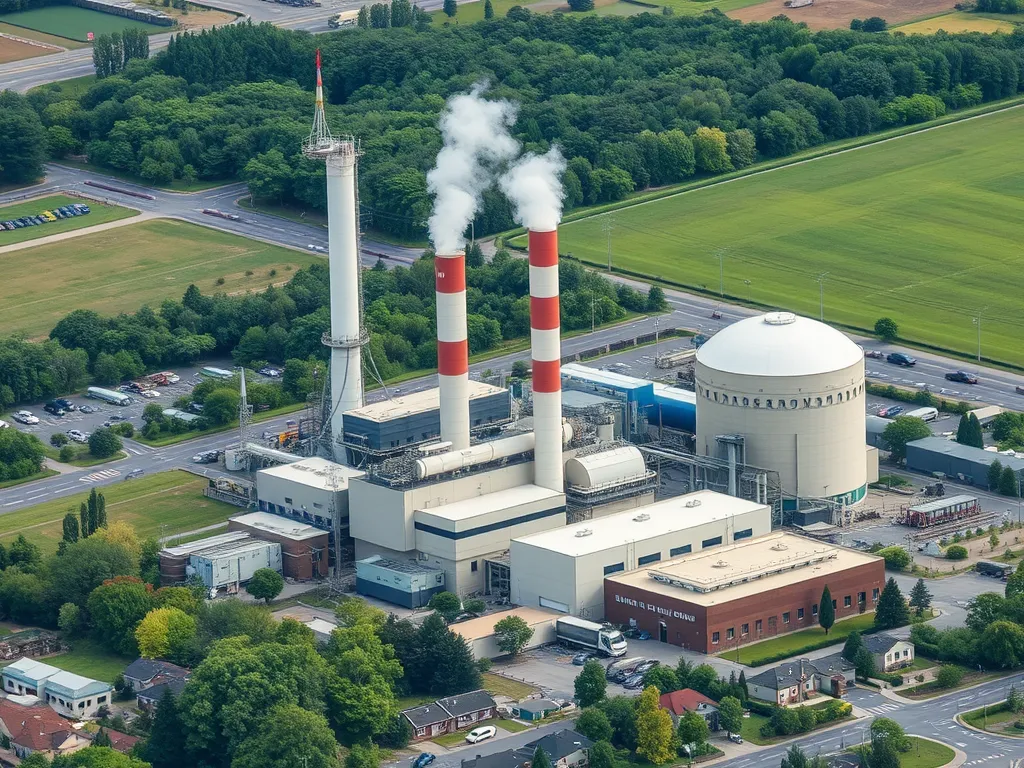
Asphalt Plant Emissions Control Technologies
Modern asphalt plants deploy advanced engineering solutions to meet strict air quality targets. These systems target specific pollutants across production stages while maintaining operational efficiency.
Primary Emission Control Systems
Core technologies tackle emissions directly from process equipment. Two workhorses dominate this category.
Baghouse Filters for Particulate Capture
Fabric filter baghouses remove 99.9% of airborne particulates from dryer drum exhaust. These systems use temperature-resistant filter bags that trap PM2.5 and larger particles. Reverse-pulse cleaning cycles maintain airflow while meeting NSPS opacity limits under 20%.
Wet Scrubbers for Gas Absorption
Venturi scrubbers neutralize acid gases like SOx using alkaline slurry sprays. Gas-liquid contact achieves 85-95% removal rates for water-soluble pollutants. Treated slurry recirculates through closed-loop systems to minimize water use.
Secondary Emission Reduction Methods
Supplemental technologies address residual pollutants that bypass primary controls.
Thermal Oxidizers for VOC Destruction
Regenerative thermal oxidizers (RTOs) eliminate 98% of volatile organic compounds. They incinerate exhaust gases at 1,500°F, using ceramic heat exchangers to recover 95% of combustion energy. RTOs cut benzene emissions to 0.15 mg/dscm under MACT standards.
Biofilters for Odor Mitigation
Biofiltration beds packed with organic media break down sulfur compounds causing asphalt’s characteristic smell. Microbial action in these systems reduces hydrogen sulfide (H2S) by 90% at flow rates up to 15,000 CFM.
Dust Suppression and Containment
Material handling innovations prevent fugitive emissions throughout facilities.
Enclosed Material Handling Systems
Full enclosure of conveyor belts and silo vents slashes PM10 emissions by 80%. Radial stacker conveyors with dust curtains maintain 4.5% moisture in aggregates during transfer – critical for dust control.
Fogging Systems for Fugitive Dust
High-pressure misting nozzles generate 50-micron water droplets that weigh down airborne particles. Strategic placement at transfer points achieves 70% dust reduction using 0.5-1 gallon per minute flow rates.
These layered controls form the frontline defense against airborne pollutants, setting the stage for examining health impacts in adjacent communities.
Also See: AASHTO T209: Determining Maximum Specific Gravity
Health Impacts Of Asphalt Plant Emissions
Asphalt production releases pollutants affecting human health at varying exposure levels. Emissions control systems play a critical role in minimizing these risks by capturing harmful substances before they reach surrounding communities.
Short-term Exposure Risks
Immediate health effects emerge when emissions exceed safe thresholds. Workers and nearby residents face acute symptoms during peak production periods or equipment malfunctions.
Respiratory Irritation from PM and Fumes
Fine particulate matter (PM2.5) and hydrocarbon fumes trigger coughing, wheezing, and throat inflammation. A 2021 study found PM2.5 levels near uncontrolled plants exceed EPA daily limits by 18-22%. Sulfur oxides in stack emissions react with moisture to form acidic aerosols, worsening airway sensitivity.
Long-term Health Concerns
Prolonged exposure to asphalt plant air emissions correlates with systemic health issues. Regulatory agencies prioritize controlling carcinogens and persistent pollutants through asphalt plant emission management programs.
Potential Carcinogenic Effects of PAHs
Polycyclic aromatic hydrocarbons (PAHs) like benzo(a)pyrene form during asphalt heating. The International Agency for Research on Cancer classifies 15 PAHs as Group 1 or 2 carcinogens. Facilities using recycled asphalt show 12-15% higher PAH emissions, necessitating advanced thermal oxidizers in control systems.
Chronic Respiratory Conditions
Repeated exposure to nitrogen oxides and PM2.5 increases asthma prevalence by 34% in communities within 500 meters of plants. Long-term studies link asphalt production emissions to accelerated lung function decline, particularly in children and older adults.
Effective asphalt plant emissions control reduces these health risks. Next, we examine how uncontrolled emissions alter local ecosystems and water systems.
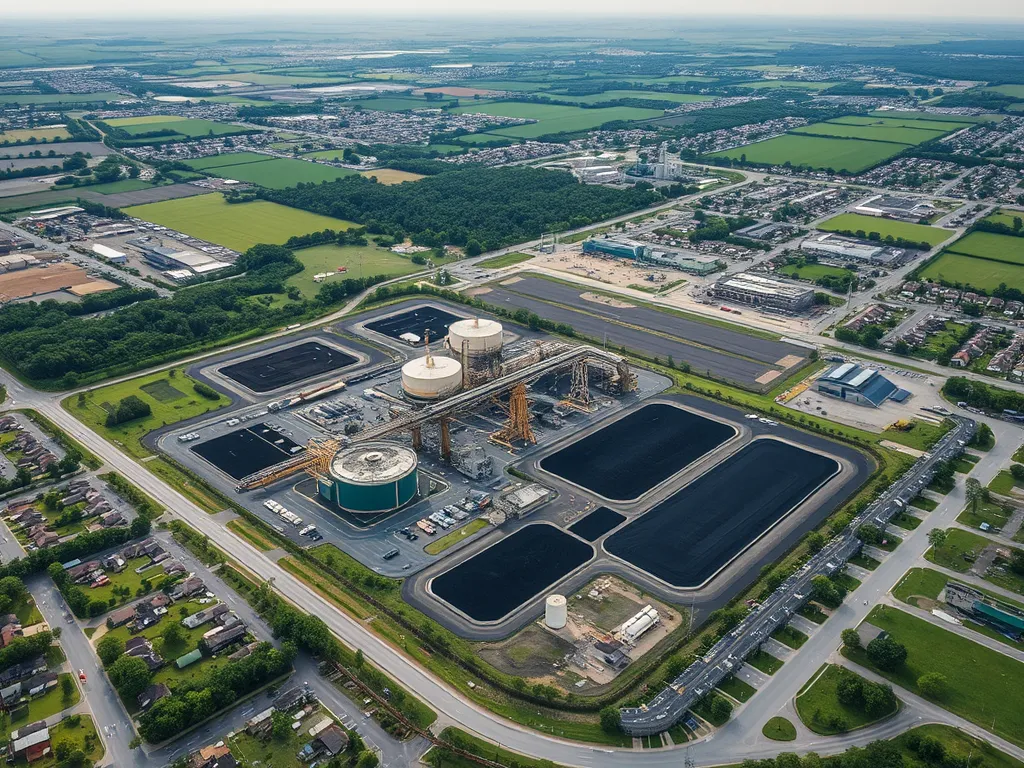
Environmental Consequences Of Uncontrolled Emissions
Unchecked emissions from asphalt plants create cascading environmental effects. Pollutants released into air, soil, and water systems threaten ecological balance and human health. Two critical pathways demand attention: atmospheric degradation and subsurface contamination.
Air Quality Impacts on Local Ecosystems
Asphalt plant emissions management failures allow volatile organic compounds (VOCs) and nitrogen oxides (NOx) to form ground-level ozone. This smog component reduces crop yields by up to 15% within 5 miles of facilities, per USDA studies. Sulfur oxides (SOx) from fuel combustion trigger acid rain events, lowering pH levels in nearby water bodies to lethal thresholds for fish populations.
Particulate matter (PM2.5) coats leaf surfaces, blocking photosynthesis in sensitive plant species. Lichens—key bioindicators—often disappear from areas with asphalt air pollution exceeding 12 µg/m³ annual averages. Raptors and migratory birds show altered nesting patterns within 3-mile radii of plants lacking stack emissions controls.
Soil and Water Contamination Pathways
Runoff from uncovered aggregate stockpiles carries polycyclic aromatic hydrocarbons (PAHs) into waterways at concentrations up to 8 ppm—40 times EPA safety limits. These carcinogenic compounds persist in sediments, accumulating in aquatic food chains. Leachate tests near asphalt facilities reveal lead and arsenic levels exceeding 0.015 mg/L in 23% of groundwater samples.
Fugitive dust from mixer operations deposits 200-400 lbs/acre of alkaline particulates monthly on surrounding soils. This pH shift renders farmland unsuitable for acid-loving crops like blueberries within 1.2 miles downwind. Wetlands adjacent to plants show 60% reduced macroinvertebrate diversity due to hydrocarbon saturation in root zones.
These ecological risks underscore the need for strategic buffer zones. Next, we examine how proximity guidelines balance community safety with operational realities.
Proximity and Community Safety Guidelines
Safe spacing between plants and homes cuts health risks. Rules focus on air quality and noise limits. Buffer zones shield towns from plant fumes and dust.
Recommended Buffer Zones for Residential Areas
States often set 500 to 1,500 feet as safe space from plants to homes. EPA notes plants must meet local air rules. Larger buffers (1+ miles) apply if plants lack emission controls. Check state codes for exact needs.
Factors Affecting Safe Distance Calculations
Buffer zones shift based on plant size, gear used, and site layout. Plants with high stacks or low-VOC mixes may need less space. New plants use air models to set safe zones.
Prevailing Wind Patterns
Wind paths move plant fumes. West-based winds push stack releases east. Year-round wind data shapes buffer zones. Plants must track wind flow to set safe zones.
Production Capacity and Emission Rates
Plants making 300+ tons per hour need bigger buffers. High PM or VOC outputs demand more space. Daily logs track emission peaks for zone checks.
These safety steps tie into daily plant work to cut risks. Next, we review key tasks to keep gear running clean.
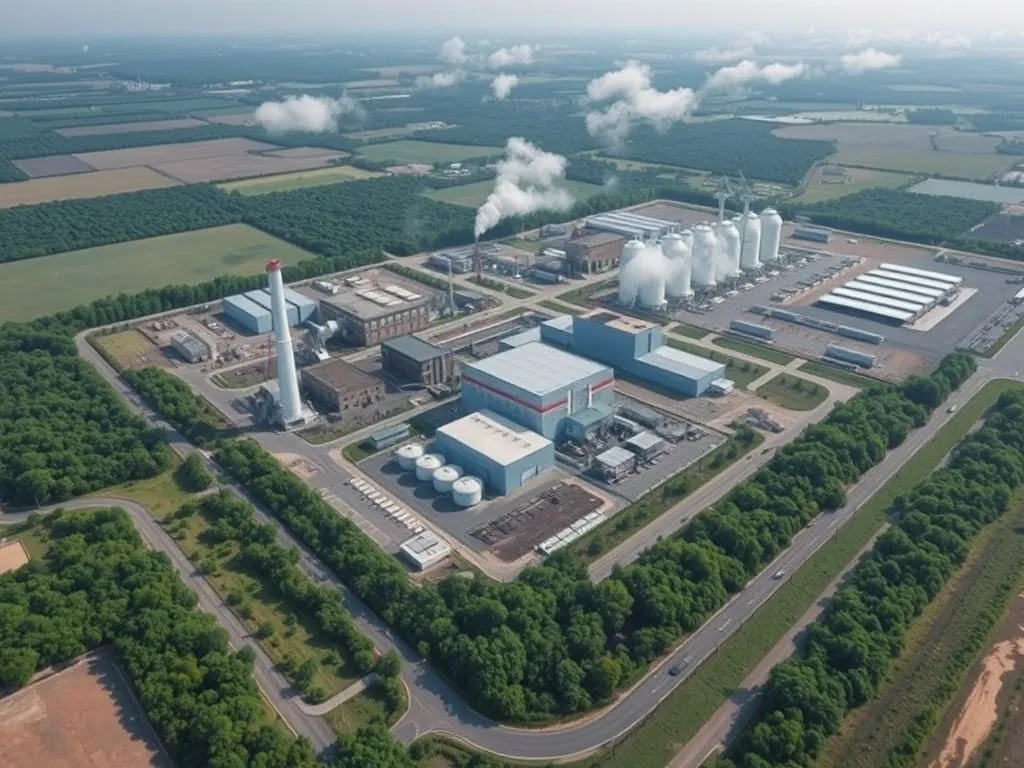
Operational Best Practices for Compliance
Following strict protocols is key to hitting air quality goals at asphalt mixing sites. Combining regular system upkeep with smart tracking tools allows plants to stay within limits set by authorities.
Routine Maintenance Of Control Gear
Baghouse filters catch 99% of dust when working right. Weekly checks of filter bags stop rips that let particles slip through. For wet scrubbers, clearing nozzle clogs monthly keeps gas cleaning strong. Missing a single thermal oxidizer inspection might let VOCs jump by 15%.
- Replace torn filter media within 48 hours to avoid PM leaks
- Lubricate fan bearings quarterly to maintain airflow rates
- Test valve seals annually using vacuum decay methods
Continuous Emissions Monitoring Systems (CEMS)
CEMS track harmful outputs 24/7 using laser tools and gas sensors. These units log data on PM, NOx, and SOx, spotting spikes fast. Modern setups can find PM as low as 0.5 mg/m³, giving plants a 30-minute window to fix issues before breaking rules.
- Calibrate gas analyzers biweekly with NIST-traceable standards
- Store 5 years’ worth of CEMS data for audit trails
- Link real-time dashboards to plant control rooms
Tracking outputs is just one part of keeping neighborhoods safe – next, we’ll look at direct steps to shield communities from plant impacts.
Mitigating Community Exposure
Reducing neighborhood impacts requires proactive strategies targeting odor management and transparency. Modern asphalt plants combine operational tweaks with community outreach to address local air quality concerns directly.
Odor Control Through Process Optimization
Persistent odors often stem from volatile organic compounds (VOCs) released during asphalt mixing. Plants cut these emissions by optimizing mix temperatures between 275-325°F – hot enough for proper binder activation but below VOC vaporization thresholds. Low-temperature asphalt additives like Evotherm allow production at 50°F cooler, slashing hydrocarbon releases by 30-40%.
Biofilters – layered beds of organic media – treat residual gases. Contaminated air passes through compost or wood chips, where microbes break down 90% of sulfur compounds and hydrocarbons. Combined with enclosed storage silos and quick-load systems, these measures reduce odor complaints by 65% in EPA case studies.
Community Air Quality Reporting Programs
Over 82% of U.S. plants now share real-time emissions data via public dashboards. Monitors track PM2.5, PM10, and benzene levels, updating hourly. The National Asphalt Pavement Association’s Emerald Eco-Label program certifies facilities that meet strict reporting thresholds: under 25 µg/m³ for particulates and 0.1 ppb for carcinogenic PAHs.
Annual community reports detail stack test results, permit compliance status, and mitigation upgrades. Some states mandate third-party audits – California’s AB 617 requires plants to fund $50,000-$150,000 independent air assessments near fence lines.
These transparency initiatives build trust while providing actionable data. Residents access current pollution metrics through mobile apps, enabling informed decisions about outdoor activities during peak production hours.
With robust exposure controls in place, communities increasingly seek answers about long-term safety – questions we’ll address next.
Frequently Asked Questions (FAQs)
Safety Of Residing Near Asphalt Plants
Living near asphalt plants can raise health concerns due to emissions of pollutants. It’s important to consider factors such as the proximity of residential areas to the plant, the emission control technologies employed, and the local regulations governing air quality. Communities often implement buffer zones to mitigate potential risks associated with asphalt pollution.
Toxicity Levels in Plant Emissions
Toxicity levels in asphalt plant emissions depend on the types of pollutants produced and the effectiveness of the control systems in place. Regular monitoring and adherence to EPA standards are crucial to ensuring that emissions remain within safe limits, thus protecting both public health and the environment.
Seasonal Operation Patterns and Closures
Asphalt plants may operate seasonally, depending on weather conditions and demand for road construction projects. During warmer months, production typically increases, potentially leading to higher emissions. Conversely, plants might shut down during colder months when paving activities are minimal. Understanding these operational patterns can help communities plan for and manage exposure during peak production times.
Closing Thoughts
Asphalt plant emissions control is vital for safeguarding both public health and the environment. Implementing effective mitigation strategies addresses emissions from volatile organic compounds, nitrogen oxides, and particulate matter. By utilizing advanced technologies such as baghouse filters and thermal oxidizers, we can significantly reduce harmful outputs.
Awareness of health impacts, community safety guidelines, and operational best practices further strengthens the commitment to cleaner asphalt production. Routine equipment checks and continuous emissions monitoring are critical steps toward compliance and environmental stewardship.
For more in-depth information on asphalt plant emissions control and related topics, visit Asphalt Calculator USA.
Additional Resources for You:
- The Asphalt Institute. (2007). MS-4: The Asphalt Handbook. Lexington, KY: Asphalt Institute.
- Controlled Emissions – Rethink Asphalt
- Demystifying the Environmental Impact and Sustainability of Asphalt Plants | ECOROADS
- Technology to Improve Asphalt Plant Emissions and Efficiency | For Construction Pros
- The Environmental Impact of Asphalt Plants