What is Asphalt Milling and Reclaiming? Your Road to Sustainable Repairs
Published on: May 1, 2026 | Last Updated: April 14, 2025
Written By: George Voss
Asphalt milling removes 1-3 inches of worn pavement using a rotating drum with carbide teeth (called a cold planer), producing gravel-like millings for reuse. Reclaiming grinds the full depth of asphalt (4-8 inches), mixes it with cement or lime, and repaves it on-site. Milling resurfaces roads quickly ($2-$5 per square foot), while reclaiming rebuilds base layers cheaper ($1.50-$3 per square foot). Both cut project costs by 30-40% versus new asphalt and recycle 95% of materials, reducing landfill waste.
This article breaks down milling and reclaiming step-by-step, including equipment like loaders and cold planers. Compare costs, environmental impacts, and ideal uses for driveways vs highways. Learn how to calculate millings needed using an asphalt calculator and explore FAQs on durability, installation, and lifespan.
Understanding Asphalt Milling and Reclaiming
Asphalt milling and reclaiming reuse old roads. Both cut waste and costs. But each tackles different parts of road repair.
Definition Of Asphalt Milling
Asphalt milling grinds off the top road layer. A milling machine scrapes 1-3 inches deep. This leaves a rough face for new asphalt. The ground bits (called RAP) get hauled off. RAP can be reused in fresh mixes. Milling costs $2-$5 per square foot based on depth.
Definition Of Asphalt Reclaiming
Asphalt reclaiming recycles full road layers. Machines crush old roads into base material. Binders like cement or lime get mixed in. The mix is packed to form a new base. No hauling waste. This method cuts costs by 30-50% vs new builds.
While both reuse old roads, their roles differ. Next, we’ll break down how these methods stack up in real-world jobs.
Key Differences Between Asphalt Milling and Reclaiming
Asphalt milling and reclaiming both reuse old pavement. But their goals, steps, and uses vary.
Purpose and Process Comparison
Milling scrapes the top 1-3 inches of asphalt with a cold planer. The machine grinds the surface into small chunks called millings. These millings store for reuse in new mixes or as base layers. Milling fixes ruts, bumps, or worn spots before adding fresh asphalt.
Reclaiming digs deeper—up to 12 inches—into the road base. Machines crush the full depth of asphalt and base materials. Workers mix in lime, cement, or foamed asphalt to bind the crushed blend. This creates a stable base for new paving. Reclaiming solves issues like cracks, weak bases, or poor drainage.
- Milling depth: 1-3 inches | Reclaiming depth: 6-12 inches
- Milling output: loose millings | Reclaiming output: recycled base
- Milling cost: $2-$5 per sq.ft. | Reclaiming cost: $3-$7 per sq.ft.
Applications in Road and Driveway Projects
Milling works best for roads needing smooth overlays. Cities use it to fix potholes on highways or prep parking lots for seal coats. Homeowners choose millings for driveways—they pack tight, resist weather, and cost 30% less than new asphalt.
Reclaiming suits rural roads with deep cracks or unstable bases. It stabilizes gravel roads by blending old pavement into a solid layer. Contractors also use it for highway shoulders or to fix frost-damaged roads in cold states like Minnesota.
- Milling uses: Driveways, road overlays, pothole repair
- Reclaiming uses: Base stabilization, full-depth recycling, gravel road upgrades
Knowing these differences helps pick the right method. Next, let’s break down how each process works step by step.
The Asphalt Milling Process
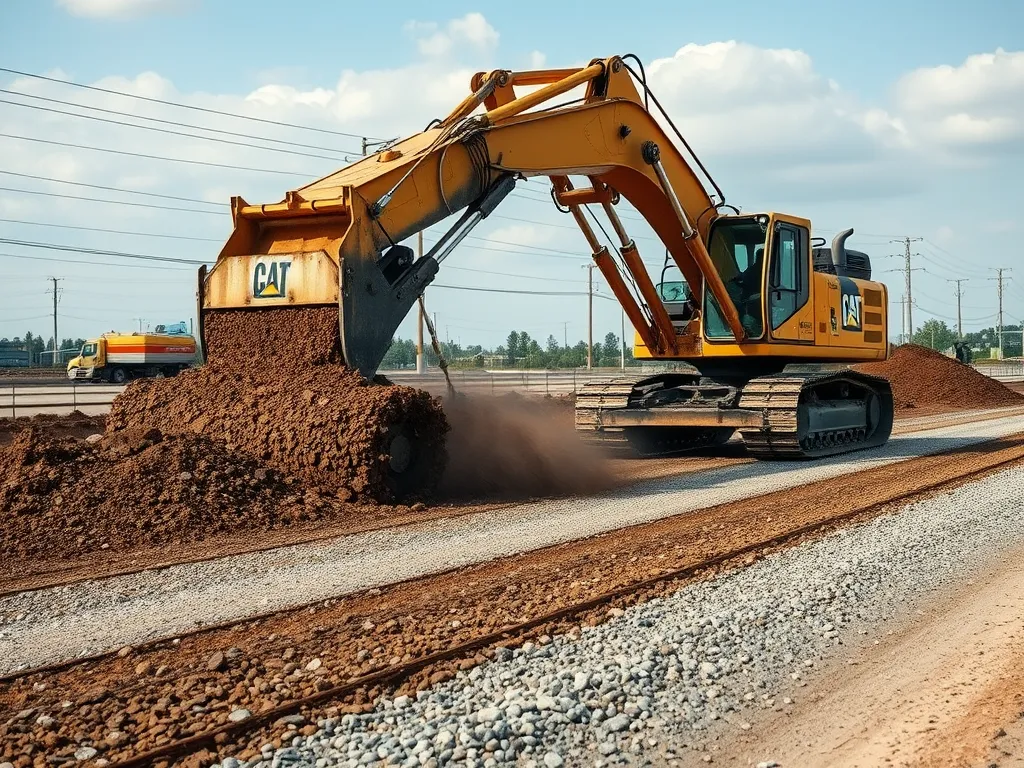
Asphalt milling removes worn surfaces while preserving the base layer. This method prepares roads for fresh overlays or full-depth recycling. Let’s break down how it works.
Step-by-step Breakdown
The milling process involves three stages. Each ensures precise material removal and recycling.
Surface Preparation
Crews clear debris and mark underground utilities with spray paint. Traffic controls like cones or signs keep workers safe. Infrared scans detect moisture levels, ensuring optimal milling conditions.
Milling Machine Function
Cold planers use rotating drums with carbide teeth to grind asphalt. These machines adjust depths from 1 inch to 12 inches. Conveyor belts load milled material directly into hauling trucks. Modern units process up to 1,000 tons per hour.
Material Collection and Transport
Front loaders move milled asphalt into dump trucks. Haulers deliver it to plants for reuse in new mixes. A single milling job can reclaim 95-100% of existing pavement.
Equipment Used in Asphalt Milling
Specialized machinery ensures efficiency and precision during milling.
Cold Planers and Recyclers
Cold planers range from 12-inch compact units to 14-foot-wide ride-on models. Recyclers add binding agents like bitumen emulsion to milled material, creating ready-to-pave mixes on-site.
Loaders and Hauling Trucks
Wheel loaders with 3-5 cubic yard buckets handle heavy material transfer. Hauling trucks with 20-25-ton capacities transport milled asphalt at $0.15-$0.35 per ton-mile. Pneumatic systems reduce dust during loading.
With milled asphalt collected, the next phase explores how this material gets transformed through reclaiming techniques.
Also See: Collaboration Between Municipalities and Asphalt Manufacturers
The Asphalt Reclaiming Process
Asphalt reclaiming transforms worn-out roads into sturdy foundations without full removal. This method processes old pavement layers into a base for new surfacing. It cuts project timelines by up to 40% compared to traditional methods.
Step-by-step Breakdown
Three main actions turn old asphalt into a viable construction material. Each step affects structural strength and long-term performance.
Pavement Pulverization
Heavy pulverizers grind asphalt surfaces to depths of 6-12 inches. Rotating carbide teeth break pavement into 2-inch chunks. This granular mix forms a stable sub-base for rebuilding.
Mixing with Binding Agents
Workers add 2-4% binding materials to pulverized asphalt. Common options include liquid asphalt or Portland cement. These components form a semi-rigid matrix that resists shifting under loads up to 10,000 lbs per square inch.
Recompacting the Material
Vibratory rollers compress treated asphalt to 95% Proctor density—a standard compaction metric. Proper compression stops voids that allow water damage. Optimal density boosts load capacity by 30-50%.
Role Of Bonding Agents in Reclaimed Asphalt
Binding materials dictate how milled asphalt acts under stress. Portland cement creates rigid bases for highways handling heavy trucks. Asphalt-based binders suit flexible surfaces like driveways. Modern additives such as fly ash cut material costs by 15% without sacrificing stability.
With bonding innovations advancing, cost factors take priority in planning pavement strategies.
Cost Analysis Of Milling and Reclaiming
Examining costs helps determine whether milling or reclaiming fits your budget. Both methods offer savings over full-depth repaving, but prices vary based on project specifics.
Typical Costs for Asphalt Milling
Asphalt milling runs $0.50–$2.00 per square foot for depths up to 2 inches. Projects exceeding 10,000 square feet often see rates drop to $0.30–$1.50. Key variables include milling depth (standard: 1.5–3 inches), geographic location, and equipment type. Cold planers with carbide-tipped teeth consume $25–$50 per hour in fuel, while hauling trucks add $0.10–$0.20 per ton-mile for material transport.
Cost Factors in Reclaiming Projects
Reclaiming costs hinge on pavement thickness, binding agents, and labor. Using emulsified recycling agents adds $1.50–$3.00 per square yard. In-place recycling (stabilizing existing layers) cuts transport fees by 60% compared to off-site methods. Labor rates for skilled operators range $45–$75 per hour. Projects under 5,000 square feet might incur 15–20% higher costs due to setup inefficiencies.
Affordability Vs. Traditional Repaving
| Method | Cost per Sq Ft | Material Savings | Project Lifespan |
|---|---|---|---|
| Milling + Overlay | $1.50–$4.00 | 40–60% RAP reuse | 12–18 years |
| Full-Depth Reclaiming | $2.00–$5.00 | 90–100% RAP reuse | 15–25 years |
| Traditional Repaving | $3.00–$7.00 | 0% RAP reuse | 20–30 years |
Reclaimed asphalt pavement (RAP) slashes virgin material needs by 50–80%, trimming budgets by $8–$15 per ton. Landfill diversion further saves $10–$30 per ton in disposal fees.
While cost drives many decisions, performance metrics like surface durability also influence long-term value. Up next: exploring pros and cons of these methods for roads and driveways.
Pros and Cons Of Asphalt Milling and Reclaiming
Milling and reclaiming asphalt offer smart fixes for worn roads and driveways. But each method has trade-offs based on your project’s needs.
Benefits for Driveways and Roads
Reused asphalt cuts costs while keeping strength. Milling scrapes off old layers for reuse. Reclaiming blends crushed pavement with new binders.
Durability and Cost Savings
- Save $1-$3 per sq. ft. vs. new asphalt ($3-$7 per sq. ft.)
- Reclaimed mix lasts 15+ years with 95% compaction
- Millings resist cracks, ruts, and water damage
- EPA says 90% RAP reuse slashes mining needs
Limitations and Challenges
Not all sites work for recycling. Poor base layers or heavy oil spills may need full removal.
- Reclaiming needs 3-5% cement or lime for binding ($15-$30 per ton)
- Milled asphalt loses 10-15% volume during grinding
- Extreme cold (< 20°F) can cause surface gaps
- Special gear like cold planers adds $200-$500 daily
Beyond the balance of pros and cons, milling and reclaiming also shape how roads impact the earth. Let’s explore their green perks next.
Environmental Impact Of Milling and Reclaiming
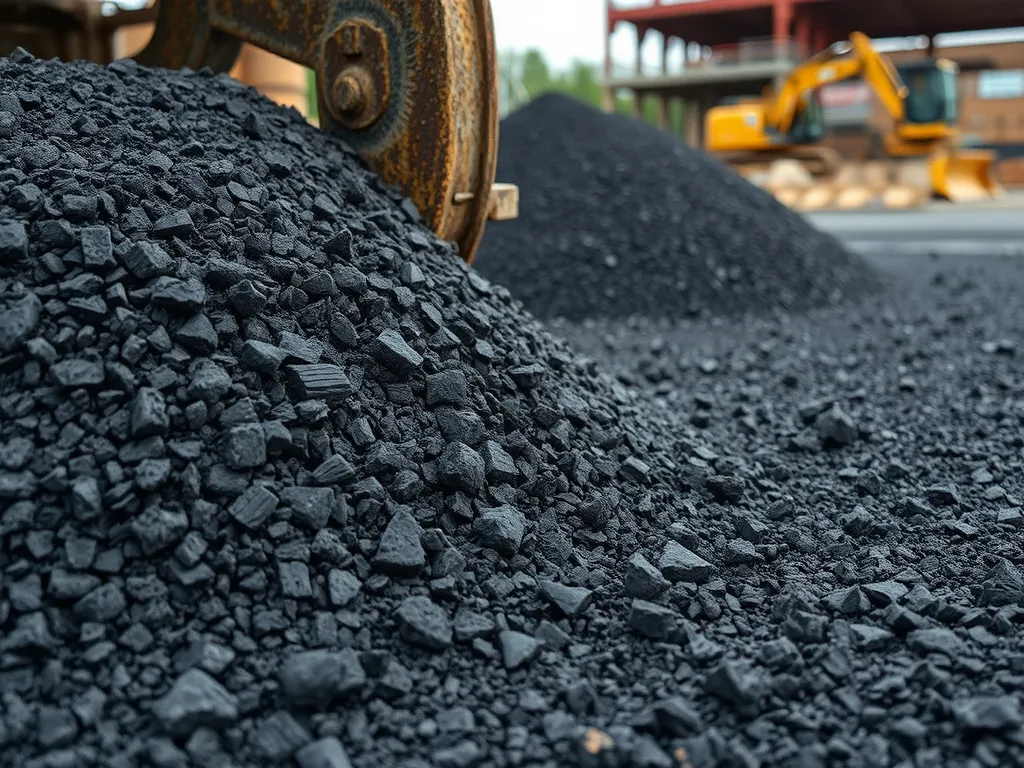
Asphalt milling and reclaiming transform aging roads into sustainable assets. These methods slash environmental strain while maintaining structural integrity.
Reduction Of Landfill Waste
Every year, milling diverts 90 million tons of reclaimed asphalt pavement (RAP) from landfills. A typical highway project recycles 6,000-8,000 tons of material through cold planing. This prevents soil contamination from bitumen leaching while preserving 20-30% of landfill space per mile of road treated. RAP stockpiles at plants now average 200,000 tons nationally, creating ready-to-use reserves for new projects.
Energy Efficiency and Resource Conservation
Reclaiming asphalt requires 50% less energy than virgin production. Recycling at 250°F instead of 300-350°F for new mixes cuts fuel use by 1.2 gallons per ton. Each ton of RAP used preserves 3-5 gallons of liquid asphalt binder and 95% of original aggregates. This saves 3.2 million barrels of binder annually – enough to surface 4,800 lane miles. CO2 emissions drop 30% when using 25% RAP content in mixes meeting AASHTO MP 31 standards.
With environmental advantages clear, precise material calculations ensure these benefits translate to real-world projects.
How to Find Asphalt Millings Needed
Get the right amount of millings for your job. Wrong guesses waste time or cash. Use math or tools to plan smart.
Using a Tool for Projects
Tools like the Asphalt Calc app make it fast. Plug in three numbers: length (feet), width (feet), depth (inches). The tool does the math. For driveways, aim for 3-4 inches depth. Roads need 6-8 inches. Example: A 20ft x 50ft drive at 4in depth needs ~37 tons (RAP weighs 120 lbs per cubic foot).
What Changes How Much You Need
Four main things change your totals:
- Pack rate: Fresh millings pack 15-25% when pressed. Add 20% extra to your first guess
- Job type: Driveways use less than roads. High-traffic zones need thicker layers
- Mill depth: Deeper cuts (up to 12 inches) change how much raw stuff you get
- Base fixes: Bad dirt under? Add 2-3 inches more millings to fill gaps
Check your gear. Big cold planers can mill 4,000 sq ft per hour. Small gear? Half that rate. Time your hauls right – trucks carry 15-20 tons each load.
Now that you know amounts, let’s break down what these choices cost.
FAQs on Asphalt Milling and Reclaiming
Is Reclaimed Asphalt Suitable for Driveways?
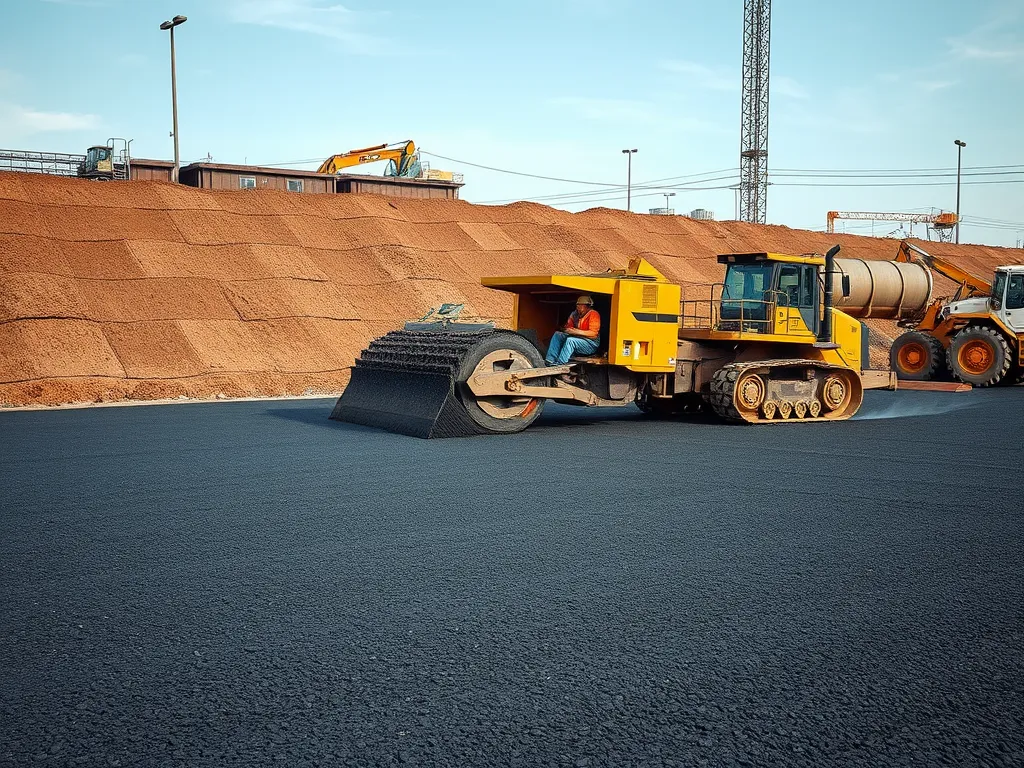
Yes, reclaimed asphalt is highly suitable for driveways. It’s durable, cost-effective, and can handle varying weather conditions. Additionally, it packs tightly, creating a solid surface that resists cracking and ruts.
Can Milling Be Combined With Overlays?
Absolutely! Asphalt milling is often used in combination with overlays. The milling process prepares the surface by removing the damaged top layer, ensuring better adhesion of the new asphalt overlay. This method enhances the road’s durability and smoothness.
How Long Does Milled Asphalt Last?
Milled asphalt typically lasts between 12 to 18 years, depending on usage and environmental conditions. With proper installation and maintenance, it can provide a robust surface for many years, making it a sustainable choice for both roads and driveways.
Closing Thoughts
Asphalt milling and reclaiming are vital processes in modern paving projects, offering cost-effective and environmentally friendly solutions. Milling removes the top layer of asphalt, allowing for repairs and improvements without full reconstruction. Reclaiming, on the other hand, repurposes asphalt materials for new projects, enhancing sustainability.
Understanding the differences between these methods can help you make informed decisions for your road or driveway projects. Consider factors like project scope, budget, and long-term durability when choosing the right approach. Each method presents unique benefits and challenges that can significantly impact your final results.
For more information on asphalt milling, reclaiming, and related tools like asphalt calculators, check out Asphalt Calculator USA. Your paving success starts with informed choices!
Additional Resources for You:
- Transportation Research Board (TRB, Peer-Reviewed Research & Circulars)
- Asphalt Milling vs Full Depth Reclamation | Government : Government
- Asphalt Milling 101: What Is It and Why Is It Important? – Pro Property Maintenance
- The Ultimate Guide to Asphalt Millings: What They Are and How to Use Them for Your Asphalt Milling Needs
- Milling and Reclamation Services | Landmark Paving