The Role Of Recycled Materials in Asphalt Production
Published on: April 29, 2026 | Last Updated: April 14, 2025
Written By: George Voss
Recycled materials play a critical role in asphalt production by replacing virgin aggregates and bitumen with reclaimed pavement, shingles, and industrial byproducts. Recycled Asphalt Pavement (RAP) — crushed old roads and parking lots — makes up 15-30% of new asphalt mixes in the U.S., while Recycled Asphalt Shingles (RAS) add flexibility and cost savings. This approach keeps 90 million tons of waste out of landfills yearly, cuts production costs by up to 30%, and meets ASTM standards for road durability. States like California and Texas now allow up to 40% RAP in highway projects, proving recycled asphalt performs as well as virgin materials.
This article breaks down how recycled materials transform asphalt production. Learn how RAP and RAS boost sustainability, reduce reliance on mined aggregates, and lower project budgets. Explore methods like hot in-place recycling, cold mix processes, and quality control tests. Discover why 99% of asphalt removed during road repairs gets reused, and how challenges like material variability are addressed. From cost comparisons to environmental benefits, we cover the facts behind asphalt recycling’s growing role in modern construction.
Introduction to Recycled Materials in Asphalt
Recycled materials now play a vital role in asphalt production, cutting waste while maintaining pavement strength. These materials include reclaimed asphalt pavement (RAP), recycled asphalt shingles (RAS), and industrial byproducts like steel slag. They replace virgin aggregates and bitumen, lowering environmental impact without sacrificing road performance.
Defining Recycled Asphalt Pavement (RAP)
Recycled Asphalt Pavement (RAP) consists of milled asphalt from roads, parking lots, or driveways. It contains 90-95% aggregates and 5-10% aged bitumen. Processed into ½-inch minus material, RAP blends with fresh asphalt binders to create recycled asphalt concrete. Most states allow 15-30% RAP in surface mixes, with some permitting up to 50% for base layers.
Historical Context Of Asphalt Recycling
Asphalt recycling began in 1915 but gained traction during the 1973 oil crisis. Rising bitumen costs pushed contractors to reuse existing materials. The Federal Highway Administration now reports 99% of RAP gets reused in new roads. Modern PG-graded binders and Superpave mix designs enable higher RAP percentages without cracking risks. Since 2009, U.S. asphalt recycling has saved 60 million tons of virgin aggregates annually.
This groundwork in material reuse sets the stage to explore how these practices drive cost savings and performance gains.
Benefits Of Recycling Asphalt
Integrating recycled materials into asphalt production creates economic and environmental wins. Let’s break down three core advantages driving industry adoption.
Cost Efficiency in Asphalt Production
Recycled asphalt pavement (RAP) slashes material expenses. Using 20-30% RAP in mixes saves up to 40% in material costs compared to virgin asphalt. Reduced demand for new bitumen—a petroleum product—cuts exposure to volatile oil prices. Energy use drops too: producing hot-mix asphalt with RAP requires 15-20% less fuel due to lower heating temps. Contractors also save $3-$5 per ton by avoiding landfill fees for old pavement.
Resource Conservation and Reduced Virgin Material Use
Every ton of RAP preserves roughly 1.3 tons of virgin aggregates and 7% bitumen. The U.S. recycles 100 million tons of asphalt annually, cutting virgin aggregate use by 20-30% in road projects. This reduces mining needs while preserving natural reserves. Bitumen savings hit 2.4 million tons yearly—enough to pave 3,000 lane-miles of highway. Closed-loop systems keep 90% of reclaimed pavement in active use, shrinking asphalt waste product volumes.
Enhanced Performance Of Recycled Asphalt Concrete
Modern recycled asphalt concrete (RAC) often outperforms virgin mixes. PG binders—performance-graded polymers—strengthen aged bitumen during recycling. RAC mixes show 15-30% higher stiffness modulus, improving rutting resistance. A 2021 study found roads with 30% RAP had 22% fewer cracks over a decade. Cold-in-place recycling (CIR) techniques boost durability by binding layers into monolithic structures. These upgrades extend pavement lifecycles while meeting AASHTO M 323 specs.
With these benefits proven, the next question becomes: where exactly do recycled materials fit into paving projects? Let’s explore where these high-performance recycled materials get put to work.
Uses Of Recycled Materials in Asphalt Production
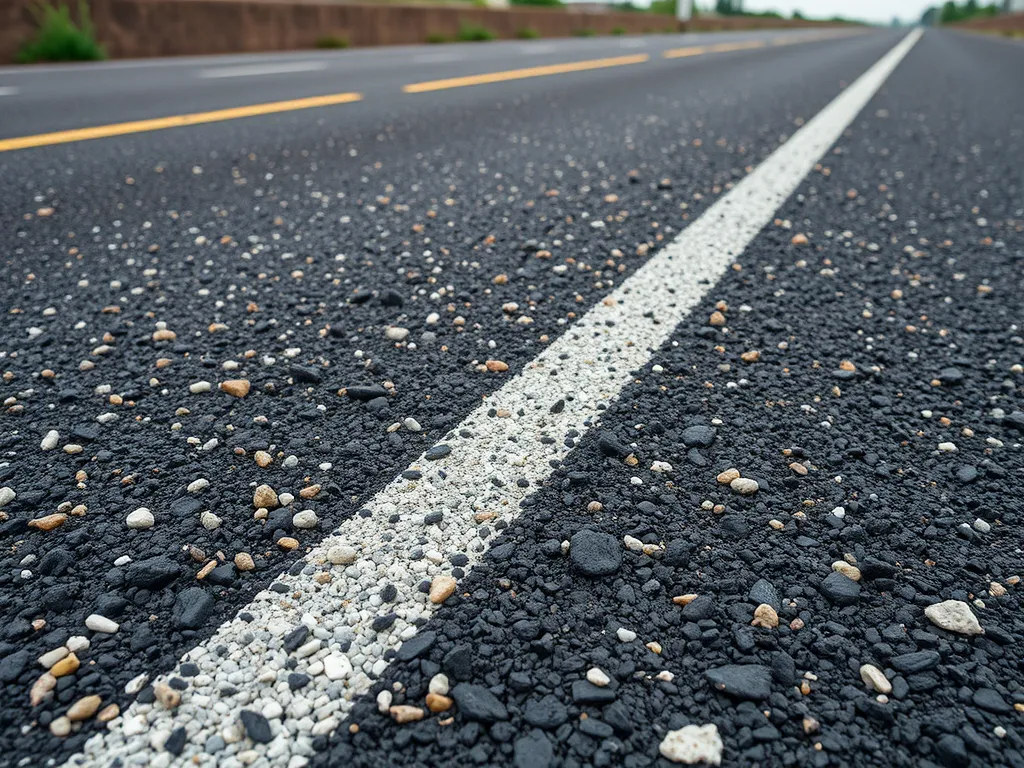
Recycled asphalt pavement (RAP) transforms asphalt waste into valuable resources across multiple applications. From highways to driveways, these materials cut costs while boosting sustainability.
Road Construction and Maintenance
Road construction projects consume over 90% of recycled asphalt. RAP blends with virgin aggregates and binders to create durable asphalt for roads. Modern plants now handle mixes with 30-50% RAP without sacrificing structural integrity.
Incorporating RAP in Asphalt for Roads
Milling machines grind old pavement into ½-inch RAP chunks. These get heated at 300°F–350°F, then mixed with fresh bitumen. Superpave mix designs—developed under the 1993 Strategic Highway Research Program—optimize RAP ratios for traffic loads. High-RAP mixes reduce CO2 emissions by 20% compared to virgin asphalt.
Patching and Pothole Repairs
Cold-mix asphalt made with 100% RAP fills potholes fast. No heating required—workers apply it straight from the bag. This method slashes repair costs by 30% and keeps 1.8 million tons of asphalt waste out of landfills yearly.
Base and Subbase Layers for Pavements
Crushed RAP forms stable bases under new pavement. Tests show RAP-base layers withstand 15,000 psi—equal to crushed stone. Contractors use geotextile fabrics to prevent fines migration, ensuring long-term stability.
Parking Lot and Driveway Applications
Driveways with 40% RAP mixes last 12–15 years—matching virgin asphalt performance. Parking lots using RAP save $1.50–$3.00 per square foot. Permeable recycled asphalt concrete even tackles stormwater runoff, absorbing up to 5 gallons per minute per square yard.
Next, let’s break down the machinery and methods that turn old pavement into new roads.
Also See: DIY Asphalt Maintenance Tips for a Fresh Driveway
How Asphalt Recycling Works
Recycled materials transform asphalt production through advanced techniques. Two primary methods dominate the field: hot and cold recycling. Both processes repurpose asphalt waste into road-ready materials.
Hot In-place Recycling (HIR)
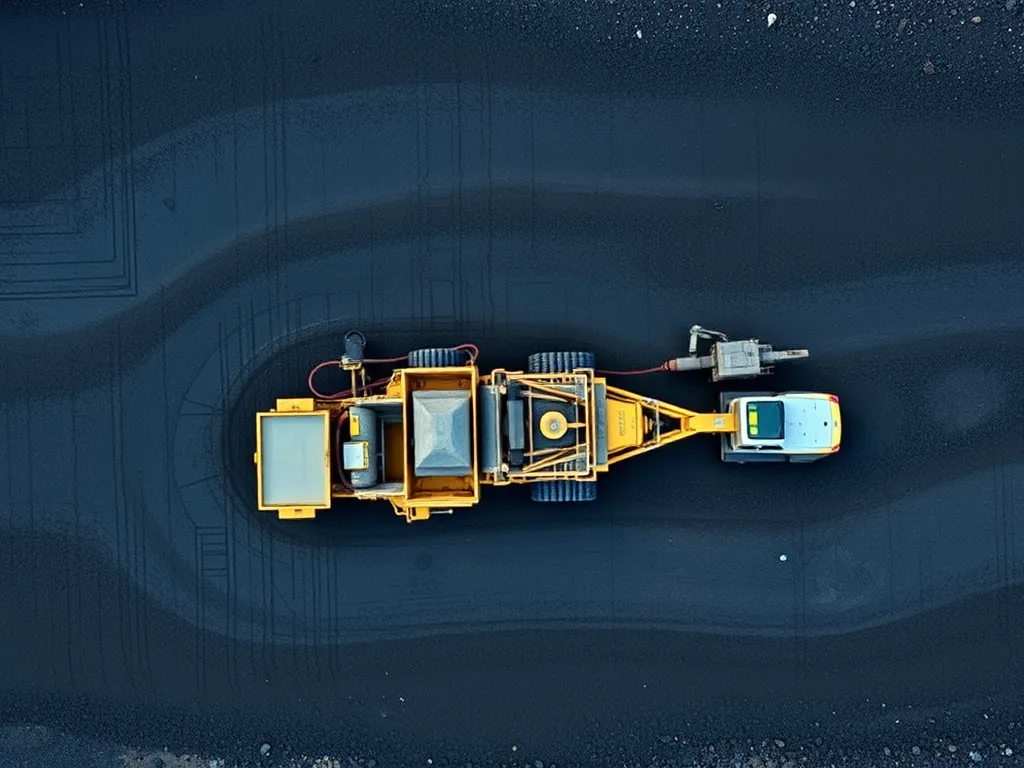
HIR heats existing pavement to 300-350°F using specialized equipment. The softened asphalt gets scarified, mixed with fresh binder or additives, then recompacted. This method allows up to 100% reuse of old pavement layers. PG binders (performance-graded asphalt cement) ensure consistent quality during blending.
Advantages of Hot Recycling
- Saves 20-30% costs vs. full-depth replacement
- Lowers CO₂ emissions by 50% vs. virgin mixes
- Minimizes traffic disruptions with same-day reopening
Cold In-place Recycling (CIR)
CIR processes pavement at ambient temperatures. Milling machines pulverize old asphalt, blend it with cement or emulsified asphalt, then relay the mix. No heat means 40% less energy use compared to HIR. Superpave mix designs often optimize recycled asphalt concrete performance here.
Advantages of Cold Recycling
- Works in temperatures as low as 40°F
- Handles up to 6-inch pavement layers
- Reduces material costs by $8-$12 per ton
Processing Asphalt Waste Into Reusable Materials
Asphalt waste undergoes four steps:
- Collection: Milling machines remove old pavement (RAP yields: 80-100 tons/hour)
- Crushing: Jaw crushers reduce chunks to 0.5-1.5-inch aggregate
- Screening: Vibratory screens sort materials by size
- Blending: RAP mixes with virgin aggregate at 15-30% ratios
Advanced plants now achieve 95% material recovery rates.
With these methods established, let’s examine how much recycled content modern asphalt mixes actually contain.
Percentage Of Recycled Asphalt in Production
Recycled asphalt now plays a big part in road builds. Rates vary by place and project needs.
National and Regional Recycling Rates
The U.S. reuses 94% of old road asphalt each year. States like WA and NJ mix 30-35% recycled stuff in new roads. Europe leads with 60% reuse rates. Germany hits 90% in some jobs. Warm states push higher rates due to better RAP stock.
Factors Influencing Recycled Material Ratios
State rules set max RAP levels—15% to 40% based on road type. Local RAP supply impacts use. Hot mix plants handle 20% RAP with no gear changes. Cold spots limit ratios to stop cracks. High-stress roads cap RAP at 15% for strength. New tech like warm mix lets plants use 50% RAP with less fumes.
But high recycled content can change how asphalt acts. Next, we’ll see why some jobs still pick new asphalt over reused stock.
Disadvantages Of Reclaimed Asphalt Pavement
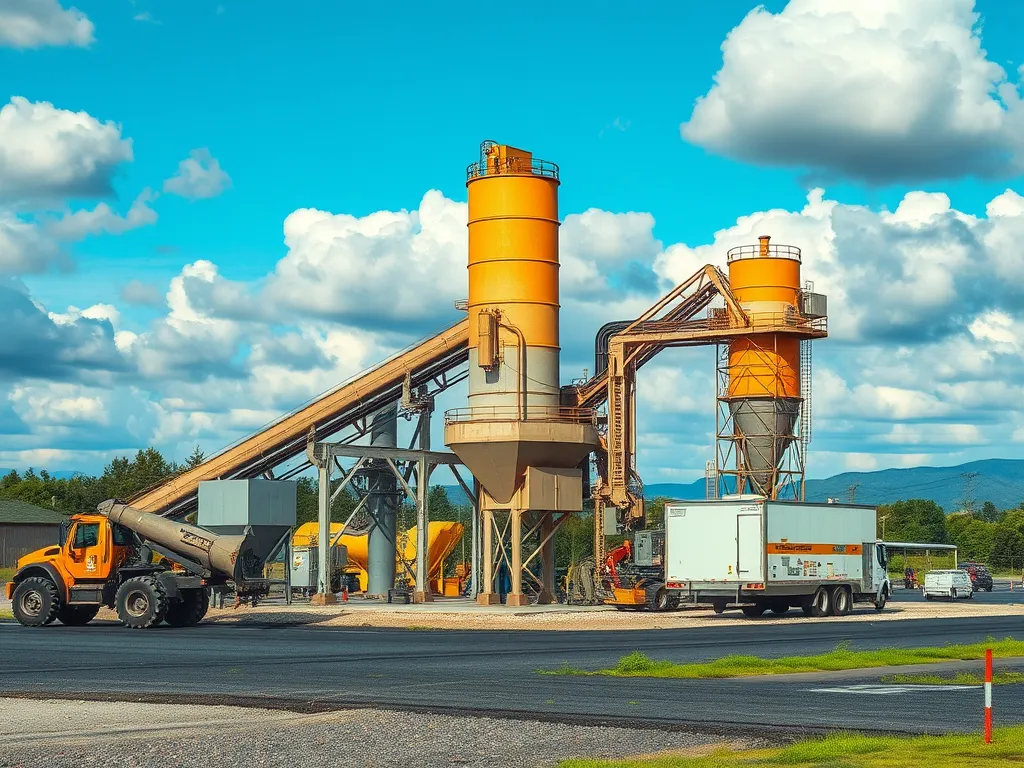
While recycled asphalt pavement (RAP) offers environmental and economic benefits, certain challenges limit its universal adoption. These hurdles require careful evaluation during project planning.
Quality Variability in Recycled Asphalt Material
RAP composition depends on the original pavement’s age, traffic load, and exposure to elements. Aged binder content can range from 3% to 7%, while aggregate gradation may vary across batches. Contaminants like dirt or roofing shingles further complicate mix designs. Engineers must run frequent tests—such as PG binder grading or Superpave volumetric analysis—to ensure recycled asphalt concrete meets ASTM D3515 standards. This adds time and lab costs to projects.
Processing Costs and Equipment Requirements
Setting up RAP processing demands specialized machinery. Milling machines cost $300,000-$500,000, while crushers and screening plants add $150,000-$250,000. Heating recycled asphalt for reuse also spikes energy use by 15-20% compared to virgin material production. Contractors in regions with limited RAP availability face higher transport fees, negating savings from reduced aggregate purchases. For smaller projects under 10,000 tons, these upfront expenses often outweigh long-term benefits.
Limitations in High-stress Applications
Recycled asphalt struggles in areas with extreme loads or temperature swings. The aged binder in RAP becomes brittle over time, raising risks of thermal cracking on highways or airport runways. Current guidelines cap RAP content at 15-20% for high-stress zones versus 30-40% in local roads. Federal Aviation Administration (FAA) specifications prohibit RAP in runway surface layers due to stiffness concerns. Projects needing PG 76-22 or higher binders often require virgin additives to meet performance targets.
These challenges highlight the need for thorough cost-benefit analysis when planning RAP use. Next, let’s break down the financial aspects of recycled asphalt production.
Cost Analysis Of Recycled Asphalt
Using recycled materials in asphalt production reshapes budgeting for road projects. Contractors balance upfront expenses against decades of pavement performance. Let’s break down the numbers.
Initial Investment Vs. Long-term Savings
Processing recycled asphalt pavement (RAP) requires milling machines, crushers, and RAP storage facilities. A single asphalt recycler costs $250,000-$500,000. But reusing RAP slashes material costs by 30-50% per ton. Agencies save $2-$5 per square foot on resurfacing by mixing 20-30% RAP. Over 20 years, roads with recycled asphalt concrete need 40% fewer repairs. Payback periods for recycling equipment often drop below five years.
Comparing Costs to Virgin Asphalt Materials
Virgin asphalt relies on crude oil prices, with bitumen costing $400-$800 per ton. RAP replaces 10-30% of new binder needs. Aggregate recycling cuts quarrying expenses by $10-$15 per ton. A 2023 FHWA study found roads with 25% RAP cost $75 per ton versus $110 for virgin mixes. EPA data shows recycling asphalt waste reduces landfill fees by $30-$50 per ton. Warm-mix additives let plants run at 250°F instead of 300°F, trimming fuel bills by 20%.
With costs mapped, the next layer examines how quality control keeps recycled asphalt pavement performing like new mixes.
Quality Control and Testing in Asphalt Recycling
Maintaining performance standards remains critical when adding recycled materials to asphalt production. Strict protocols verify recycled asphalt pavement (RAP) meets structural requirements for roads, parking lots, and driveways.
Testing Standards for Recycled Asphalt Products
ASTM D6925 and AASHTO T 308 govern RAP testing. Gradation analysis checks aggregate size distribution using sieves. Binder content tests measure bitumen levels with ignition ovens, ensuring 4-7% asphalt cement remains in processed RAP. PG binder grading confirms viscosity matches project needs – PG 64-22 works for most climates.
- RAP stockpiles tested every 500 tons
- Maximum 1% contamination from debris
- Moisture content below 3% to prevent mix issues
Ensuring Compliance With Industry Specifications
State DOTs and FHWA set RAP limits based on traffic loads. Interstate highways allow 15-20% RAP in surface layers, while local roads permit 30-50%. Plants use infrared cameras to spot temperature inconsistencies during mixing. Third-party labs validate batch samples meet Superpave volumetric specs for air voids (4-8%) and VMA (13-18%).
Regular equipment calibration prevents deviations. Drum mixers maintain 280-325°F for proper binder activation. Annual audits check stockpile management practices, reducing quality gaps that could lead to premature cracking or rutting.
Meeting these benchmarks allows recycled asphalt to perform like virgin materials – a key factor as contractors balance eco-friendly goals with pavement longevity. Next, we examine obstacles still impacting broader adoption of recycling methods.
Challenges in Asphalt Recycling
While recycled asphalt cuts costs and saves resources, the process faces roadblocks. These hurdles slow down wider use in paving projects.
Technical Barriers in Material Processing
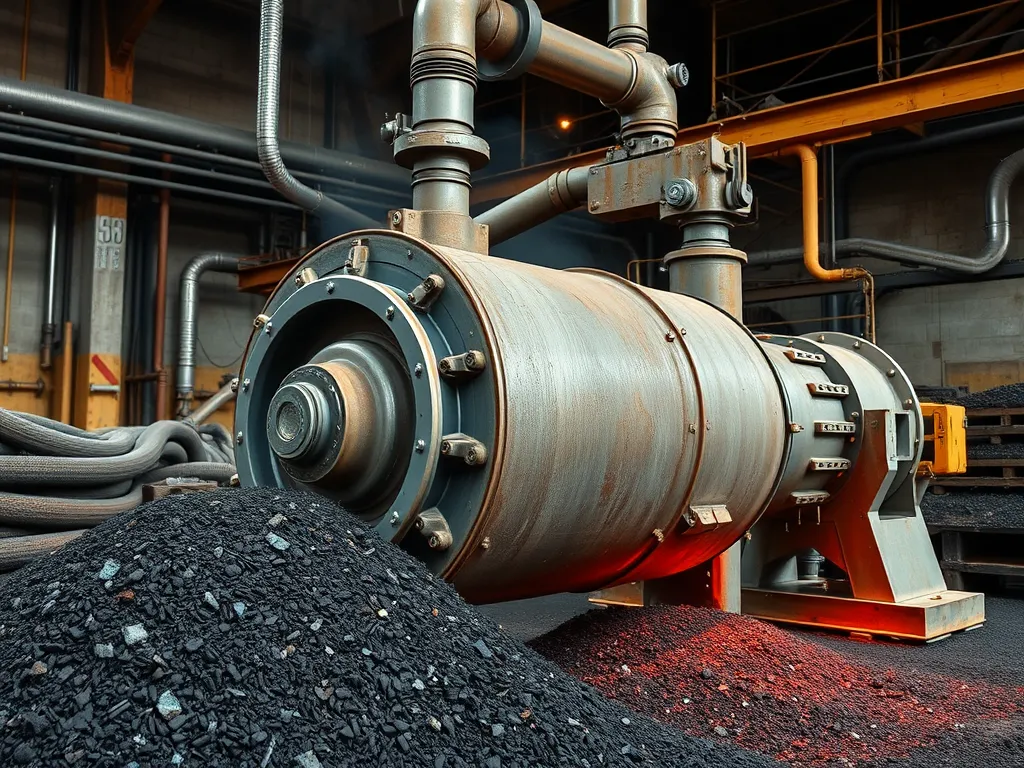
Old asphalt must be ground, sorted, and mixed with new binders like PG 64-22. Contaminants (dirt, debris) lower quality. Heat levels matter: too high burns binders, too weak causes cracks. RAP stockpiles need strict moisture control to prevent clumping. Upgrading plants to handle 40% RAP mixes costs $500k+ for high-tech gear like parallel drum heaters.
Logistical Challenges in Transporting Asphalt Waste
Moving heavy asphalt waste eats into savings. A single lane-mile of road creates 27,000 tons of debris. Hauling it 50+ miles raises costs by $15/ton. Storage space for stockpiles must meet local rules—some states ban RAP piles near water sources. Timing is key: mills must send waste to plants within 24 hours to keep it reusable.
Market Perception Of Recycled Asphalt Quality
Some builders fear recycled mix wears faster. A 2021 NAPA study found 92% of RAP roads met specs, yet 4 in 10 contractors still limit use. Cold spots in recycled batches can cause rutting. States like Texas now allow 35% RAP in surface layers, backed by PG 76-28 polymer binders to beat thermal cracking at 100°F+ temps.
Solving these issues paves the way for greener roads. Next, we’ll break down how recycled asphalt stacks up against virgin materials in eco-impact.
Environmental Impact Of Recycled Asphalt
Using recycled materials in asphalt production reshapes how the industry interacts with ecosystems. Recycled asphalt pavement (RAP) cuts emissions, preserves finite resources, and tackles waste management challenges head-on.
Sustainability Benefits for Asphalt Manufacturing
Integrating RAP into asphalt production slashes energy use by up to 20% compared to virgin material processing. Manufacturing recycled asphalt concrete emits 56 million metric tons less CO₂ yearly in the U.S. alone. Key benefits include:
- Lowered demand for mined aggregates, preserving natural reserves
- Reduced reliance on petroleum-based binders like PG 64-22
- Extended pavement life cycles through improved mix durability
Superpave specifications now permit up to 40% RAP content in surface layers without compromising structural integrity. This shift keeps 1.2 billion gallons of bitumen in circulation yearly.
Reducing Landfill Use From Asphalt Waste Products
The U.S. generates 90 million tons of asphalt waste yearly. Recycling diverts 99% of reclaimed pavement from dumps. One mile of recycled road saves 30,000 cubic feet of landfill space. Benefits cascade beyond volume reduction:
- Prevents leaching of bitumen residues into soil systems
- Eliminates particulate emissions from crushing virgin rock
- Cuts disposal costs by $18–$25 per ton for contractors
States like California mandate 15–35% recycled content in publicly funded projects, pushing diversion rates higher. Cold-in-place recycling methods further minimize waste by rehabilitating roads in situ.
While environmental gains drive adoption, questions persist about balancing ecological goals with performance needs. Next, we examine how recycled content percentages shape real-world outcomes.
Frequently Asked Questions
What is Recycled Asphalt Pavement (RAP)?
Recycled Asphalt Pavement (RAP) refers to the reclaimed asphalt from old roads, parking lots, or driveways that have been processed for reuse in new asphalt mixtures. It typically contains a mixture of aggregates and aged bitumen, contributing to sustainable paving solutions.
How Does the Use Of Recycled Materials Impact the Quality Of Asphalt?
The use of recycled materials, including RAP, can enhance the quality of asphalt if properly managed. When modern techniques and appropriate binder grades are used, recycled asphalt concrete can perform as well as or even better than virgin asphalt by providing increased durability and lower crack formation.
What Special Regulations Apply to the Use Of Recycled Asphalt Materials?
Regulations regarding recycled asphalt materials vary by state and local guideline agencies. They often stipulate maximum allowable percentages of RAP in mixes based on road type and traffic conditions. Testing and certification ensure that recycled materials meet quality standards, ensuring safety and performance.
How Do Environmental Benefits Compare Between Recycled Asphalt and Virgin Asphalt?
Recycled asphalt significantly lowers greenhouse gas emissions and reduces energy consumption compared to virgin asphalt. The integration of RAP can lead to a substantial decrease in CO2 emissions, preservation of non-renewable resources, and less landfill waste, thereby enhancing overall sustainability in asphalt production.
What Are the Ongoing Challenges Faced by the Asphalt Recycling Industry?
The asphalt recycling industry continues to face challenges, including variability in the quality of recycled materials, processing and logistical issues, market perceptions about the performance of recycled asphalt, and the need for advanced equipment to handle high percentages of RAP effectively. Addressing these challenges is crucial for broader adoption and optimization of recycled materials in asphalt production.
Closing Thoughts
The integration of recycled materials in asphalt production is reshaping the construction landscape. Utilizing Recycled Asphalt Pavement (RAP) not only enhances cost efficiency but also maximizes resource conservation. As asphalt recycling technologies advance, the quality and performance of recycled materials continue to improve, making them a viable option for various applications, from road construction to pothole repairs.
Despite the challenges, such as quality variability and market perception, the benefits significantly outweigh the drawbacks. Saving up to 25% on costs while promoting sustainability makes a strong case for industry adoption. As we push for eco-friendly practices, recycled asphalt emerges as an essential component for future roadways.
For more information on asphalt-related topics, visit Asphalt Calculator USA.
Additional Resources for You:
- Federal Highway Administration (FHWA) – Asphalt Pavement Technologies
- Reclaimed Asphalt Pavement: How Recycling Can Benefit the Road Construction Industry – TEC Containers
- Study on recycling of waste asphalt blocks containing roadbed materials using new screenless separation equipment with a vibration device – ScienceDirect
- Reclaimed Asphalt Pavement – User Guideline – Asphalt Concrete (Hot Recycling) – User Guidelines for Waste and Byproduct Materials in Pavement Construction – FHWA-RD-97-148
- Review of recycling waste plastics in asphalt paving materials – ScienceDirect