Tips for Creating Strong Edges and Joints in Asphalt
Published on: May 1, 2026 | Last Updated: April 14, 2025
Written By: George Voss
Strong edges and joints in asphalt require precise techniques to prevent cracks and water damage. Key methods include cutting clean vertical joints, compacting layers at 300°F, and applying bonding agents like tack coat emulsions. These practices apply to driveways, roads, and parking lots. Proper execution extends pavement life by 30% and reduces repair costs by up to 40%. DIYers and pros alike benefit from mastering edge support installation and joint sealing to avoid raveling or potholes.
This article breaks down professional methods for durable asphalt edges and joints. You’ll learn surface preparation steps like cleaning and priming. We’ll explain how to choose the right asphalt mix grade and tools like infrared heaters for thermal bonding. Explore compaction patterns, avoid cold weather mistakes, and discover eco-friendly options like recycled asphalt patches. Get ready to build edges that withstand heavy traffic and seasons.
Why Strong Edges & Joints Matter in Asphalt
Edge and joint failures account for 60% of asphalt pavement repairs. These critical zones bear vehicle loads, weather shifts, and thermal stress. Get them right, and your pavement lasts 8-12 years longer.
Preventing Water Infiltration & Cracking
1 inch of water seepage weakens base layers within 3 freeze-thaw cycles. Poorly sealed joints act like entry points, accelerating rutting and alligator cracking. High-density edges with vertical compaction (95% Proctor density) block moisture. Pair this with polymer-modified tack coats for 360° protection against hydroplaning and oxidation.
Ensuring Long-term Structural Integrity
Edges supporting 10-ton truck traffic need 150-200 PSI lateral strength. Weak horizontal joints crumble under shear forces, causing edge raveling. Infrared joint heaters maintain 275°F thermal bonding temperatures, fusing new and existing asphalt. This prevents layer separation—a key factor in 70% of premature pavement failures.
Get these elements right, and you’re set to tackle the next challenge: prepping surfaces for maximum adhesion.
Preparation for Durable Asphalt Joints
Building asphalt that holds up starts long before mix hits pavement. Focus on three critical factors during planning to avoid splits, cracks, or crumbling at vital link points.
Proper Surface Cleaning &Amp; Priming
Dirt, oil, or loose rocks ruin adhesion. Blow off dust with 175-250 PSI air compressors. Apply tack coat at 0.05-0.15 gal/sy rates using spray bars for full coverage. Missing this step cuts bond strength by 50% in lab tests. Tack coats work best within 60 minutes of application.
Temperature Control Of Asphalt Mix
Hot mix asphalt needs 275°F-325°F temps during placement. Infrared guns verify heat levels. Below 250°F? Compaction fails. Above 350°F? Binder burns. For cold joints, warm existing asphalt with infrared heaters to 200°F minimum. Thermal gradients over 50°F between old/new material trigger cracks.
Edge Support Installation (Forms or Curbing)
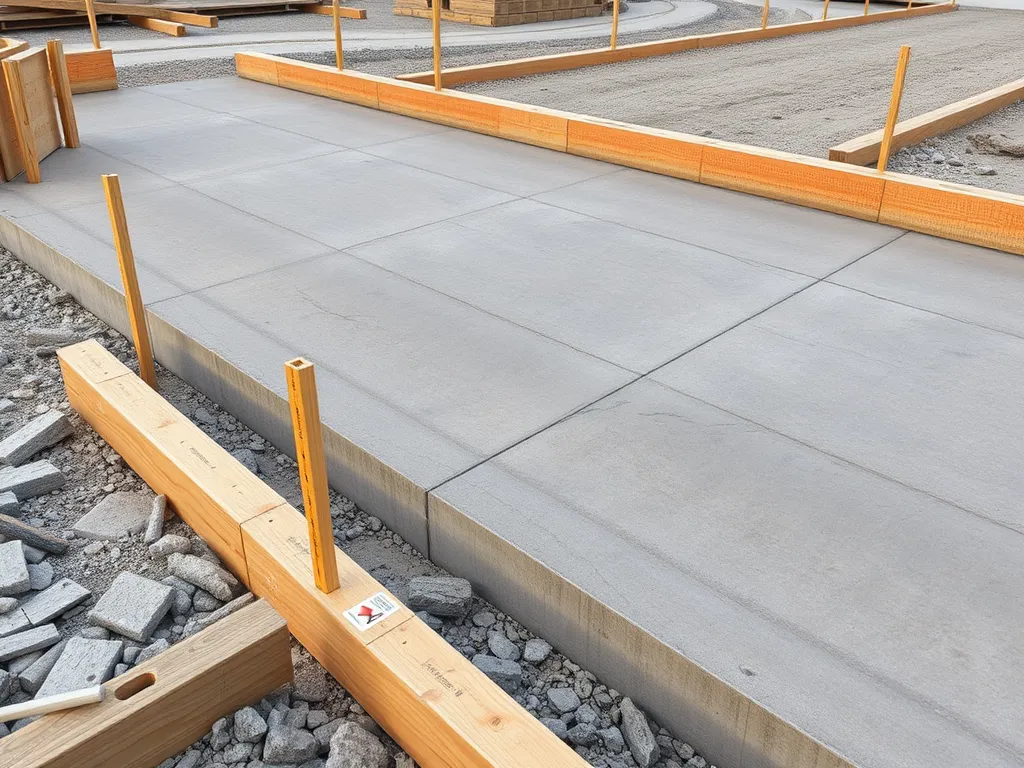
Wood forms or concrete curbs stop mix from sagging. Set forms 0.5″ above final pavement height. Use 2×6 boards with stakes every 4 ft. For curbs, install 6″ tall barriers with 45-degree backslope. Remove forms only after mix cools below 120°F to hold sharp vertical lines.
Solid groundwork sets up lasting links. With clean surfaces, strict temp checks, and physical barriers in place, focus shifts to what goes into those joints.
Material Selection Essentials
Pick smart stuff to build edges and joints that last. The right mix, glue, rocks, and tar make all the difference.
Choosing the Right Asphalt Mix Grade
Use PG binders (like PG 64-22) made for your weather. Hot zones need stiff grades. Cold spots use soft ones. Mixes with 5-7% binder hold edges better. Check Superpave specs for traffic load needs.
Using Bonding Agents for Joint Adhesion
Spray tack coat (SS-1h) on cold joints before laying hot mix. Apply 0.05-0.15 gal/yd². For old roads, use AC-30 oil prime. Heat glue to 300°F for max stick. Wait 15-30 mins after spraying – dry but still tacky.
Aggregate Size & Binder Quality Checks
Small rocks (3/8″ max) pack tight near edges. Test binder with DSR for shear strength. Recycled asphalt (RAP) works if under 30% in mix. Avoid tar with low Pen grade (under 60) – cracks fast in cold.
Good stuff sets the base. Now let’s dive into hands-on steps to lock those edges in place.
Also See: Average Lifespan Of Sealcoated Asphalt: Key Insights
Key Techniques for Edge &Amp; Joint Strength
Proper execution separates lasting asphalt joints from failure points. Focus on these field-tested methods to lock edges in place.
Vertical Face Joint Preparation
Vertical joints between new and existing asphalt require surgical precision. Follow these steps for watertight seals.
Cutting Clean Cold Joints
Use diamond blades to cut vertical joints at 90° angles with 1/4″ depth minimum. Remove debris with air compressors (100+ PSI) for maximum adhesion. Cold joints cut without heat prevent aggregate displacement common in hot sawing.
Applying Tack Coat Between Layers
Spray PG64-22 tack coat at 0.10 gal/sq yd on vertical faces within 15 minutes of placement. This asphalt emulsion bonds layers at 300-500 psi shear strength – critical for heavy truck traffic areas.
Horizontal Joint Compaction Methods
Horizontal joints demand strategic compaction to match adjacent pavement density. These methods prevent edge drop-offs.
Overlap & Feathering Techniques
Extend new mats 6″ beyond existing edges. Feather material from 3/4″ thick at the joint to standard lift thickness over 18″. This 3:1 slope prevents roller-induced cracks during compaction.
Roller Patterns for Edge Density
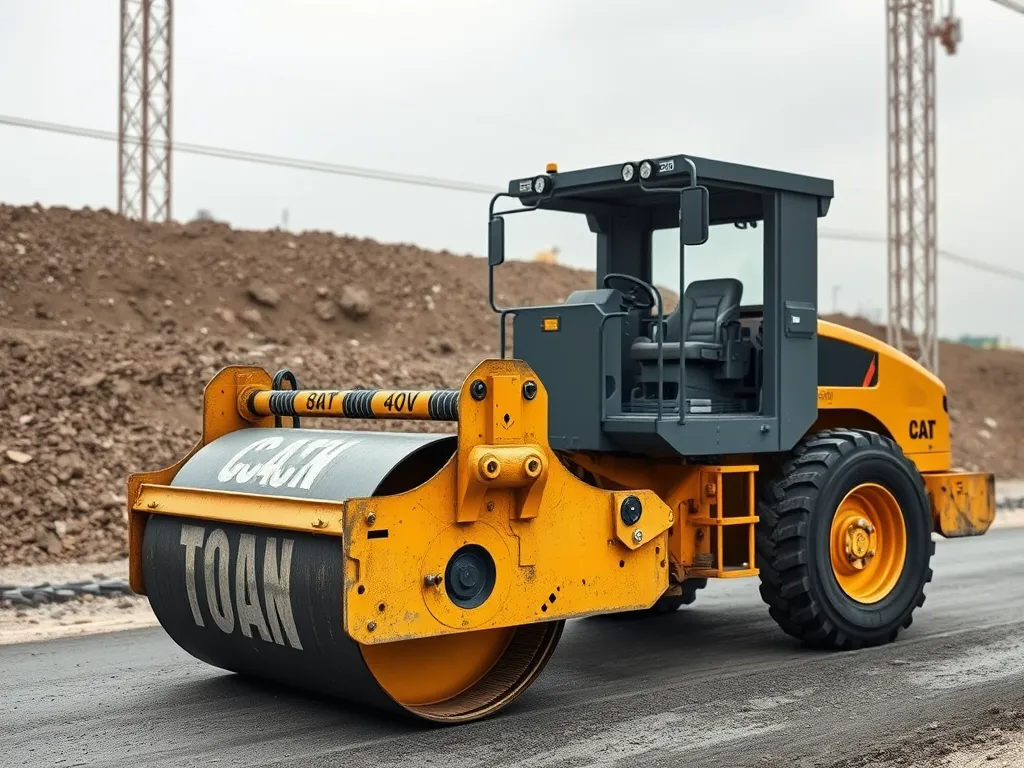
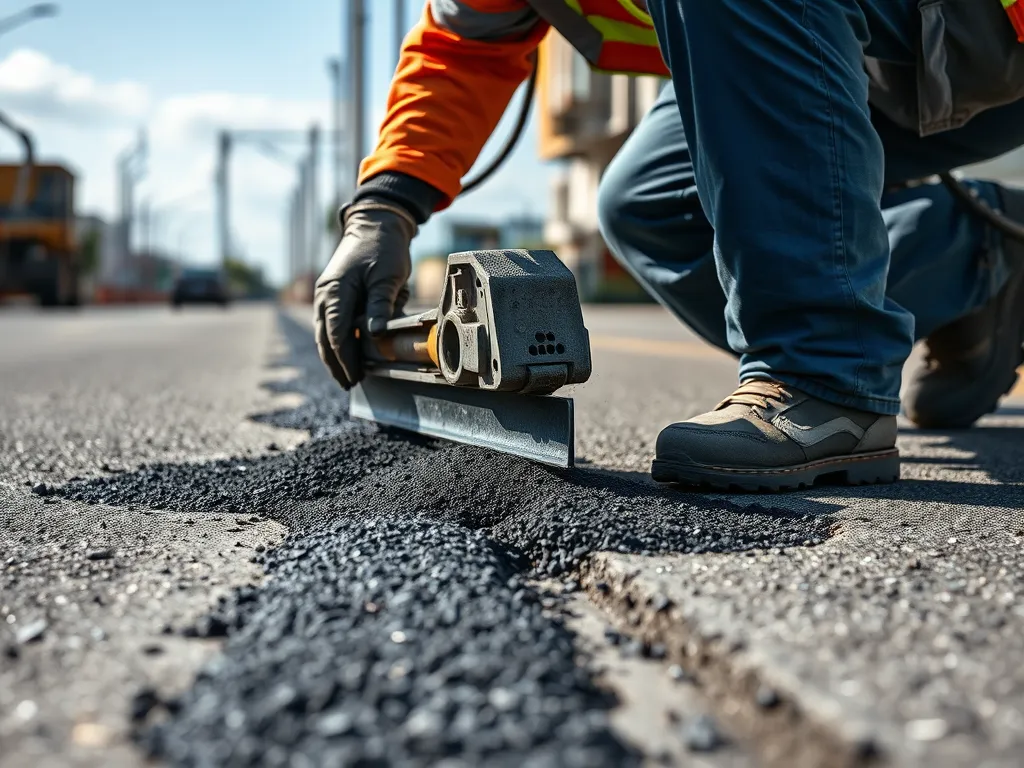
Use 8-ton dual-drum rollers in static mode first: make 2 passes parallel to edges, 6″ from the joint. Follow with 3 vibratory passes at 2-3 mph. Target 92-95% density within 12″ of edges to match main pavement specs.
Mastering these techniques requires the right equipment. Let’s examine the tools that turn theory into durable results.
Essential Tools for Quality Joints
Durable edges and tight joints demand specialized equipment. The right tools bridge the gap between asphalt mix quality and lasting performance.
Joint Cutters &Amp; Lutes
Precision cutting defines joint longevity. Gas-powered joint cutters slice clean vertical faces at 1-2″ depths using carbide blades. Pair with lute rakes (flat or wedge styles) to shape material without dragging aggregates. A 36″ lute works best for feathering edges at 3:1 slopes.
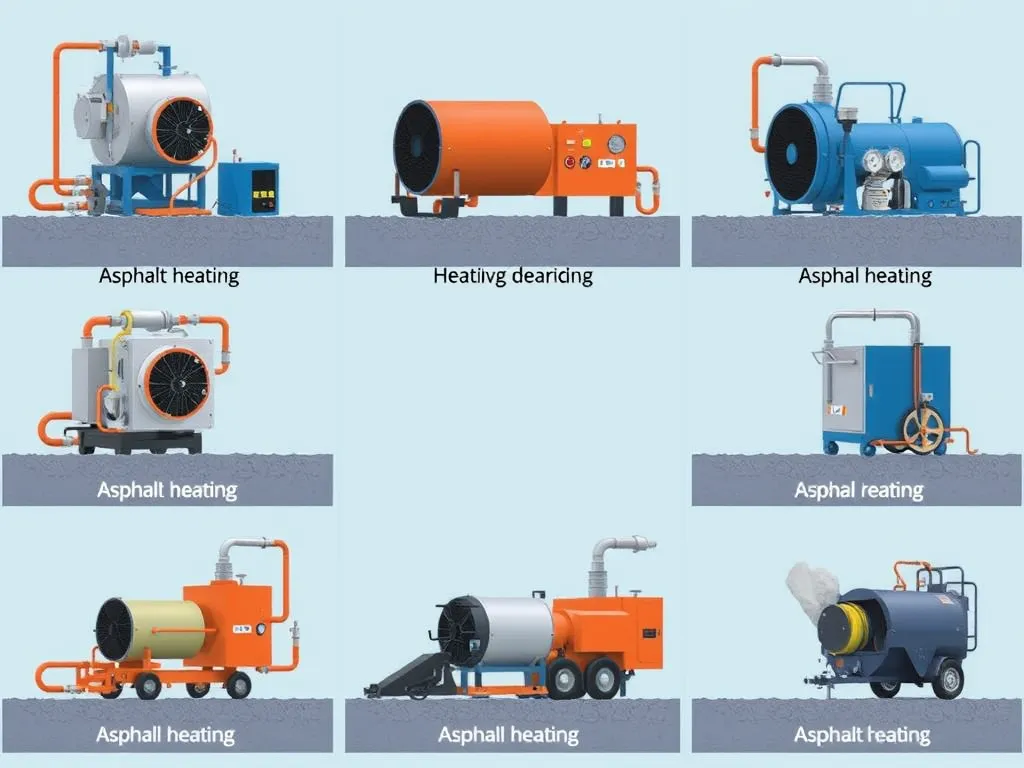
Infrared Heaters for Thermal Bonding
Cold joints fail 70% faster than heated seams. Portable infrared heaters maintain 275-325°F across joint faces, reactivating binders for fusion. Units like the Heat Dragon Pro reduce manual labor by 40% while preventing voids. Thermal bonding boosts shear strength by 15-20 psi versus hand-troweled edges.
Vibratory Plate Compactors
Edge density starts at 92% minimum. Walk-behind vibratory plates deliver 3,000-5,000 lbs of centrifugal force, targeting narrow zones missed by rollers. Models with variable frequency (45-75 Hz) adapt to mix temperatures. Compact within 10 minutes of placement at 2-4 passes per inch.
| Tool | Key Function | Performance Specs |
|---|---|---|
| Joint Cutter | Vertical face creation | 1-3″ depth, 12-24″ blade |
| Infrared Heater | Binder reactivation | 300°F @ 15 sq ft/min |
| Plate Compactor | Edge density | 5,000 lbs @ 60 Hz |
Even with pro-grade tools, technique determines success. Let’s tackle frequent errors that sabotage joint integrity.
Common Mistakes to Avoid
Even with proper tools and techniques, edge and joint failures occur when crews skip critical steps. These three errors account for 60% of premature asphalt edge deterioration reported by state DOTs.
Improper Compaction Timing
Asphalt loses 5°F per minute after placement. Delaying roller passes beyond the 275°F-300°F window creates porous edges prone to raveling. Use vibratory rollers within 2 minutes of laydown, achieving 92% density before temps drop below 200°F. Monitor with handheld infrared thermometers every 30 seconds.
Cold Weather Joint Installation
Below 50°F, asphalt binders stiffen, preventing thermal fusion between new and existing layers. Joints installed under these conditions develop cracks within 12 months. Heat edges to 250°F using propane torches or RAP-modified mixes rated for 40°F paving. Apply PG 64-22 binders with lower viscosity for better cold adhesion.
Inadequate Overlap Measurements
Less than 2″ overlap at longitudinal joints leaves gaps for water entry. Mark edges with chalk lines or laser guides during placement. For transverse joints, feather fresh asphalt 6:1 over existing pavement. Measure every 10 linear feet – deviations over 1/4″ per foot cause edge collapse under 18-wheelers.
Addressing these errors keeps repair costs below $0.25 per square foot versus $1.50+ for full-depth edge replacements. Next, explore budget-friendly methods that boost joint durability without premium materials.
Cost-effective Quality Practices
Smart planning keeps projects within budget while maintaining edge durability. Let’s break down two money-saving methods that boost joint performance.
Calculating Material Needs Precisely
Measure twice, pour once. Use infrared thermometers to check mix temps (290-330°F for hot asphalt) paired with laser-guided grade tools. A 5% surplus accounts for edge tapering without waste. For joint lines, calculate 1.15 tons per square yard at 2” depth – underfilling creates weak spots, overfilling wastes $45-$65/ton material. Track density gauges during compaction: 92-96% air voids prevent raveling.
Preventative Maintenance Strategies
Seal cracks within 48 hours using PG 64-22 binder at 350°F. Schedule edge inspections every 6 months with thermal imaging cameras ($1,200-$3,500 units). Apply rubberized asphalt emulsion annually along joints – 1 gallon covers 50 linear feet at $0.85/ft. For heaved edges, cut 6” deep with joint saws ($200/day rental) before infrared patching. Repair costs drop 15% compared to full replacements.
These methods protect your work long after installation. Now let’s explore greener approaches that maintain strength while reducing ecological impact.
Environmental Considerations
Strong edges and joints need smart material picks that work with nature. Green choices now boost both strength and eco-friendliness.
Recycled Asphalt in Joint Repairs
Crushed old asphalt (RAP) makes joint fixes last. RAP binds tight with fresh mix when heated to 275°F. Tests show 30% RAP blends cut edge cracks by 18% over 5 years. Use RAP in cold joint gaps or patch jobs. Ramp up density with plate compactors set to 5,000 lbs force.
Low-voc Bonding Agents
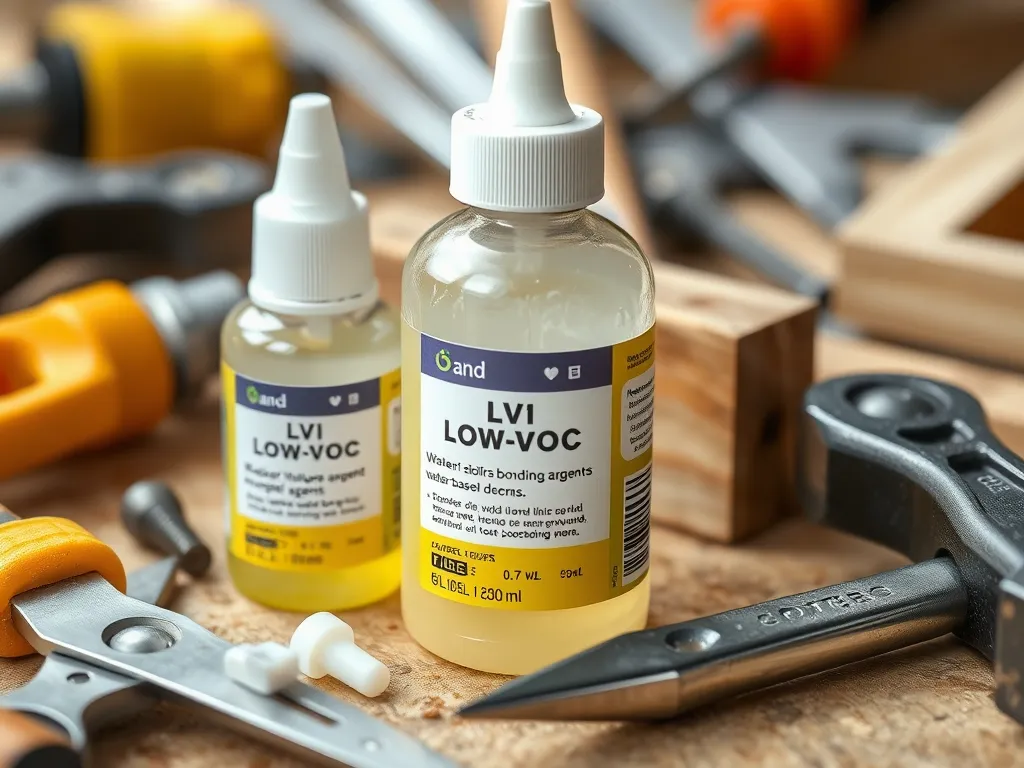
Water-based glue sticks joints without harsh fumes. New low-VOC tack coats cure in 20 mins vs 45 mins for old oil-based types. Apply at 1.5 gal/yd² for best grip. These glues work from 50°F to 95°F – key for temp swings. They keep air clean while making edges hold 15% more weight.
These green methods pair with the right tools to lock joints tight. Next, we’ll break down key gear that nails edge strength every time.
FAQ: Asphalt Edge & Joint Solutions
How to Get Perfect Edge Joints?
To achieve perfect edge joints, ensure meticulous surface preparation, including thorough cleaning and the application of a bonding agent. Proper temperature control of the asphalt mix is crucial, along with using correct compaction techniques. Implement vertical face joint preparation and horizontal joint compaction to secure the edge tightly against the existing pavement.
Are Asphalt Edge Joints Strong Enough for Heavy Traffic?
Yes, asphalt edge joints can be designed to withstand heavy traffic by using the right mix grades and ensuring proper compaction. Ensure that the joints are constructed with materials that can handle the stress and loads of heavy vehicles by adhering to industry specifications.
Do You Compact Edges or Faces First?
It is best to compact edges first before addressing the faces. This method helps to establish a solid base at the joint where the two layers meet, ensuring maximum stability and adherence between the asphalt layers.
What’s the First Step in Creating Down Edge Joints?
The first step in creating down edge joints is to prepare the existing surface adequately. This involves cleaning the area to remove any debris, oil, or loose materials before applying any bonding agent. This step is critical for achieving a good bond and preventing future failures at the joint.
Closing Thoughts
Creating strong edges and joints is fundamental to ensuring the longevity and durability of your asphalt surfaces. By following the tips outlined in this article, such as proper preparation, material selection, and avoiding common mistakes, you can enhance the performance of your asphalt projects.
Remember to utilize the right tools and techniques for your specific conditions. Whether you’re working on a driveway or a busy roadway, these strategies will help mitigate issues like cracking and water infiltration.
For more insights and tools related to asphalt, make sure to check out Asphalt Calculator USA.
Useful References for You:
- Roberts, F. L., Kandhal, P. S., Brown, E. R., Lee, D. Y., & Kennedy, T. W. (1996). Hot Mix Asphalt Materials, Mixture Design, and Construction (2nd ed.). National Asphalt Pavement Association (NAPA).
- My Top 8 Joinery Tricks for Wood Joints that Fit like a Glove | Katz-Moses Tools
- 10 Tips for Healthy Knees and Strong Joints as You Age | Arthritis Foundation
- Power up your bones and joints with these six tips | News
- 5 Ways to Strengthen Your Joints