Fractional Distillation Of Asphalt: How We Extract Road Building Gold
Published on: September 26, 2026 | Last Updated: April 14, 2025
Written By: George Voss
Fractional distillation of asphalt is a refining process that separates crude asphalt into usable components by heating it at specific boiling points. This method isolates bitumen – the sticky black binder in asphalt – along with lighter hydrocarbons like naphtha and diesel. Unlike simple distillation, fractional distillation uses temperature-controlled columns to capture multiple products simultaneously. The process operates between 300°C and 550°C, with bitumen collecting at the highest temperatures. Refineries rely on this technique to create road construction materials, roofing compounds, and industrial sealants.
This article breaks down how fractional distillation transforms raw asphalt into vital infrastructure materials. You’ll learn the four key stages of heating, vaporizing, condensing, and collecting components. We’ll explore equipment like Crude Distillation Units (CDUs) and vacuum columns that handle asphalt’s dense molecular structure. Technical details include temperature zones for bitumen production and recovery rates exceeding 85% in modern plants. Safety protocols for handling 400°C+ vapors and environmental safeguards against sulfur emissions are also covered.
Introduction to Fractional Distillation Of Asphalt
Refineries rely on precise methods to break down complex mixtures into usable materials. Fractional distillation serves this purpose for crude oil derivatives like asphalt.
What is Asphalt?
Composed mainly of bitumen blended with mineral aggregates, asphalt forms the backbone of paved surfaces. The bitumen acts as the glue binding crushed stone or sand. Grades like PG 64-22 (Performance Graded binder) determine viscosity for specific climates. Over 90% of U.S. paved roads use this material due to its flexibility under traffic loads.
Definition Of Asphalt Fractional Distillation
Fractional distillation separates crude asphalt into components based on boiling points. Unlike fractional distillation of crude oil, which targets fuels, this process isolates heavier fractions like bitumen. Heated crude enters distillation columns, where rising vapors cool at varying heights. Each condensed layer represents distinct hydrocarbon chains, with bitumen collected at 300-350°C.
Relationship Between Asphalt and Bitumen
Bitumen constitutes 5-10% of asphalt mixes but dictates performance. During distillation, lighter naphthenic hydrocarbons rise, leaving thickened bitumen at the column base. This residue gets mixed with aggregates to create paving-grade asphalt. Modified bitumen types, like polymer-enhanced PG 76-22, undergo further treatment post-distillation for high-stress zones.
Next, we’ll break down the specific stages that transform crude into construction-ready materials.
The Asphalt Distillation Process
Refining asphalt crude into usable products hinges on precise thermal separation. Fractional distillation breaks down raw asphalt into distinct components based on boiling points. This method ensures high-purity outputs like bitumen, vital for construction and industrial use.
Key Stages Of Fractional Distillation
Four primary steps transform asphalt crude into refined materials. Each phase targets specific hydrocarbon groups through controlled heating and condensation.
Step 1: Heating Crude Asphalt
Raw asphalt enters a Crude Distillation Unit (CDU) preheated to 300-350°C. This liquefies the material, preparing it for vaporization. Heavy hydrocarbons remain intact, while lighter fractions start breaking down.
Step 2: Vaporization in Distillation Columns
Heated asphalt moves into atmospheric or vacuum distillation columns. Lighter molecules vaporize and rise, while heavier ones sink. Atmospheric columns operate at 1,013 mbar, vacuum systems at 50-100 mbar to lower boiling points.
Step 3: Fractionation and Condensation
Vapors cool as they ascend column trays. Each tray collects hydrocarbons with matching boiling points. Bitumen condenses near the base at 350-400°C, while diesel and naphtha form higher up at 150-250°C.
Step 4: Collection of Refined Products
Liquid fractions exit through side outlets. Bitumen gathers at the column bottom for storage. Middle distillates like lubricating oils go to secondary refining. Yields reach 85-90% bitumen from quality asphalt crude.
Temperature Ranges in Asphalt Distillation
Precise heat control determines product quality. Overheating cracks hydrocarbons; underheating leaves impurities.
Optimal Distillation Temperatures for Bitumen
Bitumen requires 350-400°C under vacuum conditions. Vacuum lowers boiling points, preventing thermal degradation. PG (Performance-Graded) binders need strict temperature bands—PG 64-22 vs. PG 76-16 vary by 12°C in softening points.
Specialized equipment makes this precision possible. Next, we’ll explore the machinery driving asphalt distillation.
Equipment Used in Asphalt Fractional Distillation
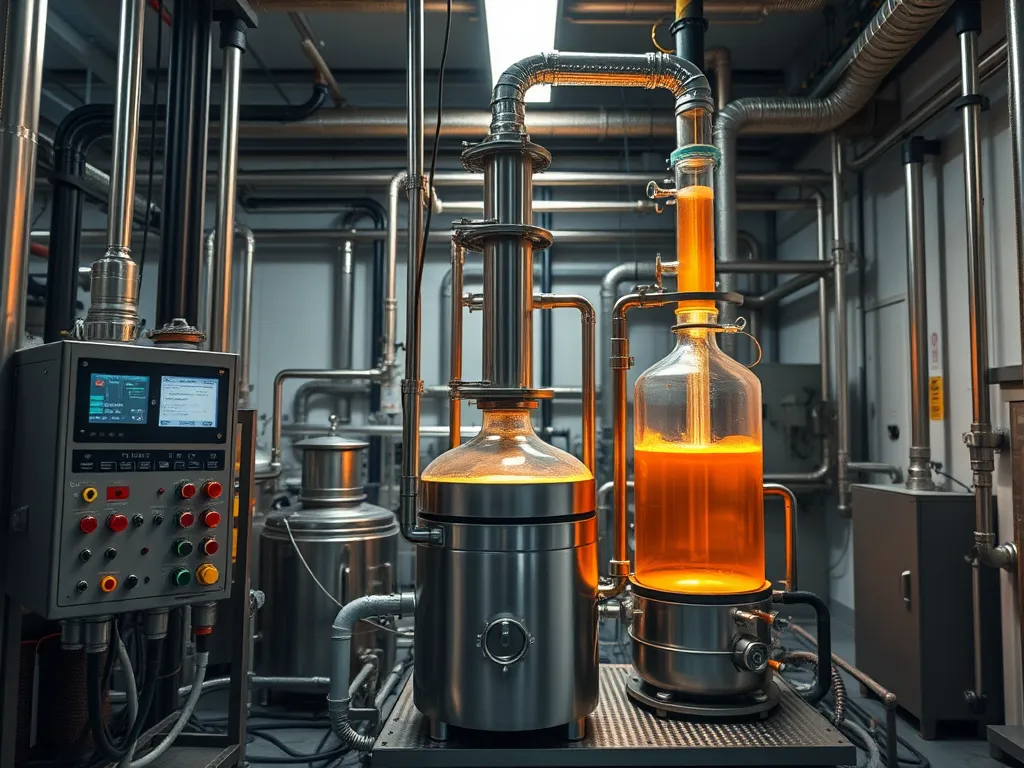
Specialized machinery drives the asphalt distillation process. These systems separate crude asphalt into usable components through precise temperature control and phase separation. Three core units form the backbone of this operation.
Crude Distillation Unit (CDU)
The CDU handles the first phase of asphalt fractional distillation. This unit preheats asphalt crude to 300-400°C using fired heaters. Viscous asphalt flows through pipes into a flash zone where lighter hydrocarbons vaporize. CDUs process up to 250,000 barrels daily in large refineries, producing initial cuts for further separation.
Atmospheric and Vacuum Distillation Columns
Atmospheric columns operate at 1-2 bar pressure to distill lighter fractions like naphtha and diesel. Residual asphalt moves to vacuum columns running at 0.01-0.05 bar. Lower pressure prevents thermal cracking while boiling heavy molecules. Vacuum gas oil (VGO) gets extracted here, leaving concentrated bitumen at the column base.
| Column Type | Pressure Range | Key Output |
|---|---|---|
| Atmospheric | 1-2 bar | Light hydrocarbons |
| Vacuum | 0.01-0.05 bar | Bitumen, VGO |
Fractionation Towers
Vertical towers with 30-50 trays refine separated vapors into specific cuts. Bubble caps on each tray force rising vapors to contact descending liquid, enhancing purity. Temperatures decrease upward, allowing sequential condensation of fractions. Top trays collect light oils (200°C), while lower zones recover heavy distillates (450°C+) for bitumen production.
These systems work together to transform raw asphalt crude into engineered materials. Next, let’s examine the exact components extracted during this high-precision process.
Also See: Vacuum Distillation Asphalt: A Smarter Way to Pave
Components Recovered From Asphalt Distillation
Fractional distillation of asphalt separates its complex hydrocarbon mixture into distinct components. Each fraction serves specific industrial purposes, from road construction to chemical manufacturing. Let’s break down the key outputs.
Bitumen: The Primary Output
Bitumen, also called asphalt cement, forms 60-70% of distilled asphalt. This viscous material acts as the glue binding aggregates in road surfaces. With penetration grades ranging from 40/60 to 200/300, it adapts to climates – harder grades for tropical heat, softer ones for colder regions. PG (Performance-Graded) binders like PG 64-22 or PG 76-16 meet Superpave specifications for durability. Bitumen’s water resistance also makes it ideal for roofing membranes and pipe coatings.
Naphthenic and Aromatic Hydrocarbon Cuts
Lighter fractions extracted during asphalt distillation include naphthenic and aromatic hydrocarbons. Naphthenics contain cyclic molecules with saturated bonds, boiling between 300-400°F. Aromatics feature benzene rings and vaporize at 400-500°F. Both are used as plasticizers in rubber manufacturing or base stocks for industrial lubricants. Aromatics also enhance adhesion in specialty coatings.
| Hydrocarbon Type | Boiling Range (°F) | Common Uses |
|---|---|---|
| Naphthenic | 300-400 | Rubber processing, transformer oils |
| Aromatic | 400-500 | Adhesives, corrosion inhibitors |
These fractions account for 15-25% of total output. Advanced distillation methods like vacuum flashing improve separation efficiency by 12-18% compared to traditional atmospheric columns.
Efficient recovery of these components determines both profitability and environmental impact. Next, we’ll explore how refining techniques balance these factors.
Advantages and Limitations
Fractional distillation stands out for refining asphalt crude into targeted components with controlled properties. This method balances precision with scalability, though operational hurdles exist. Let’s break down its strengths and hurdles.
Benefits Of Fractional Distillation for Asphalt Refining
Fractional distillation asphalt systems excel at isolating bitumen with over 95% purity. Precise temperature control between 300°C and 350°C separates lighter hydrocarbons like naphtha from heavy bitumen. This ensures consistent viscosity grades (PG 64-22, PG 76-16) for road construction. Recycled asphalt pavement (RAP) integrates seamlessly, cutting material costs by 20-30%. Reduced landfill waste—1 ton of RAP saves 2.5 cubic yards of space—boosts sustainability.
Naphthenic and aromatic hydrocarbon cuts from the process get repurposed into roofing shingles or sealants. Energy recovery systems in modern CDUs slash fuel use by 15%, lowering CO₂ emissions. Operators adjust fractionation towers to meet specific penetration grades (60/70, 80/100), catering to regional climate needs.
Technical and Economic Challenges
Running continuous asphalt distillation demands 500–800 kWh per ton, pushing operational costs up. High sulfur content in some crude sources risks corrosion in fractionation towers, requiring $200–$500 per ton in maintenance. Impurities like clay or silt force pre-treatment steps, adding 8–12 hours to processing timelines.
Bitumen’s viscosity shifts with crude oil quality, risking inconsistent outputs. Global crude price swings—from $50 to $100 per barrel—directly impact refining budgets. Vacuum distillation columns need skilled crews, with labor costs rising 5–7% yearly. Storage of distilled asphalt below 150°C prevents premature hardening, necessitating insulated tanks.
Looking beyond these challenges, strict safety measures become vital when managing high-heat systems. Next, we’ll explore protocols protecting workers and equipment during distillation.
Safety Protocols in Asphalt Distillation
Asphalt distilling demands strict safety steps. High heat and heavy gear pose risks. Plants focus on worker safety, leak prevention, and gear upkeep.
Handling High-heat Work
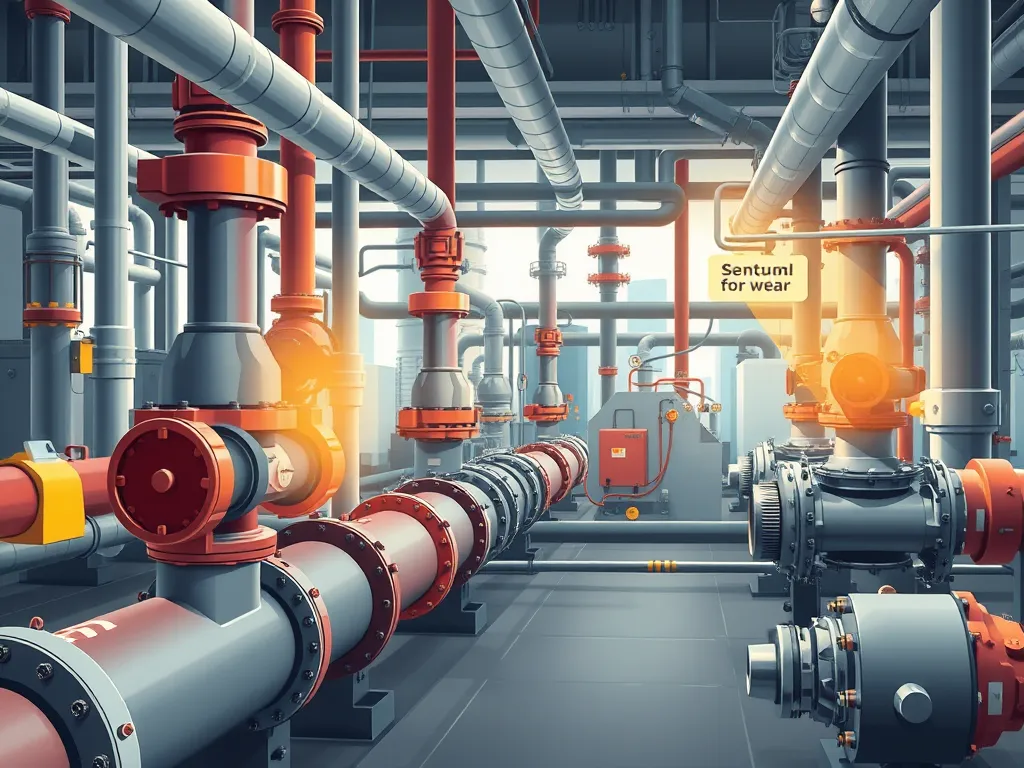
The process uses extreme heat levels. Workers risk burns and fume exposure. Plants enforce PPE like heat suits, face shields, and thick gloves. Vent systems remove harmful vapors. Teams train monthly on fire drills and spill control. Daily checks spot worn gear before use.
Equipment Care Rules
Crude units need weekly checks. Pipes and valves get scans for cracks or rust. X-ray tests check welds each month. Leak sensors trigger alarms if vapors escape. Data logs track pump temps and flow rates hourly. Skipping care can lead to leaks costing $50k per shutdown day.
These steps keep crews safe and plants running. Next, we explore how distilled asphalt builds roads and roofs.
Industrial Applications Of Distilled Asphalt Products
Distillation of asphalt yields materials vital for construction and manufacturing. This process isolates bitumen and hydrocarbon cuts that form high-quality building blocks. Two industries rely heavily on these outputs.
Road Construction Materials
Bitumen from asphalt fractional distillation binds 90% of paved roads globally. Its viscosity (60/70 or 80/100 penetration grades) allows it to coat aggregates in hot mix asphalt (HMA). HMA withstands traffic loads up to 40 million equivalent single axles (ESALs). Modified binders like PG 64-22—common in Superpave mixes—boost performance in freezing zones. Distillation ensures consistent quality, with bitumen purity levels hitting 99.5% post-refining.
Roofing and Waterproofing Compounds
Naphthenic hydrocarbons from asphalt distillation form roofing felts and modified bitumen membranes. Blown bitumen, made by air-blowing at 200-250°C, gains a higher softening point (85-105°C) for flat roofs. Self-adhesive waterproofing sheets contain 30-40% distilled bitumen mixed with polymers. This stops water intrusion in foundations and tunnels, lasting 20+ years with 0.5 mm thickness.
Estimating Quantities with Asphalt Calculators
Bitumen content from distillation dictates how much material a project needs. Asphalt calculators factor in:
- Job site area (sq ft or m²)
- Lift thickness (inches or mm)
- Bulk density (145-155 lb/ft³ for HMA)
- Bitumen percentage (5-7% by weight)
Inputting these values gives tonnage within 3% accuracy. For a 10,000 sq ft driveway with 3-inch HMA: 10,000 × 0.25 ft × 150 lb/ft³ ÷ 2,000 = 187.5 tons. Distillation data ensures calculators account for binder volatility and mix workability.
Optimizing material use through precise calculations supports cost control—bitumen prices fluctuate between $400-$800 per ton. Up next: how distillation aligns with planetary protection goals through waste reduction and air quality protocols.
Environmental Considerations
Asphalt fractional distillation supports infrastructure demands but requires strict environmental safeguards. Refineries balance production efficiency with reducing ecological impacts through advanced protocols.
Emission Control Strategies
High-temperature asphalt distillation (300°C–500°C) releases volatile organic compounds (VOCs), sulfur oxides (SOx), and nitrogen oxides (NOx). Modern plants deploy wet scrubbers to capture 90%+ of particulate matter. Electrostatic precipitators remove fine aerosols below 10 microns. Thermal oxidizers incinerate residual hydrocarbons at 800°C–1,200°C, cutting VOC emissions by 85%.
Low-sulfur asphalt crude (under 0.5% sulfur content) minimizes SOx generation. Closed-loop systems reduce fugitive emissions during bitumen transfer. Annual EPA audits enforce compliance with air quality standards like 40 CFR Part 63 Subpart LLLLL.
Waste Management Practices
Each ton of distilled asphalt yields 15–20 kg of non-recyclable waste. Spent catalysts containing nickel or vanadium undergo metal recovery. Sludge from distillation columns gets treated with bio-remediation agents.
| Waste Type | Management Method | Recycling Rate |
|---|---|---|
| Heavy residues | Blended into asphalt emulsions | 65% |
| Contaminated water | Reverse osmosis filtration | 95% |
| Spent catalysts | Metal extraction | 78% |
Refineries reuse 40%–50% of process water. Heavy hydrocarbon cuts power on-site boilers, trimming fossil fuel use by 12%.
These environmental measures support safer operations while meeting global demand for road-grade bitumen. Next, let’s address common questions about temperature parameters and bitumen yields in asphalt distillation.
FAQs: Fractional Distillation Of Asphalt
What Temperature is Used to Distill Asphalt?
Asphalt is typically distilled at temperatures ranging from 300°C to 550°C. The specific temperature for bitumen production usually falls between 350°C and 400°C.
How Does Bitumen Production Occur in This Process?
During fractional distillation, crude asphalt is heated, causing lighter hydrocarbons to vaporize and rise while heavier components condense at the bottom. Bitumen is collected as a residue, typically at temperatures around 350-400°C.
What Are the Four Essential Steps Of Fractional Distillation?
The four essential steps of fractional distillation include:
- Heating Crude Asphalt
- Vaporization in Distillation Columns
- Fractionation and Condensation
- Collection of Refined Products
How Does Petroleum Distillation Compare to Asphalt Distillation?
Petroleum distillation focuses on extracting fuels and lighter hydrocarbons, whereas asphalt distillation concentrates on isolating heavier components like bitumen. The equipment and processes differ, with asphalt distillation requiring precise temperature control to prevent thermally cracking the heavier fractions.
Closing Thoughts
Fractional distillation of asphalt plays a critical role in producing high-quality bitumen and other valuable components. By carefully controlling temperature and processes, the industry can efficiently transform crude asphalt into products essential for road construction and roofing applications.
While there are distinct benefits to this refining method, such as the production of specialized hydrocarbon cuts, challenges like equipment maintenance and safety protocols remain. Ongoing innovation and adaptation in this area can enhance efficiency and sustainability.
For more insights and tools related to asphalt, don’t forget to visit Asphalt Calculator USA. Stay informed about the latest in asphalt technology and applications!
Additional Resources for You:
- Kett, I. (1999). Asphalt Materials and Mix Design Manual. Oxford: Elsevier Science.
- How is bitumen obtained from petroleum and what are its uses? | TutorChase
- how does the fractional distillation of crude oil work?|Pyrolysis plant