What is Asphalt Made Of? Breaking Down Roads Layer by Layer
Published on: April 28, 2026 | Last Updated: April 14, 2025
Written By: George Voss
Asphalt is a paving material made of two primary components: bitumen and aggregates. Bitumen acts as a sticky black binder derived from crude oil, holding together aggregates like crushed stone, sand, or gravel. Aggregates make up 90-95% of asphalt by weight, providing strength and durability. Unlike concrete (which uses cement), asphalt remains flexible in temperature shifts. This mix creates surfaces that withstand heavy traffic, freeze-thaw cycles, and water damage.
This article examines the science behind asphalt’s ingredients. You’ll learn how bitumen’s viscosity impacts road performance, why aggregate size affects skid resistance, and how modern mixes use recycled materials. We’ll cover production steps from oil refining to pavement laying, clarify myths about tar or soil in asphalt, and explore eco-friendly innovations like warm-mix asphalt.
Understanding Asphalt: Definition and Basic Composition
What is Asphalt?
Asphalt is a semi-solid mix of bitumen (5-7% by weight) and mineral aggregates like crushed stone, sand, or gravel (93-95%). Bitumen acts as the glue holding the aggregates together. This combination forms durable surfaces used in roads, driveways, and parking lots. Modern mixes often include modifiers like polymers or fibers to improve performance in extreme temperatures.
Asphalt Vs. Other Pavement Materials
Unlike concrete, which uses cement and water for binding, asphalt relies solely on bitumen. Gravel lacks binding agents entirely, while tar—once common in pavement—contains coal derivatives, not petroleum-based bitumen. Asphalt surpasses concrete in flexibility, making it less prone to cracking under freeze-thaw cycles. It also recycles better: up to 99% of old pavement gets reused, compared to concrete’s 30-50% recycling rate.
| Material | Binding Agent | Key Strength |
|---|---|---|
| Asphalt | Bitumen | Flexible, weather-resistant |
| Concrete | Cement | High compressive strength |
| Gravel | None | Low cost, permeable |
| Tar | Coal tar | Rarely used today |
Bitumen’s viscosity allows asphalt to self-heal minor cracks under traffic pressure, a trait absent in rigid concrete. Maintenance costs for asphalt run $1.50-$3.00 per square foot versus $3-$10 for concrete.
Next, let’s dissect the specific elements that give this material its unique properties.
Primary Components Of Asphalt
Asphalt mixes rely on two core elements working together: bitumen holds the blend, while crushed rock provides stability. These elements form 90-95% of most paving projects, ensuring roads survive traffic loads without cracking.
Bitumen: The Binding Agent
Bitumen makes up 5-10% of the mix. This sticky black substance comes from refining crude oil. When heated, it coats rock particles, bonding them into flexible sheets. Modern mixes use Performance-Graded (PG) binders tailored to local climates—like PG 64-22 for regions with temps between 64°C and -22°C.
Aggregates: Strength and Structure
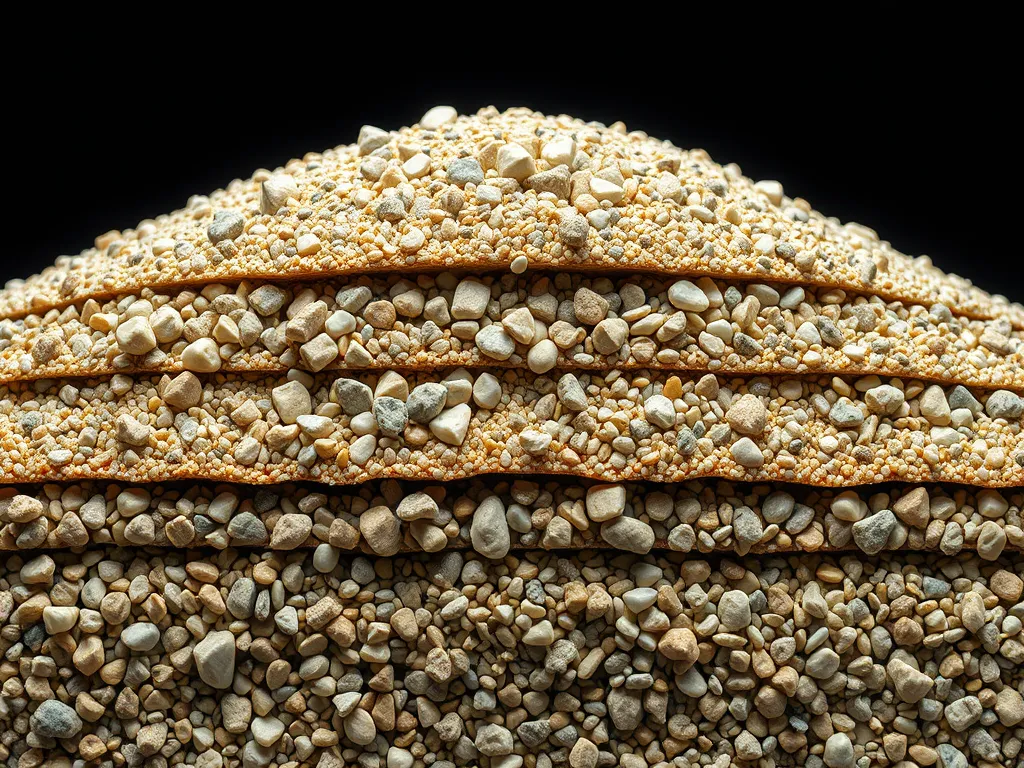
Crushed stone, sand, and gravel form the backbone of pavement. Aggregates must resist wear, weathering, and heavy loads. Tests like Los Angeles Abrasion (max 40% loss) ensure rocks stay intact under stress. Properly graded particles lock tightly, boosting density by up to 95%.
Types of Aggregates Used in Asphalt
- Limestone: Soft, cost-effective for low-traffic zones
- Granite: Durable, used in highways
- Recycled Asphalt Pavement (RAP): Crushed old pavement (up to 30% in new mixes)
- Slag: Steel industry byproduct with high friction
Aggregate Size and Gradation
Gradation determines how particles pack. Coarse aggregates (3/4” to #4 sieve) build load-bearing layers. Fine aggregates (#8 to #200 sieve) fill voids. Superpave specifications use 0.45-power charts to optimize particle distribution—dense-graded for highways, open-graded for drainage layers.
While physical components define performance, chemical properties influence longevity. Next, we’ll break down how crude oil chemistry shapes bitumen behavior.
Chemical Composition Of Asphalt
Asphalt’s performance stems from its precise chemical blend. This engineered material combines carbon-rich hydrocarbons with mineral elements to create durable paving surfaces.
Role Of Crude Oil in Asphalt Production
Crude oil serves as asphalt’s primary source. During refining, heavy fractions called bitumen remain after lighter fuels like gasoline distill off. Venezuelan and Middle Eastern crudes yield 12-18% bitumen due to higher resin content. These residual binders form 5-7% of final asphalt mixes, acting as the glue holding aggregates together.
Key Chemicals Found in Asphalt
Bitumen contains 80-85% carbon and 9-10% hydrogen by weight. Its complex hydrocarbon network includes:
Asphaltenes: Rigid molecules (15-25% of bitumen) providing stiffness Maltenes: Flexible resins and oils enabling weather resistance
Sulfur (up to 8%), nitrogen (0.5-2%), and trace metals like vanadium (50-200 ppm) affect aging rates. Polycyclic aromatic hydrocarbons (PAHs) constitute 2-8% – modern plants capture these compounds during production to meet EPA limits.
While crude oil forms asphalt’s foundation, many wonder how this differs from similar-looking materials like tar. The next section clarifies this distinction.
Also See: Smooth Riding: Transitioning From Gravel to Asphalt Surfaces
Is Asphalt Made From Tar?
Asphalt and tar share dark, sticky traits. Yet they differ in source and use. Tar comes from coal or wood through heat. Asphalt uses bitumen from crude oil. Mixing tar with roads stopped in the 1970s. Health risks and poor heat tolerance caused the shift.
Bitumen binds asphalt roads. Tar once filled gaps in old pavements. Modern asphalt contains 4-8% bitumen by weight. The rest? Crushed stone, sand, and gravel. Tar lacks the strength for heavy traffic. Asphalt handles trucks and heat up to 160°F without softening.
Key terms clarify the split: – Asphalt concrete: Bitumen + aggregates – Tar: Coal-based, now rare in paving – PG binders: Performance-graded bitumen types used since 1990s
New asphalt mixes avoid tar but reuse old roads. Over 99% of U.S. pavements now use bitumen-based blends. Tar remains in niche roles like roofing or pipe coatings.
Next, we break down how raw parts become smooth roads through precise heating and mixing steps.
Asphalt Production Process
Creating asphalt requires precision at every stage. The blend of asphalt components transforms raw elements into durable pavement. Let’s break down how manufacturers turn asphalt construction materials into functional surfaces.
Step 1: Sourcing and Preparing Raw Materials
Aggregates make up 90-95% of asphalt’s weight. These crushed stone, sand, or gravel particles come from quarries. Gradation matters: ASTM D692 specifies size ranges from coarse (1.5-inch) to fine (sand). Bitumen, the remaining 5-10%, comes from crude oil distillation. Refineries process heavy petroleum fractions into viscous liquid binders like PG 64-22 (Performance Graded for temperatures between 64°C and -22°C). Testing ensures aggregates meet strength standards (Los Angeles Abrasion Loss < 40%) and bitumen meets viscosity benchmarks.
Step 2: Heating and Mixing Components
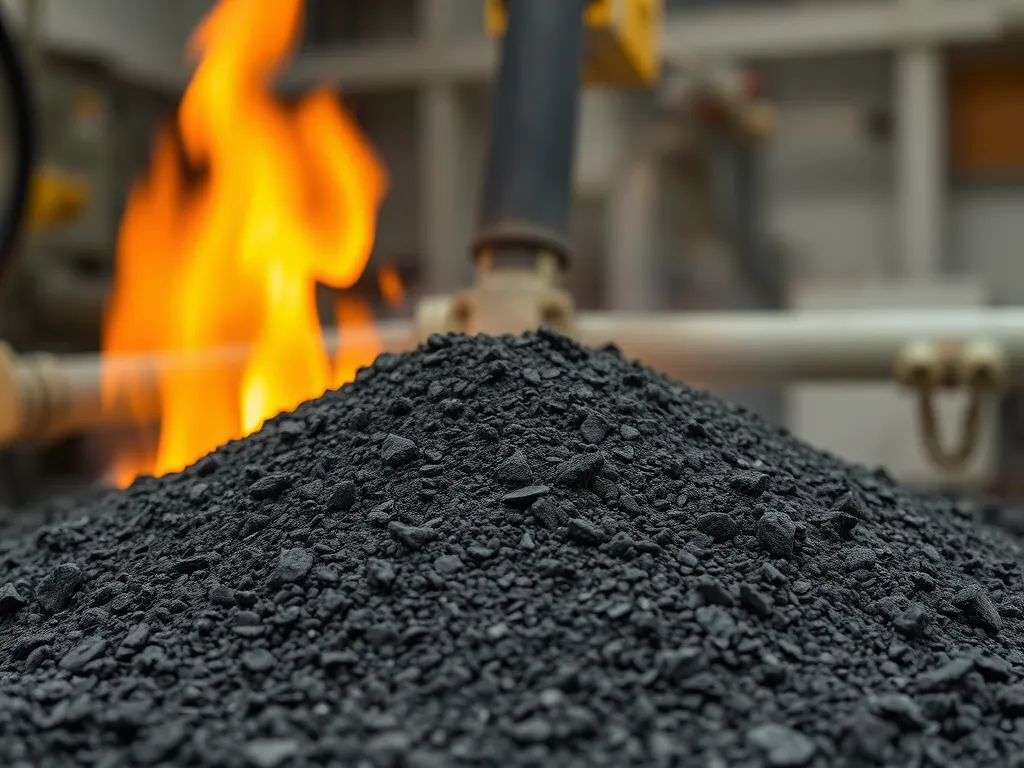
Batch plants heat aggregates to 300°F and bitumen to 350°F. At these temps, materials flow smoothly. Mixers combine them at ratios like 5% bitumen to 95% aggregates. Hot-mix asphalt (HMA) forms a workable asphalt concrete composition. Drum plants achieve 200-800 tons per hour. Temperature control prevents binder oxidation, preserving asphalt’s flexibility. Costs average $70-$150 per ton, depending on local material availability.
Step 3: Quality Control and Application
Superpave protocols test asphalt mixture composition for durability. Marshall stability tests measure load resistance (>1,500 lbs). Density checks ensure <7% air voids. Trucks haul mix at 275°F to job sites. Pavers lay layers 2-4 inches thick. Rollers compact surfaces to 92-96% density. Recycled asphalt pavement (RAP) can replace 20-30% of new materials, cutting costs by $15-$20 per ton. Proper application extends pavement life to 15-20 years.
With the mix finalized and tested, let’s tackle myths about what goes into this engineered material.
Common Misconceptions About Asphalt Ingredients
Many myths swirl around what goes into asphalt. Let’s clear up two big ones.
Can Asphalt Be Made From Concrete?
No. Asphalt and concrete are different mixes. Concrete uses cement, water, and rock. Asphalt relies on bitumen and aggregates. But old concrete can be crushed and used as aggregate in some asphalt mixes. This recycled material makes up 5-10% of the total mix in eco-friendly projects. The key? Only clean, debris-free concrete works.
Is Soil Used in Asphalt Production?
Soil isn’t part of the asphalt mix. But soil prep matters before laying asphalt. Poor soil under pavement can cause cracks. Builders test soil strength and add gravel or lime to stabilize weak spots. The asphalt itself? Pure bitumen (4-8%) and aggregates (92-96%). No dirt in the final product.
Knowing what’s not in asphalt helps build better roads. Next, let’s explore how modern mixes cut harm to the planet while staying tough.
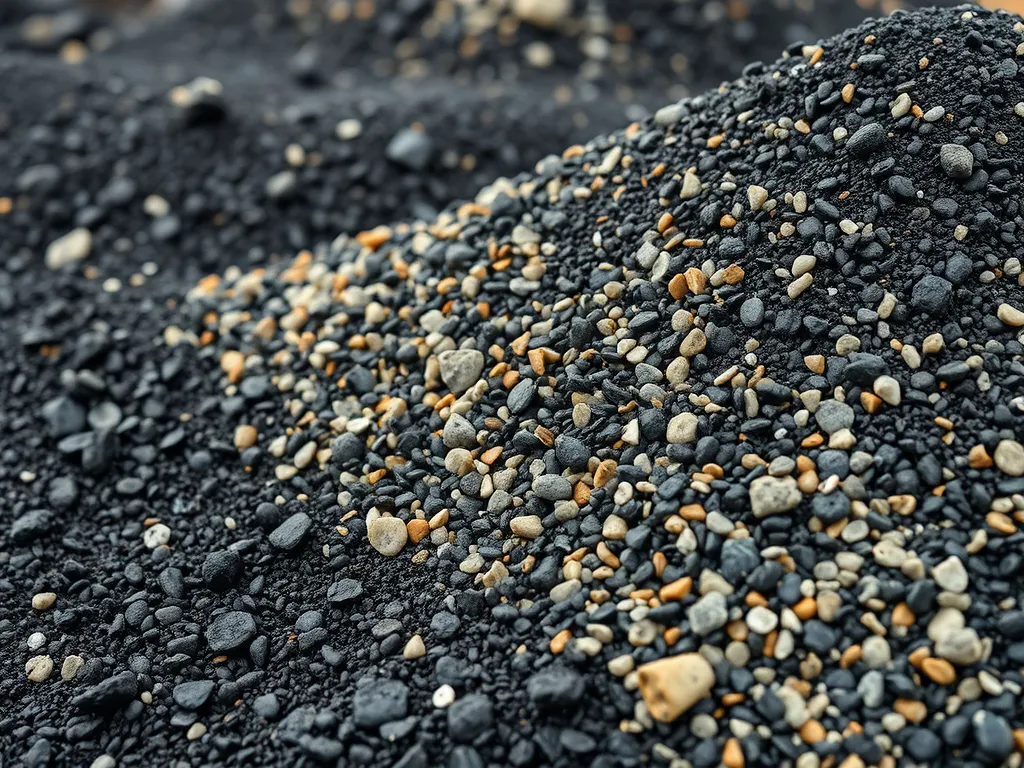
Environmental Considerations in Asphalt Composition
Modern asphalt mixes blend strength with green steps. Builders now pick parts that cut harm while keeping roads tough.
Recyclability Of Asphalt Materials
Asphalt leads in reuse rates. Old roads get ground into RAP (Reclaimed Asphalt Pavement) – chunks of used asphalt mix. This RAP joins fresh bitumen and stones in new roads. Over 95% of asphalt from old sites gets reused. Using RAP slashes costs by up to 30% versus all-new parts.
- RAP forms 15-30% of new U.S. road layers
- No loss of strength when mixed right
- Saves 60 million tons of waste yearly
Reducing Environmental Impact
New mix designs fight climate strain. Warm-mix asphalt (WMA) needs 50°F less heat than normal hot mix. Lower temps mean:
- 20% less fuel burned
- 15-40% fewer fumes
- Same road life span
Porous asphalt lets rain soak through, cutting flood risks. Some states now use 30% plant-based oils in bitumen to replace crude parts.
These green shifts in asphalt components shape how we pave tomorrow. Next, we tackle myths about what goes into this key road material.
Frequently Asked Questions (FAQ)
What is the Main Ingredient in Asphalt?
The main ingredient in asphalt is bitumen, which makes up about 5-10% of the mix. Bitumen serves as the binding agent that holds together the aggregate materials, primarily crushed stone, sand, or gravel, which account for the remaining 90-95% by weight.
Is Asphalt Made From Oil?
Yes, asphalt is primarily made from bitumen, which is derived from the refining of crude oil. During the refining process, bitumen is produced as a heavy fraction after lighter petroleum products are extracted.
How Does Asphalt Differ From Tar?
While both asphalt and tar are dark and sticky, they are sourced differently. Asphalt is derived from crude oil, while tar is produced from coal or wood through heating processes. Asphalt also has superior performance characteristics for paving applications.
What is Cold Mix Asphalt Made Of?
Cold mix asphalt is made from a combination of bitumen and aggregates that can be mixed at ambient temperatures. This type of asphalt is commonly used for repair work and is ideal for areas where heating equipment may not be available, allowing for easier application and flexibility in colder weather conditions.
Closing Thoughts
Asphalt plays a vital role in modern infrastructure, providing durable surfaces for roads, driveways, and parking lots. Understanding what asphalt is made of—primarily bitumen and aggregates—reveals its complexity and versatility. Bitumen, derived from crude oil, serves as the binding agent, while a diverse mix of aggregates delivers strength and stability.
Common misconceptions about asphalt components often lead to confusion. Asphalt is distinctly different from tar, and it is not made from concrete or soil. Its recyclability further enhances its appeal, contributing to sustainability efforts by reducing waste and environmental impact.
For more insights, tips, and tools related to asphalt, including helpful calculators for your projects, visit Asphalt Calculator USA.