
Boost Pavement Lifespan: The Science Behind Asphalt Crack Resistance
Published on: June 24, 2026 | Last Updated: April 14, 2025
Written By: George Voss
Asphalt crack resistance measures how well pavement withstands cracking caused by traffic loads, temperature swings, and aging. This durability comes from material choices like polymer-modified binders (plastics added to asphalt cement) and fiber-reinforced mixes, combined with precise engineering to balance flexibility and strength. High crack resistance means fewer potholes, slower aging, and repair cost reductions up to 30% over 20 years. Agencies verify performance through tests like the Indirect Tensile Test (measures stress tolerance) and Superpave binder grading (a system matching asphalt to local climates).
This article breaks down how crack resistance works and why it matters. You’ll learn how aggregate quality affects thermal cracking, why thicker pavements handle heavy trucks better, and how recycled rubber boosts flexibility. We’ll cover testing standards like AASHTO T324 for rut resistance, overlay strategies for cracked surfaces, and eco-friendly fixes using soy-based additives. Whether you’re planning a parking lot or highway, these insights help build pavements that stay smoother longer.
Importance Of Asphalt Crack Resistance in Pavement Longevity
Road surfaces face constant stress from traffic loads and weather. Crack resistant asphalt pavement acts as the first defense against premature failure. Pavements with high asphalt crack resistance maintain smoother surfaces longer, cutting repair frequency by 30-50% compared to standard mixes.
Why Crack Resistance Matters for Asphalt Pavements
Asphalt paving crack resistance directly affects how long roads stay functional. Once cracks form, they accelerate wear through water infiltration and material breakdown. A resilient asphalt pavement can delay this process by 7-12 years, based on Federal Highway Administration studies of high-traffic routes.
Impact of Cracking on Structural Integrity
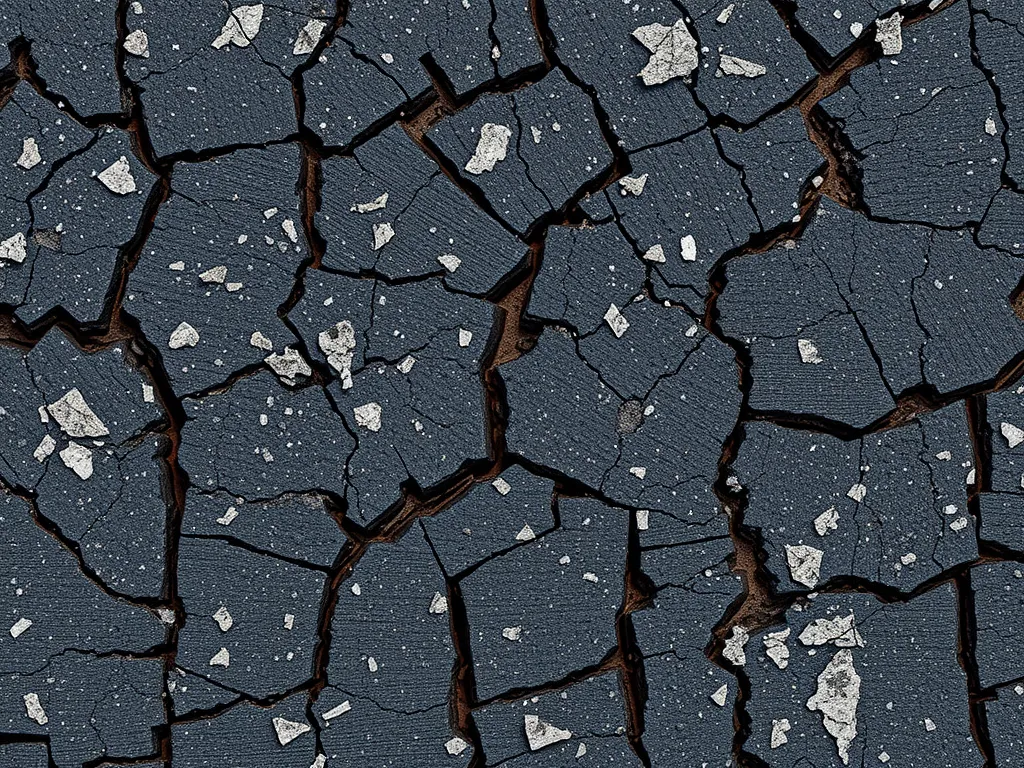
Cracks exceeding 1/4 inch width let water penetrate base layers, weakening load-bearing capacity. Alligator cracking patterns signal advanced base failure, often requiring full-depth repairs costing $18-$25 per square foot. Thermal cracking from freeze-thaw cycles accounts for 22% of cold-climate pavement failures, per National Center for Asphalt Technology data.
Cost Implications of Premature Asphalt Failure
Roads with low asphalt resistance to cracking demand 40% more maintenance spending over 10 years. The Asphalt Institute reports that fixing advanced cracks costs 4x more per mile than applying preventive sealants. Traffic delays from repair zones add $1,500-$4,500 daily in lost productivity for commercial routes.
| Issue | Early Stage Cost | Advanced Repair Cost |
|---|---|---|
| Hairline Cracks | $0.15-$0.30/sq ft (sealing) | – |
| Alligator Cracking | – | $3.50-$7.00/sq ft (patching) |
| Edge Cracks | $1.20/linear ft | $8.00/linear ft (reconstruction) |
Material choices and construction methods shape pavement cracking resistance. Next, we examine how mix designs and traffic patterns influence crack development.
Factors Influencing Asphalt Crack Resistance
Crack resistant asphalt pavement performance depends on multiple elements working together. From raw materials to traffic patterns, each factor plays a role in determining how well pavements withstand splitting over time.
Material Composition and Mix Design
High-quality asphalt mixes form the foundation of crack resistant pavements. Aggregates make up 90-95% of the mix by weight, so their quality directly impacts durability. Angular crushed stone with rough textures creates better interlock, while smooth or rounded aggregates weaken structural bonds.
Role of Aggregate Quality and Binder Properties
Aggregate gradation affects density and void spaces. Well-graded blends with 1.5-3% air voids optimize compaction. Binder grade selection, like PG 64-22 for colder zones, determines thermal response. Polymer-modified binders enhance flexibility, reducing low-temperature cracking by up to 40% compared to conventional mixes.
Environmental Stressors
Weather patterns challenge asphalt pavement resistance to cracking. Daily and seasonal shifts create stress that tests the material’s limits.
Temperature Fluctuations and Thermal Cracking
Thermal cracks form when asphalt contracts in cold weather. Binders with low-temperature grades (e.g., PG 58-28) resist brittleness down to -28°C. Repeated freeze-thaw cycles widen existing micro-cracks at a rate of 0.1-0.3 mm per cycle without proper binder modification.
Moisture Infiltration and Fatigue Cracking
Water seeping into pavement layers softens the base, accelerating fatigue cracks under load. Achieving 92-95% density during compaction minimizes voids where moisture collects. Drainage layers with 20-30 mm permeable aggregates redirect water away from critical zones.
Load-related Stress and Traffic Volume
Heavy vehicles pound pavements with forces exceeding 80 kN per axle. High-traffic roads demand thicker lifts—typically 150 mm for highways versus 75 mm for driveways. Mixes designed for 10 million ESALs (Equivalent Single Axle Loads) use stiffer binders and higher aggregate percentages to resist deformation and top-down cracking.
Addressing these variables lays the groundwork for exploring advanced methods to strengthen asphalt pavement crack resistance. Next, we examine engineered solutions that push durability boundaries.
Methods to Enhance Asphalt Crack Resistance
Builders use new methods to boost asphalt crack resistance. These steps cut repair costs and add years to pavement life.
Advanced Material Modifications
Changing asphalt mix parts improves how it handles stress. New blends fight cracks better than old formulas.
Polymer-Modified Binders for Flexible Pavements
Polymer-modified binders boost asphalt crack resistance. SBS (styrene-butadiene-styrene) polymers bend with heat shifts. This mix stops cracks from forming in cold snaps. Adding 3-5% SBS polymers can cut thermal cracks by 40-60%. Roads stay smooth under -20°F to 120°F swings.
Fiber-Reinforced Asphalt Mixes
Fibers add web-like strength to asphalt. Cellulose or polyester fibers (0.3-0.5% by weight) bind the mix tight. Tests show fiber mixes handle 30% more weight stress before cracking. Ideal for truck lanes and busy streets.
Construction Best Practices
Good build methods matter as much as mix design. Proper lay-down and cure lock in crack resistance.
Optimal Thickness for Crack-Resistant Pavements
Thicker layers spread load stress better. AASHTO suggests 3-4 inches for car roads, 6-8 inches for truck routes. Each extra inch cuts crack risk by 15% in freeze zones. Too thin? Cracks form fast under heavy wheels.
Curing Techniques to Improve Resilience
Slow cure builds strong binder bonds. Keep new asphalt above 50°F for 48 hours. Use cure blankets in cold spots. Let pavement harden 3-5 days before traffic. Rushed jobs risk early cracks.
Testing proves if these steps work. Next, we’ll break down key checks for crack-resistant asphalt.
Also See: Differences Between Concrete and Asphalt Driveways
Testing Procedures for Asphalt Crack Resistance
Evaluating asphalt’s ability to resist cracking requires precise testing methods. These protocols verify material performance under stress while ensuring compliance with industry benchmarks.
Key Performance Evaluation Methods
Engineers rely on standardized tests to predict how asphalt will handle thermal shifts, heavy loads, and moisture exposure. Two methods dominate crack resistance analysis.
Indirect Tensile Test (IDT) for Stress Tolerance
The Indirect Tensile Test (IDT) measures an asphalt sample’s ability to handle tension forces. Cylindrical cores face vertical pressure until cracks form, with results showing tensile strength in psi. Tests run at temperatures from -20°C to 25°C mimic seasonal stress. High IDT values (above 150 psi) indicate crack resistant asphalt pavement suitable for freeze-thaw regions.
Superpave Binder Grading System
The Superpave system grades asphalt binders based on temperature performance. A PG 64-22 rating means the binder performs in climates with highs of 64°C and lows of -22°C. This grading ensures asphalt flexible pavements resist thermal cracking. Modified binders like PG 76-28 boost asphalt pavement cracking resistance in extreme conditions.
Quality Control Standards
Post-construction testing confirms field performance. These assessments prevent premature failure in crack resistant pavements.
AASHTO T324: Hamburg Wheel-Track Test
The Hamburg Wheel-Track Test subjects asphalt slabs to 20,000 wheel passes in water at 50°C. It measures rut depth (max 12.5mm allowed) and stripping potential. Pavements passing AASHTO T324 show 40% fewer fatigue cracks over 10 years compared to untested mixes.
AASHTO T307 for Durability Assessment
AASHTO T307 evaluates resilient asphalt pavement under repeated loading. Samples undergo 10,000 load cycles at 100 psi while monitoring permanent deformation. This test predicts cracking in high-traffic zones, with top-performing mixes showing under 5% strain after testing.
Rigorous testing protocols help engineers select materials that deliver asphalt pavement resistant to cracking. Next, we examine strategies to restore aging surfaces through targeted overlay systems.
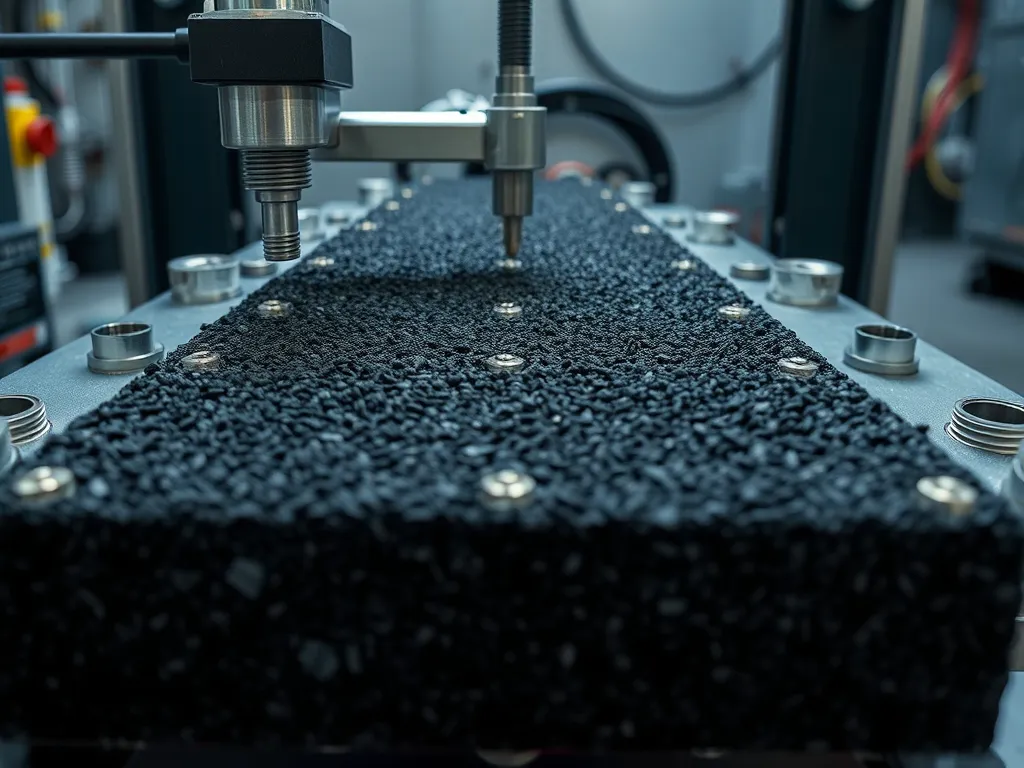
Overlay Strategies for Existing Cracked Asphalt
Overlays offer a cost fix for worn roads. Adding fresh asphalt over old layers can boost crack resistance if done right. This method skips full tear-outs, saving up to 40% in costs. But success hinges on smart prep and knowing the limits.
Feasibility Of Applying New Asphalt Over Old Layers
Not all cracked roads can handle overlays. Check the base first. If old asphalt has less than 25% cracks under 1/4 inch wide, overlays work. Deeper splits or alligator cracks need fixes first. A 1.5-inch overlay lasts 8-12 years when base layers stay firm.
Preparation Requirements for Successful Overlays
Clean, dry, and stable bases are key. Power sweep debris. Fill cracks wider than 1/4 inch with rubberized sealant. Apply tack coat (0.05 gal/sq yd) for bond strength. Mill ruts over 1 inch deep. Test soil underlay with ASTM D6433 to spot soft spots.
Limitations and Risk Mitigation
Overlays fail if old cracks reflect through. Use stress-absorbing membranes (SAMIs) to block upward splits. Limit new layer thickness to 2 inches max—thicker mats trap heat, causing rutting. Pick PG 76-22 binder for high-traffic zones. Check drain paths to stop water from seeping under slabs.
Next, we’ll explore how eco-friendly mixes boost crack resistance without harming the planet.
Environmental Considerations in Crack-resistant Asphalt
Building durable pavements requires balancing performance with ecological responsibility. Modern crack-resistant mixes now prioritize sustainable solutions without sacrificing structural reliability.
Sustainable Material Integration
Innovative blends combine recycled components with bio-based modifiers to boost flexibility while shrinking environmental footprints. These strategies tackle thermal stress while supporting circular economies.
Recycled Materials in Crack-Resistant Mixes
Recycled asphalt pavement (RAP) forms up to 30% of new crack-resistant mixes. High-quality RAP reintroduces aged bitumen coated on aggregates, which binds with fresh binders to reduce brittleness. Blending PG 64-22 binders with RAP lowers thermal cracking risks by 18% compared to virgin mixes. Specifications like ASTM D4887 ensure RAP integration maintains tensile strength above 75 psi.
Bio-Based Additives for Enhanced Flexibility
Vegetable oils like soybean or pine resin replace 5-15% of petroleum-based binders. These bio-additives improve low-temperature performance, with fracture energies reaching 450 J/m² at -20°C. Lignin from timber waste also modifies binder viscosity, resisting fatigue cracks under heavy traffic. Such blends cut fossil fuel use by 20% while meeting Superpave PG 70-28 standards for flexible pavements.
With sustainable mixes proven to meet rigorous testing benchmarks, the focus shifts to verifying performance through standardized evaluations. Next, we explore how labs quantify crack resistance before pavement installation.
Frequently Asked Questions (FAQ)
Does Asphalt Crack Easily Under Normal Conditions?
While asphalt is designed to withstand regular wear and tear, it can crack under certain conditions, such as extreme temperature changes, heavy traffic, and poor material quality. However, with proper mix design and construction methods, the crack resistance of asphalt can be significantly improved, reducing the likelihood of early cracking.
What is the Tolerance Standard for Asphalt Pavement Thickness?
The tolerance standard for asphalt pavement thickness generally recommends at least 3-4 inches for regular vehicle traffic and 6-8 inches for heavy-duty truck routes. Compliance with these standards is crucial for ensuring adequate load distribution and minimizing the risk of cracks.
How Long Should Asphalt Last Before Cracking Begins?
With appropriate design and maintenance, high-quality asphalt can last 15 to 20 years before significant cracking occurs. Factors such as climate, traffic load, and initial mix quality play a vital role in determining the lifespan of asphalt pavements.
Can New Asphalt Be Applied Over Severely Cracked Surfaces?
Applying new asphalt over severely cracked surfaces is generally not recommended without prior repairs. It is essential to assess the condition of the existing pavement; if there are extensive cracks or structural issues, these should be addressed before an overlay is considered to ensure the new layer adheres properly and maintains durability.
Closing Thoughts
Asphalt crack resistance plays a pivotal role in extending the lifespan of pavements. By understanding the factors that influence cracking, such as material composition and environmental stressors, stakeholders can make informed decisions to enhance durability. Advanced materials and best practices in construction help mitigate the risks associated with asphalt failures, ultimately saving costs and ensuring safer surfaces.
Regular testing and quality control standards are vital to maintaining asphalt quality. Implementing effective overlay strategies can revive severely cracked surfaces, while integrating sustainable materials supports eco-friendly practices in pavement engineering.
For more detailed information on asphalt crack resistance and related topics, visit Asphalt Calculator USA. Your journey to understanding and improving asphalt pavements starts here.
Additional Resources for You:
- The Asphalt Institute (Technical Resources & Standards)
- Identification of parameter to assess cracking resistance of asphalt mixtures subjected to aging and moisture conditioning – ScienceDirect
- (PDF) Comparison of Asphalt Mixtures Crack Resistance at Intermediate Temperatures using Advanced Test Methods and Theories
- Test Methods to Quantify Cracking Resistance of Asphalt …
- Coatings | Free Full-Text | An Evaluation of Asphalt Mixture Crack Resistance and Identification of Influential Factors

