
Tips for Improving Asphalt Driveway Drainage
Published on: May 9, 2026 | Last Updated: April 14, 2025
Written By: George Voss
Improving asphalt driveway drainage means controlling water flow to prevent cracks, potholes, and base erosion. Water that pools or soaks into the asphalt layer weakens its structure over time. Effective solutions include designing slopes (2% minimum), adding edge drains, or creating swales to redirect runoff. Unlike concrete, asphalt relies on precise grading and thickness (typically 2-3 inches) to shed water efficiently.
This guide walks through assessing drainage problems and applying asphalt-specific fixes. Learn how to measure slope angles, install trench drains near garage doors, or retrofit French drains beside driveways. We’ll also explore eco-friendly upgrades like permeable paver borders and rain gardens. Whether fixing puddles or planning a new installation, these steps protect your asphalt from costly water damage.
Why Proper Drainage is Critical for Asphalt Driveways
Asphalt driveways demand precise water management to avoid structural failures. Without it, even high-quality PG 64-22 binder mixes degrade faster than their 20-year design life.
Preventing Water Damage to Asphalt Surfaces
Water trapped beneath asphalt breaks down the bond between aggregates and bitumen. Hydrostatic pressure – the force of standing water – lifts pavement layers, creating cracks. Each freeze-thaw cycle widens these gaps by 0.25-0.5 inches annually. Winter drainage matters: 1 inch of ice under pavement reduces load-bearing capacity by 32%. Solutions like 2% cross-slopes push 95% of rainwater away before saturation occurs.
Long-term Durability and Cost Savings
Driveways with edge drains last 14-18 years versus 7-10 years without. Installing $12/linear-foot PVC edge drains during paving prevents $1,800 base repairs later. Proper grading preserves the 4-inch aggregate sublayer, cutting resurfacing needs by 40%. Permeable borders add $3-$7/sq.ft but slash stormwater fees by 25% in areas with volume-based billing.
Spotting early signs of drainage failure helps prioritize fixes before full reconstruction becomes necessary.
Assessing Your Asphalt Driveway’s Drainage Issues
Spotting trouble spots early saves time and cash. Start by checking how water moves off your drive after rain. Look for weak zones where issues might grow worse over time.
Identifying Pooling Water or Erosion
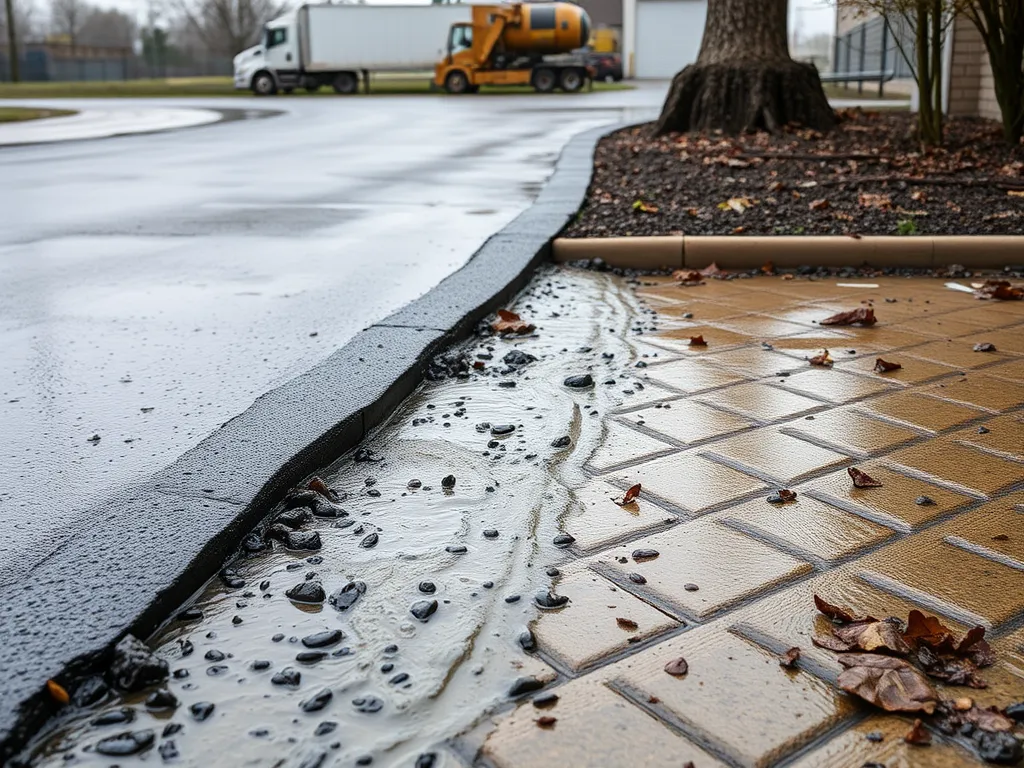
Standing water eats at asphalt. Check for puddles lasting more than 24 hours post-storm. Erosion signs include cracked edges, gravel loss near borders, or soil gaps along the drive. Key red flags:
- Mushy soil near drive edges
- Washed-out patches under downspouts
- Crumbling asphalt where water sits
Winter adds risks. Ice forms in low spots, pushing cracks wider during freeze-thaw cycles. Fix these zones before cold weather hits.
Checking Slope and Surface Grading
Asphalt needs a 2% slope (1/4 inch per foot) to shed water. Test this with a 4-foot level. Place it on the drive—if gaps form under one end, slope fails. For long drives, use a string tied to stakes at both ends. Measure drop over 10 feet.
- Good slope: Water flows off in 10-15 minutes
- Bad slope: Streams form, or water runs back toward house
Check cross-slope too. Driveways should tilt slightly to one side, not sit flat. Fixing bad grading may need fresh asphalt layers or regrading the base.
Once you know where water sticks or flows wrong, it’s time to pick fixes that match your drive’s needs. Next, we’ll break down top asphalt fixes for each issue.
Asphalt-specific Solutions for Driveway Drainage
Driveways built with asphalt require specialized methods to move water efficiently. These solutions blend slope design, material thickness, and drainage infrastructure to keep surfaces dry.
Designing Slopes for Optimal Water Runoff
Slope design directly impacts how quickly water exits your driveway. Proper grading prevents puddles from forming near edges or low spots.
Ideal Slope Percentage for Asphalt Driveways
Professionals recommend slopes between 2% to 5% for effective drainage. This means the driveway drops 2-5 inches per 10 feet of length. Slopes under 1.5% risk pooling, while those over 6% cause rapid erosion. Laser-guided grading tools ensure precision during installation.
Using Asphalt Thickness to Enhance Drainage
Thicker asphalt layers (3-4 inches) reduce water infiltration into the base layer. Standard driveways use 2-3 inches, but upgrading to 4 inches with a compacted stone subbase improves runoff. Costs rise by $0.50-$1.25 per square foot for each extra inch, but lifespan extends by 5-8 years.
Installing Edge Drains Along Asphalt Borders
Edge drains collect runoff before it seeps under the pavement. These perforated pipes sit below grade next to the driveway, wrapped in geotextile fabric to block debris.
How Edge Drains Protect Asphalt Integrity
By diverting water from the base layer, edge drains prevent freeze-thaw damage and base erosion. Install them 6-8 inches deep with a 1% slope toward discharge points. PVC pipes ($8-$12 per linear foot) outlast corrugated plastic options in cold climates.
While these asphalt-focused methods form the foundation, pairing them with complementary systems boosts performance. Next, explore supplemental upgrades to tackle stubborn water issues.
Also See: EN 12697 (Test Methods for Hot Mix Asphalt): Overview
Additional Drainage Improvements for Asphalt Driveways
Targeted upgrades can boost water management for existing driveways without full reconstruction. Focus on high-impact zones and strategic water redirection.
Installing Channel Drains in Problem Areas
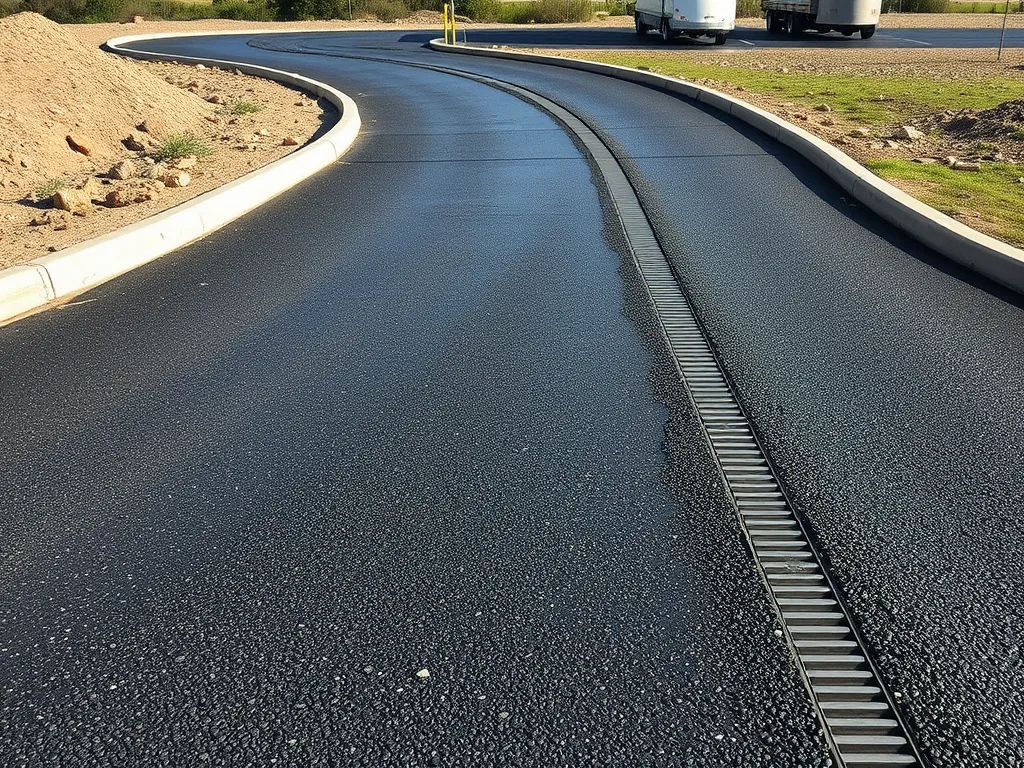
Channel drains—linear systems with grated tops—capture surface runoff in low spots. Position these 4-6 inch wide drains across driveways where pooling occurs. Pair with PVC pipes sloping 1/8 inch per foot to move water 10-15 feet from paved surfaces. Polymer concrete models handle freeze-thaw cycles better than plastic.
Retrofitting French Drains Near Driveway Edges
French drains combat subsurface saturation. Dig 12-18 inch deep trenches 2 feet from asphalt edges, add perforated pipes wrapped in geotextile fabric, then backfill with gravel. These systems intercept groundwater before it weakens the aggregate base, a common cause of asphalt cracks.
Creating Swales to Redirect Runoff
Shape shallow, grassy ditches (swales) along driveway perimeters. Build 6-8 inch depressions with 2% slope to steer water toward rain gardens or storm drains. Use erosion-resistant vegetation like fescue grass. Swales cut runoff velocity by 60% compared to bare soil.
Adjusting Downspouts to Avoid Asphalt Saturation
Extend downspouts 5-8 feet from driveways using aluminum extensions or buried corrugated pipes. For every 1,000 square feet of roof area, 1 inch of rain sends 620 gallons toward pavement. Redirecting this flow prevents hydrostatic pressure damage at asphalt edges.
Adding Permeable Borders to Asphalt Edges
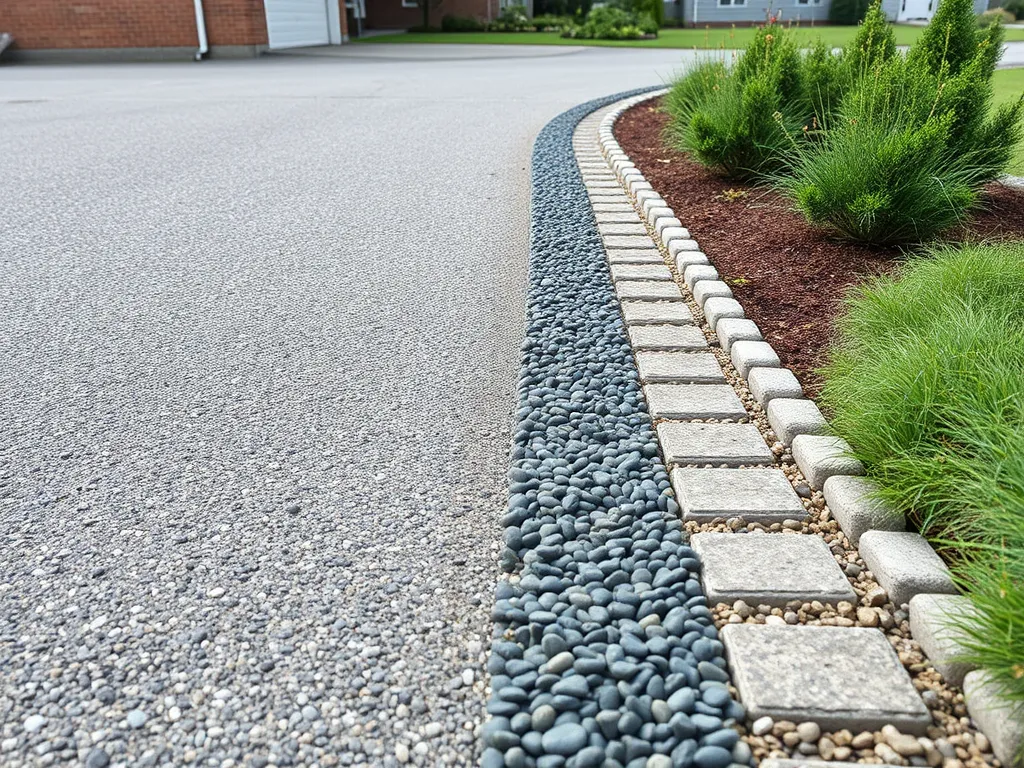
Install 18-24 inch wide gravel or permeable paver strips along driveway sides. These zones absorb 3-5 gallons per square foot hourly—four times asphalt’s capacity. Use ¾ inch crushed stone for maximum infiltration while preventing weed growth.
These targeted upgrades work best when paired with broader environmental strategies. Next, explore how sustainable landscaping integrates with asphalt drainage systems.
Environmental Considerations for Asphalt Driveways
Balancing effective drainage with eco-friendly practices protects both your asphalt surface and local ecosystems. These methods manage runoff while supporting soil health.
Using Rain Gardens to Manage Excess Water
Rain gardens act as natural basins for stormwater collecting near driveways. Positioned 6-10 feet from asphalt edges, these planted depressions filter pollutants through layers of compost, sand, and native grasses. Species like switchgrass or blue flag iris thrive in rain gardens while absorbing 30% more water than traditional lawns. For driveways on slopes steeper than 2%, tiered rain gardens prevent erosion by slowing water velocity.
Permeable Pavers As Supplementary Drainage Aids
Install permeable pavers along driveway borders to boost drainage capacity. Materials like porous concrete or interlocking plastic grids allow 480 inches of water per hour to infiltrate soil. When paired with asphalt, a 12-inch-wide paver strip reduces standing water by 40% in clay-heavy soils. Maintenance involves vacuuming debris twice yearly to maintain flow rates. Expect costs between $8-$12 per square foot installed.
Next, let’s address common questions about maintaining these systems during seasonal changes.
FAQs About Asphalt Driveway Drainage
How Do You Fix Poor Drainage in an Asphalt Driveway?
To resolve poor drainage, first identify the specific issues such as pooling water or improper slope. Solutions may include regrading the driveway to ensure a minimum 2% slope, installing drainage systems like edge drains or French drains, and ensuring that water is directed away from the driveway with appropriate landscaping or channel drains.
What is the Best Drainage Solution for an Asphalt Driveway?
The best drainage solution often involves a combination of methods tailored to your specific driveway conditions. Effective strategies include creating proper slopes, installing edge drains, adding channel drains in problematic areas, and using permeable materials at the borders to allow for better water absorption.
How to Divert Water Runoff From an Asphalt Driveway?
To divert water runoff, consider creating swales or ditches to redirect water flow towards designated drainage areas. You can also adjust downspouts to direct water away from the driveway and install channel drains or French drains to capture and manage excess runoff effectively.
How to Fix Water Pooling on an Asphalt Driveway?
Address water pooling by identifying any low spots in the driveway and regrading them to ensure proper drainage. Installing channel drains in areas where water collects can also help, as well as improving the overall slope of the driveway to promote effective water runoff.
What Defines Proper Drainage for Asphalt Driveways?
Proper drainage for asphalt driveways is defined as a system that effectively prevents water accumulation on the surface and directs it away from the driveway foundation. This usually involves a minimum 2% slope, adequate drainage installations (such as edge and channel drains), and materials or landscaping that promote water absorption and flow away from the asphalt surface.
Closing Thoughts
Improving driveway drainage is vital for preserving the integrity and longevity of your asphalt surfaces. From assessing slope to incorporating effective drainage solutions, each tip contributes significantly to mitigating water damage and enhancing durability. Simple adjustments such as installing edge drains, channel drains, or permeable borders can make a significant impact on water management.
By strategically planning your driveway’s drainage, you not only protect your investment but also contribute positively to your local environment. Remember, effective drainage soon turns from a necessity into a seamless part of your landscape. For more detailed information and tools related to asphalt driveway maintenance, visit Asphalt Calculator USA.
Useful References for You:
- Federal Highway Administration (FHWA) – Asphalt Pavement Technologies
- How to Improve the Drainage of Your Driveway – The New Driveway Company
- 10 Best Drainage solutions ideas – Pinterest
- Most common drainage problems on your driveway | JDP
- How to Improve the Drainage of Your Gravel Driveway | DoItYourself.com

