
The Smart Money Approach to Commercial Asphalt Maintenance
Published on: April 26, 2026 | Last Updated: April 14, 2025
Written By: George Voss
The economics of asphalt maintenance in commercial settings balance short-term costs against long-term savings. Parking lots, driveways, and loading docks require regular upkeep to prevent cracks, potholes, and drainage issues. Key factors include material quality (like PG 64-22 binder grades), labor rates averaging $50-$75/hour, climate impacts (freeze-thaw cycles add 20% repair costs in northern states), and traffic volume. A Walmart study showed proactive maintenance cuts 5-year costs by 30% compared to reactive fixes.
This article breaks down asphalt care costs for shopping centers, warehouses, and office complexes. We analyze sealcoating (protective layer), crack filling, and overlay installation prices. Learn how seasonal timing affects bids and why drainage fixes save $3-$7 per square foot long-term. Real-world examples show how Target and Amazon distribution centers budget maintenance. We’ll compare repair costs versus full reconstruction ($8-$15/sq.ft vs $3-$5/sq.ft) and reveal tax incentives for recycled asphalt projects. Keep reading to turn pavement management from an expense into an investment.
Key Cost Factors in Commercial Asphalt Maintenance
Balancing short-term spending with long-term pavement performance defines asphalt upkeep economics. Four elements shape budgets for parking lots, loading docks, and access roads.
Initial Installation Vs. Long-term Maintenance Costs
New asphalt installation runs $3-$5 per square foot but sets the stage for future expenses. High-density bases with PG 64-22 binders may add 15% upfront yet cut annual maintenance costs by 30%. Lifecycle cost analysis proves preventive measures like crack sealing every 2-3 years slash repair bills over 10-year periods.
Material and Labor Expenses in Asphalt Upkeep
Commercial asphalt maintenance pricing breaks down into:
- Materials: $8-$12 per gallon for polymer-modified sealers
- Labor: $45-$75/hour for skilled paving crews
- Equipment: $200-$400 daily for infrared patching systems
Labor often consumes 40-60% of total costs in urban markets. Sealcoating 100,000 sq ft averages $0.15-$0.25 per sq ft.
Impact Of Climate and Traffic on Asphalt Repair Prices
Midwest freeze-thaw cycles accelerate asphalt deterioration, requiring 25% more frequent repairs than Southwest regions. Heavy truck traffic increases wear rates by 4x versus passenger vehicles. Repair costs in harsh climates can double every 7 years without proper maintenance cycles.
Hidden Costs Of Neglecting Pavement Management
Unsealed cracks grow 300% faster year-over-year, leading to:
- Base failure repairs at $8-$12 per sq ft
- Liability claims from trip hazards
- 30% faster pavement rating decline
Reconstruction costs hit $7-$10 per sq ft versus $0.50-$1.50 for crack filling. ADA non-compliance fines add $15k-$75k per incident.
With these cost drivers clarified, let’s examine specific maintenance methods that balance commercial asphalt maintenance expenses with pavement longevity.
Types Of Asphalt Maintenance &Amp; Associated Economics
Commercial property managers balance immediate asphalt maintenance costs against long-term pavement performance. Selecting the right repair method directly impacts annual asphalt upkeep expenses and lifecycle management.
Sealcoating: Cost Vs. Protective Benefits
Sealcoating shields asphalt from UV rays, chemicals, and water intrusion. A typical 10,000 sq ft parking lot costs $0.15-$0.25 per sq ft to sealcoat, extending pavement life 3-5 years. Unsealed lots require crack repairs 2-3x more frequently.
Asphalt Sealers Pricing and Application Frequency
Coal-tar emulsions average $1.50-$2.50 per gallon, while asphalt-based sealers cost $1.00-$1.75. Most facilities sealcoat every 24-36 months. High-traffic retail centers may need annual reapplication in drive lanes.
Crack Filling: Preventing Costly Asphalt Deterioration
1/4″ untreated cracks can expand to 1″+ within 12 months, allowing water to erode base materials. Hot-pour rubberized asphalt filler costs $0.50-$1.00 per linear foot. Repairing cracks early prevents $8-$12 per sq ft pothole fixes later.
Patching Strategies for Commercial Pavement Longevity
Surface patches ($3-$5 per sq ft) address minor defects. Infrared patching ($8-$12 per sq ft) bonds new material to existing asphalt. Full-depth patches ($25-$35 per sq ft) replace compromised base layers. Proper patching techniques triple repair longevity compared to temporary cold-mix fixes.
Overlay Installation Cost Analysis
2″ asphalt overlays cost $2.50-$4.00 per sq ft including milling. Suitable for pavements with <25% surface damage, overlays provide 8-12 years of service life. Costs rise 15-20% if base repairs are needed before overlay application.
Full Reconstruction Economics
Complete reconstruction ($8-$15 per sq ft) becomes necessary when pavement shows alligator cracking across >40% of surface or base failure. Includes 6-8″ aggregate base, 3″ asphalt layer, and drainage adjustments. Lasts 20+ years with proper maintenance.
These maintenance options create a financial continuum – from $200 annual crack sealing to six-figure reconstructions. Up next: timing interventions to maximize budget efficiency while minimizing operational disruptions.
Frequency and Timing for Cost-effective Maintenance
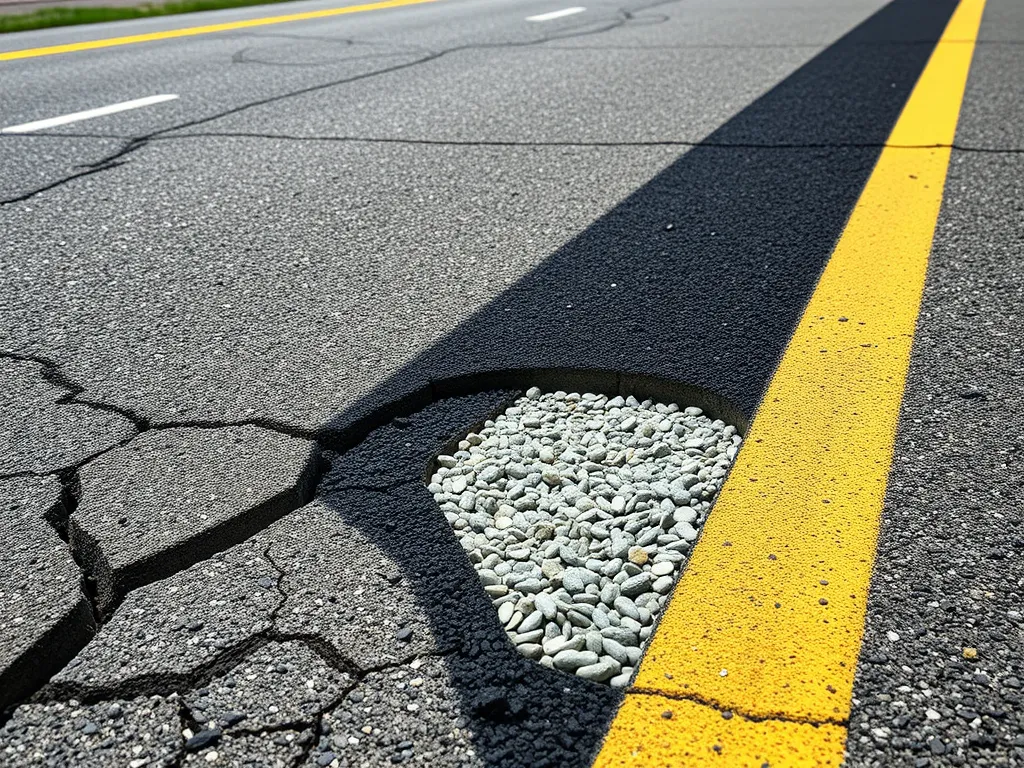
Strategic scheduling drives asphalt maintenance economics. Proper timing cuts commercial parking lot maintenance expenses by 18-40% while extending pavement life. Three factors dictate optimal plans: facility type, local climate, and traffic flow patterns.
Recommended Maintenance Cycles for Different Facilities
Maintenance frequency varies by property use. Retail centers with daily car traffic need sealcoating every 2-3 years. Warehouses handling semi-trucks require quarterly crack inspections. Office complexes benefit from biannual drainage checks paired with biennial sealcoating.
| Facility Type | Primary Activities | Frequency | Cost Range/Year |
|---|---|---|---|
| Retail | Sealcoating, line striping | 24-36 months | $0.25-$0.50/sqft |
| Warehouse | Crack filling, load testing | 6-12 months | $0.70-$1.20/sqft |
| Medical | Pothole repair, surface leveling | 3-6 months | $1.50-$2.80/sqft |
Costs reflect national averages for labor, materials, and equipment.
Seasonal Considerations in Asphalt Care Scheduling
Temperature dictates treatment effectiveness. Crack sealing works best at 50-70°F (spring/fall). Sealcoating needs 24 hours above 50°F – schedule before summer heat or after peak fall rains. Winter freeze-thaw cycles demand preemptive November inspections: one $500 assessment prevents $4,000+ in spring pothole repairs.
Traffic Pattern Analysis for Minimal Disruption
Smart scheduling slashes asphalt repair prices by minimizing business interference. Analyze security cam footage or POS data to target low-traffic periods. Hotels save 22% by paving during off-season weeks. Grocery stores cut costs 15% by working 10 PM-5 AM. Coordinate with delivery schedules – a distribution center avoiding peak freight days reduces labor overtime by 35%.
These timing strategies set the stage for evaluating asphalt maintenance costs against long-term savings. Next, we’ll break down how proactive care generates ROI through extended pavement lifecycles.
Also See: Durable Asphalt for Heavy-duty Applications
Asphalt Maintenance Cost Vs Long-term Savings
Balancing asphalt upkeep economics requires analyzing short-term spending against extended pavement life. Commercial properties that track asphalt maintenance costs per year gain clearer financial control.
Preventative Vs Reactive Maintenance Cost Comparison
Proactive asphalt maintenance solutions cost 60-80% less than emergency repairs. A 50,000 sq.ft. parking lot shows stark contrasts:
| Maintenance Type | Cost per 5 Years | Common Repairs |
|---|---|---|
| Preventative | $12,500-$18,000 | Sealcoating, crack sealing, inspections |
| Reactive | $34,000-$72,000 | Pothole patching, base repairs, overlays |
Delaying crack repairs allows water infiltration – the #1 cause of asphalt pavement management economics failures. One unchecked crack can lead to $1,200+ in base layer repairs within 18 months.
ROI Of Regular Sealcoating and Crack Sealing
Sealcoating provides 300% ROI by extending surface life 5-7 years. Commercial asphalt maintenance cost breakdowns show:
- Sealcoating: $0.15-$0.25 per sq.ft. every 2-3 years
- Crack sealing: $0.50-$1.50 per linear foot annually
Properties using asphalt maintenance best practices save $3.80-$6.20 per sq.ft. over 10 years compared to deferred care. Thermal cycling and UV exposure degrade unsealed surfaces 43% faster in southern states.
Budgeting for Multi-year Asphalt Management Plans
Top-performing facilities allocate 3-5% of initial asphalt costs annually for maintenance. A 10-year plan might include:
- Year 1-3: Sealcoating ($1,800-$3,200), crack repairs ($450-$900)
- Year 4-6: Partial-depth patching ($18-$28 per sq.ft.)
- Year 7-10: Surface recycling ($2.50-$4.00 per sq.ft.)
An asphalt maintenance estimator helps forecast expenses using site-specific factors: daily traffic counts, snowplow frequency, drainage conditions. Budgets should account for 12-15% price hikes in asphalt sealers pricing during peak seasons.
With multi-year planning established, the next step involves implementing asphalt maintenance best practices that maximize every dollar spent.
Best Practices for Commercial Asphalt Care
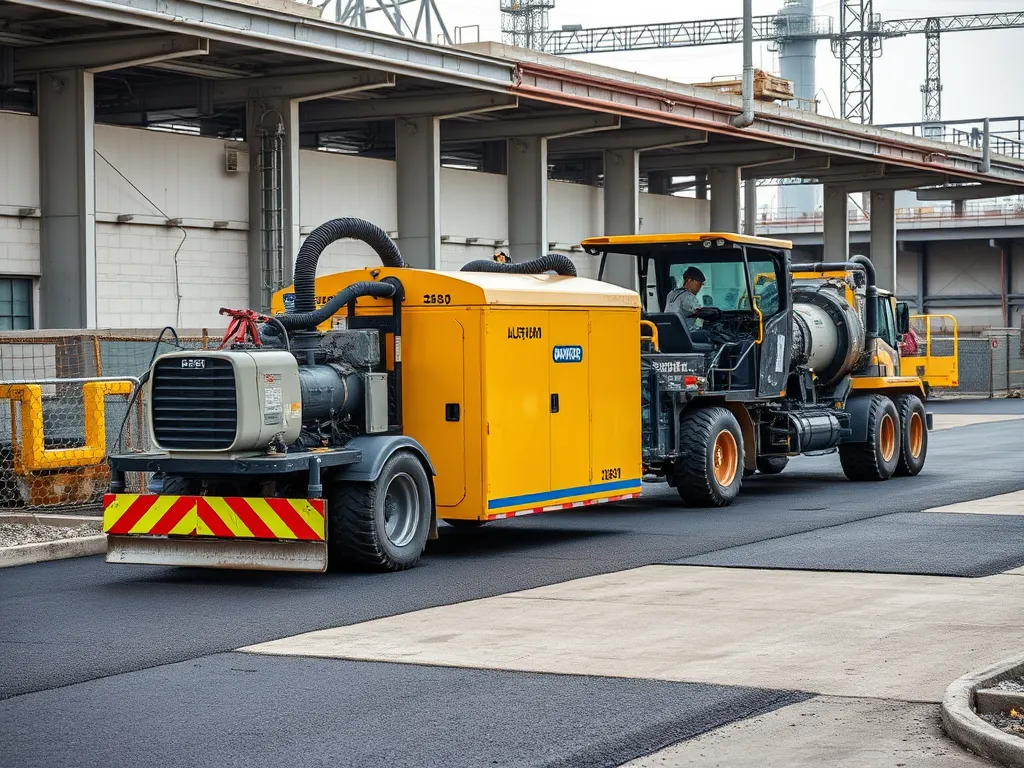
Smart maintenance strategies directly impact asphalt upkeep economics. Proactive approaches reduce commercial parking lot maintenance expenses while extending pavement life by 15-20 years. Focus on three critical areas to balance asphalt management cost with performance.
Proper Drainage Maintenance to Reduce Repair Costs
Water causes 85% of asphalt deterioration in commercial settings. Inspect catch basins monthly, clear debris from drainage pipes quarterly, and regrade slopes annually to maintain 2% minimum pitch. A single blocked drain can lead to $8,000-$12,000 in base repairs from water infiltration. Install trench drains in high-risk zones – they cost $45-$65 per linear foot but prevent subgrade failures costing $18-$28 per square foot to fix.
Using Asphalt Maintenance Estimators for Budget Planning
Digital tools like NAPA’s Paver Portal provide real-time asphalt maintenance pricing based on project specs. Input square footage, traffic data, and regional material costs to generate estimates within 5% accuracy. For example:
- Sealcoating: $0.18-$0.25 per sq ft (every 3 years)
- Crack filling: $0.50-$1.10 per linear foot (annual)
- Pothole repair: $35-$100 per hole (immediate)
These estimators help allocate $0.15-$0.35 per sq ft annually for asphalt maintenance costs – 60% less than reactive repair budgets.
Selecting Durable Materials for High-traffic Areas
Specify PG 76-22 polymer-modified asphalt for loading docks and entry lanes. Though costing $12-$15 per ton more than standard mixes, it withstands 20,000+ ESALs (Equivalent Single Axle Loads) versus 8,000 ESALs for conventional asphalt. Pair with 3/4″ angular aggregate for interlock strength. This combination reduces rutting repairs by 70% in heavy truck zones, cutting annual asphalt repair prices from $4.50 to $1.30 per sq ft.
Material durability directly ties to environmental performance – a key factor in modern asphalt pavement management economics. The next section examines sustainable options that lower costs while meeting eco-standards.
Environmental Considerations in Asphalt Economics
Incorporating sustainability into asphalt upkeep plans directly impacts financial outcomes. Commercial property managers now balance material performance with planetary impacts, creating new cost variables in pavement management.
Eco-friendly Maintenance Material Cost Analysis
Warm-mix asphalt (WMA) technology lowers production temps by 50°F, cutting fuel bills 15-20% versus traditional hot-mix. Bio-based asphalt sealers using plant oils cost $0.18-$0.25 per sq ft—20-30% pricier than petroleum options but last 35% longer. Porous asphalt installations run $3-$5 per sq ft but slash stormwater fees 30-40% through natural drainage.
| Material | Initial Cost | Long-Term Savings |
|---|---|---|
| Warm-Mix Asphalt | $2.50/sq ft | 18% fuel reduction |
| Recycled Rubber Modified Binder | +$0.30/sq ft | 40% crack reduction |
| Bio Sealant | $0.22/sq ft | 5-year warranty |
Recycling Asphalt Millings: Cost Savings Potential
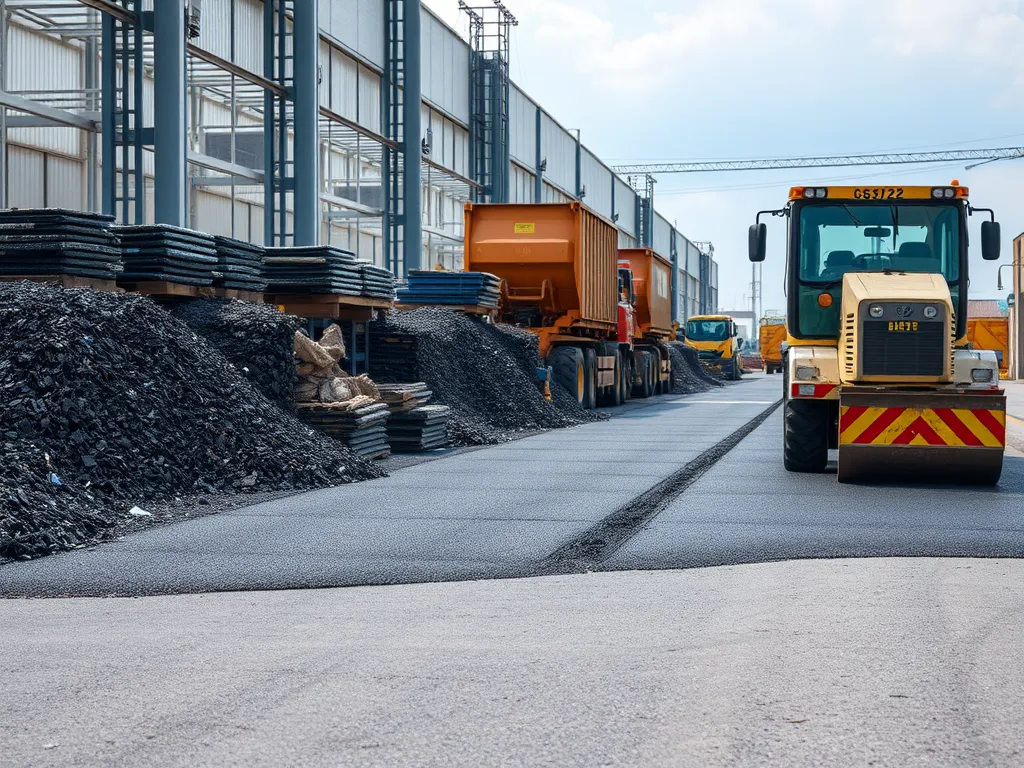
Reclaimed asphalt pavement (RAP) mixes now contain 30-50% recycled material, cutting aggregate costs by $8-$12 per ton. Parking lot millings reuse projects show 40% savings on full-depth repairs—a 20,000 sq ft lot saves $14k-$18k. Federal tax credits for RAP usage offer $0.50-$1.50 per sq ft incentives in urban heat island zones.
Milling machines grinding 2-4 inches of old asphalt cost $0.30-$0.75 per sq ft—half the price of hauling debris to landfills charging $40/ton disposal fees. Cold recycling trains can process 500 tons daily, allowing same-day paving at 20% lower labor costs than traditional methods.
These fiscal advantages pair with compliance gains—17 states now mandate 20% recycled content in publicly funded projects. Property owners using asphalt maintenance estimators report 12-15% annual budget reductions through circular material flows.
Looking beyond material choices, smart scheduling of maintenance activities further optimizes spending—a key focus in planning yearly upkeep cycles.
FAQ: Commercial Asphalt Maintenance Costs
How Often Should Asphalt Maintenance Be Performed?
The frequency of asphalt maintenance varies based on the type of facility. Retail spaces typically require sealcoating every 2-3 years, while warehouses might need quarterly crack inspections. Regular inspections and maintenance are essential to avoid costly repairs.
What’s the Typical Cost Range for Sealcoating?
Sealcoating typically costs between $0.15 and $0.25 per square foot. The total expense will depend on the size of the area being treated and the specific sealant used, with high-traffic areas possibly needing more frequent applications.
When Does Reconstruction Become More Cost-effective Than Repairs?
Reconstruction is considered more cost-effective when damage exceeds 40% of the pavement surface, which often presents conditions like alligator cracking. While reconstruction costs range from $8 to $15 per square foot, it can be more economical in the long run than continually repairing extensive damage.
Closing Thoughts
Navigating the economics of asphalt maintenance in commercial settings requires a strategic approach. Balancing initial installation costs with long-term maintenance expenses is crucial for budget-conscious businesses. Investing in preventative measures, like sealcoating and timely repairs, can yield significant savings over time. Understanding the nuances of material costs, climate effects, and traffic influence helps pinpoint the most effective maintenance strategies.
Businesses that prioritize asphalt upkeep not only extend the lifespan of their surfaces but also enhance safety and aesthetics. Consideration of environmental factors, like recycling asphalt, can lead to additional cost efficiencies while promoting sustainability. For accurate budgeting and planning, utilizing asphalt maintenance estimators is recommended.
For more insights and tools on asphalt management, check out Asphalt Calculator USA. This resource can assist in making informed decisions that optimize your asphalt investments.
Useful References for You:
- Huang, Y. H. (2004). Pavement Analysis and Design (2nd ed.). Upper Saddle River, NJ: Pearson/Prentice Hall.
- Industry Focus: Creating Value in Asphalt Paving – Ironline Advisors
- The Beauty of Asphalt – Asphalt Materials, Inc.
- How To Maintain Your Asphalt Pavement As A Commercial Property Manager – Surface Solutions Blog
- Sustainability | Asphalt Pavement Alliance

