The Economics Of Asphalt Maintenance
Published on: April 26, 2026 | Last Updated: April 14, 2025
Written By: George Voss
The economics of asphalt maintenance examines the costs and financial benefits of preserving paved surfaces over time. It compares routine upkeep expenses like crack sealing ($0.15-$0.35 per square foot) against major repairs from neglect, such as full-depth patching ($3-$8 per square foot). Preventive strategies yield 300-500% ROI by extending pavement life 7-15 years, while deteriorated roads increase vehicle operating costs by 14-22% annually.
This article breaks down how smart asphalt management impacts budgets, property values, and infrastructure longevity. Explore industry profitability metrics, cost comparisons per mile of road, and hidden expenses of deferred repairs. Learn how lifecycle analysis tools and sustainable practices balance upfront investments with long-term savings across public highways and private parking lots.
Introduction to Asphalt Maintenance Economics
Asphalt maintenance economics examines how strategic upkeep decisions impact both short-term budgets and long-term infrastructure value. Every dollar spent on crack sealing, pothole repairs, or sealcoating directly influences pavement lifespan, user safety, and total ownership costs. The Federal Highway Administration (FHWA) reports that preventive maintenance can extend asphalt life by 10-15 years compared to reactive repairs.
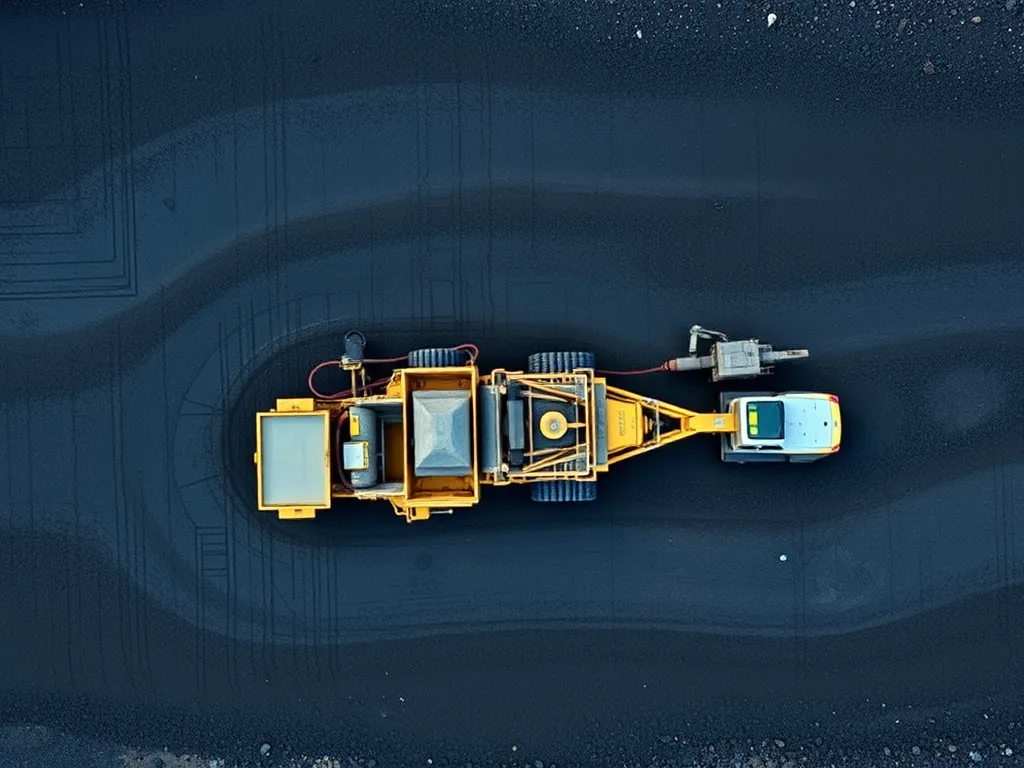
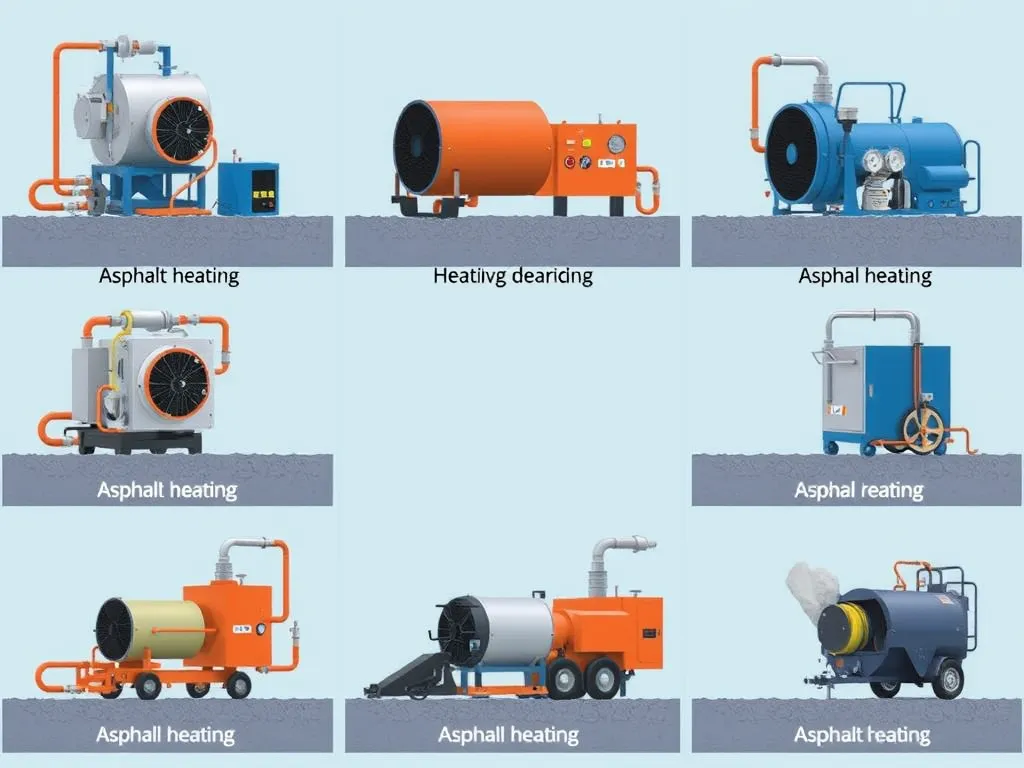
Three core factors drive asphalt maintenance costs: materials (like PG 64-22 binders or high-density patching mixes), labor rates averaging $45-$75/hour, and equipment expenses for infrared heaters or pneumatic rollers. Agencies use tools like Lifecycle Cost Analysis (LCCA) and Pavement Condition Index (PCI) scoring to quantify needs. A single delayed repair can escalate costs by 300% if water infiltration triggers base failures.
Modern strategies blend pavement preservation techniques with fiscal responsibility. Warm-mix asphalt technologies cut production temps by 50°F, reducing energy costs by 20%. Recycled asphalt pavement (RAP) mixes now incorporate 30-40% reclaimed material while meeting ASTM D6926 specs. These innovations reshape traditional asphalt maintenance economics by lowering initial outlays without sacrificing performance.
Understanding these financial dynamics sets the stage for evaluating the asphalt industry’s profitability drivers and operational challenges.
Profitability Of the Asphalt Maintenance Industry
Asphalt upkeep remains a steady earner. High demand meets repeat work cycles, creating stable cash flow. The U.S. pavement care sector hit $50B in 2023, per NAPA reports.
Is the Asphalt Business Profitable?
Yes. Profit margins range 10-15% for private firms. Public road contracts add bulk work. Key factors:
- Road networks grow 2% yearly
- Harsh weather spikes repair needs
- Preventive plans cut long-term costs by 30-50%
Sealcoating jobs yield $0.15-$0.35 per sq.ft. profit. Fleet-based crews handle 5-7 sites daily.
Key Revenue Drivers in Asphalt Management
Three pillars fuel earnings:
- Regular upkeep: Annual sealcoating ($1.50-$3.00/sq.ft.) stops cracks
- Repair work: Pothole fixes ($50-$200 each) and crack sealing ($0.50-$3.00/linear ft.)
- Big projects: Mill-and-overlay jobs ($3-$7/sq.ft.) renew worn roads
Recycled asphalt (RAP) slashes material costs by 25-30%. Tech like pavement scans spots issues early, saving 40% vs. reactive fixes.
While profits show strong potential, smart cost control makes or breaks asphalt budgets. Next, we break down what drives asphalt upkeep bills.
Cost Components Of Asphalt Maintenance
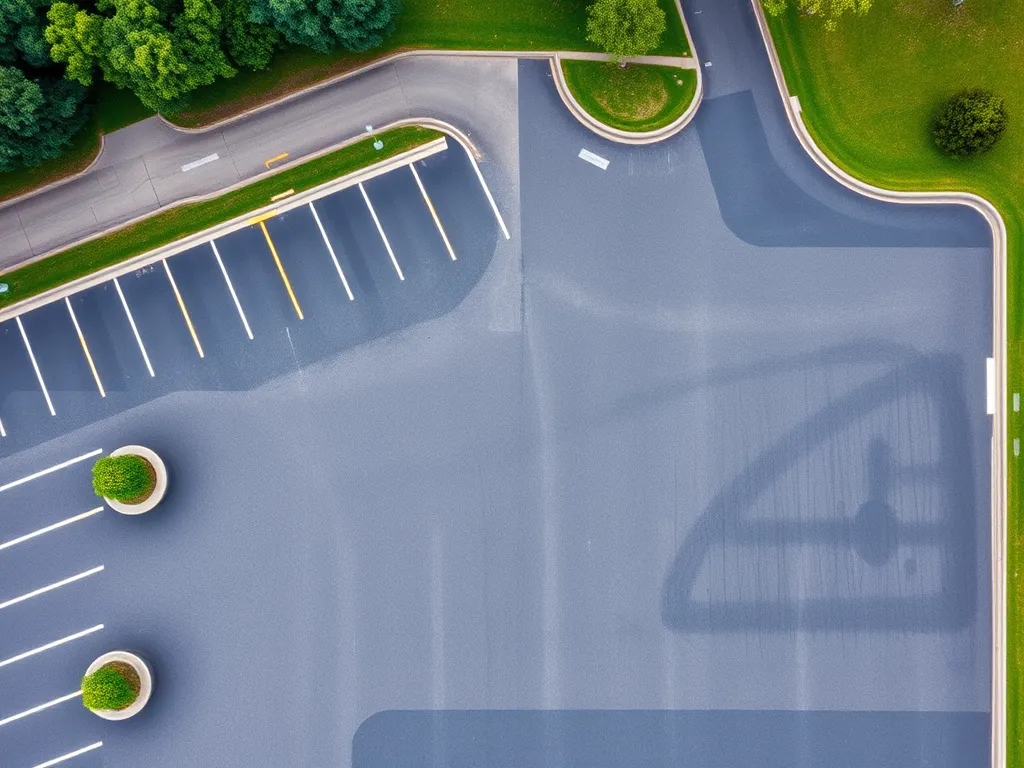
Breaking down the economics of asphalt maintenance requires dissecting three core elements: upfront investments, recurring expenses tied to upkeep, asphalt maintenance costs per mile, economics of asphalt repair, asphalt maintenance plans, asphalt repair cost, pavement maintenance economics, asphalt repair economics, and financial risks linked to deferred repairs. Each factor directly impacts the total cost of pavement ownership.
Initial Costs Vs. Long-term Expenditure
Upfront spending includes materials like hot-mix asphalt (HMA) priced between $100–$200 per ton, labor, cost to maintain asphalt, cost of maintaining asphalt, economics of asphalt, and equipment rentals. Long-term expenditure focuses on preventive measures: sealcoating ($0.14–$0.25 per sq.ft.) every 3–5 years, crack filling ($0.50–$1.50 per linear foot), asphalt management, and drainage system upkeep. Proactive strategies cut long-term spending by up to 50% compared to reactive fixes.
Asphalt Maintenance Costs Per Mile
Routine upkeep costs vary by method. Below is a breakdown for standard two-lane roads (24-foot width):
| Maintenance Type | Cost per Mile | Frequency |
|---|---|---|
| Crack Sealing | $1,200–$2,500 | Every 2–3 years |
| Sealcoating | $7,000–$14,000 | Every 3–5 years |
| Thin Overlay (1.5″) | $45,000–$75,000 | Every 7–10 years |
Data from the National Asphalt Pavement Association (NAPA) shows overlays extend pavement life by 8–12 years, lowering lifecycle costs by 30%.
Hidden Costs Of Neglected Asphalt Repairs
Delaying repairs spikes expenses. Unsealed cracks let water erode base layers, hidden costs of neglected asphalt repairs, benefits of asphalt maintenance, asphalt maintenance economics, economics of asphalt maintenance, asphalt maintenance costs, cost of pavement maintenance, pavement maintenance cost, requiring full-depth reconstruction costing $250,000+ per mile—six times more than timely fixes. Poor surfaces increase vehicle wear ($0.03–$0.05 per mile in extra fuel/tire costs) asphalt resurfacing economics and liability risks from accidents caused by potholes or uneven surfaces.
Examining these costs sets the stage for evaluating financial benefits tied to proactive upkeep strategies.
Also See: Role Of Compaction in Asphalt Excavation
Cost-benefit Analysis Of Asphalt Maintenance
Balancing asphalt maintenance economics requires weighing short-term spending against future savings. Every dollar invested today impacts pavement performance, longevity, and total ownership costs.
Asphalt Maintenance Vs. Neglect: Financial Implications
Delaying repairs saves $0.25-$0.35 per square foot initially but multiplies costs later. Unsealed cracks allow water infiltration, damaging base layers. Full-depth reconstruction costs $4-$8 per square foot—up to 10x more than crack sealing. For a mile of two-lane road, deferred maintenance can spike costs from $15,000 (preventive) to $150,000 (reconstruction) over 15 years.
ROI Of Preventive Asphalt Strategies
Sealcoating every 3-5 years yields 300-500% ROI by blocking UV oxidation and chemical spills. NAPA studies show timely overlays extend pavement life by 8-12 years at 30-40% lower cost than full replacements. Cities using infrared asphalt repair report 70% cost reductions compared to traditional patching.
Long-term Value Assessment Of Pavement Preservation
Life-cycle cost analysis (LCCA) tools like MicroPAVER factor in traffic loads, material fatigue, and climate risks. Agencies using LCCA save $18-$28 per square yard over 30 years by prioritizing preservation. A 2023 FHWA report found pavements with structured maintenance plans require 50% fewer capital repairs by year 20.
Strategic budget allocation separates reactive spending from proactive investment. Up next: How to design asphalt maintenance plans that align fiscal responsibility with engineering best practices.

Strategic Approaches to Asphalt Maintenance
Smart asphalt management balances immediate needs with future savings. Choosing the right methods impacts pavement lifespan and budget allocation across public roads, parking lots, and driveways.
Preventive Maintenance for Asphalt Longevity
Sealcoating every 2-4 years at $0.14-$0.25 per square foot blocks UV damage and water infiltration. Crack sealing with rubberized asphalt emulsions ($0.50-$2 per linear foot) prevents potholes by halting freeze-thaw erosion. These steps cut repair frequency by 50% compared to reactive fixes. Agencies using PG 64-22 polymer-modified binders report 30% longer service life for treated surfaces.
Asphalt Repair Economics: Patching Vs. Resurfacing
Infrared patching costs $75-$150 per square yard but lasts 3-5 years in low-traffic zones. Full-depth repairs run $100-$200 per square yard but address structural failures. Resurfacing with 1.5″ overlay averages $2-$4 per square foot, restoring ride quality for 8-12 years. The Asphalt Institute notes resurfacing beats repeated patching when damage exceeds 25% of the surface area.
Developing Effective Asphalt Maintenance Plans
Pavement condition indexing (PCI) scores guide priority investments. Municipalities allocating 15-20% of annual transport budgets to preventive care reduce lifecycle costs by 40%. Software like StreetSaver® optimizes schedules based on traffic loads, climate data, and material prices. Contracts specifying recycled asphalt pavement (RAP) mixes lower supply expenses by 18-22%.
These strategies set the stage for financial frameworks that maximize infrastructure dollars. Next, we’ll examine how lifecycle budgeting transforms pavement preservation from expense to investment.
Financial Planning for Asphalt Management
Smart financial planning turns reactive fixes into proactive strategies. Owners who master asphalt maintenance economics save 30-60% over 20 years compared to crisis-driven approaches. Let’s break down three pillars of fiscal pavement management.
Lifecycle Cost Analysis for Asphalt Pavements
Lifecycle cost analysis (LCCA) evaluates expenses from initial paving to final rehabilitation. Agencies using LCCA report 35-50% cost reductions over 30-year periods by timing interventions optimally. Key phases include: – Design (5-10% of total costs) – Construction (40-60%) – Maintenance (15-25%) – Rehabilitation (20-30%)
Discount rates (typically 2-4% for public projects) and net present value (NPV) calculations separate smart investments from money pits. For example, spending $12,000 on crack sealing today can avoid $80,000 in reconstruction within 8 years.
Budgeting for Asphalt Maintenance: Public Vs. Private Sectors
Public entities like DOTs use multi-year budgets with federal funding sources (FHWA’s MAP-21 grants cover up to 80% of eligible costs). Private operators focus on ROI – a well-maintained parking lot boosts property values by 7-10% annually. Annual maintenance costs per mile show stark contrasts: – Private commercial lots: $15,000-$30,000 – Municipal roads: $8,000-$20,000
TIFIA loans for public projects offer 35-year terms at 2.5% interest, while private owners often use 5-7-year capital improvement plans. Both sectors share one rule: every $1 delayed maintenance raises future repair bills by $4-$10.
Utilizing Tools for Asphalt Cost Estimation
Modern software slashes guesswork in pavement maintenance economics. PAVER (used by 82% of state DOTs) predicts failure points using ASTM D6433 standards. StreetSaver’s GIS mapping tracks condition indices across 100+ mile networks. Key outputs include: – Resurfacing costs: $80,000-$200,000 per mile – Preventive treatment costs: $25-$0.40 per square yard
Contractors using AsphaltPro’s bid calculators see 20-40% tighter cost margins. Cloud-based platforms like RoadBotics now provide AI-driven defect detection at $0.03-$0.12 per square foot.
With accurate cost models in place, the next challenge emerges: balancing these financial strategies against environmental mandates. How do recycled materials and emission regulations reshape the economic equation?
Environmental Considerations in Asphalt Economics
Maintaining asphalt surfaces now involves choices that mix fiscal responsibility with planetary care. Road owners face rising demand for solutions that work for budgets without harming natural systems.
Sustainable Practices in Asphalt Maintenance
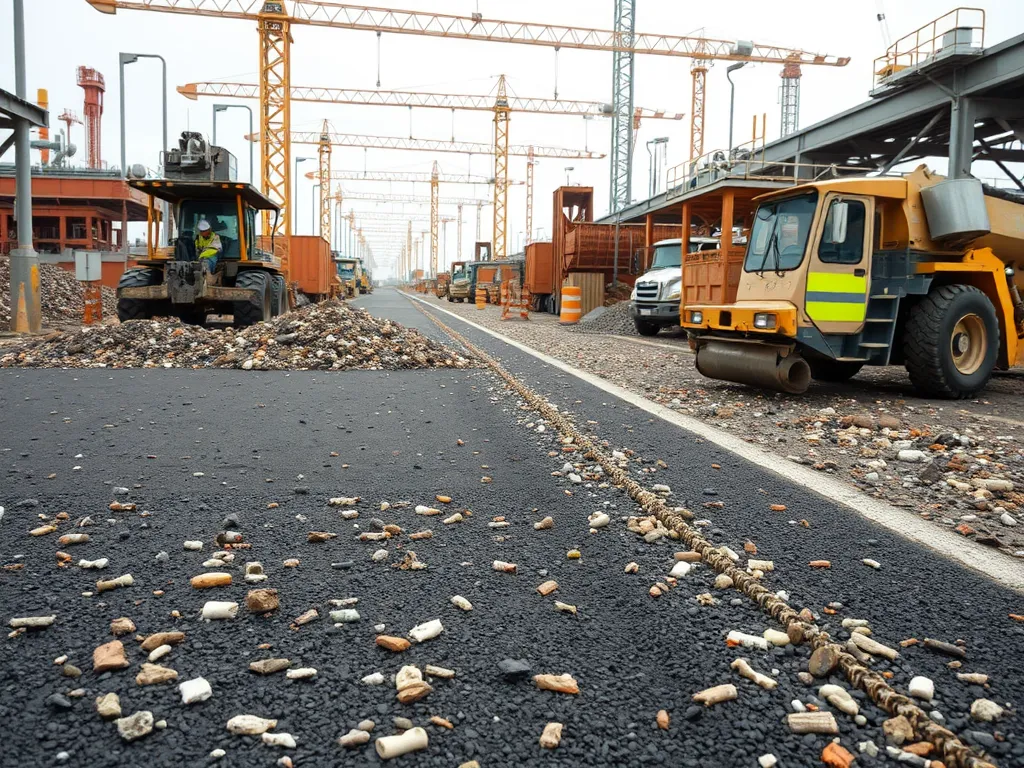
Warm-mix asphalt (WMA) technology cuts production temps by 50°F compared to traditional hot-mix. This innovation slashes fuel use by 20% and cuts CO₂ output by 30% during laying. Agencies like Caltrans now specify WMA for 45% of state highway projects.
- Recycled asphalt pavement (RAP) reuse hits 95% rates in some Midwest states
- Porous asphalt installations reduce stormwater management costs by $3.50/sq yd
- Bio-based binders from plant oils cut bitumen use by 15-25% in trials
Balancing Cost and Environmental Impact
A 2023 FHWA study showed maintaining roads with green methods costs 8-12% more upfront but delivers 35-40% savings over 15 years. Minnesota DOT saved $2.7 million on a 7-mile stretch using 30% RAP mixes and crack sealing cycles.
- Tax credits cover 30% of recycling gear costs under IRS Section 179D
- Permeable parking lots cut drainage infrastructure costs by $18,000/acre
- Preventive maintenance timing affects material waste: fixing 1” cracks costs half as fixing 3” ones
Road managers now weigh these factors when building asphalt maintenance plans. Up next: How budgeting tools transform fiscal planning for pavement systems.
Frequently Asked Questions (FAQ)
How Often Should Asphalt Maintenance Be Done?
The frequency of asphalt maintenance depends on several factors, including traffic volume, weather conditions, and the type of maintenance performed. Generally, crack sealing should be done every 2-3 years, while sealcoating typically occurs every 3-5 years. Regular inspections can help determine the best schedule for maintenance tasks, optimizing pavement longevity and cost efficiency.
Is Asphalt Considered High Maintenance?
Asphalt can be seen as high maintenance if neglected. Postponing necessary repairs such as crack sealing or pothole filling can lead to significant structural damage and higher long-term costs. However, with a disciplined preventive maintenance plan, asphalt surfaces can be maintained cost-effectively, offering significant benefits in terms of durability and lifespan.
What Factors Influence Asphalt Repair Costs?
Several factors influence asphalt repair costs, including the type and extent of the damage, geographical location, and material prices. For instance, surface cracks versus deep base failures will incur different costs, with full-depth repairs being significantly pricier. Additionally, labor rates and equipment costs can vary by region, impacting overall repair expenses. Seasonal weather conditions can also affect pricing, as repairs may be more challenging and costly during colder months.
Closing Thoughts
Asphalt maintenance is not just a matter of aesthetics; it’s a critical component of financial planning in construction and infrastructure management. Investing in proper maintenance can lead to substantial cost savings over time. Understanding the dynamics of asphalt economics allows property owners and managers to make informed decisions that enhance the longevity and performance of their pavements.
The balance between initial costs and long-term benefits highlights the importance of preventive measures. A well-structured maintenance plan can significantly lower expenses by addressing minor issues before they escalate. Furthermore, considering the environmental impact of asphalt practices adds another layer of responsibility to the economic considerations.
For more insights on asphalt maintenance and cost analysis, check out Asphalt Calculator USA. Your journey towards optimal asphalt management starts here!
Additional Resources for You:
- Kett, I. (1999). Asphalt Materials and Mix Design Manual. Oxford: Elsevier Science.
- The Beauty of Asphalt – Asphalt Materials, Inc.
- How does Asphalt Paving compare with concrete in terms of economics, maintenance and durability? – Quora
- Environmental and Economic Benefits of Asphalt Paving – Asphalt 365
- Economics | Wisconsin Asphalt Pavement Association