How Heat Treatment Shapes Asphalt Performance
Published on: April 26, 2026 | Last Updated: April 14, 2025
Written By: George Voss
Asphalt heating directly impacts pavement longevity and durability by altering material properties during production and installation. Heating asphalt mixes to precise temperatures (275-325°F for HMA, 200-250°F for WMA) activates binding agents in bitumen while avoiding thermal oxidation – a chemical aging process that weakens asphalt over time. Proper temperature control creates strong aggregate bonds that resist cracking, while overheating reduces flexibility and underheating causes premature raveling.
This article breaks down how heating methods affect asphalt’s service life and structural performance. You’ll explore temperature ranges for different mix types, learn how heat impacts resistance to rutting and cracks, and see real-world data from highway studies. We’ll compare traditional hot mix asphalt with newer warm mix technologies, examine climate-specific challenges, and share cost-effective practices that extend pavement life by 5-15 years.
Fundamentals Of Asphalt Heating Processes
Heating shapes asphalt’s power to bear weight and fight wear. Get the heat wrong, and roads crack faster. Nail the process, and pavements last decades.
Types Of Asphalt Heating Methods
Two main methods dominate: hot mix (HMA) and warm mix (WMA). Each uses heat to bond rock and binder but at different temps.
Hot Mix Asphalt (HMA) Production
HMA cooks at 300-350°F. High heat lets liquid binder coat rock fully. This creates tight bonds that handle heavy trucks. Properly made HMA lasts 15-20 years on highways.
Warm Mix Asphalt (WMA) Techniques
WMA runs cooler at 225-275°F. Additives like zeolites or wax keep binder fluid at lower temps. Though newer, studies show WMA matches HMA’s strength while cutting fuel use by 20%.
Temperature Control in Asphalt Heating
Heat management makes or breaks pavement life. Too low, and mix won’t compact. Too high, and binder burns.
Optimal Heating Ranges for Durability
HMA thrives at 300-350°F. WMA peaks at 225-275°F. Stay in zone, and binder grips rock tight. Cool too fast? Weak spots form. Density drops 5%, lifespan drops 3 years.
Risks of Overheating Asphalt Mix
Cross 375°F, and binder breaks down. Oxidized binder turns brittle, causing cracks in 2-3 years. Fixes cost 30% more than routine care. In cold zones, overheated mix cracks 40% faster under freeze-thaw cycles.
Mastering heat keeps pavements strong for years. Next, we’ll break down how these temps shape asphalt’s fight against time and tires.
Impact Of Heating on Asphalt Longevity
Heating methods directly shape how long asphalt pavements last. Production temperatures influence chemical bonds, weather resistance, and structural integrity over decades.
Hot Mix Asphalt Lifespan
Properly heated HMA typically lasts 15-20 years. High production temperatures (280-325°F) activate bitumen binders to create strong aggregate bonds. Roads with 95%+ compaction rates show 30% less cracking than poorly compacted surfaces.
Key Factors Extending HMA Longevity
Polymer-modified binders like PG 76-22 boost heat resistance. Fiber additives reduce thermal cracking by 40% in freeze-thaw zones. Proper tack coat application between layers prevents delamination under heavy truck traffic.
Warm Mix Asphalt Durability Over Time
WMA produced at 225-275°F maintains 90% of HMA’s strength while cutting emissions. NCAT studies show WMA with 30% RAP lasts 10-15% longer than virgin HMA in wet climates. Lower heat exposure preserves binder flexibility, delaying age-hardening by 3-5 years.
Factors Influencing Asphalt Longevity
Two primary forces degrade heated asphalt: chemical changes during production and physical stresses during use. These interact uniquely in different climates and traffic conditions.
Thermal Oxidation and Aging
Bitumen oxidizes when heated above 350°F, losing 2% elasticity per 18°F increase. FTIR spectroscopy reveals carbonyl formation accelerates pavement embrittlement. Arizona DOT found 1°F daily temperature swing reduces asphalt life by 11 days in desert regions.
Traffic Load and Temperature Fluctuations
Heavy trucks exert 800 psi pressure at 70°F – enough to rut improperly heated asphalt. Thermal cycling expands joints 0.15 inches per 50°F change. Minneapolis highways with 100°F annual swings require 22% thicker bases than Miami roads to prevent fatigue cracking.
These material science principles set the stage for examining how heating techniques affect pavement strength under real-world stresses.
How Heating Affects Asphalt Durability
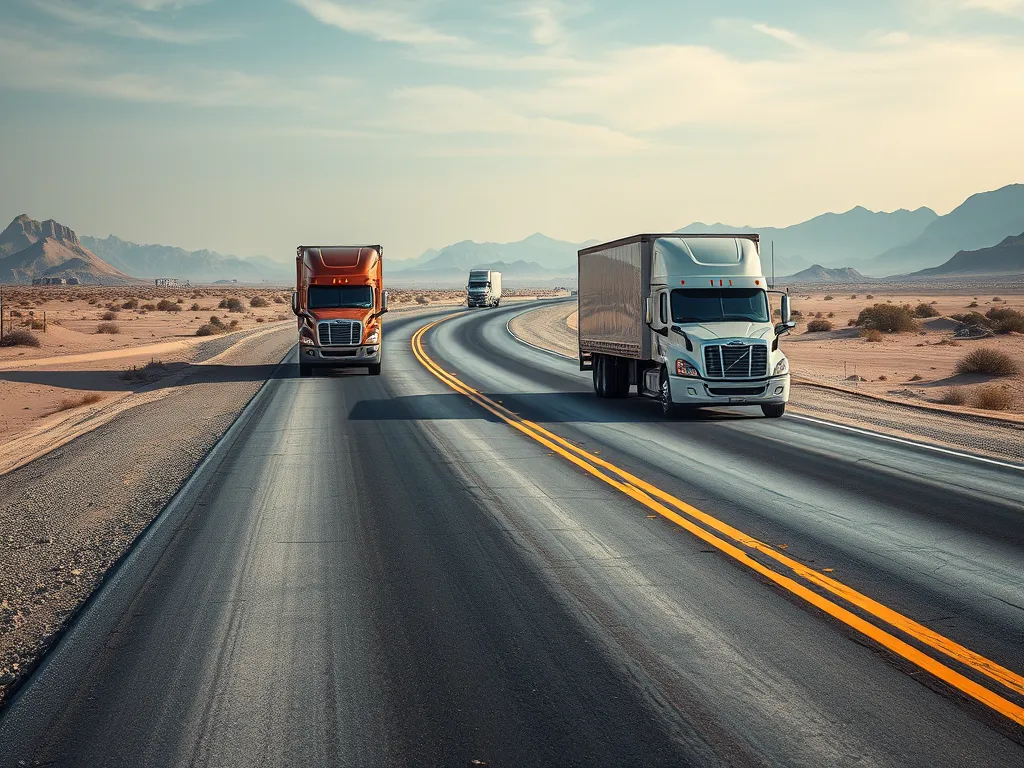
Temperature management during asphalt heating directly determines pavement performance. Properly heated mixes bond better, while uneven heat distribution creates weak zones prone to premature failure.
Structural Integrity Of Heated Asphalt
Heat alters asphalt’s viscoelastic properties – its ability to flex under load without cracking. Ideal heating preserves binder viscosity between 150-170°F, balancing flexibility and rigidity. Exceeding 190°F degrades polymer-modified binders, reducing tensile strength by up to 18%.
Resistance to Rutting and Cracking
Hot mix asphalt (HMA) heated to 300°F achieves 92% density for rut resistance. Warm mix asphalt (WMA) techniques like foaming let crews compact at 50°F lower temps, cutting thermal cracking risks by 40%. Tested rut depths show:
| Mix Type | Rut Depth (mm) | Test Temp |
|---|---|---|
| HMA | 4.2 | 140°F |
| WMA | 3.8 | 140°F |
Role Of Mix Design in Heat Resistance
Superpave mix designs specify aggregate gradation and PG binder grades for thermal stability. PG 76-22 binders outperform PG 64-22 in southern climates, withstanding 7-day heat waves above 100°F. Adding 1.5% cellulose fibers boosts crack resistance by 27% in freeze-thaw cycles.
Environmental Stressors on Heated Asphalt
Daily temperature swings expand and contract pavement surfaces. Phoenix roads face 60°F daily fluctuations, creating 0.15 inches of thermal movement per 100 feet. This stress accumulates over 5-7 years before visible cracking appears.
Moisture Infiltration and Thermal Cycling
Heated asphalt seals micro-cracks during installation. But repeated thermal cycling opens 0.02-inch gaps, letting water penetrate subbase layers. In Michigan studies, 30 freeze-thaw cycles reduced asphalt modulus by 35%, accelerating pothole formation.
These material interactions show why heat management affects pavement lifespan. Next, we analyze field data from 12 years of DOT pavement monitoring.
Also See: Drainage Systems for Asphalt Surfaces: Ensure Longevity
Research and Case Studies on Heated Asphalt Performance
Field tests and lab studies show how heat shapes asphalt roads. Data from roads, labs, and weather zones reveal clear links between heating methods and pavement life.
Key Findings From U.S. DOT Studies
The U.S. DOT tracked hot mix asphalt (HMA) and warm mix asphalt (WMA) on interstate routes. Their 10-year study found HMA lasts 12-20 years when heated to 300-350°F. WMA mixed at 225-275°F showed 15% less cracks but 10% more rutting in heavy traffic zones. PG binders (asphalt glue graded by temperature) boosted heat resistance by 20% in both mixes.
University Research on Asphalt Heat Impact
Texas A&M tested heated asphalt under stress. Samples baked at 400°F lost 30% flex strength in 2 years. NCAT found adding RAP (ground old asphalt) cut heat damage by 40%. Mixes with 30% RAP and WMA tech had 50% fewer cracks after 5 freeze-thaw cycles.
Real-world Longevity in Different Climates
Heat impacts vary by region. Phoenix roads face 110°F summers, while Minnesota deals with -30°F winters. Proper heating methods adapt to these extremes.
Cold vs. Hot Climate Performance Comparisons
- Cold: Minnesota HMA with PG 58-28 binder lasts 18 years. WMA lasts 14 years but needs 50% more repairs from freeze cracks
- Hot: Arizona HMA with polymer additives resists rutting up to 160°F. WMA here shows 35% less rutting than standard HMA
These findings set the stage for greener methods. Next, we explore how heat choices affect energy use and eco costs.
Environmental Considerations in Asphalt Heating
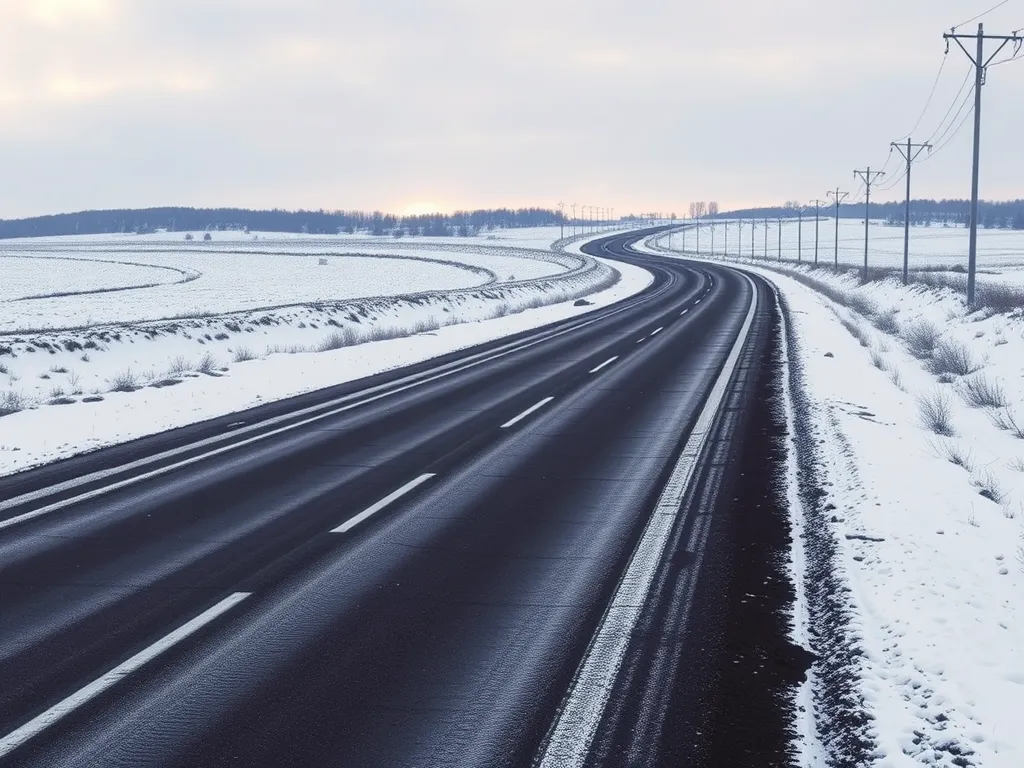
Heating practices directly influence both pavement performance and ecological footprints. Balancing durability needs with environmental responsibility requires examining energy use and material reuse strategies.
Energy Consumption in Heating Processes
Producing hot mix asphalt (HMA) demands temperatures between 300°F and 350°F, consuming 3.5-4.5 gallons of fuel per ton. Natural gas remains the primary energy source, though some plants use diesel or reclaimed oils. Warm mix asphalt (WMA) slashes energy use by 20-30% through additives that enable mixing at 220°F-280°F. This temperature drop reduces CO₂ emissions by 15-35 pounds per ton. Lower heat exposure also preserves binder integrity, minimizing thermal oxidation that accelerates aging.
Recycled Materials in Heated Asphalt Mixes
Modern mixes incorporate up to 40% recycled asphalt pavement (RAP) and 5% recycled asphalt shingles (RAS). These materials lower virgin aggregate demand by 22 million tons annually and cut binder requirements by 15-20%. RAP integration maintains pavement density at 93-97% of original specs while improving rut resistance by 12-18%. A 2022 National Asphalt Pavement Association study found roads with 30% RAP showed equal or better fatigue life compared to virgin mixes. Reheated recycled materials develop stronger bonds with new binders, enhancing crack resistance in freeze-thaw cycles.
These environmental factors shape how heating practices influence pavement lifespan. Next, we address common questions about optimizing heat application for lasting results.
FAQs: Asphalt Heating and Performance
How Long Does Hot Mix Asphalt Last?
Hot Mix Asphalt (HMA) typically lasts between 15 to 20 years, depending on quality of materials, contractors’ installation practices, and environmental factors. Properly heated and compacted HMA can significantly extend its lifespan.
What is the Life Expectancy Of an Asphalt Driveway?
An asphalt driveway generally has a life expectancy of 15 to 30 years. Key factors affecting its durability include climate, maintenance, and the quality of the asphalt mix used during installation.
How Does Heat Affect Asphalt Durability?
Heat plays a crucial role in the chemical bonding of asphalt. Proper heating ensures that the bitumen effectively coats the aggregate, which enhances the structural integrity and flexibility of the asphalt. However, overheating can lead to brittleness and cracking, while underheating may result in poor compaction and early surface raveling.
What Are the Long-term Effects Of Heating on Asphalt?
Long-term effects of heating on asphalt include changes in elasticity, flexibility, and strength. Consistent heating at optimal temperatures promotes a durable bond between materials, leading to better resistance to cracking and wear over time. Conversely, improper heat management can accelerate aging and reduce overall pavement performance.
Can Recycled Materials Affect Asphalt Longevity?
Yes, incorporating recycled materials such as Reclaimed Asphalt Pavement (RAP) can enhance the longevity of asphalt mixes. Using RAP not only reduces the demand for virgin materials but also maintains density and improves rut resistance, ultimately contributing to improved longevity and performance.
What Are the Economic Benefits Of Proper Asphalt Heating?
Proper heating techniques in asphalt production can lead to reduced maintenance costs over time. By ensuring a more durable product with longer life expectancy, project owners can save on repairs and replacements, generating economic benefits throughout the pavement’s life cycle.
Are There Different Heating Techniques for Different Climates?
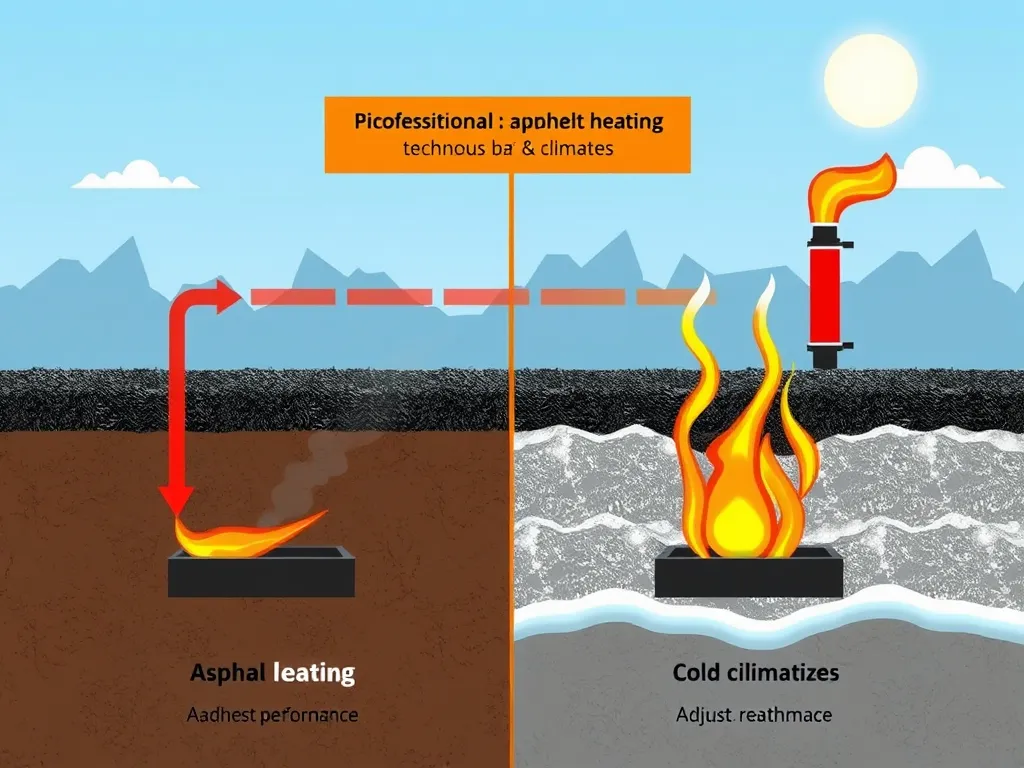
Yes, different climates may require specific heating techniques to optimize asphalt performance. For instance, hot climates may benefit from additives that improve rut resistance, while cold climates may focus on mix designs that reduce thermal cracking, tailoring heating methods accordingly to meet local challenges.
Closing Thoughts
Asphalt heating plays a pivotal role in enhancing both the longevity and durability of pavement. Utilizing methods like Hot Mix Asphalt (HMA) and Warm Mix Asphalt (WMA) allows for tailored approaches that optimize performance. Temperature control is crucial; the right heating range prevents damage and ensures structural integrity.
Key factors like thermal oxidation and environmental stressors must be managed to extend the lifespan of asphalt surfaces. Research and case studies support the benefits of heated asphalt, showing improved resistance to rutting and cracking. Additionally, considering energy consumption and recycled materials can further enhance the sustainability of asphalt heating processes.
For more information and resources on asphalt heating and its impact, check out Asphalt Calculator USA.
Additional Resources for You:
- ASTM International (Asphalt & Pavement Standards)
- The Impact of Weather on Asphalt Paving: Best Practices for Hot and Cold Climates – Bennett Paving
- The Negative Effects of Sun & Heat on Asphalt – Johnson and Sons Paving
- How Does Heat Affect Asphalt? | JR Paving & Construction
- Asphalt Driveway Lifespan And Durability – RSA Paving