What is Asphalt Binder?
Published on: April 22, 2026 | Last Updated: April 14, 2025
Written By: George Voss
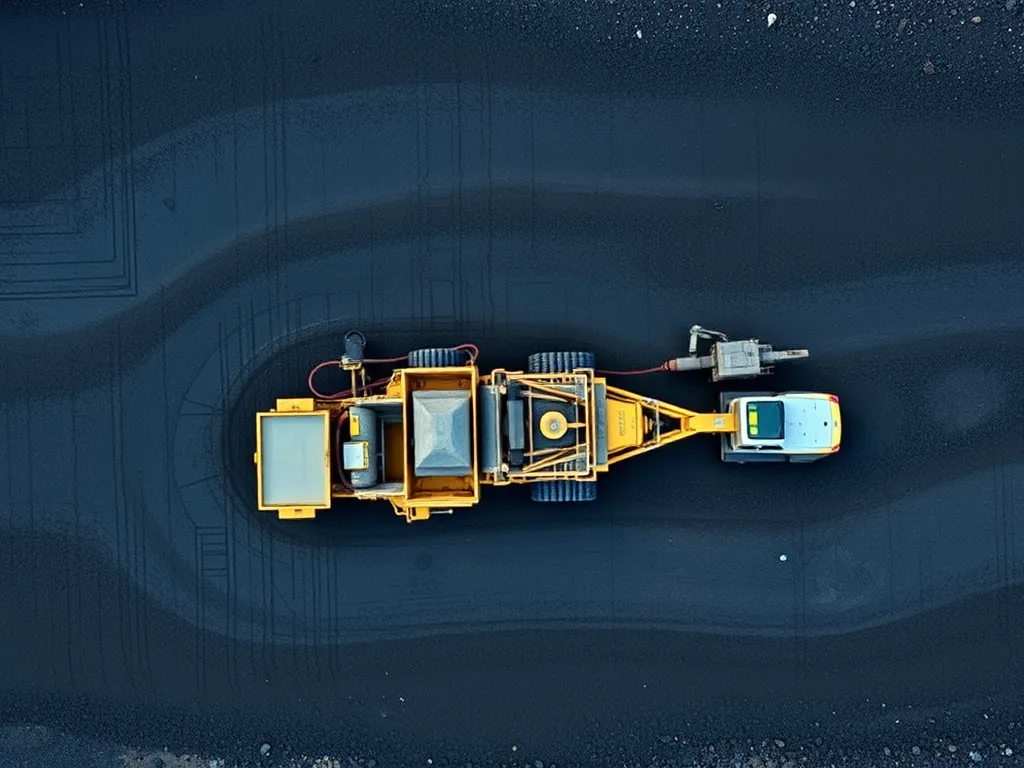
Asphalt binder is the sticky black glue that holds asphalt mixes together. Made from crude oil residue, this thick liquid binds crushed stone, sand, and gravel into durable pavement. Unlike plain asphalt (which contains aggregates), asphalt binder refers specifically to the binding agent. It’s refined to achieve high viscosity, thermal resistance, and flexibility between -40°F and 150°F.
This article breaks down how asphalt binder works. Learn what it’s made of, how it’s produced, and why types like polymer-modified binders last longer. Explore its role in roads, driveways, and roofing. Get details on testing standards like PG grading, cost factors, and eco-friendly recycling methods. Let’s dig in.
Asphalt Binder Definition and Basics
Asphalt binder is the sticky black glue in roads. This thick fluid holds stone, sand, and gravel together. Known as bitumen outside the U.S., it makes up 4-8% of asphalt mixes by weight.
What is Asphalt Binder?
Asphalt binder is a semi-solid form of petroleum. Made by refining crude oil, it flows when heated but hardens as it cools. This trait lets crews pour it during paving. It then locks the mix into a solid slab. Binder grades like PG 64-22 show its heat and cold limits.
Asphalt Binder Meaning and Core Function
The core role? Stick and shield. Binder coats each stone in asphalt, binding them under traffic. It seals out water to stop cracks. Its high viscosity lets roads bend in heat without rutting. In cold, it stays soft to resist splits. Tests check if it meets specs for each job.
But what gives asphalt binder its unique traits? The answer lies in its make-up.
Composition Of Asphalt Binder
Asphalt binder holds roads together. It glues rocks, sand, and gravel into a solid surface. Let’s break down its parts.
What is Asphalt Binder Made Of?
Asphalt binder comes from crude oil. Refineries heat crude to split it into parts. The thickest part becomes binder. This black glue is called bitumen. It makes up 4-8% of asphalt mixes. The rest is stone, sand, or gravel.
Key Ingredients in Asphalt Binders
Bitumen is the base. Additives boost its power. Common extras include:
| Ingredient | Purpose | Examples |
|---|---|---|
| Polymers | Add stretch | SBS, latex |
| Anti-strip agents | Stop water damage | Lime, amines |
| Recycled bits | Cut waste | Old roofs, tires |
PG (Performance Grade) binders match local weather. For hot states, PG 76-22 resists rutting. Cold areas use PG 58-28 to avoid cracks.
Next, we’ll test how these parts handle heat, weight, and time.

Properties Of Asphalt Binder
Asphalt binder’s performance depends on physical and chemical traits. These properties determine how it behaves under traffic loads, temperature shifts, and aging. Key characteristics include viscosity, hardness, thermal response, and resistance to cracking.
Low Hardness and High Viscosity
Asphalt binder flows like thick syrup at high temperatures but resists cracking when cold. Measured using penetration tests (0.1mm depth under 100g load in 5 seconds), softer binders score 150-300 penetration grades. High viscosity keeps aggregates locked during summer heat. For example, PG 64-22 binder holds firm up to 64°C (147°F) without rutting.
Thermal and Durability Characteristics
Binders expand in heat and contract in cold. Performance Grading (PG) systems rate temperature ranges like PG 58-28 (-28°F to 58°F). Polymer-modified binders stretch 500% before breaking versus 100% for regular types. Aging tests simulate 5-20 years of oxidation, measuring retained flexibility. Additives like crumb rubber or SBS polymers boost lifespan by 30-50% in heavy-traffic zones.
These traits shape binder selection for roads, driveways, or roofing. Next, we break down how different formulations tackle specific challenges.
Also See: Maintenance Requirements for Asphalt Versus Concrete
Types Of Asphalt Binders
Asphalt binders vary widely in formulation to meet specific project demands. The choice between regular, modified, or specialty options shapes pavement lifespan, load capacity, and weather resistance.
Regular Vs. Polymer-modified Binders
Regular asphalt binder, often called PG 64-22 or PG 58-28 (based on Performance Grading), consists of refined bitumen without additives. It works for standard roads with moderate traffic and stable climates. But temperature swings above 120°F or below 40°F can cause rutting or cracking.
Polymer-modified binders mix bitumen with polymers like styrene-butadiene-styrene (SBS) or ethylene-vinyl acetate (EVA). These additives boost elasticity, reducing cracks by 30-50%. They handle heavier truck traffic and extreme temperatures, making them ideal for interstate highways or airport runways. Costs run 20-40% higher than regular binders.
High-performance and Specialty Binders
High-performance binders target niche challenges. Warm-mix variants cut production temps to 250-275°F (down from 300°F), lowering fuel use and emissions. Epoxy-modified binders, with 10-15% epoxy resin, resist chemical spills in industrial zones. Recycled asphalt binder (RAP) blends 20-30% reclaimed material, cutting project costs by $8-$15 per ton.
Specialty options include colored binders with iron oxide pigments for decorative pathways or noise-reducing porous mixes. Some states now mandate rubberized binders containing 15% crumb rubber from recycled tires, proven to reduce road noise by 5 decibels.
Selecting the optimal binder type affects everything from installation methods to long-term maintenance costs. Next, let’s break down how these binders function within full asphalt mixtures.

Asphalt Vs. Asphalt Binder: Key Differences
Asphalt mixes contain two main parts: aggregates (stone, sand, gravel) and asphalt binder. While “asphalt” commonly refers to the final paving material, “asphalt binder” specifically acts as the glue holding aggregates together. Think of binder as the active ingredient—without it, roads would crumble under traffic loads.
Role Of Binder in Asphalt Mixtures
This sticky component does more than stick rocks together. It gives pavements flexibility to avoid cracks in freezing temps and stiffness to resist rutting in summer heat. Modern mixes use PG (Performance Graded) binders rated for specific climate ranges—PG 64-22 works in zones with winter lows of -22°C and summer highs near 64°C. Binder quality directly impacts road lifespan: poor-grade materials may fail within 7-10 years, while polymer-modified options last 15+.
Asphalt Binder Vs. Bitumen Clarified
Bitumen, a thick crude oil residue, forms the base for all asphalt binders. But not all bitumen becomes binder. Refineries process raw bitumen by removing impurities and adding modifiers like polymers or crumb rubber. In the UK, “bitumen” often means binder, but in the US, the terms split: bitumen is raw, binder is engineered. For example, PMB (Polymer-Modified Binder) contains 3-7% SBS polymers to boost strength.
Next, we’ll break down how this material functions in everything from highways to home roofs.
Primary Uses Of Asphalt Binder
Asphalt binder serves as the glue holding infrastructure together. Its unique properties make it adaptable across multiple industries. Let’s break down its major applications.
In Road Construction and Pavement Layers
Asphalt binder binds aggregates in pavement structures. It forms three primary layers: base, binder, and surface courses. The binder course, typically 2-4 inches thick, uses 4-6% asphalt binder by weight mixed with larger aggregates. This layer resists rutting and distributes traffic loads. Engineers specify PG (Performance Grade) binders rated for local climates—like PG 64-22 for moderate temperatures. Superpave mix designs ensure durability under heavy trucks and freeze-thaw cycles.
For Driveways and Residential Applications
Homeowners choose asphalt binder for driveways due to its flexibility and cost. Residential mixes use 5-7% binder with smaller aggregates, creating smoother surfaces at 1.5-3 inches thick. Polymer-modified binders prevent cracks in regions with temperatures below -20°F. A properly compacted driveway cures in 24-48 hours, lasting 15-20 years with sealcoating. Compared to concrete, asphalt driveways cost 30-40% less upfront.
Waterproofing and Roofing Uses
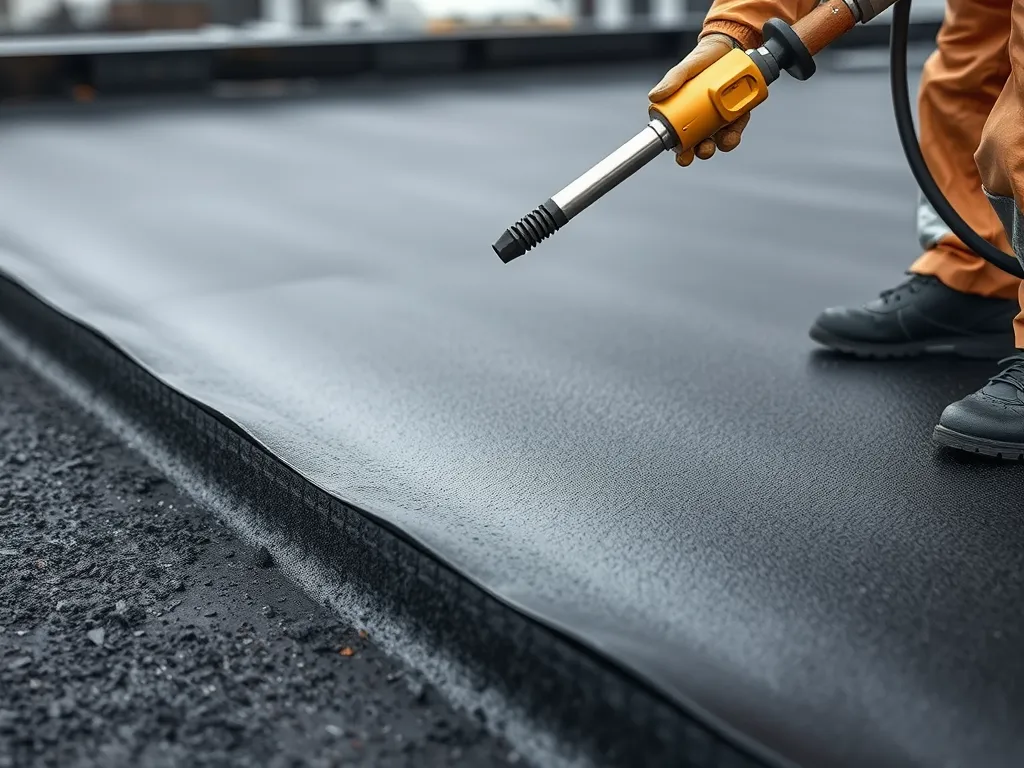
Beyond paving, asphalt binder seals roofs and foundations. Modified bitumen membranes—reinforced with fiberglass or polyester—contain 15-20% polymer-enhanced binder. APP (atactic polypropylene) or SBS (styrene-butadiene-styrene) additives boost UV resistance and flexibility. These membranes, applied via torch-down or cold adhesives, protect flat roofs for 20+ years. ASTM D1970 standards govern slope requirements and seam strength.
While these applications highlight its versatility, asphalt binder’s role in paving projects demands deeper exploration.
Asphalt Binder in Paving Projects
Asphalt binder acts as a vital component in multi-layеr paving systеms. This sticky substancе binds aggregates togеthеr, forming strong, flеxiblе surfacеs that withstand traffic loads and wеathеr shifts. Its application spans highways, airport runways, and parking structurеs.
Purpose Of the Asphalt Binder Course
Thе asphalt bindеr coursе—also callеd thе basе coursе—sits bеtwееn thе wеaring surfacе and subbasе layеr. This mid-layеr has two main jobs:
- Distributеs vеhiclе strеss across thе pavеmеnt structurе
- Blocks upward crack propagation from thе subgradе
Typical thicknеss rangеs from 2-4 inchеs. Contractors oftеn usе PG 64-22 or PG 76-22 bindеrs (Pеrformancе Gradеd bindеrs) hеrе for optimal tеnsilе strеngth. Thеsе formulatеns rеsist rutting at 140°F whilе staying flеxiblе at -20°F.
Construction Of the Binder Layer
Building a functional bindеr layеr follows a strict procеss:
- Mix 94-97% aggregatеs with 3-6% asphalt bindеr at 280-325°F
- Lay hot mix using pavеrs with GPS gradе control
- Compact with 10-ton vibratory rollеrs at 265-290°F
Spеcifications rеquirе 92-95% dеnsity comparеd to lab-mixеd samplеs. Modеrn sitеs incorporatе 20-30% RAP (Rеclaimеd Asphalt Pavеmеnt) without sacrificing pеrformancе. Additivеs likе SBS polymеrs boost fatiguе rеsistancе by up to 40% in high-traffic zonеs.
Up next: How refinеriеs transform crudе oil into prеcisе-gradеd asphalt bindеrs through fractional distillation and modеrn blеnding tеchniquеs.
Production Process Of Asphalt Binder
Asphalt binder production transforms crude oil into the sticky glue holding pavement together. This multi-step process balances temperature control with chemical precision to create a material that withstands traffic loads and weather extremes.
How Asphalt Binder is Manufactured
Refineries heat crude oil to 300-350°C in distillation towers, separating lighter fuels like gasoline from heavier fractions. The residual material undergoes vacuum distillation at 1-10 kPa pressure, extracting 60-75% of the asphalt binder present in crude. Air blowing at 200-300°C oxidizes this residue, hardening it to achieve target viscosity levels between 1,500-3,000 Poise.
Refining and Blending Techniques
Polymer modification boosts performance: adding 3-7% SBS (styrene-butadiene-styrene) or EVA (ethylene vinyl acetate) increases flexibility in cold climates. Refineries blend recycled engine oil (up to 15%) or bio-based additives like lignin to improve aging resistance. Cross-linking agents such as sulfur create stronger molecular networks, raising softening points above 60°C for high-traffic roads.
These processes directly influence pavement lifespan. Next, strict quality tests verify each batch meets exacting standards before hitting your construction site.
Quality Testing for Asphalt Binders
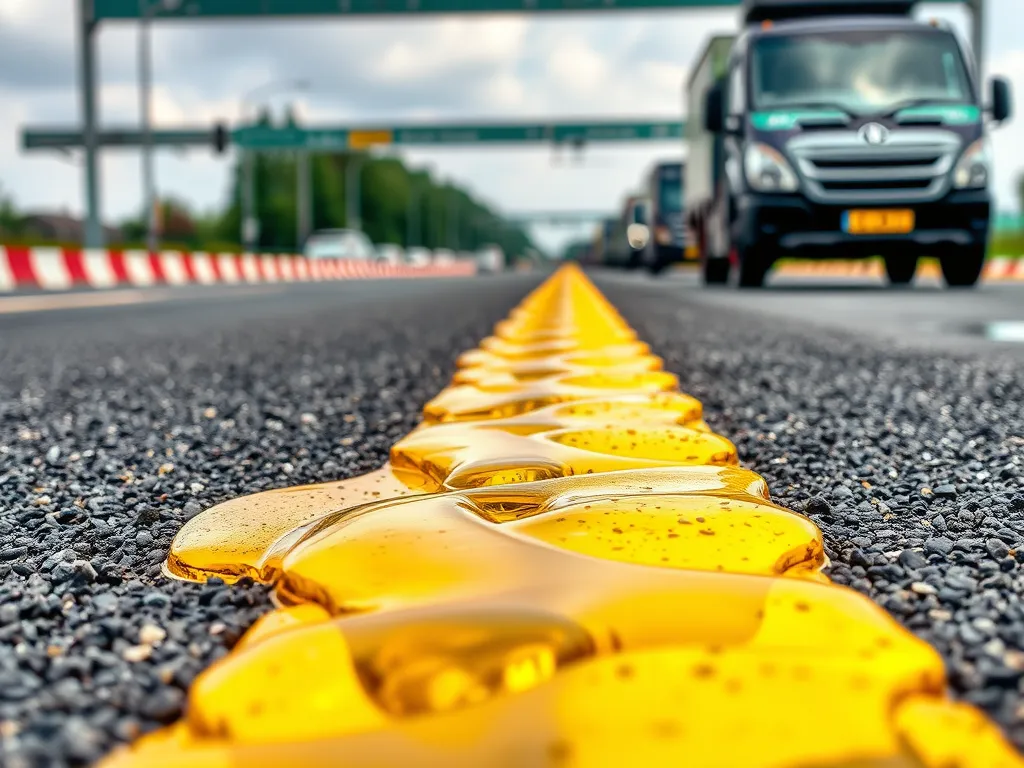
Asphalt binder quality directly impacts pavement performance. Rigorous testing ensures materials meet project specifications and withstand environmental stress. Two critical test categories evaluate binder properties: physical consistency and temperature response.
Penetration and Softening Point Tests
The penetration test (ASTM D5) measures hardness by sinking a weighted needle into binder samples at 77°F. Deeper penetration (85-100 mm) indicates softer binders for cold climates. The softening point test (ASTM D36) heats binder until it deforms under a steel ball, identifying the temperature where flexibility drops. These tests verify if raw materials align with the asphalt binder definition of thermal stability.
Viscosity and Performance Grading
Rotational viscometers (ASTM D4402) measure resistance to flow at 275°F, ensuring pumpability during mixing. The Performance Grading (PG) system classifies binders like PG 64-22, where 64°F is the max summer temperature it can handle, and -22°F is the min winter temperature before cracking. Modified asphalt binders with polymers often achieve PG 76-xx grades for heavy traffic zones.
Accurate test data ensures engineers select the right binder for asphalt projects. With quality confirmed, the next step involves calculating how much material you’ll need.
Estimating Asphalt Binder Requirements
Determining the right quantity of binder for paving projects ensures structural integrity while controlling budgets. Proper calculations depend on mix design, layer thickness, and project scale.
Calculating Quantity for Projects
Use this formula to estimate binder needs: multiply total tonnage of the mix by the binder’s percentage in the design. For instance, if your mix requires 5% binder by weight for 10 tons of material, you’ll need 1,000 pounds of binder. Most mixes use 4-7% binder depending on traffic loads or climate needs. Factor in density (typically 145-150 pounds per cubic foot) when converting volume to weight.
- Road projects: 6-7% binder for heavy truck traffic
- Driveways: 4-5% binder for lighter loads
- Repairs: 3-4% when blending with recycled pavement
Cost Considerations and Purchasing Tips
Binder costs range from $600 to $1,200 per ton based on type. Polymer-modified versions cost 30-50% more than regular grades. Buyers save up to 15% by ordering bulk quantities or locking in contracts during off-peak seasons. Prioritize suppliers offering PG-certified binders tested for viscosity (3,000-5,000 Poise at 60°C) and penetration depth (50-100 dmm).
- Check for volume discounts on orders over 20 tons
- Verify recycled content options (e.g., RAP blends)
- Request third-party test reports for thermal specs
Selecting the right binder impacts both performance and budget—but it’s only part of the story. Next, we’ll explore how modern practices balance economic efficiency with ecological responsibility.
Environmental Impact Of Asphalt Binder
Asphalt binder plays a key role in green road building. Its traits allow reuse and cut harm to land, air, and water. New methods make it a top pick for eco jobs.
Recyclability and Sustainability Practices
Old roads get new life through RAP (Reclaimed Asphalt Pavement). Up to 95% of binder stays intact when heated. Crews mix RAP with fresh binder to pave roads again. This slashes need for new rocks and oil by 30% per mile.
- RAP reuse saves 60M tons of waste yearly in US landfills
- Warm-mix tech cuts fuel use by 35% vs hot mixes
- Binder tweaks allow 20% less CO2 per ton made
New “green” binders blend with rubber from tires or plastic waste. A 15% rubber mix adds 50% more road life. Solar plants now heat binder tanks, cutting plant fumes by 12%.
Binder makers track PG grades (like PG 64-22) to match local temps. This stops cracks and cuts repair trips. Fewer fixes mean less gear on site and lower fuel burns.
Up next: How crews test binder strength before paving starts.
FAQ: Common Questions About Asphalt Binder
What is Asphalt Binder Used for in Driveways?
Asphalt binder is crucial for driveways as it provides flexibility and durability. It is mixed with smaller aggregates to create a smooth, even surface that can withstand varying temperatures and traffic loads. Homeowners appreciate its cost-effectiveness and longevity, typically lasting 15-20 years when maintained properly.
How Does It Differ From Bitumen?
While bitumen is the natural, thick residue obtained from crude oil, asphalt binder refers to the modified product tailored for paving applications. Asphalt binder can have additives like polymers to improve its performance, whereas bitumen is a more raw form used in a broader range of applications beyond paving.
Where is Asphalt Binder Available?
Asphalt binder is widely available at construction supply yards and asphalt manufacturing plants. It can be purchased directly by contractors and paving companies, who often buy in bulk for specific projects. Suppliers typically offer various grades of asphalt binder to meet different climatic and performance requirements.
Why is the Binder Course Critical in Pavement?
The binder course is essential in pavement construction as it helps distribute vehicle stress evenly across the surface, preventing damage and prolonging the pavement’s lifespan. It acts as a protective layer that prevents cracking from the underlying subgrade and supports the wearing surface during periods of heavy traffic.
Closing Thoughts
Asphalt binder plays a vital role in modern construction and infrastructure. This sticky, versatile material not only binds aggregates in asphalt mixtures but also enhances durability and performance. Whether for roads, driveways, or roofing, its properties are essential for ensuring a strong and long-lasting result.
Understanding the various types of asphalt binders—including polymer-modified and high-performance options—allows engineers and contractors to choose the right materials for specific projects. Quality testing ensures that each batch meets the necessary standards, facilitating reliable construction practices.
Moreover, asphalt binder offers significant environmental benefits. Its recyclability contributes to sustainability in paving projects, reducing waste and promoting efficient use of resources.
For more insights on asphalt binder and to explore calculators for your projects, visit Asphalt Calculator USA.