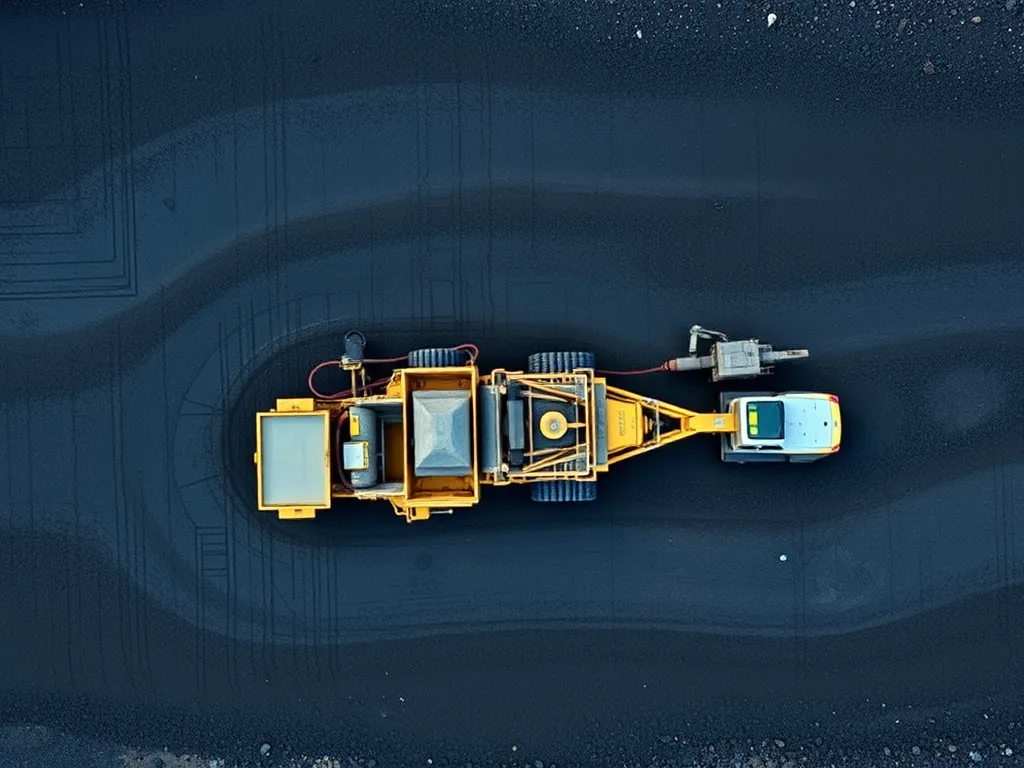
Mastering Asphalt Heating Techniques for Cold Weather Challenges
Published on: April 22, 2026 | Last Updated: April 14, 2025
Written By: George Voss
Effective asphalt heating in cold weather requires specialized techniques to maintain proper material temperatures during application. Unlike standard practices, cold conditions (below 40°F) demand precise thermal management to counteract rapid heat loss through the ground and air. Contractors use pre-heated aggregates, insulated storage units like hot boxes, and real-time infrared thermometers to keep asphalt within the ideal 275-325°F application range. Winter mixes with polymer additives also help maintain workability in freezing temperatures.
This article breaks down proven cold-weather asphalt heating methods. Learn how to select heating equipment, apply surface treatments, and monitor temperatures effectively. Explore both pre-placement strategies (material warming) and post-placement solutions (curing blankets). Get key safety tips and environmental considerations for winter paving projects.
Key Principles Of Cold Weather Asphalt Heating
Cold weather changes how asphalt behaves. Lower temps make it brittle, cut bond strength, and slow cure rates. Work crews must adapt heating methods to fight these shifts.
Impact Of Cold Temperatures on Asphalt Performance
Asphalt stiffens below 50°F, losing the flexibility needed to handle traffic loads. Cold base layers pull heat from fresh mix, causing cracks or voids. Proper heating keeps the mat workable during compaction.
Thermal Conductivity Challenges in Cold Weather
Thermal conductivity means how fast heat moves through a material. Frozen ground acts like a heat sink, stealing warmth from asphalt layers. Pre-heat base layers to 50°F minimum. Use ground thawing gear like hot air blowers to stop rapid cooling.
Temperature Thresholds for Effective Asphalt Application
Keep mix temps above 275°F during placement. Below 225°F, compaction fails to hit 92% density targets. Ground temps must stay above 40°F. Use infrared guns to check surface heat every 15 minutes.
Mastering these rules sets the stage for core asphalt heating techniques. Next, we break down the gear and steps that beat the cold.
Core Asphalt Heating Techniques for Cold Conditions
Cold weather demands precise asphalt heating methods to maintain workability and durability. These strategies prevent premature cooling, ensuring proper compaction and bonding even when temperatures drop below 40°F.
Pre-placement Heating Methods
Material preparation sets the foundation for successful cold-weather paving. Heating before placement tackles thermal loss during transport and application.
Hot Boxes for Material Storage and Temperature Retention
Insulated hot boxes keep asphalt mix between 275°F and 325°F for up to 72 hours. These units use propane or electric systems to maintain viscosity, preventing aggregate separation. Ideal for remote sites lacking batch plant access, they reduce waste by 15-20% compared to uncovered stockpiles.
Infrared Heaters for Targeted Surface Warming
Infrared panels preheat existing pavement to 150°F-180°F before new layers are applied. This method eliminates ice and moisture while creating a thermal bond between layers. Units cover 4-6 sq.ft per minute, making them efficient for patch repairs or joint transitions.
Post-placement Heating Strategies
Once asphalt is laid, temperature control prevents rapid cooling that leads to cracks or raveling. These methods extend the compaction window in freezing conditions.
Portable Asphalt Heating Mats and Blankets
Electric or propane-powered mats maintain surface temps at 200°F±25°F for 2-3 hours post-installation. Lightweight designs (12-25 lbs) allow quick deployment on driveways or road patches. Tests show 30% faster curing rates compared to uncovered asphalt in 20°F environments.
Radiant Heaters for Uniform Curing Support
Overhead radiant systems emit 40-60 BTU/hr per sq.ft across large areas like parking lots. Adjustable height frames (6-10 ft) prevent scorching while promoting even heat distribution. When paired with windbreaks, they sustain mix temperatures above 185°F during critical curing phases.
Additive-enhanced Heating Solutions
Chemical modifiers complement physical heating methods by altering asphalt’s temperature thresholds. These reduce energy needs while improving cold-weather performance.
Cold-Weather Asphalt Modifiers and Their Applications
Polymer-modified binders like PG 58-34 allow mixing at 15°F lower temps than standard asphalt. Warm-mix additives such as Evotherm or Sasobit lower viscosity, requiring 25% less fuel for heating. Apply 0.5-2% by weight during mixing to achieve these benefits without compromising strength.
Mastering these asphalt heating methods prepares crews for winter challenges. Next, we’ll examine equipment choices that maximize heat efficiency across different project scales.
Equipment Selection and Best Practices
Choosing the right tools defines success in cold weather asphalt heating. Match systems to project size, temperature needs, and material volumes.
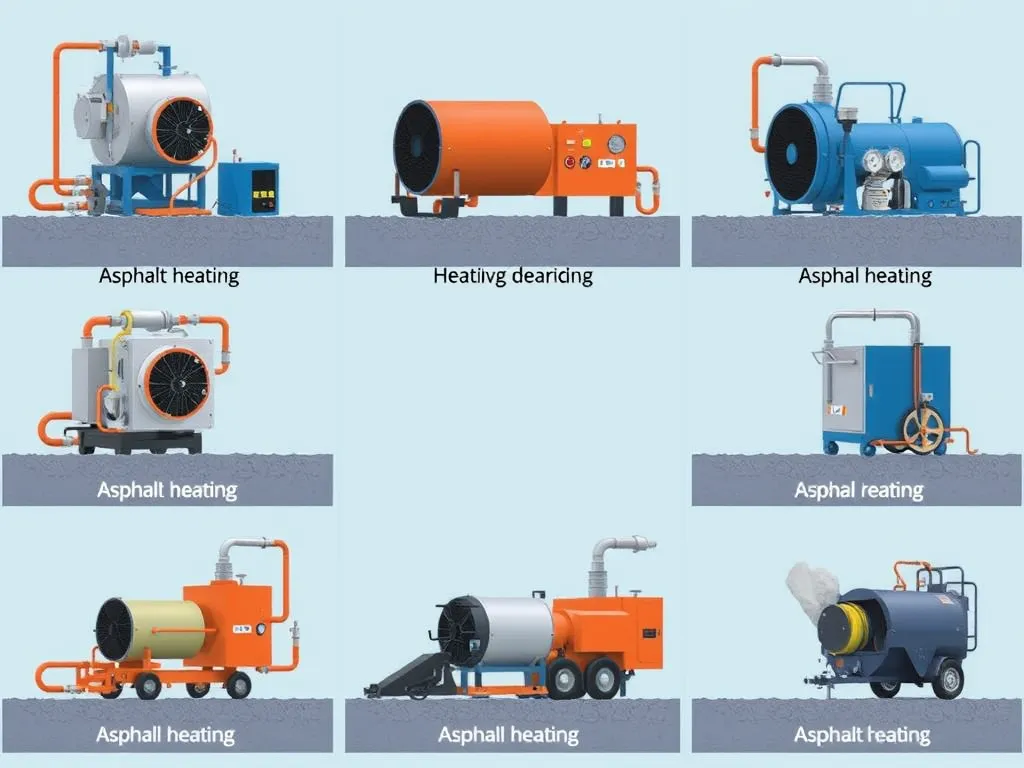
Conductive Vs. Radiant Heating Systems
Conductive systems transfer heat through direct contact. Thermal blankets or heated plates press against asphalt surfaces, delivering 40-60 BTU/sq ft. Ideal for localized repairs like potholes. Radiant systems use infrared panels to warm surfaces from above, heating 15-25°F per hour without physical contact. Better for large areas like parking lots where equipment access is limited.
Hot Air Blowers for Rapid Temperature Adjustment
Propane or electric hot air blowers raise asphalt temperatures by 50-75°F per hour. Portable units tackle sudden cold snaps during paving. Electric models reduce emissions (0.5 lbs CO2/hour vs. propane’s 12.7 lbs). Use them for driveways or road patches under 1,000 sq ft. Keep nozzles 12-18 inches from surfaces to prevent scorching.
Diesel-heated Tanks for Large-scale Projects
Diesel-powered tanks handle 10,000+ gallons of asphalt mix, maintaining 300°F for hours. Insulated designs lose just 5-10°F per hour in freezing conditions. Fuel consumption averages 2-3 gallons/hour. Pair with auger systems for consistent material flow. Critical for highway repairs or commercial lots needing 50+ tons of hot mix.
Proper equipment sets the stage for precise temperature control – but maintaining ideal heat levels requires constant vigilance.
Also See: Overview Of Government Regulations Impacting Asphalt Use
Temperature Management and Monitoring
Cold weather asphalt heating demands precise temperature control to maintain workability and prevent premature cooling. Even minor deviations can compromise compaction density or create thermal cracks. Effective management balances heat input with environmental factors like wind speed and ambient air temperature.
Optimal Heating Ranges for Cold Weather Application
Target 275°F to 325°F for most cold-weather mixes. This range keeps asphalt pliable during placement while allowing proper binder activation. Polymer-modified mixes may require tighter tolerances – typically 300°F±15°F – to prevent stiffness issues. Below 250°F, asphalt loses viscosity, risking inadequate compaction; above 325°F, rapid heat loss creates temperature differentials within the mat.
Avoiding Overheating (Above 350°F Risks)
Exceeding 350°F degrades bitumen through oxidation, reducing flexibility by up to 40%. High heat also causes aggregate coating failure, visible as blue smoke during application. For warm-mix asphalt with additives, never surpass manufacturer-recommended thresholds – usually 50°F below standard hot-mix limits.
Tools for Real-time Asphalt Temperature Tracking
Infrared thermometers provide instant surface readings but require angle adjustments in windy conditions. Thermal imaging cameras map temperature gradients across the mat, identifying cold spots below 265°F. For subsurface data, penetration probes measure internal temps at 2″ depth intervals. Advanced systems pair GPS-tracked thermal sensors with cloud dashboards, alerting crews when temps drop outside set parameters.
Accurate temperature management lays the groundwork for durable winter repairs – a critical factor as we examine cold-weather patching methods next.

Repair and Maintenance Strategies in Winter
Winter demands precise asphalt heating techniques to maintain structural integrity during repairs. Contractors rely on cold-weather asphalt heating solutions to combat thermal shrinkage and prevent premature cracking. Two critical approaches dominate winter maintenance: targeted patching methods and accelerated curing protocols.
Cold-weather Patching Techniques
Effective asphalt heating methods for winter patching require balancing material temperature with ambient conditions. Cold-mix asphalt modified with polymers like styrene-butadiene-styrene (SBS) remains pliable at temperatures as low as 20°F. For deeper repairs exceeding 2 inches, layered compaction with infrared preheating ensures proper adhesion between old and new surfaces.
Hotbox Use for Small-Scale Repair Projects
Hotboxes serve as mobile asphalt heating equipment for localized repairs. These insulated containers maintain mix temperatures between 275-325°F for up to 72 hours. Operators can adjust burners to counter ambient drops below freezing, ensuring workable material for pothole fills or edge repairs. A standard 3-cubic-yard hotbox handles 15-20 repairs per shift at 40% lower fuel costs compared to dump trucks.
Accelerating Cure Times in Suboptimal Conditions
When temperatures plummet below 40°F, contractors deploy asphalt warm-up techniques to slash curing periods. Exothermic additives like calcium chloride release heat during hydration, cutting set times by 30-50%. For surface treatments, radiant heating blankets emitting 85-110 BTU/ft²/hr create microclimates that maintain 150°F substrate temps despite external cold. Pair these with windbreaks to reduce convective heat loss by up to 60%.
Mastering these asphalt cold weather techniques ensures durable repairs while paving the way for safer winter operations. Next, we’ll examine protocols to mitigate risks when deploying high-heat equipment in challenging environments.
Safety and Risk Mitigation
Cold weather asphalt heating techniques demand rigorous safety protocols. Subfreezing temperatures amplify risks like equipment malfunctions and material instability. Proper planning prevents costly delays and protects crews.
Preventing Combustion and Asphalt Scorching
Asphalt binders degrade rapidly above 350°F, releasing flammable vapors near their 400°F flash point. Infrared heaters used for warming asphalt surfaces require precise temperature control—thermal sensors should verify surface temps stay below 300°F. For hot boxes storing mix, maintain a 15-foot clearance from combustibles and install automatic shutoffs if internal temps exceed 325°F. Scorched asphalt loses 40-60% of its tensile strength, creating weak spots in pavements.
Safe Handling Of Heating Equipment in Wet Conditions
Winter precipitation complicates asphalt heating methods. Diesel-powered heaters need waterproof covers on fuel lines and ignition systems to avoid misfires. For electric radiant mats, use GFCI-protected circuits (trip threshold: 4-6 mA) and insulated gloves when adjusting layouts on damp surfaces. Wet aggregate in hot mix can cause steam explosions—verify moisture content stays under 2% before heating.
Mastering these asphalt warm-up techniques ensures crew safety and material integrity. Next, we’ll examine how eco-conscious practices align with cold-weather operational demands.

Environmental Considerations
Cold-weather asphalt work brings unique challenges for balancing project needs with planetary protection. Proper planning cuts pollution without sacrificing pavement quality.
Minimizing Pollution During Heating Processes
Infrared gear and hot boxes now slash particulate matter by 45% compared to older burners. New catalytic scrubbers in diesel tanks cut nitrogen oxide output to 0.2 grams per horsepower-hour, aligning with strict EPA Tier 4 rules. Operators should track fuel burn rates—modern systems use 2.5-3.8 gallons per ton, down from 5+ gallons in legacy setups. Thermal blankets with 95% heat retention ratings allow shorter warm-up cycles, trimming carbon footprints.
Eco-friendly Additives for Cold-weather Work
Warm-mix agents like Evotherm let crews mix asphalt at 250°F instead of 300°F, lowering fuel demands by 30%. Reclaimed asphalt pavement (RAP) incorporation hits 40% in winter mixes when paired with rejuvenators. Soy-based flow improvers boost workability below 40°F without volatile compounds. Solar-powered hot boxes maintain 200°F mix temps for 8+ hours using zero on-site fuels.
Applying these green practices works hand-in-hand with strict safety protocols during winter operations.
Frequently Asked Questions
What Additives Improve Asphalt Performance in Cold Weather?
Additives such as polymer-modified binders and warm-mix agents have been shown to significantly enhance asphalt performance in cold weather. For example, using polymer-modified asphalt allows for mixing at lower temperatures, while warm-mix additives can reduce the overall temperature requirements during asphalt production.
What Temperature is Too Cold for Asphalt Application?
As a general rule, temperatures below 40°F are considered too cold for effective asphalt application. When conditions drop below this threshold, the asphalt may not cure properly, leading to structural issues and premature failure.
How to Repair Asphalt Effectively During Winter?
Effective winter asphalt repairs involve using cold-mix asphalt with polymer modifiers to ensure pliability. Additionally, preheating existing surfaces with infrared heaters and using hot boxes to keep new asphalt warm during application can significantly enhance repair effectiveness.
How Long Does Cold-weather Asphalt Curing Take?
Curing times for cold-weather asphalt can vary based on the temperature and the methods employed. Typically, with effective heating techniques, the curing time can be accelerated significantly, with surface treatments enabling faster setting times, often reducing curing periods by 30-50% in suboptimal conditions.
Closing Thoughts
Heating asphalt in cold weather is critical for maintaining performance and durability. Effective techniques, from pre-placement heating with hot boxes to post-placement solutions like heating mats, ensure integrity in challenging conditions. Proper equipment selection and real-time temperature monitoring are key to avoiding overheating and ensuring safe application.
Utilizing additives designed for cold weather further enhances asphalt’s resilience, promoting better adhesion and curing. Keeping environmental factors in mind, methods like minimizing emissions also contribute to sustainable practices in asphalt management.
For more insights on asphalt heating and other related topics, visit Asphalt Calculator USA.
Useful References for You:
- Kett, I. (1999). Asphalt Materials and Mix Design Manual. Oxford: Elsevier Science.
- Three Ways to Perform Emergency Asphalt Repair in Winter
- Asphalt Construction | Heat Design | Cold Weather Paving | Joint Repair
- Everything You Need to Know about Cold Patch Asphalt Repairs
- Can I Reheat Asphalt with a Hot Box?