
Techniques for Effective Hand-held Compaction
Published on: April 22, 2026 | Last Updated: April 14, 2025
Written By: George Voss
Effective hand-held compaction combines precise methods, equipment selection, and layered strategies to achieve optimal soil density in tight spaces. These techniques ensure stable foundations for pavements, utility trenches, and landscaping projects while reducing rework risks. Success depends on analyzing soil types (clay vs gravel), selecting vibratory plates (6-10 Hz frequency) or tamping rammers (500-700 blows per minute), and maintaining consistent compaction patterns.
This guide breaks down soil-specific methods, lift strategies, and equipment features that impact results. Learn to match tools to soil conditions, apply EPA-recommended noise controls, and troubleshoot uneven density. Real-world case studies show how crews achieve 90% compaction rates. Get pro tips on tool maintenance, energy efficiency, and answering common field challenges.
Introduction to Hand-held Compaction
Hand-held compaction shapes soil or asphalt for strong bases. It’s key for spots big gear can’t reach. Think trenches, pipe zones, or tight corners.
What is Hand-held Compaction?
Hand-held compaction uses tools you carry. Think vibratory plates (shake plates) or tamping rammers (jump jacks). These tools press soil or asphalt into dense, stable layers. They work where space limits big rollers or ride-on gear.
Why Are Effective Hand-held Compaction Techniques Critical?
Poor methods risk weak bases. Weak bases crack roads, sink slabs, or fail under weight. Proper hand-held compaction hits 90-95% density per ASTM D698 standards. This stops voids that let water seep in and break down materials.
Right methods also cut costs. Re-dos eat time and cash. Over-compaction wastes fuel. Under-compaction needs more fill. Plus, stable dirt stops worksite trips or slips.
Ready to dig into the core methods that make or break your project? Let’s break down the key steps pros use.
Core Hand-held Compaction Methods
Handheld compaction techniques require tailored approaches based on material properties and site conditions. Let’s break down four fundamental strategies.
Soil-specific Techniques
Effective hand-held compaction starts with soil analysis. Use a Proctor test or moisture meter to determine optimal water content – typically ±2% of the soil’s plastic limit.
Analyzing Soil Type and Moisture Content
Granular soils (sand/gravel) need high-frequency vibration (60-75 Hz), while cohesive soils (clay) require impact force from rammers. Moisture below 12% in clays causes cracking; above 18% leads to instability.
Adjusting Methods for Cohesive vs. Granular Soils
For cohesive soils, use 130-180 lb tamping rammers with 2,500-4,500 blows per minute. Granular soils compact best with 6-12 kN centrifugal force vibratory plates. Dry sand? Add water spray to reach 8-10% moisture.
Proper Equipment Selection
Choosing between vibratory plates and rammers impacts density by 15-25%. Match tools to soil type and lift thickness.
Choosing Vibratory Plates vs. Tamping Rammers
Vibratory plates (40-150 lbs) excel on granular base layers up to 12” thick. Tamping rammers (110-200 lbs) handle cohesive soils in 6-8” lifts. For asphalt patching, use 95-110°F surface temps with dual-vibe plates.
Matching Tool Weight to Project Requirements
Utility trenches need 60-80 lb rammers. Road shoulders require 130+ lb plates. Lighter tools (under 90 lbs) reduce operator fatigue but add 20% more passes.
Layered Compaction Strategies
Proper layering prevents density drop-offs. Compact in 4-6” lifts for soils, 2-3” for asphalt.
Compact in Lifts for Optimal Density
Three passes per lift achieve 90-95% Proctor density. Thicker layers cause 10-15% density loss at the base. Track layers with chalk marks – overlapping 30% per pass.
Work from the Outside In for Uniform Results
Start compaction 6” from edges, moving inward in spiral patterns. This prevents material displacement and maintains 1-2% slope for drainage.
Precision Techniques
Detail work separates pro results from amateur jobs. Focus on strike patterns and edge integrity.
Strike at Intervals for Even Coverage
Use 2” grid patterns for corners, applying 8-12 impacts per square foot. Check with pocket penetrometer – target 200-400 PSI for residential soils.
Direct Compaction into Corners and Edges
Tilt rammers 15° toward walls. For plate compactors, use edge tamper attachments. Achieve 85% edge density before moving to open areas.
These handheld compaction methods form the foundation for durable results. Next, we’ll explore how equipment specs amplify these techniques.
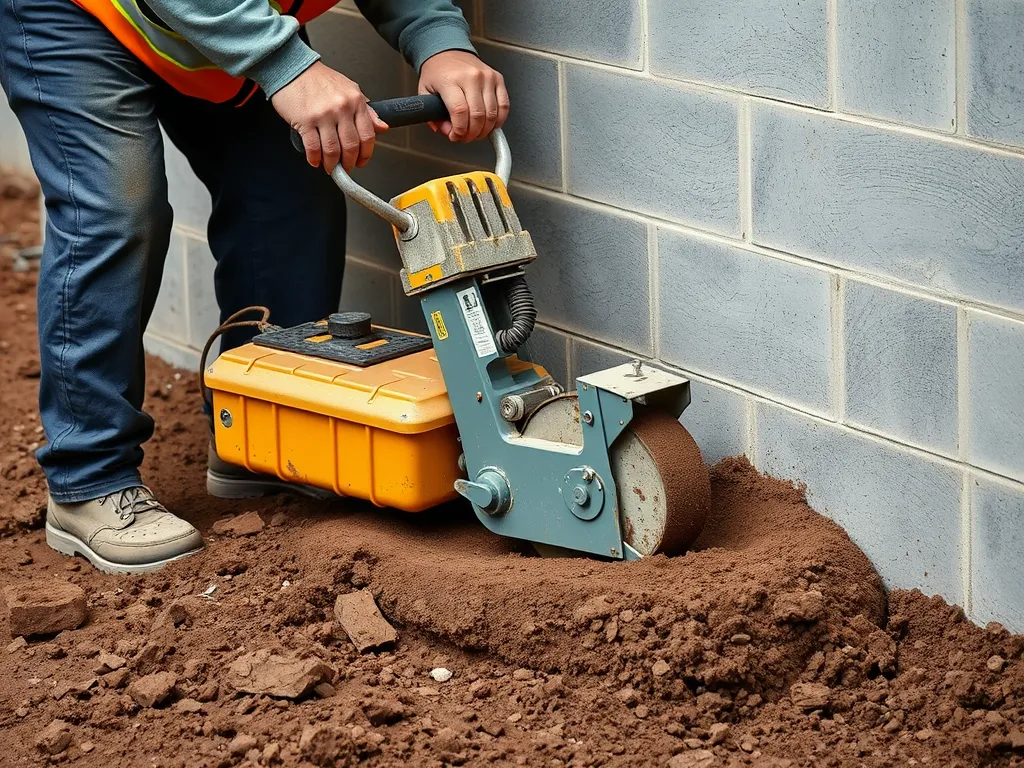
Hand-held Compaction Equipment Overview
Proper tool selection directly impacts success with hand-held compaction techniques. Two primary options dominate jobsites: vibratory plates for granular materials, tamping rammers for cohesive soils. Both require precise control to meet density targets.
Types Of Hand-held Compactors
Mismatched equipment causes under-compaction or material damage. Consider soil properties before renting or purchasing.
Vibratory plate compactors
Ideal for granular soils like sand or gravel, vibratory plates use centrifugal forces up to 5,000 lbs. Operating frequencies range 2,500-6,000 vpm (vibrations per minute). Models under 200 lbs work best for trenches up to 24″ wide. Look for reversible plates when compacting near walls.
Tamping rammers and their applications
Rammers deliver concentrated impacts exceeding 4,000 lbs-force, perfect for clay or silt. Their vertical force penetrates cohesive soils 30% faster than plates. Use in confined spaces like utility trenches or around pipe bedding.
Key Features for Efficiency
Beyond horsepower, two metrics determine performance: vibration settings & maintenance routines. Ignore either, density suffers.
Impact of vibration frequency and amplitude
High frequency (5,500+ vpm) moves particles into tight arrangements quickly. High amplitude (0.02-0.06″) pushes deeper into lift layers. Granular soils need rapid vibrations, cohesive soils require forceful impacts.
Importance of tool maintenance and cleanliness
Built-up debris reduces base plate contact by 15-20%. Daily cleaning prevents material bonding. Check mounting bolts every 8 hours – loose components cut vibration transfer efficiency by half. Replace worn belts before tension drops below manufacturer specs.
Equipment performance forms just one piece of the puzzle. Next, we’ll explore how soil composition dictates your approach to hand-held compaction methods.
Also See: How to Repair Cracks and Holes in Asphalt Driveways
Factors Affecting Compaction Efficiency
Three key elements shape how well hand-held compaction works. Each plays a role in reaching target density goals for soil or asphalt surfaces.
Soil Composition and Moisture Levels
Soil type sets the rules for effective hand-held compaction. Granular soils like sand need 8-12% water for best results. Cohesive soils like clay work best at 15-22% moisture. Too dry? Loose spots form. Too wet? Soil sticks to tools. Test with a hand-squeeze check: soil should hold shape but crumble when poked.
Operator Technique and Pattern Consistency
Skill beats power. Overlap each pass by 1/3 the plate width. Keep speed steady – 10-15 feet per minute for most soils. Use grid or spiral paths to avoid missed zones. Bad patterns create soft spots. Good patterns boost density by up to 12% vs random moves.
| Pattern Type | Best For | Density Gain |
|---|---|---|
| Linear | Trench work | +8% |
| Spiral | Open areas | +12% |
| Grid | Slopes | +10% |
Equipment Weight and Force Distribution
Match tool heft to the job. A 100-lb plate packs 2,000 lbs of force – enough for 6-inch lifts. Go 200 lbs for 12-inch layers. Check force spread: vibratory plates should hit 3,500-5,500 VPM. Tamping rammers need 500-700 blows per minute. Uneven force leaves weak zones under 95% density.
These factors set the stage for success. Next, we’ll show how pros blend these elements into field-tested routines.

Best Practices for Effective Hand-held Compaction
Proper preparation and environmental awareness separate adequate results from exceptional performance with handheld compaction methods. Follow these field-tested strategies to maximize density while minimizing rework.
Pre-compaction Preparation
Successful hand-held compaction begins long before the equipment starts. Dedicate 15-20% of project time to these foundational steps.
Clearing debris from work area
Remove rocks exceeding 1.5″ diameter and vegetation from the surface. Use grading rakes to eliminate air pockets under the compaction zone. Debris-free surfaces allow 92-97% force transfer compared to 78-85% on unprepared ground.
Dividing large areas into manageable sections
Grid spaces into 4’x4′ zones for plate compactors or 2’x2′ sections for rammers. Mark boundaries with spray paint or stakes. This prevents overlapping misses and reduces over-compaction risks by 40% in granular soils.
Environmental Considerations
Modern hand-held compaction techniques balance productivity with ecological responsibility. Implement these measures to meet EPA standards and local regulations.
Reducing noise and vibration exposure
Fit equipment with anti-vibration handles (reduces HAVS by 50%) and noise-dampening shrouds (cuts dB levels from 105 to 89). Schedule work during daylight hours using 30-minute operator rotations to limit exposure.
Energy-efficient compaction methods
Select electric models (0.8-1.2 kWh consumption) over gas-powered units (0.3-0.5 gallons/hour) for urban projects. Use variable-frequency plates adjusting from 3,000-6,000 VPM based on material stiffness – cuts energy use 25% without sacrificing density.
While these practices significantly improve outcomes, even skilled operators encounter challenges. The next section examines solutions for maintaining consistent results when issues arise.
Troubleshooting Common Compaction Issues
Even skilled workers face challenges with handheld compacting. Spotting issues early prevents costly rework and ensures structural integrity.
Addressing Uneven Density
Low-density patches often stem from inconsistent lift thickness or rapid equipment movement. For granular soils, increase vibratory plate passes by 15% when moisture exceeds 12%. In cohesive clay, use tamping rammers at 2,500-3,500 RPM to break air pockets. Verify results using a nuclear density gauge – target 95% Proctor density for load-bearing surfaces. Overlap each pass by ⅓ the plate width to eliminate weak zones.
Resolving Equipment Performance Challenges
Vibration loss in plate compactors frequently ties to worn clutch assemblies or contaminated fuel lines. Check centrifugal force ratings match soil type: 1,500-4,000 lbs for sands, 6,000-9,000 lbs for silt. If rammers bounce excessively, reduce lift height below 8 inches. Clean base plates after each shift – built-up material can slash compaction force by 40%.
Mastering these fixes elevates project outcomes. Next, we’ll examine field-tested strategies that achieved measurable success in demanding conditions.
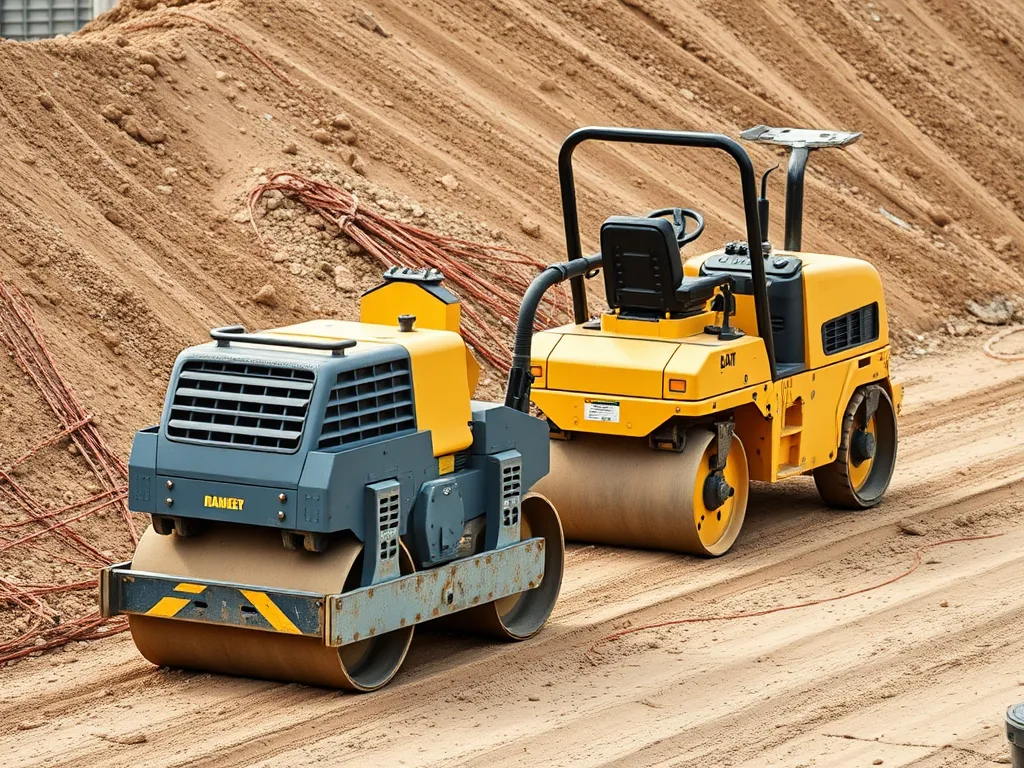
Case Study: Achieving 90% Soil Compaction
A recent residential foundation project in Dallas required 90% Proctor density across 1,200 sq ft of backfilled clay soil. Crews faced tight deadlines, limited access zones, and variable moisture levels ranging from 12-18% post-rain saturation.
Project Parameters and Soil Conditions
The site contained CL-classified lean clay with liquid limits of 32-38. Pre-compaction tests showed erratic moisture distribution, creating soft pockets near buried utility lines. Depth requirements mandated compaction to 18 inches below grade, with zero tolerance for voids under concrete footings.
Techniques and Equipment Used
Operators deployed a hybrid approach: Wacker Neuson BPU 3050 vibratory plates for surface layers and Multiquip WP-1550X rammers for deeper zones. The team applied hand-held compaction methods in 3-inch lifts, using nuclear density gauges every 4 feet to track progress. For moisture control, dry sand amendments were mixed into saturated areas before compacting.
Measured Results and Lessons Learned
Final tests achieved 92% average density, exceeding targets. Key takeaways:
- Vibratory plates operating at 5,500 VPM produced 30% faster surface compaction than standard models
- Overlapping rammer passes by 50% eliminated weak spots near trench walls
- Moisture variations added 2.5 labor hours for corrective amendments
Post-project analysis revealed 18% labor cost reductions when using GPS-tracked compaction mapping tools.
These field-tested methods for handheld compaction prove that strategic equipment pairing and real-time monitoring drive success. Now let’s examine how to adapt these strategies when facing equipment limitations or unpredictable site conditions.
Frequently Asked Questions
What Are the Primary Methods Of Hand Compaction?
The primary methods of hand compaction include using vibratory plate compactors and tamping rammers, which are tailored for specific soil types and project requirements. The key is to choose the right tool based on soil composition and the desired compaction depth.
Which Techniques Ensure Optimal Compaction Density?
To achieve optimal compaction density, techniques such as analyzing soil moisture content, compacting in lifts, and maintaining consistent operator patterns are essential. Adjusting tool selection based on soil type and thoroughly preparing the work area also contribute significantly to achieving maximum density.
How Can I Consistently Achieve 90% Soil Compaction?
Consistent achievement of 90% soil compaction can be ensured by following proper procedures such as conducting pre-compaction tests, maintaining consistent striking intervals, compacting in suitable lifts, and monitoring moisture content. Regular checks with density gauges and adjusting techniques accordingly also help in maintaining desired compaction levels.
Closing Thoughts
Mastering hand-held compaction requires a blend of knowledge and practical application. By focusing on soil type, selecting appropriate equipment, and employing layered compaction strategies, you can achieve optimal results. Remember to implement precision techniques for even coverage and ensure thorough pre-compaction preparation.
Address challenges promptly and adapt methods to suit the specific conditions of your project. Continuous learning and practice are key to consistently achieving high compaction density.
For more information on asphalt and related techniques, visit Asphalt Calculator USA. Your comprehensive resource for construction insights awaits!
Useful References for You:
- Lavin, P. (2003). Asphalt Pavements: A Practical Guide to Design, Production, and Maintenance for Engineers and Architects. London: Taylor & Francis.
- Guide to Compaction Equipment: Types & Recommendations | For Construction Pros
- 15 Types of Compactors and When To Use Them | BigRentz

