
The Trade-offs Of Hiring Professionals Vs DIY Asphalt Projects
Published on: April 22, 2026 | Last Updated: April 14, 2025
Written By: George Voss
Choosing between hiring asphalt professionals and tackling projects yourself involves balancing cost, quality, and time. Professional contractors charge $3-$7 per square foot but bring expertise in compaction, slope grading, and local code compliance. DIY asphalt work costs $1-$3 per square foot for materials but requires renting equipment like plate compactors ($75/day) and investing 2-3 weekends for a driveway. Pro jobs typically last 15-20 years with warranties; DIY results may show cracks in 3-5 years without proper installation.
This article breaks down key factors: cost comparisons (including hidden DIY equipment rentals), quality differences in sealers and compaction methods, and time investments for curing. We’ll review safety risks when handling 300°F hot mix asphalt and environmental impacts like material waste rates (12-15% in DIY vs 7% in pro jobs). Data-driven insights help you decide which approach matches your budget, skills, and project scope.
Introduction to Asphalt Project Trade-offs
Choosing between asphalt professionals vs DIY projects requires weighing multiple factors. Every decision affects project lifespan, safety, and total cost. A typical residential asphalt job spans 500-2,500 square feet, with material costs ranging from $3-$7 per square foot. But numbers tell only part of the story.
Professional crews use hot-mix asphalt heated to 300°F for optimal compaction. DIYers often rely on cold-patch mixes that cure weaker. The difference between professional and DIY asphalt outcomes becomes visible within 12-18 months, as uneven settling or cracks emerge in self-installed surfaces.
Time commitment swings wildly too. A crew can lay a driveway in 2 days using graders and vibratory rollers. DIY asphalt paving might take weekends spread over weeks, battling manual tamping and weather delays. Factor in equipment rentals: plate compactors ($75/day), asphalt rakes ($20/day), and disposal fees for excess material.
Safety risks escalate without training. Hot asphalt emits fumes at 250°F+ and demands protective gear rarely stocked by homeowners. Professional crews follow OSHA standards for respiratory protection and burn prevention, cutting accident rates by 82% compared to DIY attempts.
Environmental impacts also diverge. Contractors recycle 99% of milled asphalt, while DIY projects waste 15-20% of materials through improper measurement or application. Some states mandate commercial-grade sealers with lower VOC content—products unavailable to the public.
Next, let’s break down specific pros and cons of hiring a contractor versus tackling the job yourself.
Pros and Cons Of Hiring Asphalt Professionals
Choosing between asphalt pros and DIY install shapes project success. Weigh these factors before picking your path.
Advantages Of Hiring a Professional Asphalt Contractor
Expertise in Asphalt Installation and Repair
Pros use PG binders (asphalt glue graded by temperature) and Superpave specs for lasting roads. They fix cracks with rout-and-seal methods, not quick patches. Proper slope (1-2% grade) stops water pooling.
Access to Professional-Grade Equipment
Contractors run 8-ton drum mixers and 4,000-lb steel rollers. Rentals max out at 1-ton plates – weak for full driveways. Hot mix stays 275°F in tack coat sprayers. DIY cold patch cracks in months.
Time Savings and Efficient Project Completion
A crew paves 1,000 sq ft in 6 hours. DIYers need 3+ days for base prep, hand raking, and tamping. Pros handle permits, inspections, and cleanup same-day.
Compliance with Local Asphalt Regulations
Contractors follow city codes for curb cuts, drainage, and layer depth (4″ min). They use ASTM D3515 hot mix and meet skid-resist rules. Fines for bad DIY jobs hit $500+ in some zones.
Disadvantages Of Hiring Professionals
Higher Upfront Costs for Asphalt Projects
Pro paving runs $7-$13 per sq ft vs DIY’s $3-$5. A 600 sq ft drive costs ~$6,000 hired vs $2,500 self-done. But DIY errors add $1.50-$4 per sq ft in year-one fixes.
Next, we’ll break down how DIY asphalt paving stacks up in cost, risks, and effort.
Pros and Cons Of DIY Asphalt Projects
DIY asphalt work lets you take charge but comes with clear trade-offs. Let’s break down the upsides and risks.
Advantages Of DIY Asphalt Paving
For hands-on owners, DIY paving offers two main perks: cost cuts and creative freedom.
Lower Initial Costs for Small Asphalt Jobs
DIY saves on labor fees. Pros charge $3-$7 per square foot. Doing it yourself drops costs to $1.50-$4 for materials like hot mix or recycled asphalt. This works for patches or small driveways under 500 sq ft.
Full Control Over Materials and Design
Pick your own asphalt type, thickness (2-3 inches), or even color additives. Homeowners can test eco-options like porous asphalt or reuse old pavement chunks for base layers.
Disadvantages Of DIY Asphalt Installation
Mistakes here lead to cracks, delays, or safety hazards. Three key risks stand out.
Risk of Poor Asphalt Compaction and Durability
Weak compaction causes cracks in 12-24 months. Rentable plate compactors rarely match pro-grade steel rollers. Pros hit 92-95% density for lasting surfaces. DIY jobs often settle below 90%.
Time-Consuming Preparation and Execution
Site prep takes 60% of project time. You’ll grade soil, lay gravel base, compact layers, then apply asphalt. A 400 sq ft DIY job spans 2-3 days. Pros finish same-day with crews and gear.
Safety Risks with Hot Asphalt Materials
Hot mix pours at 300°F—a burn risk if mishandled. Fumes need masks; heavy loads strain backs. Pros use heat-resistant gear, dump trucks, and trained crews to cut risks.
While DIY cuts first costs, long-term fixes add up. Next, we’ll compare dollars for pro versus DIY jobs—including hidden fees most owners miss.
Also See: Life Cycle Assessment Of Recycled Asphalt: A Brief Overview
Cost Comparison: Professional Vs DIY Asphalt
Upfront costs drive many asphalt choices. Pros charge $7-$15 per sq.ft. for full installs. DIY cuts cost to $2-$5 per sq.ft. for materials alone. But price tags don’t tell the full story.
How to Estimate an Asphalt Job
Measure your space in sq.ft. Add 10% for waste. Factor in base prep, tools, and labor hours. A 500 sq.ft. DIY drive may need 40+ hours of work.
Material Costs per Square Foot
Hot mix asphalt runs $100-$200 per ton (covers 40-80 sq.ft.). DIY kits cost $1.50-$4.00 per sq.ft. Add $0.50-$1.00 for sealers. Pros get bulk rates up to 30% lower than retail.
Hidden Expenses in DIY Asphalt Projects
Rent a roller: $150/day. Buy a tamper: $80-$120. Fix errors: 20% extra mix. Poor drainage? Add $500-$1k for regrading. Missed permits? Fines up to $2,500 in some zones.
Long-term Financial Implications
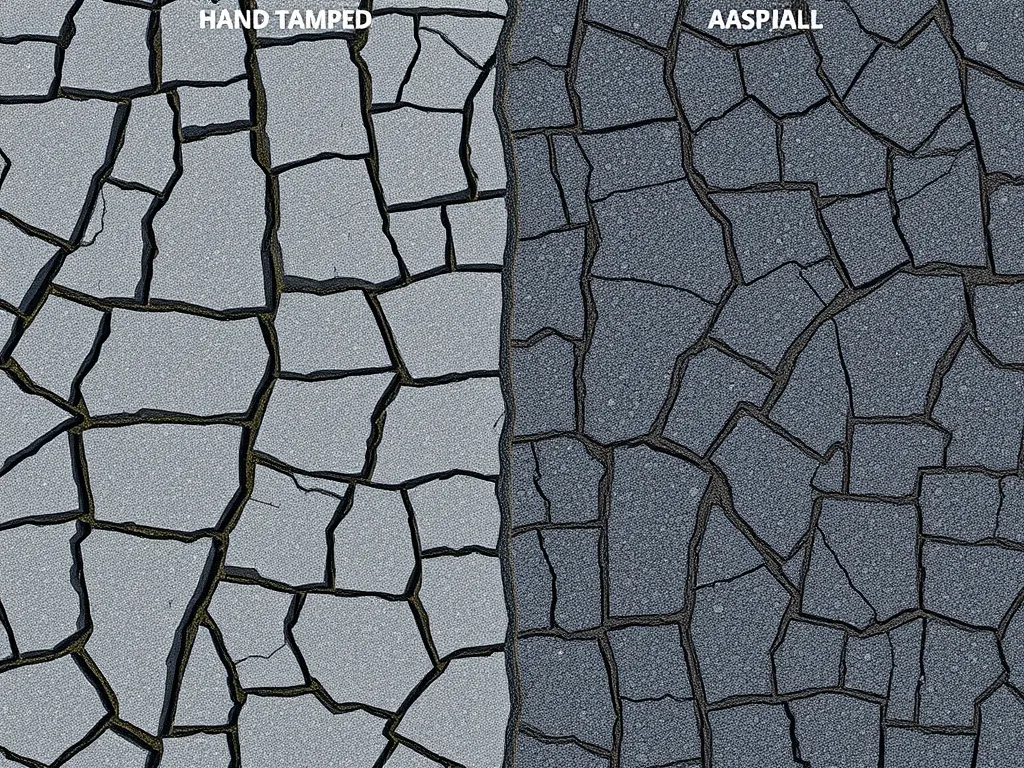
DIY jobs last 5-8 years. Pro work holds 12-20 years. Cracks form 3x faster with hand-tamped vs. machine-packed bases. Each repair adds $0.75-$2.00 per sq.ft.
Maintenance Costs for DIY vs Professional Work
DIY needs seal coat every year ($0.15-$0.25 per sq.ft.). Pro jobs use industrial sealers lasting 3-5 years. Expect 30% higher upkeep costs on self-done jobs over a decade.
While costs shape your budget, quality gaps change what you get for the price. Next, let’s break down how pro methods boost asphalt life.
Quality Differences in Asphalt Outcomes
Surface longevity and performance vary dramatically between contractor-laid asphalt and self-installed projects. Choices in materials, methods, and machinery create gaps that affect pavement lifespan.
Professional-grade Asphalt Sealer Vs DIY Products
Contractors apply sealers with 35-45% solids content, like coal tar emulsions or polymer-modified blends. These formulas bond tightly to existing pavement, blocking UV rays and water penetration for 2-4 years. Store-bought alternatives max out at 20-25% solids, requiring reapplication every 12-18 months. A 5-gallon pail of professional sealer covers 250-300 sq ft versus 150-200 sq ft for DIY options.
| Sealer Type | Coverage | Cost/Gallon | Lifespan |
|---|---|---|---|
| Pro-grade | 50-60 sq ft | $18-$22 | 3 years |
| DIY | 30-40 sq ft | $12-$15 | 1 year |
Impact Of Proper Asphalt Compaction Techniques
Steel-wheel vibratory rollers used by crews apply 3,000-5,000 pounds of force per square foot, achieving 92-95% density. Manual tampers or plate compactors in DIY setups deliver 150-200 pounds, leaving air pockets that cause premature cracking. Under-compacted asphalt loses 40% of its load-bearing capacity within 5 years.
Durability Of Professional Installation Vs DIY Results
Contractor-laid driveways withstand 15-20 years of use with proper base preparation and 2-3″ thick asphalt layers. Self-installed surfaces often show thermal cracking and raveling within 3-5 years due to inconsistent thickness (1.5-2″) and inadequate drainage slopes. Repair costs for DIY errors average $4-$7 per sq ft versus $1-$3 for maintained pro work.
While quality sets the foundation, project timelines determine how quickly you’ll reap these benefits. Let’s examine how clock hours stack up when tackling asphalt work yourself versus bringing in crews.
Time Investment for Asphalt Projects
Time management separates successful asphalt jobs from costly delays. Weather, skill level, and project scale all shape timelines. Let’s break down where hours get spent.
Project Timelines for DIY Asphalt Paving
A 500-square-foot DIY driveway often takes 3-5 days. Amateurs spend 60% of that time prepping surfaces and waiting for materials to set. Mistakes like uneven grading or poor compaction add rework days.
Surface Preparation Requirements
Clearing debris, grading slopes, and compacting base layers take 8-12 hours for small areas. Without plate compactors or laser-guided tools, achieving 95% compaction density—the standard for stable pavement—becomes tough. Many DIYers rent equipment at $150-$300/day but still face learning curves.
Curing and Drying Times
Fresh asphalt needs 24-48 hours before light foot traffic and 3-5 days for vehicles. Cold or humid weather extends curing. Pros use additives like warm-mix asphalt (WMA) to cut wait times by 30%, but most DIY kits lack these formulas.
How Professionals Accelerate Complex Jobs
Contractors complete a 1,000-square-foot driveway in 1-2 days. Crews of 4-6 work simultaneously: one team grades while another operates the asphalt paver. Commercial-grade vibratory rollers—machines that apply 8,000+ pounds of force—achieve proper compaction in minutes versus hours with rented gear.
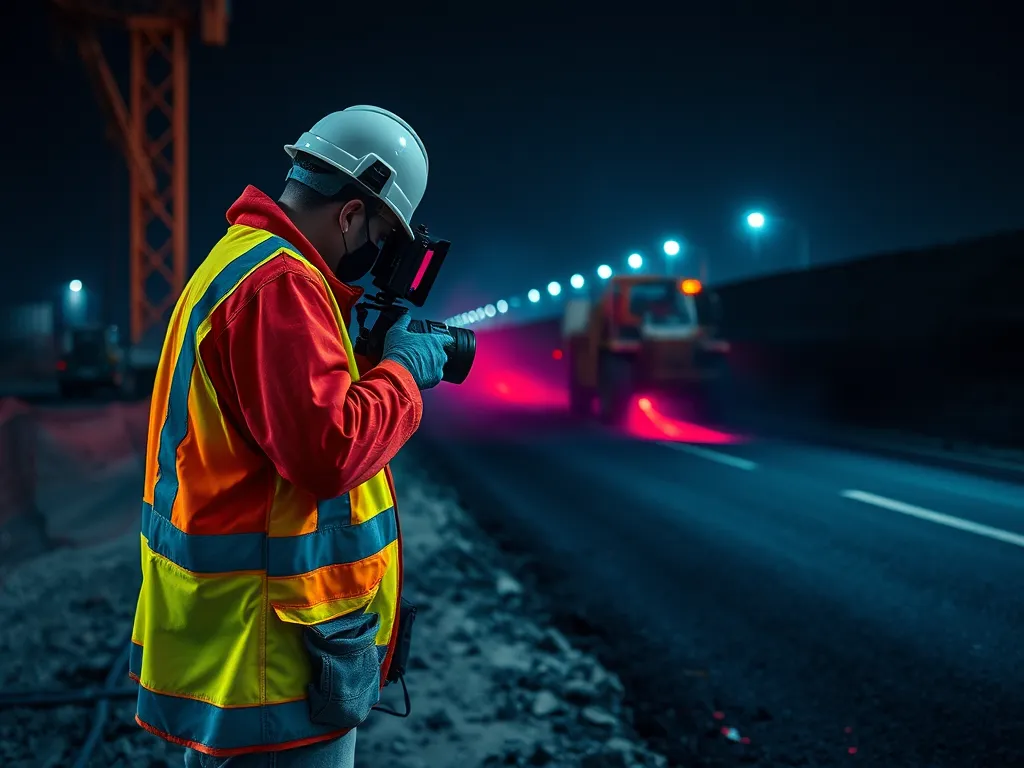
Thermal imaging cameras track cooling rates, letting pros adjust traffic blocks precisely. They also source hot-mix asphalt at 300°F from local plants, which stays workable longer than cold-patch DIY bags. This combo cuts project durations by 60% compared to DIY methods.
While speed matters, safe handling of 300°F asphalt demands proper training. Let’s explore how pros and DIYers manage risks next.
Safety Considerations in Asphalt Work
Working with asphalt demands strict safety protocols. Both material handling and machinery operation pose unique hazards. These risks escalate when comparing asphalt professionals vs DIY projects.
Handling Hot Asphalt Mix Safely
Fresh asphalt mix reaches 275-325°F during application. At these temperatures, contact causes third-degree burns within seconds. Professionals use heat-resistant gloves, face shields, and OSHA-approved PPE to manage thermal risks. They also monitor fumes from petroleum-based binders, which require ventilation systems in enclosed spaces.
DIY asphalt install projects often skip critical safeguards. Homeowners might attempt small repairs using bagged hot mix from hardware stores. These products still reach 200°F – enough to melt synthetic footwear or blister skin. One misstep with a wheelbarrow or hand tamper could lead to ER visits.
Equipment-related Risks in DIY Projects
Renting a vibratory plate compactor costs $75-$150 daily, but improper use risks costly errors. Untrained operators often create uneven surfaces or fail to achieve 92-96% density required for durable pavement. Steer skid loaders demand precise control – a 1-ton machine can crush toes or damage property if mishandled.
Professional crews mitigate these dangers with drum rollers weighing 8-10 tons and infrared heaters for seamless joints. Their teams complete compaction at 290°F before mix temperatures drop below 185°F. Trying to replicate this with rented tools rarely matches spec – 70% of DIY driveways show premature cracking from inadequate compaction.
While safety gear and equipment rentals add to DIY paving pros and cons, environmental factors also play a role. Next, we’ll examine how material choices impact ecosystems and landfill loads.
Environmental Impact Of Asphalt Choices
Your asphalt project affects more than your property – material selection and waste management shape its environmental footprint. Contractors and homeowners approach these factors differently, creating distinct ecological outcomes.
Material Waste in DIY Asphalt Projects
DIY asphalt install typically generates 10-15% more material waste versus professional jobs. Novices frequently over-order asphalt mix to compensate for measurement errors, leaving excess that hardens into unusable chunks. Compact asphalt requires precise thickness (usually 2-3 inches) – improper techniques force 20% more material use to fix low spots. Most DIYers lack access to recycled asphalt pavement (RAP), a reclaimed material pros blend into new mixes.
| Waste Factor | DIY | Professional |
|---|---|---|
| Excess Material | 12% avg | 3% avg |
| RAP Usage | <5% | 30-50% |
Professional Recycling Of Asphalt Materials
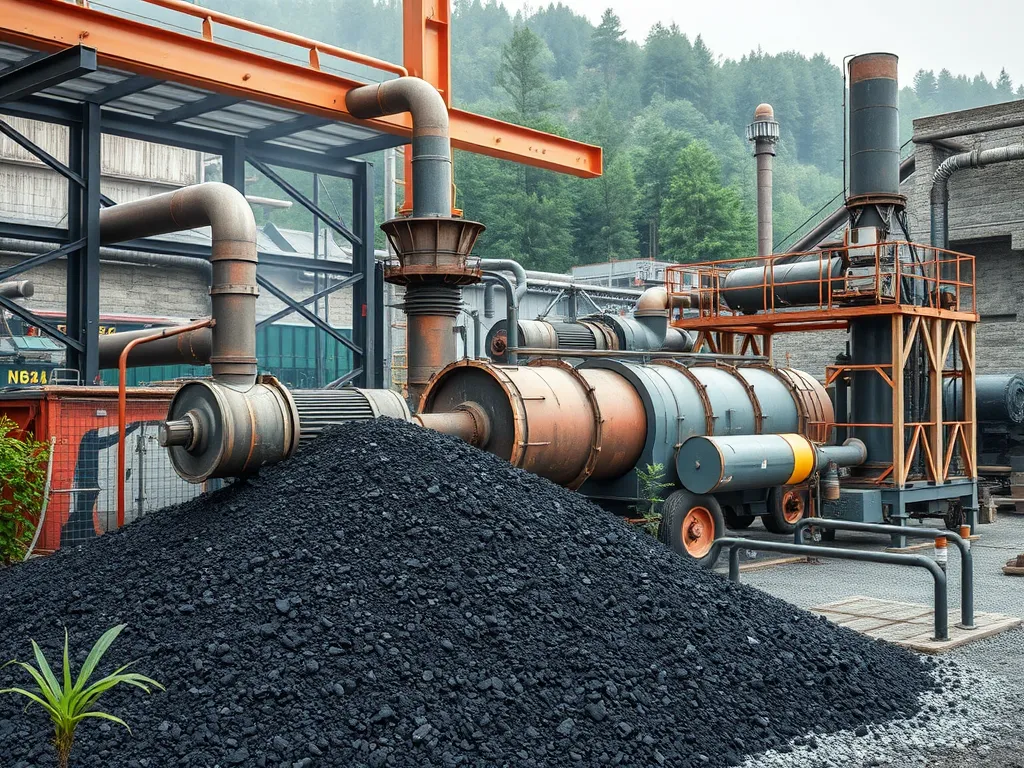
Asphalt professionals reclaim 90 million tons of RAP yearly in the US, reducing the need for virgin aggregates. Contractors use specialized plants to heat recycled asphalt to 300°F, restoring its binding properties. This process slashes energy use by 20% versus new production. Cold milling machines remove old pavement at 2-4 inches per pass, enabling 100% reuse of excavated material. Licensed crews follow EPA guidelines for bitumen emissions during recycling – a key factor DIY burn barrels or open piles often ignore.
These ecological factors raise practical questions many property owners ask when planning projects…
FAQ: Hiring Professionals Vs DIY Asphalt
What is the Difference Between DIY and Professional Asphalt Sealer?
DIY sealers generally have lower solids content and durability compared to professional-grade products. Professionals use formulations that offer better protection against UV rays and water penetration leading to a longer lifespan and better overall surface performance.
How Do You Accurately Estimate an Asphalt Job?
To estimate an asphalt job, measure the area in square feet, add 10% for waste, and account for the costs of materials, equipment rentals, and labor. A detailed assessment of site conditions and project requirements will yield a more accurate budget.
What Are the Safety Risks Of DIY Asphalt Projects?
DIY asphalt projects pose several safety risks, including burns from hot asphalt, potential injuries from improper equipment usage, and exposure to hazardous materials like fumes from asphalt binders. Proper safety gear and training are essential to minimize these risks.
How Does Environmental Impact Differ Between DIY and Professional Asphalt Projects?
DIY asphalt projects typically generate more waste and use less recycled material compared to professional jobs. Professionals have access to recycling processes and materials that significantly reduce their environmental footprint, whereas many DIYers lack the knowledge and resources to minimize waste and utilize reclaimed asphalt materials effectively.
Can DIY Installation Affect Long-term Maintenance Costs?
Yes, DIY installations often lead to higher long-term maintenance costs due to issues such as poor compaction and inadequate surface preparation, which can result in early repairs. Professional installations typically result in better durability and lower maintenance requirements over time.
Closing Thoughts
Choosing between hiring professionals and tackling DIY asphalt projects has significant implications. Professionals bring expertise, efficiency, and access to high-quality equipment. Their work adheres to local regulations and often ensures superior durability. On the downside, the costs can be higher upfront.
DIY asphalt projects, while offering cost savings and full control, come with risks. Poor installation and safety hazards can derail your project. Additionally, the long-term costs may outweigh initial savings if mistakes occur.
Ultimately, assess your project complexity, budget, and willingness to invest time and effort. Weigh the trade-offs carefully to make the best choice for your asphalt needs.
For more information on asphalt projects, visit Asphalt Calculator USA.

