
Get More Years From Your Pavement: Asphalt Longevity Made Simple
Published on: April 22, 2026 | Last Updated: April 14, 2025
Written By: George Voss
Extending asphalt lifespan combines DIY maintenance like crack sealing with professional techniques including sealcoating and drainage solutions. Property owners can tackle surface issues using $20 crack fillers, while contractors use infrared patching or overlays to add 10-15 years to pavement life. These methods prevent water intrusion, UV damage, and structural failures – cutting long-term repair costs by up to 50%.
This guide shows how to protect asphalt through all life stages. Learn when to apply coal tar vs asphalt emulsion sealants (every 2-3 years). Discover why proper slope grading needs 1.5-3% incline. Compare DIY methods like winter de-icing with calcium chloride ($25/bag) to professional soil stabilization using geogrids. We cover cost comparisons, material specs, and step-by-step protocols for both homeowners and pavement managers.
Core Asphalt Maintenance Techniques for Longevity
Preserving asphalt requires targeted strategies that tackle surface degradation and environmental stressors. These methods directly impact pavement performance, with proper execution adding 5-15 years to typical asphalt lifespan.
Immediate Crack and Pothole Repair
Unsealed cracks exceeding ¼ inch width let water infiltrate base layers, accelerating pavement failure. Repair within 48 hours of detection prevents 80% of pothole formation.
Addressing Minor Damage Before Expansion
Use infrared asphalt repair for seamless fixes on cracks under 2 inches. Cold-pour rubberized sealants work for temperatures above 50°F, while hot-applied crack fillers bond better below 40°F.
Using Quality Patching Materials
Polymer-modified asphalt patching mixes withstand freeze-thaw cycles better than standard cold mix. For high-traffic areas, specify mixes with PG 76-22 binders rated for 300% flexural strength improvements.
Preventative Cleaning and Debris Management
Annual cleaning preserves asphalt integrity better than reactive approaches. Debris traps moisture, while chemicals break down bitumen bonds over time.
Regular Sweeping and Stain Removal
Mechanical broom sweepers clear aggregate-clogging particles every 3 months. Pressure wash oil spots within 72 hours using citrus-based cleaners – avoid harsh solvents exceeding pH 10.
Preventing Oil and Chemical Penetration
Apply absorbent materials like kitty litter to fresh spills immediately. For chronic leak areas, install protective geotextile mats with 12-oz/sq yd density to block hydrocarbon migration.
With surface protection established, pavement preservation shifts to advanced protective measures. Next, we explore how strategic sealcoating and drainage design amplify asphalt life extension.
Proactive Repair Methods to Extend Pavement Lifespan
Moving beyond basic upkeep, targeted interventions preserve structural integrity for decades. Two critical approaches dominate advanced asphalt maintenance strategies: sealcoating and drainage optimization.
Sealcoating Strategies
This protective layer acts as sunscreen for asphalt, blocking UV rays and chemical penetration. Proper application can add 5-7 years to pavement lifespan.
Optimal Frequency for Sealant Application
Apply sealcoat every 2-3 years for high-traffic areas like parking lots. Residential driveways stretch to 4-5 years. Monitor surface oxidation – graying color signals reapplication time. Hot climates with intense sun demand more frequent treatments (18-24 months).
Choosing the Right Sealant Type
Three main options exist:
- Coal tar: Durable (7+ years), resists oil spills – used for gas stations ($0.20-$0.30/sq ft)
- Asphalt emulsion: Eco-friendly, fast curing – ideal for residential areas ($0.15-$0.25/sq ft)
- Acrylic: High UV resistance, premium option for decorative surfaces ($0.35-$0.50/sq ft)
Effective Drainage Solutions
Water infiltration causes 80% of pavement failures. Proper drainage systems divert moisture from the base layer, preventing frost heave and potholes.
Installing Proper Slope and Grading
Aim for 2% minimum cross slope (1/4″ per foot) toward drains or edges. Use laser-guided equipment for precision grading. Verify flow paths with water tests after installation. Steeper 3-5% slopes work best for areas with heavy rainfall.
Clearing Clogged Drains and Culverts
Inspect catch basins quarterly – remove leaves, sediment, and debris. Jet-vac systems clear stubborn blockages in pipes over 6″ diameter. Install filter fabric around drain inlets to trap particulates while allowing water flow.
With sealcoating and drainage mastered, attention shifts to structural upgrades that reinforce pavement from the ground up.
Structural Enhancements for Asphalt Longevity
Proper structural design and material selection determine whether asphalt lasts 12 years or 25+. These methods prevent premature failure while handling heavy loads and weather extremes.
Asphalt Overlay Best Practices
Overlays add fresh asphalt layers over existing pavement, restoring smoothness without full reconstruction. Success depends on two critical factors.
Evaluating Base Layer Integrity Before Overlay
Installers must test base layers for cracks ≥1/4″ wide or rutting >0.5″ depth. Unstable bases require full-depth repairs first. Ground-penetrating radar (GPR) surveys map subsurface voids needing injection grouting at $3-$7 per square foot.
Thickness Requirements for New Layers
Overlays need 1.5″-3″ thickness depending on traffic loads. Light-duty driveways use 1.5″ layers with PG 58-28 binders. High-traffic roads require 3″ overlays with polymer-modified PG 76-22 mixes. Thinner layers crack within 3-5 years under heavy trucks.
Base Preparation and Compaction
90% of pavement failures start with poor subgrades. Proper preparation prevents shifting and settling.
| Method | Materials | Cost/Sq.Yd |
|---|---|---|
| Lime Stabilization | 4-6% quicklime | $2.50-$4.00 |
| Cement Treatment | 3-5% Portland cement | $3.75-$5.25 |
| Geogrid Reinforcement | PP or PET grids | $1.80-$2.60 |
Importance of Subgrade Strength
Subgrades need minimum California Bearing Ratio (CBR) values of 8 for residential areas and 20+ for highways. Weak soils (<5 CBR) require removal/replacement or stabilization. Proper compaction at 92-96% Proctor density prevents future sinkage.
With structural foundations secured, the next phase involves monitoring and maintenance protocols to catch issues before they escalate.
Also See: Comparison Of Asphalt Thicknesses for Applications
Monitoring and Maintenance Protocols
Proactive tracking and seasonal adjustments form the backbone of effective asphalt longevity strategies. Systems designed to catch degradation early prevent minor flaws from escalating into structural failures.
Scheduled Inspection Routines
Quarterly visual checks paired with post-storm assessments create a defense against unseen damage. Thermal imaging tools detect subsurface voids, while core sampling every 3-5 years verifies base stability.
Identifying Early Signs of Wear
Look for linear cracks wider than 1/4 inch, raveling aggregates, or pooling water – these signal urgent needs. Alligator cracking patterns indicate base failures, while edge cracks suggest poor drainage. Document findings with geotagged photos for trend analysis.
Documenting Maintenance History
Cloud-based logs tracking sealcoating dates, crack fill materials used, and repair locations enable predictive scheduling. Include mix designs from overlays and compaction test results – this data informs future asphalt maintenance techniques.
Winterization and Seasonal Care
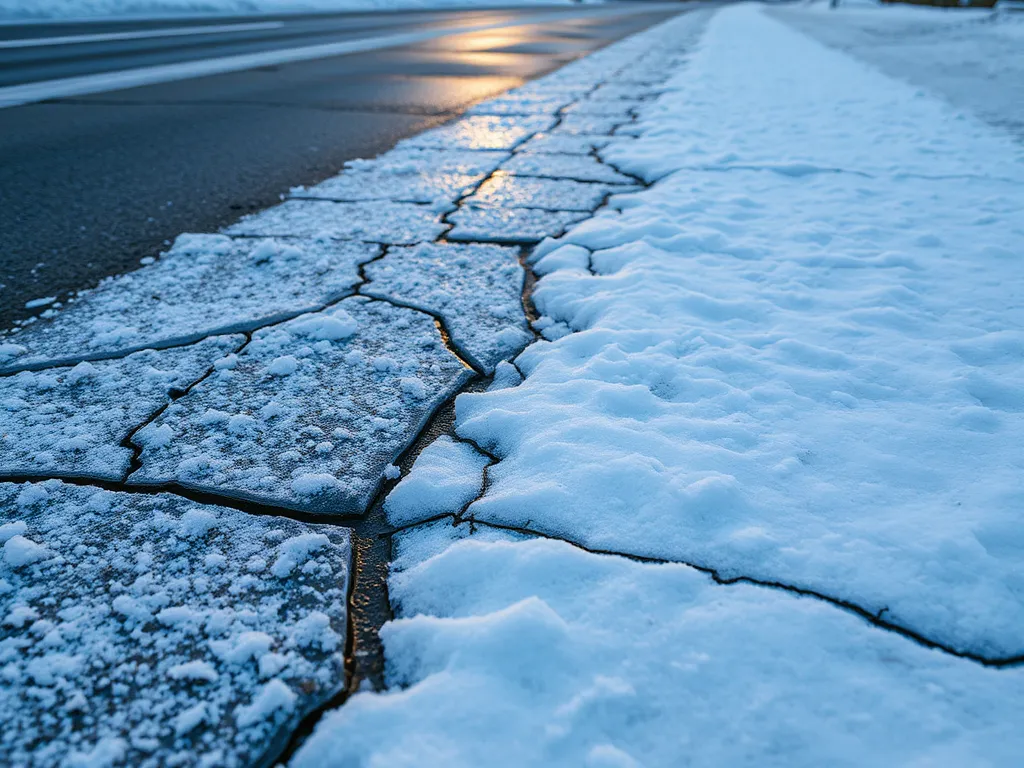
Freeze-thaw cycles cause 53% of pavement deterioration in northern states. Strategic preparation reduces this threat while maintaining safe surfaces.
Safe De-Icing Methods
Avoid sodium chloride which accelerates asphalt oxidation. Use calcium magnesium acetate (CMA) for temperatures below 15°F or sand-grit blends for traction. Apply liquid brine solutions before storms to prevent bond formation between ice and pavement.
Preventing Freeze-Thaw Damage
Sealcoat at least 45 days before first frost to seal microcracks. Ensure proper slope (minimum 2% grade) directs meltwater away from pavement edges. Install heated pavement systems in high-traffic zones where budgets permit – these maintain surface temperatures above freezing.
As seasonal challenges get managed through these protocols, focus shifts to quantifying preservation benefits. The next layer examines how extended pavement lifespan directly translates to resource conservation…
Environmental and Cost Benefits Of Asphalt Longevity
Smart asphalt care cuts waste and costs while keeping roads strong. These gains add up fast for both budgets and the planet.
Reducing Material Waste Through Preservation
Fixing cracks early saves 95% of the asphalt mix versus full rebuilds. Each ton saved means 95% less new rock, sand, or bitumen used. Recycling old pavement (called RAP) lets crews reuse milled asphalt in new mixes. RAP cuts costs by $15–$30 per ton and slashes mining needs.
Energy Savings From Fewer Repairs
Less frequent fixes mean lower fuel use. Making hot mix needs 300°F heat—a 1,000-ton batch uses 60 gallons of fuel. Saving one repair per mile spares 2,500 BTUs of energy. Fewer dump trucks hauling materials also drop CO2 by 12% per mile over 20 years.
Strong asphalt lasts longer, needs less work, and keeps roads smooth. Next, let’s tackle common questions on making pavement endure.
Frequently Asked Questions
How Can I Make My Asphalt Last Longer?
To enhance the longevity of asphalt surfaces, consistent maintenance practices such as sealing cracks, performing regular cleanings, and applying sealcoating can be effective. Additionally, ensuring proper drainage and addressing minor damages swiftly can significantly improve lifespan.
What Techniques Make Asphalt More Durable?
Techniques such as using high-quality patching materials, performing regular inspections, and implementing effective drainage solutions contribute to asphalt durability. Furthermore, employing care during installation, such as proper compaction of the subgrade, helps to ensure a stronger foundation for the asphalt.
Can New Asphalt Be Applied Over Old Layers?
Yes, new asphalt can be layered over existing pavement, commonly referred to as overlaying. However, evaluating the base layer’s integrity is crucial to prevent future problems like cracking or inadequate support.
Does Sealcoating Truly Extend Asphalt Lifespan?
Absolutely! Sealcoating acts as a protective layer that shields asphalt from UV rays, chemicals, and moisture, significantly extending its lifespan. Regular application can add several years to the life of your asphalt surface.
Closing Thoughts
Implementing techniques for extending asphalt lifespan is vital for maintaining a durable and cost-effective pavement. Regular maintenance, proactive repairs, and structural enhancements play essential roles in preserving asphalt quality. Detecting issues early and applying tailored solutions not only prolongs the lifespan but also minimizes environmental impact and reduces overall repair costs.
Whether it’s using quality patching materials, employing effective sealcoating strategies, or ensuring proper drainage, each technique contributes significantly to a reliable surface. Consistent monitoring and care during seasonal changes further safeguard your investment. This proactive approach ensures your asphalt performs its best through various conditions.
For more insights and tools to manage your asphalt effectively, check out Asphalt Calculator USA. Knowledgeable strategies lead to longer-lasting surfaces, maximizing your asphalt investment.
Useful References for You:
- Huang, Y. H. (2004). Pavement Analysis and Design (2nd ed.). Upper Saddle River, NJ: Pearson/Prentice Hall.
- 5 tips to extending the lifespan of your Asphalt pavement
- 5 Ways to Extend Your Asphalt’s Lifespan
- 6 Tips to Extend the Lifespan of Your Asphalt Driveway – Premium Asphalt Paving & Sealcoating
- 3 Tips To Increase The Lifespan Of Asphalt Pavement | Toronto

