Industrial Flooring Asphalt: Built for Heavy Loads and Long-term Use
Published on: July 30, 2026 | Last Updated: April 14, 2025
Written By: George Voss
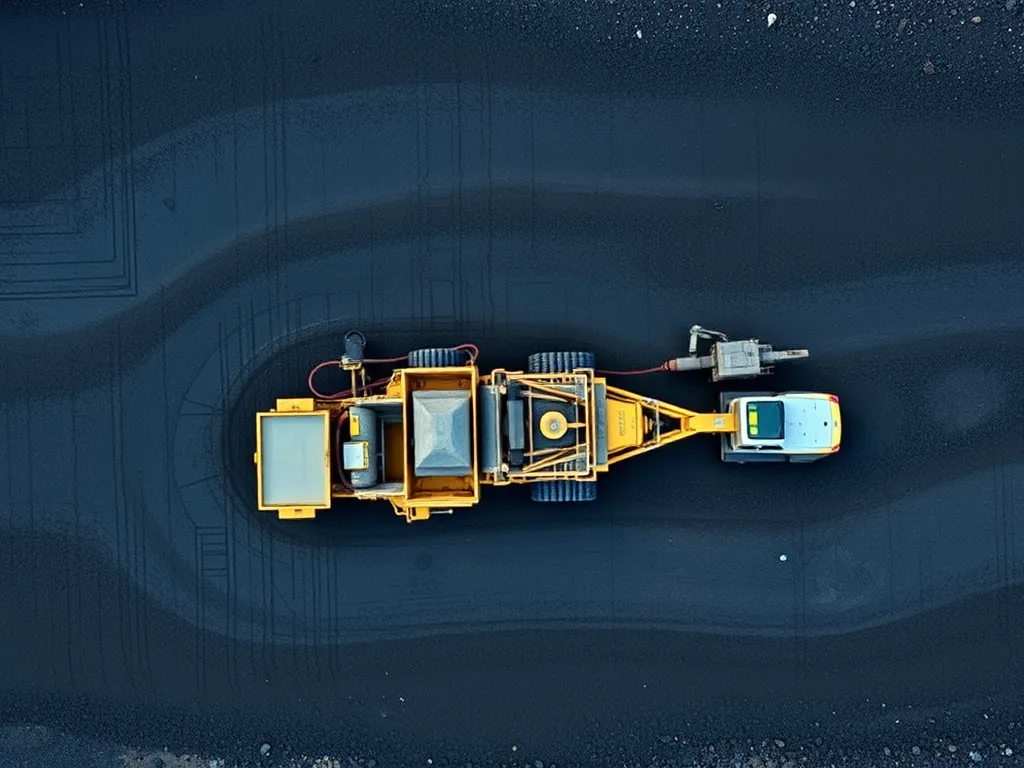
Industrial flooring asphalt is a specialized mix of stone aggregates and bitumen binder designed for factories, warehouses, and heavy-use facilities. Unlike standard asphalt, it uses polymer-modified binders and denser aggregates to handle forklift traffic, machinery loads up to 25,000 psi, and chemical spills. Key benefits include 20+ year lifespans, seamless surfaces that prevent trip hazards, and installation costs averaging $3-$7 per square foot. Common applications range from automotive plants to cold storage warehouses requiring surfaces that resist temperature swings from -40°F to 140°F.
This guide breaks down industrial asphalt flooring’s composition, performance specs, and best installation practices. You’ll learn how its thickness (typically 3-8 inches) and PG 76-22 binder grade outperform concrete in flexibility. We’ll compare costs against epoxy systems ($8-$12/sq ft) and detail maintenance protocols like infrared patching. Whether you’re retrofitting a distribution center or sealing a machinery floor, these insights help optimize durability and safety.
What is Industrial Flooring Asphalt?
Industrial flooring asphalt forms the backbone of heavy-duty surfaces in factories, warehouses, and production facilities. Designed to handle extreme weights and constant traffic, this material combines flexibility with rugged performance.
Definition and Composition Of Asphalt Flooring for Industrial Use
Industrial asphalt flooring uses a mix of aggregates (95% crushed stone, sand, or gravel) bound by 5% asphalt cement. Polymer-modified binders like PG 64-22 or PG 76-28 boost temperature resistance. Additives such as crumb rubber or fibers enhance crack resistance for forklift wheels exceeding 10,000 lbs.
Role Of Asphalt in Industrial Flooring Systems
Asphalt industrial flooring absorbs shock from 24/7 machinery while maintaining a 500-800 PSI load-bearing capacity. Its flexibility prevents cracking under thermal shifts from -20°F to 140°F. The non-porous surface resists oil spills and chemical exposure common in auto shops or food processing plants.
With a cure time under 48 hours, asphalt flooring systems minimize facility downtime. Its smooth finish allows easy cleaning in pharmaceutical storage areas. Let’s examine how these properties translate into measurable benefits for industrial operations.
Benefits Of Industrial Flooring Asphalt
Industrial asphalt flooring solves key challenges in factories, plants, and storage sites. Its mix of strength, safety, and cost perks makes it a top pick for tough jobs.
Superior Durability for Heavy-duty Environments
Built to handle 40,000+ lb loads, industrial asphalt floors won’t crack under forklifts or pallet racks. Hot-mix asphalt with PG 64-22 binder lasts 15-20 years in high-traffic zones. The 95% compacted stone base stops rutting and shifts.
Chemical and Abrasion Resistance
Asphalt floors block oils, mild acids, and solvents common in auto shops or food plants. A 3mm epoxy sealer boosts protection against spills. Tests show 0.2mm wear after 10,000 forklift passes – half the wear rate of bare concrete.
Seamless Surface for Industrial Settings
No joints mean no cracks for debris or moisture to enter. Hot-pour asphalt fills gaps up to 1/4″ during install. This smooth finish cuts tripping risks and lets pallet jacks roll freely. Facilities report 30% fewer floor-related delays post-install.
Cost-effective Installation and Repairs
New asphalt floors cost $2-5 per sq ft – 40% less than epoxy systems. Patching small cracks runs $0.50-$1 per linear foot. Full resurfacing every 8-10 years costs 60% less than concrete replacement. Tax breaks apply for using 30% recycled asphalt.
Slip-resistant Properties in Warehouse Flooring
Added silica sand or polymer grit gives a 0.5+ friction coefficient – meets OSHA standards for wet zones. Textured surfaces shed water fast, cutting slip falls by 55% in freezer units. Non-spark mixes work well near fuel bays or chem storage.
With these perks in mind, let’s break down where industrial asphalt floors work best across sectors.
Primary Applications Of Industrial Asphalt Flooring
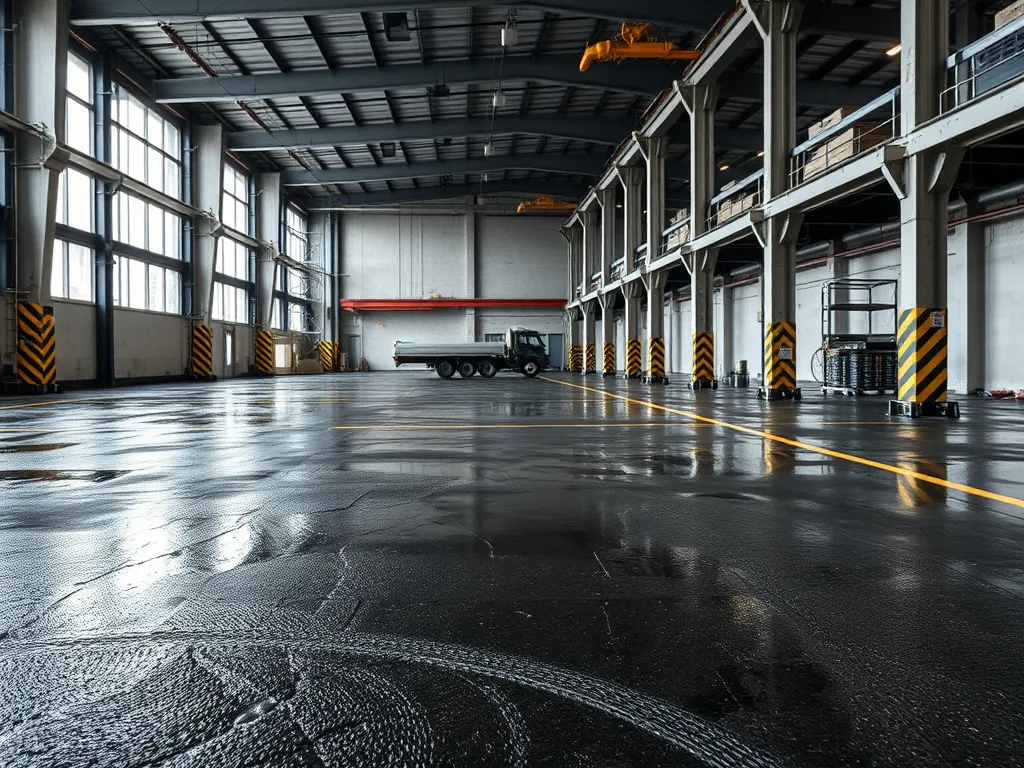
Industrial environments demand flooring solutions built to withstand extreme conditions. With tensile strength exceeding 500 psi, industrial asphalt flooring meets these needs across multiple sectors.
Asphalt Flooring for Manufacturing Plants
Plants handling metal fabrication or chemical processing rely on PG 64-22 grade asphalt. This mix withstands hydraulic press vibrations up to 20 tons. Forklift traffic exceeding 15,000 cycles per day causes minimal rutting when using 3/4-inch dense-graded aggregate bases. Built-in thermal expansion joints prevent cracking under temperatures ranging from -30°F to 160°F.
Asphalt Warehouse Flooring Systems
High-traffic distribution centers use 4-inch compacted asphalt bases with 1.5% slope for drainage. Key features include:
- Seamless installation eliminating tripping hazards
- Skid-resistant surfaces with 50 BPN (British Pendulum Number) ratings
- JMF (Job Mix Formula) designs resisting diesel fuel spills
Industrial Building Flooring in Loading Docks
Loading docks need surfaces surviving 10,000+ psi point loads from semi-trucks. Polymer-modified binders in these systems reduce tire marks by 60% versus standard mixes. Freeze-thaw cycles show less than 0.15% mass loss when tested under ASTM D6927 standards.
Asphalt Floors for Machinery Rooms
Power generation facilities install 6-inch thick epoxy-coated asphalt floors. These provide:
- 95% compaction rates under vibratory rollers
- Dielectric properties up to 35 kV/mm
- Oil-resistant surfaces meeting OSHA 1910.22 slip standards
Commercial Building Flooring in Retail Storage Areas
Big-box stores choose 3-inch asphalt overlays with calcined bauxite additives. This creates surfaces supporting 800 lb/sq ft racking systems while maintaining 0.80+ dry friction coefficients. Installation costs range $4-$7 per sq ft—30% lower than polished concrete alternatives.
Proper installation techniques ensure these systems perform optimally under operational stresses. Next, we’ll break down the step-by-step process for laying industrial-grade asphalt floors.
Also See: Asphalt Cost-effectiveness in Commercial Settings
Installation Process for Industrial Asphalt Floors
Industrial asphalt flooring installation demands strict adherence to technical protocols. This ensures floors can withstand forklifts, machinery loads up to 10,000 PSI, and chemical spills common in plants or warehouses.
Surface Preparation for Industrial Flooring Asphalt
Start by clearing debris and leveling substrates. High-pressure washing (2,500-3,500 PSI) removes oil stains. Grinding machines fix uneven spots exceeding 1/8″ variance. Compact subgrades to 95% Proctor density using vibratory rollers. Install a 6-8″ crushed stone sub-base with 1-2% slope for drainage.
Aggregate Selection and Base Layer Construction
Choose angular aggregates like granite or trap rock (3/4″ nominal size) for stability. Mix with PG 64-22 binder rated for -22°F to 150°F. Lay hot mix asphalt (HMA) at 300°F in 4″ lifts. Compact each layer with 10-ton steel-wheel rollers until air voids fall below 7%.
| Aggregate Type | Compaction | Layer Thickness |
|---|---|---|
| Granite | 95% | 4″ |
| Trap Rock | 96% | 3.5″ |
Application Of Asphalt Seal and Tack Coat
Spray SS-1h tack coat at 0.05 gal/sy to bind layers. Pour 3/8″ thick asphalt seal coat within 24 hours. Use rubber-tired pavers for uniform spread. Cure for 8-12 hours before traffic. This creates a 0.3-0.5 friction coefficient, meeting OSHA slip standards.
Epoxy Sealer Integration for Enhanced Performance
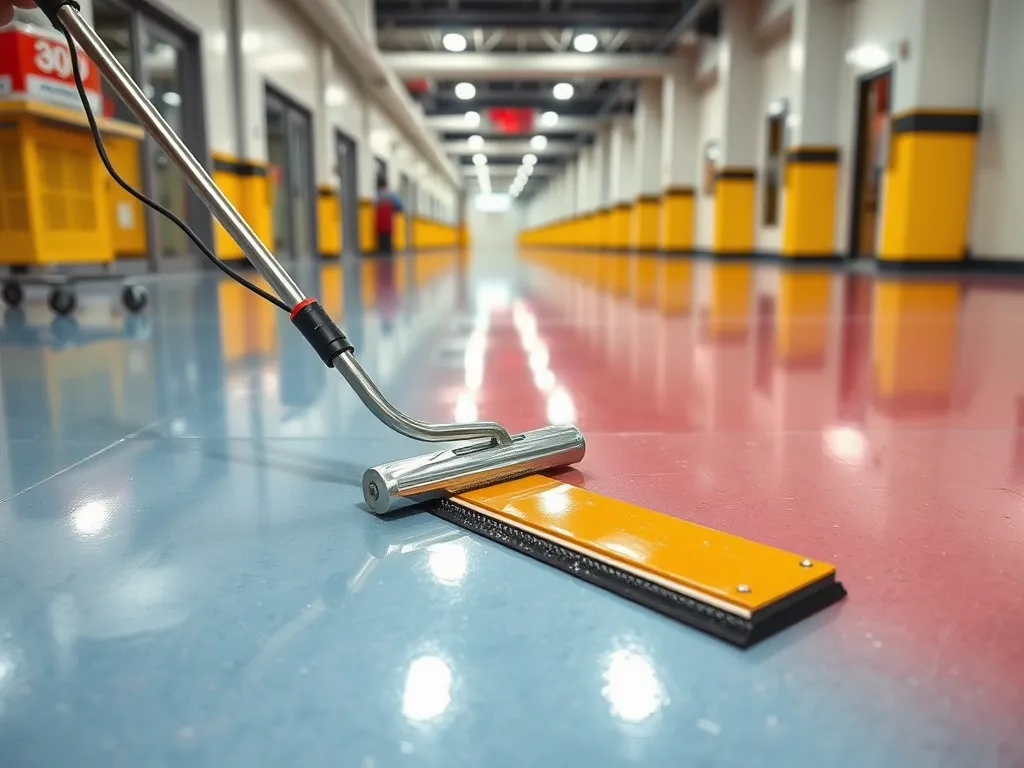
Apply 100% solids polyurethane or coal tar hybrid sealers post-cure. Spread at 250-300 sq ft/gal using notched squeegees. Adds 3-5x more resistance to sulfuric acid (pH 2) and hydraulic fluids. Recoat every 3-5 years depending on foot traffic exceeding 500 daily cycles.
Proper installation sets floors up to last 15-25 years. Next, analyze how material choices impact budgets and long-term facility costs.
Cost Analysis Of Industrial Flooring Asphalt
Selecting asphalt for industrial flooring systems requires balancing upfront expenses against decades of service. Material quality, project scale, and regional labor rates create cost variations of $3.50-$7.50 per square foot for new setups.
Factors Influencing Asphalt Flooring Costs
Aggregate type drives 40-60% of material expenses. Limestone mixes cost 12-18% less than granite-reinforced asphalt for industrial floors. PG (performance-graded) binders add $0.80-$1.20 per square foot but boost thermal resistance up to 320°F. Projects requiring epoxy sealer integration see a 22-35% price jump versus standard asphalt warehouse flooring setups.
Site accessibility affects 15-20% of total budgets. Facilities with narrow loading docks or low ceilings add $1,200-$2,500 per day for specialized compactors. Local climate also matters – cold-weather paving below 50°F needs warm-mix additives costing $8-$15 per ton.
Budgeting for Installation and Long-term Maintenance
Allocate 10-15% of initial asphalt flooring costs for year-one maintenance. Annual sealcoating runs $0.15-$0.30 per square foot, extending surface life by 8-12 years. Facilities with forklift traffic should budget $1,200-$4,500 yearly for infrared patching of ruts or cracks.
Compare 30-year costs: epoxy systems demand full replacement every 10-15 years ($9-$14 per sq ft), while properly maintained asphalt floors for industrial buildings require only 3-4 overlays ($3-$5 per sq ft). Automated sweepers reduce cleaning costs by 60% versus manual methods – a key factor for large asphalt warehouse flooring areas.
While cost matters, performance under pressure matters more. Next, explore how asphalt floors handle decades of heavy loads without failing.
Durability and Lifespan Of Industrial Asphalt Floors
Industrial asphalt flooring delivers 20-30 years of service in demanding settings when properly installed. This lifespan stems from its layered construction – crushed stone aggregates bonded with PG (Performance Graded) asphalt cement. PG binders, tested under Superpave specifications, ensure material consistency across freeze-thaw cycles and traffic loads.
Performance Under Heavy Machinery and Traffic
Asphalt industrial floors withstand 300-500 PSI loads from forklifts, pallet jacks, and conveyor systems. Hot-mix asphalt with ¾” angular aggregates creates interlocking friction that resists rutting. Facilities handling 40-ton trucks daily report less than 1/8” surface deformation over 5 years. Annual inspections paired with sealcoating every 2-3 years maintain load-bearing integrity.
Resistance to Temperature Fluctuations
Industrial flooring asphalt handles -20°F to 140°F without cracking when using PG 64-22 binder. This grade balances stiffness in cold storage areas with flexibility near boiler rooms. Thermal expansion rates of 0.000006 in/in°F allow 1/4” gap spacing between slabs. Epoxy-modified asphalt systems reduce temperature sensitivity by 40% compared to standard mixes.
Proper joint design and material selection let asphalt floors adapt to seasonal shifts. Next, we’ll break down maintenance tactics that extend surface performance beyond typical wear thresholds.
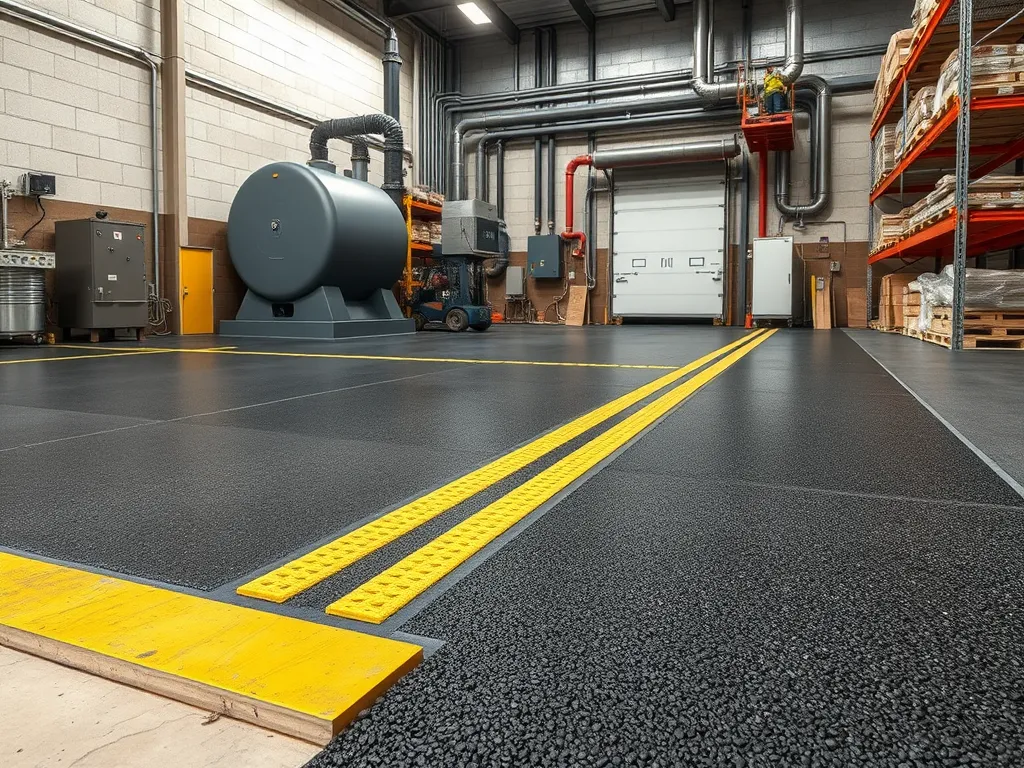
Maintenance Strategies for Industrial Asphalt Flooring
Proper upkeep extends service life while preserving structural integrity. Follow these proven methods to keep surfaces functional under extreme operational demands.
Routine Cleaning Procedures for Asphalt Floors
Daily sweeping removes debris that grinds into surfaces. Use ride-on scrubbers with pH-neutral solutions for large warehouse floors. Tackle oil spills immediately with industrial degreasers to prevent binder breakdown. Pressure washing at 2,500-3,500 PSI clears embedded grime without eroding top layers.
- Weekly mechanical broom sweeps in high-traffic zones
- Bi-monthly scrub downs near machinery with hydraulic fluid leaks
- Quarterly deep cleans using emulsified cleaning agents
Crack Repair and Patching Techniques
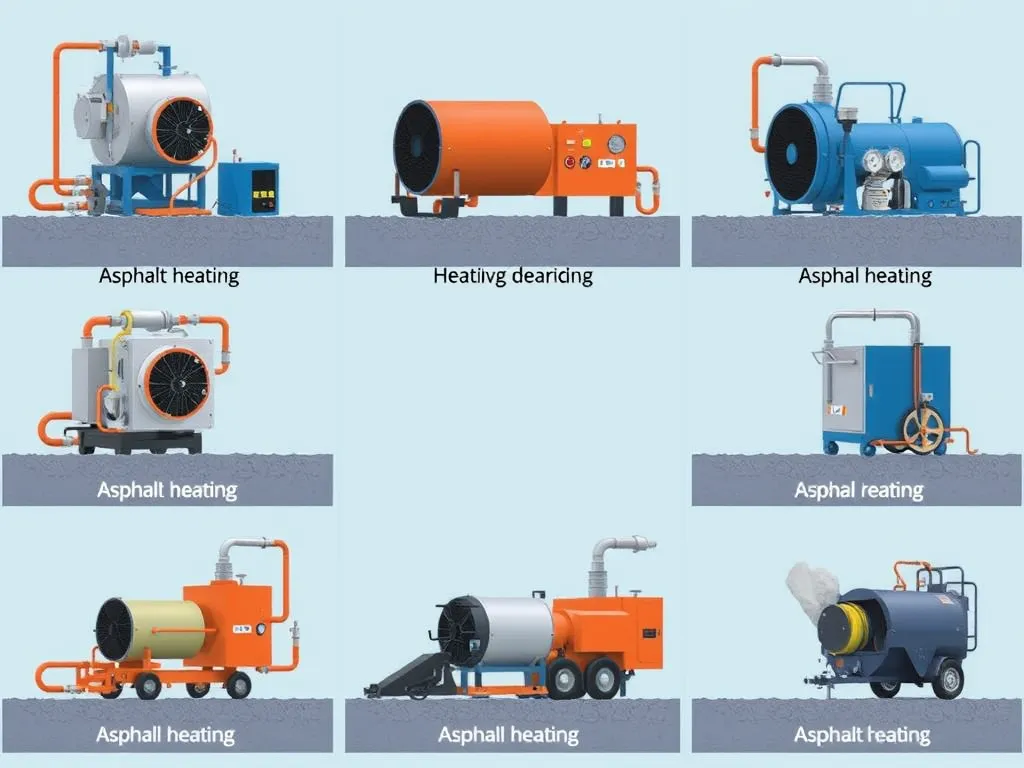
Fill fissures exceeding 1/4″ width within 48 hours to prevent moisture infiltration. Routing out cracks creates clean edges for better filler bonding. Hot pour rubberized compounds withstand thermal shifts from -30°F to 160°F. For potholes, apply infrared heaters to blend new mix with existing pavement seamlessly.
- Cold weather: Use flexible polymer-modified fillers
- High-traffic zones: Install steel-reinforced patches
- Joint repairs: Inject epoxy resins under 200 PSI pressure
Sealcoating Schedules for Industrial Facilities
Reapply protective coatings every 24-36 months depending on forklift traffic intensity. Coal-tar emulsions provide superior chemical resistance for battery charging stations. Latex-modified asphalt seals offer faster curing (4-6 hours) in time-sensitive operations. Optimal application occurs when temperatures stay above 50°F for 24 hours.
- Light-duty: 3-5 mil thickness (1 gallon per 100 sq ft)
- Heavy industrial: 8-10 mil thickness with silica sand grit
- Food processing plants: NSF-certified sealers
Proper upkeep directly impacts how industrial asphalt floors perform against competing systems like epoxy or polished concrete. Next, we’ll break down material comparisons head-to-head.
Comparing Industrial Asphalt Flooring to Alternatives
Industrial flooring choices impact operational efficiency, safety, and long-term costs. Let’s examine how asphalt industrial flooring stacks up against common alternatives.
Asphalt Vs. Epoxy Flooring in Industrial Buildings
Epoxy flooring offers high chemical resistance (withstands acids, solvents) and a glossy finish. Industrial asphalt flooring counters with superior impact resistance (handles loads up to 10,000 psi) and thermal flexibility (-40°F to 140°F). While epoxy requires meticulous surface prep and curing time (7-10 days), asphalt floors for industrial buildings install faster – hot-mix asphalt reaches 90% strength in 24 hours. Cost differences are stark: epoxy averages $5-$12/sq ft installed versus $2-$6/sq ft for asphalt.
| Feature | Asphalt Flooring | Epoxy Flooring |
|---|---|---|
| Installation Time | 24-48 hours | 7-14 days |
| Repair Costs | $0.50-$1.50/sq ft | $3-$8/sq ft |
| UV Resistance | Excellent | Poor |
Asphalt Vs. Concrete for Warehouse Flooring
Concrete warehouse floors crack under heavy forklift traffic (over 8,000 lbs/axle). Asphalt warehouse flooring flexes under load, reducing surface fractures. While concrete lasts 20-30 years with joint maintenance, asphalt flooring for industrial use requires more frequent sealcoating (every 3-5 years) but offers faster repairs. Thermal conductivity differs sharply: concrete floors average 1.28 W/m·K versus 0.75 W/m·K for asphalt floors for industrial buildings – a key factor in climate-controlled facilities.
Cost-benefit Analysis Against Polyurethane Systems
Polyurethane flooring systems excel in chemical labs (resists 98% of industrial solvents) but cost $8-$15/sq ft installed. Asphalt for industrial flooring systems costs $3.50-$6.50/sq ft with comparable load ratings. Both materials allow seamless installation, but polyurethane requires strict humidity control during curing. Over 15 years, asphalt flooring industrial projects show 22% lower lifecycle costs when factoring in recoating ($0.25/sq ft every 5 years vs. $1.50/sq ft for polyurethane).
These comparisons highlight trade-offs between upfront costs and long-term performance. Next, we’ll explore how modern asphalt formulas address environmental concerns while maintaining industrial-grade durability.
Environmental Considerations for Asphalt Flooring
As demand grows for eco-conscious construction materials, asphalt remains a frontrunner for industrial flooring due to its green credentials. Facilities prioritizing sustainability benefit from two core advantages: material reuse potential and controlled production impacts.
Recyclability Of Industrial Asphalt Materials
Asphalt leads the pack with a 95%+ recycle rate—the highest among major flooring materials. Crushed asphalt from demolished floors (called RAP, or Recycled Asphalt Pavement) gets reused in new mixes. Facilities can integrate up to 30% RAP into fresh asphalt flooring systems without compromising structural integrity. This approach cuts material costs by 15-25% and diverts tons of waste from landfills annually. LEED-certified projects often earn points for asphalt recycling efforts.
- RAP reuse reduces need for virgin aggregates and bitumen
- Closed-loop systems reprocess millings onsite during floor replacements
- ASTM D6925 standards ensure quality control for recycled content
Emission Management During Installation
Modern asphalt plants meet strict EPA guidelines for airborne particulates (PM2.5 under 12 µg/m³) and VOC emissions. Warm-mix asphalt technologies lower production temps from 300°F to 250°F, slashing fuel use by 20% and greenhouse gases by 40%. For indoor installations, contractors use fume-extraction systems to maintain air quality below OSHA’s 5 mg/m³ benzene exposure limit.
- Low-VOC binders (<3% solvent content) minimize odors
- Real-time emission monitors track CO2 levels during pours
- Night paving reduces heat island effects in urban areas
These green strategies position asphalt flooring for industrial buildings as a responsible choice for eco-driven enterprises. Up next: practical answers to common queries about performance specs and upkeep.
Frequently Asked Questions (FAQs)
Is Asphalt Flooring Suitable for Heavy Industrial Use?
Yes, industrial asphalt flooring is specifically designed to withstand heavy loads and continuous traffic, making it ideal for use in environments such as manufacturing plants, warehouses, and loading docks.
Can Existing Asphalt Floors Be Resurfaced for Industrial Applications?
Absolutely! Existing asphalt floors can be resurfaced to extend their lifespan and improve their performance. This involves cleaning, repairing any damages, and applying a new layer of asphalt to restore the surface.
What Are Best Practices for Repairing Asphalt Epoxy Anchors?
To repair asphalt epoxy anchors, first clean the area thoroughly, removing any debris and contaminants. Then, apply a suitable epoxy adhesive and allow it to cure according to the manufacturer’s instructions, ensuring the bond is strong and durable.
How to Properly Apply Sealants on Industrial Asphalt Floors?
When applying sealants on industrial asphalt floors, ensure the surface is clean and dry. Use a notched squeegee or roller to spread the sealant evenly across the surface. Avoid applying sealants in damp conditions and allow adequate curing time before subjecting the floor to traffic.
How Can I Enhance the Slip-resistance Of Asphalt Flooring?
To enhance the slip-resistance of asphalt flooring, consider incorporating additives such as silica sand or polymer grit during the installation process. This improves the friction coefficient, helping to prevent slips and falls, especially in wet or oily conditions.
Closing Thoughts
Industrial flooring asphalt offers a robust, flexible solution for various industrial environments. Its durability and resistance to chemicals make it a top choice for warehouses, manufacturing plants, and more. The seamless surface minimizes maintenance, reduces slip hazards, and enhances safety. Understanding the installation process and planning for long-term maintenance ensures optimal performance.
As industries continue to evolve, the demand for reliable flooring systems remains high. Asphalt flooring stands out not just for its practicality but also for its cost-effectiveness. When thoughtfully applied, it can significantly improve industrial operations while minimizing environmental impact through recyclability.
For more information on asphalt flooring and resources to optimize your industrial spaces, visit Asphalt Calculator USA.
Additional Resources for You:
- American Association of State Highway and Transportation Officials (AASHTO). (2008). Mechanistic-Empirical Pavement Design Guide (MEPDG). Washington, DC: AASHTO.
- Mastic asphalt flooring | IKO Group UK
- Asphalt Crack Filler – Watco Industrial Flooring
- Decorative paint – ASPHALT – Watco Industrial Flooring – outdoor / for floor
- Flooring – Mastic Asphalt Council