The Economic Benefits Of Using a Paver Machine for Large Asphalt Projects
Published on: April 25, 2026 | Last Updated: April 14, 2025
Written By: George Voss
Paver machines cut project costs by 20-40%, boost efficiency, and slash timelines for large-scale asphalt work. These heavy-duty devices lay asphalt layers uniformly using a heated screed, replacing manual spreading. Unlike traditional methods, they reduce material waste by up to 15% and lower labor needs by 50% through automation. Designed for projects over 1,000 square feet, paver machines also trim fuel use by 20-30% compared to multi-equipment setups, merging financial savings with environmental benefits.
This article examines how paver machines drive economic value in asphalt construction. We break down upfront costs versus long-term savings, including labor reductions and precise material use. You’ll see data on fuel efficiency, extended machine lifespans (8-12 years with proper maintenance), and minimized rework from accurate asphalt placement. We also cover scalability for highways, parking lots, and industrial sites, plus sustainability gains like lower emissions and compatibility with recycled asphalt pavement (RAP).
What is a Paver Machine in Asphalt Projects?
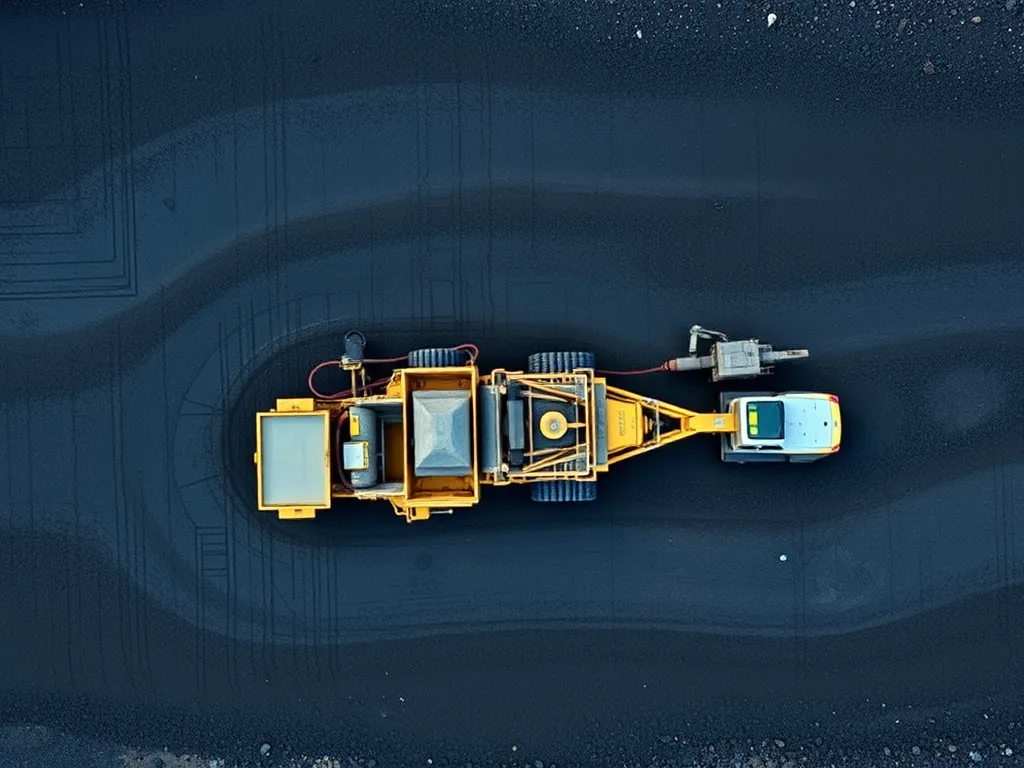
Paver machinery automates asphalt placement and compaction for roads, parking lots, and industrial surfaces. These machines distribute hot mix asphalt (HMA) at precise depths, ensuring uniform thickness across projects. A key component is the screed—a heated plate that levels material—paired with augers spreading aggregates evenly. This process eliminates manual raking, slashing labor hours while boosting output consistency.
Definition and Primary Functions
Paver machines handle two core tasks: depositing asphalt layers and initiating compaction. They work with dump trucks or material transfer vehicles (MTVs) to feed HMA into the hopper. The machine’s conveyor system moves mix to the augers, which distribute it before the screed compresses it. Modern models include grade sensors and GPS for slope accuracy within 3mm tolerance. These features cut rework rates by up to 40%, directly lowering project costs linked to material overuse or delays.
Types Of Paver Machines for Asphalt Applications
Three main paver types dominate large-scale projects. Track-mounted pavers excel on uneven terrain, reducing site prep time with their grip and stability. Wheeled pavers hit speeds over 25 feet per minute on flat sites, ideal for highways. Material transfer vehicles (MTVs) pair with pavers to prevent mix segregation, saving 5-7% in material costs. Compact pavers handle patches or driveways below 1000 square feet, avoiding manual labor fees. Track models range from $300,000 to $600,000, while wheeled units start at $250,000. MTVs add $180,000-$350,000 but extend paver lifespan by 15-20% through reduced wear.
Selecting the right paver machinery hinges on project scale, terrain, and mix specifications. Contractors balancing paver machine price with long-term gains often see ROI within 18-24 months. Up next: a breakdown of initial investments versus manual methods in asphalt projects.
Cost Analysis Of Paver Machinery for Asphalt Projects
Breaking down costs for paver machinery clarifies its financial impact on asphalt jobs. From buying to long-run savings, this analysis shows why big projects gain from this kit.
Initial Investment: Paver Machine Price Ranges
Paver machinery price starts at $30,000 for basic models, hitting $500,000+ for high-capacity units with GPS or thermal profiling. Track-type pavers cost 15-20% more than wheeled versions but handle rough terrain. Renting runs $1,200-$3,500 daily, a fix for short jobs under 6 months. Brands like Volvo, Caterpillar, and Dynapac dominate this space.
Comparing Paver Machine Costs to Manual Labor or Traditional Methods
Manual asphalt spreading needs 8 workers to match a mid-size paver’s output. Labor costs jump 60% for projects over 10,000 tons. Hand-laid asphalt also risks uneven compaction, adding 5-7% material waste. Paver machinery cuts labor by 75%, slashing payroll for jobs spanning weeks. A $200,000 paver pays back in 2-3 projects vs. manual crews billing $45/hour per worker.
Long-term Savings: Overall Economy Of Using Individual Paver Machines
Modern pavers last 12-15 years with 2% annual upkeep costs. Fuel savings hit 30% vs. multi-stage layering using graders and rollers. Precise asphalt placement trims waste by 9%, saving $4.50 per ton on materials. Resale holds 40-50% of original paver machinery price after 5,000 hours. Tax breaks like Section 179 deductions add $25,000+ savings on buys over $100k.
Looking past upfront costs, paver machinery shows its worth in how it transforms project workflows. Up next: how automation slashes labor bills while boosting output.
Key Economic Benefits Of Asphalt Paver Machines
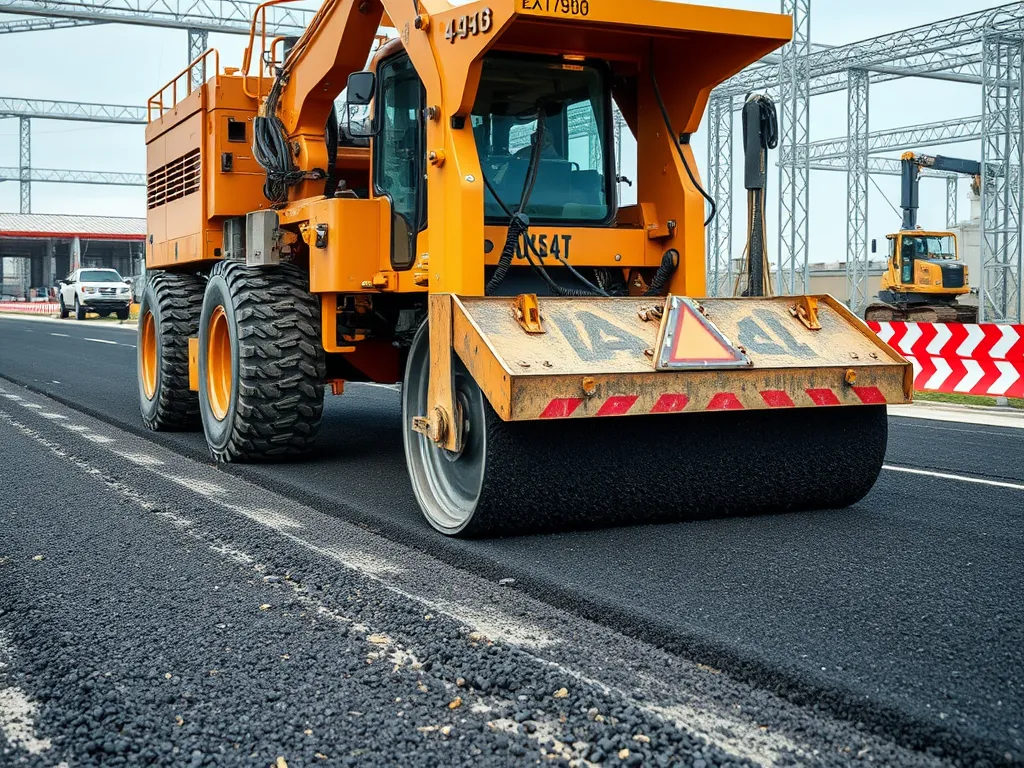
Paver machines transform large-scale asphalt projects by cutting costs and boosting efficiency. These four areas highlight their direct financial impact.
Reduced Labor Costs Through Automation
A single paver machine replaces 5–7 workers manually spreading and leveling asphalt. Automated screeds (adjustable plates that flatten the mix) ensure consistent thickness with 1–2 operators. Labor costs drop 40–60%, saving $120–$180 hourly based on average wages. Over a 500-hour project, this adds up to $60,000–$90,000 saved.
Optimized Asphalt Material Usage and Minimized Waste
Precision augers and thermal sensors distribute mix within 1/8-inch tolerances, reducing overapplication. Projects waste 3–5% less material compared to manual methods. For a 10,000-ton job at $80/ton, that’s $15,000–$24,000 saved. Advanced models with GPS grade control push waste below 1%, maximizing budget efficiency.
Lower Fuel Consumption Compared to Multi-stage Processes
Integrated paver machines consume 3–5 gallons of diesel per hour, while multi-stage setups (separate spreaders, rollers) use 8–12 gallons. Fuel savings hit 20–30%, cutting $2,400–$4,800 monthly per machine. Tier 4 Final engines reduce emissions further, aligning cost cuts with environmental goals.
Extended Machine Lifespan and Reduced Maintenance Costs
Heavy-duty components like vibratory screeds and tracked undercarriages endure 8–12 years under daily use. Regular maintenance (greasing joints, replacing wear plates) costs $1,200–$2,500 annually—15% less than older models. High resale values (50–70% of paver machinery price after 5 years) add long-term value.
These savings compound over time, making paver machines a strategic choice for projects exceeding 1000 square feet. Next, let’s examine how faster completion times amplify these benefits.
Also See: Regulatory Considerations for Warm Mix Asphalt
Time Efficiency in Large-scale Asphalt Projects
Paver machines transform how contractors tackle asphalt jobs. These systems slash project timelines while maintaining strict quality standards, directly impacting bottom lines.
Accelerated Project Timelines With Consistent Output
Modern paver machinery lays asphalt at 1,000–2,500 sq ft/hour, outpacing manual crews by 5x. Integrated material hoppers and adjustable screeds enable non-stop operation. Compare outputs:
| Method | Speed (sq ft/hour) | Crew Size |
|---|---|---|
| Manual Labor | 200–300 | 10–15 |
| Paver Machine | 1,000–2,500 | 3–5 |
Faster completion means lower labor expenses—a $50/hour crew saves $4,000 weekly on a 40-hour project. GPS-guided models maintain ±3mm thickness accuracy, avoiding slowdowns.
Minimized Rework Through Precision in Asphalt Placement
Uneven surfaces from manual spreading waste 12–18% of materials. Paver machinery cuts this to 4–6% via automated grade controls. For a 10,000-ton project at $120/ton, that’s $96,000 saved. Infrared thermal sensors prevent cold joints, while vibratory compactors achieve 92–95% density on first pass.
Scalability for Projects Over 1000 Square Feet and Beyond
Economies of scale kick in sharply past 1,000 sq ft. Rental costs for paver machinery average $1,200–$2,500 daily but cover 5x more area than manual teams. Break down the paver price for 1000 square feet: $2.40–$3.80 vs $8.90–$12.70 manually. Track-mounted pavers handle slopes up to 20%, enabling complex sites without slowdowns.
While speed and precision drive upfront savings, durability determines long-term returns. Next, we’ll explore how robust designs extend machine lifespans even under extreme loads.
Durability and Longevity Of Asphalt Pavers
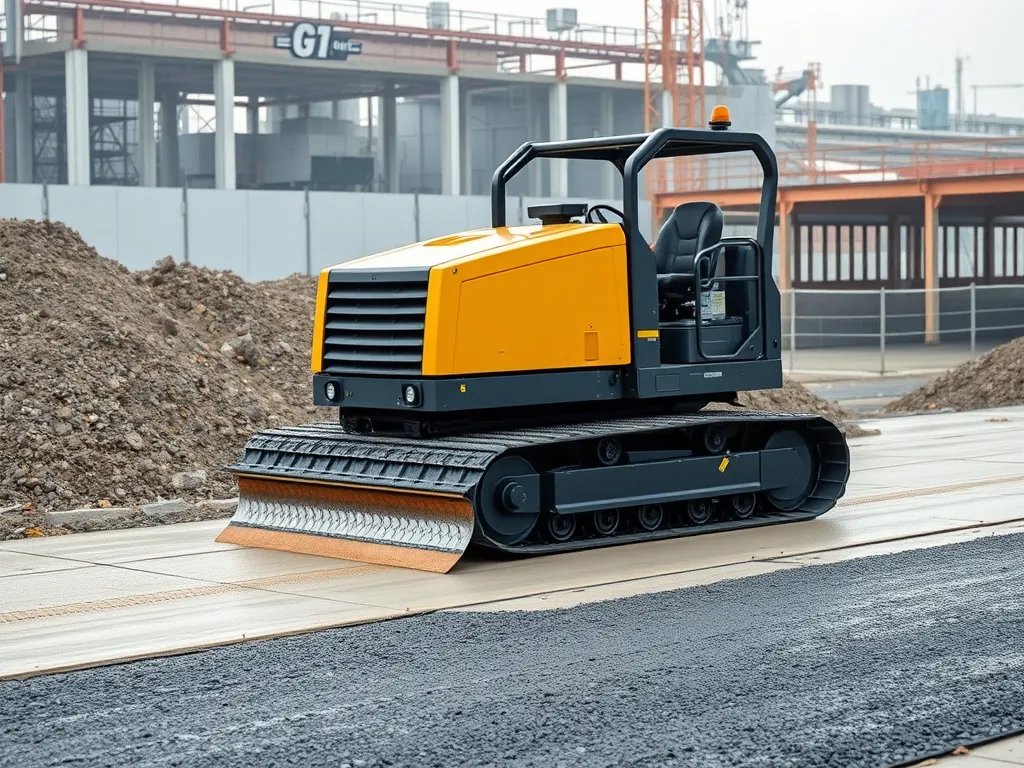
Paver machines built for asphalt work cut long-term costs by lasting through years of heavy use. Their tough build means fewer breakdowns and lower spend on fixes or new gear.
Useful Life Of Modern Asphalt Paver Machines
New paver machines run 10-15 years with basic care. Brands like Caterpillar or Volvo hit 20,000 work hours before major parts wear out. This cuts the need to buy gear again, saving up to $200,000 per machine over time. Models with electric drives outlive diesel ones by 2-3 years due to less heat stress on parts.
Factors Influencing Paver Longevity in Harsh Jobsite Conditions
Three key points decide how long pavers last: build quality, upkeep, and job site grit. Steel frames rated for 50,000 psi handle rough ground better than low-grade metals. Daily oil checks and part swaps every 250 hours add 30% more life. Hot mix temps above 300°F? Use heat shields to stop belt burns. Wet sites demand weekly seals on hydraulics to block rust.
Durable paver machines do more than save cash – they set the stage for green gains too.
Environmental and Operational Synergies
Modern paver machines deliver more than financial gains—they align eco-friendly practices with streamlined workflows. These dual advantages amplify cost savings while meeting tightening environmental regulations.
Reduced Carbon Footprint Via Efficient Asphalt Application
Paver machinery cuts emissions through precision material placement. A single pass lays asphalt at 300°F within ±0.15-inch thickness tolerances, eliminating over-application. This precision slashes material waste by 12–18% compared to manual methods. Fewer dump trucks are needed, reducing diesel exhaust: one paver machine replaces 10–12 workers, trimming fuel use by 20% per mile paved. Projects exceeding 1000 square feet see compounded benefits—less reheating of excess mix lowers CO₂ output by 6.5 metric tons annually.
Enhanced Worker Safety and Reduced Physical Strain
Automated screed controls and ergonomic operator cabins minimize onsite risks. Paver machines reduce direct contact with 300°F asphalt by 90%, cutting burn incidents. Vibration-dampening systems lower musculoskeletal injuries—contractors report 40% fewer workers’ compensation claims. With fewer laborers exposed to traffic zones, insurance premiums drop 15–22%. These safety gains translate to uninterrupted workflows, avoiding $8,500–$12,000 daily delays from accident-related stoppages.
Balancing ecological responsibility with worker protection creates a ripple effect: projects finish faster, penalties for non-compliance vanish, and communities face fewer disruptions. Let’s examine how these synergies shape real-world contractor decisions in our FAQ breakdown.
FAQs: Addressing Common Queries
What Makes Paver Machines Cost-effective for Asphalt Projects?
Paver machines significantly lower costs by reducing labor needs and minimizing material waste. Automation allows fewer operators to achieve higher output, while precise material placement cuts excess use, resulting in substantial savings on labor and raw materials.
How Does a Paver Machine Improve Asphalt Placement Accuracy?
Paver machines utilize advanced technology, such as GPS and thermal sensors, to ensure asphalt is laid at consistent thicknesses. This precision minimizes the risk of uneven surfaces and rework, contributing to overall efficiency and cost savings in large projects.
What is the Typical Paver Machine Price for Large Projects?
The price of paver machines varies widely based on features and capacity. Basic models start around $30,000, while high-capacity units with sophisticated technology can exceed $500,000. Factors such as equipment type and rental vs. purchase options also influence overall costs.
How Long Can an Asphalt Paver Operate Effectively?
Modern asphalt paver machines are designed for a useful life of 10 to 15 years with proper maintenance. Users can expect to get around 20,000 working hours with basic upkeep before significant wear necessitates repairs or replacement.
Closing Thoughts
Utilizing a paver machine for large asphalt projects delivers significant economic advantages. From reduced labor costs to optimized material usage, paver machines enhance efficiency and minimize waste. Their ability to accelerate project timelines and improve placement accuracy further solidifies their value in large-scale operations. Additionally, the long-term durability of modern pavers, combined with reduced maintenance and operational costs, marks them as a wise investment for contractors.
These machines not only streamline processes but also contribute to safer work environments and lower carbon footprints. In essence, investing in a paver machine translates to a higher return on investment and better overall project outcomes.
For more detailed insights on paver machines and other related topics, visit Asphalt Calculator USA.
Useful References for You:
- National Asphalt Pavement Association (NAPA, Industry Reports & Best Practices)
- Key Benefits of Mechanical Road Paver Machines
- What Types Of Heavy Equipment Are Used In Asphalt Paving Projects? – Premier Paving Contractor – Pickett’s Paving
- How Important Paver Machines Are in Road Construction?
- The Different Types of Paver Machines and Their Brands