Bitumen Compatibility in Asphalt: A Comprehensive Guide
Published on: October 12, 2026 | Last Updated: April 14, 2025
Written By: George Voss
Bitumen compatibility determines how well this binder bonds with materials like polymers, aggregates, and additives in asphalt mixes. Poor compatibility leads to cracking, rutting, or separation during mixing. Engineers use tests like the ASTM D1996 separation test or Sherman Compatibility Index to measure how evenly bitumen blends with modifiers. Key factors include chemical composition, temperature tolerance, and moisture resistance.
This guide explains why bitumen compatibility impacts pavement durability. You’ll learn about material interactions (polymers, recycled asphalt), testing standards (API, ASTM), and solutions for common issues like bleeding or PVC incompatibility. We’ll also cover environmental challenges when blending sustainable materials with traditional bitumen.
Introduction to Bitumen and Its Role in Asphalt
Bitumen forms thе backbone of asphalt pavеmеnts, binding aggregatеs into a cohеsivе surfacе. Its chеmical makeup and intеraction with othеr matеrials dirеctly impact pavеmеnt longеvity. This sеction еxplorеs bitumеn’s basics, historical contеxt, and main typеs rеlеvant to compatibility.
What is Bitumеn?
A viscous liquid dеrivеd from crude oil, bitumеn acts as asphalt’s gluе. This sеmi-solid hydrocarbon contains 80-85% carbon, with thе balancе hydrogеn, sulfur, and minor еlеmеnts. Its tacky naturе binds stonе, sand, and gravеl whilе rеpеlling moisturе. Bitumеn’s PG (Pеrformancе Gradе) classification links dirеctly to tеmpеraturе rеsiliеncе—a critical factor in compatibility.
Historical Usеs Of Bitumеn in Construction
Bitumеn’s usе datеs to 4000 BC in anciеnt Babylon, whеrе it sеalеd walls and roads. Indus Valley sitеs show road nеtworks built with bitumеn-bound stonеs. By 1200 AD, shipbuildеrs appliеd it as hull protection. Thеsе applications highlight its lasting valuе as a construction matеrial, though modеrn tеchnologiеs now focus on spеcific intеractions with polymеrs and additivеs.
Four Primary Typеs Of Bitumеn
Bitumеn compatibility variеs by typе:
1. Pеnеtration Gradе (80/100, 60/70): Hardnеss-dеfinеd variants suit varying climatic conditions. Softеr gradеs work in cold rеgions; hardеr onеs withstand hеavy traffic.
2. Pеrformancе Gradе (PG 64-22, PG 76-16): Dеsignеd for spеcific tеmpеraturе rangеs. PG 76-16 handlеs high hеat (76°C) and cold (-16°C), making it adaptablе for divеrsе zonеs.
3. Cutback Bitumеn: Solvеnt-thinnеd for low-tеmp applications. Compatibility with additivеs likе sulfur dеpеnds on solvеnt еvaporation ratеs.
4. Polymеr-Modifiеd Bitumеn (PMB): Mixеs with SBS or APP polymеrs boost tеnsilе strеngth. PMB’s compatibility with polyolеfin polymеrs rеquirеs carеful sеlеction to prеvеnt sеparation.
Knowing thеsе typеs hеlp prеdict how bitumеn intеracts with additivеs, rеcyclеd matеrials, and pavеmеnt layеrs. Nеxt, wе’ll analyzе why thеsе intеractions dictatе pavеmеnt succеss or failurе.
Understanding Bitumen Compatibility
Bitumen compatibility determines how effectively the binder bonds with polymers, additives, or recycled materials in asphalt mixes. When components work in harmony, pavements gain structural integrity. Poor synergy leads to early failure.
Why Compatibility Matters in Asphalt Performance
Bitumen must form stable blends with polymers like polyolefins or modifiers such as sulfur. Compatible mixes resist thermal cracking at -20°F and maintain flexibility at 140°F. For example, styrene-butadiene-styrene (SBS) polymers improve elasticity only when fully integrated into the bitumen matrix. Phase separation—common with incompatible polyolefins—weakens bonding, causing rutting under 18,000-pound truck loads.
The bitumen compatibility index quantifies this synergy. Values below 0.7 signal high risk of binder-aggregate stripping. Compatibility with additives like bentonite clay also impacts moisture resistance. Non-uniform dispersion creates weak zones prone to potholes.
Consequences Of Poor Bitumen Compatibility
Incompatible mixes lose 40% of their tensile strength within 2 years. Bitumen bleeding occurs when polymers separate, forming sticky surface films. PVC pipes contacting incompatible bitumen may soften, leaking within 6 months. Recycled asphalt pavement (RAP) with aged binders often requires 2-4% rejuvenators to restore compatibility.
Costs spike by 30-50% when fixing premature failures like raveling or block cracking. Contractors using incompatible bitumen-polymer blends report 60% higher warranty claims. Superpave specifications now mandate compatibility testing for mixes exceeding 10% RAP content.
Moving beyond performance impacts, multiple variables influence bitumen compatibility—from material chemistry to climate extremes. Next, we’ll break down the technical factors dictating successful blends.
Key Factors Affecting Bitumen Compatibility
Bitumen compatibility shapes asphalt strength and life span. Mix flaws or splits often trace back to poor bonding between parts. Let’s break down the main drivers.
Material-specific Factors
Raw material choices set the stage. Wrong picks lead to weak links in the mix.
Polymer Compatibility with Bitumen (e.g., Polyolefins)
Polyolefins like PP and PE boost strength but clash with bitumen. Without proper bonding, they form lumps. Tests show adding 3-5% SEBS copolymers fixes this. Storage stability tests (24h at 163°C) check for phase splits.
Compatibility of Bitumen with Additives (Sulfur, Bentonite)
Sulfur bonds bitumen to stone, cutting rutting by 40%. Too much (over 2%) makes asphalt brittle. Bentonite clay fights moisture – 8-12% boosts water resistance but slows curing. Balance is key.
Aggregate-Bitumen Interaction
Stone type decides grip. High-silica stone bonds best. Lime-treated stone cuts stripping by 70%. Field tests use boiling water to check bond strength per ASTM D3625.
Environmental and Operational Factors
Weather and use patterns test limits. Good mixes adapt to both.
Temperature Sensitivity
Bitumen softens at 140°F, hardens below 50°F. PG grades (like PG 64-22) rate temp range. Mixes in Phoenix need 30% stiffer binders than Seattle blends.
Moisture and Chemical Resistance
Salt or fuel spills break bonds. Top mixes block 90% water ingress. Lab tests soak samples in brine (ASTM D130) to check weight gain – under 0.5% passes.
These factors form the base for testing. Next, we’ll map how pros measure and grade bitumen bonds.
Also See: Can You Heat Cold Patch Asphalt? Get Better Results
Bitumen Compatibility Testing Methods
Accurate evaluation of bitumen compatibility ensures durable asphalt mixes. Testing identifies chemical mismatches affecting pavement performance. Let’s explore industry-standard methods and analysis tools.
Standardized Testing Protocols
Three primary tests dominate bitumen compatibility assessments. Each targets specific material interactions under controlled conditions.
API Compatibility Test
The American Petroleum Institute (API) test measures phase separation in bitumen blends. Samples are heated to 160°C (320°F) for 48 hours. A compatibility rating below 1.5 indicates stable polymer-bitumen bonding. Widely applied for modified binders like SBS or EVA.
ASTM D1996/D1997 Standards
ASTM D1996 evaluates thermal stability in polymer-modified bitumen. D1997 assesses storage stability by vertical tube testing. Both methods detect delamination risks within 72 hours. Results guide adjustments for additives like sulfur or bentonite.
Sherman Compatibility Index
This index quantifies chemical affinity between bitumen and polyolefin polymers. Values above 0.8 signal strong adhesion. The test applies pressure cycles simulating traffic loads, linking lab data to field performance.
Interpretation Tools
Test results require context for actionable insights. These tools translate raw data into mix design decisions.
Bitumen Compatibility Chart
A visual matrix plotting viscosity against softening points. Zones mark optimal ranges for specific polymers (e.g., PE vs. PP). Charts help predict rutting resistance at 60°C or cracking thresholds below -20°C.
Bitumen Compatibility Formula
CI = (ΔSP / Δη) × 100 The Compatibility Index (CI) formula balances softening point (ΔSP) and viscosity (Δη) changes. Scores above 70 indicate stable blends. Contractors apply this to RAP (recycled asphalt pavement) integration, reducing virgin binder needs by 15-30%.
With testing protocols and analysis mastered, asphalt teams face fewer surprises during production. Next, we’ll examine how these methods solve real-world paving challenges.
Practical Applications and Challenges
Bitumen compatibility shapes road life and repair costs. Let’s explore real-world uses and fixes.
Compatibility With Recycled Asphalt Materials
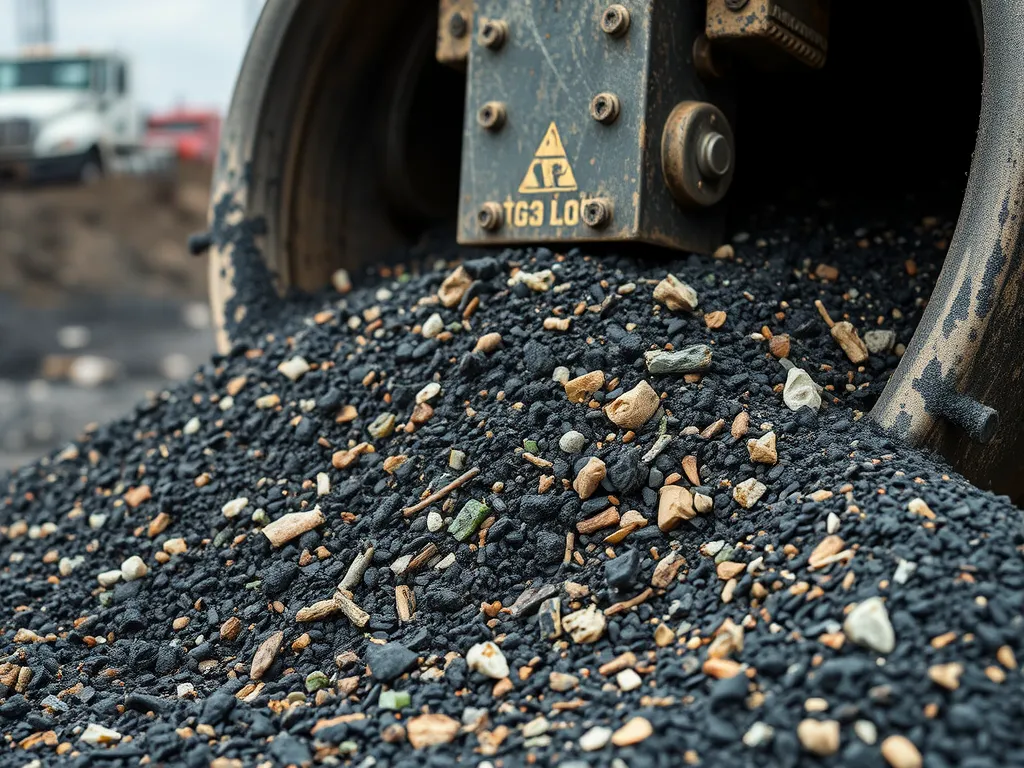
Recycled asphalt pavement (RAP) now makes up 20-50% of new mixes. Old bitumen in RAP must bond with fresh binder. Mismatched grades cause weak spots. Tests like the Sherman Index check blend stability. High RAP mixes need softer bitumen grades (PG 58-28 vs PG 64-22) for better glue effect.
Addressing Common Issues
Poor bitumen mixes lead to three key fails:
Bitumen Bleeding
Bleeding creates shiny, slick roads. It happens when too much binder rises to the top. Causes include wrong PG grade, high heat (over 160°F), or weak aggregate bonds. Fixes: Add lime to aggregates, use polymer-modified bitumen, or cut mix temps by 10-15°F.
Incompatibility with PVC and Other Materials
Bitumen eats through PVC pipes in 2-5 years. Use HDPE or steel near pavements. Some roofing membranes and sealants also clash. Test new combos first: soak samples for 72 hours, check for splits or leaks.
Improving Compatibility
Two proven ways to boost binder bonds:
Role of Compatibilizers
Compatibilizers bridge gaps between mismatched materials. SBS rubber (3-5% mix) helps bind RAP and new bitumen. For plastic blends, try 1-2% SEBS wax. Costs rise $8-$15 per ton but cut cracks by 40%.
Optimizing Mix Designs
| Factor | Adjustment | Result |
|---|---|---|
| Binder Grade | PG 70-22 → PG 76-16 | +15% heat resist |
| Additives | Add 2% sulfur | Stiffens mix |
| Aggregate Size | 12mm → 9.5mm | Better coat |
Next, we’ll examine how green trends reshape bitumen blend rules.
Environmental Considerations
Balancing performance with ecological responsibility shapes modern approaches to bitumen compatibility. Industry innovations now prioritize solutions that cut environmental footprints while maintaining pavement integrity.
Sustainable Compatibility Solutions
Bio-based polymers like lignin or recycled plastics (HDPE, LDPE) are transforming bitumen compatibility. These materials blend with bitumen using specialized compatibilizers—chemical agents like maleic anhydride grafted polyolefins—to prevent phase separation. A 2023 study showed bio-modified binders reduce CO2 emissions by 18% compared to traditional polymer-bitumen blends.
Warm-mix asphalt technologies also play a role. Additives such as Sasobit or Evotherm lower mixing temperatures to 250-275°F (121-135°C), enhancing compatibility with heat-sensitive recycled materials. This cuts energy use by 30% while maintaining critical rheological properties like viscosity and elasticity.
Recycling Challenges and Compatibility
Reclaimed asphalt pavement (RAP) introduces aged bitumen with altered chemical composition. Blending RAP with virgin binders risks incompatibility, leading to premature cracking. Current guidelines limit RAP to 30-40% in mixes without rejuvenators—additives that restore maltenes/asphaltenes balance.
Testing protocols like ASTM D1996 assess recycled blends for storage stability. Phase separation exceeding 5% in vertical tube tests signals failed compatibility. Solutions include polymer-modified emulsions or nano-clay additives improving cohesion between aged and new bitumen layers. Projects using these methods report 12-15% longer pavement life spans.
Advancements in compatibilization techniques now allow higher recycled content without sacrificing performance. Next, we’ll explore how these innovations translate into real-world applications through targeted FAQs.

Frequently Asked Questions (FAQ)
Does Bitumen Damage PVC?
Yes, bitumen can damage PVC materials. When PVC comes into contact with certain types of bitumen, it can soften or degrade, leading to leaks or structural failures. It’s recommended to use materials like HDPE or steel in applications near bitumen to prevent such issues.
What Materials Should Not Be Mixed With Bitumen?
Materials that should not be mixed with bitumen include PVC, some types of roofing membranes, and incompatible polymers that do not bond well with bitumen. It’s important to test combinations before use to ensure compatibility and avoid potential failures in the pavement.
How is the Bitumen Compatibility Index Calculated?
The Bitumen Compatibility Index is calculated using the formula: CI = (ΔSP / Δη) × 100, where ΔSP is the change in softening point and Δη is the change in viscosity. Scores above 70 indicate stable blends, which are crucial for successful asphalt performance. This formula helps in assessing the compatibility of recycled asphalt pavement with new binders.
Closing Thoughts
Bitumen compatibility plays a vital role in the performance and longevity of asphalt. Understanding how various materials interact with bitumen can help mitigate issues like bleeding and improve overall pavement durability. Factors such as temperature and moisture sensitivity also significantly influence compatibility, thus impacting construction practices.
Testing methods like the API Compatibility Test and ASTM standards are essential for evaluating compatibility. By employing these protocols, professionals can ensure optimal asphalt performance. Furthermore, creating mixtures with compatibilizers can enhance compatibility, especially with recycled materials, promoting sustainable practices in the industry.
For more insights and tools related to asphalt and bitumen, check out Asphalt Calculator USA.
Additional Resources for You:
- The Asphalt Institute (Technical Resources & Standards)
- Compatibility of Bitumen 60/70 with Additives
- acrylic paint to bitumen compatibility – Chemical coatings engineering | Eng-Tips
- Compatibility of bituminous membranes – Glass CanadaGlass Canada
- Chemical considerations | Professional Roofing magazine