
Techniques for Effective Asphalt Cleaning
Published on: April 21, 2026 | Last Updated: April 14, 2025
Written By: George Voss
Effective asphalt cleaning removes oil stains, debris, and contaminants using pressure washing, industrial degreasers, and mechanical scrubbing. These methods preserve pavement integrity by preventing cracks and oxidation while maintaining curb appeal. Key tools include surface cleaners (1200-2000 PSI pressure washers), absorbent pads for fresh spills, and pH-neutral cleaners safe for bitumen binders.
This guide tackles grease removal, gum residue elimination, and food stain treatment across driveways and parking lots. Learn how to choose between rotary scrubbers and steam cleaning based on stain type. Get specifics on biodegradable cleaners, sealcoating timelines (every 2-3 years), and Florida’s humidity challenges. Detailed steps cover pre-rinsing, degreaser dwell times (5-10 minutes), and runoff management compliant with EPA guidelines.
Introduction to Asphalt Cleaning Techniques
Keeping asphalt surfaces in top shape requires specific asphalt cleaning techniques. From driveways to parking lots, effective asphalt cleaning methods combine mechanical action, chemical solutions, and thermal treatments. Pressure washing, degreasing agents, mechanical scrubbers, hot water systems, and specialized cleaners form the core arsenal for maintaining durable pavement.
Why Regular Asphalt Cleaning Matters
Built-up grime accelerates wear. Dirt particles act like sandpaper under tires, eroding the surface over time. Petroleum-based spills break down bitumen binders, creating cracks. Left unaddressed, these issues lead to costly repairs. Routine cleanings asphalt surfaces need prevent 85% of early deterioration reported in pavement studies.
Key Benefits Of Maintaining Clean Asphalt Surfaces
A clean asphalt driveway lasts 25% longer than neglected surfaces. Proper asphalt oil removal preserves flexibility in winter and prevents summer softening. Removing contaminants:
- Blocks weed growth in cracks
- Maintains skid resistance for safety
- Protects sealcoating integrity
Every $1 spent on cleaning asphalt saves $4-7 in future rehabilitation costs, based on National Asphalt Pavement Association data.
With the right asphalt cleaning method, surfaces stay functional for decades. Next, we’ll examine specific stains threatening your pavement—from fuel residues to chewing gum—and proven removal strategies.
Different contaminants demand tailored approaches. Let’s break down the most common offenders found during asphalt surface cleaning.
Common Asphalt Stains and Contaminants
Asphalt surfaces face daily assaults from substances that degrade appearance and structural integrity. Identifying these threats is the first step in choosing effective asphalt cleaning techniques.
Dirt, Debris, and Organic Buildup
Leaves, soil, and moss trap moisture against asphalt surfaces. This accelerates oxidation and creates cracks. Pressure washing at 1,200-1,500 PSI removes 85% of surface debris. For algae or lichen, add a bleach-free biocide to prevent regrowth.
Oil and Grease Spills on Asphalt
Engine oil penetrates asphalt binder within 24 hours, softening the surface. Absorbent materials like cat litter pull up 40-60% of fresh spills. Follow with a citrus-based degreaser – alkaline formulas can strip sealcoating. Professional oil cleaning asphalt services remove 90% of stains under 30 days old.
Fuel Stains and Automotive Fluids
Gasoline and transmission fluid leave dark spots through chemical reactions with bitumen. Use trisodium phosphate (TSP) solutions within 48 hours. For diesel stains, combine scrubbing with hot water extraction (180°F+) to break down hydrocarbons.
Gum, Tar, and Adhesive Residues
These sticky substances bond tightly to asphalt’s textured surface. Freeze gum with dry ice (-109°F) for easy chipping. Remove road tar using d-limonene solvents – safer than kerosene for surrounding vegetation. Industrial adhesive removers work best above 50°F.
Food or Beverage Stains on Driveways
Soda, coffee, and grease drips etch surfaces if untreated. Blot spills immediately with baking soda paste (1:1 water ratio). For BBQ sauce or ketchup, apply oxygen bleach before pressure washing. Avoid vinegar solutions – repeated acid exposure weakens aggregate bonds.
Knowing these contaminants prepares you for the next phase: matching them to proven asphalt cleaning methods. Let’s explore the tools and processes that restore surfaces without damage.
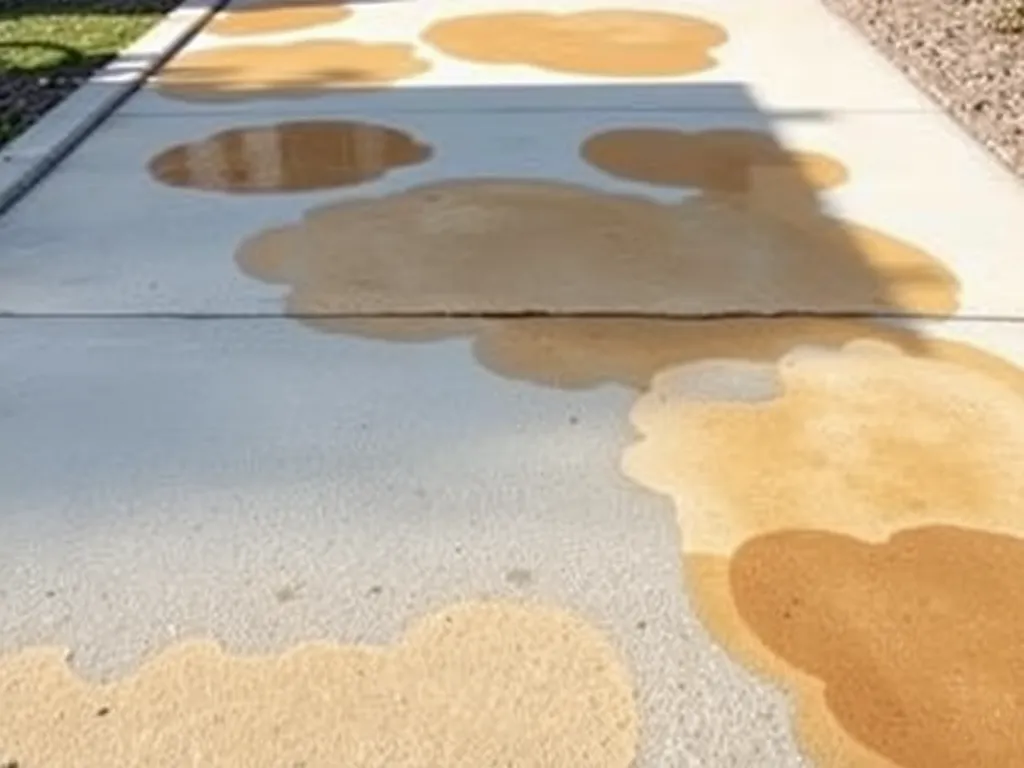
Proven Asphalt Cleaning Methods
Five core asphalt cleaning techniques tackle stains while saving time and money. Each method works best for specific issues and surface types.
1. Pressure Washing Techniques for Asphalt
Pressure washing strips dirt fast but needs care. Use 1,200-1,800 PSI to clean without tearing asphalt. Keep nozzles 12-18 inches above cracks to avoid damage.
Safe PSI Settings for Asphalt Surfaces
High PSI settings (over 2,500) erode top layers. Opt for fan tips over zero-degree jets. Test on small spots first – dark stains may need lower pressure with hot water (140°F+).
2. Degreasing Oil and Fuel Stains
Oil eats asphalt binders if left unchecked. Apply degreasers like trisodium phosphate (TSP) or citrus-based cleaners. Let sit 15 minutes before scrubbing with stiff bristle brushes.
Absorbent Materials for Fresh Spills
Cat litter or sawdust soaks up wet spills in 10 minutes. Sweep after 1 hour. For heavy leaks, layer 1/2″ of diatomaceous earth – absorbs 3x its weight in oil.
3. Mechanical Scrubbing With Floor Machines
Walk-behind rotary scrubbers remove ground-in grime. Pair with 20″ diamond pads and pH-neutral cleaners. Machines cover 5,000 sq ft/hour vs. 500 sq ft/hour by hand.
4. Hot Water/steam Cleaning Applications
Steam at 200°F+ melts tar and gum in seconds. Truck-mounted units blast 4 GPM at 180°F to clear driveways in 30 minutes. Eco bonus: zero chemicals needed.
5. Targeted Stain Removal With Specialized Cleaners
Rust stains? Use oxalic acid sprays. Tree sap? Try citrus solvents. For tire marks, apply baking soda paste (1 cup soda + 2 tbsp water). Always rinse with cool water after treatment.
Pair these methods with the right tools to boost results. Up next: must-have gear for pro-level asphalt cleanings.
Also See: Impact Of Traffic on Asphalt Longevity: Key Insights
Essential Tools for Asphalt Surface Cleaning
Proper equipment makes the difference between temporary fixes and lasting results. Select tools that match stain types and surface conditions to maximize efficiency.
Pressure Washers and Surface Attachments
Gas or electric pressure washers with 1,300-1,600 PSI effectively blast away grime without damaging pavement. Attach rotary surface cleaners (16-20 inch nozzles) for even distribution. Hot water units (180°F+) tackle stubborn oil stains better than cold systems.
Industrial Degreasers and Eco-friendly Cleaners
Heavy-duty degreasers with citrus solvents or bio-enzymes break down petroleum bonds. Look for pH-balanced formulas (8.5-10.5) safe for asphalt. Eco options use plant-based surfactants that degrade within 30 days, meeting EPA Safer Choice standards.
Scrub Brushes and Mechanical Floor Cleaners
Stiff-bristle brushes (nylon or steel) work with degreasers for manual scrubbing. Ride-on floor machines with 200-400 RPM pads remove embedded stains. Combine with poultice cleaners for oxidized asphalt restoration.
Absorbent Pads for Oil Removal
Hydrocarbon-specific mats absorb 1 gallon per 1 lb of material. Lay over fresh spills within 15 minutes to prevent seepage. Use melt-blown polypropylene pads for gasoline or diesel leaks—they trap fluids without releasing microplastics.
Protective Sealants for Post-cleaning
Coal-tar or asphalt-based sealers block UV rays and chemical penetration. Apply at 0.25-0.35 gallons per square yard using squeegee or spray systems. High-solids formulas (35-45%) last 3-5 years versus 1-2 years for standard emulsions.
With the right tools on hand, you’re set to execute precise cleaning steps. Next, we’ll break down the exact process for tackling stubborn driveway stains.
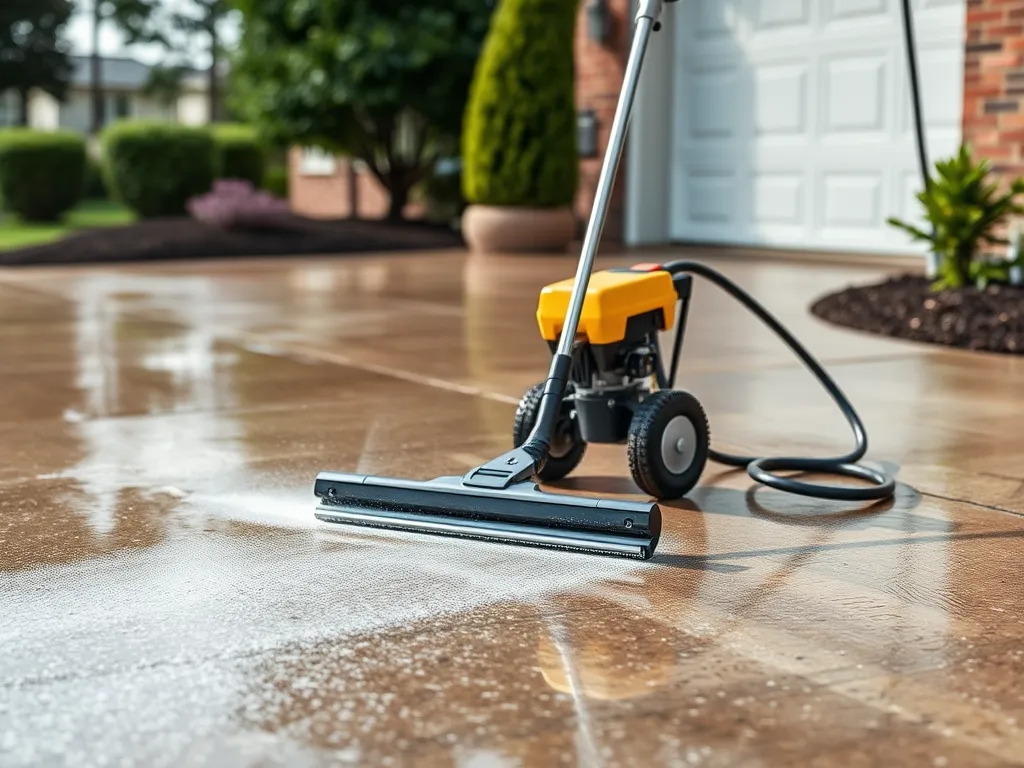
Step-by-step Guide to Cleaning Asphalt Driveways
Mastering asphalt cleaning techniques requires methodical execution. Follow these five stages to restore driveways while preserving structural integrity.
Pre-cleaning Debris Removal
Begin with dry surface prep. Employ a stiff-bristle broom or leaf blower to clear leaves, gravel, and loose dirt. For embedded particles, try a push broom at 45-degree angles. This step prevents abrasive materials from scratching asphalt during wet cleaning. Always wear ANSI-approved safety goggles when sweeping fine particulates.
Choosing the Right Cleaning Solution
Match cleaners to stain types. Biodegradable degreasers tackle oil spills (12-15% alkaline content works best). For organic growth, opt for oxygenated bleach solutions (sodium percarbonate-based). Heavy fuel stains may require citrus-based solvents with d-limonene. Test cleaners on 1sq ft areas first – harsh chemicals can strip asphalt binders if left >10 minutes.
Application and Scrubbing Techniques
Apply solutions with pump sprayers, maintaining 18″ distance. Let dwell times vary: 5 minutes for light stains, 15 minutes for heavy buildup. Scrub with polypropylene brushes (never metal) using overlapping circular motions. For large areas, walk-behind floor machines with 300-400 RPM pads boost efficiency. Focus on joints and edges where contaminants accumulate.
Rinsing and Drying Best Practices
Flush surfaces thoroughly with 40°F-100°F water. Electric pressure washers at 1,200-1,500 PSI remove residues without damaging aggregate. Slope rinsing from high to low points prevents pooling. Allow 8-12 hours drying time before foot traffic returns. In humid climates, extend drying to 24 hours – trapped moisture accelerates asphalt oxidation.
Sealcoating for Long-term Protection
Apply coal-tar or asphalt-based sealants within 72 hours post-cleaning. Mix emulsions at 60°F-85°F for optimal viscosity. Use squeegee applicators for 3-5 mil thickness – enough to fill surface pores without slickness. Curing takes 24-48 hours depending on humidity. Re-seal every 2-3 years; high-traffic areas may need annual coats. Coverage rates average 150-200 sq ft per gallon.
Proper cleaning sets the stage for environmental safeguards. Next, explore how eco-conscious methods protect waterways while maintaining pristine pavements.
Environmental Considerations in Asphalt Cleaning
Clean asphalt needs methods that work but don’t harm the land or water. Smart choices cut risks while keeping surfaces spotless.
Eco-friendly Cleaner Options
Pick green cleaners with plant-based parts or low pH levels. Brands like Simple Green or Zep Citrus break down oil without harsh chems. These bio-degradable options stop soil harm and guard nearby plants. Avoid bleach or solvents that strip asphalt binders – they weaken pavement over time.
Proper Disposal Of Contaminated Runoff
Used wash water holds oil, grit, and chem traces. Trap runoff with berms or vacuums before it hits drains. Filter solids first, then check local codes for dump rules. Some towns let you pour treated water on gravel lots; others need oil-water splits. Never hose mess into street drains – fines hit $10k per EPA rules.
Preventing Waterway Pollution
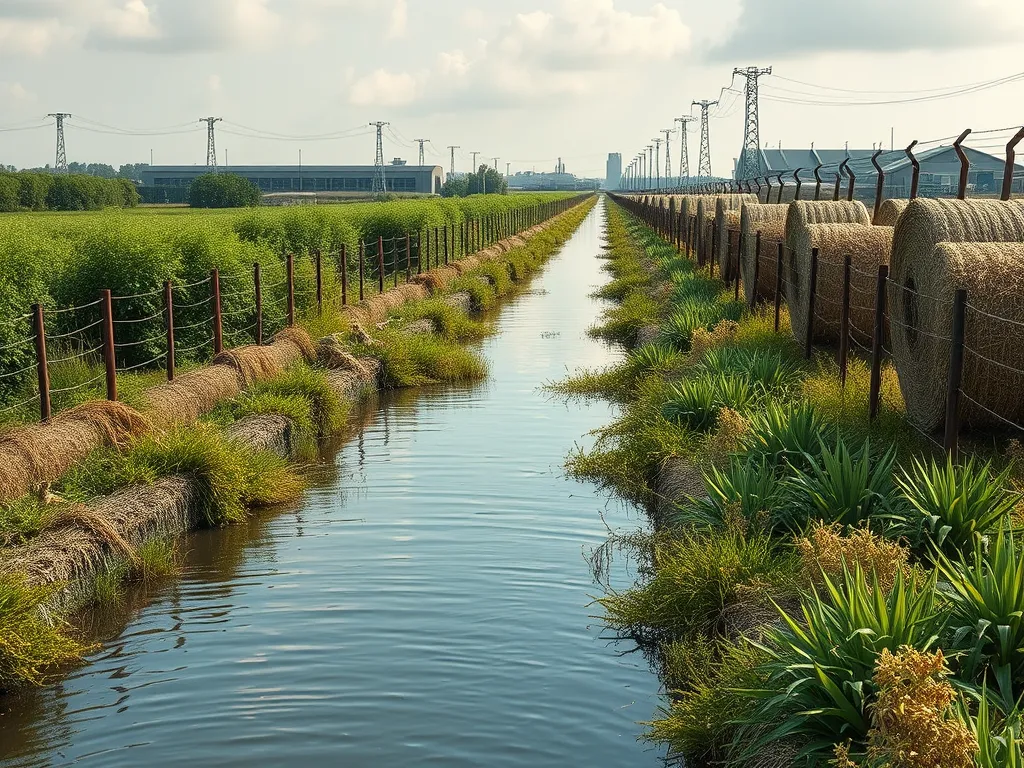
Block spills from streams with silt fences or straw bales. Sweep dry grit first to cut wash needs. For fuel leaks, lay absorbent pads fast – one quart of oil can foul 250k gallons of water. If rain nears, delay jobs or use pop-up dams. Fish and plants rely on these steps.
Smart asphalt cleaning techniques balance clean driveways with care for nature. Up next: answers to top questions on gear, timing, and tough stains.
Frequently Asked Questions (FAQ)
What is the Best Thing to Clean Asphalt With?
The best cleaning solution for asphalt typically includes biodegradable degreasers or pH-neutral cleaners that do not damage bitumen binders. Additionally, the impact of mechanical tools like pressure washers or scrub brushes can significantly enhance cleaning efficiency.
Should You Pressure Wash Asphalt Surfaces?
Yes, pressure washing can effectively clean asphalt surfaces when done correctly. It’s essential to use appropriate PSI settings (typically 1,200-1,800 PSI) to avoid damaging the asphalt while effectively removing dirt and stains.
What Type Of Machine Effectively Removes Tough Asphalt Stains?
Walk-behind rotary scrubbers or truck-mounted steam cleaning units are highly effective for removing tough asphalt stains. These machines can handle a variety of contaminants while ensuring minimal surface damage.
How Do Baking Soda Solutions Work on Asphalt?
Baking soda acts as a gentle abrasive and a pH-neutral cleaner. When mixed with water to create a paste, it can help lift stains without harming the asphalt surface. It’s particularly effective for greasy spots and tire marks when combined with scrubbing actions.
What Makes a Cleaner Asphalt-safe?
An asphalt-safe cleaner typically has a balanced pH and does not contain harsh chemicals that can strip or dissolve the asphalt binder. It should also be biodegradable and environmentally friendly to minimize ecological impacts.
How Does Florida’s Climate Affect Asphalt Cleaning Methods?
Florida’s humid and warm climate can accelerate the growth of mold and algae on asphalt. It necessitates more frequent cleanings and the use of eco-friendly cleaners that reduce environmental impacts while addressing these growths effectively.
Closing Thoughts
Keeping asphalt surfaces clean is vital for both appearance and longevity. Regular cleaning enhances safety, improves curb appeal, and extends the life of your asphalt. Utilizing effective cleaning techniques ensures you tackle various contaminants like oil spills, dirt, and food stains efficiently.
From pressure washing with the right PSI settings to using eco-friendly cleaners for environmental safety, each method contributes to maintaining pristine asphalt. Don’t overlook the importance of proper tools, as the right equipment makes a significant difference in results.
For more detailed information on asphalt cleaning methods and tips, be sure to check out Asphalt Calculator USA. Your asphalt deserves the best care!
Useful References for You:
- The Asphalt Institute. (2007). MS-4: The Asphalt Handbook. Lexington, KY: Asphalt Institute.
- Cleaning Your Asphalt Driveway – Walt’s Paving
- Ultimate Guide on How to Clean Asphalt Driveway – Tips for a Spotless – Asphalt Industrial
- How to Clean Asphalt: 6 Steps (with Pictures) – wikiHow
- Tips On Cleaning Your Asphalt Pavement | Asphalt Paving

