Techniques for Asphalt Pavement Preservation: Protect Your Pavement Investment
Published on: April 21, 2026 | Last Updated: April 14, 2025
Written By: George Voss
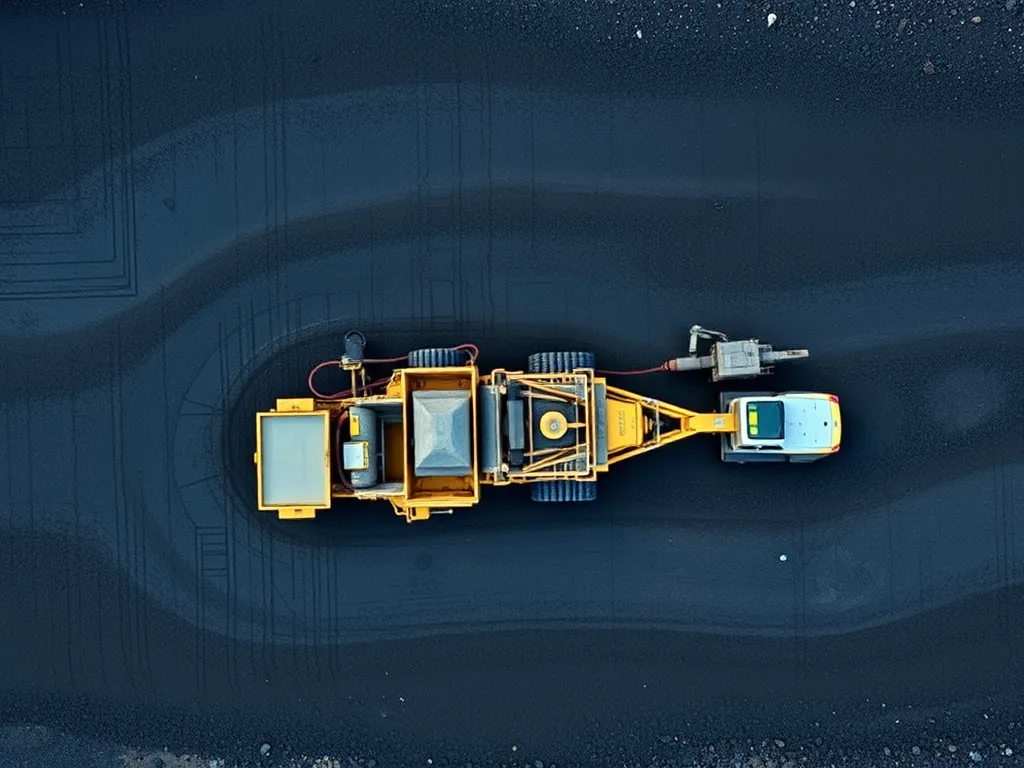
Techniques for asphalt pavement preservation are proactive maintenance methods that extend pavement lifespan while avoiding costly reconstruction. These strategies – including crack sealing, seal coating, and thin overlays – differ from reactive repairs by addressing minor issues before they escalate. Proper preservation prevents water infiltration, oxidation damage, and surface raveling, typically costing 25-50% less than full-depth replacements.
This article explains the asphalt preservation cycle, treatment options, and implementation best practices. Learn how slurry seals restore skid resistance, micro-surfacing fills ruts, and self-healing technologies repair cracks automatically. Explore driveway-specific UV protection methods and environmental benefits of recycled rubber-modified sealants. We’ll also compare costs between preventive treatments and emergency repairs.
Overview Of Asphalt Pavement Preservation
Asphalt pavement preservation uses planned steps to keep roads strong and delay wear. These steps stop small flaws from growing into big issues. They save money over time by cutting full rebuild needs.
Purpose and Importance Of Asphalt Preservation
Good care blocks water, sun harm, and traffic stress. Crack seals stop moisture from eating the base. Seal coats shield against oil spills and UV rays. Fixing flaws early keeps ride quality smooth and safe. Each $1 spent on care now can save $6-$10 in future fixes.
Lifespan Of Asphalt Without Proper Maintenance
Untended asphalt lasts 8-12 years versus 15-20 with care. Rain seeps into cracks, washing out stone bases. Sun heat bakes oils out, making pavement brittle. Heavy trucks speed up wear, causing alligator cracks and potholes. Each freeze-thaw cycle chips loose rocks (raveling), leaving rough patches.
Smart upkeep plans match fixes to pavement age and damage type. Next, learn how timing and traffic shape the care cycle.
The Asphalt Pavement Preservation Cycle
Effective asphalt preservation techniques rely on strategic timing and precise treatment selection. This cycle extends pavement life while minimizing costly reconstruction. Proactive planning prevents minor cracks from escalating into structural failures.
Timing and Frequency Of Treatments
Apply preservation treatments every 3-7 years, depending on pavement condition and environmental stressors. Early intervention delivers maximum cost savings – studies show addressing cracks within 2 years can cut long-term repair expenses by 50%. Key milestones:
- Year 3-5: Fog seals or crack sealing for surfaces showing minor raveling or oxidation
- Year 5-7: Slurry seals or micro-surfacing for moderate wear
- Year 7-10: Thin overlays (1.5-2″ thick) for aged pavements with stable bases
High-traffic roads (15,000+ vehicles daily) require more frequent checks – often annually. Climate plays a critical role; freeze-thaw regions demand 20% shorter intervals than temperate zones.
Factors Influencing Treatment Selection
Choosing pavement preservation techniques requires evaluating six key elements:
- Traffic volume: Heavy trucks (>10% ESALs) need polymer-modified binders
- Pavement age: Surfaces under 7 years benefit from seal coats, older ones from overlays
- Distress type: Block cracks demand different approaches than edge cracks
- Budget constraints: Crack sealing costs $0.15-$0.35/linear foot vs. $2.50-$4.00/sq yd for micro-surfacing
- Climate: UV-resistant sealers perform better in southern states
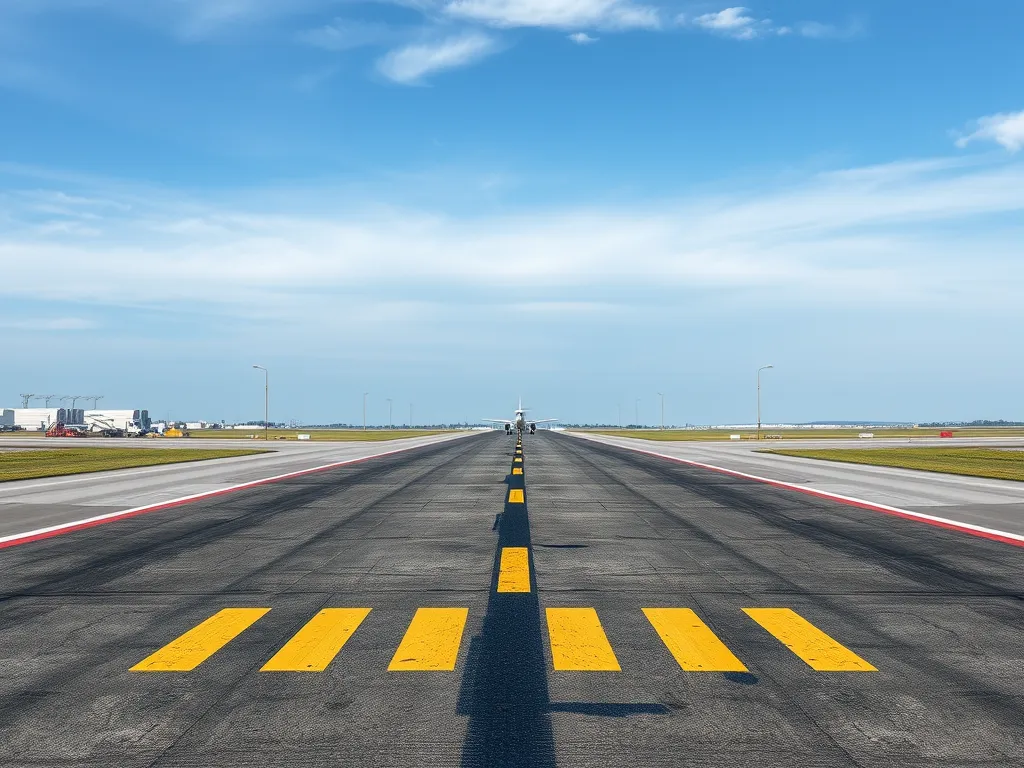
- Surface friction needs: Airport runways require higher skid resistance than parking lots
Advanced tools like pavement condition index (PCI) ratings help prioritize projects. PCI scores below 60 warrant immediate action to prevent base failures.
Choosing suitable treatments sets the stage for exploring specific methods that protect asphalt surfaces against wear and environmental damage.
Key Asphalt Preservation Treatments
Choosing the right asphalt preservation techniques prevents small issues from becoming costly repairs. These methods extend pavement life by 5-15 years when applied correctly.
Crack Sealing for Asphalt Pavements
Cracks wider than 1/4 inch require sealing to block water infiltration. Unsealed cracks can reduce pavement strength by 30% within two freeze-thaw cycles. Proper sealing prevents subbase erosion and pothole formation.
Hot-Pour Asphalt Crack Filling Methods
Hot-pour rubberized asphalt (300-400°F application temperature) remains flexible in temperatures from -20°F to 160°F. This method outperforms cold-pour alternatives, lasting 3-5 years versus 1-2 years. Crews typically clean cracks with compressed air before filling.
Asphalt Seal Coating Techniques
Seal coats protect surfaces from UV oxidation and fuel spills. Applied every 2-4 years, they restore faded asphalt’s rich black appearance. Spray systems cover 10,000 sq ft/hour versus 3,000 sq ft/hour with squeegee methods.
Coal Tar vs. Asphalt-Based Sealers
Coal tar sealants (65% PAH content) resist oil better but face environmental restrictions in 12 states. Asphalt-based emulsions (0.1% VOCs) dominate residential markets, costing $0.15-$0.25/sq ft versus coal tar’s $0.20-$0.35/sq ft.
Slurry Seal Applications
This pavement preservation technique mixes asphalt emulsion, aggregate, and additives into a spreadable paste. Applied at 3/16-inch thickness, slurry seals fill minor cracks and restore skid resistance. Cures in 4-6 hours with 5-7 year lifespan.
Micro-surfacing for Asphalt Preservation
Polymer-modified cold mix asphalt extends service life 7-10 years. Micro-surfacing handles ruts up to 1.5 inches deep using aggregate gradations from 3/8” to #200 sieve. Applications continue at temperatures as low as 40°F.
Thin Asphalt Overlay Methods
1.5-inch overlays provide structural reinforcement for pavements with base integrity. SMA (Stone Matrix Asphalt) mixes containing 6-7% binder content increase durability by 40% compared to conventional overlays. Costs average $2.50-$4.00/sq yd installed.
These asphalt pavement maintenance techniques work best when paired with regular inspections. Next, we’ll explore how to combine these treatments into effective maintenance strategies.
Also See: Binder Homogeneity: Importance and How to Achieve It
Asphalt Maintenance Strategies
Effective asphalt preservation requires balancing three approaches: stopping damage before it starts, fixing existing issues, and maintaining surface integrity. Matching the right strategy to pavement condition extends service life by 7-15 years.
Proactive Asphalt Preservation Methods
Forward-thinking treatments target early-stage wear. These methods focus on sealing micro-cracks and protecting binder materials from oxidation. Proactive care costs 30-50% less than major repairs over a 10-year period.
Preventive Sealant Applications
Fog seals and asphalt rejuvenators penetrate surface voids, restoring flexibility. Applied every 2-4 years, these low-viscosity emulsions reduce raveling by 60-80%. Coal tar sealants last 4-6 years; asphalt-based alternatives last 3-5 years but cost 20% less. Proper application requires temperatures above 50°F and 24-48 hours curing time.
Reactive Asphalt Repair Techniques
Once damage exceeds 25% of pavement depth, restoration becomes critical. Reactive methods address potholes, alligator cracking, and base failures. Delayed repairs increase costs by 400% per square foot compared to early intervention.
Full-Depth Asphalt Patching
This process removes all damaged layers (typically 4-8 inches) and replaces them with hot mix asphalt (HMA). Costs range $8-$12 per sq.ft. using PG 64-22 binder. Infrared patching provides partial-depth alternatives at $4-$7 per sq.ft. Full-depth repairs last 8-12 years versus 3-5 years for surface patches.
Routine Asphalt Maintenance Practices
Daily care prevents 80% of pavement deterioration. The National Asphalt Pavement Association recommends monthly inspections and immediate debris removal.
Debris Removal and Surface Cleaning
Power washing at 2500 PSI clears particles smaller than 3mm that accelerate wear. Seasonal leaf removal prevents organic stains and drainage blockages. Quarterly sweeping reduces surface friction loss by 15% and extends sealant life by 12-18 months.
New material science breakthroughs are reshaping traditional approaches. Next-generation solutions combine these strategies with self-repairing asphalt systems for smarter preservation.
Self-healing Technologies in Asphalt
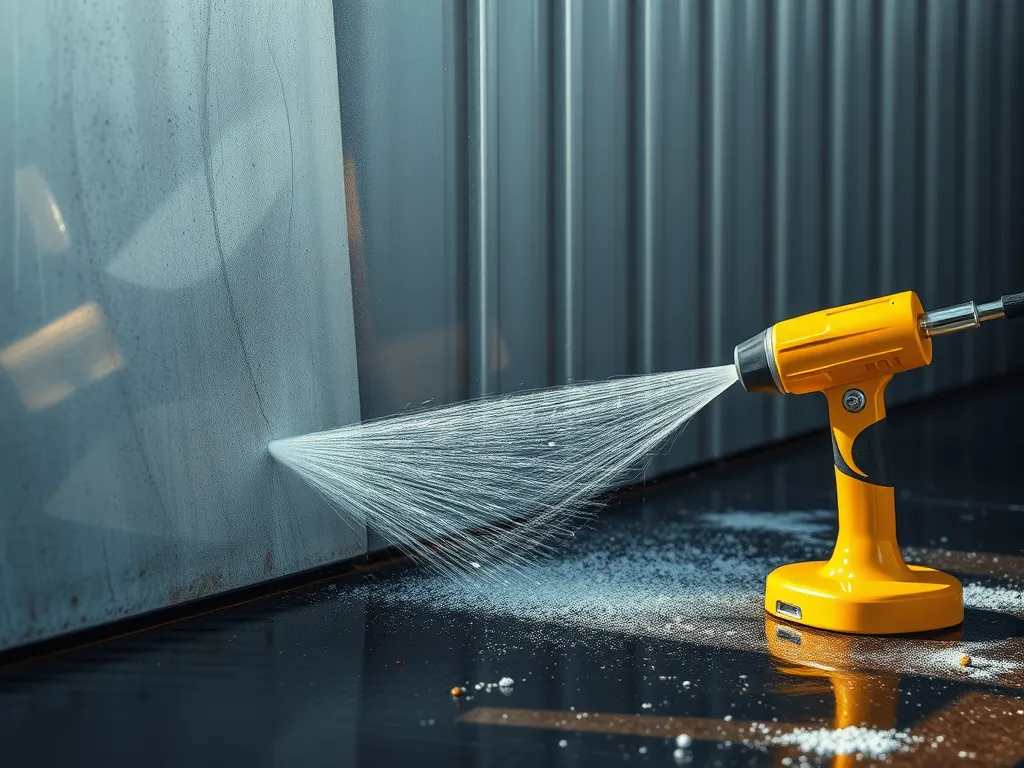
Innovations in asphalt pavement preservation techniques now focus on materials that fix minor harm without manual work. Self-healing systems target cracks and voids at their start, boosting road longevity while cutting long-term costs by up to 40%.
Bitumen Regeneration Techniques
Bitumen regeneration uses induction heating or chemical additives to revive aged binders. Induction coils warm asphalt to 130-160°F, allowing bitumen to flow and fill hairline cracks. Polymer-modified binders with rejuvenators like tall oil extend pavement life by 7-12 years, as shown in a 2022 study of Iowa highway trials.
Microcapsule-based Asphalt Repair Systems
Microcapsules filled with healing agents (sunflower oil, polyurethane) mix into asphalt during production. When cracks form, capsules rupture, releasing substances that bond with bitumen. A Michigan DOT project using calcium alginate shells reported 63% fewer potholes in three years. Labor costs drop 22% with this method compared to traditional patching.
| Technology | Activation Method | Cost/Sq.Yd | Lifespan Gain |
|---|---|---|---|
| Bitumen Regen | Induction Heating | $1.80 | 8-12 Years |
| Microcapsules | Crack-Induced Release | $2.15 | 10-15 Years |
These asphalt pavement maintenance techniques show how smart materials shift repair from reactive to proactive. Up next: tactics to shield driveways from weather harm using similar innovation.
Asphalt Driveway Preservation Methods
Driveways face unique stresses from vehicles, weather, and foot traffic. Targeted strategies prevent premature deterioration while maintaining curb appeal. Three core approaches form the foundation of effective residential asphalt care.
Optimal Drainage for Asphalt Surfaces
Water infiltration causes 85% of asphalt failures. Ensure a 1.5-2% slope away from structures to direct runoff. Install trench drains along edges or French drains beneath surfaces in flat areas. Check catch basins monthly for clogs during rainy seasons. Proper drainage extends pavement life by 8-12 years by preventing base layer saturation and frost heave.
Seasonal Maintenance for Driveways
Winter demands immediate snow removal using plastic-bladed shovels. Apply calcium chloride-based deicers sparingly – rock salt accelerates cracking. Spring inspections should identify alligator cracking or raveling (aggregate loss). Summer repairs use infrared asphalt patching for seamless fixes. Apply sealcoats in fall when temperatures stay above 50°F for 24 hours.
UV Protection Strategies
Sunlight oxidizes asphalt binders, causing brittleness within 18 months. High-solids sealants with UV inhibitors block 95% of harmful rays. Reapply every 36 months using spray or squeegee methods. For extreme climates, acrylic polymer coatings provide added reflectivity – reducing surface temperatures by 15°F during heat waves.
These asphalt preservation techniques intersect with emerging eco-friendly solutions…
Environmental Considerations in Asphalt Preservation
Green steps in asphalt care blend eco-smart picks with strong results. These steps cut harm while keeping roads intact longer.
Recycled Material Usage
Old asphalt gets new life through RAP (Recycled Asphalt Pavement). RAP mixes 30-50% reused chunks into fresh roads. This swap slashes rock mining by half in some jobs. States like Texas save $12 per ton using RAP in fixes. Cold recycling binds old bits with foam tar, needing 20% less heat. These asphalt preservation methods trim dump loads and lower CO2 by 15% per mile.
Eco-friendly Sealants
New seal coats fight grime without harsh chems. Bio-seals made from soy or plants block water like coal tar but lack PAHs (cancer-linked compounds). Low-VOC options cut air toxins by 80% during spray jobs. Some states now ban coal tar sealers, pushing green picks. Tests show these asphalt preservation techniques last 5-7 years, near standard sealers’ range.
Smart eco-choices in pavement care boost road life while guarding soil and air. Next, let’s tackle common queries about making these methods work best for your roads.
FAQs: Asphalt Preservation Techniques
What Are the Benefits Of Regular Asphalt Maintenance?
Regular asphalt maintenance can significantly extend the lifespan of your pavement, reduce the risk of costly repairs, and improve the overall safety and aesthetics of your surfaces. Proactive treatments can save up to 50% on future repair costs by addressing minor issues before they escalate into major problems.
What is the Cost Of Asphalt Preservation Treatments?
The cost of asphalt preservation treatments can vary widely depending on the method used and the condition of the pavement. For instance, crack sealing may range from $0.15 to $0.35 per linear foot, while more extensive treatments such as thin overlays can cost between $2.50 and $4.00 per square yard. It’s essential to perform a cost-benefit analysis to determine the most economical long-term solutions.
How Can Weather Conditions Affect Asphalt Preservation?
Weather conditions play a crucial role in the effectiveness and timing of asphalt preservation treatments. For example, extreme temperatures can impact application methods, such as sealant setting times. Additionally, asphalt surfaces in freeze-thaw regions may require more frequent maintenance compared to those in milder climates. It’s vital to consider local weather patterns when planning preservation strategies.
What is the Role Of Inspections in Asphalt Preservation?
Regular inspections are essential for effective asphalt preservation. They help identify potential issues early on, allowing for timely interventions that can prevent significant damage. Experts recommend conducting monthly inspections to monitor the condition of asphalt surfaces, including signs of cracking, raveling, or drainage problems.
Can Environmental Factors Impact the Longevity Of Asphalt Treatments?
Yes, environmental factors such as sun exposure, rainfall, and temperature fluctuations can significantly impact the longevity of asphalt treatments. For example, UV rays can cause oxidation and brittleness, while excessive moisture can lead to degradation. Choosing eco-friendly sealants with UV protection can help mitigate these effects and enhance durability.
Closing Thoughts
Pavement preservation is vital for extending the life of asphalt surfaces while reducing costs in the long run. Utilizing techniques like crack sealing, seal coating, and micro-surfacing can dramatically enhance performance and durability.
Implementing a proactive maintenance strategy helps mitigate deterioration and increases overall safety. Regular assessments and timely treatments are essential for optimizing asphalt functionality and aesthetics.
For more information on asphalt preservation techniques and calculations, visit Asphalt Calculator USA. Explore expert guidance to ensure your asphalt surfaces remain effective and long-lasting.
Useful References for You:
- Yoder, E. J., & Witczak, M. W. (1975). Principles of Pavement Design (2nd ed.). New York, NY: Wiley.
- Road Pavement Preservation Asphalt Restoration
- The importance of preserving pavements – Asphalt magazine
- How To Choose A Pavement Preservation Technique – The Pavement Network
- Different Types of Pavement Preservation Treatments