
Techniques for Achieving a Smooth Asphalt Surface With a Paver Machine
Published on: April 20, 2026 | Last Updated: April 14, 2025
Written By: George Voss
Smooth asphalt surfaces require precise paver machine operation, proper base preparation, and strategic compaction methods. Skilled operators combine subgrade prep, screed adjustments (the paver’s leveling plate), and temperature control to lay asphalt at 275-325°F. Uniform material flow from the paver’s auger system and consistent roller patterns prevent bumps, cracks, or uneven wear.
This guide covers base preparation steps like soil compaction and slope design, paver components like vibratory screeds and thermal profilers, and rolling techniques using 10-ton double-drum rollers. Learn how to fix joint lines, avoid segregation in asphalt mixes, and use infrared thermometers for real-time temperature checks. Discover why layer thickness below 3 inches boosts longevity and how recycled asphalt pavement (RAP) cuts costs by 20% without sacrificing smoothness.
Why Smooth Asphalt Surfaces Matter
Surface quality directly impacts pavement performance. Properly executed paver techniques for asphalt paving create durable roads built to last. Let’s explore why smoothness matters beyond visual appeal.
Durability and Longevity Of Asphalt Pavement
Uniform surfaces resist cracking by distributing traffic loads evenly. Gaps or uneven spots let water seep into lower layers, weakening the base. With density levels reaching 92-96% during compaction, smooth pavement better withstands freeze-thaw cycles. Studies show properly compacted roads last up to 15 years before major repairs—twice the lifespan of uneven surfaces. Using paving techniques for asphalt that prioritize consistency reduces long-term upkeep costs by 30-40%.
Safety and Aesthetic Benefits
Roads with uniform texture improve tire grip, cutting hydroplaning risks by 65% in wet conditions. Smooth pavement reduces glare from headlights, boosting nighttime visibility. For driveways or commercial lots, sleek finishes elevate curb appeal, increasing property values by up to 7%. Contractors relying on paver asphalt smooth surface methods report 22% fewer customer complaints linked to tripping hazards or drainage issues.
Proper surface quality starts below the pavement. Next, we’ll break down base preparation steps that set the stage for flawless results.
Preparing the Base for Smooth Asphalt Paving
A strong base sets the stage for a smooth asphalt surface. Weak soil or uneven layers lead to cracks and dips. Focus on three key steps for base prep.
Proper Subgrade Compaction Techniques
Compact soil to 95% Proctor density using vibratory rollers. Test with a nuclear gauge or sand cone. Soft spots sink under loads, causing surface flaws. Add lime or cement to weak soils. Repeat passes until no wheel marks show.
Ensuring Uniform Foundation Layers
Spread crushed stone in 4-6 inch lifts. Use a grader with GPS for ±0.1-inch levelness. Check thickness with a ruler every 10 feet. Gaps or soft zones create uneven paving. Roll aggregate bases at 8-10 mph for even density.
Addressing Drainage and Slope Requirements
Shape a 1-2% slope away from structures. Use a transit level to confirm grade. Install catch basins every 50 feet in wet zones. Poor drainage softens bases, causing potholes. Crown roads at 0.25 inches per foot for runoff.
With a solid base in place, focus shifts to the paver machine parts that shape the asphalt layer.
Essential Components Of a Paver Machine for Smooth Results
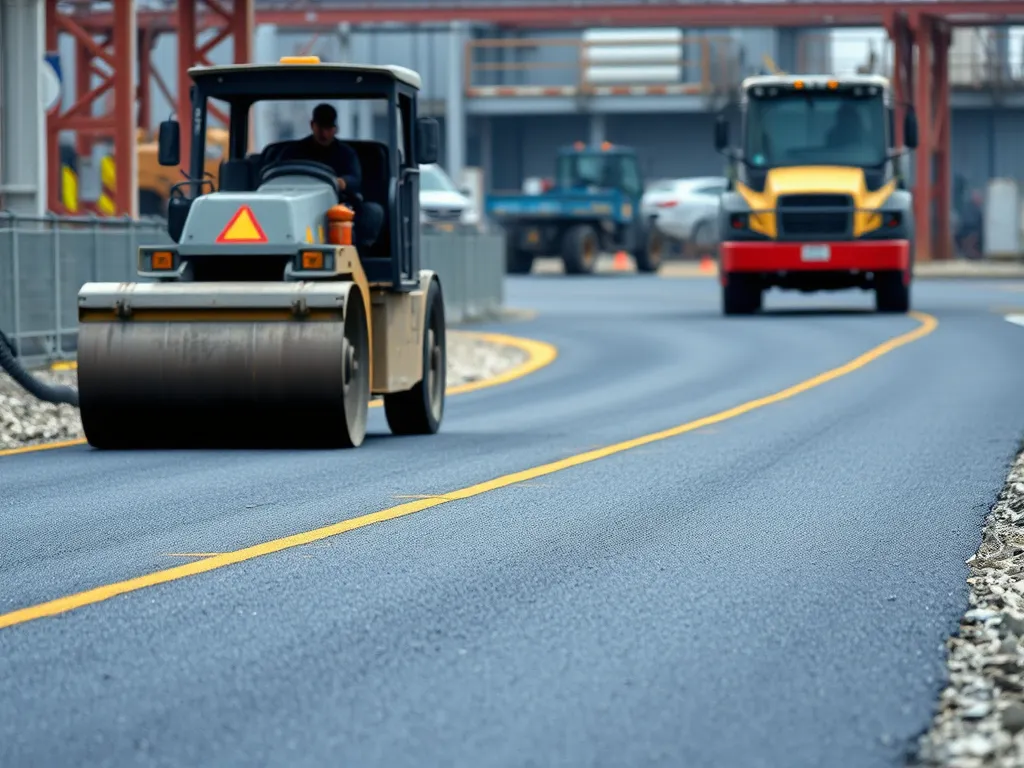
Three core systems determine paver performance when creating uniform asphalt layers. Proper setup of these elements prevents surface defects and ensures long-term pavement quality.
Screed Functionality and Adjustments
The screed acts as the paver’s shaping tool, leveling hot mix asphalt (HMA) through vibration and pressure. Modern floating screeds self-level on the base material while allowing manual crown adjustments up to 3% slope. Operators adjust screed heaters to maintain 250-300°F, preventing mix sticking while optimizing compaction. For 1.5-inch thick layers, set vibratory frequency to 1,200-1,800 vibrations per minute (VPM).
Auger System for Consistent Material Distribution
Paver augers move HMA from the hopper to the screed at controlled rates. Set auger height to 2/3 the compacted layer thickness – 1 inch for standard driveways. Match auger RPM (6-12 rotations per minute) to paver speed, maintaining a constant material head in front of the screed. Uneven distribution creates segregation, leading to 30% faster surface deterioration.
Temperature Control Systems in Pavers
Material temperature directly impacts compaction. Advanced pavers use heated screed plates and insulated beds to keep HMA between 275-325°F during placement. Track thermal differentials with infrared sensors, limiting surface temperature drops to under 25°F per minute. For warm-mix asphalt (WMA), maintain 230-280°F to enable proper particle orientation.
With these systems calibrated, crews can focus on placement methods that enhance surface uniformity. The next step examines operational strategies during actual paving.
Also See: Do I Need a Permit for an Asphalt Driveway?
Techniques for Optimal Asphalt Placement
Proper asphalt placement determines surface quality and pavement lifespan. These four methods separate adequate paving from professional-grade results.
Maintaining Consistent Paver Speed
Paver machines work best at 3-10 feet per minute. Speed fluctuations create uneven mat textures – too fast causes thin spots, too slow builds excess material. Match paver velocity to truck delivery rates to prevent stoppages. Use automatic feed controls to sync auger rotation with ground speed.
Controlling Asphalt Mix Temperature
Hot mix asphalt (HMA) requires 275-325°F laydown temps for proper compaction. PG (Performance Graded) binders in Superpave mixes demand tight thermal ranges. Track material with infrared thermometers every 15 minutes. Below 250°F? Expect poor density. Above 350°F? Binder oxidation triggers premature cracking.
Achieving Proper Layer Thickness
Target 2-4 inches per lift based on traffic loads. Adjust screed angle and height while monitoring grade controls. For driveways, 1.5-2 inches suffices; highways need 3-4 inch layers. Verify depth with nuclear density gauges or ultrasonic sensors. Thin layers ravel under traffic. Thick sections cool unevenly.
Minimizing Material Segregation During Paving
Segregation creates weak spots where large aggregates cluster. Prevent it by: – Running augers at 75% capacity – Keeping trucks 6-12 inches from paver hoppers – Using material transfer vehicles (MTVs) – Avoiding long chute drops over 4 feet Check for segregation by scanning for color/texture variations behind the screed.
Master these paver techniques for asphalt paving, and you’ll create surfaces rivaling glass in flatness. Next comes the critical step that locks in smoothness: precise compaction strategies.
Rolling and Compaction Best Practices
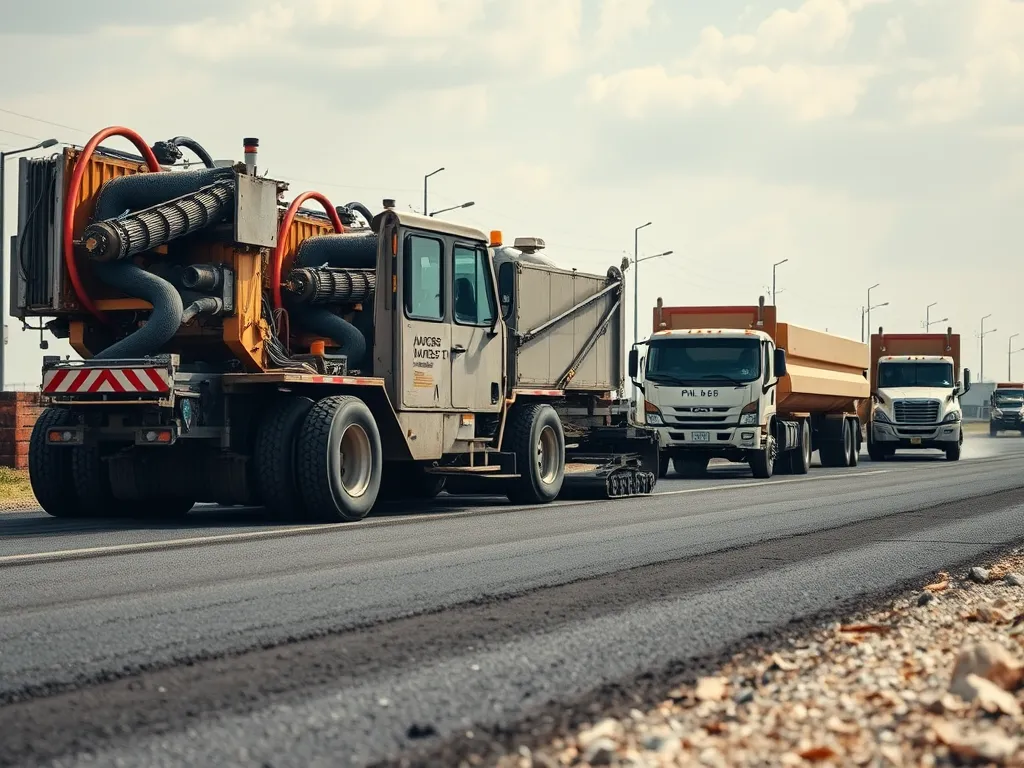
Proper compaction transforms freshly laid asphalt into a durable, smooth surface. This step locks aggregate particles into position while removing air voids. Achieving 92-96% of maximum density prevents premature cracking and rutting.
Choosing the Right Roller Types for Asphalt
Vibratory rollers dominate asphalt projects, using 1,500-3,000 VPM (vibrations per minute) to settle mixes. Pneumatic rollers with 7-11 tires apply 60-80 psi pressure for kneading thicker lifts. Static steel-wheel rollers create final smoothness. Pair a 10-ton vibratory roller with an 8-ton pneumatic unit for best results on driveways.
Establishing Effective Roller Patterns
Start with breakdown rolling within 2 minutes of paving. Overlap passes by 20-30% using diagonal or longitudinal patterns. Maintain 3-5 mph speeds to prevent displacement. Finish rolling at 175°F asphalt temperature eliminates roller marks. Reverse directions only on cooled edges to avoid scuffing.
Timing and Temperature for Optimal Compaction
Compact hot-mix asphalt between 275°F and 200°F. Below 185°F, binder viscosity drops 50%, risking incomplete densification. Use infrared thermometers to track mat temperature. For PG 64-22 binder, complete compaction within 12 minutes of placement at 70°F ambient temperature.
Even with precise rolling methods, surface irregularities can still occur from material flaws or equipment errors. Next, we’ll explore troubleshooting common paving challenges.
Common Challenges in Achieving Smooth Asphalt
Even with advanced paver machines and precise paving techniques for asphalt, crews face obstacles that disrupt surface quality. Tackling these issues head-on ensures long-lasting, smooth pavement.
Preventing and Addressing Surface Irregularities
Bumps, ruts, and uneven textures often stem from improper screed adjustments or inconsistent material flow. Operators must verify auger speed matches paver movement to prevent gaps. Segregation—when coarse aggregates separate from fines—creates weak spots. Using a material transfer vehicle (MTV) maintains mix uniformity. For existing flaws, apply infrared heaters to rework mat defects before final compaction.
| Issue | Solution |
|---|---|
| Bumps | Check screed crown settings |
| Ruts | Adjust mix temperature by 15°F |
| Segregation | Reduce auger RPM by 20% |
Managing Temperature Fluctuations
Asphalt cools 2-5°F per minute during placement. Below 250°F, compaction suffers, creating porous surfaces. Use MTVs to retain mix above 275°F and equip pavers with heated screeds. Monitor with handheld infrared guns, targeting 290-325°F at the auger. For cold-weather jobs, apply tack coats warmed to 180°F to prevent thermal shock.
Avoiding Joint Line Imperfections
Longitudinal joints between passes often develop cracks or height mismatches. Overlap fresh mats by 1-2 inches on existing edges, then cut excess with a joint wedge. For transverse joints, stagger seams by 15 feet between lanes. Apply double rolling at joints with a 10-ton pneumatic roller, maintaining 145-160°F surface temps during compaction.
Mastering these paver techniques for asphalt paving sets the stage for precise surface corrections. Next, explore methods to refine finished pavement through targeted repairs and coatings.
Repairing and Refining Asphalt Surfaces
Even with expert paver machine operation, surfaces may need post-paving treatments to eliminate minor flaws. Three proven methods enhance smoothness while extending pavement life.
Asphalt Overlay Method Explained
Overlays add 1.5-2″ of fresh asphalt over existing pavement using standard paver techniques. This approach fixes surface cracks under 0.25″ deep while maintaining grade elevations. Key steps:
- Clean debris from base layer with brooms or air blowers
- Apply tack coat (0.05-0.15 gal/yd²) to improve layer bonding
- Set paver screed height to match design thickness
Overlays cost 30-40% less than full-depth replacement when base layers remain stable. Use PG 64-22 binder mixes for optimal flexibility.
Grinding Techniques for Surface Smoothing
Diamond grinding corrects unevenness up to 0.5″ deep. Self-propelled milling machines with 60-80 grit blades create uniform textures:
- Operate at 50-75 ft/min cutting speed
- Maintain 0.25-0.5″ grinding depth per pass
- Use transverse grinding for cross slopes over 2%
Grinding reduces surface deviations to under 3mm/10ft – meeting ASTM E950 smoothness standards. Pair with infrared patching for localized repairs.
Sealcoating for Final Surface Protection
Sealants lock in smoothness after compaction. Apply coal-tar or asphalt-based emulsions at 0.10-0.15 gal/yd² rates when pavement reaches 50°F. Benefits include:
- Blocks water penetration in 95% of surface voids
- Resists UV oxidation for 2-3 years
- Enhances jet-black appearance
Use squeegee or spray systems for even coverage. Allow 4-8 hours curing before traffic.
These surface treatments work with modern paver asphalt smooth surface methods to create long-lasting roads. Up next: How material choices impact pavement eco-efficiency.
Environmental Considerations in Asphalt Paving
Producing durable road surfaces requires balancing performance with eco-conscious methods. Modern paving techniques for asphalt now integrate sustainable practices that maintain surface quality while reducing environmental impact.
Recycled Asphalt Material Usage
Reclaimed Asphalt Pavement (RAP) now makes up 15-30% of mixes in most projects. This recycled material—crushed from old roads—lowers costs by $2-$5 per ton while retaining strength. Properly processed RAP binds with fresh bitumen at 280-320°F, creating uniform layers under the paver’s screed. Contractors using RAP report 20% fewer cracks over five years, proving recycled mixes don’t compromise longevity.
Energy-efficient Paving Practices
Warm-mix technologies cut production temps by 50°F, slashing fuel use by 35%. Electric pavers with zero emissions work best for urban zones, while infrared heaters fix joint gaps without reheating entire batches. These methods keep mix temps stable during placement, critical for preventing premature cooling that causes uneven compaction.
Blending eco-friendly materials with precise paver techniques for asphalt paving yields surfaces that last longer while meeting sustainability goals. Next, let’s tackle frequent questions about refining pavement quality during repairs.
FAQs: Smooth Asphalt Surface Techniques
Professionals often seek clarity on methods tied to producing even pavement. Below are responses to common queries linked with paver operations.
How Can Asphalt Be Made Smoother?
Producing smooth surfaces starts with proper paver function. Set the screed’s vibratory settings between 1,200-1,800 vibrations per minute for optimal leveling. Maintain mix temperatures between 275°F-325°F to prevent premature cooling. Use breakdown rollers within 10 minutes of placement to reach 92-98% density. Uneven screed extensions or worn auger flights create ridges—inspect equipment before starting.
What is the Asphalt Overlay Method?
Overlaying involves placing 1.5-3 inches of fresh mix over existing pavement. First, mill the surface to remove irregularities exceeding 0.25 inches. Bonding is improved using tack coats at 0.05 gallons per square yard. This method extends pavement life by 8-12 years when paired with joint-matching techniques. Costs range from $2.50-$4.50 per square foot, depending on thickness.
Can Asphalt Be Ground to a Smooth Finish?
Yes. Cold planers with carbide-tipped teeth remove surface imperfections up to 0.5 inches deep. Grinding speeds below 30 feet per minute yield uniform textures. Post-grinding, use brooms or vacuum systems to clear debris before applying sealcoats. This process resolves drainage issues caused by uneven surfaces, boosting skid resistance by up to 35%.
What Equipment Ensures Proper Asphalt Density?
Double-drum steel-wheel rollers deliver 80% compaction during breakdown phases. Pneumatic rollers then apply 25-psi pressure for sealing. Infrared thermometers track mix temps, ensuring stays above 220°F during rolling. For tight spaces, vibratory plate compactors reach 90% density. Missing these steps risks voids forming, cutting pavement lifespan by half.
With these solutions in mind, let’s explore tools that elevate precision during installation phases.
FAQs: Smooth Asphalt Surface Techniques
Professionals often seek clarity on methods tied to producing even pavement. Below are responses to common queries linked with paver operations.
How Can Asphalt Be Made Smoother?
Producing smooth surfaces starts with proper paver function. Set the screed’s vibratory settings between 1,200-1,800 vibrations per minute for optimal leveling. Maintain mix temperatures between 275°F-325°F to prevent premature cooling. Use breakdown rollers within 10 minutes of placement to reach 92-98% density. Uneven screed extensions or worn auger flights create ridges—inspect equipment before starting.
What is the Asphalt Overlay Method?
Overlaying involves placing 1.5-3 inches of fresh mix over existing pavement. First, mill the surface to remove irregularities exceeding 0.25 inches. Bonding is improved using tack coats at 0.05 gallons per square yard. This method extends pavement life by 8-12 years when paired with joint-matching techniques. Costs range from $2.50-$4.50 per square foot, depending on thickness.
Can Asphalt Be Ground to a Smooth Finish?
Yes. Cold planers with carbide-tipped teeth remove surface imperfections up to 0.5 inches deep. Grinding speeds below 30 feet per minute yield uniform textures. Post-grinding, use brooms or vacuum systems to clear debris before applying sealcoats. This process resolves drainage issues caused by uneven surfaces, boosting skid resistance by up to 35%.
What Equipment Ensures Proper Asphalt Density?
Double-drum steel-wheel rollers deliver 80% compaction during breakdown phases. Pneumatic rollers then apply 25-psi pressure for sealing. Infrared thermometers track mix temps, ensuring stays above 220°F during rolling. For tight spaces, vibratory plate compactors reach 90% density. Missing these steps risks voids forming, cutting pavement lifespan by half.
Closing Thoughts
Achieving a smooth asphalt surface with a paver machine is vital for durability, safety, and aesthetics. Mastering techniques such as maintaining paver speed, controlling temperature, and ensuring proper layer thickness can dramatically impact the final result. Attention to detail during the entire process, from preparation to compaction, helps prevent challenges like surface irregularities and joint line imperfections.
Utilizing effective repair methods and environmentally friendly practices not only enhances the quality of the paving but also supports sustainability. Stay informed and enhance your skills with the right tools and techniques to deliver professional-grade results. For more in-depth information and resources, visit Asphalt Calculator USA.

