
Sustainable Asphalt Production Techniques: Build Roads Without Breaking the Planet
Published on: April 19, 2026 | Last Updated: April 14, 2025
Written By: George Voss
Sustainable asphalt production techniques reduce environmental impact while building durable roads. These methods cut energy use by 20-35%, reuse up to 100% of old pavement through Recycled Asphalt Pavement (RAP), and lower mixing temperatures by 50°F+ using Warm Mix Asphalt (WMA) technology. Unlike traditional hot-mix asphalt, sustainable approaches use rubber from scrap tires, plastic waste, and bio-oils to replace petroleum-based binders.
This article explains how modern road construction balances strength with eco-responsibility. You’ll learn about energy-efficient plants that recover heat, recycled materials like shingles (RAS) and slag, and new standards driving industry change. We break down costs, carbon savings, and real projects proving these techniques work from Texas to Norway.
Introduction to Sustainable Asphalt Production
Sustainable asphalt production reshapes how we build roads by merging environmental care with pavement performance. It targets three goals: cutting resource use, lowering emissions, and maintaining quality across a pavement’s 20-30 year lifespan.
Defining Sustainable Asphalt Production
This approach combines recycled materials, energy-smart methods, and cleaner technologies. Key practices include using 30-50% recycled asphalt pavement (RAP), warm mix asphalt (WMA) production at 250°F instead of 300°F, and bio-based binders like soybean oil. Lifecycle analysis tools such as PaLATE measure impacts from raw material extraction to pavement recycling.
- Material recovery: Reuses 99% of old asphalt in new mixes
- Energy cuts: WMA reduces plant fuel use by 20%
- Emission controls: Captures 95% of particulates via baghouse filters
Why Sustainability Matters in Asphalt Manufacturing
The U.S. produces 400 million tons of asphalt yearly. Traditional methods consume 5.5 million barrels of oil annually just for binder production. Switching to 30% RAP in mixes saves 60 million tons of virgin aggregate yearly – equal to 1,200 football fields filled 10 feet deep.
Climate pressures add urgency. Asphalt plants generate 16-35 pounds of CO2 per ton of mix. Sustainable techniques slash this by 15-40%, critical as 95% of paved roads use asphalt. Cost drives adoption too: recycled materials trim binder expenses by 30-50%, saving $1.2 billion industry-wide.
Up next: Specific methods powering this shift, from temperature tweaks to waste transformation. Let’s break down the core techniques changing how asphalt gets made.
Core Techniques for Sustainable Asphalt Production
Road builders now use new ways to cut waste and save energy. These methods make asphalt with less harm to the earth while keeping roads strong.
Warm Mix Asphalt (WMA) Technology
WMA lets plants make asphalt at lower heat. This cuts fuel use and fumes.
Lower Temperature Production & Emission Reduction
Mixing at 250-275°F vs 300-350°F for hot mix. Low heat cuts CO2 by 15-30%. Less fumes mean better air near plants.
Water-Based and Organic Additive Methods
Add water or plant wax to soften binder at low temps. Foam tech uses 1-3% water to make binder flow. Wax from leaves or crops works like grease in the mix.
Recycled Asphalt Pavement (RAP) &Amp; Reclaimed Asphalt Shingles (RAS)
Old roads and roof shingles find new life in fresh asphalt. Plants reuse up to 50% RAP in mixes.
Maximizing RAP Integration in New Mixes
Crush old roads to ½” bits. Blend 30-50% RAP with new rock and binder. Test for stiffness to keep roads from cracking.
Processing Techniques for RAS Utilization
Shred shingles to ¼” bits. Remove nails and wood. Add 3-5% RAS to boost binder content. Watch for high levels of PAHs (bad chemicals).
Eco-friendly Binders and Additives
Binders now use trash like tires and bags instead of pure oil.
Rubberized Asphalt from Scrap Tires
Grind tires to ¼” crumbs. Add 15-22% crumbs to binder. Makes roads 30% quieter and last 2x longer vs standard mixes.
Plastic Waste Integration in Asphalt Binders
Melt 6-8% plastic bags or bottles into hot binder. PET plastic cuts binder use by 10%. LDPE plastic boosts rut resistance by 40%.
Energy-efficient Production Methods
Plants now trap lost heat and use smart heaters to save power.
Heat Recovery Systems in Asphalt Plants
Steel boxes catch hot air from drums. Fans push this heat back into dryers. Saves 12-18% fuel per ton of mix.
Infrared Heaters for Reduced Energy Consumption
IR heaters target patches needing repair. Use 30% less fuel vs propane torches. Heat 4” deep in 5 mins for fast fixes.
Advanced Mix Design &Amp; Optimization
New mix math cuts waste without losing strength.
Gradation Control for Material Efficiency
Laser scans sort rocks by size. Tight size ranges need 5-10% less binder. Gap-graded mixes skip mid-size stones to save 15% rock.
Engineered Emulsification Techniques
Use charged droplets to make binder stick to wet rocks. Cuts curing time by half. Cold mixes with emulsions save 25% energy.
These green methods show how smart tech can build roads that last. Next, we’ll explore new earth-safe materials that replace old-school rock and oil.
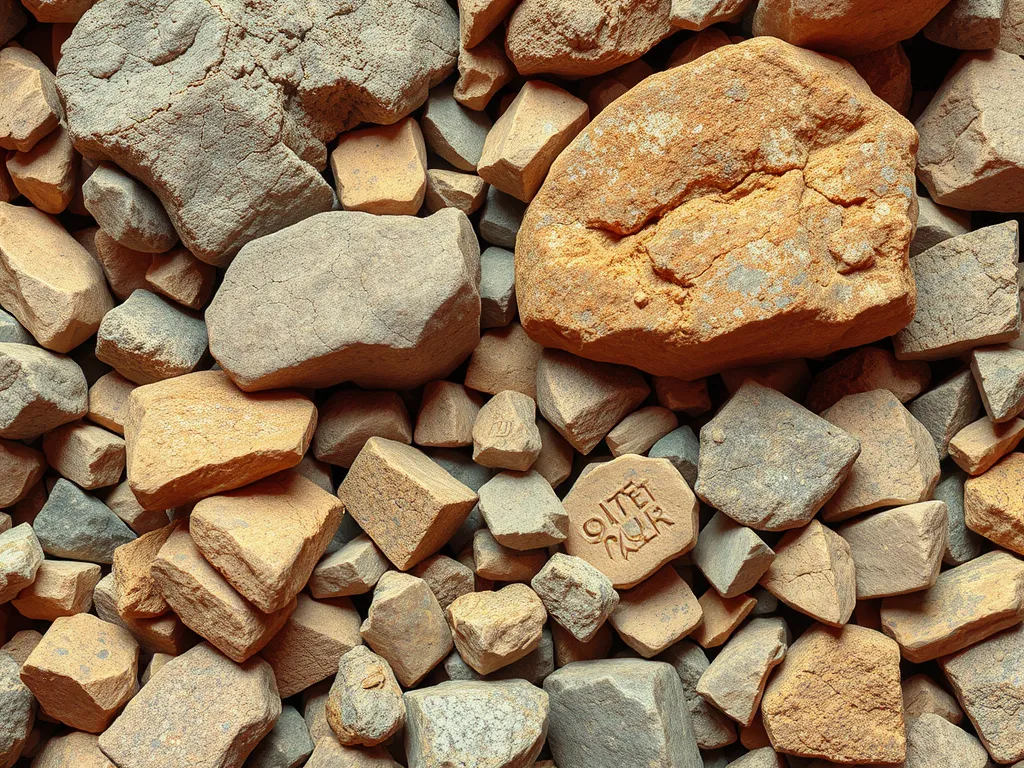
Alternative Raw Materials in Sustainable Asphalt
Replacing virgin materials with recycled or bio-based alternatives cuts resource use and waste. These substitutes match traditional asphalt performance while slashing environmental impact. Let’s examine two game-changers.
Slag and Crushed Concrete Aggregates
Steel slag and crushed concrete now replace mined aggregates in asphalt mixes. Electric arc furnace (EAF) slag—a steel industry byproduct—provides high skid resistance and angularity. Crushed concrete from demolition waste offers 95% of virgin aggregate strength at half the cost. States like Texas allow up to 30% slag in surface mixes, cutting quarry demand by 18 million tons annually.
| Material | CO2 Reduction | Typical Usage Rate |
|---|---|---|
| EAF Slag | 42% vs. limestone | 15-30% in surface layers |
| Crushed Concrete | 38% vs. gravel | 20-40% in base layers |
Bio-derived Binders (Soybean Oil, Recycled Engine Oil)
Bio-binders replace petroleum-based bitumen without compromising durability. Soybean oil-based binders reduce mixing temps by 50°F and cut VOC emissions by 60%. Recycled engine oil (REO) binder blends handle -40°F to 140°F extremes, meeting PG 64-22 specs. Arizona’s I-10 project used 12% REO binder, saving $8.50 per ton.
| Bio-Binder Type | Performance Benefit | Cost Impact |
|---|---|---|
| Soybean Oil | Improved low-temp cracking | +$3-$5/ton |
| Recycled Engine Oil | Higher aging resistance | -$6-$10/ton |
These material innovations set the stage for examining their broader environmental and economic advantages. Next, we’ll quantify how these choices impact emissions, budgets, and pavement longevity.
Also See: Why Does Asphalt Crack? Causes and Prevention
Environmental and Economic Benefits
Sustainable asphalt production cuts harm to the planet while boosting value for road builders. These methods slash waste, save cash, and build roads that last longer under stress.
Reduction in CO2 Emissions &Amp; Energy Use
Warm mix asphalt (WMA) tech drops production temps from 300°F to 230°F. This 20-40% energy cut lowers CO2 by up to 35% per ton. Plants with heat recovery systems reuse 90% of lost warmth, trimming fuel needs. Solar-powered dryers at sites like Colorado’s APAC plant cut grid power use by 15%.
Cost Savings Through Material Recycling
Recycled asphalt pavement (RAP) makes up 25-40% of new mixes, saving $8-$15 per ton. States like Texas reuse 1.2 million tons of RAP yearly, avoiding $18M in landfill fees. Crushed shingles (RAS) add 5% recycled content, cutting binder costs by 12%. Plants using 30% RAP report 22% lower energy bills versus virgin mixes.
Extended Pavement Lifespan &Amp; Performance
Rubber from scrap tires in asphalt boosts crack resistance by 50%, adding 8-12 years to road life. Plastic-modified binders—like California’s 10% PET mix—cut rutting by 40%. High-density infrared patching seals cracks 3x faster, delaying full rebuilds by 15 years. Missouri’s I-44 project saw 30% less upkeep costs over a decade.
These gains set the stage for tackling hurdles in scaling green methods—like balancing recycled content with road demands.
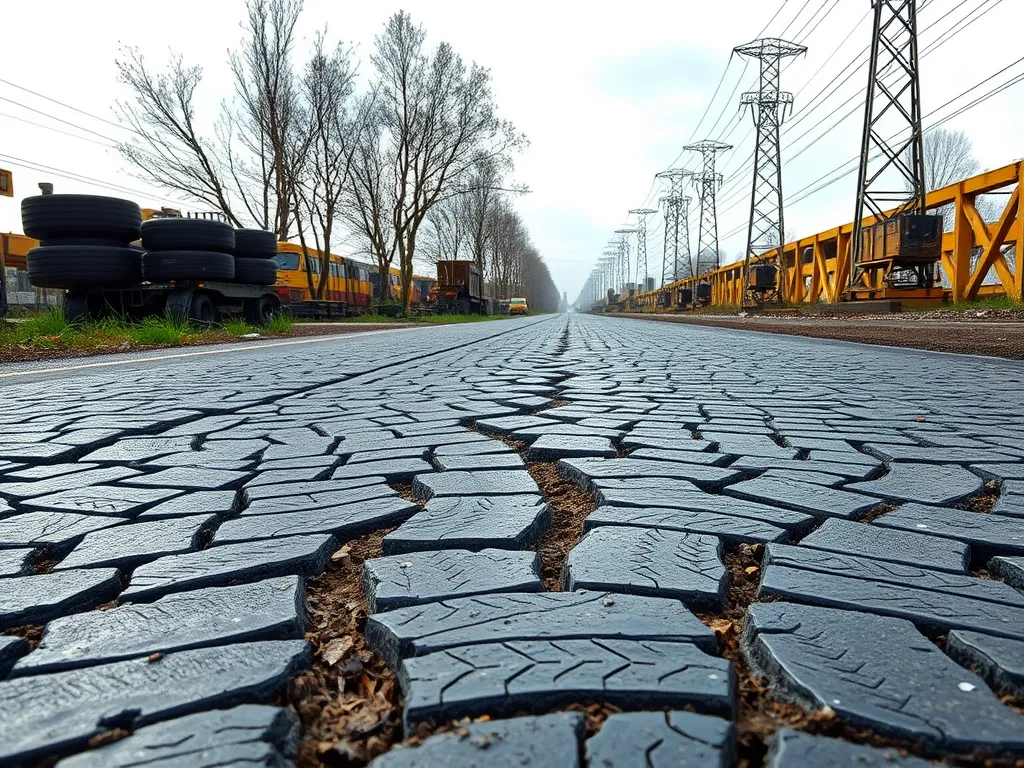
Overcoming Challenges in Sustainable Production
While sustainable asphalt production methods deliver environmental gains, road builders face hurdles when scaling these practices. Balancing material performance with eco-goals remains a tightrope walk.
Balancing Performance With Recycled Content
High recycled asphalt pavement (RAP) or reclaimed shingle (RAS) content can weaken pavement if not managed. PG 64-22 binders, designed for temperature resistance, must align with recycled material grades. Labs use the Hamburg wheel tracker test to measure rutting resistance in mixes with 30-40% RAP. New polymer-modified binders now allow up to 50% recycled content without sacrificing load-bearing capacity. Projects using 40% RAP report 18-22% cost cuts while meeting AASHTO M 323 specs.
Adoption Barriers for New Technologies
Upfront costs slow green asphalt production upgrades. A parallel drum plant for RAP processing runs $1.2M—a hurdle for small contractors. Bio-binders from soybean oil require retrofitting existing tanks, adding 15-20% to setup expenses. Many states still cap RAP at 20% in surface layers due to outdated DOT specs. Contractors trained on traditional hot-mix asphalt often resist warm-mix additive protocols, fearing production delays. Yet early adopters prove the payoff: plants using 35% RAP save $8-12 per ton on virgin materials.
As the industry navigates these roadblocks, evolving regulations aim to ease the shift toward eco-friendly asphalt techniques. Next, we explore how policy frameworks accelerate greener practices.
Regulatory Frameworks &Amp; Certifications
Meeting environmental goals requires alignment with established rules and benchmarks. Regulatory frameworks ensure eco-friendly asphalt production methods meet performance and ecological targets. Certifications validate compliance while driving innovation across the sector.
Key Standards for Sustainable Asphalt Practices
Organizations like ASTM International and ISO set measurable criteria for sustainable asphalt manufacturing. These standards address material sourcing, emissions, and recycling protocols:
- ASTM D8: Defines terms like RAP (Recycled Asphalt Pavement) and RAS (Reclaimed Asphalt Shingles) to standardize recycling practices.
- ASTM D1073: Specifies requirements for recycled asphalt-aggregate mixtures, ensuring structural integrity with up to 40% RAP content.
- ISO 14001: Guides plants on reducing energy use and waste through environmental management systems.
Rating systems like Greenroads® and Envision® award points for using warm mix asphalt (WMA) or achieving 95% lower emissions. Projects certified under these systems often qualify for tax rebates or grants.
State and Federal Guidelines for Recycling
Federal Highway Administration (FHWA) policies mandate at least 20% RAP usage in federally funded projects. States expand these rules with localized targets:
- California’s Caltrans requires 15-30% RAP in mixes, depending on traffic load.
- Texas DOT permits up to 40% RAP with polymer-modified binders for high-stress roads.
- Washington State’s Clean Air Act amendments penalize plants exceeding 12.5 lbs of CO2 per ton of asphalt produced.
Penalties for non-compliance range from fines to loss of contracting eligibility. Over 35 states now tie highway funding to recycling quotas, pushing wider adoption of sustainable asphalt production techniques.
With these frameworks in place, stakeholders often seek clarity on practical implementation. Let’s address common queries about eco-friendly asphalt techniques next.
FAQs on Sustainable Asphalt Production
How Can Asphalt Be Made More Sustainable?
Asphalt can be made more sustainable by incorporating recycled materials such as Recycled Asphalt Pavement (RAP) and Reclaimed Asphalt Shingles (RAS), utilizing warm mix asphalt (WMA) technology that lowers production temperatures, and replacing traditional petroleum-based binders with eco-friendly alternatives like bio-derived binders and waste materials. Additionally, improving energy efficiency in production processes helps reduce overall environmental impact.
What Are the Sustainable Alternatives to Traditional Asphalt Roads?
Sustainable alternatives to traditional asphalt roads include using warm mix asphalt, which requires less energy and emits fewer pollutants, as well as integrating recycled materials like RAP and RAS into new asphalt mixes. Other options include employing bio-based binders derived from renewable resources and using innovative production techniques that minimize carbon footprints.
Is Asphalt Itself a Sustainable Material?
While traditional asphalt production can have significant environmental impacts, advancements in sustainable asphalt production techniques have made asphalt a more eco-friendly option. By increasing the use of recycled materials and energy-efficient processes, asphalt can be produced in a more sustainable manner, thus reducing its overall carbon footprint and resource consumption.
What Defines the Most Sustainable Type Of Pavement?
The most sustainable type of pavement is characterized by a combination of high recycled material content, low energy consumption during production, and long-lasting performance. Effective use of warm mix technologies, environmentally friendly binders, and the incorporation of alternative aggregates like crushed concrete and steel slag contribute to the sustainability of a pavement type, along with its ability to perform well under various traffic and environmental conditions.
Closing Thoughts
Sustainable asphalt production techniques are transforming the road construction landscape. Innovations like Warm Mix Asphalt and the use of recycled materials not only reduce environmental impact but also enhance economic viability. By embracing eco-friendly binders and energy-efficient production methods, the industry is making significant strides toward a greener future.
As we move forward, addressing challenges and adhering to regulatory frameworks will be essential. The potential benefits—lower emissions, cost savings, and improved pavement longevity—underscore the importance of sustainability in asphalt production.
For more information on sustainable asphalt practices and tools to evaluate your projects, check out Asphalt Calculator USA.
Additional Resources for You:
- National Asphalt Pavement Association (NAPA, Industry Reports & Best Practices)
- Sustainability promotion through asphalt pavements: A review of existing tools and innovations – ScienceDirect
- The Benefits of Asphalt as a Sustainable Material When Constructing Pavements – Asphalt Materials, Inc.
- Sustainability – National Asphalt Pavement Association
- Strategies for Improving the Sustainability of Asphalt Pavements

