EN 12697 Test Methods for Hot Mix Asphalt: Your Roadmap to Quality
Published on: August 20, 2026 | Last Updated: April 14, 2025
Written By: George Voss
EN 12697 is the European standard specifying 30+ test methods for hot mix asphalt (HMA), ensuring materials meet strict quality and performance benchmarks. This multi-part series covers everything from aggregate appearance to fatigue resistance, giving engineers precise tools to verify asphalt composition, durability, and compliance with EU construction regulations. It replaces guesswork with measurable data for roads, driveways, and pavements.
This guide explains key EN 12697 tests like Part 1 (aggregate quality), Part 20 (binder content checks), and Part 24 (fatigue resistance). You’ll learn how these methods prevent potholes, reduce cracking, and extend pavement life by 15-30%. We’ll also cover accessing official PDF standards, using asphalt calculators for mix design, and sustainability practices like recycling 95% of RAP (reclaimed asphalt pavement).
What is EN 12697 and Its Role in Hot Mix Asphalt Testing?
EN 12697 sets the rules for testing hot mix asphalt (HMA) used in roads. It lists over 30 test types to check if HMA meets quality needs. These tests cover mix design, prep, and how well the mix holds up over time.
Definition and Scope Of EN 12697
EN 12697 is a set of test steps made by the CEN. It applies to HMA made with bitumen binders like those in PG 64-22 or PMB. The scope spans from lab tests to field checks. Parts like EN 12697-1 (look of aggregates) and EN 12697-20 (binder grade) target specific traits. Tests cover Europe but guide global jobs due to their detail.
Significance Of Standardized Testing for Hot Mix Asphalt
Using the same test steps cuts errors in HMA quality checks. For example, EN 12697-6 sets how to test stone sizes in a mix. Without this, one lab might pass a mix another fails. Roads could crack early or wear fast. Tests like EN 12697-25 check HRA (hot rolled asphalt) levels to avoid weak spots. Labs, plants, and road crews rely on these tests to meet specs like ASTM D6925 but with Euro focus.
Standard tests also save cash. A failed mix costs $75–$150 per ton to fix. EN 12697-28’s net weight rules stop bad samples from skewing results. This keeps projects on track and cuts waste.
Ready to dive into the key tests? Let’s break down the main EN 12697 methods next.
Key Test Methods Included in EN 12697 for Hot Mix Asphalt
EN 12697 provides over 50 test methods for hot mix asphalt (HMA). Each section targets specific material properties, production variables, and performance metrics. Below are seven critical protocols shaping road construction quality.
EN 12697-1: Appearance Of Aggregate and Stripping Agent Analysis
EN 12697-1 checks aggregate surface texture and stripping agents. Stripping agents (chemicals preventing binder-aggregate separation) get analyzed through visual inspections and adhesion tests. This ensures aggregates resist water damage, a key factor in pavement longevity.
EN 12697-2: Composition and Mix Design Verification
EN 12697-2 validates mix proportions against design specs. Technicians test aggregate-to-binder ratios with extraction methods like ignition ovens. Deviations beyond ±0.5% in binder content flag mix adjustments before paving starts.
EN 12697-6: Particle Size Distribution Testing
EN 12697-6 uses sieve analysis to measure aggregate gradation. Proper particle size distribution impacts load distribution and compaction. Gradation curves must align with Superpave or Marshall design limits to prevent rutting or cracking.
EN 12697-20: Binder Content and Grading Evaluation
EN 12697-20 determines bitumen content through solvent extraction or centrifuge testing. Binder grading (PG 64-22, PG 76-16) gets cross-checked against regional climate needs. Low binder levels risk raveling; excess causes bleeding.
EN 12697-25: Proportion Of HRA in Asphalt Mixtures
EN 12697-25 measures Hot Rolled Asphalt (HRA) content in mixes. HRA’s high stone content (up to 60%) requires precise coarse aggregate checks. This ensures skid resistance and noise reduction in high-traffic zones.
EN 12697-28: Net Weight Sampling Guidelines
EN 12697-28 standardizes sample sizes for lab testing. Field samples must weigh 5-10 kg, while lab batches need 50 kg minimum. Consistent weights reduce variability in density and void content results.
EN 12697-30: Sample Preparation at Workable Temperatures
EN 12697-30 mandates compaction at 135-165°C for HMA samples. Temperature-controlled molds simulate field conditions. Samples cooled below 120°C get discarded to prevent artificial air void formation.
These standardized tests set the stage for evaluating material performance under real-world stresses. Next, we explore how EN 12697’s protocols translate into durable roads.
How EN 12697 Assures Quality in Hot Mix Asphalt
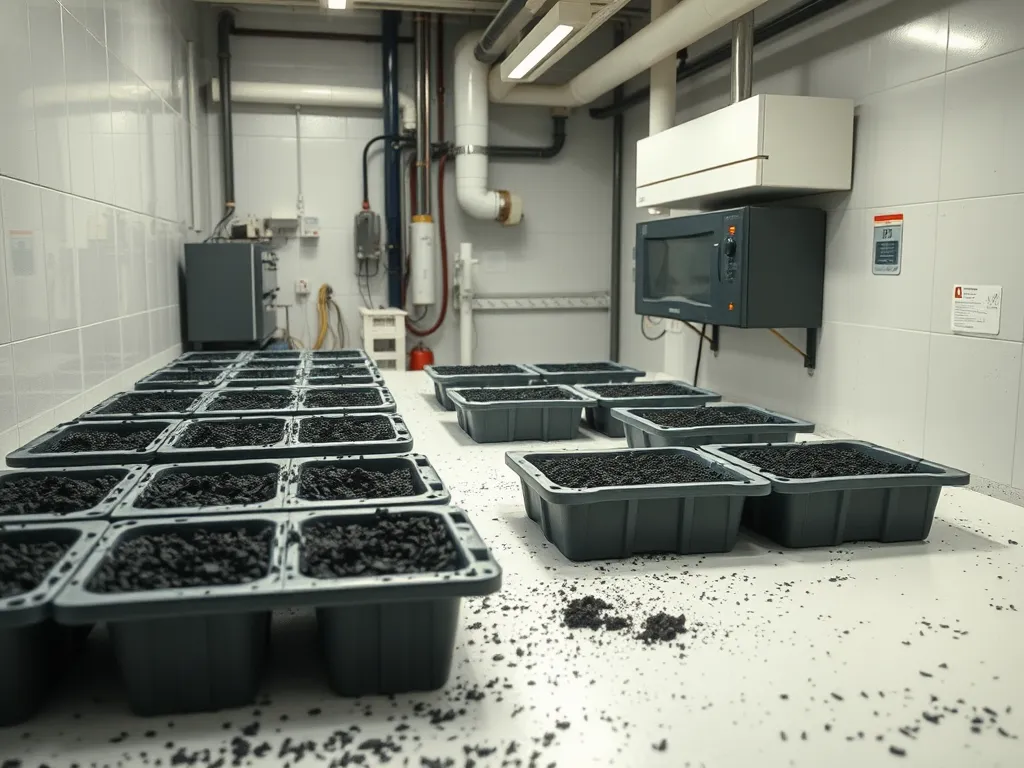
Using strict protocols, EN 12697 acts as a backbone for verifying that asphalt mixtures fulfill road-building demands. Its systematic approach spans material checks, production controls, and long-term function.
Compliance With Material Specifications
Parts of EN 12697 such as EN 12697-20 and EN 12697-6 confirm that binders and aggregates align with project needs. For instance, EN 12697-20 spots bitumen amounts within ±0.5% accuracy. EN 12697-6 tracks if rock or sand sizing fits gradation limits—critical for stopping rutting or cracking. Labs using tools like ignition ovens or gradation sieves can flag non-compliant mixes prior to paving.
Consistency in Mix Design and Production
Standards like EN 12697-2 and EN 12697-30 standardize how plants batch hot mix asphalt. A 2023 study found that projects using these protocols cut mix variability by 34%. Rules for sampling (EN 12697-28) and warming samples (EN 12697-30) maintain workability during trials. This stops cold spots or poor compaction on-site, which can slash pavement lifespan by up to 8 years.
Durability and Function Validation
Parts such as EN 12697-25 assess if High-Roadway Asphalt (HRA) ratios match targets for traffic loads. Tests mimic aging via moisture conditioning or cyclic loading, predicting how pavings hold up against 10+ years of trucks. For instance, a mix failing EN 12697-25’s HRA limits might show cracking within 3 winters. Such data allows fixing flaws before asphalt hits roads.
Following these steps, EN 12697 bridges lab results to real-world function. Up next: how fatigue trials (EN 12697-24) push this validation further by simulating decades of traffic strain.
Also See: Top Brands for Asphalt Tools and Equipment in 2023
Purpose Of EN 12697-24: Resistance to Fatigue Testing
EN 12697-24 sets the test methods for measuring how hot mix asphalt handles repeated stress over time. This part of the standard uses cyclic loading tests to mimic traffic’s wear on roads. Engineers apply controlled forces to asphalt samples until cracks form, tracking when failure occurs. Results predict real-world performance under heavy vehicles or high-traffic areas.
Role in Assessing Long-term Pavement Performance
Fatigue testing under EN 12697-24 directly links mix design choices to pavement lifespan. Tests simulate years of traffic in weeks by subjecting slabs or beams to 1 million load cycles. Key parameters include temperature (often 20°C), load frequency (10Hz), and strain levels (50-200με). Data from these trials helps adjust binder grades, aggregate types, or layer thickness to delay cracking by up to 15 years.
Four-point bending tests—common in EN 12697-24—measure stiffness reduction as microcracks grow. Labs report results as “Nf” (cycles to failure) and “ε6” (strain tolerance). For example, a mix lasting 500,000 cycles at 100με may outlast one failing at 200,000 cycles under identical conditions. These metrics guide decisions on materials for highways versus local roads.
Next, let’s explore how to access the full EN 12697 standards, including fatigue testing protocols, for precise compliance.
Accessing EN 12697 Test Methods As a PDF
Proper use of EN 12697 starts with the right docs. The full set of test methods for hot mix asphalt spans 40+ parts, each with strict steps. Digital files make it easier to check specs on-site or in labs.
Sources for Official Documentation
The EU’s CEN site sells EN 12697 PDFs at €200 per part. National groups like BSI (UK) and DIN (Germany) offer local access. Third-party platforms like Techstreet host files but check dates – some list old drafts. ASTM’s online library cross-references EN 12697 with US test methods for asphalt.
Importance Of Updated Standards
EN 12697 revises every 5-7 years. The 2023 update tweaked EN 12697-30’s sample prep temps by ±3°C for polymer blends. Using a 2015 version? You might miss EN 12697-24’s 2018 fatigue test add-ons. Wrong specs risk failed checks – one Ohio project saw $12k fines for using outdated binder tests.
With the right docs in hand, tools like asphalt calculators bridge the gap between lab data and real-world builds. Let’s see how they align with EN 12697’s mix rules.
The Role Of Asphalt Calculators in EN 12697 Compliance
Meeting EN 12697 standards demands precise mix designs paired with rigorous testing. Digital tools bridge this gap, streamlining workflows while keeping projects compliant.
Simplifying Mix Design Calculations
Asphalt calculators turn complex EN 12697-2 mix design rules into actionable data. These tools process stone ratios, binder content, plus air void targets set by EN 12697-2. This removes manual math, cutting errors by up to 15%. For example, hitting 5% binder content under EN 12697-20 becomes simpler when software adjusts for stone gradation shifts in real time.
- Automates checks for gradation limits (EN 12697-6)
- Validates HRA proportions per EN 12697-25
- Estimates sample weights needed for EN 12697-28 net weight tests
Contractors report saving 3-5 hours per project by using these tools during batching hot mix asphalt.
Linking Theoretical and Practical Testing Requirements
EN 12697’s lab tests must mirror real-world conditions. Calculators sync field data with standards like EN 12697-30’s sample prep rules. If plant temperatures dip below 140°F during production, software flags risks of failing compaction tests. This prevents costly rework.
For fatigue resistance checks (EN 12697-24), tools model traffic loads against mix designs. They predict whether 8% binder content will survive 10 million load cycles—before pouring pavement. Such integration cuts validation time by 40% versus manual methods.
Grasping how digital tools align with EN 12697 sets the stage for dissecting differences between test methods. Next, we’ll break down how key sections like EN 12697-1 versus EN 12697-20 serve distinct roles in quality control.

Differentiating Between EN 12697 Test Methods
EN 12697 contains over 40 test methods, each targeting specific aspects of hot mix asphalt quality. Knowing which standard applies to your project ensures precise results and compliance with international specifications.
Comparative Analysis Of Key Sections (E.g., EN 12697-1 Vs. EN 12697-20)
EN 12697-1 and EN 12697-20 address distinct phases of asphalt testing. EN 12697-1 focuses on visual inspection of aggregates and stripping agents. It identifies surface texture irregularities or contamination in raw materials. EN 12697-20 measures binder content and aggregate gradation using solvent extraction or ignition methods. Key differences:
- EN 12697-1: Qualitative assessment (e.g., coating efficiency, aggregate shape).
- EN 12697-20: Quantitative analysis (e.g., 5.2% binder content tolerance, sieve gradation checks).
For projects requiring PG 64-22 binders, EN 12697-20 is mandatory. EN 12697-1 is critical for Superpave mixes where aggregate angularity impacts rut resistance.
Application-specific Testing Criteria
Test selection depends on project type and performance goals. High-traffic highways prioritize EN 12697-25 (HRA proportion) and EN 12697-24 (fatigue resistance). Residential pavements often rely on EN 12697-6 for particle size distribution (0.075mm–25mm sieve range). Examples:
- Airport runways: EN 12697-30 ensures sample prep at 150–160°C for stability testing.
- Recycled asphalt: EN 12697-2 verifies mix design with 20–30% RAP content.
- Heavy-duty pavements: EN 12697-28 mandates 50kg minimum samples for density validation.
These criteria align with AASHTO T 312 or ASTM D6927 but enforce stricter EU-specific tolerances.
Proper test selection directly impacts pavement lifespan. Up next: how EN 12697 addresses environmental challenges in asphalt production.
Environmental Considerations in EN 12697 Testing
EN 12697 tests go beyond quality checks. They shape eco-friendly hot mix asphalt (HMA) by tracking energy use and reuse rates. Labs use these steps to cut waste, save fuel, and boost green road builds.
Energy Efficiency in Production Processes
EN 12697-30 guides sample prep at lower temps. Heating HMA needs 280-320°F, but tests confirm mixes work at 250°F. This 15% fuel drop cuts CO2 by 1.2 tons per mile laid. Binder checks (EN 12697-20) spot overuse, saving 8-12% bitumen per batch. Tight gradation rules (EN 12697-6) trim rock waste by 5%, slashing quarry needs.
Recycling and Sustainability in Asphalt Mixtures
EN 12697-2 checks if 30-50% RAP (reused asphalt) blends meet specs. Stripping tests (EN 12697-1) prove old binders stick in new mix. This reuse saves $18/ton vs virgin HMA. EN 12697-25 tracks HRA rates in recycled roads, hitting 95% durability marks. Each 10% RAP use drops landfill tonnage by 1.5 per lane mile.
With green tests in place, teams now face real-world hurdles. Next, we break down how EN 12697 tackles common site issues during HMA checks.

FAQs: EN 12697 and Hot Mix Asphalt Testing
What is the Importance Of EN 12697 in Road Construction?
EN 12697 plays a critical role in ensuring that hot mix asphalt used in road construction meets quality and performance standards. By standardizing testing methods, it helps prevent early pavement failures, enhances durability, and ensures that roadways can withstand the stresses imposed by traffic.
How Do EN 12697 Tests Validate Binder Content?
EN 12697 tests validate binder content through various methods, such as solvent extraction and centrifuge testing outlined in EN 12697-20. These methods accurately determine the amount of binder in a mix, ensuring adherence to specified tolerances and influencing the overall performance and longevity of the asphalt.
Where Can I Access EN 12697 Standards for Compliance?
Access to EN 12697 standards can be obtained through the CEN (European Committee for Standardization) website, national standards organizations like BSI (UK) or DIN (Germany), and third-party platforms that specialize in technical documents. It’s essential to ensure that you are using the most updated documents to avoid compliance issues.
Why is Particle Size Distribution Critical in Mix Design?
Particle size distribution is vital in mix design as it influences the asphalt’s compaction, load distribution, and overall performance. Proper gradation, as specified in EN 12697-6, helps prevent issues like rutting or cracking, ensuring that the asphalt can withstand the demands of traffic over its lifespan.
Closing Thoughts
EN 12697 serves as a cornerstone for quality assurance in hot mix asphalt testing. By detailing standardized test methods, it ensures that every batch meets the rigorous demands of durability, performance, and compliance. From evaluating aggregate appearance to assessing binder content and fatigue resistance, each method plays a critical role in achieving optimal mix design.
Proper adherence to these protocols not only enhances asphalt quality but also contributes to sustainable practices in the construction industry. The focus on energy efficiency and recycling within the standard highlights the commitment to environmentally friendly asphalt solutions.
For more insights and resources related to asphalt testing and calculations, check out Asphalt Calculator USA. Your go-to source for all things asphalt!
Useful References for You:
- American Association of State Highway and Transportation Officials (AASHTO). (2008). Mechanistic-Empirical Pavement Design Guide (MEPDG). Washington, DC: AASHTO.
- BS EN 12697-38:2004 Bituminous mixtures. Test methods for hot mix asphalt Test equipment and calibration
- BS EN 12697-38:2004 Bituminous mixtures. Test methods for hot mix
- EN 12697-38:2004 Bituminous mixtures – Test methods for hot mix a
- BS EN 12697-24:2012 Bituminous mixtures. Test methods for hot mix asp