Keep Your Asphalt Driveway Strong Year-round: Seasonal Maintenance Guide
Published on: April 12, 2026 | Last Updated: April 14, 2025
Written By: George Voss
Seasonal maintenance for asphalt driveways means adapting care routines to weather changes. This prevents cracks, potholes, and surface wear caused by freeze-thaw cycles, UV rays, and de-icing salts. Regular upkeep protects your driveway’s structure, improves safety, and can cut long-term repair costs by up to 50%. Key tasks include sealing cracks in spring, clearing leaves in fall, and using calcium chloride instead of rock salt in winter.
This guide breaks down exact steps for spring, summer, fall, and winter care. You’ll learn inspection routines for spotting early damage, material choices like coal-tar vs asphalt-emulsion sealants, and cost factors ($0.15-$0.25 per sq.ft for DIY crack filling vs $3-$7 per sq.ft for professional sealcoating). We cover weather-specific risks—like summer heat softening asphalt at 140°F+—and how to balance DIY fixes with contractor services.
Importance Of Seasonal Asphalt Driveway Maintenance
Regular care tailored to weather changes preserves asphalt integrity year-round. Temperature swings, moisture, and traffic patterns demand targeted actions. Seasonal asphalt driveway maintenance prevents minor issues from becoming costly repairs.
Protecting Your Asphalt Investment
Asphalt driveways cost $3-$7 per square foot to install. Skipping seasonal care risks premature degradation, doubling long-term expenses. Winter freeze-thaw cycles expand cracks, while summer heat softens surfaces. Applying sealcoat every 2-3 years at $0.15-$0.25 per square foot blocks water infiltration. Immediate crack filling with rubberized asphalt emulsion ($10-$20 per 30 oz. tube) stops moisture penetration.
Extending Driveway Lifespan
Properly maintained asphalt lasts 15-25 years versus 8-12 with neglect. Spring drainage checks prevent base layer erosion. Fall sealcoating shields against winter salt and ice. Summer UV protection reduces surface oxidation by 40-60%. Seasonal maintenance for asphalt driveways adds 1-3 years of service life annually through proactive interventions.
Enhancing Safety and Usability
Raveling (aggregate loss) from summer heat creates uneven surfaces with 30% less traction. Winter ice patches increase slip risks by 70%. Seasonal asphalt maintenance removes standing water, reducing hydroplaning hazards. Clearing fall leaves within 48 hours prevents organic stains and mold growth. Smooth surfaces from regular repairs cut tripping risks by 55%.
Mastering these seasonal priorities sets the stage for actionable strategies. Next, we’ll break down spring maintenance steps to reverse winter damage.
Spring Asphalt Driveway Maintenance
Spring care sets the stage for year-round pavement health. Focus on fixing winter harm, prepping for summer heat, and blocking water damage.
Inspect for Winter Damage
Freeze-thaw cycles stress asphalt. Walk your drive to spot early signs of wear.
Identifying Cracks and Potholes
Mark cracks wider than 1/4 inch with chalk. Measure potholes deeper than 2 inches. Use a straightedge to check surface dips. These flaws let water seep into the base, causing more breaks.
Checking for Drainage Issues
Pour water on the drive. Watch flow paths. Pooling near edges or low spots signals trouble. Fix slopes below 2% grade to avoid washouts.
Clean Debris and Residue
Remove leaves, grit, and road salt with a stiff broom. Pressure wash at 1,500 PSI to clear oil spots. Let the surface dry 48 hours before repairs.
Repair Minor Cracks With Asphalt Fillers
Fill hairline cracks with liquid sealer. Use cold-pour rubberized filler for gaps up to 1 inch. Tamp down patches with a hand tamper. Costs run $10-$30 per gallon for DIY kits vs. $50-$150 for pro services.
Apply Sealcoating (if Needed)
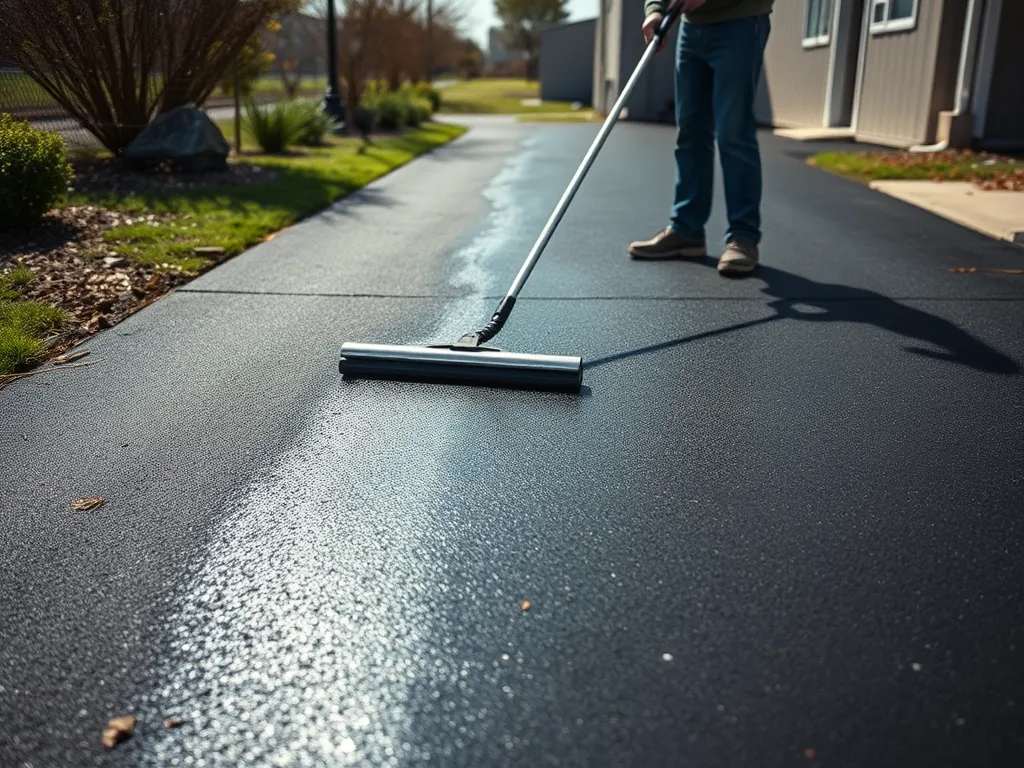
Seal every 2-3 years if wear shows. Pick coal-tar or asphalt-based sealers. Spread with squeegee or spray. Needs temps above 50°F. Cures in 24-48 hours. Blocks UV rays, resists gas spills, and renews black finish.
Proper spring care preps your pavement for summer heat swell and sun harm. Next, learn how to shield your drive when temps soar.
Summer Asphalt Driveway Maintenance
Summer heat tests asphalt driveways. Direct sunlight, high temps, and heavy use demand proactive care to prevent structural damage.
Monitor Heat-related Wear
Asphalt softens at temps above 140°F. Track surface changes during heatwaves. Look for tire marks, depressions, or shiny spots indicating stress.
Preventing Asphalt Softening
Limit vehicle idling on hot days. Park heavy trucks or RVs on gravel pads or plywood sheets. Use shade structures or reflective coatings to lower surface temps by 10-15°F.
Managing Heavy Traffic
Redirect frequent vehicle movement to cooler morning hours. Install temporary traffic cones for events. For driveways with >50 daily trips, consider adding a 2-inch overlay with PG 64-22 binder for enhanced stability.
Address Standing Water and Drainage
Summer storms create pooling. Check for low spots using a 4-ft level. Fill depressions with cold patch asphalt. Ensure 2% slope away from structures. Install French drains ($8-$12 per linear foot) along edges for severe drainage issues.
Reapply Sealcoat for UV Protection
UV rays degrade asphalt binders. Apply coal tar or asphalt-based sealant every 2-3 years. Opt for sealcoats with aluminum silicate additives for 30% better UV resistance. Costs range from $0.14-$0.25 per sq.ft for DIY kits or $0.30-$0.60 for pro applications.
As cooler weather approaches, shift focus to fall prep. Clearing debris and sealing cracks now sets the stage for winter resilience.
Also See: Who Invented Asphalt? Discover Its Historical Origins
Fall Asphalt Driveway Maintenance
Fall prep sets the stage for winter survival. Cooler temps (50-70°F) create ideal conditions for key tasks that protect against freeze-thaw cycles. Focus on debris removal, surface protection, and edge stability.
Clear Leaves and Organic Debris
Leaf buildup does more than create slip hazards. A 1” layer of wet leaves holds 500+ gallons of water per 1,000 sq ft. Blow or sweep weekly during peak leaf drop.
Preventing Moisture Trapping
Decomposing matter traps water in asphalt pores. This speeds oxidation and weakens the binder’s adhesion. Use stiff-bristle brooms for stubborn patches near edges.
Avoiding Surface Staining
Tannins from oak/maple leaves leave blackish stains. Remove within 48 hours before stains penetrate sealcoat layers. Pressure wash at 1,200 PSI max to avoid surface damage.
Sealcoating Before Winter
Apply coal-tar or asphalt-based sealants at 50°F+ for proper curing. A ⅛” layer fills micro-cracks and blocks 90% of water infiltration. Costs average $0.15-$0.25 per sq ft for DIY kits.
Repair Joints and Edges
Rake out vegetation from expansion joints. Fill with PG 64-22 binder mixed with sand (3:1 ratio). Compact edges with 50-lb plate tamper to restore 2” minimum overlap on gravel base.
With winter’s first frost approaching, proper prep now reduces spring repair bills. Next: strategies for navigating ice and snow without damaging your paved surface.
Winter Asphalt Driveway Maintenance
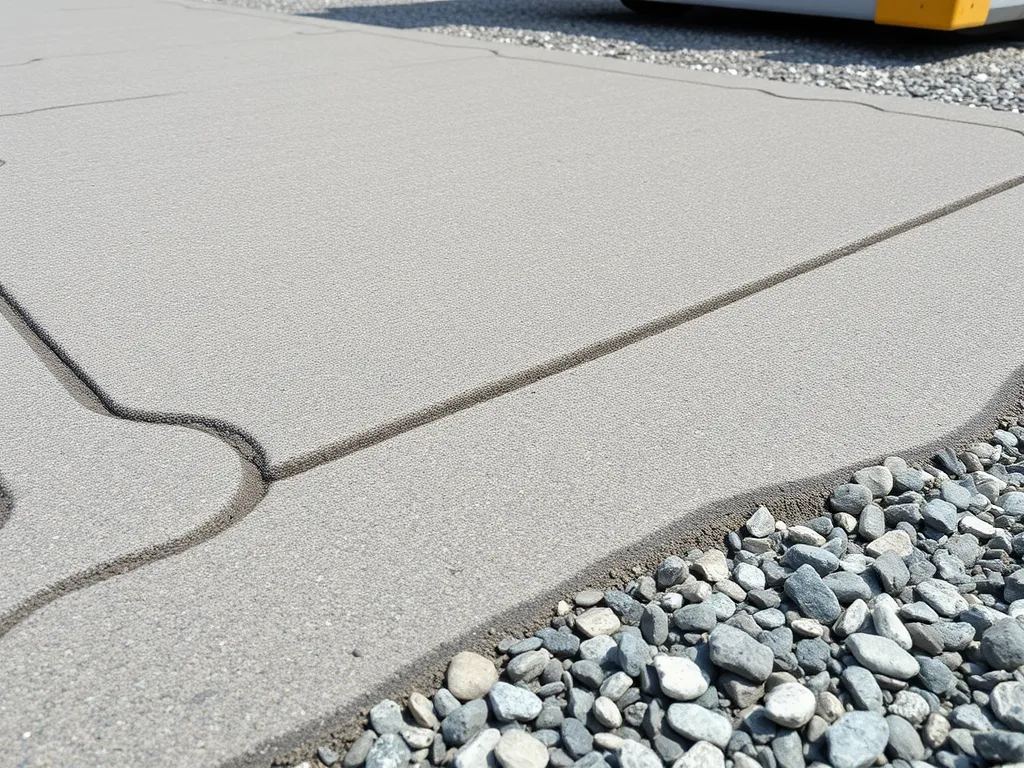
Winter brings ice, snow, and freeze-thaw cycles that stress asphalt driveways. Proper care stops cracks, potholes, and surface wear. Act early to shield your pavement from harsh cold.
Safe Snow Removal Practices
Clear snow fast to stop ice buildup. Use tools that protect the asphalt surface. Wrong methods can scratch or chip the top layer.
Using Plastic Shovels
Plastic shovels glide smoothly. They remove snow without scraping the asphalt. Metal tools leave marks; plastic keeps the surface intact.
Avoiding Metal Blades
Metal blades gouge asphalt. Deep cuts let water seep in. This weakens the base and speeds winter damage. Stick to plastic or rubber edges.
Choosing Asphalt-safe De-icers
Not all ice melts are equal. Some eat away at asphalt binder. Pick products that work in temps below 15°F but spare your driveway.
Avoiding Rock Salt Damage
Rock salt (sodium chloride) breaks down asphalt over time. It erodes the top layer and opens tiny cracks. Try calcium chloride or sand for grit instead.
Temporary Patching for Emergency Repairs
Cold patch asphalt fills potholes fast in freezing temps. Press it tight with a tamper. This quick fix lasts until spring when hot mix can be applied.
Smart winter steps keep driveways safe and cut long-term repair costs. Next, let’s break down how seasonal care affects your budget year-round.
Understanding Asphalt Driveway Maintenance Costs
Seasonal asphalt driveway maintenance costs range from $100 to $1,500 annually, depending on climate, driveway size, and repair needs. Regular upkeep prevents expensive replacements, with well-maintained driveways lasting 20+ years versus 12-15 years for neglected surfaces.
Factors Influencing Seasonal Maintenance Expenses
Three elements drive costs:
- Temperature extremes: Regions with frequent freeze-thaw cycles require more crack sealing (avg. $0.50-$3 per linear foot)
- Driveway age: Older surfaces need thicker sealcoats (15-20 mils vs standard 10-12 mils), increasing material costs by 25%
- Damage severity: Pothole repairs cost $50-$300 each, while full-depth patches run $100-$400 per square yard
Cost-effective DIY Vs. Professional Services
DIY tasks like cleaning debris or applying acrylic-based sealers ($0.15-$0.25 per sq ft) save 40-60% versus pro services. But critical jobs demand experts:
- Infrared asphalt repairs ($200-$600 per project) restore structural integrity better than cold-patch fillers
- Commercial-grade sealcoating lasts 3-5 years vs 1-2 years for retail products
- Slope corrections (2% minimum grade) prevent water pooling – requires laser-guided grading ($800-$2,500)
Smart maintenance choices today impact both your budget and pavement performance. Next, we’ll explore how eco-friendly methods align with seasonal asphalt driveway care.
Environmental Considerations for Asphalt Maintenance
Maintaining an asphalt driveway with planetary health in mind boosts long-term functionality. Opting for low-impact products and methods aligns with responsible property ownership while fulfilling seasonal asphalt driveway maintenance needs.
Eco-friendly Sealcoating Options
Coal tar-free sealants with low volatile organic compound (VOC) levels dominate green asphalt care. These formulations, containing clay or bio-based binders, cut toxic runoff by up to 80% compared to traditional options. Costs range from $0.18-$0.30 per square foot—slightly higher than standard sealers, but with superior compatibility for seasonal maintenance asphalt routines. Apply these products during dry months (55°F+) for optimal curing without harming nearby plants.
Sustainable Debris Disposal Methods
Fall leaf removal and spring crack-filling generate organic and construction waste. Partner with municipal recycling programs that process asphalt chunks into Recycled Asphalt Pavement (RAP)—a material reused in 94% of U.S. road projects. For plant matter, compost at least 15 feet from pavement to avoid moisture buildup. Always store used sealcoat containers upright until hazardous waste collection days to prevent soil contamination.
Adopting these practices supports asphalt driveway maintenance seasonal goals while reducing resource use. Up next: clarifying common queries about balancing pavement care with practical constraints.
Frequently Asked Questions (FAQs) About Seasonal Asphalt Driveway Maintenance
What is the Maintenance Schedule for Asphalt Driveways?
The maintenance schedule for asphalt driveways typically involves inspections and tasks done in spring, summer, fall, and winter. These seasonal tasks include damage inspections, debris removal, cleaning, sealing, and repairs tailored to weather conditions and driveway usage.
Should You Seal Your Asphalt Driveway Every Year?
No, it is not necessary to seal an asphalt driveway every year. Most experts recommend sealing every 2 to 3 years, depending on the driveway’s condition, environmental factors, and the type of sealant used.
When Should I Recoat My Asphalt Driveway?
You should consider recoating your asphalt driveway when you notice signs of wear, such as fading color, cracks, or surface damage. Typically, recoating is done every 2 to 3 years, depending on usage and environmental exposure.
What is Involved in Asphalt Driveway Sealcoating?
Asphalt driveway sealcoating involves applying a protective layer over the asphalt surface. This process includes cleaning the driveway, filling any cracks, and then applying the sealant using brushes or spray equipment. The sealcoating helps protect against UV rays, gasoline spills, and water infiltration.
How Can I Maintain a Paved Driveway?
To maintain a paved driveway, regularly inspect for damage, clean debris, fill cracks, and apply sealant as needed. It’s also important to manage water drainage and avoid parking heavy vehicles on the surface to prevent damage.
What is the Best Asphalt Sealer?
The best asphalt sealer typically depends on your specific needs and driveway conditions. Coal-tar sealants are commonly praised for their durability and effectiveness, while asphalt-based sealants are a more environmentally friendly option. Consider factors such as weather conditions, UV exposure, and traffic volume when selecting a sealer.
How Do I Choose an Asphalt Maintenance Company?
When choosing an asphalt maintenance company, look for reputable contractors with strong customer reviews, relevant experience, and licenses/insurance. Request estimates from multiple companies and inquire about their maintenance techniques and materials to ensure you select a provider that meets your specific needs.
Closing Thoughts
Seasonal maintenance for asphalt driveways is vital for preserving your investment. Each season brings specific tasks that help extend the lifespan of your driveway, enhance its usability, and ensure safety. From inspecting for winter damage in spring to using appropriate snow removal techniques in winter, these practices keep your driveway in optimal condition.
Regular maintenance doesn’t just save money in the long run; it also improves the aesthetics of your property. By adopting an active maintenance schedule, you can enjoy a durable and visually appealing driveway year-round. Remember, investing a little time and effort now leads to significant savings later.
For more detailed information and tools to help with your asphalt driveway maintenance, check out Asphalt Calculator USA.
Additional Resources for You:
- The Asphalt Institute. (2007). MS-4: The Asphalt Handbook. Lexington, KY: Asphalt Institute.
- Asphalt Driveway Maintenance & Repair Tips to Making Your Driveway Last
- Asphalt Driveway Maintenance: Your Essential To-Do List – Shattuck Paving & Sealcoating
- 4 Easy Steps to Asphalt Maintenance
- Asphalt Driveway Maintenance 101 – Richfield Blacktop