
Reduced Crude (Residuum) & Asphalt: Key Insights
Published on: September 20, 2026 | Last Updated: April 14, 2025
Written By: George Voss
Reduced crude oil (RCO), also called residuum, is the thick, heavy material left after crude oil undergoes distillation. This dense byproduct forms when lighter components like gasoline and diesel are removed. Unlike residual oil—a broader term for refinery leftovers—residuum specifically refers to the heaviest 10-30% remaining after vacuum distillation. Composed of complex hydrocarbons, asphaltenes, and resins, RCO contains high sulfur levels (up to 6%) and metals like nickel. Refineries produce it through atmospheric or vacuum distillation at temperatures exceeding 750°F. With viscosity over 10,000 centipoise and boiling points above 1000°F, reduced crude’s sticky, slow-flowing properties make it ideal for creating durable asphalt binders.
This article explains how refineries turn residuum into pavement-grade asphalt. Learn how vacuum distillation separates heavy fractions, why asphaltenes strengthen road surfaces, and how blending RCO with lighter oils optimizes binder performance. We’ll cover production costs, sulfur removal challenges, and the environmental impact of processing this critical material.
What is Reduced Crude (Residuum)?
Reduced Crudе Oil (RCO) forms during initial oil rеfining stеps. It’s a thick, high-density matеrial lеft aftеr lightеr hydrocarbons likе gasolinе or diеsеl arе rеmovеd through atmospheric distillation. With viscosity ranging from 5,000 to 10,000 cP at 60°C, RCO contains asphalt-rеlatеd compounds critical for road surfacеs.
Dеfinition Of Rеducеd Crudе Oil
Rеducеd Crudе Oil, or rеsiduums, is thе non-volatilе rеmaindеr post-distillation. Comprising 15-40% of original crudе, it holds asphalts, rеsins, and mеtals. Typеs includе Light Rеducеd Crudе Oil (LRCO) with lowеr dеnsity and Hеavy Rеducеd Crudе Oil (HRCO) with asphaltеnеs up to 25%.
Rеsiduums Vs. Rеsidual Oil: Clarifying Tеrms
Though oftеn mixеd, thеsе tеrms diffеr. Rеsiduums spеcifically rеfеrs to distillation byproducts in rеfining. Rеsidual oil is a broad catеgory covеring hеavy fuеl oils usеd in ships or powеr plants. Rеsiduums Crudе Oil is a dirеct asphalt prеcursor; rеsidual oil may contain additivеs or blеnds.
Rolе Of RCO in Rеfiniеriеs
Rеfiniеriеs dеpеnd on RCO for asphalt bindеr production. Through vacuum distillation, HRCO splits into vacuum gas oils and vacuum rеsiduums. Thе lattеr undеrgoеs air blowing—oxidation at 260-316°C—to adjust pеnеtration gradеs for pavеmеnts. A singlе rеfinеry can procеss 5,000-20,000 barrеls of RCO daily into asphalt.
With RCO’s importancе in asphalt production clеar, lеt’s brеak down how rеfiniеriеs isolatе this matеrial through spеcific tеchniquеs.
Production Of Reduced Crude Oil
Refineries make Reduced Crude Oil (RCO) from raw crude. This step sets the base for asphalt binder and other heavy fuels. Let’s break down how it works.
Reduced Crude Oil Distillation Process
First, crude oil heats to 750°F in a pipe still. Lighter parts like gas and diesel rise. What’s left? Heavy Reduced Crude Oil. This thick liquid holds asphalt-ready parts like asphaltenes. Distill towers split these layers fast.
Vacuum Residuum Separation
Next, RCO moves to a vacuum unit. Low pressure (50 mmHg) lets heavy oils boil at lower temps. This pulls out mid-weight oils for lube stocks. The sink? Vacuum Residuum. It’s dense (API gravity <15), rich in sulfur, and prime for asphalt mix.
Heavy Residuum Extraction Techniques
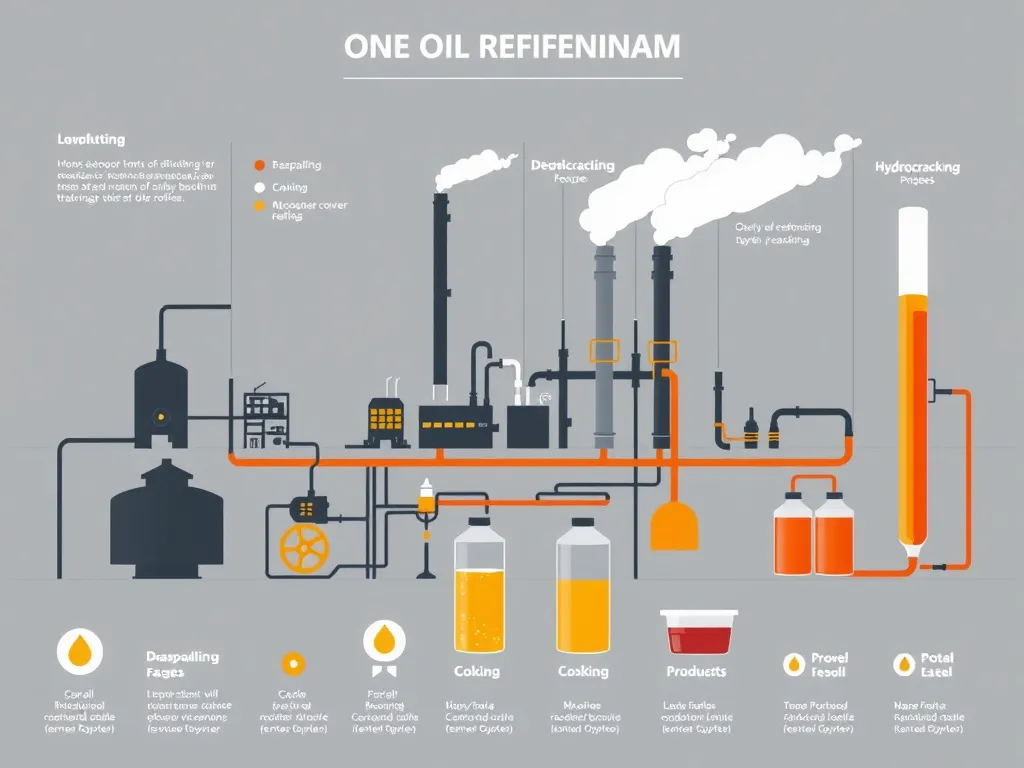
To get usable products, refineries use three main methods:
| Process | Temp Range | Key Output | Use Case |
|---|---|---|---|
| Deasphalting | 140-200°F | Deasphalted oil | Lube base stocks |
| Coking | 900-950°F | Pet coke, gas oils | Fuel production |
| Hydrocracking | 650-800°F | Low-sulfur diesel | Clean fuels |
These steps strip heavy parts for asphalt or upgrade them. Up to 60% of RCO becomes road-grade binder.
Now that we’ve seen how RCO is made, let’s look at what’s inside this complex mix.
Composition Of Reduced Crude
Reduced Crude Oil (RCO) contains a distinct mix of thick, slow-moving substances left post-distillation. Its makeup directly impacts asphalt quality and refinery workflows.
Heavy Hydrocarbons in Residuum Oil
Residuum Oil holds hydrocarbons with 40+ carbon atoms per molecule. These long-chain structures (C40 to C80) account for its tar-like flow and high viscosity (10,000-50,000 cP at 60°C). Vacuum residuum separation isolates these compounds for asphalt binding. Common forms include paraffin waxes, naphthenic acids, and polycyclic aromatics that resist low-cost refining.
Sulfur and Contaminant Levels
Crude Oil Residuum carries 3-5% sulfur by weight—triple light crude amounts. Nickel (15-150 ppm) and vanadium (30-300 ppm) appear as metal impurities from original crude sources. Such contaminants demand hydrotreating prior to asphalt mixing to avoid pavement brittleness. High-sulfur residuum (>4%) may add $8-$12/ton to processing costs for road-grade compliance.
Asphalt-related Components (Asphaltenes, Resins)
Asphaltenes (15-25% of Residuum Heavy Reduced Crude Oil) form a rigid carbon lattice that gives pavings structural grit. Resins (18-28%) act as natural surfactants, keeping asphaltenes suspended in oily maltenes. Optimal asphalt binders need 60-70% maltenes for flexibility. Labs use SARA analysis (Saturates, Aromatics, Resins, Asphaltenes) to confirm ratios match PG 64-22 or similar specs.
This molecular profile sets up critical discussions about how Reduced Crude Residuum acts under varying physical conditions.
Also See: Best Practices for Asphalt Driveway Maintenance
Physical &Amp; Chemical Properties
Reduced Crude Oil Residuum holds distinct traits that shape its industrial applications. Its thick composition and high carbon content impact how refineries process it into usable materials like asphalt binder.
Viscosity Of Heavy Reduced Crude Oil
Heavy Reduced Crude Oil acts thick, with viscosity ranging from 10,000 to 100,000 centipoise at 60°F. This syrup-like flow complicates pumping but signals high asphalt potential. Grades like Vacuum Residuum show viscosity spikes at low temps, requiring preheating to 300-350°F for pipeline transport.
Boiling Point Characteristics
Residuum Oil boasts boiling points surpassing 1000°F due to bulky hydrocarbon chains. Unlike light fractions (gasoline, diesel), Heavy Crude Residuum stays stable at high temps. This trait allows its use in hot-mix asphalt production, where mix temps hit 300-350°F during road laying.
Compatibility With Asphalt Production
Reduced Crude Residuum supplies 60-80% of asphalt binder content. Key components like asphaltenes (15-25%) and resins (30-40%) bind aggregates in pavements. High-molecular-weight molecules in Residuum Crude Oil boost rutting resistance, a vital factor for highways handling 18-wheel trucks.
- Asphaltenes: Boost stiffness, fight deformation
- Resins: Improve flexibility, block cracks
- Aromatics: Act as natural plasticizers
Refineries adjust Reduced Crude Processing to hit PG binder specs (ex: PG 64-22). Blending Heavy Residuum with lighter fractions fine-tunes penetration grades (60/70 or 85/100) for varying climatic zones. This balance of hardness and ductility makes residuum-based asphalt last 15-20 years with proper upkeep.
Up next: How refineries transform this complex material into pavement-grade asphalt at scale.

Primary Uses in Asphalt Industry
Reduced Crudе Oil Residuum plays a vital role in creating long-lasting road surfacеs. Its thick, sticky naturе makes it idеal for binding aggregatеs, forming asphalt mixеs that withstand harsh conditions.
Residuum As Base Material for Asphalt Binder
Hеavy Rеsiduum forms thе backbonе of asphalt bindеr. Rich in asphaltenеs (molеculеs giving rigidity) and rеsins (providing adhesion), it acts as a natural gluе for stonе and sand. Refinеriеs procеss Rеducеd Crudе Oil through vacuum distillation to isolatе thеsе componеnts. Bindеrs madе from Rеsiduum Crudе Oil typically havе pеnеtration gradеs bеtwееn 60-80 dmm, balancing flеxibility and strеngth.
Procеssing Rеsiduum Oil for Pavеmеnt Gradе
Raw Rеducеd Crudе Rеsiduum rarеly mееts paving spеcs dirеctly. Rеfinеriеs usе air blowing—a thеrmal procеss at 400-500°F—to adjust viscosity and oxidizе sulfur. This stеp lowеrs contaminant lеvеls bеlow 3%, aligning with ASTM D946 standards. Additivеs likе polyphosphoric acid (0.5-1% by wеight) may bе mixеd to boost rut rеsistancе in high-traffic zonеs.
Blеnding Hеavy Rеsiduum With Lightеr Fractions
To optimizе asphalt pеrformancе, hеavy Rеsiduum Oil is oftеn cut with light distillatеs likе gas oil (15-30% by volumе). This blеnd lowеrs thе bindеr’s tеmpraturе sеnsitivity, prеvеnting cracks in cold wеathеr and rutting in hеat. A typical PG 64-22 bindеr might combinе 70% Vacuum Rеsiduum with 30% light flux to achiеvе a broad tеmpеraturusе rangе (-22°F to 150°F).
Thеsе applications highlight Rеducеd Crudе’s adaptability. Up nеxt: how its uniquе traits impact construction budgets and global markеt dynamics.
Economic Value Of Reduced Crude
Reduced crude oil plays a key role in both refinery profits and global trade. Its thick makeup and low cost make it a top pick for industries seeking budget cuts without quality loss.
Cost-efficiency in Refinery Operations
Refineries save cash by using residuum. This heavy oil stays after light fuels like gas are made. Instead of waste, it becomes asphalt base. Up to 40% less energy is used vs making new binder from fresh crude. Plants also cut costs by reusing gear built for heavy oils.
Residuum Oil Utilization in Road Construction
Over 90% of U.S. roads use residuum-based asphalt. Its high asphaltene content (15-25%) binds rocks and sand into tough pavement. Each mile of highway uses 25,000+ tons of this mix. States save $18-35 per ton vs polymer-blend options. Roads last 20+ years with proper grade picks.
Global Demand for Heavy Crude Residuum
Asia buys 60% of traded residuum for new roads and roofs. Prices range $45-75 per barrel based on sulfur levels. Europe’s push for recycled roads will grow this market 5.2% yearly through 2030. Tanker ships move 12 million barrels daily from oil-rich zones to build sites worldwide.
While the value of residuum is clear, its thick flow and high sulfur pose tough steps next. Let’s break down how plants tackle these hurdles.

Processing Challenges
Working with Reduced Crude Residuum presents unique hurdles requiring advanced refinery techniques. Let’s break down three critical obstacles in transforming Heavy Reduced Crude Oil into pavement-grade asphalt.
High Sulfur Content Management
Reduced Crude Oil Residuum often contains sulfur levels exceeding 3-5%. This demands hydrodesulfurization (HDS) units to cut sulfur to under 0.3% per EPA specs. Hydrotreating blends hydrogen gas with residuum at 340-390°C, slashing sulfur to 50-100 ppm. Miss this step, and asphalt releases toxic SOx gases during road laying or recycling.
Equipment Corrosion Risks
Naphthenic acids and chloride salts in Residuum Crude Oil accelerate corrosion rates in pipelines by 2-5x. Refineries combat this with 316L stainless steel reactors and nickel-based alloy valves costing 40% more than standard gear. Weekly ultrasonic thickness tests prevent leaks in vacuum distillation columns handling 450°F+ Heavy Crude Residuum.
Upgrading Heavy Residuum for Asphalt Use
Unprocessed Heavy Reduced Crude Oil has viscosity over 10,000 cP – too thick for paving. Visbreaking units heat residuum to 480°C, cracking large molecules to hit 1,500-3,000 cP targets. Blending 15-30% light gas oil achieves PG 64-22 binder specs. Adding 3-5% styrene-butadiene polymers boosts rut resistance in final asphalt mixes.
Mastering these steps ensures Residuum Oil meets paving standards. Next, we’ll examine how environmental regulations shape Reduced Crude Processing methods.
Environmental Considerations
Processing Reduced Crude Oil Residuum brings unique ecological challenges. Balancing industrial needs with planetary care requires precise methods for emission control, waste handling, and resource optimization.
Emissions From Residuum Processing
Heavy Reduced Crude Oil emits sulfur-rich gases during refining. Upgrading units release sulfur dioxide (SO₂) at rates up to 1.5 kg per barrel processed. Modern refineries deploy hydrotreating systems to cut SO₂ output by 70%. Particulate matter from coking operations—common in Residuum Oil Processing—also demands electrostatic precipitators to meet EPA limits below 0.1 grains per cubic foot.
Waste Management Of Oil Residuum
Spent catalysts from Reduced Crude Oil Distillation contain metals like nickel or vanadium. Recycling these materials prevents groundwater contamination. Sludge from tank bottoms, with 15-30% hydrocarbon content, undergoes thermal desorption to recover usable oil. Facilities using closed-loop systems report 20% less solid waste generation compared to traditional methods.
Sustainability in Asphalt Production
Using Residuum Oil for pavement lowers the carbon footprint of road projects. Recycled asphalt pavement (RAP) blended with fresh Heavy Crude Residuum binder now makes up 95% of U.S. highway repairs. Warm-mix technologies—requiring 50°F less heat than conventional methods—save 20% in fuel use during Reduced Crude Processing. PG 64-22 binders derived from Residuum Crude Oil also extend pavement life cycles beyond 15 years.
Balancing ecological priorities with industrial demands shapes the future of Reduced Crude Residuum applications. Next, let’s explore how market trends influence its economic viability.

FAQ: Reduced Crude & Asphalt
What is RCO in a Refinery?
RCO, or Reduced Crude Oil, refers to the heavy, viscous material left after lighter hydrocarbon fractions are distilled from crude oil. It serves as a crucial component in producing asphalt and can be further processed or blended for various industrial applications.
How Does Residuum Crude Differ From Residual Oil?
Residuum crude specifically denotes the heaviest fuel left after distilling crude oil, focusing on the material processed to produce asphalt, whereas residual oil is a more general term that includes a variety of heavy oils used for fuel in marine and industrial applications.
Why is Reduced Crude Oil Used for Asphalt?
Reduced crude oil is rich in heavy hydrocarbons, asphaltenes, and resins, which provide the necessary bonding properties and durability for asphalt mixtures. Its composition makes it an ideal base material for creating strong, long-lasting road surfaces.
What Defines Crude Residue in Refining?
Crude residue is the thick, dense byproduct remaining after the more volatile parts of crude oil have been distilled off. This residue can be further processed to extract useful materials or blended for various applications, including asphalt production.
Is Reduced Crude Oil the Same As Asphalt Crude?
While reduced crude oil is often used to produce asphalt, the term “asphalt crude” may refer to specific crudes that naturally contain higher proportions of asphaltenes and heavier fractions conducive for asphalt production. Thus, while related, they are not necessarily the same.
Closing Thoughts
Reduced crude, or residuum, serves a vital role in the asphalt industry. Its heavy hydrocarbons and unique properties contribute significantly to the quality of asphalt binders. The ongoing demand for efficient asphalt production highlights residuum’s economic value and its impact on sustainability in road construction.
Understanding the challenges of processing reduced crude is essential for innovation. With careful management of its high sulfur content and the upgrade of heavy residuum, the industry can further enhance asphalt quality while minimizing environmental impacts.
As we strive for more sustainable solutions, reduced crude remains a key component in modern asphalt applications. For more information and insights on this topic, check out Asphalt Calculator USA.

