
Vibratory Plate Compactor Vs Traditional Compactors: Asphalt Compaction Guide
Published on: July 27, 2026 | Last Updated: April 14, 2025
Written By: George Voss
Vibratory plate compactors and traditional compactors compact asphalt differently, affecting project speed, cost, and results. Vibratory models use rapid vibrations (60-80 Hz frequency) to settle particles, ideal for surface layers up to 4 inches thick. Traditional options like smooth drum rollers apply static weight for deep compaction (6-12 inches), while jumping jacks use impact force for trenches. Key differences include maneuverability (vibratory plates fit tight spaces), fuel efficiency ($3-5/hour vs $8-12 for rollers), and project scale (small repairs vs highways).
This guide compares plate compactors, rollers, and jumping jacks for asphalt jobs. Learn how plate size (12-24 inches) impacts edge compaction, why vibration amplitude (1-2 mm) affects density, and when to choose each machine. We cover fuel costs per square foot, maintenance schedules (50-hour oil changes for vibratory), and safety risks like hot mix sticking to rollers. Get data on noise levels (85-90 dB vibratory vs 90-95 dB jumping jacks) and emissions (0.8 lbs CO2/hour vibratory vs 1.5 lbs rollers).
Understanding Compaction Equipment for Asphalt
Compaction equipment ensures asphalt reaches 92-98% density for lasting road surfaces. Two primary tools dominate this process: vibratory plate compactors and traditional compactors.
What is a Vibratory Plate Compactor?
This machine uses rapid plate compactor vibrations to compress asphalt. Ideal for driveways and tight spaces, models like the Wacker Neuson WP1550AW deliver 3,500 vibrations per minute.
How Vibratory Plate Compactors Work on Asphalt
The vibrating plate compactor’s baseplate generates centrifugal force. This force pushes aggregate particles downward while reducing air voids. Hot asphalt mixes compact best at 275°F with these machines.
Key Components: Plate Size, Vibration Frequency & Amplitude
Plate sizes range 12-24 inches for walk behind plate compactors. Frequency (3,000-6,000 VPM) affects speed, while amplitude (0.02-0.1 inches) determines impact depth. Multiquip’s MVC-88VGH offers adjustable settings for varying asphalt layers.
What Are Traditional Compactors?
These rely on static weight or impact force. Common in road construction, they handle thicker asphalt lifts up to 6 inches.
Types of Traditional Compactors (Rollers, Jumping Jacks)
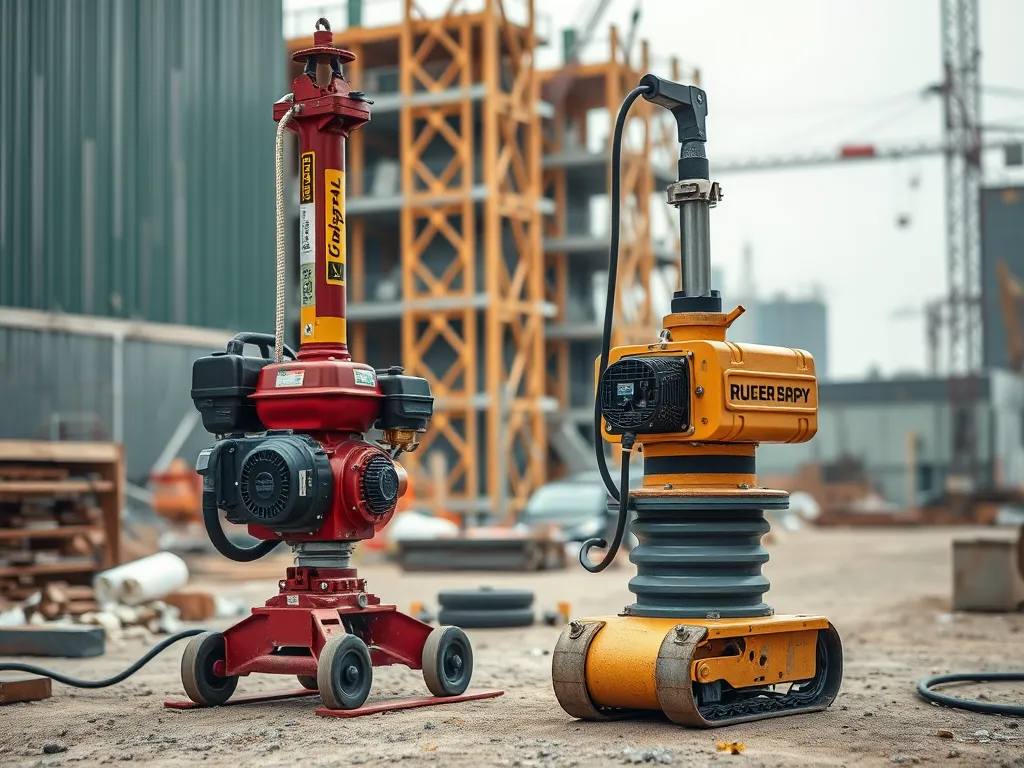
Dual-drum roller compactors weigh 1-20 tons for highway projects. Jumping jack tampers apply 1,800-2,500 impacts per minute – suited for utility cuts. Bomag’s BW174 roller exemplifies heavy-duty asphalt compaction.
Mechanics of Traditional Compaction in Asphalt Projects
Steel-wheel rollers use kneading action between drums. Static rollers achieve 95% density through multiple passes. Jumping jacks compact vertical layers near curbs with 1,100-lb force per strike.
With both methods explained, let’s examine how their differences impact asphalt job performance.
Vibratory Plate Compactor Vs Traditional Compactors: Core Differences
1. Functionality in Asphalt Applications
Vibratory plate compactors use rapid plate vibrations (3,000-6,500 VPM) to bind asphalt surface layers. Traditional compactors like rollers rely on weight (1-20 tons) and slow rolling for deeper soil or base layers.
Surface Compaction vs Deep Layer Compaction
Plate compactors excel on 2-4″ asphalt lifts due to high-frequency plate vibrations. Rollers handle 8-12″ base layers through static force. Jumping jacks (gas-powered) punch soil with 1,200-1,800 BPM but risk asphalt cracks.
2. Efficiency Comparison
Walk-behind plate models compact 200-400 sq ft/hour. Rollers cover 1,000+ sq ft/hour but lack edge precision.
Speed of Asphalt Density Achievement
Vibratory plates hit 95% density in 2-3 passes (per ASTM D1557). Rollers need 5-8 passes for similar results on thicker layers.
Maneuverability in Tight Spaces
30″ plate compactors fit near curbs or utilities. Rollers require 5-8 ft clearance. Jumping jacks work in trenches but damage fresh asphalt.
3. Operational Costs
Plate compactor rentals cost $60-$150/day. Rollers run $250-$600/day plus haul fees.
Fuel Consumption Patterns
Gas plate models use 0.5-1 gal/hour. Diesel rollers burn 2-3 gal/hour. Electric vibratory plates cut fuel costs by 100%.
Long-Term Maintenance Requirements
Vibratory plates need bolt checks and plate waxing ($20/month). Rollers require drum alignment, fluid changes, and engine repairs ($150+/month).
4. Safety Considerations
OSHA reports 12% fewer injuries with plate compactors vs rollers (2022 data).
Operator Fatigue Reduction
Vibratory models transfer 50% less shock than jumping jacks. Anti-vibe handles lower hand-arm vibration (HAV) below 2.5 m/s².
Stability on Hot Asphalt Surfaces
Wide-base plates (20″+) prevent sinkage in 300°F asphalt. Narrow roller drums can leave ruts if paused mid-pass.
With core contrasts clear, let’s match tools to job specs.
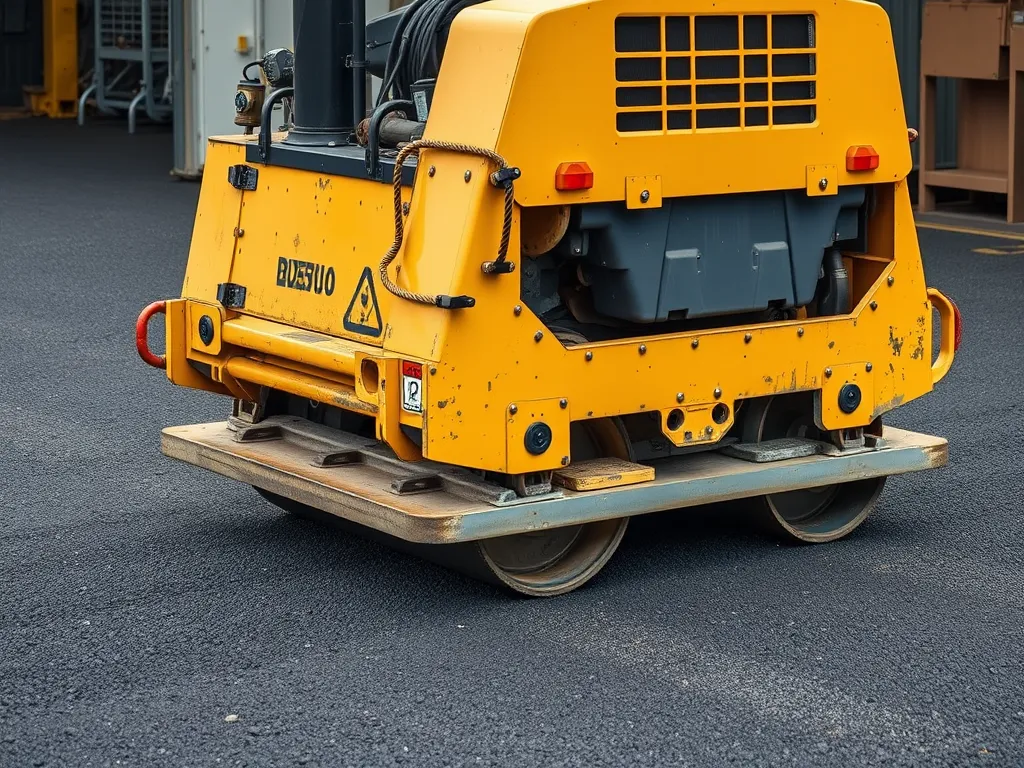
Choosing Equipment for Asphalt Projects
Pick gear based on job scale and mix type. Wrong tools waste time, cash, and hurt pavement life.
Project Size Considerations
Match compactor size to work zones. Gear shifts for patching potholes or paving interstates.
Small Repairs vs Large-Scale Paving
Walk-behind plate compactors rule small jobs. Their 12-24″ plates fit driveways, edges, and patches. For roads over 1 mile, ride-on rollers win. Single-drum rollers cover 60-80 inches per pass at 3-6 mph.
Material Compatibility
Hot asphalt acts different than cold mix. Plate force and shake must suit mix temps and stone sizes.
Optimal Use Cases for Vibratory Plates in Asphalt
Vibratory compactor machines crush 95°F+ asphalt best. 5,000+ VPM (vibrations per minute) presses 3/4″ stone into tight mats. Use plates for thin lifts (1-3″) and top coat sealing.
When to Use Rollers or Jumping Jacks
Sheepfoot rollers tackle base layers with 6″ lifts. Jumping jacks handle cold patch in tight spots. Split-drum rollers bond chip seals at 12-15 psi.
Next, let’s break down how noise and fumes vary between gear types.
Also See: Benefits Of Using Artificial Aggregates in Asphalt
Environmental Impact Of Compaction Methods
Construction sites must weigh ecological effects when selecting tools. Vibratory plate compactors differ from traditional compactors in noise output, emissions, and compliance with green building codes.
Noise Pollution Levels
Vibratory plate compactors operate between 80-85 decibels (dB) during asphalt work. Electric models cut levels to 75 dB. Traditional compactors like diesel-powered rollers hit 90-95 dB. Jumping jacks reach 100 dB—equivalent to chainsaw use. Cities like New York enforce 85 dB limits for daytime construction, favoring vibratory units.
Emissions Comparison
| Equipment Type | CO2 Output | Particulate Matter | Fuel Use |
|---|---|---|---|
| Vibratory Plate (Electric) | 0 g/hour | 0 g/hour | 1-2 kWh |
| Diesel Roller | 6,500 g/hour | 4.5 g/hour | 3-5 gallons/hour |
| Gas Jumping Jack | 4,200 g/hour | 3.1 g/hour | 1.2 gallons/hour |
Electric vibratory models eliminate exhaust gases entirely. Diesel rollers emit nitrogen oxides (NOx) regulated under EPA Tier 4 standards. California’s CARB rules require particulate filters on newer diesel compactors.
Next, we’ll examine how upkeep costs stack up between these machines.
Maintenance Requirements
Upkeep impacts tool lifespan and job quality. Choosing between vibratory plates and traditional compactors affects work schedules and costs.
Vibratory Plate Upkeep for Asphalt Work
Vibratory compactor machines need minimal but frequent care. Daily tasks: check oil levels (10W-30 or 10W-40), inspect plate compactor vibrations for consistency, clean asphalt buildup. Monthly: swap air filters, tighten bolts on the vibrating plate. Annually: swap polyurethane skid shoes (cost: $45-$75/pair) to avoid metal-on-asphalt contact. Hydraulic systems in walk-behind models require fluid swaps at 100-150 hours. Centrifugal force mechanisms stay intact if plates stay crack-free.
Traditional Compactor Servicing Needs
Roller compactors and jumping jacks demand complex upkeep. Diesel rollers need fuel filter swaps every 500 hours ($80-$120), drum alignment checks, and water system flushes to stop asphalt sticking. Jumping jack tampers require carburetor cleaning every 50 hours, recoil spring swaps (cost: $30-$60), and foot plate inspections for warping. Both tools burn 0.5-1.2 gallons of fuel hourly, outpacing vibratory units. Drum bearings on a plate roller fail fast without bi-weekly lubrication.
Tool care shapes long-run costs and downtime. Up next: common queries about picking compaction tools for asphalt jobs.
FAQ: Asphalt Compaction Equipment
Is a Plate Compactor the Same As a Traditional Compactor?
No, plate compactors use vibratory motion for surface compaction, while traditional compactors like rollers apply static weight for deeper layers.
Are Vibratory Rollers Efficient in Compacting Asphalt?
Yes, vibratory rollers are very efficient for asphalt compaction, particularly for larger areas and deeper layers, but they may not achieve edge detail as well as plate compactors.
Is a Vibratory Plate Compactor Better Than a Jumping Jack for Asphalt Patches?
For asphalt patches, a vibratory plate compactor is generally better because it provides a more uniform compaction without the risk of damaging the freshly laid asphalt, which can occur with jumping jacks.
When is a Roller Preferable to a Vibratory Compactor for Asphalt?
A roller is preferable when compacting thick base layers or large asphalt patches where deep, extensive compaction is essential, as rollers provide the static weight needed for these applications.
What Are the Lifespan Differences Between Vibratory and Traditional Compactors?
Typically, vibratory compactors have a longer lifespan due to fewer complex mechanical parts compared to traditional compactors, which require more maintenance and repairs due to their heavier machinery and engine components.
How Do Noise Levels Compare Between Vibratory Compactors and Traditional Models?
Vibratory compactors generally operate at lower noise levels (80-85 dB), while traditional models, especially diesel rollers and jumping jacks, can reach 90-100 dB, making vibratory types more suitable for noise-sensitive areas.
What Should I Consider Regarding Emissions When Choosing Compaction Equipment?
When choosing equipment, consider that electric vibratory compactors produce zero emissions, while diesel rollers can emit significant levels of CO2 and particulate matter, which may be subject to regulatory limits.
Are There Any Specific Training Requirements for Operating These Compactors?
Yes, operating both vibratory and traditional compactors often requires training to ensure safety, especially regarding vibration exposure and understanding machine functions to maximize efficiency and minimize injuries.
Can Vibratory Compactors Be Used on Both Asphalt and Soil?
Yes, vibratory compactors can be used on both asphalt and certain types of soil. However, the effectiveness may vary depending on the soil type and moisture content.
Closing Thoughts
When weighing the advantages of vibratory plate compactors against traditional compactors, it becomes clear that each has specific strengths tailored to different asphalt projects. Vibratory plate compactors excel at surface-level compaction and maneuverability, especially in tighter spaces. On the other hand, traditional compactors like rollers offer robust performance for deep layer compaction, making them ideal for larger paving jobs.
Choosing the right equipment hinges on project scale, material compatibility, and operator comfort. Both tools play vital roles in achieving the desired density and durability in asphalt surfaces. Additionally, considering environmental impacts and maintenance needs is essential for optimal performance and longevity.
For more information on asphalt compaction and tools to enhance your projects, check out Asphalt Calculator USA.
Additional Resources for You:
- American Association of State Highway and Transportation Officials (AASHTO). (2008). Mechanistic-Empirical Pavement Design Guide (MEPDG). Washington, DC: AASHTO.
- Hand Tamper Vs Plate Compactor – A Comparative Analysis – VEVOR Blog
- Explain Vibratory Plate Compactor Compaction Equipment

