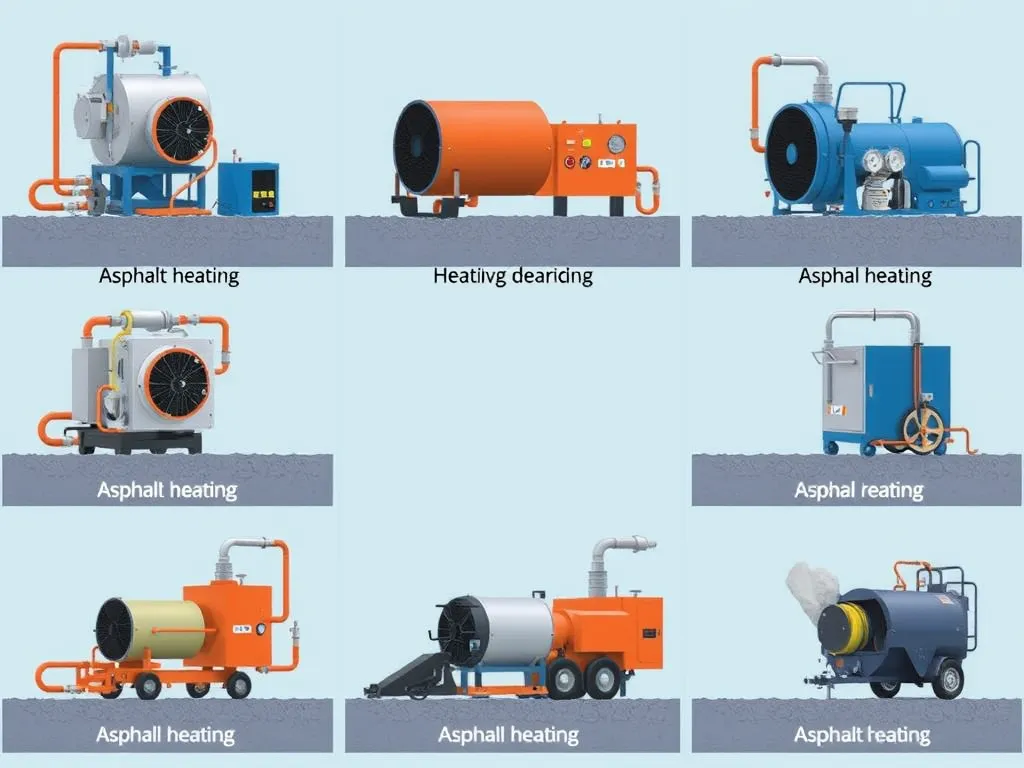
How to Train Operators for Effective Paver Machine Use in Asphalt Operations
Published on: February 11, 2026 | Last Updated: April 14, 2025
Written By: George Voss
Training operators for effective paver machine use combines classroom learning, hands-on practice, and safety drills to ensure smooth asphalt placement. Programs focus on three areas: machine controls (auger speed, screed height), material handling (temperature checks at 275-325°F for Hot Mix Asphalt), and jobsite coordination. Modern training uses VR simulators for screed adjustment drills, live mix demos for mat consistency checks, and OSHA-10 certification for hazard protocols like hot material handling. Key skills include reading grade sensors within 1/8-inch accuracy, preventing segregation during pours, and syncing paver speed (3-15 feet per minute) with dump trucks.
This guide breaks down paver operator training into eight actionable steps. You’ll learn paver components like the hopper, auger, and screed plate. Discover daily tasks from checking HMA temps to troubleshooting mat tears. We cover certification paths (40-hour courses averaging $1,200), safety gear (heat-resistant gloves, steel toes), and field techniques like joint matching. Later sections detail emission controls, recycling RAP (Reclaimed Asphalt Pavement) mixes, and FAQs on paver maintenance. Whether paving highways or driveways, these methods keep projects on-spec and on-budget.
Understanding Asphalt Paver Machine Fundamentals
Paver machines shape roads. Train paver machine operators to know parts, roles, and steps for smooth asphalt work.
Key Components and Functions Of Asphalt Pavers
Main parts include the hopper, conveyor, auger, screed, and controls. The hopper holds hot mix asphalt (HMA) from trucks. Conveyors move mix to augers. Augers spread mix evenly. The screed levels and compacts the mat. Operators must learn to adjust each part for grade, slope, and depth.
How a Paver Machine Works in Asphalt Applications
Pavers lay HMA in one pass. Trucks feed mix into the hopper. Conveyors push mix to the auger. The screed then shapes the mat. Trained operators set paver speed, mix flow, and heat levels. Poor settings cause bumps, cracks, or thin spots.
Asphalt-Specific Workflow: From Mix Delivery to Compaction
Work starts when HMA trucks arrive at 280-330°F. Operators check mix heat and texture. The paver spreads mix at 10-20 feet per minute. Screed plates pre-compact the mat to 92-98% density. Rollers finish full compaction after. Train paving operators to track this flow for no delays or cold joints.
Mastering these steps builds skill for the next phase: the operator’s role in site work.
Role Of a Paver Operator in Asphalt Paving
Paver operators shape roads. They guide machines that lay hot asphalt mix. Their work sets the base for smooth, long-lasting pavement. Errors here lead to cracks or bumps. Proper paver operator training prevents these issues.
Core Responsibilities in Asphalt Layer Placement
Operators control paver speed, spreader bars, and screed height. They check mix temps (280-325°F for HMA) and adjust feeders. Tasks include:
– Matching truck dump speeds to avoid stops – Setting correct mat depth (1.5-4 inches typical) – Keeping joints tight for seamless lanes Faults in these steps cause uneven wear. Train paving machine operators to sync with trucks and rollers.
Quality Control Duties for Smooth Surface Finish
Operators scan for gaps, lumps, or color shifts in the mat. They use tools like density gauges and infrared thermos to spot flaws. Key checks:
– Mat temp drops below 225°F? Signal roller teams fast – Depth shifts over 1/8 inch? Adjust screed on the go – Edge lines ragged? Fix slip shoes or augers Paver operation training teaches how to read these signs. Fix issues before compaction starts.
Mastering these roles needs both skill and sharp eyes. Next, let’s break down the key skills every operator must learn.
Essential Skills for Asphalt Paver Operators
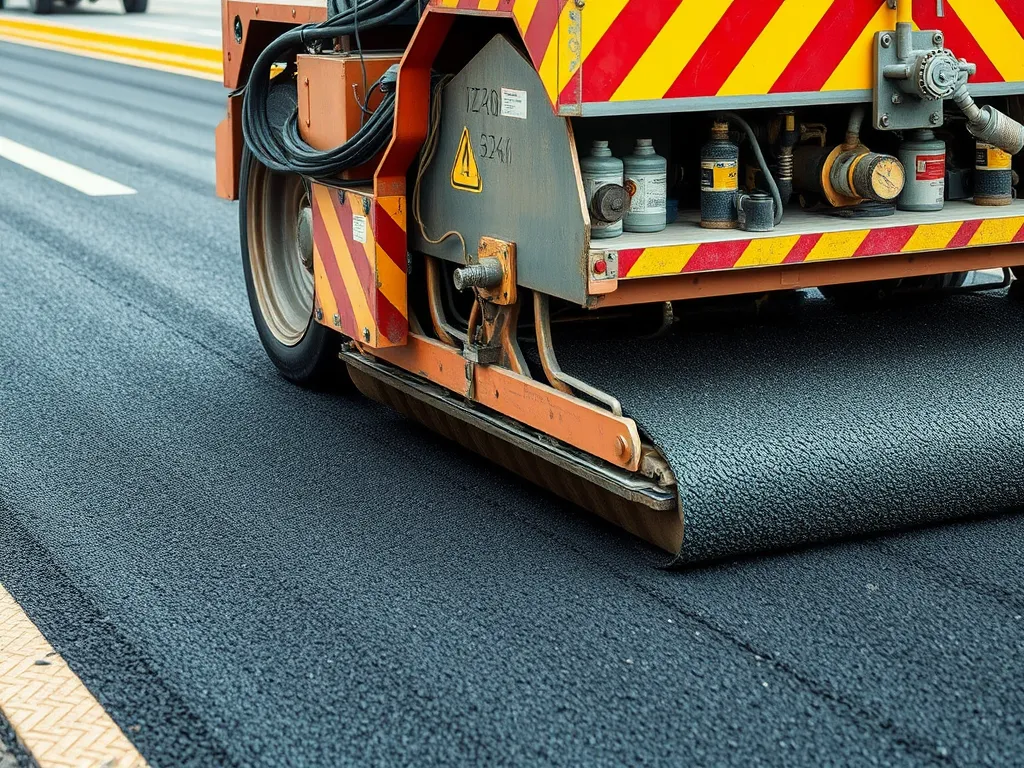
Paver machine training builds skills for smooth roads. Operators must master three core areas: machine handling, mix checks, and team work. Let’s break down each skill set.
Machine Control and Temperature Management
Operators learn to adjust screed height, slope, and mix flow. Trainers stress heat control – hot mix asphalt (HMA) works best at 275-325°F. Low temps cause poor compaction. High temps risk binder damage. Use infrared guns to track mat temps every 15 minutes. Teach emergency stops if temps drop below 250°F.
- Set auger speed to match truck dump rates
- Adjust vibrators for 70-80 Hz to settle HMA
- Keep paver speed under 15 ft/min for even spread
Asphalt Mat Consistency Monitoring Techniques
Good paver operators training includes spotting mat flaws. Look for streaks, tears, or color shifts. Use hand tools to check thickness every 50 feet. Track density gaps with nuclear gauges (target: 92-96% compaction). Fix edge drop-offs before rollers arrive.
- Test mat smoothness with 10-foot straightedge
- Watch for segregation near auger ends
- Match joint lines between passes within 1/8 inch
Coordinating With Asphalt Delivery and Compaction Teams
Paver use training teaches crew sync. Operators signal trucks via radio to keep 2-3 loads ahead. Time roller passes within 10 minutes of paving. Use hand signs to guide dump truck drivers. Track wind speed – above 15 mph cools HMA faster.
- Plan truck routes to avoid paver stops
- Share temp logs with roller teams
- Flag cold spots for extra compaction
These skills form the base for paver operator courses. Next, we’ll explore how to structure full training programs with class work and field drills.
Also See: Maintenance Costs Over Time: Detailed Comparison
Structured Training Program Development
Build programs mixing book smarts and field work. Balance theory with real paver action.
Classroom Instruction: Asphalt Paver Theory
Start with basics. Teach how HMA acts under heat, weight, and time. Use charts to show mix grades like PG 64-22 binders.
Material Properties of Hot Mix Asphalt (HMA)
Break down HMA parts: stone, sand, filler, bitumen. Stress temp targets – 275-325°F for laydown. Show how wrong heat causes cracks or voids. Demo Superpave specs for road jobs.
Hands-on Paver Operation Training
Move trainees to mock sites. Run gear like Blaw-Knox PF-161 or Volvo ABG. Focus on three skills: screed setup, feed control, speed match.
Live Asphalt Pouring Simulations
Set up test pours with real HMA trucks. Teach truck-paver handoffs. Track mat temps with IR guns. Fix flaws like ripples or tears on the spot.
Joint Matching and Edge Control Drills
Use string lines for straight edges. Train on overlap cuts for cold joints. Test with 10-foot straightedge – gaps over 3/16″ fail specs. Repeat until smooth ties.
Strong crews handle more than gear. Next: safety steps that keep teams sharp when temps rise or gear jams.
Safety Protocols for Asphalt Paver Operations
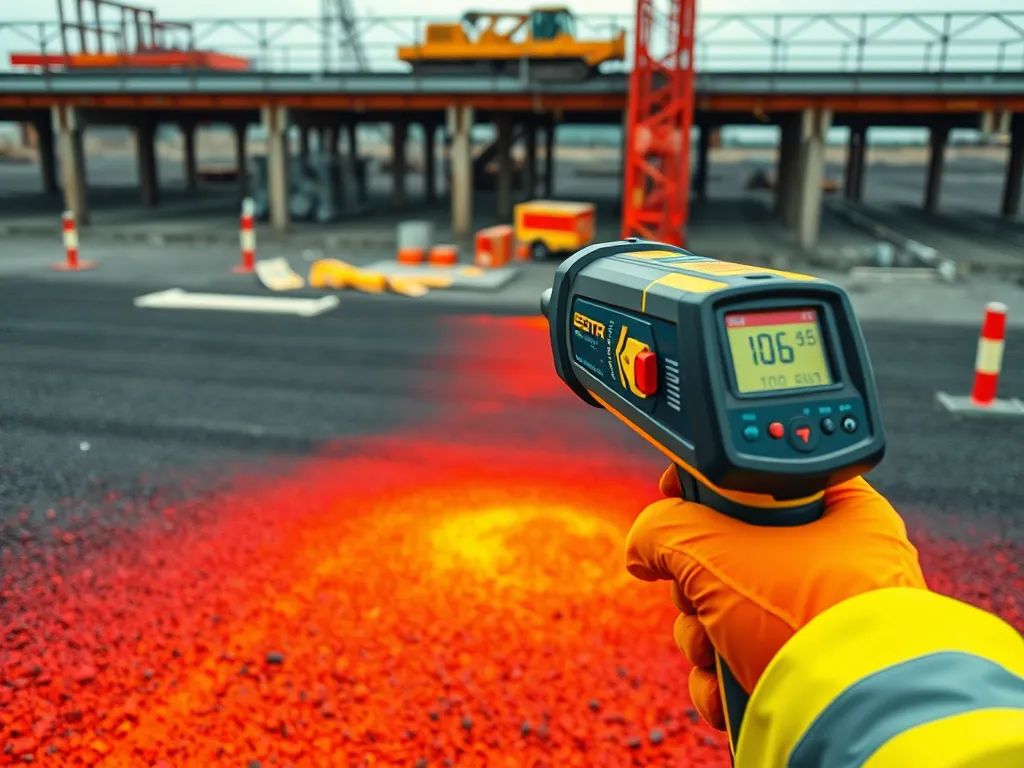
Effective paver machine training prioritizes hazard management. Workers face risks from 300°F hot mix asphalt (HMA), moving machinery parts, and high-decibel equipment. Rigorous safety protocols cut incident rates by 62% in certified crews.
Hot Mix Asphalt Handling Precautions
HMA requires specific handling during paver machine training:
- Wear heat-resistant gloves, face shields, and aluminized suits when adjusting screeds or feed systems
- Maintain 3-foot clearance from HMA delivery trucks during dump cycles
- Verify mix temperature stays between 275-325°F using infrared thermometers
Train paving operators to identify steam pockets in stored HMA – a sign of moisture contamination. Implement “no bare skin” policies within 10 feet of active paving zones.
Emergency Shutdown Procedures for Paver Malfunctions
Paver operator courses drill these steps for machine failures:
- Engage parking brake immediately
- Cut power at the main hydraulic disconnect
- Tag out controls with bright lockout flags
Simulate common asphalt paver emergencies during training: screed settlement failures, conveyor jams, or HMA spillage. Crews that practice quarterly shutdown drills reduce response errors by 41%.
Mastering these protocols prepares teams for the next phase: meeting formal certification benchmarks.
Certification Requirements for Asphalt Paver Operators
Proper paver operator training needs formal certification. Most states and firms demand proof of skill. Certificates show mastery of safety steps, machine controls, and mix handling.
Accredited Training Course Components
Courses approved by bodies like NCCER (National Center for Construction Education and Research) cover three key areas. First, paver machine operations: startup steps, screed setup, and speed control. Second, HMA (Hot Mix Asphalt) management: tracking temps (280-325°F), avoiding segregation, and mat checks. Third, on-site safety: PPE use, burn risks, and spill clean-up. Trainees also learn joint builds, slope math, and grade checks.
Typical Duration and Cost Of Certification Programs
Most paver operator courses run 40-80 hours. Short programs (1-2 weeks) cost $1,500-$3,000. Longer tracks with live pours (4-8 weeks) hit $4,000-$5,000. Union apprenticeships add 2-4 years but cut fees. Some states need extra tests ($75-$200). Firms like Cat and Volvo offer machine-specific training at $250/day.
With certifications in place, crews shift focus to field-tested methods for smooth mats and tight joints. Next up: tweaking paver moves to dodge mix flaws.
Best Practices for Efficient Asphalt Paving
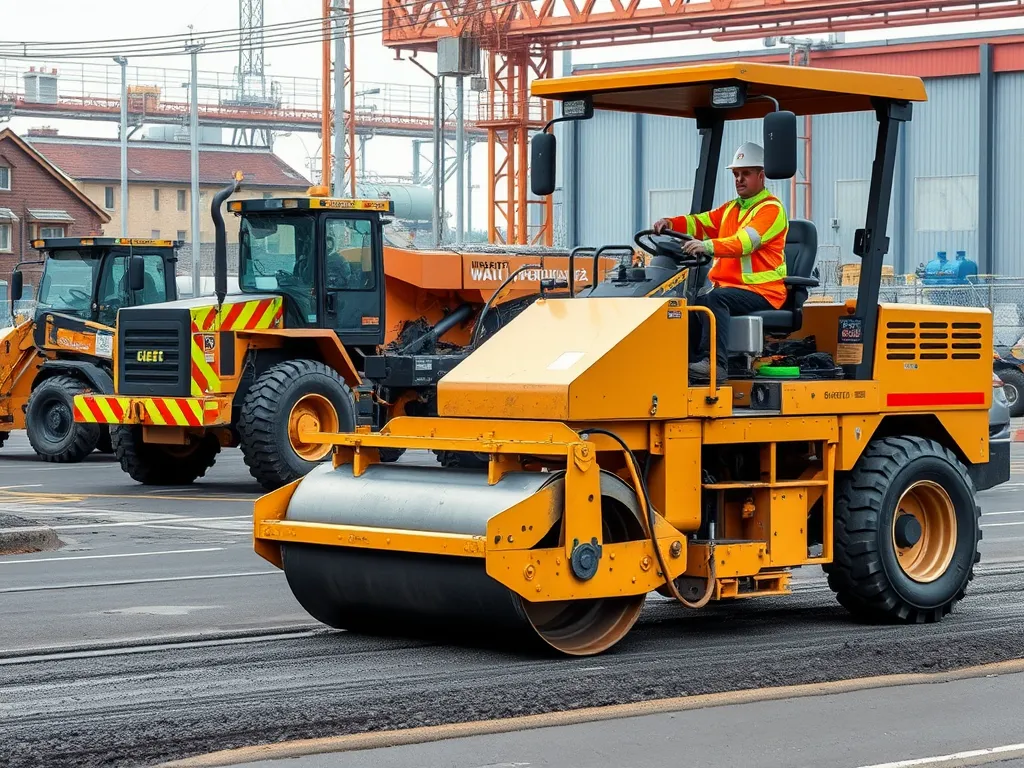
Proper paver operator training bridges the gap between theory and real-world performance. These techniques ensure smooth asphalt placement while meeting project specifications for density and longevity.
Optimizing Paver Speed for Mat Consistency
Paver speed directly impacts mat quality in asphalt operations. Operators learn to maintain 3-15 feet per minute, adjusting based on HMA temperature (275°F to 325°F) and truck delivery rates. Training simulations show how sudden stops create uneven thickness – a 20% speed change can alter mat depth by ½ inch. Instructors emphasize constant communication with material handlers to prevent gaps in mix supply.
Preventing Segregation in Asphalt Mix Placement
Segregation training focuses on hopper management and auger control. Operators practice keeping at least 6 inches of mix in the hopper to maintain head pressure. Live drills demonstrate how improper auger speed (below 75% capacity) causes aggregate separation. Courses cover windrow formation techniques and tandem vibrator settings (3,000-4,500 vibrations per minute) to ensure uniform particle distribution.
Mastering these skills reduces rework rates by up to 35% on asphalt projects. Next, we’ll explore how environmental protocols shape modern paver machine training programs.
Environmental Considerations in Asphalt Paving
Proper training for paver crews directly impacts environmental outcomes. Modern programs address two critical areas: emission control during machine use and maximizing recycled material performance.
Reducing Emissions During Paver Use
Training teaches crews to minimize exhaust output. Adjusting engine RPM between 1,600-1,800 reduces fuel consumption by up to 15% while maintaining hydraulic power. Programs emphasize using Tier 4 Final engines, which cut particulate matter by 90% compared to older models.
Temperature management proves vital. Keeping hot mix asphalt (HMA) at 275°F-325°F reduces fumes. Crews learn to monitor thermal cameras and adjust screed heaters precisely. Lowering mix temperature by 25°F decreases carbon emissions by nearly 12% per ton laid.
Recycling Best Practices for Asphalt Materials
Skilled crews enable higher recycled content without compromising quality. Training covers proper handling of reclaimed asphalt pavement (RAP) – milled material containing aged binder and aggregates. Crews practice blending RAP with virgin mix at 30% ratios, maintaining temperatures within 10°F of target specs.
Segregation prevention techniques get special focus. Crews master spreader auger speeds that maintain 95% material uniformity. Infrared joint heaters allow recycling adjacent lanes without overheating existing pavement. Proper RAP use cuts project costs by $8-$15 per ton while conserving virgin materials.
Up next: Answers to frequent questions about maintaining peak paver performance across varying job site conditions.

Paver Operator Training FAQs
How Does Temperature Affect Asphalt Paver Performance?
The temperature of hot mix asphalt (HMA) is critical for achieving optimal compaction and surface quality. If the HMA cools below the recommended range of 275°F to 325°F, it can lead to reduced viscosity of the asphalt binder, resulting in poor bonding and increased susceptibility to cracking. Maintaining the proper temperature ensures that the material flows smoothly through the paver and compacts efficiently, leading to a durable pavement surface.
What Maintenance Skills Do Paver Operators Need for Asphalt Work?
Paver operators should be trained in basic maintenance skills to keep the equipment running smoothly. This includes understanding daily maintenance checks, such as inspecting hydraulic systems, ensuring the augers and screed are functioning properly, and cleaning the paver at the end of each shift to prevent material buildup. Operators should also be familiar with troubleshooting common issues, like adjusting screed settings and addressing minor mechanical problems to avoid downtime during operations.
What Resources Are Available for Ongoing Operator Training and Development?
Ongoing training and development for paver operators can be found through industry associations, equipment manufacturers, and specialized training organizations. These resources may offer refresher courses, advanced workshops, and access to updated training materials that reflect the latest industry practices and technologies. Additionally, certification programs often provide opportunities for continued education and skill enhancement.
What Are the Common Challenges Faced by New Paver Operators During Training?
New paver operators typically encounter challenges such as mastering machine controls, achieving the correct mix temperature, and coordinating with other crew members. Difficulty in understanding the nuances of paver operation, such as adjusting screed settings or responding to changes in material delivery, can also arise. Effective training programs should address these challenges through hands-on drills and simulations that build confidence and competence.
How Can Teams Improve Communication on the Job Site?
Effective communication on the job site is vital for successful asphalt paving operations. Teams can improve communication by establishing clear protocols and using standardized signals for coordinating truck deliveries and roller operations. Regular briefings before starting work and using two-way radios or hand signals can help keep everyone informed about conditions and adjustments needed during the paving process.
What is the Importance Of Real-world Simulations in Training?
Real-world simulations are crucial for operator training as they provide practical experience in a controlled environment. These simulations allow operators to practice their skills in scenarios that mimic actual paving conditions, including adjusting to changing temperatures and working alongside other construction teams. By experiencing the challenges of the job in a safe setting, trainees build the confidence and skills necessary for effective performance during real projects.
Closing Thoughts
Training operators for effective paver machine use is vital for successful asphalt projects. By mastering the fundamentals, safety protocols, and best practices, operators can ensure high-quality paving results. Continuous education and hands-on experience foster skills that enhance performance, reduce waste, and promote safety on the job site.
A structured training program, inclusive of both theoretical knowledge and practical drills, lays the foundation for operator confidence and expertise. Certification adds credibility and signifies readiness to handle paver operations competently. Keeping environmental considerations in mind further contributes to sustainable practices within the industry.
For additional information and resources on asphalt operations, visit Asphalt Calculator USA.
Additional Resources for You:
- ASTM International (Asphalt & Pavement Standards)
- Paving, Surfacing, & Tamping Equipment Operators at My Next Move
- | AsphaltPro Magazine | How to Train New Operators to Pave
- How to Train Paver Console Basics| AsphaltPro Magazine
- How Every Paver Operator Should Start and End His Day | For Construction Pros