Handling Paver Machine Emergencies: Your On-site Survival Guide
Published on: February 2, 2026 | Last Updated: April 14, 2025
Written By: George Voss
Handling paver machine emergencies on asphalt sites requires immediate action to shut down equipment, protect crews, and contain hazards like hot material spills or mechanical breakdowns. Key steps include activating emergency stops, clearing personnel from danger zones, and using fire suppression tools for overheated components. Common asphalt-specific risks include conveyor blockages (causing 15-20% of unplanned downtime), hydraulic failures mid-pave, and 300°F+ asphalt spills requiring specialized containment.
This guide breaks down critical protocols for asphalt paving emergencies. Learn to identify high-risk scenarios like material feed jams or burner malfunctions. Get checklists for PPE (heat-resistant gloves, ANSI-approved face shields), emergency shutdown sequences, and spill containment tactics. We’ll cover OSHA-compliant response plans, crew communication strategies, and environmental safeguards to prevent asphalt pollution. Up next: step-by-step crisis management for paver operators.
Identifying Common Paver Machine Emergencies in Asphalt Operations
Recognizing paver machine emergencies early prevents costly delays and protects crews. Asphalt’s high-temperature properties and heavy machinery create unique hazards requiring specialized awareness.
Types Of Asphalt-specific Paver Emergencies
Three critical scenarios dominate paver-related incidents on asphalt job sites. Each demands swift action aligned with paver machine emergency protocols.
Material Blockages and Hot Asphalt Spills
Aggregate segregation or binder issues can clog conveyors, causing sudden asphalt spills at 300°F+. These blockages often stem from improper mix design (PG 64-22 binders) or moisture-contaminated aggregates. Uncontrolled spills risk burns, roadbed contamination, and project delays costing $500+/hour in downtime.
Mechanical Failures During Paving
Screed malfunctions, hydraulic leaks, or sensor errors disrupt mat consistency. A failed auger bearing, for example, creates uneven material flow, leading to surface irregularities exceeding ¼” tolerance. Immediate shutdown prevents costly rework—repairs average $1,200-$3,500 depending on component damage.
Fire Risks from Overheated Components
Paver exhaust systems operating above 900°F can ignite asphalt fumes or nearby vegetation. Fires spread rapidly; a single spark near diesel-powered units may escalate within seconds. NFPA reports 12% of asphalt site fires originate from paver engine compartments.
Spotting these emergencies early requires crew training on paver machinery emergency procedures. Next, let’s explore how proper safety gear and planning reduce risks when handling paver emergencies.
Essential Safety Preparations for Paver Machine Emergencies
Preparing for paver machine emergencies starts with proactive measures. Proper gear and site evaluations reduce risks when handling hot asphalt or equipment failures.
Required PPE for Paver Operators and Crew
Personal protective equipment (PPE) forms the first defense during paver machine emergency response. Crews need specialized gear for heat, visibility, and airborne hazards.
Heat-Resistant Gear for Asphalt Handling
Asphalt exits pavers at 300°F–350°F. Operators require Kevlar-lined gloves, aluminized aprons, and steel-toe boots with melt-resistant soles. Full-sleeve cotton or flame-retardant clothing prevents burns during spills or mechanical jams.
Visibility and Respiratory Protection
High-visibility ANSI Class 3 vests ensure crews stay seen near moving machinery. NIOSH-approved N95 respirators filter asphalt fumes, while powered air-purifying respirators (PAPRs) handle prolonged exposure during emergency handling of paver machines.
Pre-operation Hazard Assessments
Daily checks prevent 60% of paver machinery emergencies. Teams must scan for risks tied to terrain, weather, and asphalt mix before starting work.
Identifying Site-Specific Risks
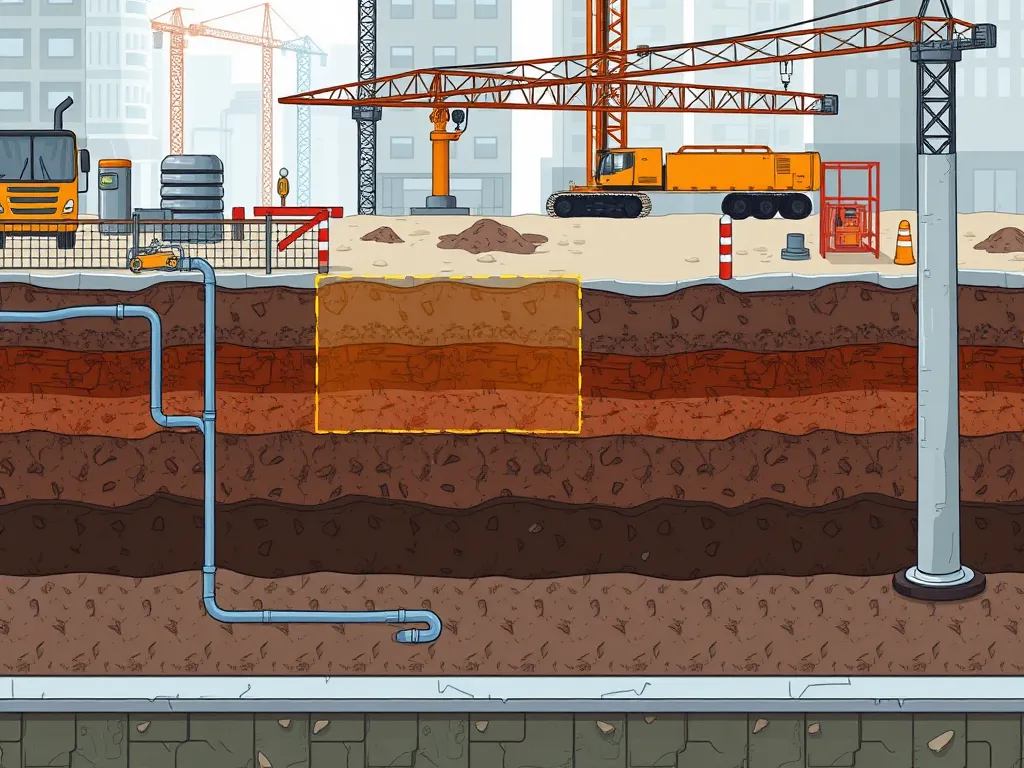
Map underground utilities, soft soil zones, and overhead obstacles. Uneven terrain increases slip-and-crush risks during paver machine emergency procedures. Proximity to traffic? Install barricades to isolate hazardous areas preemptively.
Teams trained in paver incident management spot risks faster. Document findings and share with all crew members before ignition. Up next: Protocols for responding to paver emergencies when prevention measures fall short.
Emergency Response Protocols for Paver Machinery
Quick action during paver machine emergencies prevents injuries and costly delays. Follow structured protocols tailored to asphalt operations for optimal results.
Immediate Steps During an Emergency
Speed matters when handling paver machine emergencies. Prioritize human safety while securing equipment and materials.
Shutting Down the Paver Safely
Engage the parking brake immediately. Lower the screed to the ground to prevent sudden drops. Turn off the engine using the master switch. Disengage conveyors and augers to halt material flow. Never leave the operator seat until all moving parts stop completely.
Isolating Hazardous Areas
Mark a 25-foot perimeter around the paver with caution tape or traffic cones. Use absorbent granules for hot asphalt spills exceeding 300°F. Block access to leaking hydraulic lines (2,000+ PSI risks). Activate emergency lighting if visibility drops below 500 feet.
Role Of the Paver Operator in Crisis Management
Operators lead emergency response efforts. Training on ASTM F2413-18 standards ensures readiness for asphalt-specific scenarios.
Communication and Incident Reporting
Alert the crew via two-way radios within 10 seconds of shutdown. Report exact locations using GPS coordinates from the paver’s telematics system. Document temperatures, material batch numbers, and equipment codes on OSHA Form 301. Share updates every 15 minutes until the site is secure.
Coordinating with On-Site Personnel
| Role | Action |
|---|---|
| Foreman | Activate spill kits for PG 64-22 binder leaks |
| Safety Officer | Monitor air quality for H2S gas levels |
| Laborers | Deploy wheel loaders to create firebreaks |
Assign roles based on NIOSH-certified emergency response levels. Maintain visual contact with all team members during evacuations.
With protocols executed, focus shifts to long-term preparedness. Next, learn how to build site-specific plans that account for seasonal asphalt challenges and crew rotations.
Also See: Performance Of Reclaimed Asphalt Pavement: Key Insights
Establishing On-site Emergency Procedures
Clear steps save lives when paver machines fail. Set rules before work starts. Update plans with each new job site.
Developing a Paver-specific Emergency Plan
Paver issues need unique fixes. Write steps for spills, fires, and breakdowns. Test plans with your crew.
Evacuation Routes for Asphalt Sites
- Mark clear paths away from hot mix zones
- Use bright signs that work in smoke or dust
- Keep exits free of tools and trucks
Practice escape drills weekly. Time crews – aim for under 90 seconds.
Emergency Contact Protocols
- Post numbers for fire crews and spill teams
- Assign one worker to call for help
- Keep backup radios charged onsite
Test phone lines daily. Update contacts when paving moves to new roads.
Training Drills for Paver-related Scenarios
Drills cut panic when real issues hit. Run mock crises monthly. Track times and mistakes.
Simulating Asphalt Spill Responses
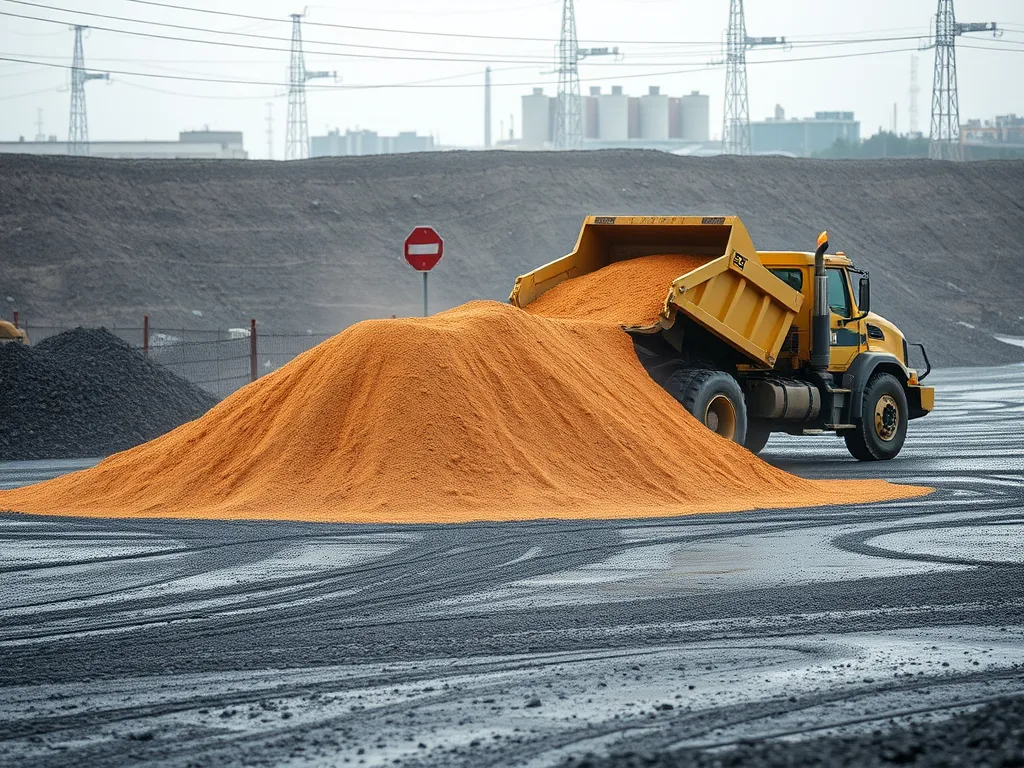
- Dump warm sand as fake hot mix
- Time crew on berm setup (goal: <5 mins)
- Test spill kits for missing tools
Grade teams on speed and safety. Repeat drills until scores hit 95%+.
Strong plans lead to safe sites. Next, learn how to shield land and streams when crises strike.
Environmental Protection During Paver Emergencies
Paver issues can harm soil, water, and air if not handled right. Hot asphalt spills over 300°F risk seeping into ground or storm drains. Crews must act fast to limit harm while fixing the machine fault.
Containing Asphalt Spills to Prevent Pollution
Stop flow first. Close paver feed gates and lower the screed. Use shovels to block spill paths toward drains. Isolate the zone with cones or tape. For big leaks, form dirt berms around the spill edge.
Emergency Containment Tools and Methods
Keep spill kits near pavers: oil-absorb pads ($200-$500 per kit), metal bins, and fast-set sealants. Lay pads on thin spills—they soak 3x their weight. For thick pools, use vacuums that handle 10-20 gal/min. Bag waste in EPA-approved drums. Never hose spills—this spreads toxins.
Proper spill control sets the stage for next-step FAQs on crew roles and fire risks. Clear the area, then focus on gear checks.
FAQs: Handling Paver Machine Emergencies
What Should I Do if My Paver Machine Catches Fire?
If your paver machine catches fire, immediately activate the emergency stop and alert all personnel in the area. Use the nearest fire extinguisher to attempt to control the fire if it is safe to do so. Evacuate the area and call emergency services. Ensure that a designated person has the contact information for local fire response teams ready.
How Can I Minimize Environmental Damage During a Paver Emergency?
To minimize environmental damage during a paver emergency, quickly implement containment measures like using dirt berms to block spills and absorbent pads to soak up asphalt. Always keep spill kits on-site, and ensure your crew is trained in proper spill response techniques to prevent contamination of soil and water sources.
What Training is Necessary for Crews Responding to Paver Emergencies?
Crews responding to paver emergencies should undergo regular training that includes hazard awareness, proper use of PPE, spill containment procedures, fire safety protocols, and emergency communication methods. Conducting regular drills and simulations helps reinforce these skills and prepares crews for real emergencies.
What Equipment is Essential for Emergency Response in Paver Operations?
Essential equipment for emergency response in paver operations includes fire extinguishers, spill kits (containing absorbent materials and sealants), communication devices (such as two-way radios), and first aid kits. Ensure that all equipment is fully stocked, easily accessible, and inspected regularly for functionality.
How Do I Maintain Effective Communication During a Paver Emergency?
Effective communication during a paver emergency can be maintained by using clear, direct language and pre-established channels, such as two-way radios. Designate a leader who is responsible for relaying crucial information and updates to crew members, coordinating activities and ensuring that everyone is accounted for throughout the emergency response.
Closing Thoughts
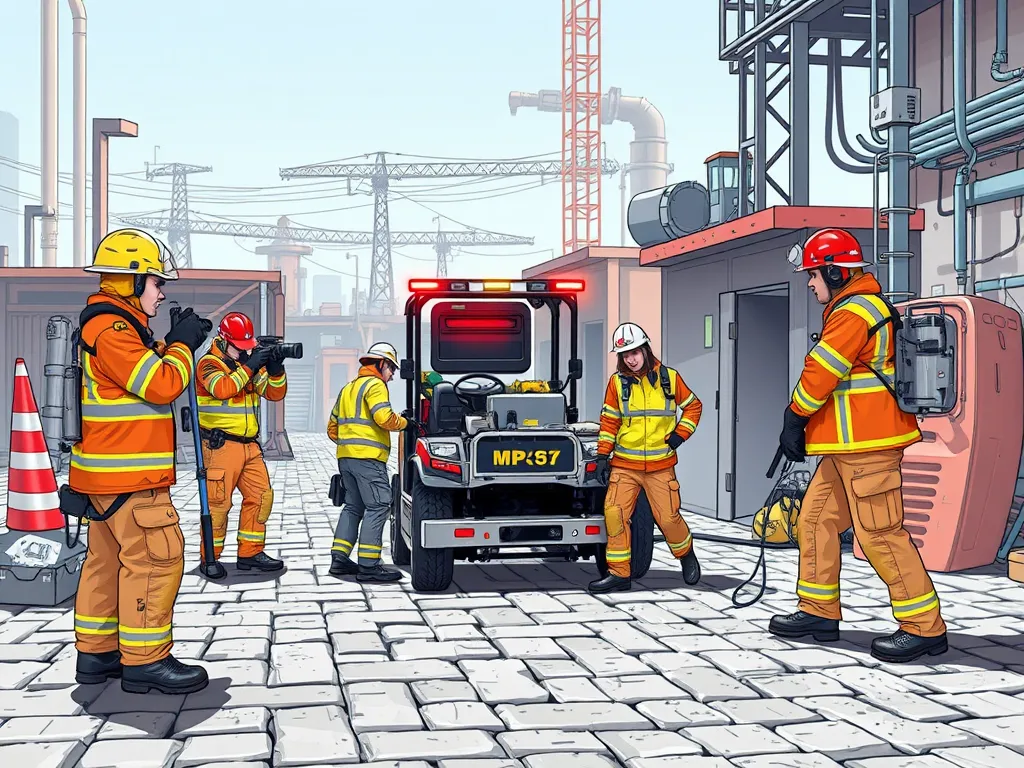
Handling paver machine emergencies effectively is vital for the safety and efficiency of asphalt operations. By identifying common issues, preparing with proper safety measures, and following established protocols, crews can minimize risks and respond swiftly. Understanding the role of each team member during a crisis and training regularly ensures everyone is equipped to act decisively. Proactive planning and environmental considerations further enhance site safety.
For more comprehensive information on asphalt operations and related topics, visit Asphalt Calculator USA.
Useful References for You:
- The Asphalt Institute. (2007). MS-4: The Asphalt Handbook. Lexington, KY: Asphalt Institute.
- Paver (vehicle) – Wikipedia
- The Inner Workings of Asphalt Paver Components: A Complete Guide – LeeBoy®
- Asphalt Paving Equipment: What Equipment is Used for Asphalt Paving?
- Asphalt Paving Machines: Screeds & Asphalt Pavers | Cat | Caterpillar