
How to Enhance Load-bearing Capacity in Asphalt
Published on: January 25, 2026 | Last Updated: April 14, 2025
Written By: George Voss
Enhancing asphalt’s load-bearing capacity means boosting its strength to handle heavier weights without cracking or rutting. This requires high-quality materials like PG (Performance Grade) binders, polymer-modified asphalt mixes, and precise construction methods such as achieving 92-98% compaction density during paving. Adding fiber reinforcements or recycled steel slag aggregates can increase durability by up to 30%, while proper drainage systems and timely crack sealing prevent structural weakening over time.
This article breaks down the science of building tougher asphalt surfaces. You’ll learn how mix designs with crushed granite or limestone improve stability, why SBS polymer additives resist deformation under semi-truck traffic, and how perpetual pavement designs reduce long-term wear. We’ll also cover maintenance fixes like infrared patching and sealcoating schedules that protect your investment. From base layer prep to eco-friendly recycled rubber additives, every strategy targets one goal: asphalt that carries more, lasts longer.
Understanding Asphalt Load-bearing Capacity
Asphalt’s ability to withstand weight determines its lifespan under traffic. Load-bearing capacity defines how pavements handle vehicles, weather, and time. Let’s break down its core concepts.
What is Load-bearing Capacity in Asphalt?
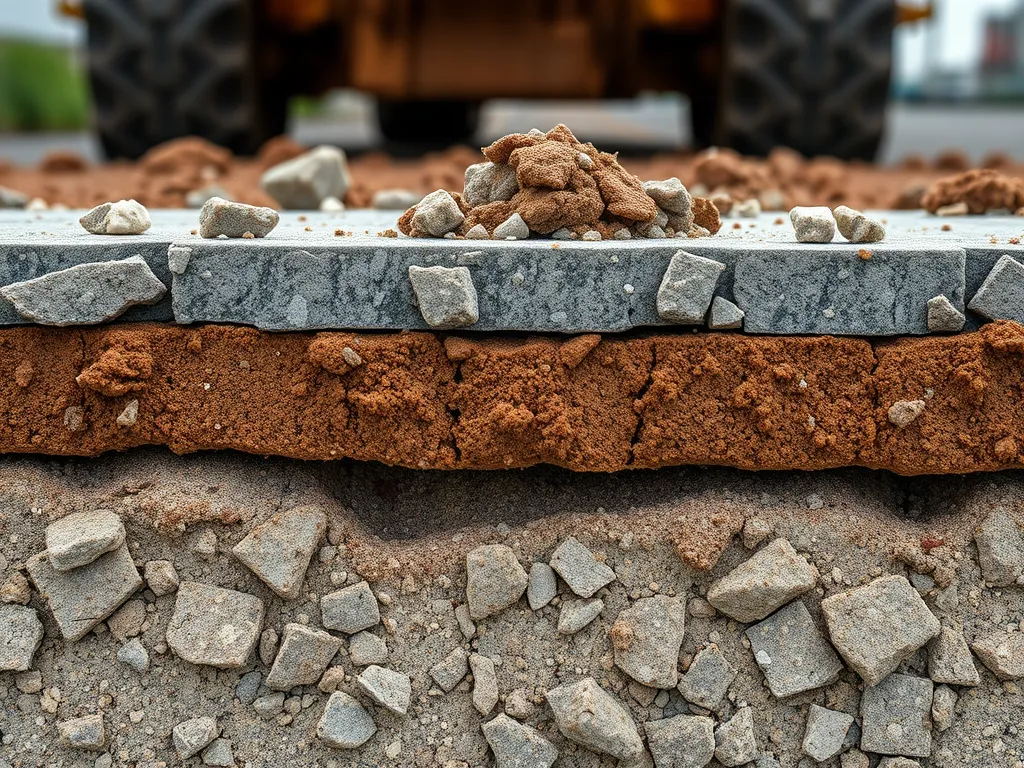
Load-bearing capacity measures the maximum weight asphalt can support without cracking or deforming. Engineers quantify it in pounds per square inch (PSI) or megapascals (MPa). For example, standard asphalt pavements typically handle 300-500 PSI, while reinforced mixes exceed 700 PSI. This strength comes from layered systems: a 2-4 inch surface course, 6-12 inch base layer, and compacted subbase. Proper design distributes weight across these layers, preventing premature failure.
Why Load-bearing Capacity Matters for Pavement Longevity
Weak asphalt cracks under heavy trucks, leading to ruts, potholes, and costly repairs. A 20% increase in load capacity can extend pavement life by 10+ years. High-traffic areas like truck lanes or airport runways require 25-40% stronger mixes than residential roads. Freeze-thaw cycles, moisture infiltration, and aging binders further stress low-capacity surfaces. Enhancing asphalt load-bearing capacity reduces maintenance costs by up to 35% over two decades.
With a clear grasp of asphalt’s load-bearing fundamentals, we can examine the factors that influence its performance under pressure.
Key Factors Affecting Asphalt Load-bearing Capacity
Multiple elements influence how well asphalt withstands weight over time. Focusing on these factors ensures pavements meet traffic demands while minimizing structural failures.
Material Composition and Quality
Superior materials form the foundation of durable pavements. Aggregates like crushed limestone or granite paired with high-grade bitumen binders directly impact strength. Substandard materials lead to premature rutting or cracking under loads.
Role of Aggregates and Binders
Aggregates provide 90-95% of the mix’s structural rigidity. Angular, rough-textured stones interlock tightly, boosting shear resistance. Binders like PG 76-22 (Performance Grade) offer flexibility in extreme temperatures while bonding particles. Optimal binder content—typically 5-6% by weight—balances cohesion without oversaturation.
Asphalt Mix Design Principles
Modern mix designs like Superpave (Superior Performing Asphalt Pavements) tailor blends to specific climates and loads. Gradation curves ensure dense particle packing, with voids below 5% post-compaction. Marshall stability tests verify mixes withstand ≥1,500 lbs before deformation.
Base and Subbase Layer Integrity
Unstable foundations undermine surface layers. Crushed stone bases 6-8 inches thick distribute loads, preventing subgrade soil shifting. Proper compaction (≥95% Proctor density) and drainage (2% slope minimum) keep moisture from weakening layers. Geotextile fabrics add tensile strength in soft soils.
Environmental and Traffic Stressors
Daily temperature swings (-20°F to 120°F) fatigue binders, while freeze-thaw cycles erode base layers. Heavy truck traffic—up to 3,000 passes daily on highways—accelerates rutting. Polymer-modified mixes and thicker pavements (12+ inches) counter these strains.
Next, let’s examine targeted techniques to boost pavement strength while tackling these challenges head-on.
Core Methods to Enhance Asphalt Load-bearing Capacity
Three core approaches drive asphalt load capacity enhancement: mix design optimization, additive integration, and precision construction methods. Each plays a distinct role in building pavements that handle heavy axle loads without premature failure.
Optimizing Asphalt Mix Design
A high-performance mix starts with materials engineered to resist deformation. This requires careful selection of aggregates, binders, and gradation patterns.
Selecting High-Strength Aggregates
Aggregates with Los Angeles Abrasion values below 30% (e.g., granite, trap rock) provide superior resistance to crushing under loads exceeding 10,000 PSI. Angular particles interlock tightly, reducing rutting in high-traffic areas like truck lanes.
Improving Binder Quality and Grade
Performance-Graded (PG) binders like PG 76-22 withstand temperatures from -22°F to 76°F. These binders maintain flexibility in winter while resisting softening during summer heat waves, critical for asphalt bearing capacity in variable climates.
Adjusting Aggregate Gradation for Density
Dense-graded mixes with 95% compaction rates minimize air voids. A balanced blend of coarse and fine aggregates creates stone-on-stone contact points, boosting stability by 15-20% compared to open-graded designs.
Incorporating Performance-enhancing Additives
Modern additives transform standard asphalt into heavy-duty paving material capable of supporting airport runways or port terminals.
Polymer Modifiers (e.g., SBS)
Styrene-Butadiene-Styrene (SBS) polymers increase binder elasticity by 300-400%. Modified mixes withstand repeated heavy loads without cracking – a key factor for asphalt load capacity improvement on interstate highways.
Fiber Reinforcement for Crack Resistance
Cellulose or polyester fibers absorb stress at the microlevel. Added at 0.3-0.5% by weight, they reduce reflective cracking by 60% in overlays, maintaining structural integrity under 18-wheel truck traffic.
Rejuvenators to Restore Aged Binders
Recycling agents like tall oil or maltenes restore oxidized binders to original viscosity levels. Treated recycled asphalt pavement (RAP) mixes match virgin material performance at 30-40% lower cost.
Advanced Construction Techniques
Even the best mix fails without proper installation. These field-proven methods ensure maximum load transfer through every pavement layer.
Proper Compaction During Installation
Steel-wheel rollers achieve target densities of 92-95% before mix temperatures drop below 185°F. Under-compacted asphalt loses 20% of its load capacity for every 1% air void increase.
Strengthening Base/Subbase Preparation
A 12-inch crushed stone base with CBR values above 80 distributes loads across wider areas. Geogrid reinforcement at the subgrade interface prevents differential settlement under 40-ton axle loads.
Implementing Perpetual Pavement Designs
Multi-layer builds use fatigue-resistant base courses topped by durable surface mixes. This design handles 50+ years of heavy traffic with only periodic surface renewals, cutting long-term costs by up to 35%.
While these methods significantly boost asphalt load-bearing capacity, preserving that strength requires ongoing care. Next, explore maintenance strategies that protect your investment against wear and environmental damage.
Also See: Cold Mix Asphalt for Emergency Repairs
Maintenance Strategies for Sustained Load Capacity
Preserving asphalt’s load-bearing capacity demands consistent care. Targeted maintenance prevents minor damage from escalating into structural failures. Four proven tactics keep pavements strong under pressure.
Proactive Crack Sealing and Patching
Unsealed cracks let water penetrate the base layer, softening support structures. Routing cracks to 1” width and applying rubberized asphalt sealants blocks moisture ingress. For potholes, hot mix asphalt patches bond better than cold mixes, restoring 95-98% of original strength. Annual infrared patching repairs 50% faster than traditional methods, minimizing traffic disruption.
Timely Application Of Protective Sealcoats
Sealcoats shield surfaces from UV rays, oxidation, and chemical spills. Coal tar-based formulas last 3-5 years, while asphalt emulsion options offer eco-friendly alternatives. A 3/16” thick application reduces surface raveling by 70%, maintaining friction and preventing aggregate loss. Apply during dry conditions above 50°F for optimal adhesion.
Structural Overlays for Worn Surfaces
When rutting exceeds 0.5” depth, mill off damaged layers and apply 2-4” thick overlays. High-density mixes with PG 76-22 polymer-modified binders boost fatigue resistance by 40%. Overlays extend pavement life 12-15 years at 60% the cost of full reconstruction. Pair with geogrid interlayers to reduce reflective cracking by 80%.
Ensuring Effective Drainage Systems
Waterlogged subgrades lose 50% of their load-supporting capacity. Install edge drains every 15-20 feet along pavement shoulders, sloping at 2% minimum. For parking lots, catch basins paired with 6” PVC pipes move 500 gallons per minute. French drains with AASHTO #57 stone prevent hydrostatic pressure buildup under the base layer.
Combining these strategies protects investments and maximizes load capacity. Next, balancing these techniques with environmental priorities ensures lasting performance without compromising sustainability goals.

Environmental Considerations in Load Capacity Enhancement
Building strong asphalt pavements now requires merging structural needs with planetary care. Modern methods focus on boosting load capacity without harming natural systems.
Using Recycled Materials in Asphalt Mixes
Recycled Asphalt Pavement (RAP) forms up to 30% of new mixes in high-traffic zones. RAP contains quality aggregates and aged binders that regain function when mixed with fresh bitumen. Adding 20-30% RAP can lift stability by 15% while cutting material costs by $3-$5 per ton. Crushed shingles (RAS) add fiber-like reinforcement, improving crack resistance by up to 40%.
- RAP cuts mining needs by 1.5 tons per 100 sq ft of pavement
- Cold recycling methods slash CO₂ output by 50% vs traditional hot mixes
- Post-industrial rubber (3-5% mix) absorbs shock from heavy rigs
Balancing Durability With Eco-friendly Practices
Warm-mix asphalt tech drops production temps from 300°F to 230°F, saving 35% fuel. Additives like Sasobit wax or Advera® zeolite maintain workability for proper compaction—critical for hitting 93% density targets. Porous asphalt mixes with 18-27% air voids manage stormwater while supporting 12-ton axle loads when paired with polymer grids.
- Bio-based binders (soy, pine resins) lower VOC emissions by 60%
- Geosynthetic base layers cut aggregate use by 40% in weak soil areas
- Solar-reflective top coats reduce urban heat island effect by 10°F
Up next: Practical ways to maintain what you build. Our FAQ section breaks down cost vs benefit for long-term pavement care.
Frequently Asked Questions (FAQ)
How Do You Increase Load-bearing Capacity in Asphalt?
To increase the load-bearing capacity in asphalt, various methods can be employed, including optimizing the asphalt mix design by selecting high-quality aggregates and binders, incorporating performance-enhancing additives, and utilizing advanced construction techniques. Proper compaction and ensuring the integrity of the base and subbase layers are also crucial.
Can Asphalt Be Reinforced for Heavy-duty Use?
Yes, asphalt can be reinforced for heavy-duty applications by using polymer-modified binders, which improve elasticity and resistance to deformation. Additionally, incorporating fiber reinforcement can further enhance the mix’s ability to handle heavy loads without cracking.
What Role Does Mix Design Play in Strength?
Mix design plays a vital role in determining the strength and performance of asphalt. A well-designed mix ensures optimal aggregate gradation, binder content, and overall density, which are crucial for achieving high load-bearing capacity and durability under various stress conditions.
What is the Typical Bearing Capacity Of Asphalt?
The typical bearing capacity of asphalt pavements can range from 300 to 500 PSI for standard mixes, while specialized reinforced mixes can exceed 700 PSI. The exact capacity depends on the materials used, the design of the pavement structure, and environmental factors.
Closing Thoughts
Enhancing the load-bearing capacity of asphalt is essential for creating durable and long-lasting pavement. By focusing on the right mix design, incorporating performance-enhancing additives, and employing advanced construction techniques, you can significantly improve asphalt’s strength and resilience. Regular maintenance strategies will further ensure that your pavement withstands both environmental stressors and heavy traffic loads.
Remember, using quality materials and innovative approaches not only extends the life of your asphalt but also contributes to eco-friendly practices through recycling and sustainable design. Implementing these strategies will lead to safer roads, reduced repair costs, and cleaner surroundings.
For more information on enhancing asphalt load-bearing capacity and other asphalt-related topics, visit Asphalt Calculator USA.
Additional Resources for You:
- Lavin, P. (2003). Asphalt Pavements: A Practical Guide to Design, Production, and Maintenance for Engineers and Architects. London: Taylor & Francis.
- Asphalt Versus Concrete — Which Is Stronger? | For Construction Pros
- Subgrade | Washington Asphalt Pavement Association
- Bearing capacity evaluation of asphalt pavement based on …
- Pavement thickness and load carrying capacity

