Fiber Reinforced Asphalt Concrete (FRAC): Comprehensive Guide
Published on: June 22, 2026 | Last Updated: April 14, 2025
Written By: George Voss
Fiber Reinforced Asphalt Concrete (FRAC) mixes synthetic or natural fibers into standard asphalt to create tougher, longer-lasting pavement. Like traditional asphalt, FRAC uses aggregates (crushed stone), bitumen binder, and mineral fillers—but adds fibers like polyester, glass, or steel to resist cracks and heavy loads. This reinforcement boosts durability by up to 40%, handles extreme temperatures from -30°F to 150°F, and extends pavement life by 8-12 years compared to regular asphalt. Contractors use FRAC for highways, airport runways, and industrial zones where standard pavements fail faster. Installation involves blending fibers at 300-350°F during mixing, followed by standard paving equipment.
This guide breaks down FRAC’s science, costs, and real-world uses. Learn how fiber types like aramid or basalt change performance, why FRAC costs 15-20% more upfront but saves long-term, and how it meets ASTM D7515 standards. We’ll compare it to traditional asphalt, detail installation best practices, and show where FRAC outperforms alternatives like concrete.
Definition and Basic Principles Of FRAC
Fiber Reinforced Asphalt Concrete (FRAC) boosts road strength by adding tiny fibers to the asphalt mix. These fibers act like a net, binding the asphalt parts tight. The method builds on standard asphalt mixes but adds key upgrades for tough use.
What is Fiber Reinforced Asphalt Concrete?
FRAC blends asphalt with fibers like polymer, glass, steel, or natural strands. These fibers range from 0.5 to 3 inches long. They mix with hot asphalt (280-325°F) and stones to form a dense, crack-proof layer. PG binders (asphalt grades that handle heat and cold) pair with fibers to boost grip and flex.
How Fiber Reinforcement Works in Asphalt Concrete
Fibers spread stress across the road, stopping cracks before they grow. They soak up strain from heavy loads, heat shifts, and freeze-thaw cycles. Tests show fibers cut crack growth by up to 40% vs plain asphalt. Steel fibers add bend strength up to 30%, while polymer types block moisture damage.
These parts work as one to form roads that last longer under heavy loads. Next, we break down what goes into FRAC mixes.
Composition Of Fiber Reinforced Asphalt Concrete
Fiber reinforced asphalt concrete blends traditional pavement materials with engineered fibers. This combination creates a matrix that handles stress better than standard asphalt mixes. Three elements form the backbone of FRAC: specialized fibers, performance-grade binders, and carefully graded aggregates.
Key Components in FRAC Materials
Every FRAC mix contains three core elements working together:
- Reinforcement fibers: Provide tensile strength and crack resistance
- PG binders (Performance-Graded asphalt cement): Coat aggregates and transfer stresses to fibers
- Aggregates: Crushed stone or gravel forming the mix’s structural skeleton
Types of Fibers Used in Asphalt Reinforcement
Six primary fiber types dominate FRAC applications, each affecting cost and performance differently:
- Polyester (Most common): $0.15-$0.25/lb, adds 20-30% crack resistance boost
- Glass fibers: Handle temperatures up to 1,200°F but degrade under moisture
- Cellulose: Bio-based option from wood pulp, 10% cheaper than synthetics
- Carbon fibers: Premium choice at $5-$8/lb, used for bridge decks
- Basalt: Volcanic rock fibers with 3x higher tensile strength than steel
- Steel wool: Adds conductivity for snow-melt systems
Role of Binders and Aggregates in FRAC
PG binders in FRAC meet strict temperature-viscosity requirements (e.g., PG 64-22 for most climates). These asphalt cements form thicker films around aggregates—typically 12-18% binder content versus 5-7% in standard mixes. High-quality aggregates with 95% crushed faces create stone-on-stone contact, while angular particles lock fibers into place. The Superpave mix design method ensures optimal gradation for fiber integration.
This precise material synergy sets the stage for FRAC’s superior pavement performance—a direct result of its engineered components working in concert.
Advantages Of Fiber Reinforced Asphalt Concrete
Fiber reinforced asphalt concrete (FRAC) brings transformative gains to pavement construction. Its mix of fibrous materials with standard asphalt components unlocks structural and functional upgrades critical for modern infrastructure.
Enhanced Durability and Longevity
FRAC asphalt boosts pavement lifespan by 30-50% compared to traditional mixes. Fibers like polyester, glass, or basalt form a 3D grid within the asphalt matrix, binding aggregates and bitumen tightly. This grid blocks voids, slowing oxidation and moisture intrusion. A 2022 study found FRAC pavements lasting 15-20 years in high-traffic zones, doubling standard asphalt’s typical 7-10-year span.
Resistance to Cracking and Deformation
Fibrous asphalt material cuts thermal cracking by up to 60% and rutting by 45%. Fibers absorb stress from temperature swings (-40°F to 140°F) and heavy loads, halting micro-crack growth. PG 76-22 polymer-modified binders paired with 0.3% fiber content by weight show optimal results in ASTM D7313 tests. Airfield trials reveal FRAC runways with <0.1” rut depth after 10 years, far below FAA limits.
Improved Load Distribution and Structural Integrity
Asphalt concrete fibrous reinforcement spreads axle loads across a wider area, reducing subgrade strain by 35%. Fibers boost modulus of rigidity by 15-25 ksi, allowing thinner pavement layers without sacrificing strength. On I-95 truck lanes, FRAC slabs cut fatigue cracking by 80% under 18-kip axle loads. This capability makes fiber-reinforced road asphalt ideal for ports handling 40-ton container haulers.
With such gains, why isn’t FRAC asphalt concrete used universally? Upcoming analysis tackles cost barriers and installation complexities shaping its adoption.
Also See: Asphalt Binder Performance: A Key to Longevity
Disadvantages and Limits Of FRAC
While fiber-reinforced asphalt offers clear perks, it has trade-offs. These range from design hurdles to budget impacts. Knowing these helps plan projects better.
Challenges in Mix Design and Setup
Adding fibers to asphalt complicates the mix. Fibers like polymer, steel, or glass need exact ratios to blend well. Too much fiber causes clumps. Too little reduces strength. Mix temps must stay between 275°F and 325°F for even spread. Special gear like shear mixers is key but not always on-site.
Installation demands skill. Fibers can jam pumps or pavers if not pre-mixed right. Rollers must avoid tearing the mat. Cold weather worsens these issues, risking weak bonds or cracks.
Potential Cost and Stock Issues
FRAC asphalt costs 15-30% more than regular asphalt. Carbon fibers add $8-$12 per square yard. Steel fibers hike costs by 20%. Rural zones face delays in fiber supply, stalling jobs.
Contractors may lack tools for FRAC work, leading to extra fees. Trained crews charge up to 25% more. Some areas lack plants set up for fiber mixes, forcing longer hauls.
Balancing these factors is vital for project success. Next, we’ll break down how to build FRAC right—from mixing to quality checks.
Construction Techniques for FRAC
Building fiber-reinforced asphalt concrete requires precise methods to ensure fiber integration and pavement performance. Contractors must adjust standard asphalt workflows to accommodate fibrous materials.
Mixing and Layering Methods for Fiber-reinforced Asphalt
FRAC asphalt mixes use two primary blending approaches:
- Dry process: Fibers like polyester or glass (0.3-0.5% by weight) get added directly to aggregates before mixing with 160-180°F asphalt binder
- Wet process: Aramid or cellulose fibers blend into heated binder first, creating a fiber-asphalt matrix that coats aggregates
Layering follows strict protocols. Paving crews install fiber-reinforced road surfaces in 2-4 inch lifts using standard asphalt pavers. High-stress zones like intersections often get stress-absorbing membrane interlayers (SAMIs) with fiber grids. Compaction occurs at 280-300°F with steel-wheel rollers making 8-10 passes for 92-96% density.
Quality Control During FRAC Installation
Field technicians monitor three critical factors:
- Fiber dispersion using ASTM D7064/D7115 test methods (max 5% clustering)
- Mat temperature gradients (max 25°F variation across 12-foot width)
- Air void content (3-5% for optimal crack resistance)
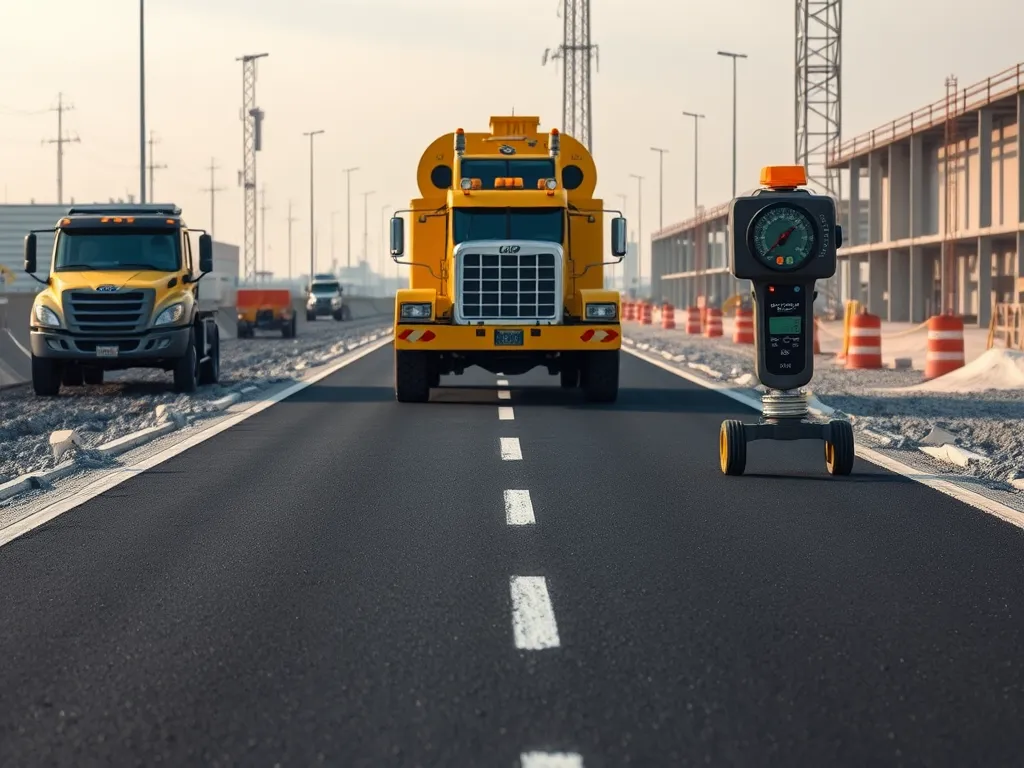
Nuclear density gauges verify compaction within 30 minutes of laydown. Core samples taken at 1,000 sq ft intervals check fiber orientation using X-ray tomography. Failed zones require milling and replacement within 48 hours to prevent delamination.
Proper execution of these methods directly impacts cost-effectiveness – a topic we’ll explore next when analyzing FRAC’s financial aspects.
FRAC Vs. Traditional Asphalt Concrete: Key Differences
Fiber-reinforced asphalt concrete reshapes pavement performance through intentional material science. While traditional mixes rely solely on bitumen-coated aggregates, FRAC introduces fibers into the matrix. This shift creates distinct structural benefits and economic trade-offs.
Structural Performance Comparison
Fiber-reinforced road surfaces exhibit 30-50% higher indirect tensile strength than standard asphalt, per ASTM D7369 testing. The fibers bridge microcracks during thermal cycling, reducing reflective cracking by up to 60%. Rutting resistance improves dramatically—wheel tracking tests show FRAC asphalt deforms 40% less under repetitive loading.
Fatigue life proves superior in fiber-reinforced asphalt materials. Roads with fibrous asphalt material withstand 2-3 times more load cycles before failure. This stems from improved stress distribution: polymer or steel fibers transfer forces across weak points, preventing localized collapse.
Cost and Maintenance Contrasts
Initial costs for FRAC concrete run 15-30% higher than conventional mixes, driven by fiber prices ($1.50-$4.50 per pound) and specialized mixing equipment. Budgets must factor in these upfront investments.
Lifecycle costs tell a different story. Pavements using asphalt concrete fibrous reinforcement require 45% fewer repairs over 20 years. Maintenance intervals stretch longer—surface treatments delay 5-7 years versus 3-4 years for traditional roads. Agencies report 18-22% savings in total ownership costs per lane-mile when using fiber-reinforced asphalt concrete.
With these performance metrics and fiscal trade-offs defined, let’s examine where FRAC asphalt concrete delivers maximum value in real-world settings.
Applications Of Fiber Reinforced Asphalt Concrete
Fiber reinforced asphalt (FRAC) adds strength where standard pavements fail. Its mix of fibers and asphalt binds tight, handling heavy loads and harsh conditions. Let’s see where it works best.
High-stress Roadways and Intersections
Busy roads face non-stop traffic, heat, and weight. FRAC asphalt resists rutting and cracks caused by trucks, buses, and stop-go cycles. Steel or polymer fibers spread stress across the road surface. Tests show FRAC lasts 30% longer than plain asphalt in zones with 10,000+ daily vehicles.
Airport Runways and Taxiways
Planes demand pavements that hold 800,000+ pounds without bending. FRAC concrete handles jet fuel spills, extreme heat from engines, and freeze-thaw cycles. Fibers like cellulose or glass stop cracks from spreading. Major U.S. airports report 15-20% lower repair costs after switching to fiber-reinforced road surfaces.
Industrial Pavements and Heavy-duty Parking Lots
Factories, ports, and truck parks need pavements that survive forklifts, cranes, and oil leaks. FRAC materials cut rut depth by up to 50% compared to standard asphalt. A 2023 study found parking lots with asphalt concrete fibrous reinforcement needed 40% fewer patches over 10 years.
From highways to hangars, FRAC proves its worth under pressure. But how much does this tough tech cost to build? Let’s break down the numbers.
Cost Analysis Of FRAC Implementation
Fiber reinforced asphalt concrete (FRAC) brings unique cost factors. Let’s break down the money side, from first costs to long-term gains.
Initial Material and Installation Expenses
FRAC asphalt costs $3-$5 more per square yard than plain asphalt. Why? Three main reasons:
- Fiber types: Polyester fibers run $0.50-$1.50/lb. Glass or aramid fibers hit $2-$4/lb.
- Mix design: New tools like shear mixers add 10-15% to plant setup costs.
- Labor: Trained crews charge 8-12% extra for fiber blending and layering.
Cold climates push prices higher. Steel fibers need anti-rust coats, adding $0.80-$1.20 per square yard.
Long-term Cost-effectiveness Of FRAC
FRAC slashes repair bills. Roads last 30-50% longer, cutting resurfacing cycles from 12 to 18-20 years. Key savings:
- 40% fewer cracks in first 5 years
- 60% less rutting under heavy trucks
- $0.25-$0.40 per square foot saved yearly on fixes
Over 20 years, FRAC beats regular asphalt by 15-30% in total costs. It handles freeze-thaw cycles better, cutting pothole patches by half.
While costs matter, meeting set rules ensures FRAC works as planned. Next, we’ll break down the key codes that guide its use.
Standards and Specifcations for FRAC
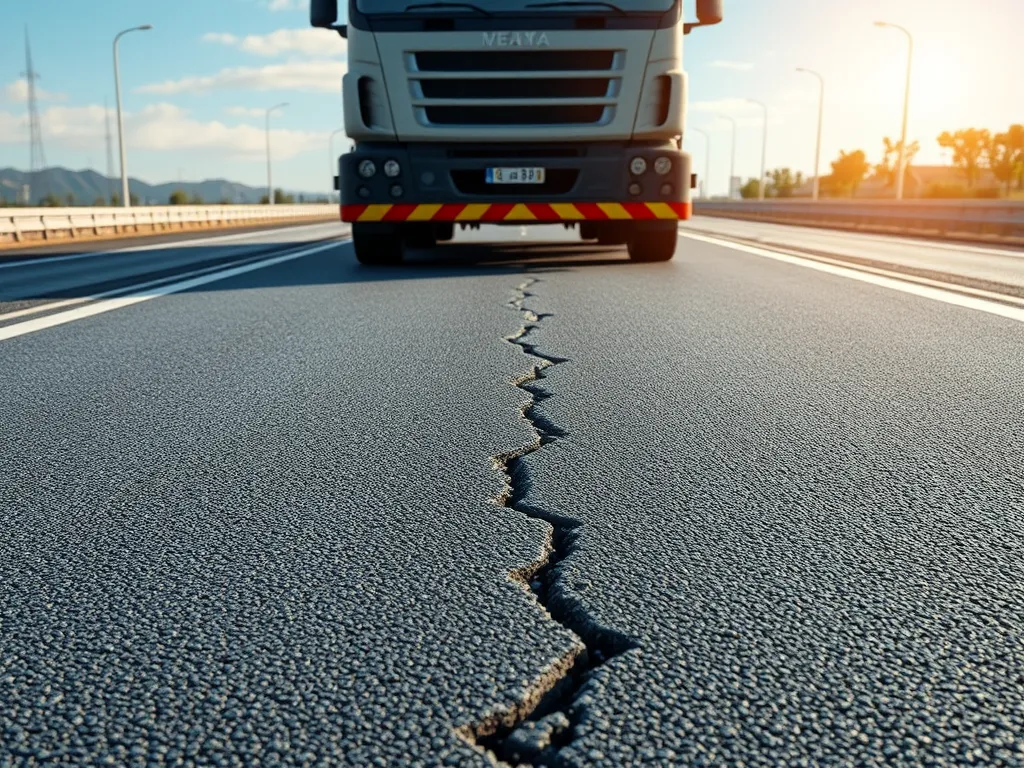
Fiber-reinforced asphalt concrete requires strict adherence to established guidelines. These protocols ensure material consistency, structural performance, and safety across projects. Governing bodies and trade groups set parameters for fiber types, mix designs, and testing methods.
Codes for Fiber-reinforced Asphalt Concrete
Organizations like AASHTO and ASTM govern FRAC asphalt concrete standards. AASHTO M 320-22 specifes performance grades for binders used with asphalt reinforcement fibers. ASTM D 7369-20 mandates test procedures for fiber dispersion in mixes. These codes address tensile strength (≥500 MPa for polymer fibers), fatigue resistance, and thermal cracking thresholds.
Fiber content typically ranges from 0.3% to 2% by weight of total mix, as per AASHTO PP 78-14. Steel fibers must meet ASTM A820 density standards (7,800 kg/m³). Cellulose fibers require ≥90% passing the 0.075 mm sieve under ASTM C114. Contractors must verify compliance through Marshall stability tests (≥8 kN) and rut depth limits (<5 mm at 60°C).
Field practices follow ASTM D 7981-21 for compaction of fiber asphalt mixes. Density targets reach 92-96% of maximum theoretical specifc gravity. AASHTO R 35-22 outlines quality control steps during FRAC concrete placement, including real-time density checks using nuclear gauges or infrared scanners.
Up next: How these engineered materials contribute to greener infrastructure.
Environmental Impact Of Fiber Reinforced Asphalt Concrete
Fiber reinforced asphalt concrete (FRAC) reshapes pavement sustainability. Integrating fibers like polyester, glass, or cellulose boosts structural performance while lowering ecological footprints. This section examines FRAC’s green credentials and circular economy potential.
Sustainability Benefits Of FRAC Materials
FRAC asphalt concrete extends pavement service life by 40-60% compared to standard mixes. Reduced crack formation slashes maintenance frequency, cutting material consumption by 25% over 20 years. Polyester fibers in FRAC often contain 15-30% recycled content from post-consumer plastics. Cellulose fibers sourced from timber byproducts divert 8-12 tons of industrial waste per mile of road.
Longer lifespan translates to lower lifecycle emissions. A 2023 study showed FRAC roads generate 18% fewer CO2 equivalents per year due to decreased reconstruction cycles. Warm-mix asphalt compatibility allows production at 280-320°F, trimming energy use by 20% versus traditional hot-mix methods.
Recyclability and LEED Certification Potential
Fiber reinforced asphalt materials maintain 95% recyclability rates. Milled FRAC becomes high-quality RAP (Reclaimed Asphalt Pavement), with testing showing 30% RAP blends perform equal to virgin mixes. Projects using FRAC can earn up to 7 LEED points across three categories:
| LEED Category | FRAC Contribution | Points |
|---|---|---|
| Materials & Resources | Recycled content (20-35%) | 2 |
| Regional Materials | Local aggregate sourcing | 1 |
| Innovation | Superior stormwater permeability | 1 |
Porous FRAC designs meet SITES criteria for stormwater management, reducing runoff by 50% in parking lots. Reflective coatings on fiber-reinforced road surfaces lower urban heat island effects by 4-7°F, qualifying for SSc7 credits.
As FRAC’s eco-advantages gain recognition, engineers increasingly explore its role in climate-resilient infrastructure. Next, we address recurring queries about fiber asphalt concrete’s real-world performance and specifications.
Frequently Asked Questions (FAQs) About FRAC
What Are the Pros and Cons Of Fiber Reinforced Asphalt Concrete?
FRAC offers significant advantages including enhanced durability, resistance to cracking, and improved load distribution. However, challenges include higher initial costs and complications in mix design and installation. Understanding these trade-offs is crucial for informed decision-making.
How Does Fiber Reinforcement Improve Asphalt Performance?
Fiber reinforcement improves asphalt performance by distributing stress more evenly across the pavement, reducing the likelihood of cracks and deformations. The fibers absorb and dissipate strain from heavy loads, temperature fluctuations, and environmental impacts, resulting in a more resilient pavement structure.
What is the Cost Difference Between FRAC and Regular Asphalt?
FRAC typically costs 15-30% more than regular asphalt due to the additional materials required, such as fibers, and the specialized equipment needed for installation. While upfront expenses are higher, the long-term savings on maintenance and durability can offset initial investments.
Are There Specific Codes Governing FRAC Use?
Yes, several industry codes and standards govern the use of FRAC. Organizations such as AASHTO and ASTM outline specifications for material components, mix designs, and performance measures to ensure consistency and quality in FRAC applications.
How Does FRAC Contribute to Environmental Sustainability?
FRAC contributes to environmental sustainability by extending the lifespan of pavements, reducing the frequency of maintenance, and utilizing recycled materials in its composition. This results in decreased material consumption and lower greenhouse gas emissions over the lifecycle of the pavement.
What Types Of Fibers Are Best for Asphalt Reinforcement?
The choice of fibers for asphalt reinforcement depends on specific project needs. Common options include polyester for cost-effectiveness, glass for high-temperature resistance, and basalt for its superior tensile strength. Each type of fiber offers unique benefits in terms of performance and durability.
Can FRAC Be Used in Cold Climates?
Yes, FRAC can be effectively used in cold climates. Special considerations, such as using anti-rust coatings on steel fibers and adjusting the mix design for low temperatures, ensure that the performance benefits of FRAC are achieved even in harsh conditions.
How is the Performance Of FRAC Measured and Evaluated?
The performance of FRAC is typically evaluated using a variety of tests, including those for tensile strength, fatigue resistance, and resistance to thermal cracking. Testing methods such as ASTM D7369 and AASHTO PP 78-14 ensure that FRAC meets established guidelines and specifications for durability and performance.
Closing Thoughts
Fiber Reinforced Asphalt Concrete (FRAC) offers innovative solutions for modern infrastructure. Its unique composition enhances durability, reduces cracking, and improves load distribution, making it ideal for high-stress applications like airports and industrial pavements.
While challenges in mix design and cost considerations exist, the long-term benefits often outweigh initial expenses. For projects requiring high performance, FRAC proves to be a worthier investment compared to traditional asphalt.
Stay informed on the latest developments and gain insights into using FRAC for your needs by visiting Asphalt Calculator USA.
Additional Resources for You:
- American Association of State Highway and Transportation Officials (AASHTO). (2008). Mechanistic-Empirical Pavement Design Guide (MEPDG). Washington, DC: AASHTO.
- Ace XP Polymer Fiber
- Mechanical properties of fiber-reinforced asphalt concrete: Finite element simulation and experimental study
- Fiber-reinforced asphalt-concrete – A review – ScienceDirect
- Performance improvement of asphalt concretes using fiber reinforcement – ScienceDirect