
Air-blowing Process in Asphalt: Techniques, Systems, and Applications
Published on: August 21, 2026 | Last Updated: April 14, 2025
Written By: George Voss
The air-blowing process modifies asphalt by blowing compressed air through heated asphalt at 250-350°F, hardening it through oxidation. Unlike polymer-modified asphalt, this method changes the material’s chemical structure without additives. It produces specialized asphalt used in roofing shingles, pavement sealants, and waterproofing membranes. Industrial systems rely on reactor vessels, air compressors, and precise temperature controls to achieve target viscosity and durability. Benefits include weather-resistant surfaces, reduced cracking, and up to 30% cost savings compared to synthetic alternatives.
This article explains how air-blowing works, from raw asphalt heating to final product cooling. We compare batch vs. continuous systems and break down equipment like 500-gallon reactors and 100 PSI air injectors. You’ll learn where air-blown asphalt performs best, how it cuts project costs, and why temperature controls prevent hazards. Data on energy use, emission filters, and recycling rates show its environmental impact. FAQs clarify technical distinctions between air-blown and conventional asphalt blends.
Understanding the Air-blowing Process
The air-blowing process transforms asphalt binder into specialized materials through controlled oxidation. Used for over a century, this method adjusts physical properties to meet specific performance needs across construction applications.
What is the Air-blowing Technique?
Air blowing involves injecting compressed air into heated asphalt at 300-350°F. The oxygen reacts with hydrocarbons, creating longer molecular chains. This raises viscosity and softens the temperature range. Reactor vessels with air compressors maintain precise pressure levels between 5-15 psi during the 4-6 hour cycle. The result? Asphalt becomes tougher, less prone to rutting, and better at resisting water penetration.
Key Objectives Of Air-blowing in Asphalt Production
Primary goals focus on modifying asphalt for real-world demands. Stiffness increases by 40-60% compared to untreated binder, critical for roofing shingles needing heat resistance. The process also enhances temperature susceptibility—air-blown asphalt stays stable from -20°F to 200°F. Plants create tailored grades like Type I-IV roofing asphalt or pavement sealants with 85-100 penetration values. These products excel in waterproofing membranes, joint fillers, and high-stress traffic zones.
Now that we’ve covered the fundamentals, let’s explore the different air-blowing systems used in modern asphalt plants.
Types Of Air-blowing Systems
Air-blowing systems shape asphalt by altering its physical traits. Three main methods exist, each suited for specific uses and project scales.
Batch Air-blowing Processes
Batch systems treat asphalt in set amounts. Workers heat 500-2,000-gallon batches to 250-350°F. Air blows through the mix for 1-4 hours at 10-50 psi. This creates thick, slow-flow binders ideal for roofing or sealants. Batch setups cost $50k-$150k, fitting small plants or custom jobs.
Continuous Air-blowing Processes
Continuous systems run non-stop, moving asphalt through heated tubes. Air injects as the mix flows, cutting process time by 40-60%. These handle 5-20 tons per hour, slashing labor costs by 15-30%. Used for highways or large lots, they need $300k+ upfront but save long-term.
Oxidation-based Air-blowing Methods
Oxidation uses O2-rich air to harden asphalt. Thermal oxidation at 300-400°F boosts ring-and-ball temps by 20-50°F. This method ups weather proofing for cold zones. Gear like reactors with air jets costs $200k-$500k. Some plants add catalysts (0.5-2% metal salts) to speed the reaction.
Each system shapes asphalt traits through heat and air flow. Next, we break down how these steps work in real-world setups.
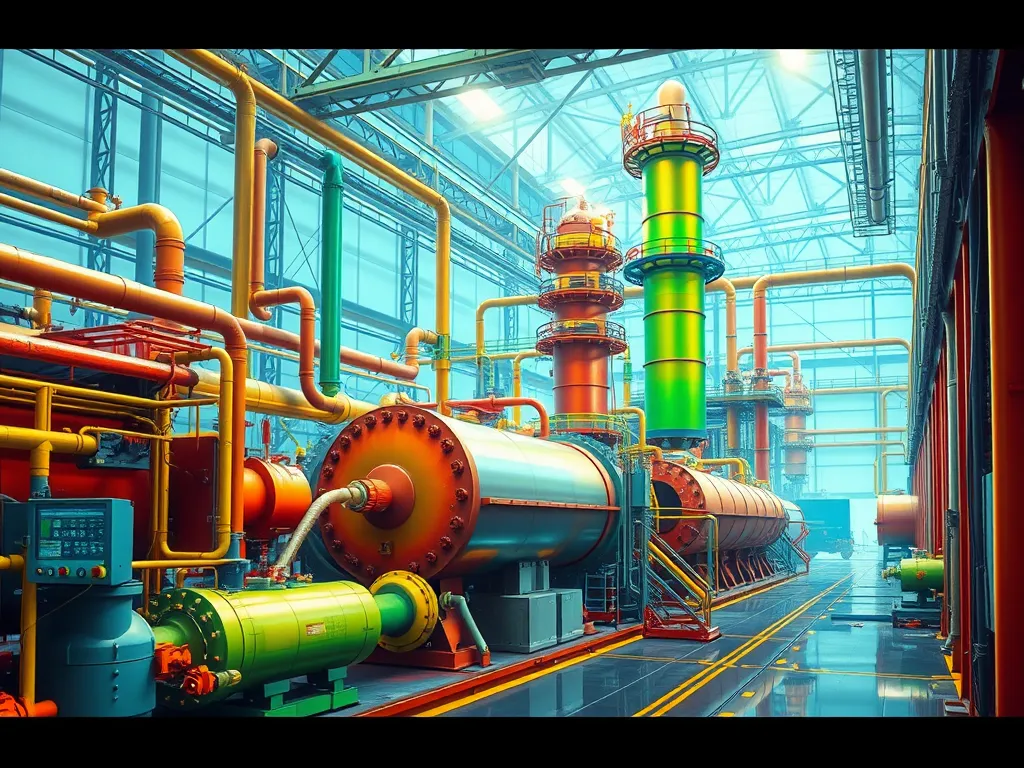
How the Air-blowing Process Works for Asphalt
The air-blowing process alters asphalt’s physical traits through heat and air. This method turns base asphalt into a tougher, weather-proof material fit for roofing, roads, and seals.
Step-by-step Process Of Blowing Asphalt
Four key stages shape asphalt via air blowing. Each step adjusts the mix to meet strict specs for end uses.
1. Heating the Asphalt Feedstock
Base asphalt heats to 250-300°C in a reactor. High heat cuts viscosity, letting air mix deep into the liquid. Feedstock must reach flow state before air blows in.
2. Introducing Compressed Air
Pressurized air (50-100 PSI) pumps through spargers at the tank’s base. Bubbles rise, forcing oxygen to bond with asphalt molecules. This oxidation step builds harder, less melt-prone material.
3. Controlling Temperature and Pressure
Systems hold temps at 260-290°C and pressure below 90 PSI. Sensors track heat spikes from the exothermic reaction. Coolant loops kick in if levels rise past safe marks. Steady conditions ensure even oxidation.
4. Final Product Cooling and Stabilization
Hot asphalt moves through chill rolls or belts, dropping to 150-180°C. Additives like polymers may blend in during cooling. The cooled mix gains higher melt points (80-100°C) and lower ductility for roof shingles or pipe coats.
Mastering these steps yields asphalt that stands up to sun, rain, and heavy loads. Next, we’ll break down the gear that makes air-blowing systems work.
Also See: Recycled Asphalt Pros and Cons: Is It Right for You?
Machinery in Air-blowing Technology
Specialized equipment drives the air-blowing process, transforming standard asphalt into high-performance material. Each component works to heat, aerate, and stabilize the binder. Proper machinery selection directly impacts product quality and production efficiency.
Essential Air-blowing Equipment
Three core systems form the backbone of air blowing technology. These units handle material processing, airflow delivery, and thermal regulation with precision. Let’s break down their roles.
Reactor Vessels
Reactor vessels are pressurized tanks where asphalt and air interact. Made from carbon steel, these containers withstand temperatures up to 350°F and pressures reaching 75 psi. Their design includes agitators to mix materials evenly during oxidation. Typical capacities range from 5,000 to 25,000 gallons for industrial-scale operations.
Air Compression Systems
Air compression systems deliver 400-800 cubic feet per minute (CFM) at 30-50 psi into reactors. Rotary screw compressors dominate modern setups due to their steady airflow. Filters remove moisture and particulates before air enters the vessel, ensuring clean oxidation. Properly sized systems cut energy use by 15-20% compared to outdated models.
Temperature Control Units
Temperature control units maintain precise heat levels between 250-350°F during air blowing. Thermal oil heaters or electric coils paired with PID controllers keep variations under ±5°F. Overheating risks cracking the asphalt, while underheating slows oxidation. Advanced systems integrate real-time viscosity sensors to auto-adjust settings.
These systems’ interplay determines the asphalt’s final penetration grade and softening point. Up next: how optimized air-blown asphalt performs in real-world roofing and paving scenarios.
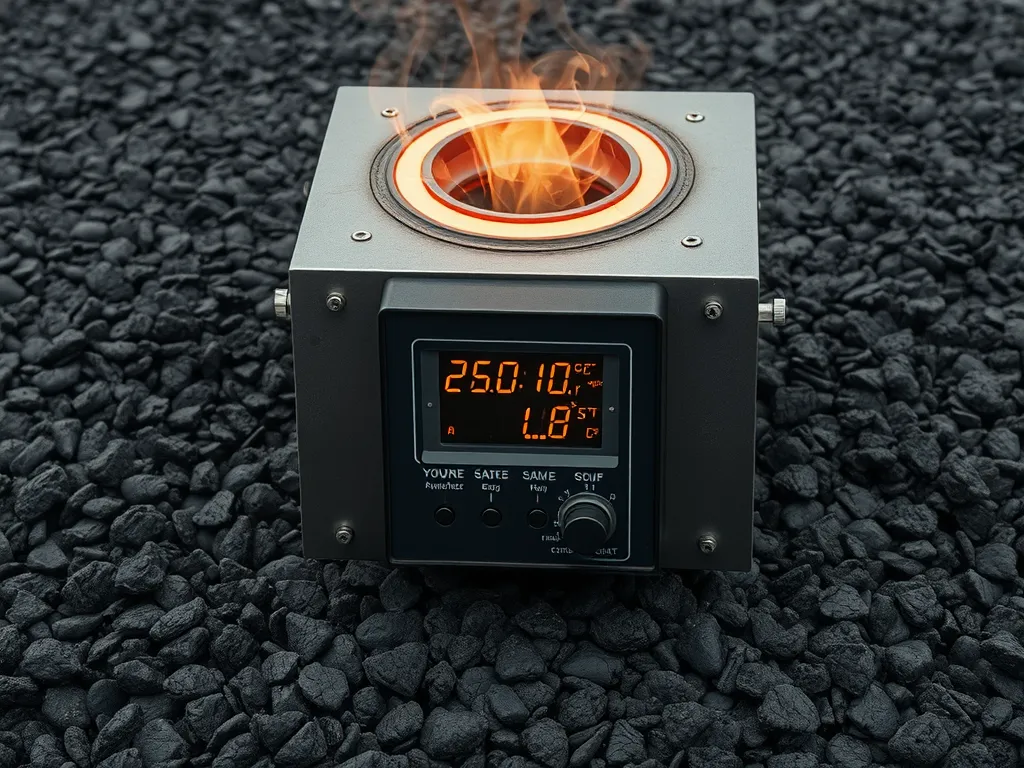
Applications Of Air-blown Asphalt
Air-blown asphalt serves critical roles across industries. Its unique traits—higher heat tolerance, better flow control, and strong water-blocking power—make it fit for jobs where regular asphalt falls short. Let’s break down three key uses.
Roofing Materials
Air-blown asphalt forms the base of 80% of built-up roofing systems. The process thickens the binder, letting it handle temps up to 200°F without sagging. Roof sheets made this way last 15-20 years—twice as long as non-treated options. They also meet ASTM D3468 specs for fire and wind ratings. Builders pick it for flat roofs on malls, factories, and schools.
Pavement Preservation Products
Blown asphalt binds better to aged roads. It’s the go-to for seal coats, filling cracks up to 1” wide, and patching mixes. When mixed with 30-40% recycled tire rubber, it stops water from eating into road bases. States like Texas and Arizona use it to stretch pavement life by 5-7 years at half the cost of full rebuilds.
Waterproofing and Sealants
Blown asphalt blocks water better than most synthetics. It’s poured into joint fillers for bridges, pipe wrap tapes, and tank liners. Its low VOC levels (under 50 g/L) make it safe for indoor damp-proofing. Contractors rely on it for subway tunnels, parking decks, and basement walls where leaks cause big issues.
These uses show why air-blowing tech stays vital. Up next: how its perks boost project results across climates and budgets.
Benefits Of Air-blowing Technology in Asphalt
Air-blowing technology transforms standard asphalt into a high-performing material. This modification boosts critical traits for construction projects. From roads to roofs, its impact spans applications.
Improved Durability and Weather Resistance
Air-blown asphalt gains a robust structure through oxidation. Compressed air triggers cross-linking of hydrocarbon chains. This creates a tight matrix that blocks UV rays, moisture, and thermal shifts. Roofing shingles made with this process last 20-30% longer in harsh conditions. Pavements show 40% less rutting at 122°F compared to non-modified asphalt.
| Property | Improvement |
|---|---|
| Softening Point | Rises from 100°F to 220°F+ |
| Penetration Grade (PG) | Shifts to PG 76-22 or higher |
| Thermal Crack Threshold | Drops to -40°F |
Enhanced Viscosity Control
The air-blowing process allows precise adjustment of asphalt’s flow traits. Operators modify air injection rates (typically 50-200 CFM) to hit target viscosity levels. Roofing grades need 1,500-2,500 cP at 325°F, while paving grades run 3,000-5,000 cP. This control cuts pumping costs by 12-18% during application.
Cost-effective Material Modification
Air-blowing avoids costly polymer additives. A single pass through a blowing air system can lift asphalt quality to match $80/ton polymer mixes at just $15-20/ton. Plants also blend up to 30% RAP (Recycled Asphalt Pavement) during blowing. This dual action slashes material costs by 25-35% on mid-sized projects.
While air-blowing technology brings significant performance gains, its financial implications vary by scale. Up next: breaking down installation and operating costs for different blowing air systems.
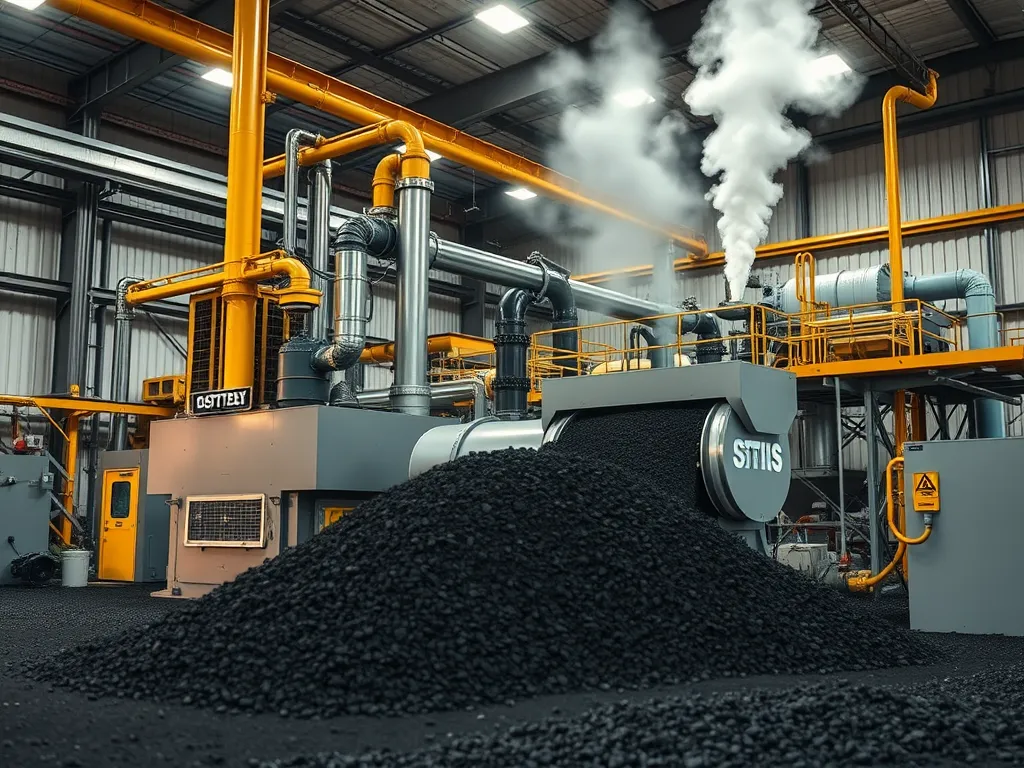
Cost Considerations for Air-blowing Systems
Balancing performance with budget demands careful analysis when implementing air-blowing technology. Three primary factors shape the financial landscape of these systems.
Equipment Investment
Air-blowing machines require substantial upfront spending. Batch systems typically range from $500,000 to $2 million, while continuous air-blowing processes demand $1.5-$3.5 million. Key components like reactor vessels (30-40% of total cost) and air compression systems (20-25%) drive these figures. High-capacity units processing 100+ tons daily reach the upper price brackets. Modular systems offer 10-15% savings over custom builds.
Operational Energy Costs
Blowing air through asphalt consumes 50-80 kWh per ton. Heating feedstock to 250-300°F accounts for 60% of energy use, with air compressors taking 30%. Monthly bills average $12,000-$28,000 for mid-sized plants. Continuous air-blowing systems cut energy use by 18-22% versus batch methods through heat recovery tech. Crude oil price swings create 5-8% monthly cost variations in feedstock heating.
Maintenance Requirements
Reactor vessels need quarterly refractory lining checks ($2,500-$7,000 per inspection). Air blow process compressors require filter changes every 500 operating hours ($180-$400 per service). Unplanned downtime costs $5,000-$10,000 daily. Plants typically allocate 3-5% of initial equipment costs annually for upkeep. Predictive maintenance tools like vibration sensors reduce repair costs by 40%.
These financial factors directly influence product pricing and project viability. Next, we examine protocols to keep workers safe while managing these high-temperature operations.
Safety Protocols for Air-blowing Processes
Strict safety measures ensure smooth operations during the air-blowing process. Proper handling of extreme temperatures, pressurized systems, worker protection gear, process controls, hazard mitigation, operational standards, risk assessment, compliance checks, emergency shutdowns, ventilation systems, thermal monitoring, pressure relief valves, PPE requirements, safety training, incident reporting, equipment inspection, fire suppression, gas detection, lockout-tagout, noise control, and exposure limits prevent accidents in facilities using air-blowing technology.
High-temperature Handling Procedures
Workers face extreme heat during the air-blowing process, with temperatures reaching 300-350°F (149-177°C) in reactor vessels. Thermal shielding on equipment lowers surface temps by up to 60%. Cooling systems maintain safe ambient conditions, while infrared sensors track heat zones in real time. Facilities must follow NFPA 70E standards for electrical safety near high-temperature machinery.
Air Pressure Management
Controlled pressurization prevents leaks or ruptures in air-blowing systems. Operating pressures range from 15-50 psi depending on feedstock viscosity. Digital pressure monitors trigger automatic shutdowns if readings exceed set thresholds by 10%. Weekly checks of relief valves rated for 75 psi ensure failsafe operation. Engineers use ASME Boiler Code guidelines when designing pressure vessels for oxidation-based processes.
Worker Protective Measures
Mandatory PPE includes heat-resistant gloves, full-face shields, Nomex suits, and supplied-air respirators. Facilities install gas detectors to monitor hydrogen sulfide levels below 10 ppm. Noise-dampening enclosures limit sound exposure to 85 dB during blow air process cycles. Monthly drills cover evacuation routes, burn treatment, and equipment lockdowns. OSHA’s 29 CFR 1910.119 mandates yearly training for personnel working with pressurized systems.
Proper safety protocols pave the way for examining ecological effects linked to modified binders. Next, we’ll explore how emissions controls and recycled materials shape the footprint of air-blown asphalt production.
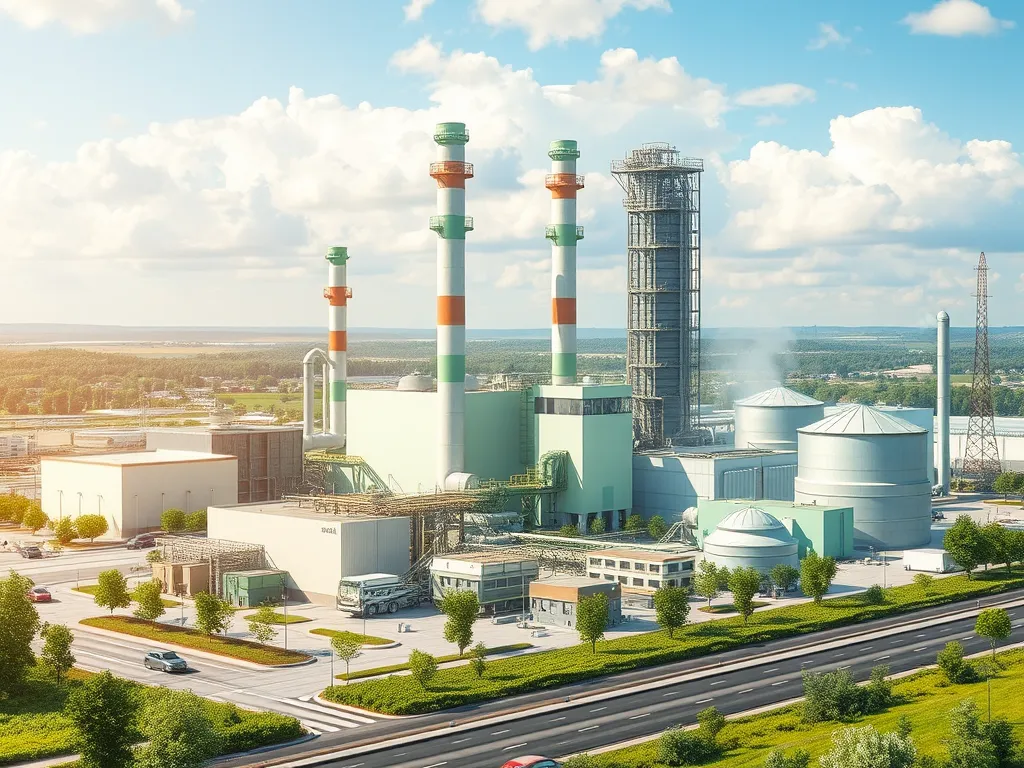
Environmental Impact Of Air-blown Asphalt
Air-blowing technology shapes asphalt performance while addressing ecological concerns. Modified binders face scrutiny for emissions, waste streams, and long-term sustainability. Modern systems tackle these challenges through targeted engineering solutions.
Emissions Management
Air-blowing processes release volatile organic compounds (VOCs), nitrogen oxides (NOx), and particulate matter (PM) during oxidation. Advanced systems deploy thermal oxidizers to break down 95% of VOCs at 1,500°F. Wet scrubbers filter PM levels below 0.01 grains per cubic foot, meeting EPA Method 22 standards.
| Emission Type | Control Technology | Reduction Rate |
|---|---|---|
| VOCs | Regenerative Thermal Oxidizers | 95-99% |
| PM | Venturi Scrubbers | 98% |
| NOx | Selective Catalytic Reduction | 85% |
Waste Reduction Strategies
Blown asphalt production reuses 30-40% reclaimed asphalt pavement (RAP) in mixes. Closed-loop air-blowing systems recover excess binder for reprocessing, cutting raw material needs by 18%. Plants now achieve zero liquid discharge (ZLD) through on-site water recycling at 500-1,000 gallons per ton rates.
Sustainability Considerations
Air-blown binders extend pavement life cycles to 20+ years, reducing resource consumption. Modified asphalt shingles made through this process contain 25% post-consumer recycled content. Newer systems operate at 12-15% lower energy use compared to traditional blowing air processes, aided by heat recovery boilers.
While air-blowing systems address immediate environmental concerns, their operational efficiency directly affects project budgets. Let’s examine how equipment choices influence cost structures in asphalt production.
Frequently Asked Questions (FAQs)
What Distinguishes Air-blown Asphalt From Other Modified Asphalts?
Air-blown asphalt undergoes a unique chemical modification process where compressed air interacts with heated asphalt, enhancing its durability and viscosity without the use of additives like polymers. This results in a material that possesses higher resistance to temperature fluctuations and better performance in various environmental conditions compared to other modified asphalts.
How Does the Air-blowing Process Modify Asphalt Properties?
The air-blowing process alters the chemical structure of the asphalt through oxidation, creating longer hydrocarbon chains that increase viscosity and temperature susceptibility. This modification results in enhanced material properties such as increased stiffness and improved resistance to water penetration and thermal cracking, making it suitable for demanding applications.
Closing Thoughts
The air-blowing process plays a pivotal role in enhancing the properties of asphalt. By utilizing controlled air exposure to modify the binder’s characteristics, manufacturers can produce asphalt that is robust, weather-resistant, and cost-effective. As outlined, the variety of systems—from batch to continuous—ensures flexibility in production, catering to various applications like roofing and pavement preservation.
Moreover, the integration of safety protocols and environmental considerations highlights the industry’s commitment to sustainable practices. By managing emissions and reducing waste, air-blown asphalt not only meets performance standards but also aligns with eco-friendly initiatives.
For more information about asphalt technologies, calculations, and resources, visit Asphalt Calculator USA.
Useful References for You:
- Huang, Y. H. (2004). Pavement Analysis and Design (2nd ed.). Upper Saddle River, NJ: Pearson/Prentice Hall.
- Blowing Process- Bitumen air blowing process- Asphalt air blowing process
- Air Blow / Blowing Pipe Cleaning & Pre Commissioning | RIG
- Air Blowing vs Steam Blowing Services | B&W Energy Services
- Air Blowing and Alternate Air Services – FourQuest Energy

