Asphalt Aging: How Roads Break Down Over Time
Published on: November 22, 2026 | Last Updated: April 14, 2025
Written By: George Voss
Asphalt aging is the gradual breakdown of pavement caused by chemical changes and environmental stress. Oxidation hardens the binder (bitumen), UV rays fade surfaces, and temperature swings create cracks. Common signs include alligator cracks, raveling (loose gravel), and faded color. Without care, aged asphalt loses strength, drains poorly, and becomes unsafe for drivers.
This article breaks down why asphalt fails and how to stop it. You’ll learn how heat above 135°C damages mix quality during installation, why moisture causes potholes, and how polymer modifiers extend pavement life. We’ll also cover cost-effective fixes like sealcoating, recycling options, and how to spot early warning signs like edge cracking.
Introduction to Asphalt Aging
Asphalt aging weakens roads over time. Sun, heat, water, and weight break down its core parts. This slow change hits both looks and strength.
What is Asphalt Aging?
Asphalt aging means loss of oils in the binder (bitumen). Fresh asphalt bends under stress. Aged asphalt cracks. Key signs: faded color, cracks, rough spots. Roads last 15-25 years but age cuts this span by 30-50% if ignored.
The Science Behind Asphalt Binder Aging
Bitumen hardens through oxidation. Air reacts with its chemicals, making it brittle. Heat speeds this: at 80°F (27°C), aging starts. At 135°C (275°F), used in mixing, thermal stress strips oils. Tests like RTFOT mimic this in labs. PG binders (like PG 64-22) resist heat better. Superpave specs target this with tighter grade rules.
Moisture worsens aging. Water seeps into tiny gaps, pushing binders apart. Hydrolysis breaks bonds, causing raveling. Additives like SBS polymers block water harm but cost 15-20% more.
These processes set the stage for deeper cracks, potholes, and costly fixes. Next, we break down how sun, heat, and rain team up to wear roads down.
Mechanisms Of Asphalt Aging
Asphalt pavement aging stems from three primary processes that alter its chemical structure and physical properties over time. Each mechanism accelerates wear, reducing asphalt lifespan.
Oxidation and Chemical Hardening
Exposure to oxygen triggers asphalt binder aging through oxidation. This chemical reaction replaces flexible molecules with stiffer compounds, increasing asphalt stiffness by 200-400% over 7-10 years. PG (Performance-Graded) binders resist this hardening better than conventional asphalt cement but degrade under prolonged UV exposure.
Thermal Degradation
Temperature extremes accelerate asphalt degradation. Heat softens the material, while cold causes contraction cracks. Thermal cycling strains the pavement structure, weakening binder-aggregate bonds.
At What Temperature Does Asphalt Begin to Age?
Oxidation starts at 10°C (50°F) but becomes significant above 50°C (122°F). Asphalt mix plants typically heat aggregates to 135-163°C (275-325°F) during production, initiating early-stage aging.
Is There Degradation at 135 Degrees Celsius?
Yes. Extended exposure to 135°C (275°F) causes volatiles in the binder to evaporate, increasing viscosity. This temperature aligns with standard mix production, but controlled short-term heating minimizes damage. Tests like RTFOT (Rolling Thin Film Oven Test) simulate these conditions to measure binder durability.
Moisture Absorption and Hydrolysis
Water infiltrates asphalt through cracks or porous surfaces, weakening the pavement. Hydrolysis breaks chemical bonds between aggregates and binder, causing raveling or potholes. Moisture damage accounts for 30% of premature asphalt failures.
How Asphalt Degradation Relates to Moisture
Moisture softens asphalt binders, reducing shear strength by up to 60% in saturated conditions. Freeze-thaw cycles expand trapped water, widening cracks. Proper drainage systems and polymer-modified mixes cut moisture absorption rates by 45-70%.
These aging processes interact with external factors like traffic loads and climate. Next, we explore variables that determine how quickly asphalt pavement deteriorates.
Key Factors Influencing Asphalt Aging
Asphalt pavement aging speeds up or slows down based on three core factors. Each plays a direct role in how fast cracks form, surfaces fade, or layers weaken.
Environmental Exposure
Sun, water, and air hit asphalt daily. UV rays break down the binder through oxidation. Rain and snow seep into tiny cracks, causing freeze-thaw damage. Heat above 135°C softens asphalt mix during paving, making it age faster once cooled. Cold winters cause thermal cracks as the pavement shrinks.
Traffic Load and Stress
Heavy trucks and high traffic pound pavement nonstop. A single 18-kip ESAL (18,000-pound axle load) can strain asphalt 10x more than a car. This stress leads to rutting, fatigue cracks, and faster binder hardening. Roads with over 1,000 ESALs per day may need repair in 5-7 years.
Material Composition
Not all asphalt mix is the same. High-grade binders (like PG 64-22) resist heat and cold better. Poor quality aggregates crumble under pressure. Mixes with 5-7% air voids last longer than those with 8%+ voids. The right blend cuts aging by 30-50%.
Role of Polymer and Particulate Modifiers
Adding 3-5% SBS polymer to the binder boosts flexibility. Crumb rubber (from recycled tires) reduces thermal cracking by 40%. Lime or silica fume fillers block moisture damage. These modifiers slow oxidation, keeping pavement flexible for 15-20 years vs. 8-12 for plain mixes.
While these factors shape asphalt aging, their effects show up in clear ways. Let’s explore how aged pavement impacts roads and safety.
Also See: Innovations in Asphalt Mixing Technology: Key Changes
Effects Of Asphalt Aging
Aging cuts asphalt life by 30-50%. Heat, air, and water break down the binder over time. This weakens the mix, leading to cracks, dips, and breaks.
Reduced Asphalt Pavement Lifespan
New asphalt lasts 15-20 years. Aging slashes this span. Oxidized binders lose flex, making pavements brittle. Thermal stress from daily heat cycles speeds wear. Heavy trucks add strain, causing rut depths over 0.5 inches in weak spots.
Common Signs Of Deterioration
Watch for these red flags:
Cracking Patterns (Alligator, Longitudinal, Edge)
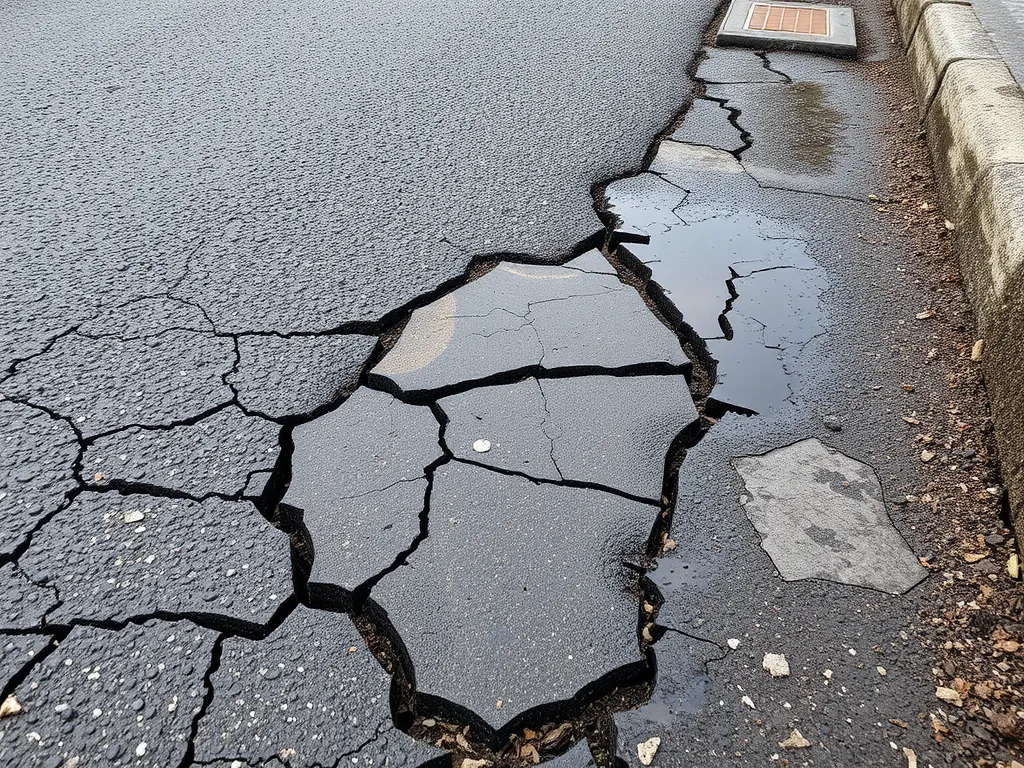
- Alligator: Web-like cracks under 1 inch wide signal base failure
- Longitudinal: Lines along wheel paths show poor joint seals
- Edge: Curb-side splits from poor drainage or soil shifts
Raveling and Surface Permeability Loss
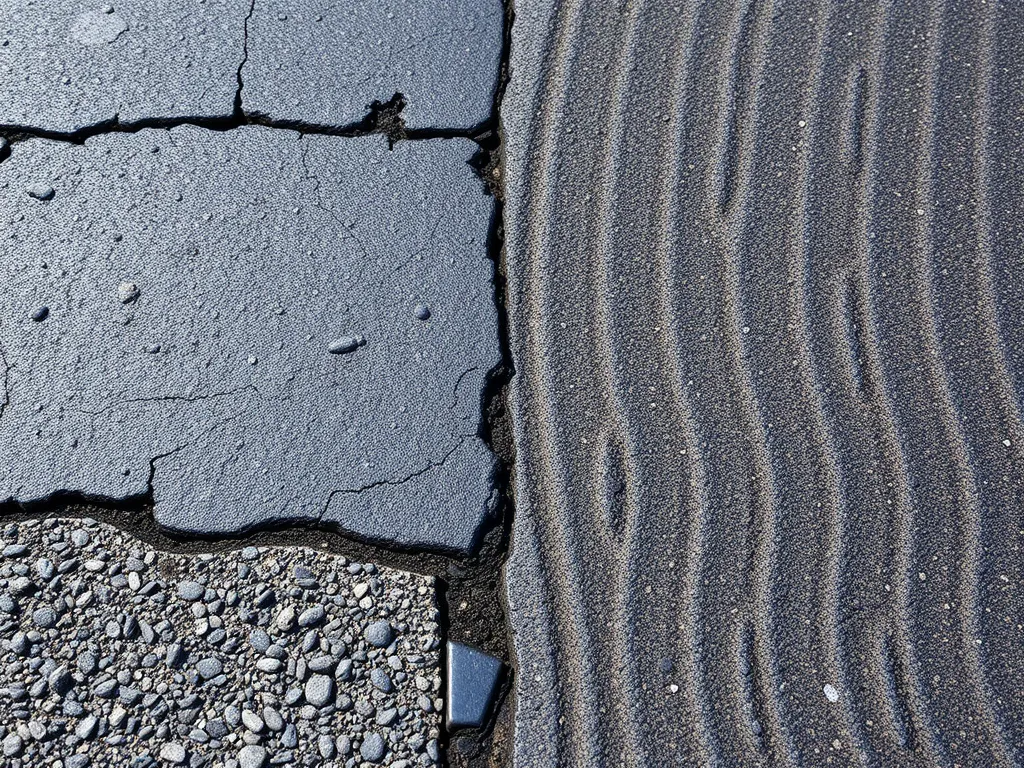
Raveling scatters loose stones as binder wears off. This raises permeability to 200-300 mL/min, letting water erode base layers. Clogged pores can reverse this, trapping water that softens the pavement.
Impact on Asphalt Durability and Safety
Brittle asphalt cracks under loads as low as 5,000 psi. Raveling cuts skid resistance, dropping friction numbers by 15-20 points. Edge cracks let water seep in, boosting hydroplaning risks at 35+ mph. Unchecked, these flaws can lead to potholes or full-depth breaks.
Spotting these issues early helps plan care steps. Next, we’ll show how to check asphalt health with simple tests and tools.
Identifying Aged Asphalt
Spotting aging asphalt quickly aids in planning fixes. Two primary tactics work: visual checks and lab analysis.
Visual Indicators Of Degradation
Look for these signs on asphalt pavement:
| Indicator | Description |
|---|---|
| Alligator Cracking | Interlinking cracks forming scales, signaling structural failure |
| Longitudinal Cracks | Straight-line splits along traffic paths from thermal stress |
| Raveling | Loose rocks on surfaces showing binder loss |
| Fading Color | Grayish tones replacing black, indicating oxidation |
| Bleeding | Shiny, sticky patches from excess binder surfacing |
Surface permeability loss often follows, letting water pool. A 10% drop in void content hints at advanced asphalt hardening.
Functional Testing Methods
Lab tests quantify asphalt binder aging impacts:
| Test | Purpose | Standard |
|---|---|---|
| Dynamic Shear Rheometer (DSR) | Measures binder stiffness at varying temps | ASTM D7175 |
| Thin Film Oven Test (TFOT) | Simulates short-term aging during mixing | ASTM D1754 |
| Bending Beam Rheometer (BBR) | Assesses low-temp cracking resistance | AASHTO T313 |
Field tools like infrared spectroscopy map oxidation levels. Binders with penetration values below 40 dmm (from 60-70 dmm when new) show significant asphalt degradation.
Spotting aging signs early allows for cost-saving fixes. Up next: tactics to slow asphalt pavement aging and boost its lifespan.
Preventing and Mitigating Asphalt Aging
Managing asphalt aging starts long before cracks form. Proactive tactics slow binder oxidation, block moisture intrusion, and maintain structural integrity.
Material Selection Best Practices
Choosing robust materials forms the first defense against asphalt pavement aging. Components must withstand UV radiation, traffic loads, and thermal cycling.
Using High-Quality Asphalt Binders
PG (Performance Graded) binders like PG 76-22 resist rutting in hot conditions and cracking in cold climates. Polymer-modified binders boost flexibility, delaying asphalt hardening by up to 40% compared to standard options. Warm-mix additives cut production temps to 250-275°F, reducing thermal degradation during mixing.
Proper Mix Design and Installation
Superpave mix designs optimize aggregate gradation and binder content. A 4-7% binder content range balances durability with rut resistance. During paving, maintaining 280-325°F laydown temps ensures proper compaction. Achieving 92-96% density locks aggregates in place, minimizing air voids that accelerate asphalt binder aging.
Maintenance Strategies
Timely interventions restore surface protection. A 1-year delay in maintenance can double repair costs due to unchecked asphalt degradation.
Sealcoating and Crack Filling
Coal-tar or asphalt-based sealcoats applied every 2-4 years block UV rays and water. Crack filling with rubberized asphalt stops moisture absorption, a key asphalt aging factor linked to 75% of pothole formation. Properly sealed pavements last 8-12 years before major rehab, versus 5-8 years without treatment.
Managing thermal thresholds plays a vital role in asphalt durability. Up next: critical temperatures that trigger pavement breakdown.
Temperature Thresholds in Asphalt Degradation
Temperature extremes drive asphalt aging through physical and chemical changes. Heat accelerates oxidation in the asphalt binder, while cold triggers thermal cracking. Both scenarios reduce asphalt pavement lifespan by altering material flexibility and strength.
Critical Temperature Ranges
Asphalt binder aging begins at 100°C (212°F), with oxidation rates doubling every 10°C increase. At 135°C (275°F), volatile compounds evaporate, causing rapid hardening. Short-term exposure during production (150-190°C) is safe, but prolonged heat above 135°C during service life accelerates raveling and cracking. Freezing temperatures below -20°C (-4°F) induce brittleness, increasing fracture risks under traffic loads.
Thermal Stress Management
Polymer-modified binders (e.g., SBS or crumb rubber) expand tolerance to -34°C to 82°C (-29°F to 180°F). Reflective coatings like coal tar sealants lower surface temps by 10-15°F. Strategic joint spacing (every 15-20 ft) accommodates thermal contraction. PG (Performance Grade) binders, such as PG 76-22, are engineered for specific climate zones to balance high/low temp resistance.
These temperature thresholds shape how engineers test asphalt’s heat resistance. Next, we explore lab methods to measure aging effects.
Testing Asphalt Aging Resistance
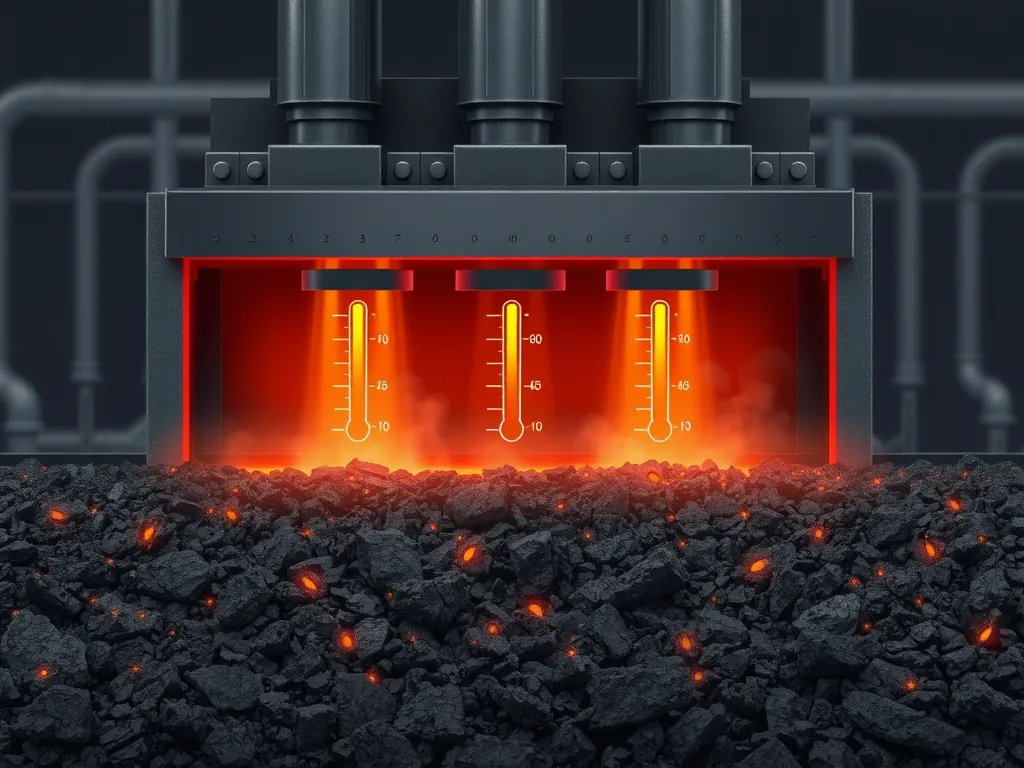
Evaluating how asphalt resists aging requires standardized lab tests. These methods simulate real-world conditions to predict long-term performance. Two key procedures dominate the field: the Thin Film Oven Test (TFOT) and Rolling Thin Film Oven Test (RTFOT). Both measure how heat and air exposure alter asphalt binder properties.
Thin Film Oven Test (TFOT)
The TFOT exposes asphalt binder samples to 163°C (325°F) for 5 hours. A thin film (3.2mm thick) sits in a rotating tray inside a forced-air oven. This replicates oxidative aging during asphalt mix production. Technicians track changes in viscosity, penetration, and ductility. A 25% increase in viscosity post-test signals significant asphalt hardening.
Rolling Thin Film Oven Test (RTFOT)
The RTFOT enhances TFOT by adding motion. Samples rotate at 15 rpm while heated to 163°C for 75 minutes. Glass bottles hold 35 grams of binder, creating a dynamic thin film. This test better mimics aging during asphalt laydown and compaction. Results show weight loss (volatile release) and stiffness changes. Agencies like AASHTO and ASTM mandate RTFOT for PG binder grading under AASHTO T 240.
While both tests operate at 163°C, degradation starts lower. Research confirms asphalt binder aging begins at 135°C (275°F), with accelerated oxidation above 150°C. These thresholds guide mix design and plant temperatures to minimize premature aging.
Accurate test data informs decisions about recycling aged asphalt or selecting modifiers. Next, let’s explore strategies to manage pavements showing advanced aging symptoms.
Managing Aged Asphalt
Decisions about handling aged asphalt depend on material condition, structural integrity, and long-term performance goals. Proper management balances cost, safety, and environmental impact while addressing asphalt binder aging effects.
When to Remove Vs. Recycle Asphalt
Remove asphalt when oxidation causes severe raveling, deep alligator cracks (>1/2″ wide), or base layer failures. Recycling works for surfaces with moderate aging—where 30-40% of the binder remains viable. Base this choice on core sample tests measuring asphalt hardening levels.
Is It Better to Remove Old Asphalt?
Full removal becomes necessary when asphalt pavement deteriorates beyond 25% of its original thickness. Projects near storm drains or with poor drainage often require removal to fix subsurface issues. For driveways, removal costs $2-$5 per square foot but prevents recurring repair expenses.
Recycling Techniques for Old Asphalt
Modern methods reuse 95% of aged asphalt material. Hot in-place recycling heats surfaces to 300°F, softening oxidized binders for reprocessing. Cold milling grinds pavement into 3/8″ granules for reuse in new mixes. Both methods cut project costs by 18-22% compared to full replacement.
What Do They Do with Old Asphalt?
Reclaimed asphalt pavement (RAP) becomes aggregate for base layers or fresh asphalt mixes. Plants blend RAP with virgin binders at 280-320°F to restore flexibility. High-RAP mixes (up to 40% recycled content) meet AASHTO M 323 standards, maintaining asphalt durability despite prior aging.
Next, we’ll examine how aged asphalt management intersects with ecological priorities and resource conservation.
Environmental Considerations in Asphalt Aging
Aging asphalt affects more than pavement performance. It directly impacts environmental goals tied to infrastructure. Let’s explore how degradation shapes sustainability efforts and which green strategies combat decline.
Impact Of Aging on Sustainability
Asphalt binder aging accelerates resource depletion. Oxidized pavements require replacement 3-5 years sooner than well-maintained surfaces, generating 22% more construction waste. The EPA estimates 90 million tons of reclaimed asphalt pavement (RAP) enter landfills annually from degraded roads. Aged material also demands higher production temperatures (160-180°C) for recycling, spiking CO₂ emissions by 15-30% compared to virgin mixes.
Eco-friendly Maintenance Approaches
Cold recycling techniques cut emissions by reusing 95-100% of aged asphalt without high heat. Foamed asphalt treatments blend RAP with water-infused binder at 100-120°C, reducing energy use by 40%. Preventive measures like spray-applied bio-based sealants derived from plant oils slow oxidation rates by 60% while maintaining 85% permeability for stormwater management. Cities like Denver report 12-year pavement lifespans using these methods versus 7-year averages with traditional repairs.
Testing methods like the Rolling Thin Film Oven Test now guide material choices that balance durability with environmental targets. Next, we’ll break down how labs simulate decades of wear in hours to predict performance.
Frequently Asked Questions About Asphalt Aging
What Are the Signs That Asphalt is Aging?
Common signs of aging asphalt include fading color, alligator cracking, raveling, and surface roughness. You may also notice increased permeability and loose aggregates on the surface, indicating a loss of binder.
How Long Does Asphalt Take to Degrade?
Asphalt can take anywhere from 15 to 25 years to degrade, depending on environmental factors, traffic loads, and material composition. However, neglecting maintenance can accelerate degradation, cutting its lifespan significantly.
What Does Deteriorated Asphalt Look Like?
Deteriorated asphalt typically appears cracked, discolored (often a grayish tone), and may have loose gravel on the surface due to binder loss. Deep cracks, potholes, and raveling are also common indicators of deterioration.
Are There Any Long-term Solutions to Prevent Asphalt Aging?
Long-term prevention strategies include selecting high-quality asphalt binders, implementing proper mix designs, and conducting regular maintenance such as sealcoating and crack filling. These steps help protect against oxidation and moisture intrusion.
How Can Temperature Affect Asphalt Aging?
Temperature plays a crucial role in asphalt aging. High temperatures can accelerate oxidation and volatility loss, while extreme cold may lead to brittleness and cracking. Maintaining critical temperature thresholds is essential for prolonging pavement longevity.
What is the Role Of Polymer Modifiers in Asphalt Aging?
Polymer modifiers enhance elasticity and flexibility in asphalt binders, helping to mitigate aging effects. They can improve the resistance of the pavement to cracking and raveling while extending the overall lifespan of the asphalt surface.
Can Aged Asphalt Be Recycled?
Yes, aged asphalt can be recycled. Techniques like hot in-place recycling and cold milling allow for the reuse of aged asphalt in new mixes or as sub-base material, significantly reducing waste and resource consumption in road construction.
Closing Thoughts
Asphalt aging is a complex process influenced by various factors such as environmental conditions, traffic loads, and material composition. To ensure the longevity and functionality of asphalt pavements, it’s crucial to recognize the mechanisms of aging and the signs that indicate deterioration.
Implementing best practices in material selection, mix design, and maintenance strategies can significantly combat aging effects. Techniques such as sealcoating, crack filling, and regular inspections play pivotal roles in preserving pavement integrity.
For detailed insights and tools to manage asphalt aging effectively, visit Asphalt Calculator USA. Your pavement’s lifespan depends on informed choices today!
Additional Resources for You:
- Roberts, F. L., Kandhal, P. S., Brown, E. R., Lee, D. Y., & Kennedy, T. W. (1996). Hot Mix Asphalt Materials, Mixture Design, and Construction (2nd ed.). National Asphalt Pavement Association (NAPA).
- Custom & Specialty Pressure Vessels, Serving Aerospace, Research & Industry
- Hydrogen Reformer
- Asphalt Durability – Pavement Interactive
- The detrimental effects of hardening in asphalt pavements were first recognized by pioneering pavement engineers in the 1900s and have been studied extensively during the last 70 years. This hardening process, referred to as asphalt aging, is generally defined as change in the rheological properties of asphalt binders/mixtures due to changes in chemical composition during construction and its service life period. Aging causes the asphalt material to stiffen and embrittle, which affects the durability and le